

Video Games With The Most Toxic Communities



Online gaming communities are often defined by their passion and competitiveness which can sometimes spiral into negative behavior. High stakes environments and anonymous interactions frequently contribute to atmospheres where players experience verbal harassment or unsportsmanlike conduct. Many developers work tirelessly to implement moderation tools to maintain a welcoming space for their fans. This list explores the video games that have gained reputations for having some of the most challenging player bases in the industry.
‘League of Legends’ (2009)
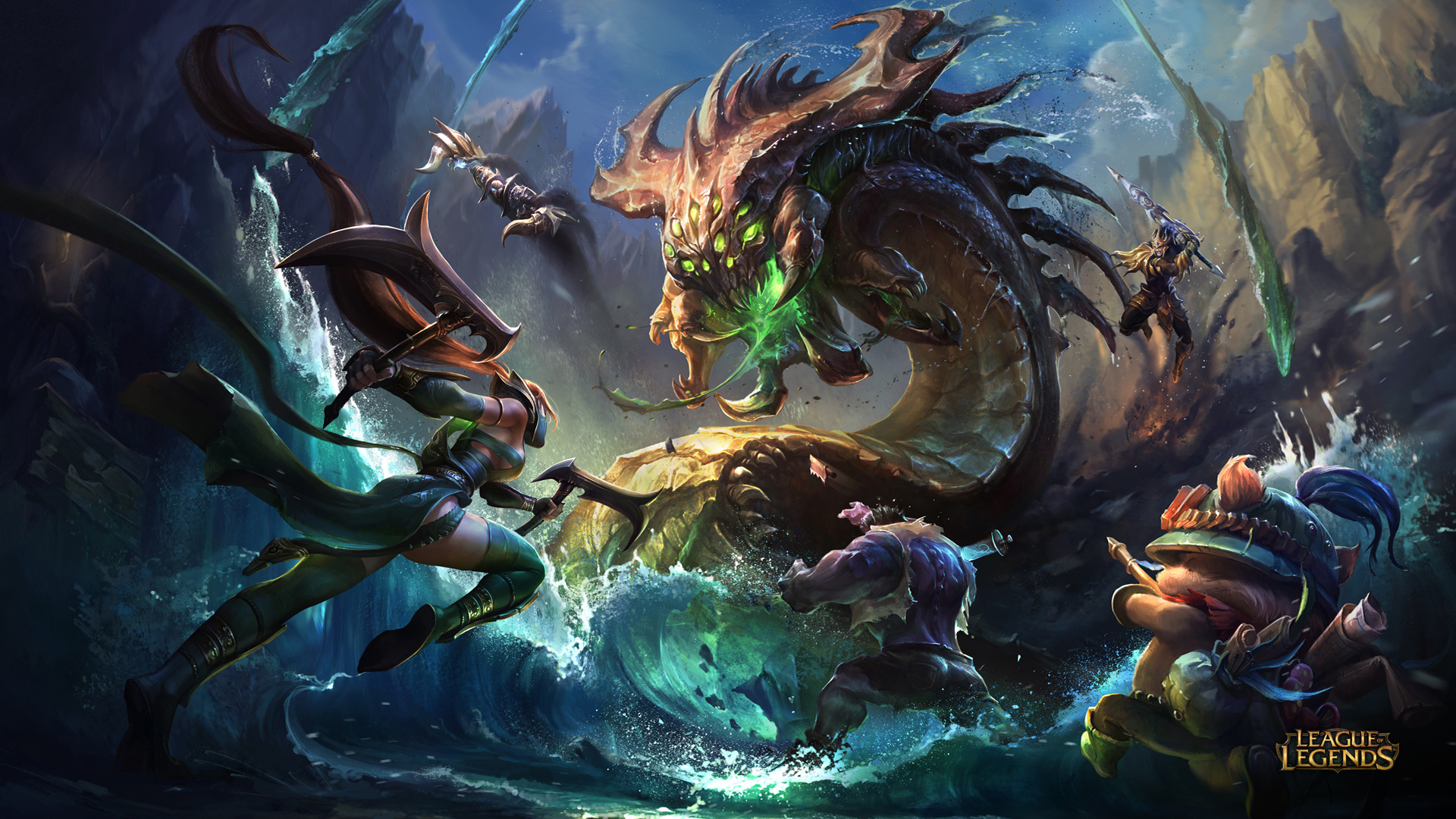
Players often encounter intense verbal abuse and griefing during competitive matches in this popular multiplayer online battle arena. The high stakes of ranked play frequently lead to teammates blaming one another for mistakes. Many users report that the community environment discourages new players from learning the game effectively. Developers have implemented various reporting systems and chat filters to combat the ongoing issues with player behavior. This title remains a primary example of how competitive pressure can influence a fan base negatively.
‘Counter-Strike 2’ (2023)
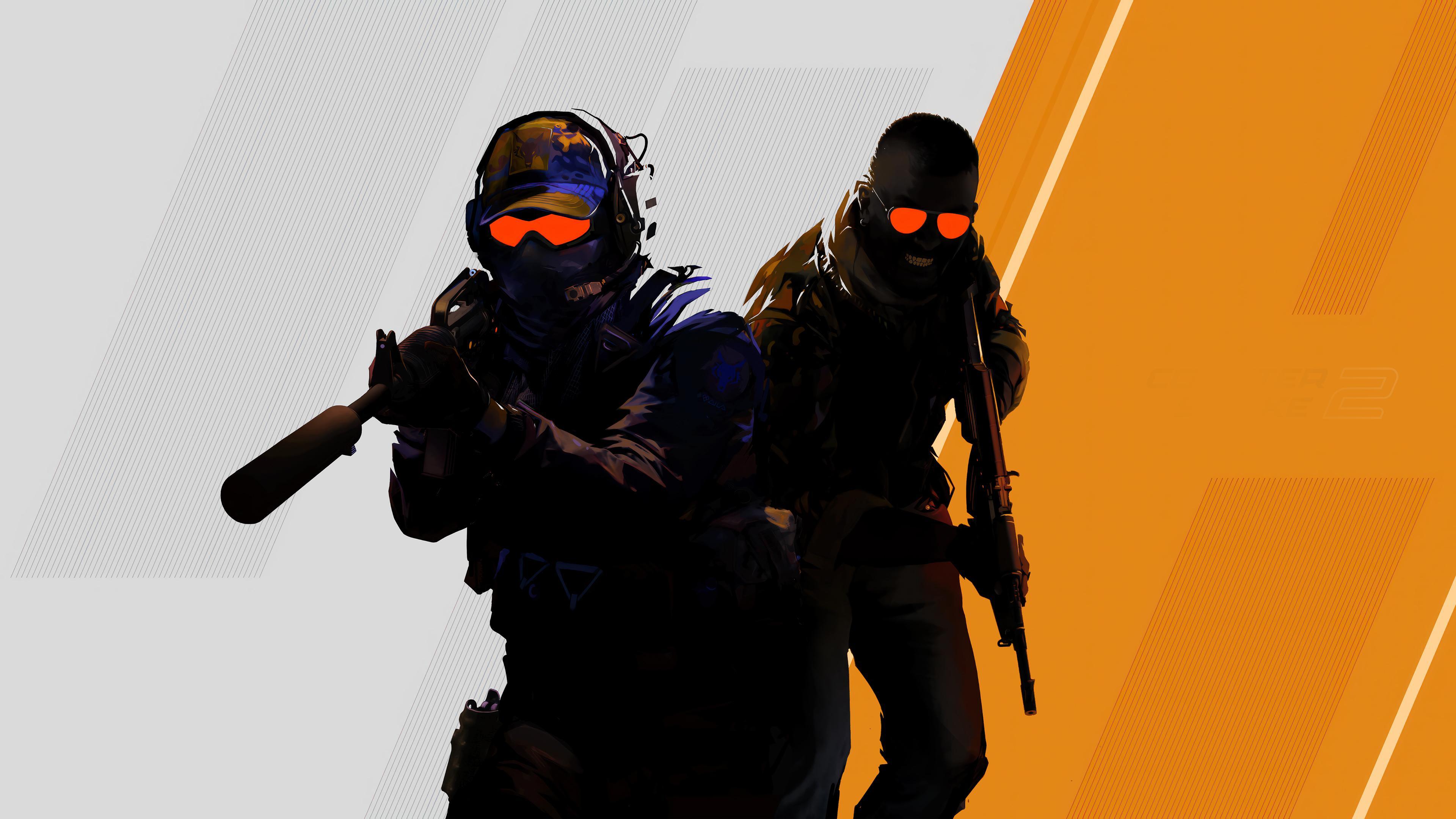
The transition to this new version of the classic shooter has brought over a dedicated but often aggressive player base. Voice chat is frequently cited as a source of hostility where players criticize the performance of their peers. Cheating allegations and competitive tension contribute to a high level of toxicity in standard matches. The community is known for its elitism regarding skill levels and historical knowledge of the franchise. It continues to be a challenging environment for those who are not prepared for a harsh social experience.
‘Dota 2’ (2013)
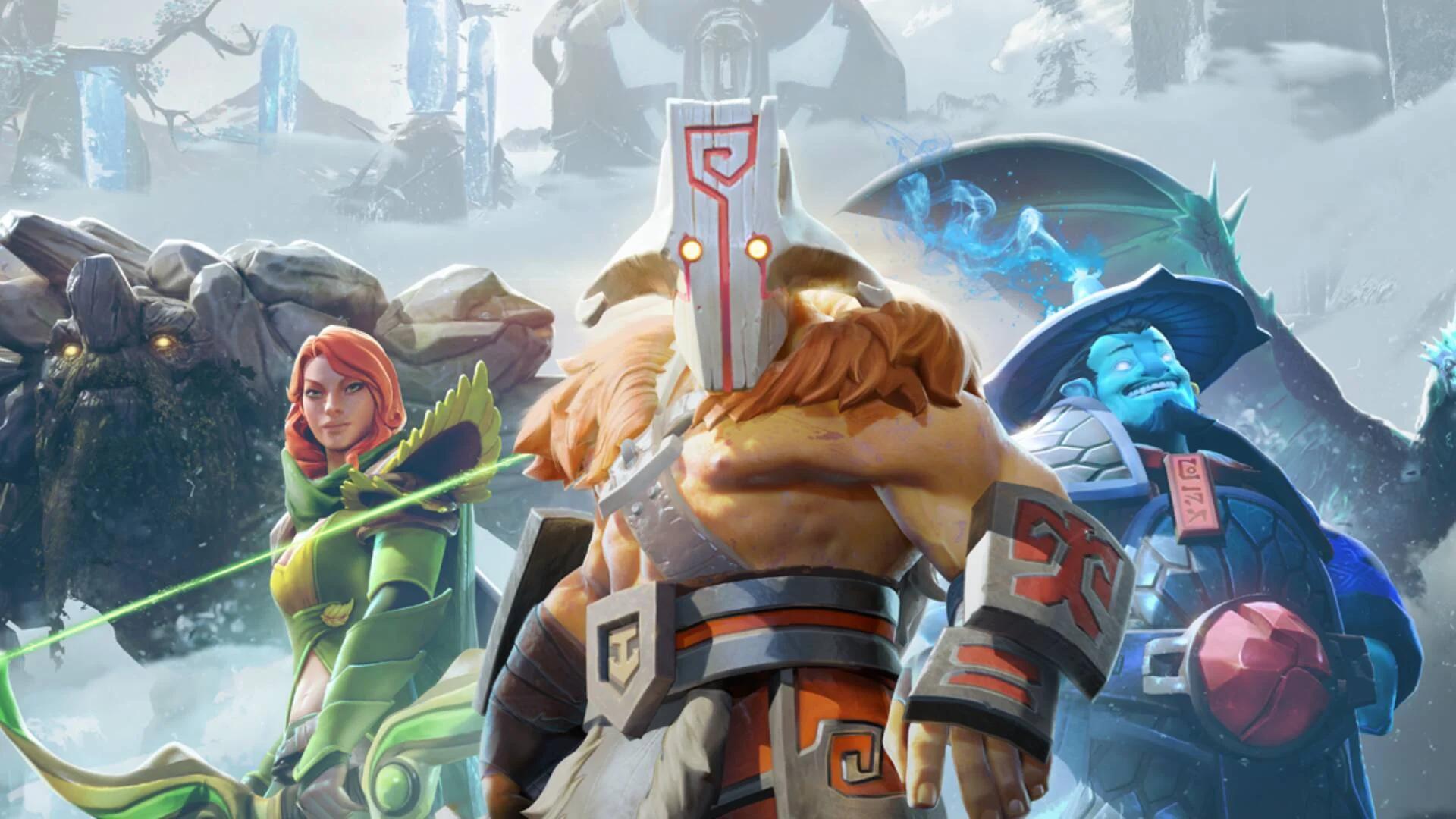
This complex strategy game requires significant teamwork which often breaks down into arguments during long matches. Newcomers frequently face ridicule for not understanding the deep mechanics and item builds required for victory. The duration of each game means that players are stuck with frustrated teammates for extended periods. Professional scenes and high level play have established a culture where efficiency is demanded and errors are rarely forgiven. Efforts to improve player behavior through commendation systems have seen mixed results over the years.
‘Call of Duty: Modern Warfare III’ (2023)
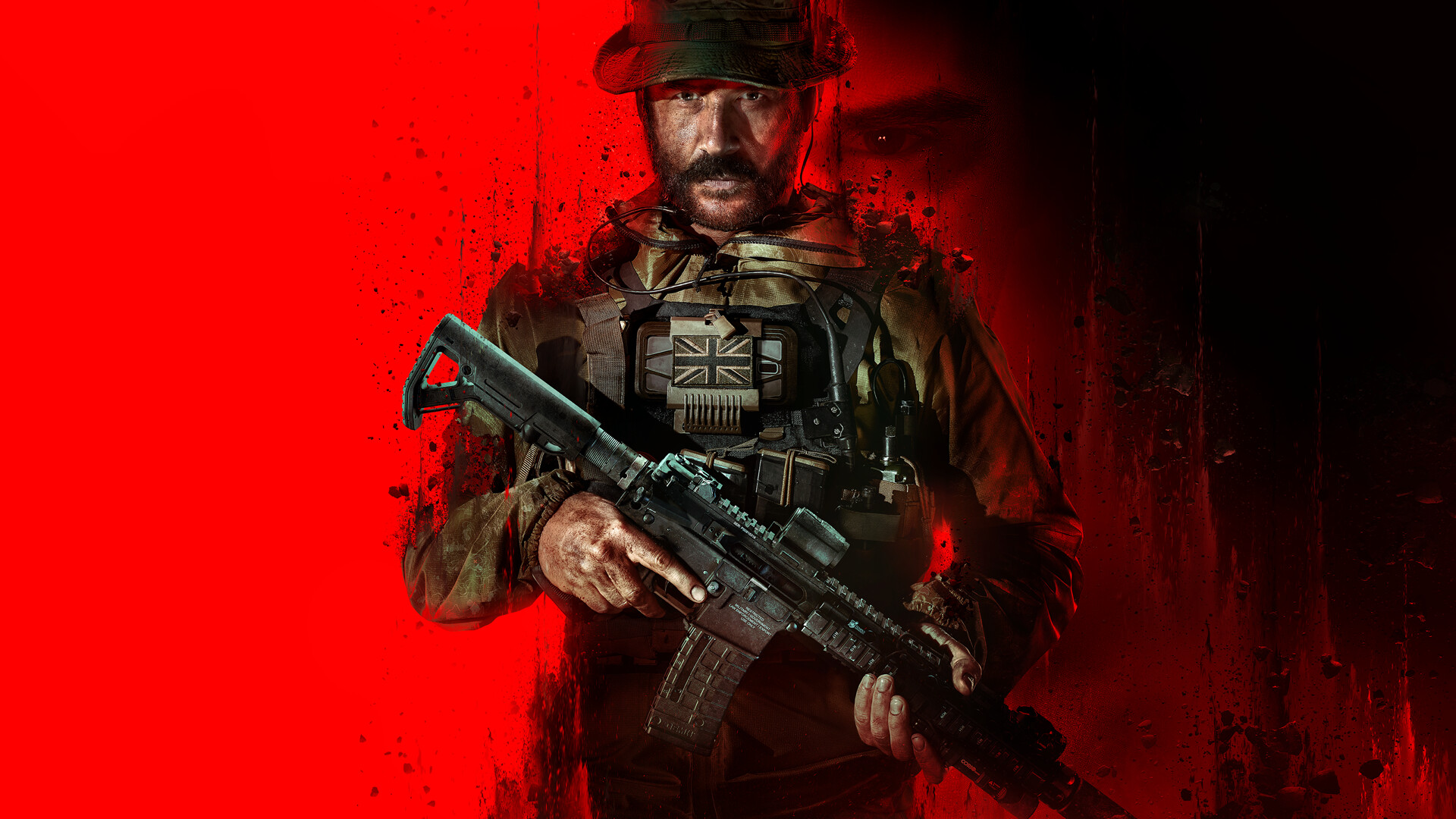
The fast paced nature of this first person shooter often results in heated exchanges within public lobbies. Players frequently utilize voice chat to belittle opponents and teammates after a lost round or a poor performance. Longstanding rivalries and the anonymity of the internet foster an environment where trash talking is considered a standard part of the experience. The competitive search and destroy mode is particularly notorious for its high levels of verbal aggression. Despite modern filtering tools the culture of the franchise remains synonymous with loud and confrontational interactions.
‘Overwatch 2’ (2022)
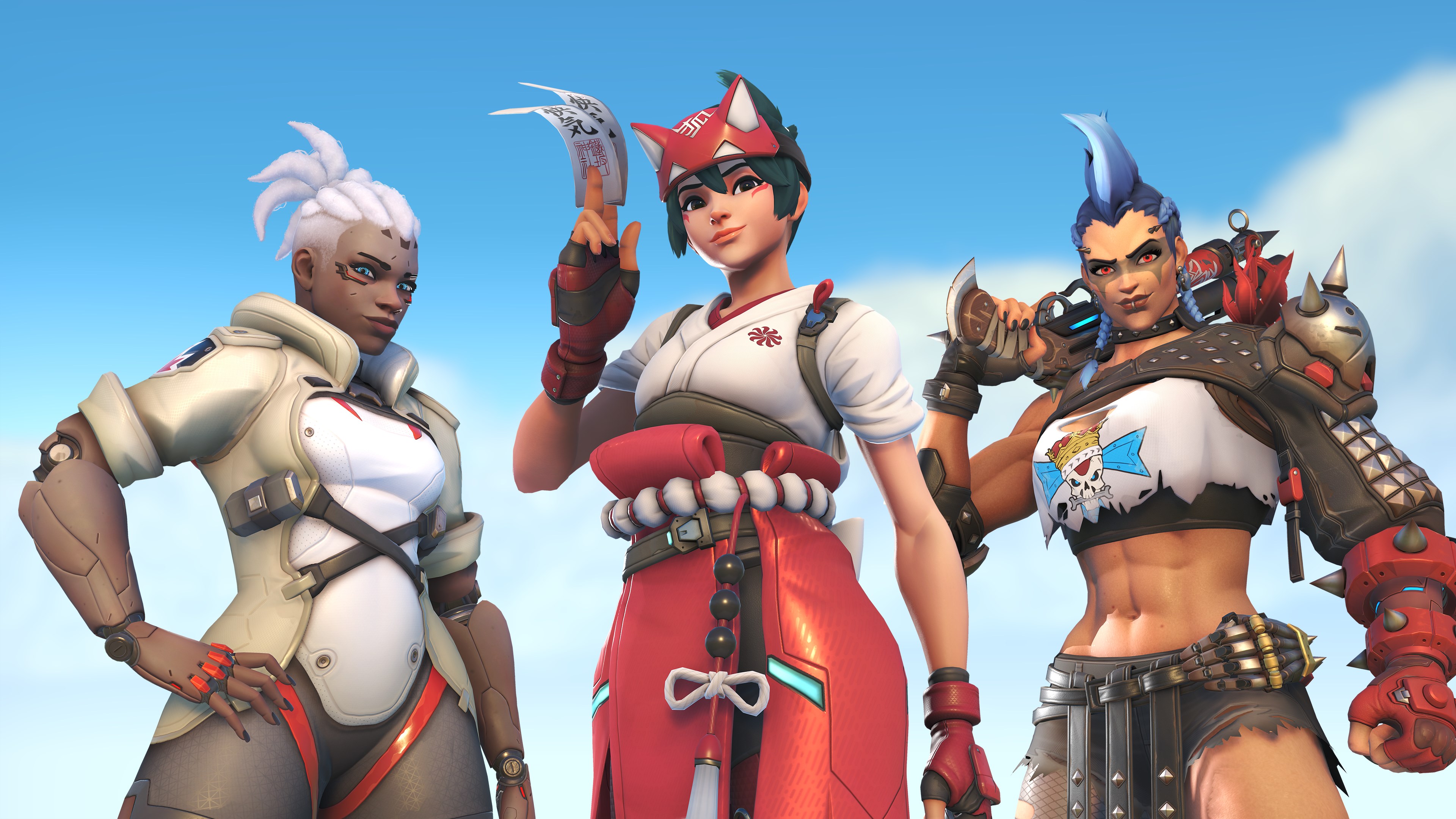
The shift to a smaller team format increased the individual pressure on every player to perform their specific role perfectly. Support and tank players often bear the brunt of the blame when a team fails to secure an objective. Toxic behavior frequently manifests as passive aggressive comments or outright demands for players to switch characters. The community struggles with balancing a diverse player base and a highly competitive ranked ladder. While the game features vibrant characters the social atmosphere can often feel exclusionary and stressful.
‘Tom Clancy’s Rainbow Six Siege’ (2015)
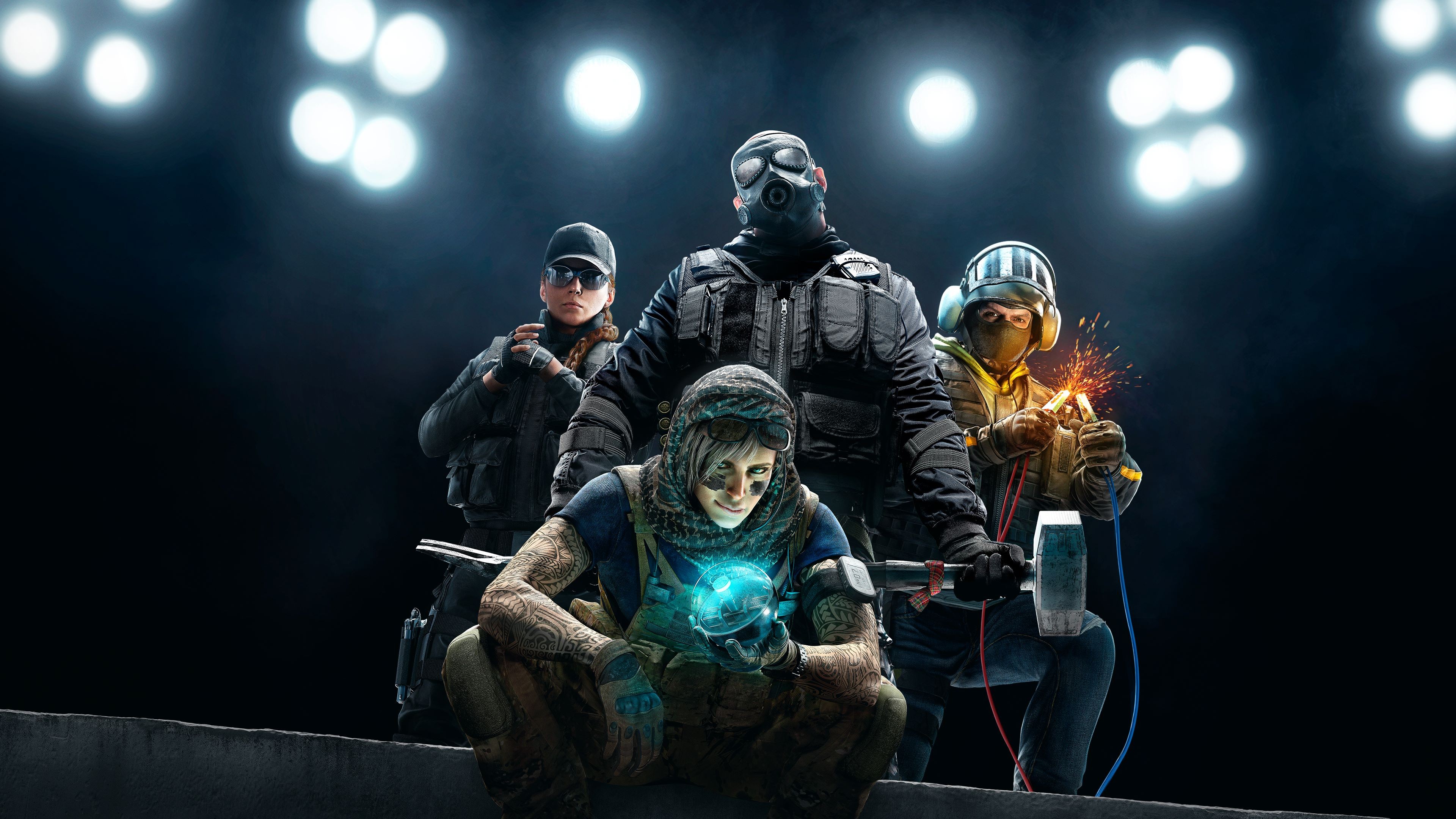
Tactical precision is required in this shooter and any mistake can lead to an immediate round loss for the entire team. Team killing and intentional griefing have historically plagued the community as ways to punish underperforming teammates. The learning curve is exceptionally steep which leads to veteran players losing patience with those who are less experienced. Communication is vital for success but it is often used as a tool for harassment rather than coordination. The developers have introduced a reputation system to help mitigate these recurring social problems.
‘Valorant’ (2020)
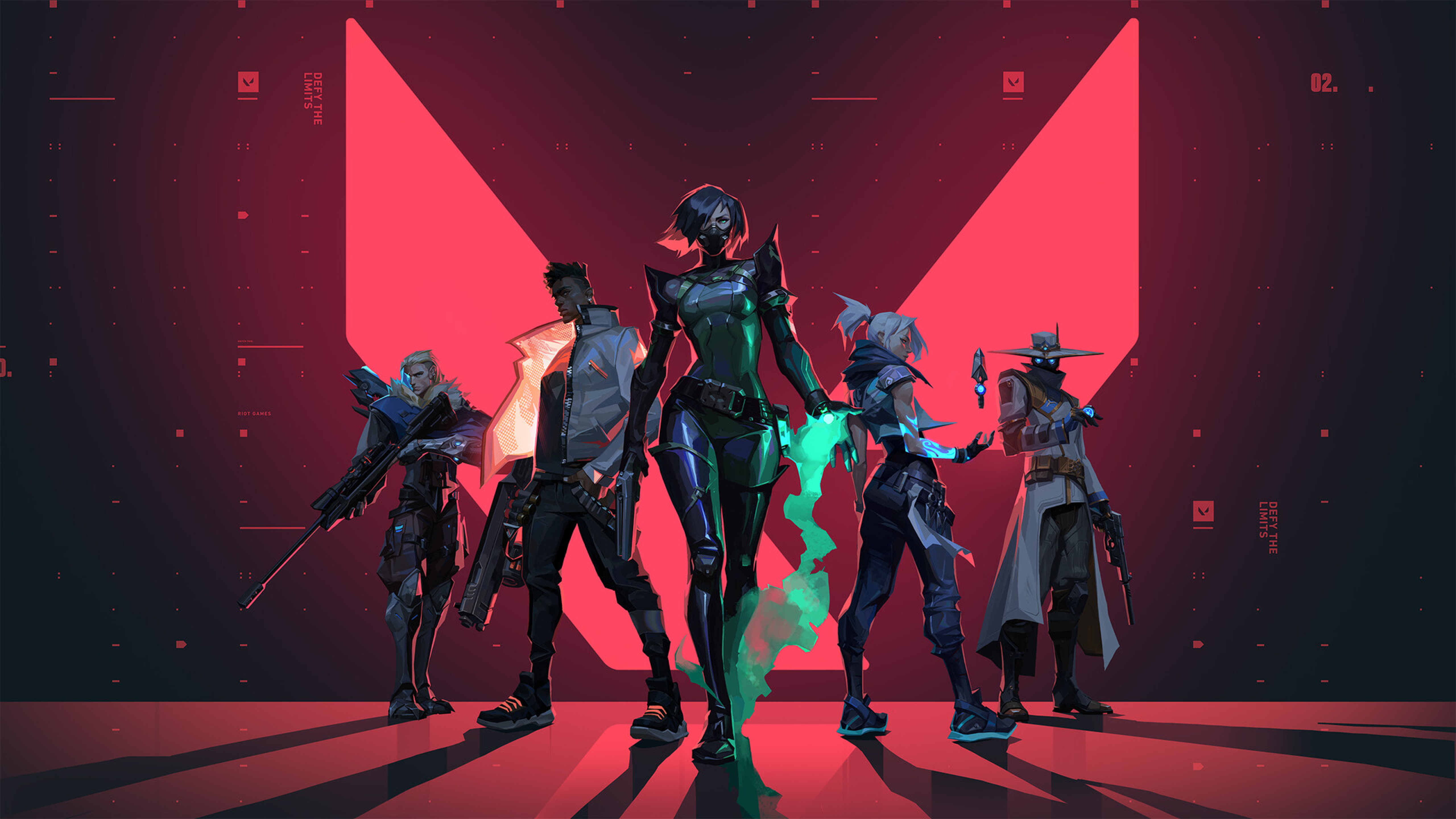
Combining hero abilities with precise gunplay has created a community that is exceptionally sensitive to player skill. Voice chat is essential for strategy but it is frequently a place where players encounter sexism and general harassment. The ranking system is highly competitive and leads to significant frustration when players feel their teammates are holding them back. Many users have called for stricter moderation to address the pervasive culture of negativity. It remains one of the most popular yet socially demanding titles in the modern gaming market.
‘Rust’ (2018)

Survival in this harsh world is difficult and the community often makes it even harder through ruthless player interactions. Players frequently lose hours of progress to others who enjoy destroying bases and stealing resources without provocation. The proximity voice chat is often filled with insults and territorial aggression as groups fight for dominance. Many veterans of the game take pride in being unfriendly to newcomers to protect their territories. This creates a cycle of hostility that defines the core social experience of the survival genre.
‘Dead by Daylight’ (2016)
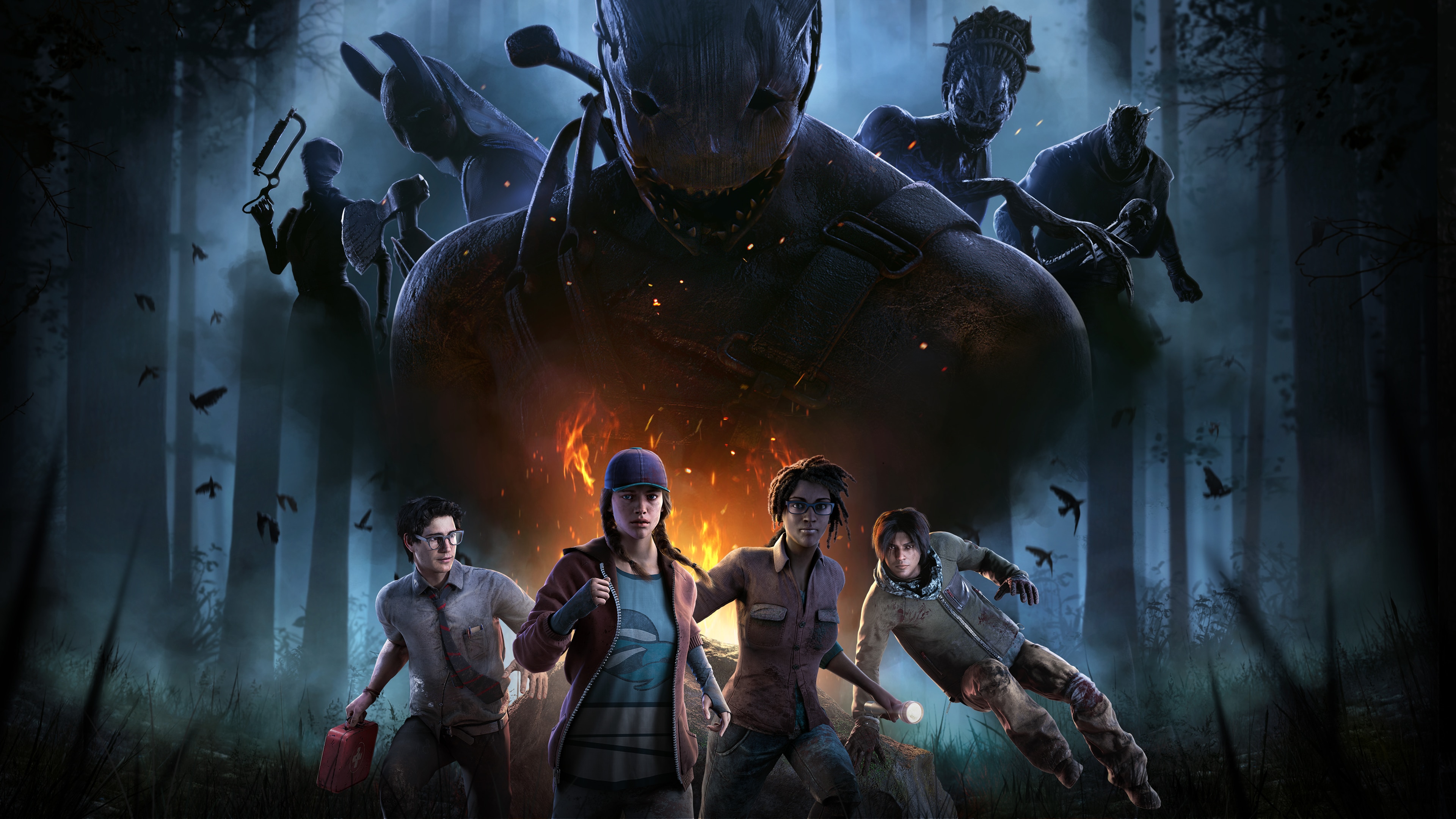
The asymmetrical nature of this horror game leads to constant friction between those playing as survivors and those playing as killers. Both sides frequently accuse the other of using unfair tactics or unsportsmanlike strategies to win. End of game chat is a common place for insults and complaints regarding the balance of the match. The community is deeply divided over what constitutes a respectful way to play the game. Even with a dedicated fan base the social interactions are often characterized by bitterness and entitlement.
‘Rocket League’ (2015)
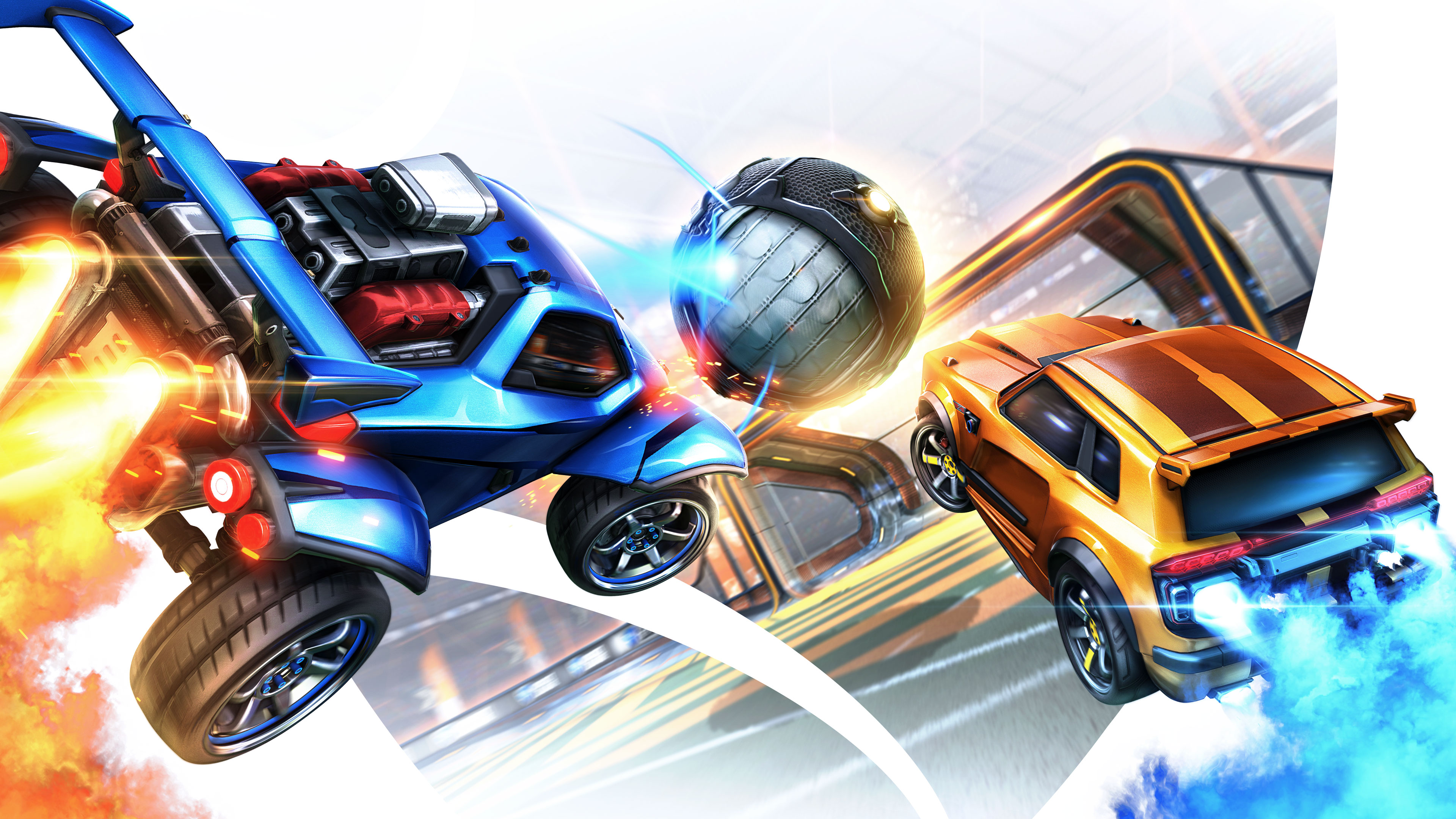
Quick chat commands like what a save are frequently used sarcastically to mock teammates or opponents after a goal. The simple mechanics of the game lead to high levels of frustration when a player misses a routine hit on the ball. Competitive matches can become extremely heated as players try to climb the ranks in a very short amount of time. Toxic behavior often results in players quitting mid match or intentionally playing for the opposing team. This sports based title has a reputation for being far more aggressive than its colorful aesthetic suggests.
‘World of Warcraft’ (2004)
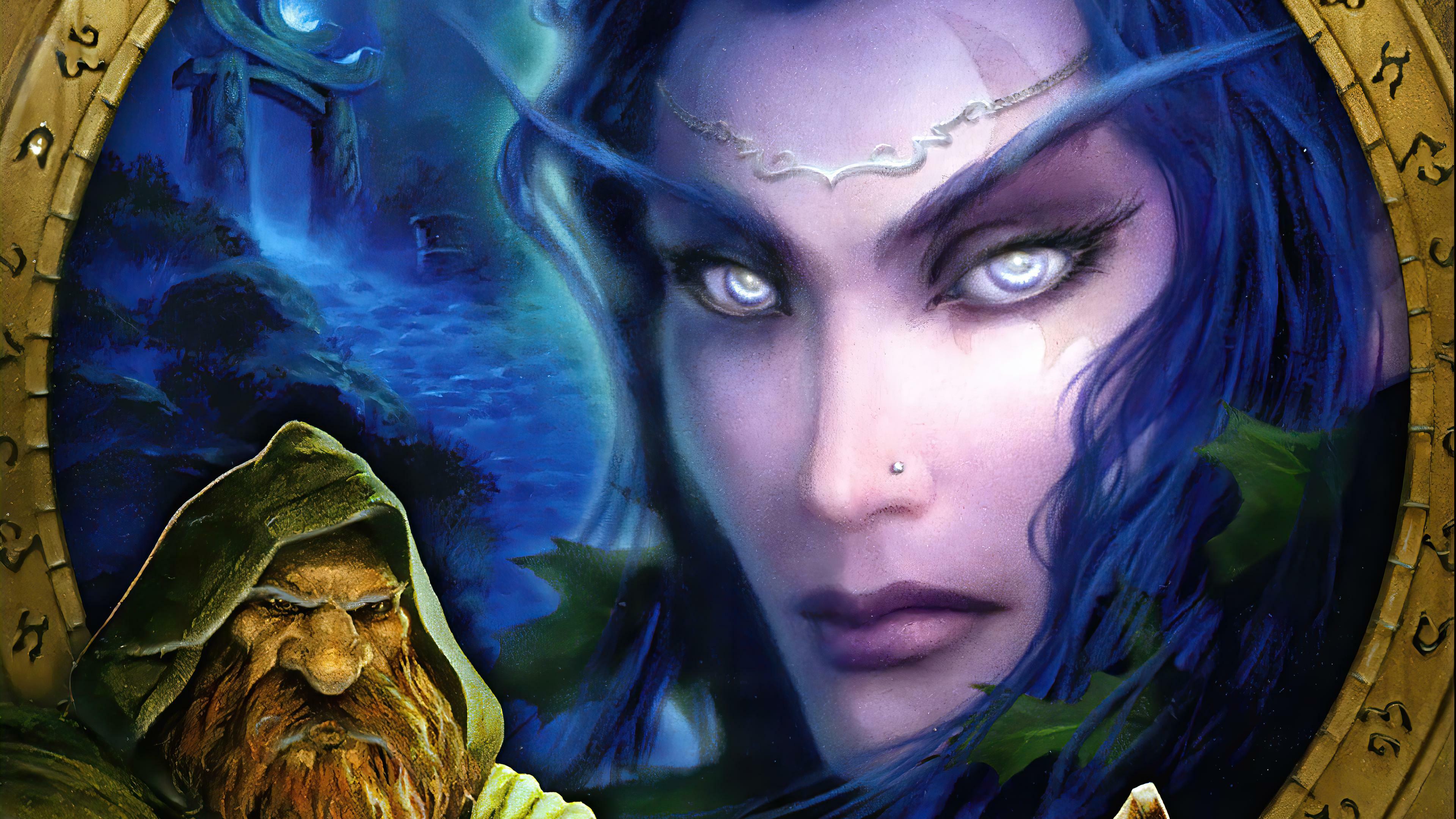
The high level raiding scene in this massive online world is known for its extreme demands and lack of tolerance for failure. Guilds often have strict requirements that can lead to social exclusion for those who do not meet certain performance metrics. Modern versions of the game have seen a rise in elitism within the dungeon finders where players are kicked for minor errors. The community forums are also a frequent site of intense debate and negativity regarding game balance. Despite the cooperative goals the social landscape can be incredibly isolating for casual participants.
‘Grand Theft Auto Online’ (2013)
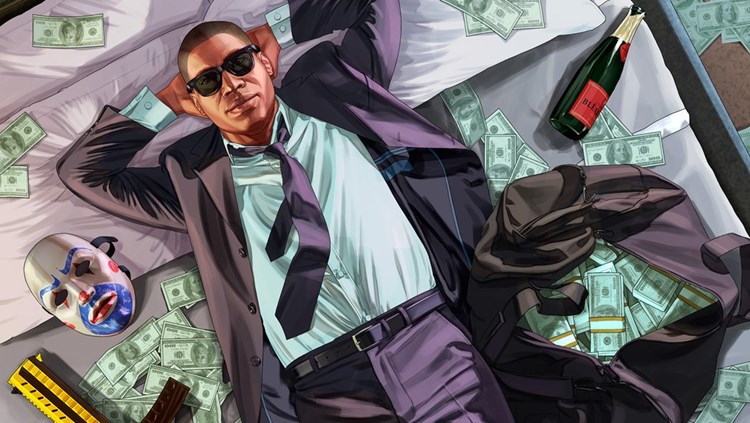
The open world nature of this game allows players to harass others freely using powerful vehicles and weapons. New players are often targeted by high level veterans who seek to disrupt their missions and gameplay for fun. Public lobbies are frequently filled with loud music and verbal abuse through the open microphone system. The lack of strict consequences for aggressive behavior in the sandbox world encourages a culture of griefing. Many players find it necessary to play in private sessions just to enjoy the content without constant interference.
‘EA Sports FC 24’ (2023)
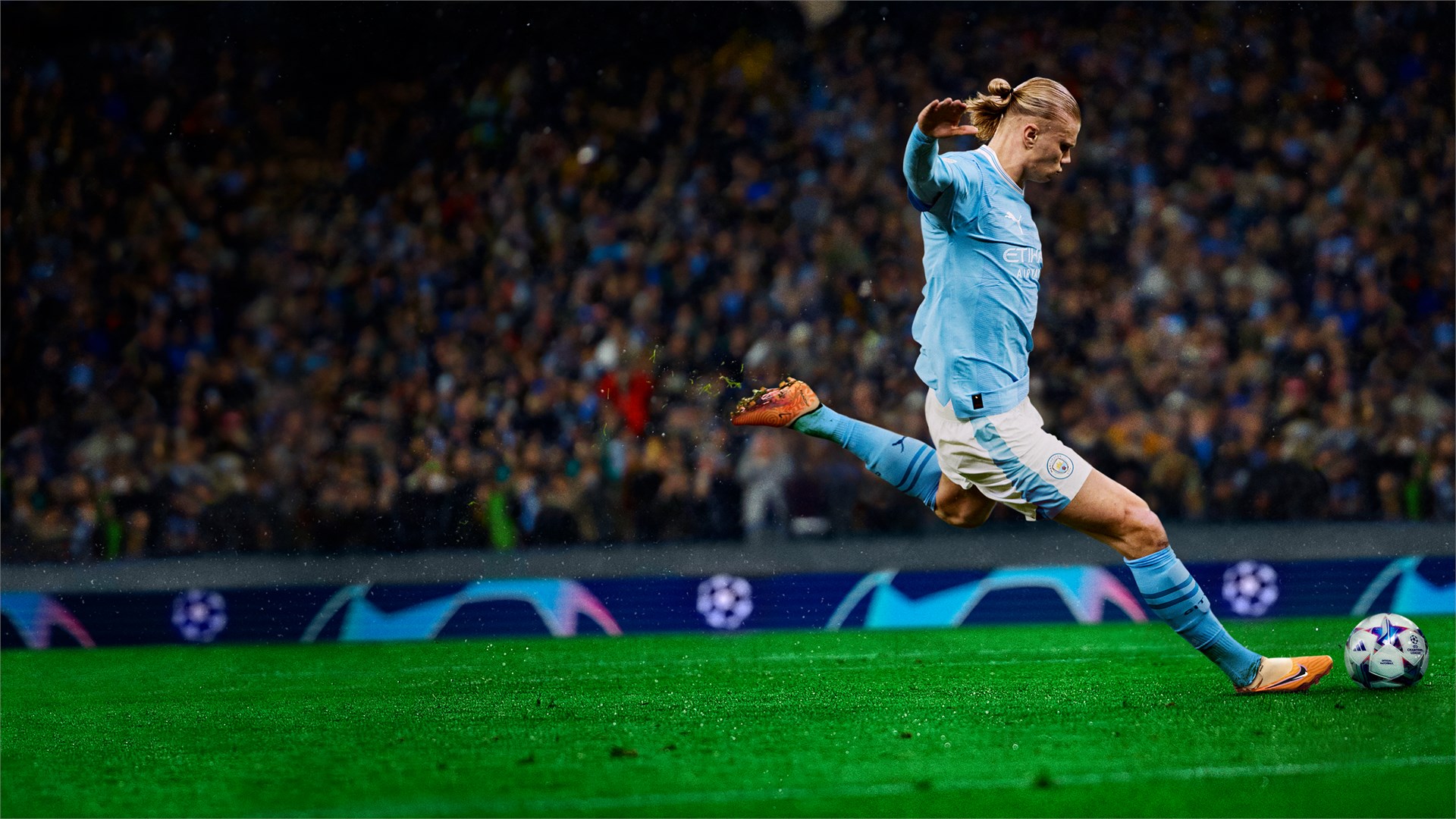
The competitive ultimate team mode drives a high level of stress as players compete for valuable rewards. Opponents often use celebratory animations and tactical pauses to annoy one another during matches. Messaging systems are frequently flooded with insults after a game concludes regardless of who won. The community is often critical of the game mechanics which adds to the general atmosphere of negativity. This soccer simulation is widely regarded as having one of the most frustrated and vocal fan bases in sports gaming.
‘Fortnite’ (2017)
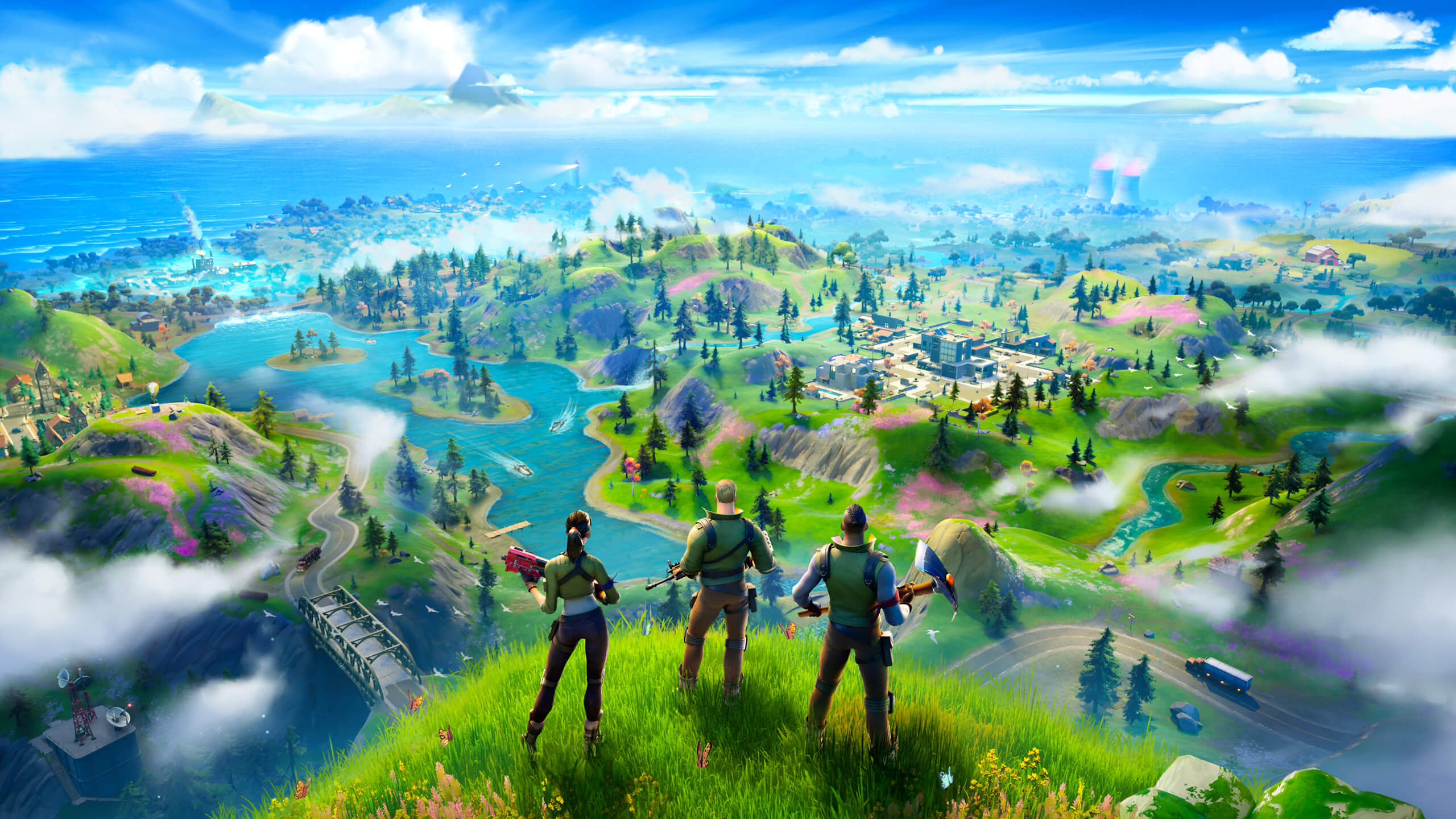
The younger demographic of this battle royale contributes to a unique kind of social environment that can be quite loud and chaotic. Emotes are frequently used to mock defeated opponents which can lead to significant frustration during high stakes matches. Competitive play often brings out aggressive behavior in players who are striving to become professional influencers. While the game is bright and accessible the community can be very unwelcoming to those who do not play at a high skill level. The massive scale of the player base makes moderation a constant challenge for the developers.
‘Apex Legends’ (2019)
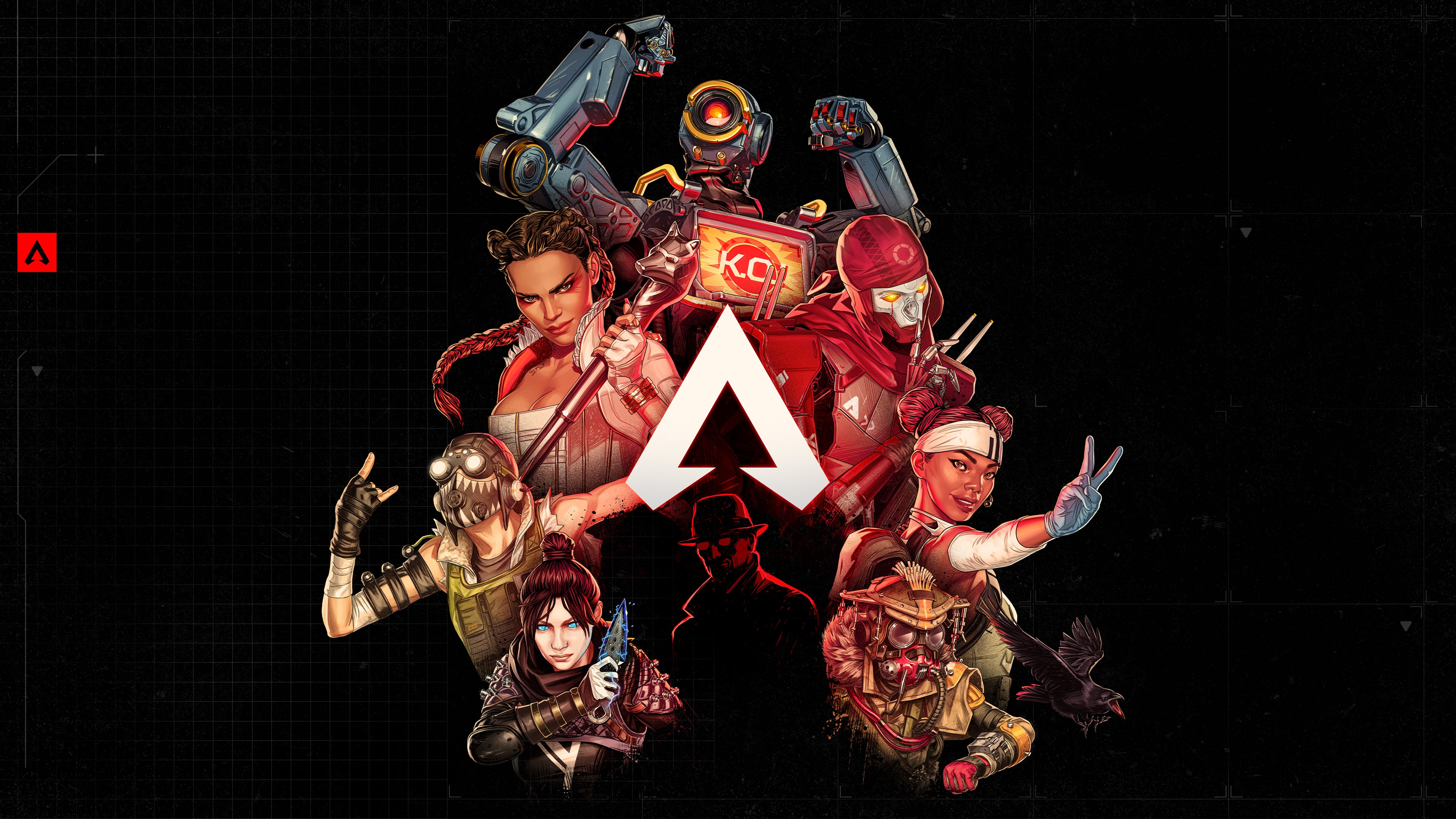
Teamwork is essential in this battle royale but players often break away from their squads to act independently. When these solo actions lead to a loss the remaining teammates frequently use voice chat to express their anger. The fast movement and high skill ceiling create an environment where players are very critical of one another. Toxicity often appears in the form of players quitting as soon as they are knocked down rather than waiting for a teammate to help. The competitive nature of the ranked modes intensifies these social issues significantly.
‘Destiny 2’ (2017)
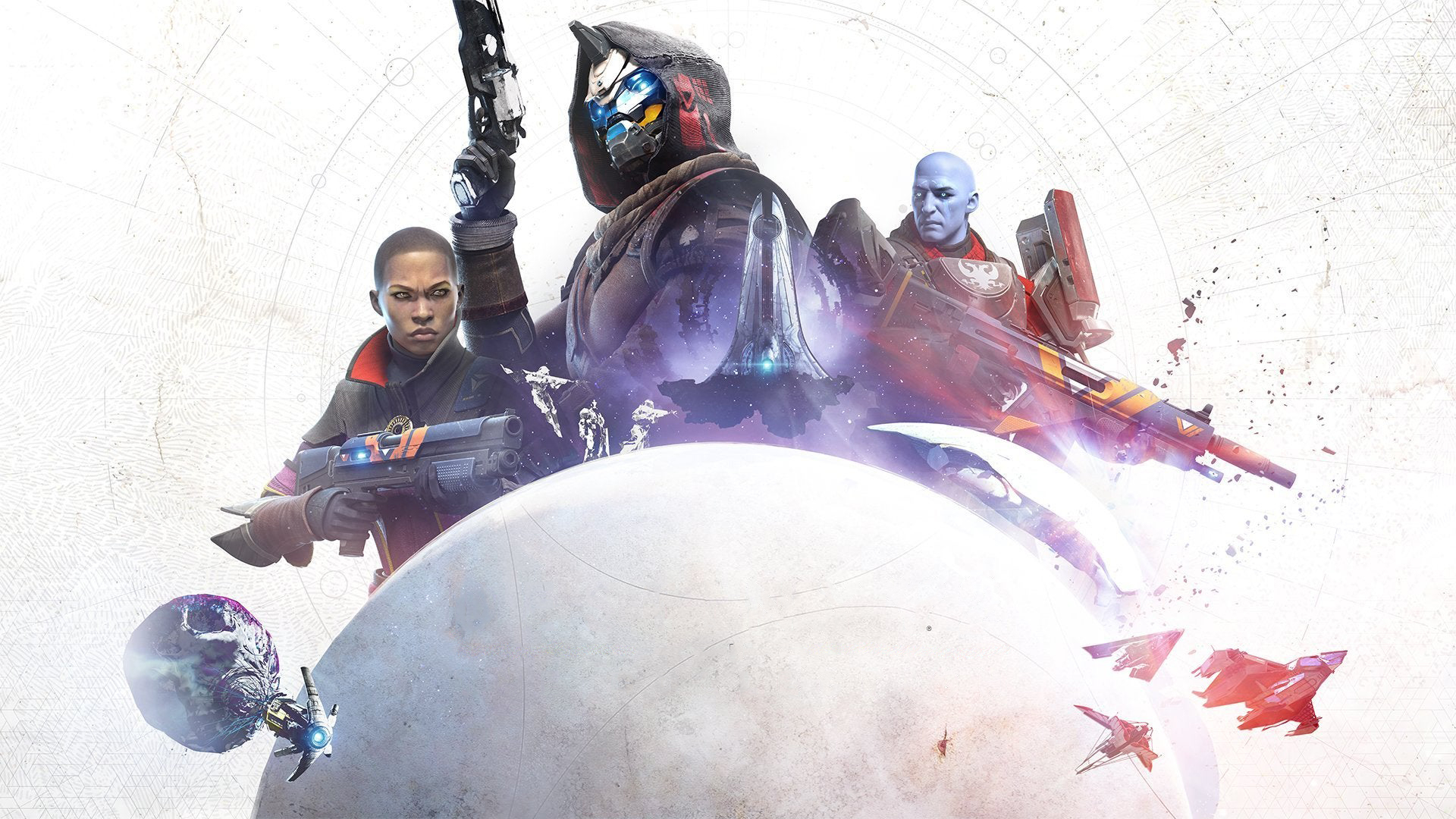
The cooperative raids and competitive trials in this sci-fi shooter often lead to high levels of elitism among the player base. Groups frequently demand that participants have specific high tier gear or a high number of previous completions before allowing them to join. Failure to execute mechanics perfectly during a long mission can result in immediate kicks and verbal berating. The balance between player versus player and player versus environment content causes constant friction within the community. While many players are helpful the top tier of the community is known for its gatekeeping tendencies.
‘For Honor’ (2017)
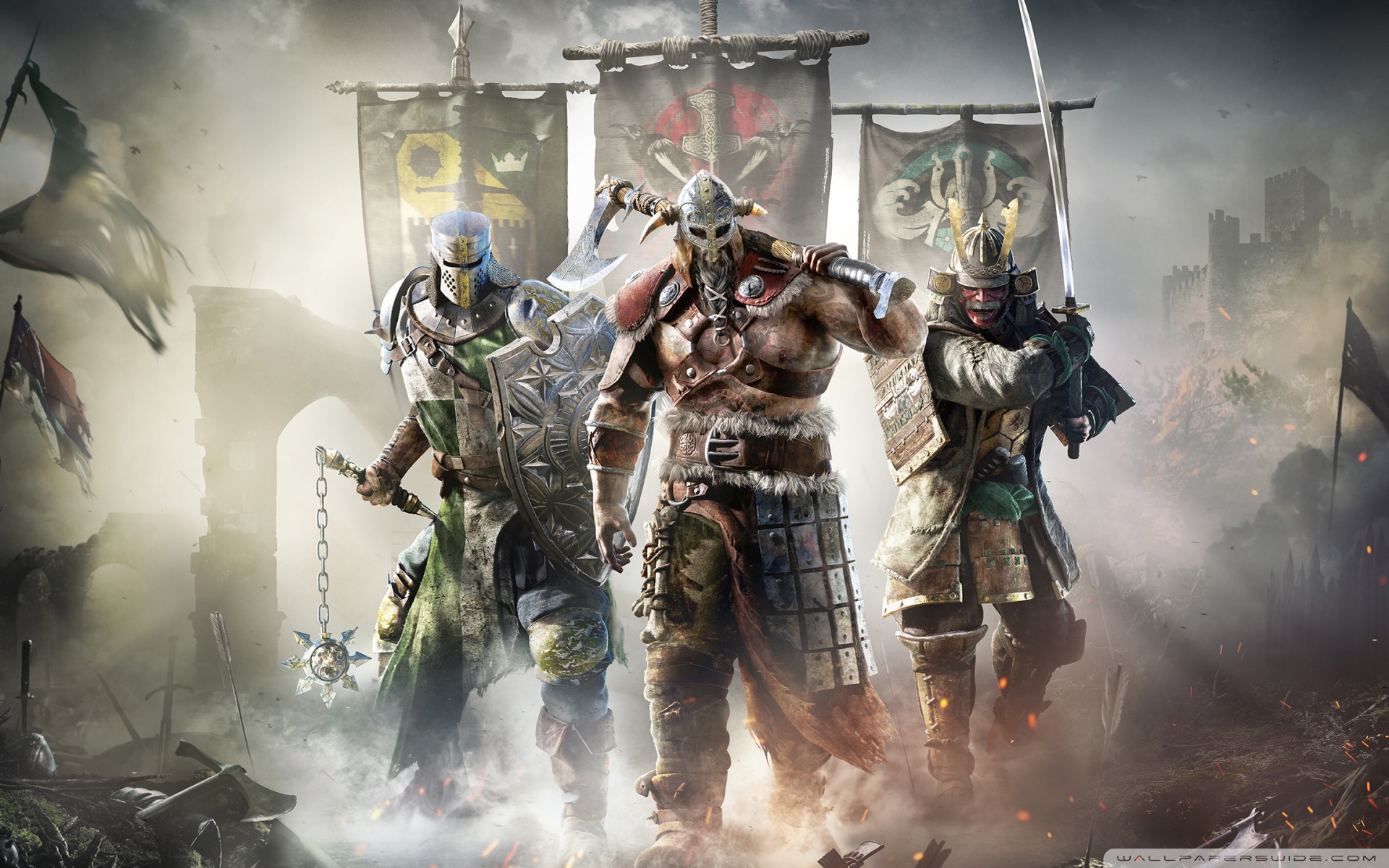
The dueling nature of this medieval combat game often results in players feeling personally insulted by the tactics of their opponents. Certain moves or playstyles are labeled as cheap by the community leading to heated arguments in match chat. Emotional reactions are common when players lose a series of fights to the same person. The community has a reputation for being very vocal about their distain for specific character balances. Competitive matches are often preceded and followed by displays of poor sportsmanship.
‘Escape from Tarkov’ (2017)
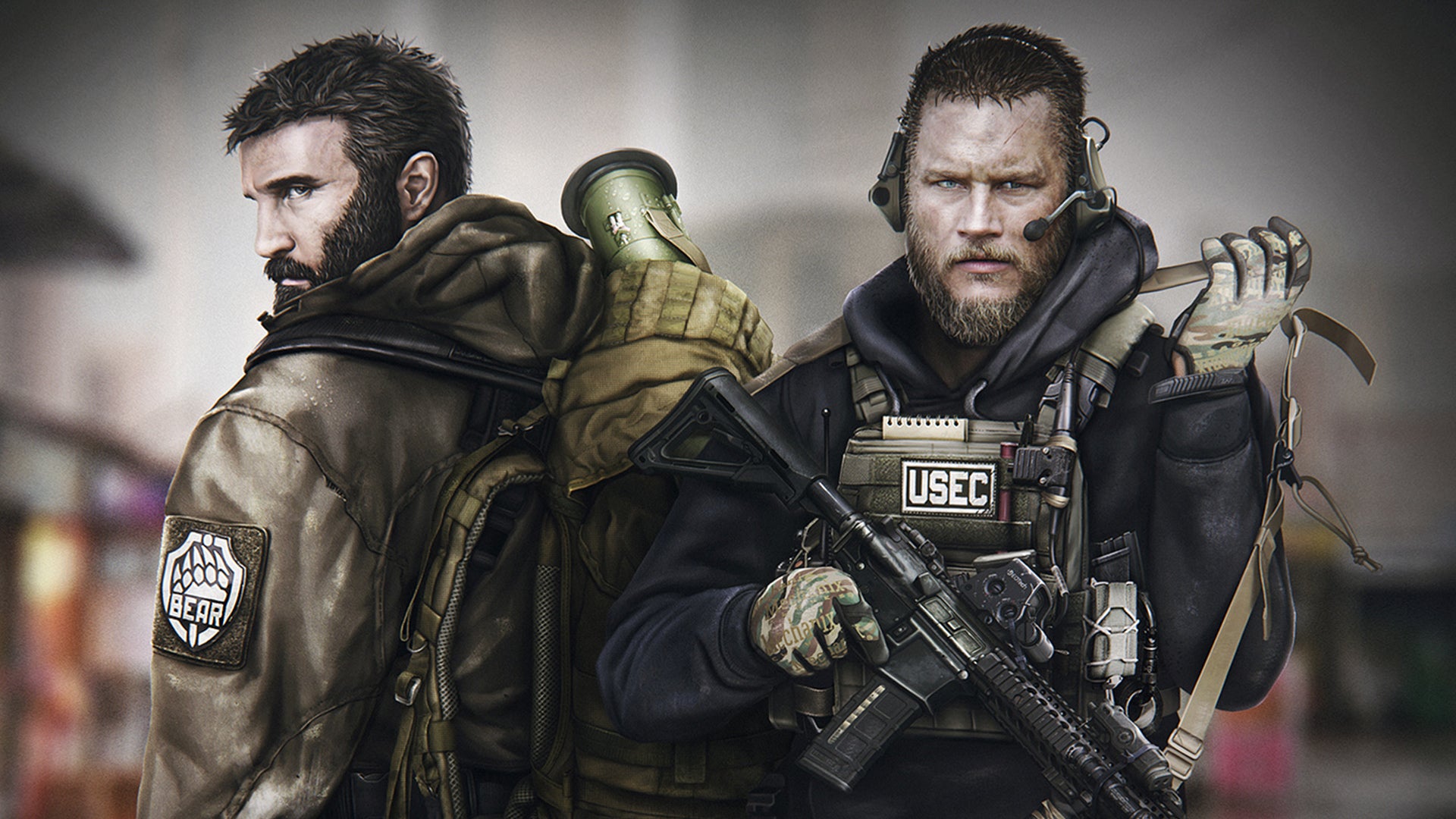
The high stakes of losing all carried equipment upon death makes every encounter in this shooter incredibly stressful. Players are often suspicious of everyone they meet and the community forums are filled with accusations of cheating. This intense pressure creates an environment where players are rarely helpful and often hostile to those seeking advice. The steep learning curve and lack of hand holding contribute to a culture of elitism among veteran survivors. It is a game where the community reflects the cold and unforgiving nature of the fictional setting.
‘Mordhau’ (2019)
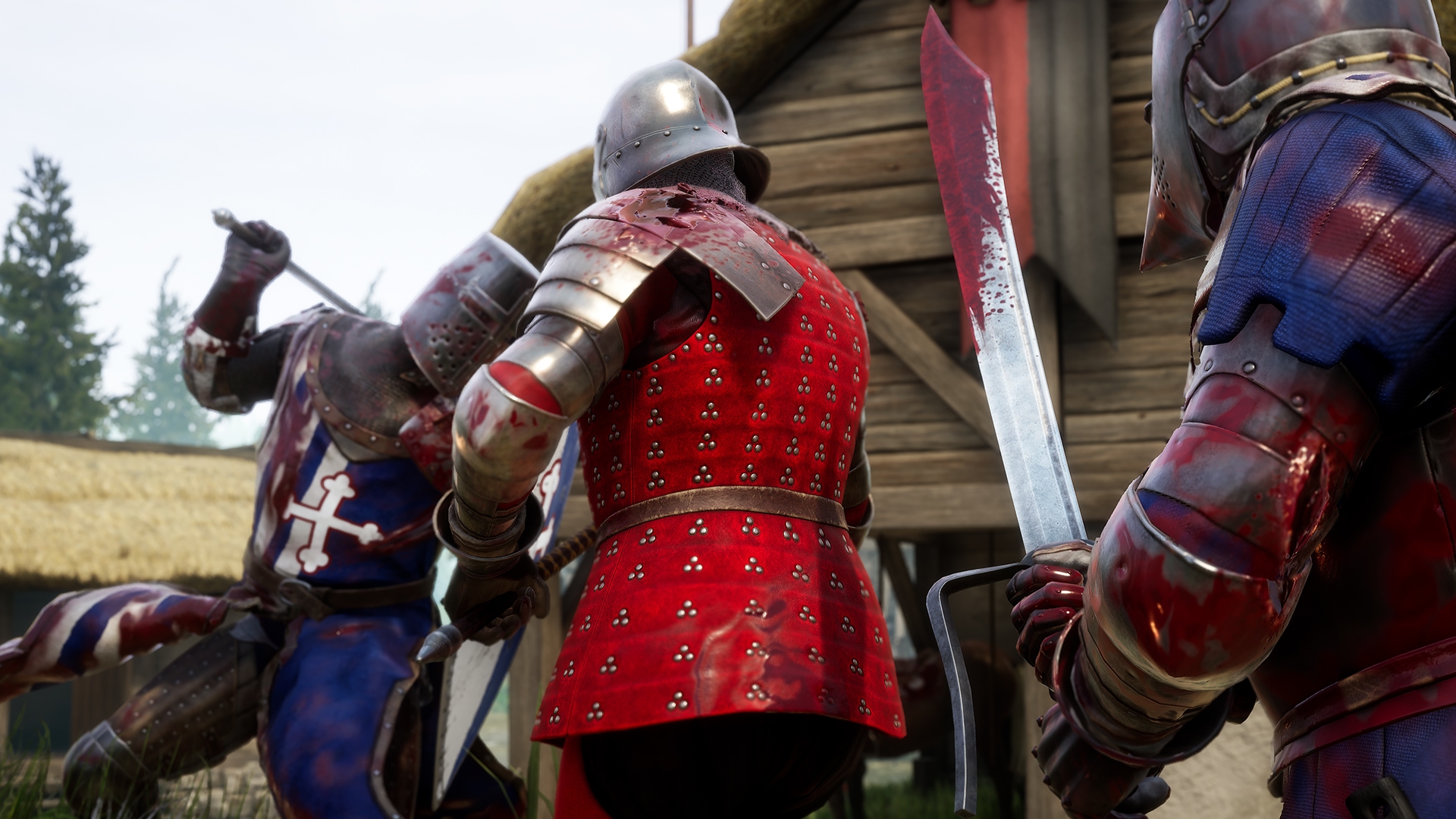
This historical slasher has struggled with a community that frequently uses offensive language in both chat and player names. The skill gap between new players and experts is massive which leads to frustration on the battlefield. Players often use emotes and voice lines to mock opponents while performing complex combat maneuvers. Efforts to moderate the game have been met with resistance from certain segments of the fan base who prefer the chaotic atmosphere. The social experience is often described as being very aggressive and occasionally exclusionary.
‘StarCraft II’ (2010)
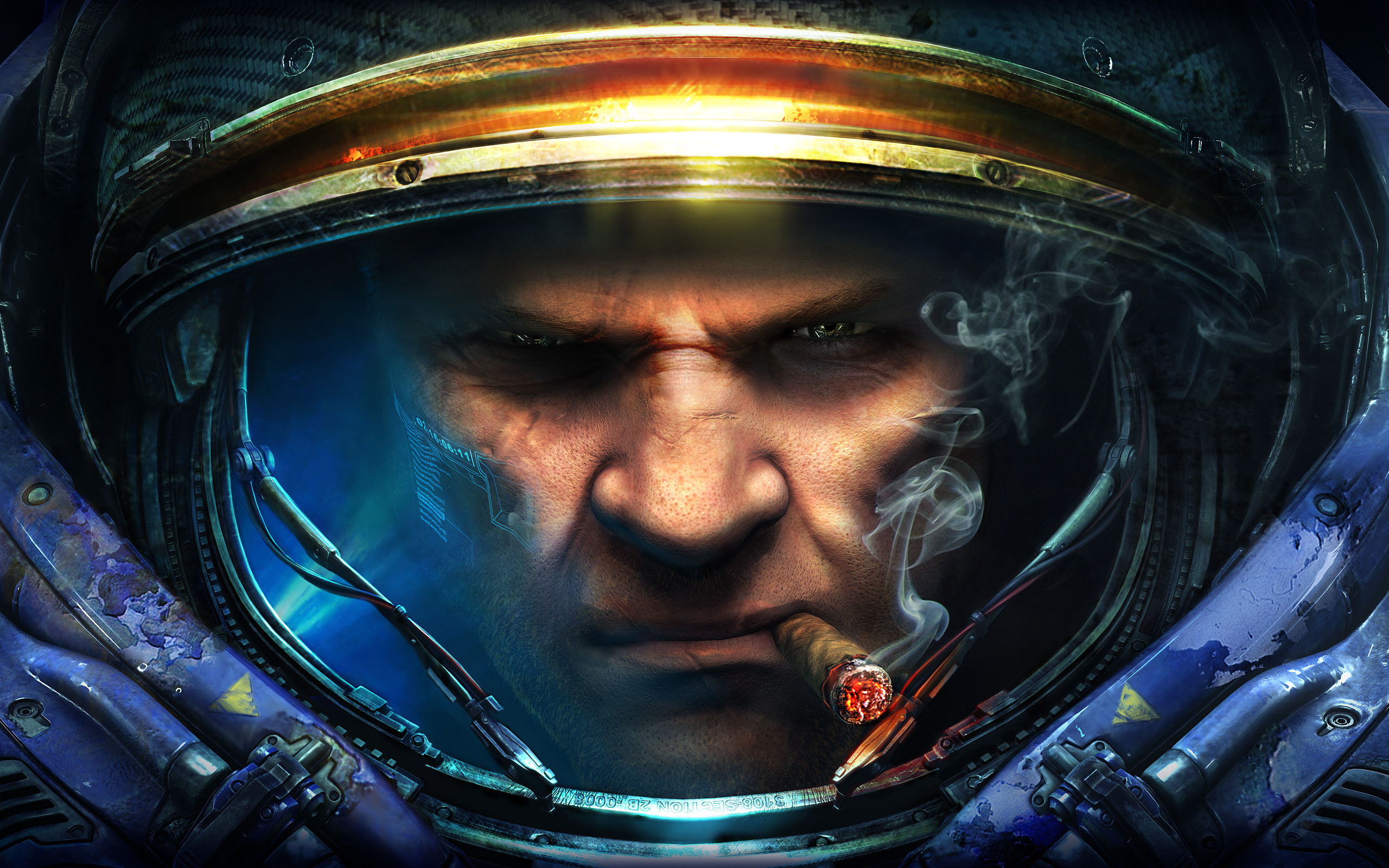
The one on one nature of this real time strategy game means that players have no one to blame but themselves for a loss. This often leads to players lashing out at their opponents with insults or accusations of using boring strategies. The community is highly focused on efficiency and mathematical perfection which creates an atmosphere of extreme elitism. New players are often discouraged by the sheer speed and knowledge required to compete at a basic level. While the professional scene is respected the lower tiers of the ladder can be quite toxic.
‘Minecraft’ (2011)
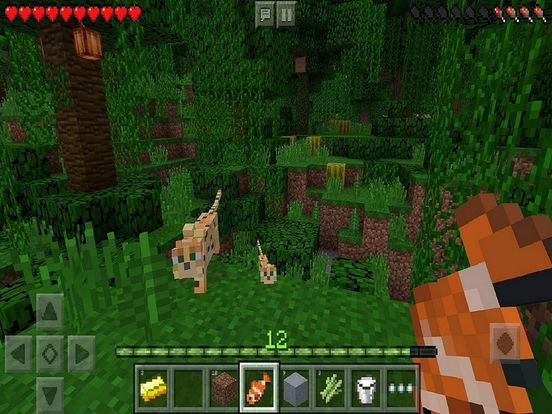
While the general perception of this game is creative and peaceful certain multiplayer servers are notoriously hostile. Faction servers and anarchy worlds encourage players to destroy each other’s work and use offensive language without restriction. Competitive minigames often feature players who are very aggressive toward those who do not play optimally. The massive size of the community means that there are many subcultures with varying levels of social conduct. Some of the most popular servers require constant moderation to keep the environment from becoming completely toxic.
‘Roblox’ (2006)
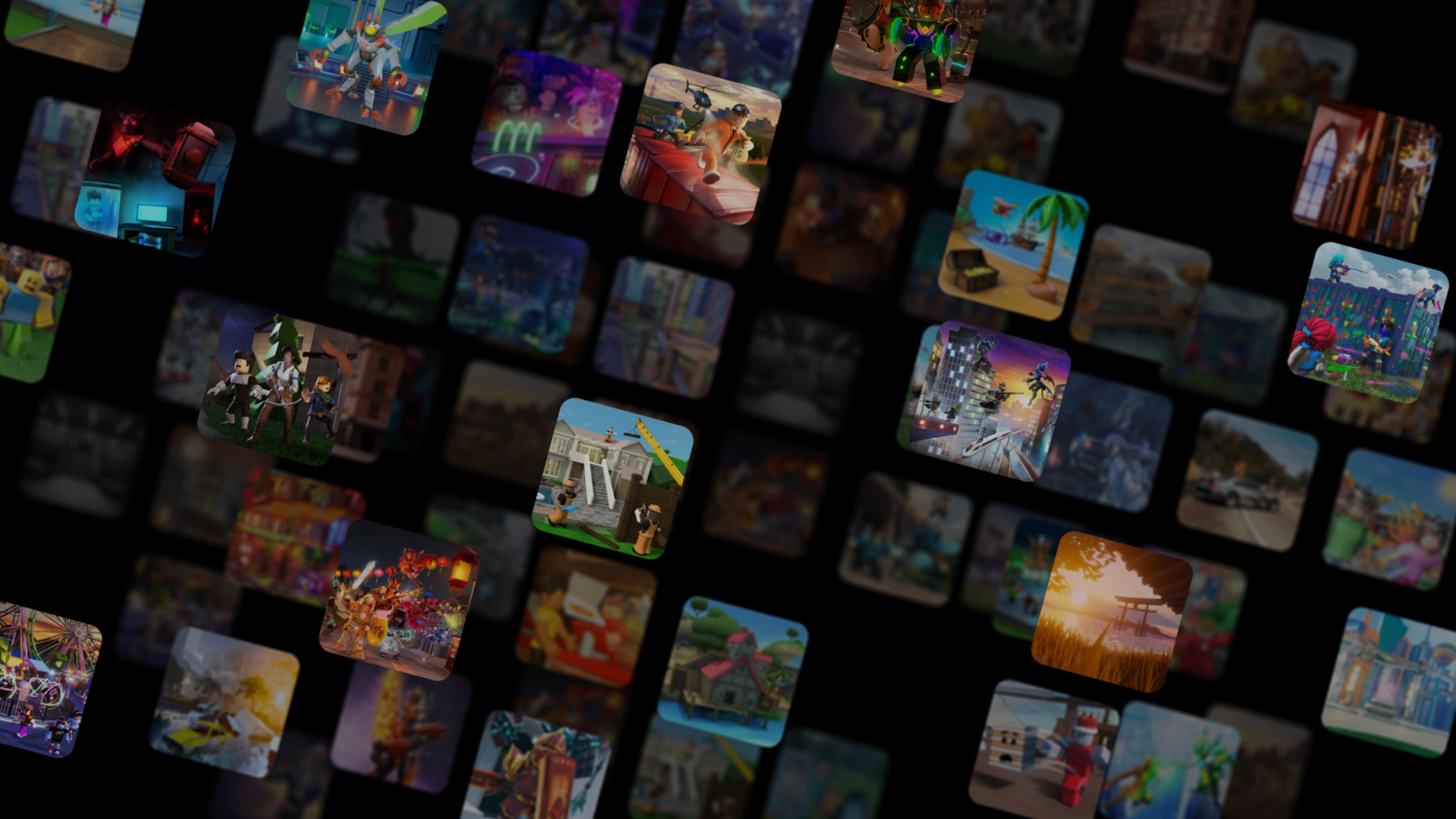
The vast majority of players are young which leads to a social environment that is often immature and prone to bullying. Competitive games within the platform frequently feature players who use workarounds to bypass chat filters and harass others. Scams and social engineering are common issues that target the younger demographic. The decentralized nature of the platform makes it difficult for a single set of community standards to be enforced. Many parents and players have reported high levels of negativity in popular public lobbies.
‘EVE Online’ (2003)
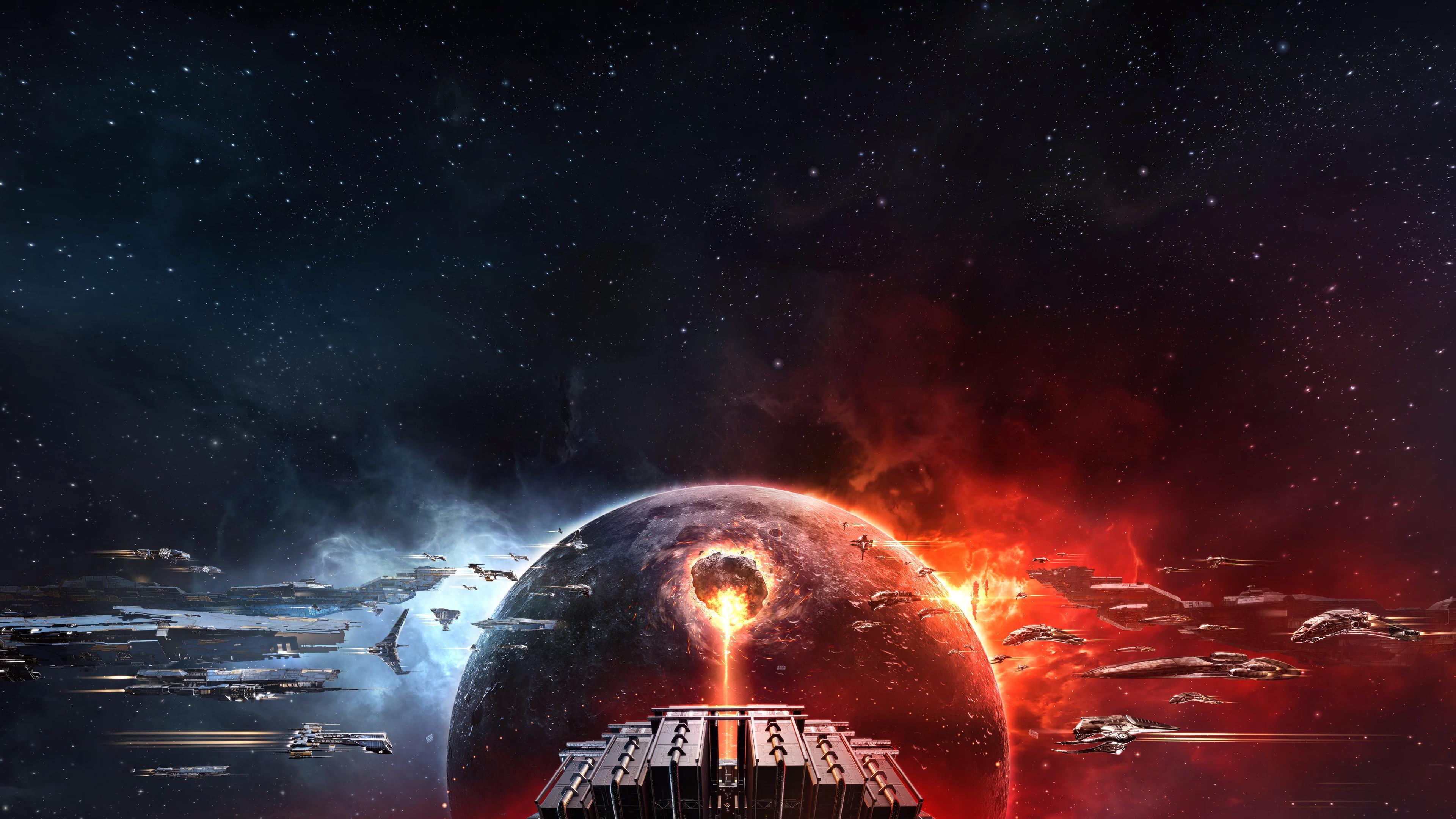
This space simulation is famous for its complex political landscape where betrayal and corporate espionage are encouraged mechanics. The community is known for its ruthlessness and its willingness to destroy months of another player’s work for strategic gain. While this is part of the game design it often spills over into personal harassment and toxic social dynamics. The barrier to entry is high and the established power structures are very difficult for new players to penetrate. It is a world where being untrustworthy is often rewarded and the social climate reflects that reality.
‘Heroes of the Storm’ (2015)
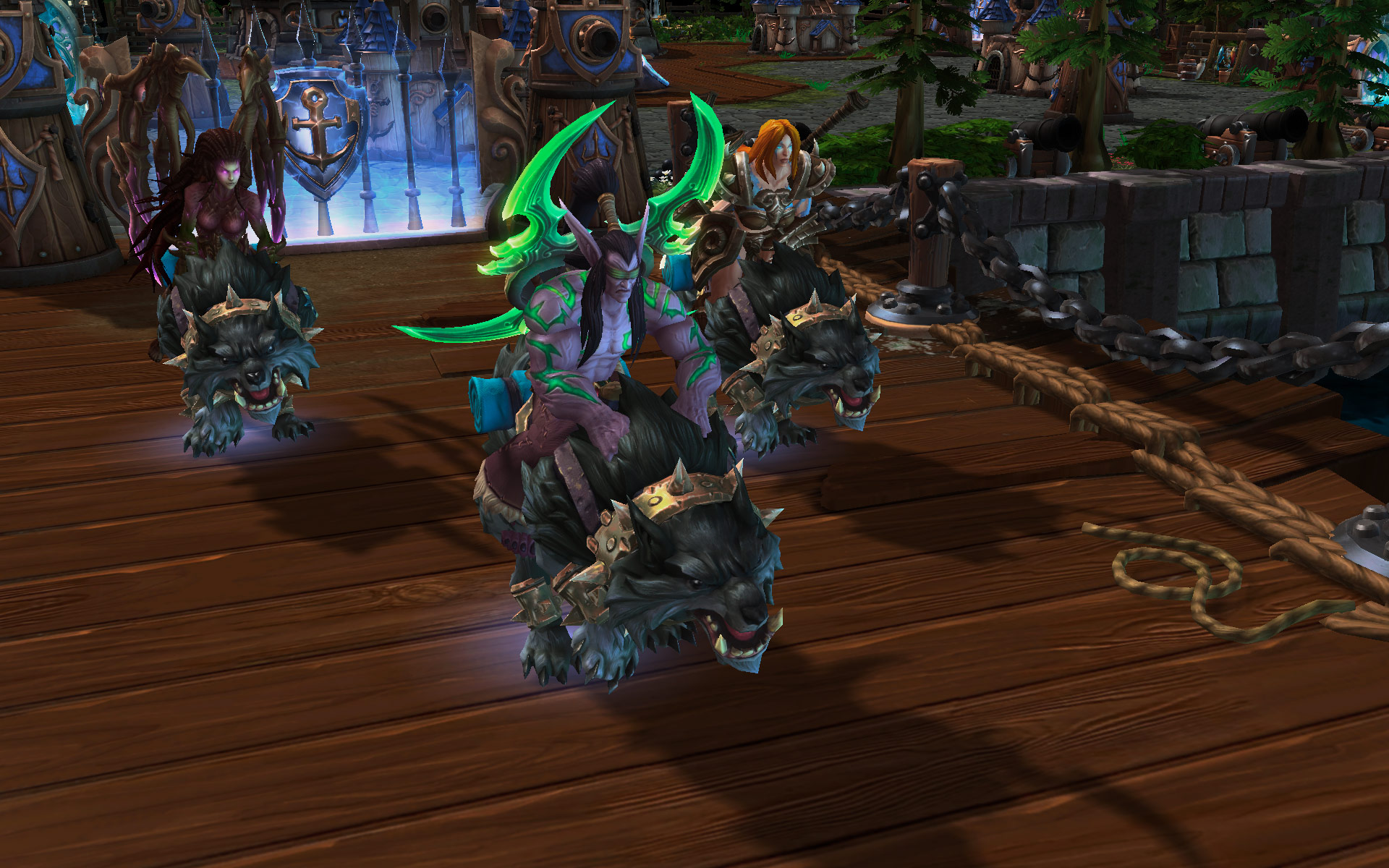
Even as a more accessible entry in the battle arena genre this game still suffers from significant player friction. The shared team experience means that one person’s failure affects everyone’s level and power directly. This mechanic leads to players being extremely critical of their teammates’ choices during a match. Toxicity often appears in the form of players standing still in the base or refusing to participate in objectives when they are upset. The community has become more insular over time as the game has moved out of active development.
‘Team Fortress 2’ (2007)
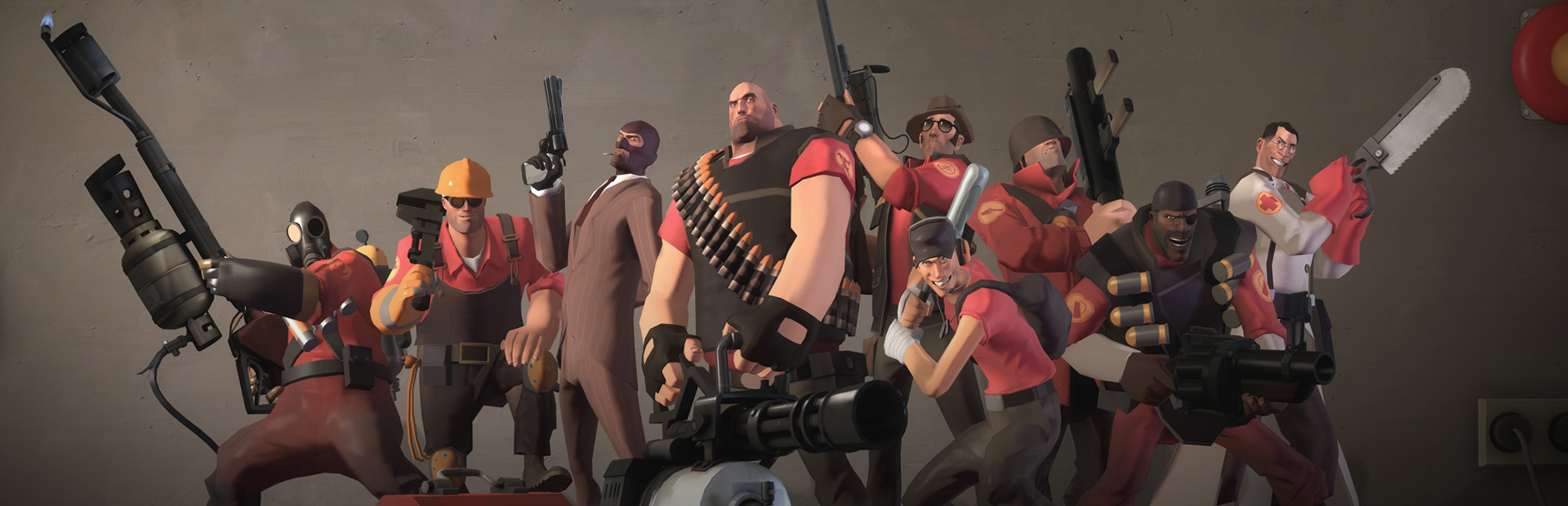
The long history of this shooter has created a community that is deeply set in its ways and often resistant to change. Public servers are frequently home to players who use voice chat to play loud noises or shout insults at others. The transition to a free to play model years ago brought in a wave of players that changed the social dynamic significantly. Cheating bots have also plagued the game and contributed to a general sense of frustration and hostility among the remaining fans. Despite its whimsical art style the social interactions can be quite dark and unwelcoming.
‘Hearthstone’ (2014)
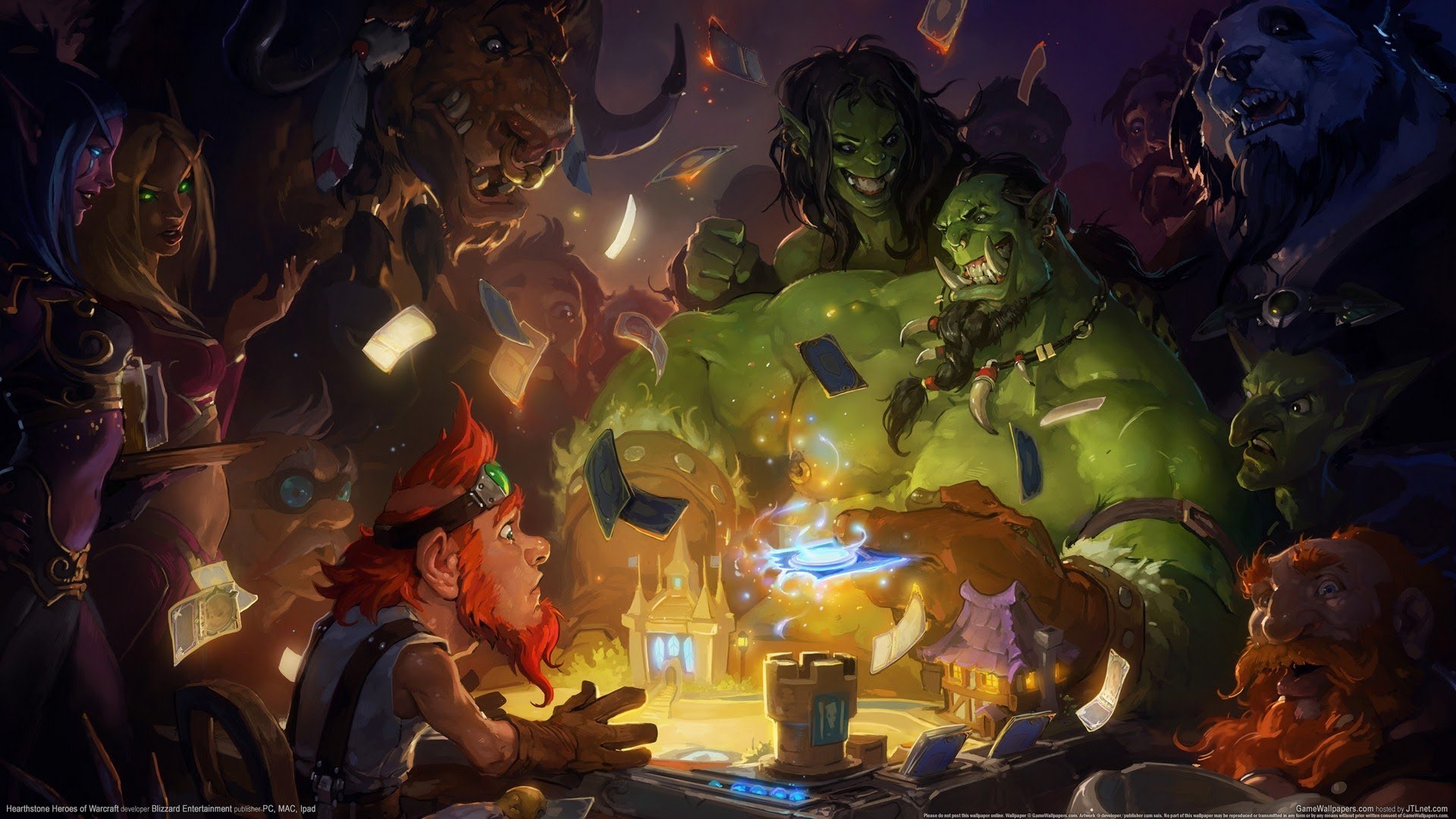
The limited communication options in this card game do not stop players from finding ways to be toxic to their opponents. Sarcastic use of emotes like greetings or well played during a winning turn is a common source of irritation. Players often take the full amount of time allowed for their turn just to annoy the person they are playing against. Friend requests sent after a match are frequently used as a vehicle to deliver personal insults and complaints. The reliance on luck in certain mechanics often fuels the anger of the community.
‘Genshin Impact’ (2020)
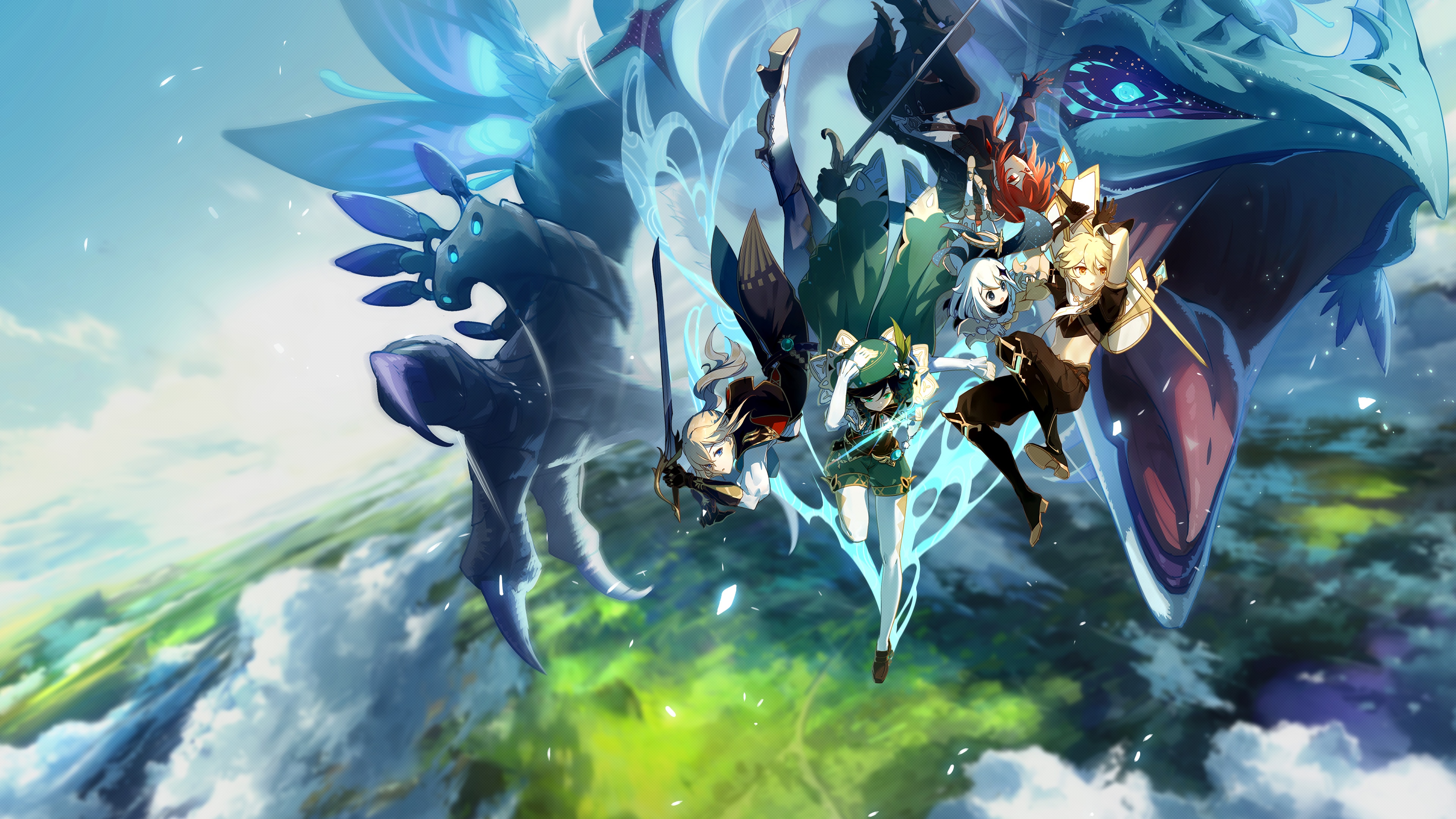
While primarily a single player experience the social media and cooperative aspects of this game are highly volatile. Fans frequently engage in intense arguments over character power levels and the optimal way to play the game. The community is also known for its aggressive reactions to developers when expectations are not met during events. Cooperative play can sometimes result in players being kicked from a world if they do not have the right characters. The sheer scale of the fandom makes it a breeding ground for frequent controversy and social friction.
‘Sea of Thieves’ (2018)
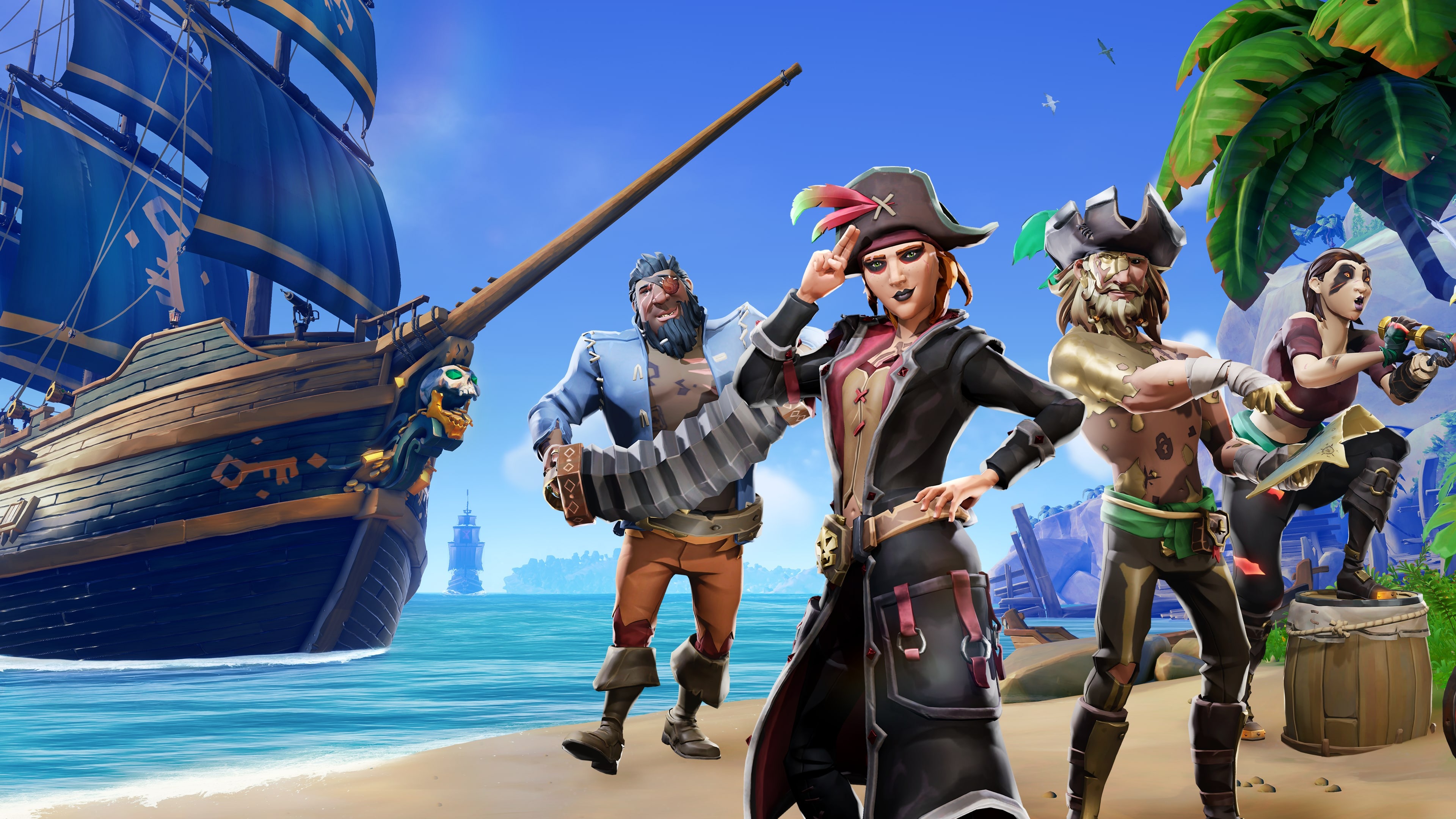
The core mechanic of this pirate game is stealing from others which naturally leads to high levels of frustration. Groups of experienced players often hunt down smaller crews or solo players just to sink their ships and mock them. While the developers intend for it to be a social adventure the interactions are often predatory and aggressive. Proximity chat is frequently used to taunt victims as they lose hours of accumulated treasure. This environment creates a sharp divide between those who enjoy the chaos and those who find it toxic.
‘NBA 2K24’ (2023)
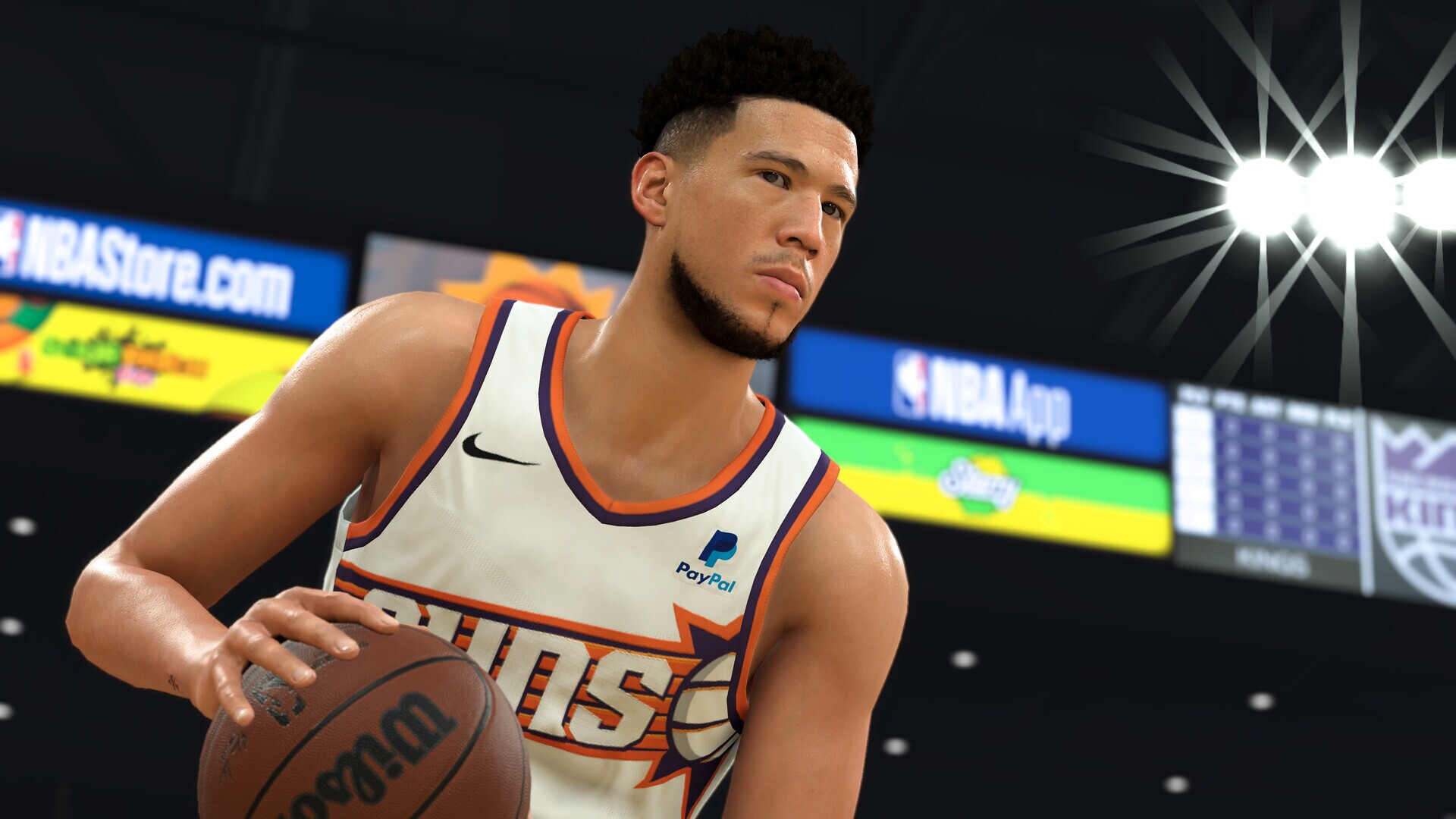
The online park and pro-am modes are famous for featuring players who refuse to pass the ball and blame others for losses. Verbal abuse through headsets is a standard occurrence in almost every competitive game session. Players often spend significant money on their characters which increases the emotional stakes of every win or loss. The community is very vocal about their dislike for certain gameplay mechanics and often takes that frustration out on other players. It is widely considered one of the most difficult sports communities to join as a solo player.
‘Madden NFL 24’ (2023)

Competitive football matches in this series often revolve around using specific plays that are difficult to defend. This leads to a lot of resentment between players who accuse each other of cheesing the game for easy wins. Quitters are common when a game starts to go poorly which ruins the experience for the winning player. Messaging opponents to complain about their playstyle is a frequent post-game ritual for many in the community. The high level of competitiveness often overshadows the spirit of fair play in the online modes.
‘Tekken 8’ (2024)
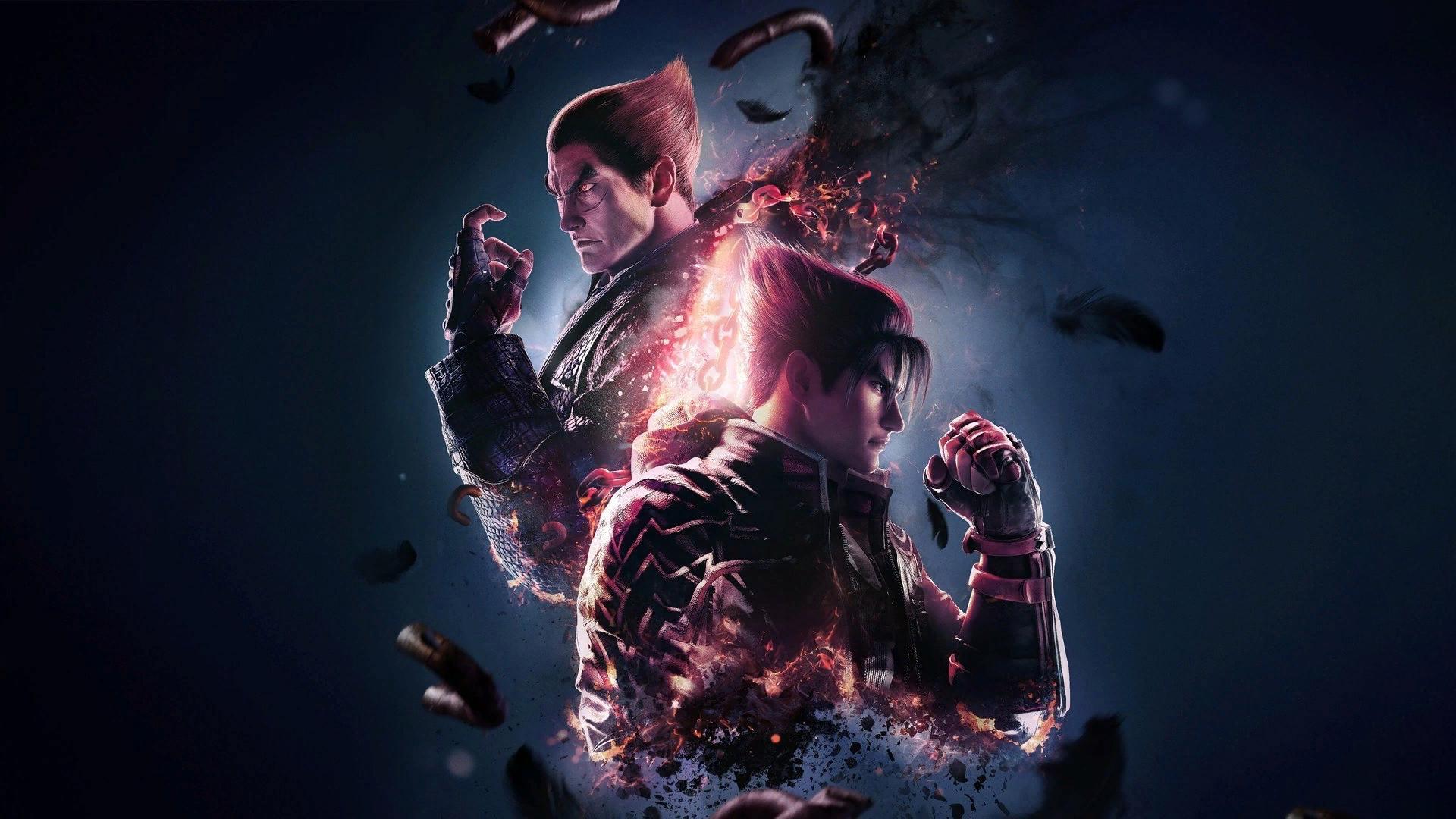
The fighting game community is known for its intensity and this latest entry has already seen its share of toxic behavior. Players frequently engage in one and done matches where they leave immediately after a single win to avoid a rematch. Hate mail and trash talking are common after intense sets especially if a certain character is perceived as being too strong. The competitive drive to reach the highest ranks leads to a lot of frustration and outward anger toward opponents. Despite the respect for skill the social environment can be very punishing for those who are struggling.
‘Street Fighter 6’ (2023)
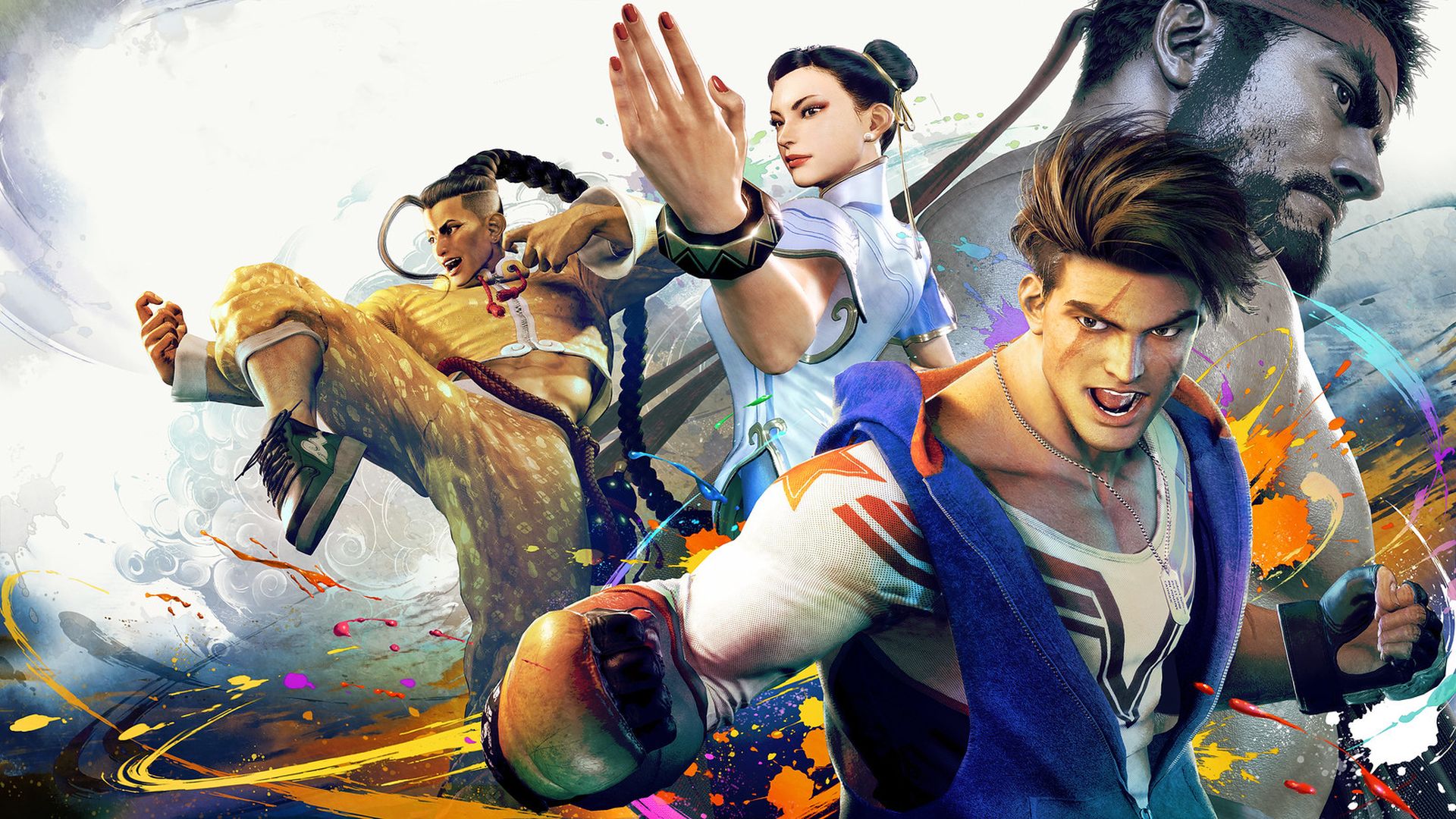
The new modern control scheme has caused a significant rift in the community between traditional players and newcomers. This has led to elitism and insults directed at those who use the simplified input methods to compete. The battle hub environment allows for more direct social interaction which unfortunately includes public arguments and harassment. Competitive salt is a common term used to describe the bitterness players feel after losing a close match. While the game provides many tools for learning the community remains a high pressure space.
‘Mortal Kombat 1’ (2023)
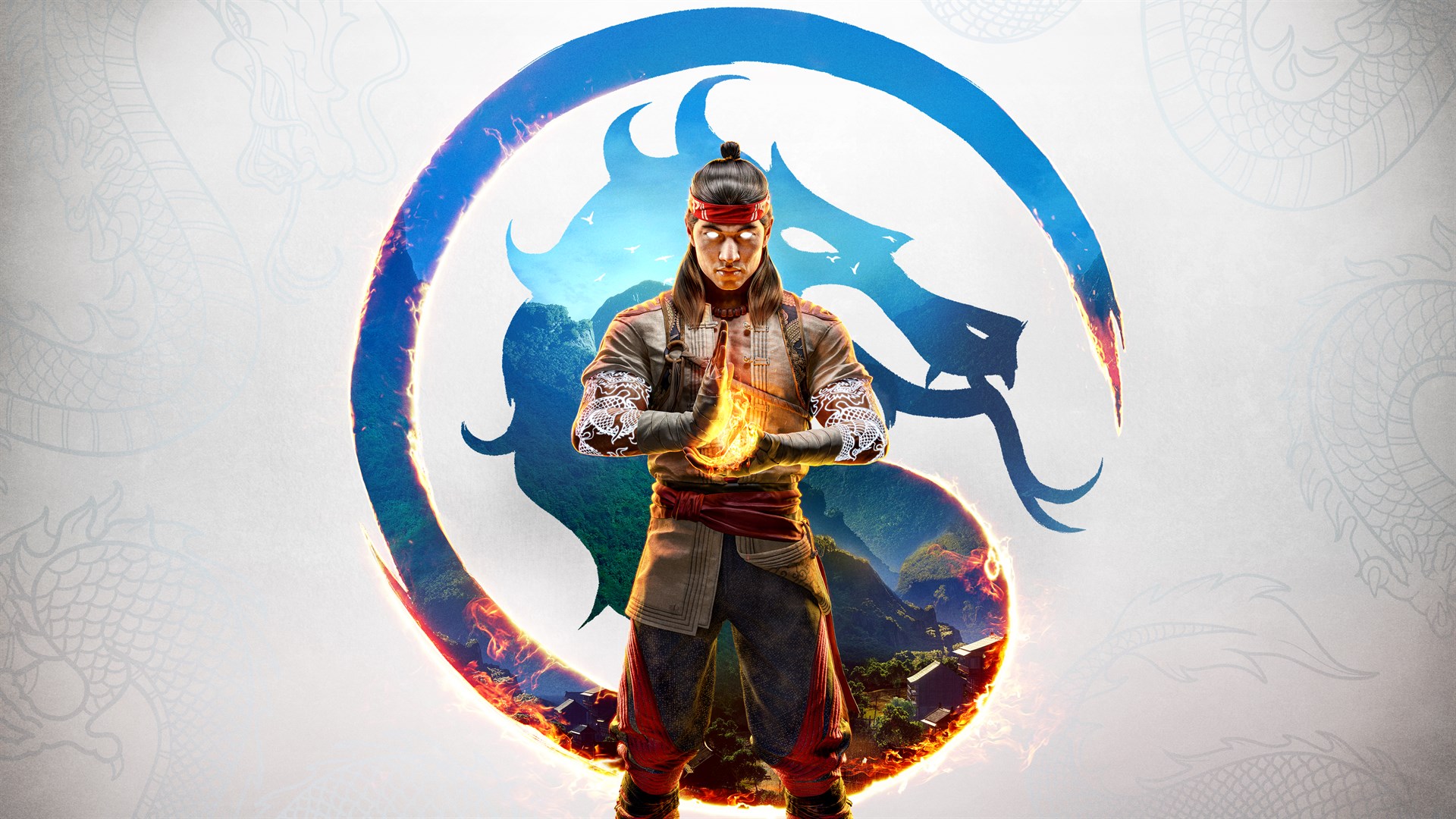
This series has always been about dominance and the community reflects that with a high level of aggressive communication. Fatalities are often used as a way to disrespect an opponent at the end of a match rather than just a cinematic finish. Voice chat is active during fights and often features players mocking each other’s mistakes in real time. The community is very quick to label certain characters or strategies as brain dead which leads to constant arguing. It is a franchise where the onscreen violence is often matched by the tone of the player base.
‘Halo Infinite’ (2021)
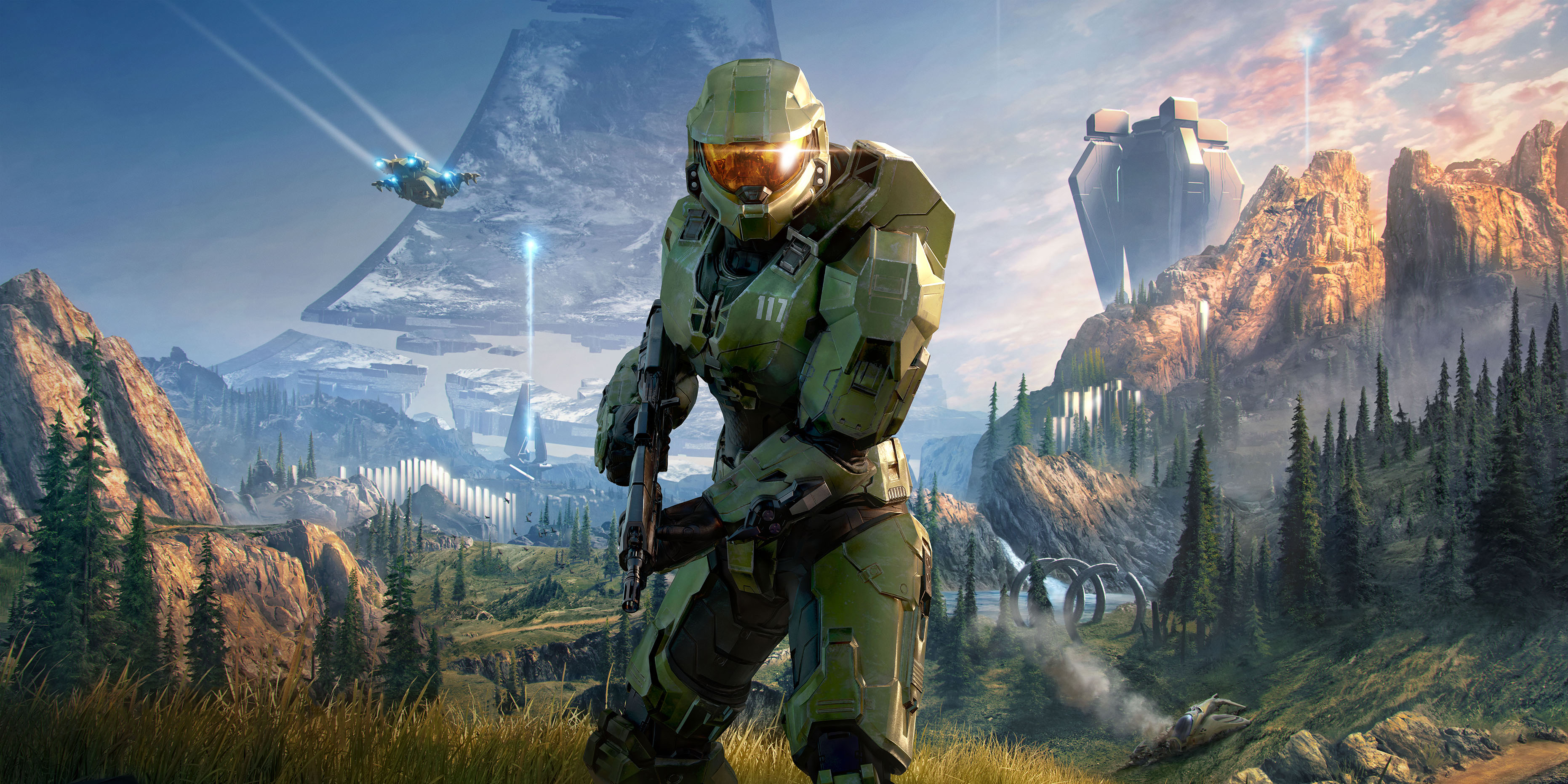
The competitive arena in this shooter is a place where every death can lead to teammates shouting over the communication channels. Frustration with the game’s progression system has also bled into the way players interact with one another during matches. Teammates often blame each other for losing control of power weapons or failing to play the objective. The history of the franchise includes a long tradition of trash talking that continues to exist in the modern era. While many fans are nostalgic for the series the current social climate can be quite harsh.
‘PUBG: Battlegrounds’ (2017)
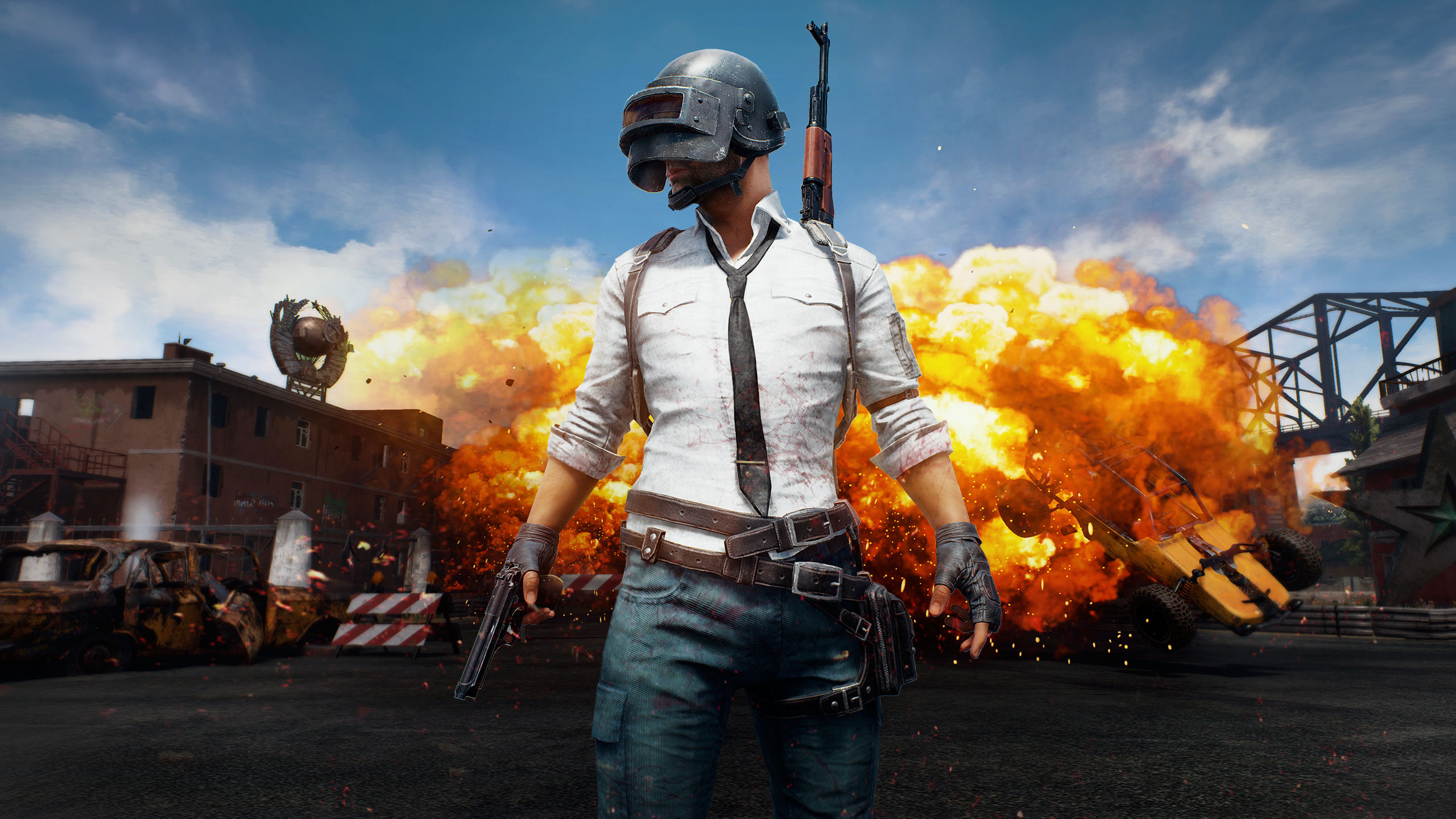
The slow and methodical pace of this battle royale means that dying often feels like a massive waste of time. This leads to players being extremely upset when they are eliminated by someone they feel was playing unfairly. Public voice chat in the pre-match lobby was so toxic that it had to be disabled by default to protect players. Team killing is a recurring issue where players eliminate their own squad members to take their equipment. The environment remains a tense and often unfriendly place for casual players.
‘Warframe’ (2013)
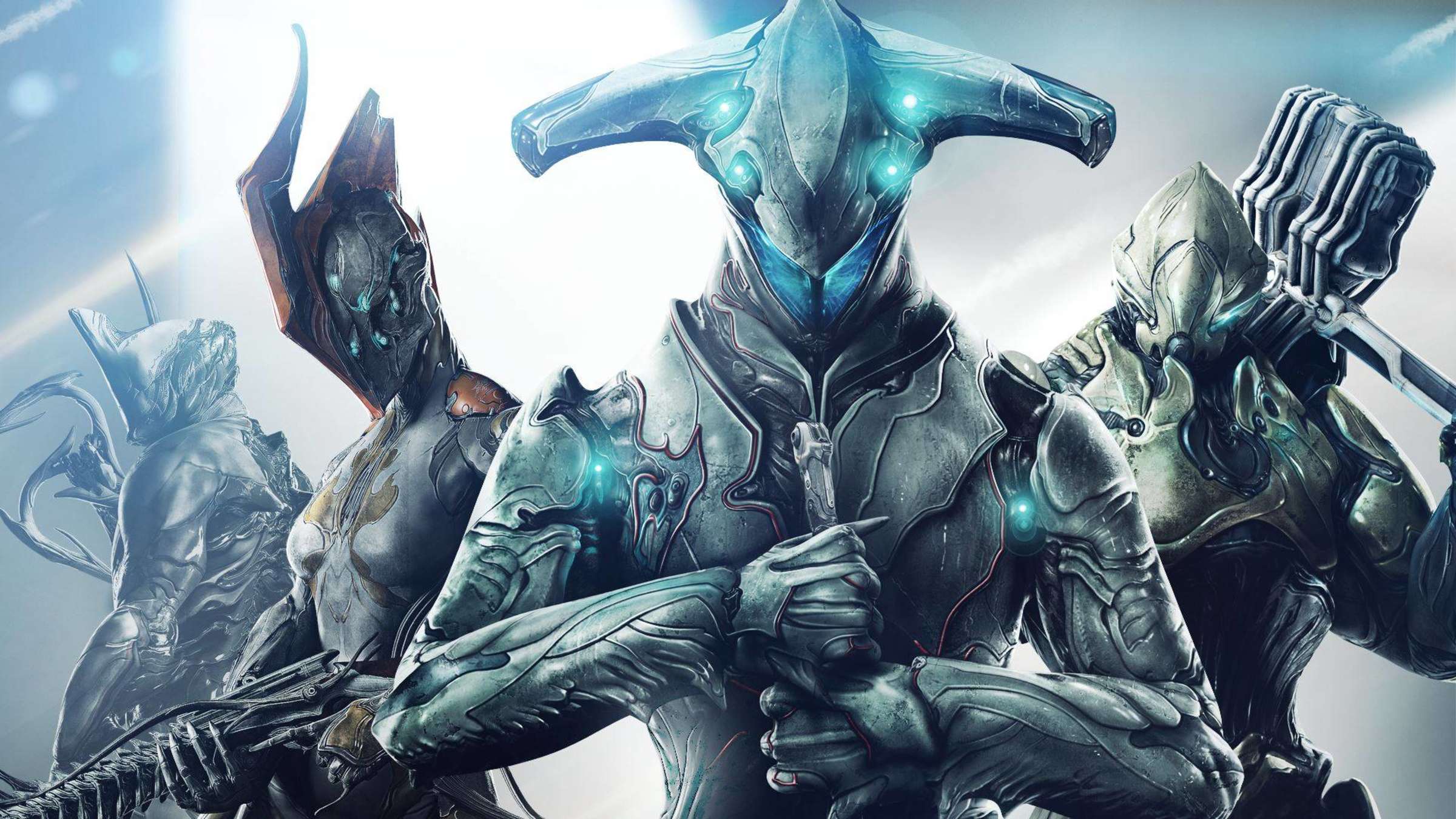
While the general community is often praised for being helpful the high level trading market is a different story. Players often engage in aggressive price gouging and verbal abuse when trade negotiations do not go their way. There is also a level of elitism regarding the efficiency of builds and the speed at which missions are completed. Players who do not have the most optimal equipment are sometimes excluded from certain high level activities. Despite the cooperative focus the endgame can feel very exclusionary to those not in the inner circle.
‘The Elder Scrolls Online’ (2014)
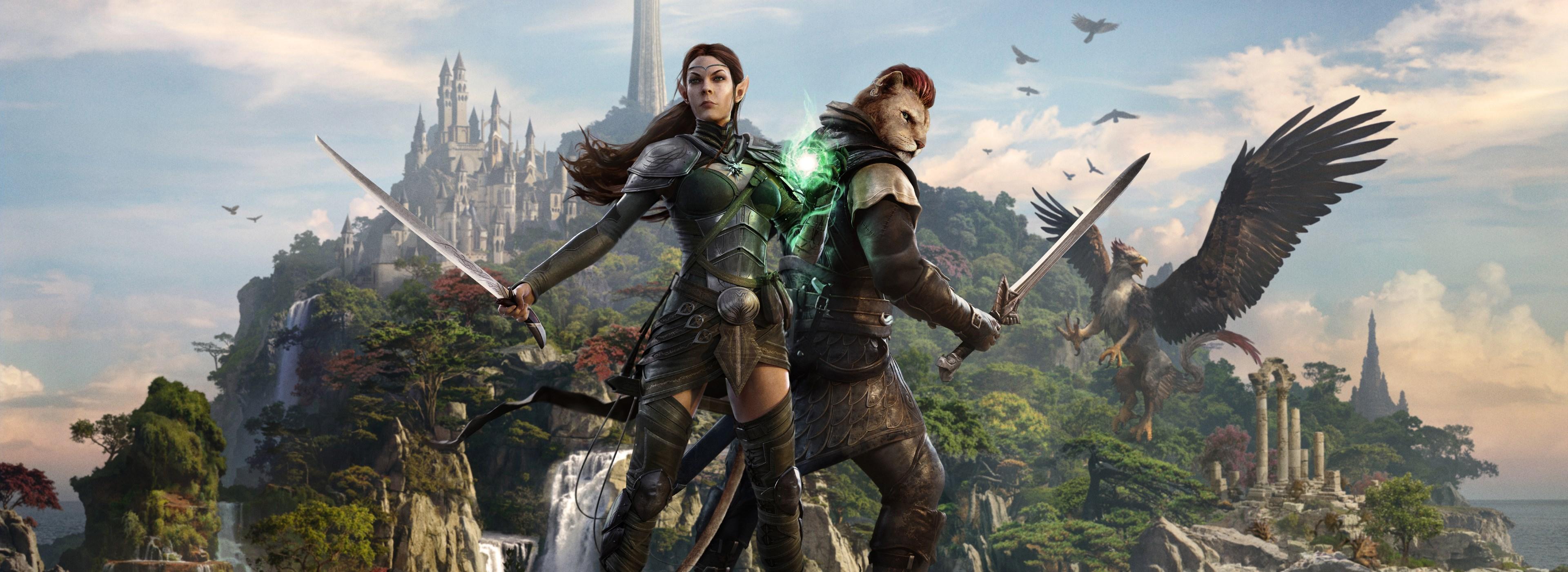
The competitive player versus player zones in this fantasy world are frequent sites of intense toxicity and group rivalries. Players often use zone chat to belittle the efforts of opposing factions or to mock individual players they have defeated. In cooperative dungeons elitism can occur when players do not meet the expected damage per second requirements. The community forums are also known for being very critical and often negative about every balance change made by the developers. It remains a game where social tension is a constant factor in high level play.
‘Final Fantasy XIV’ (2010)
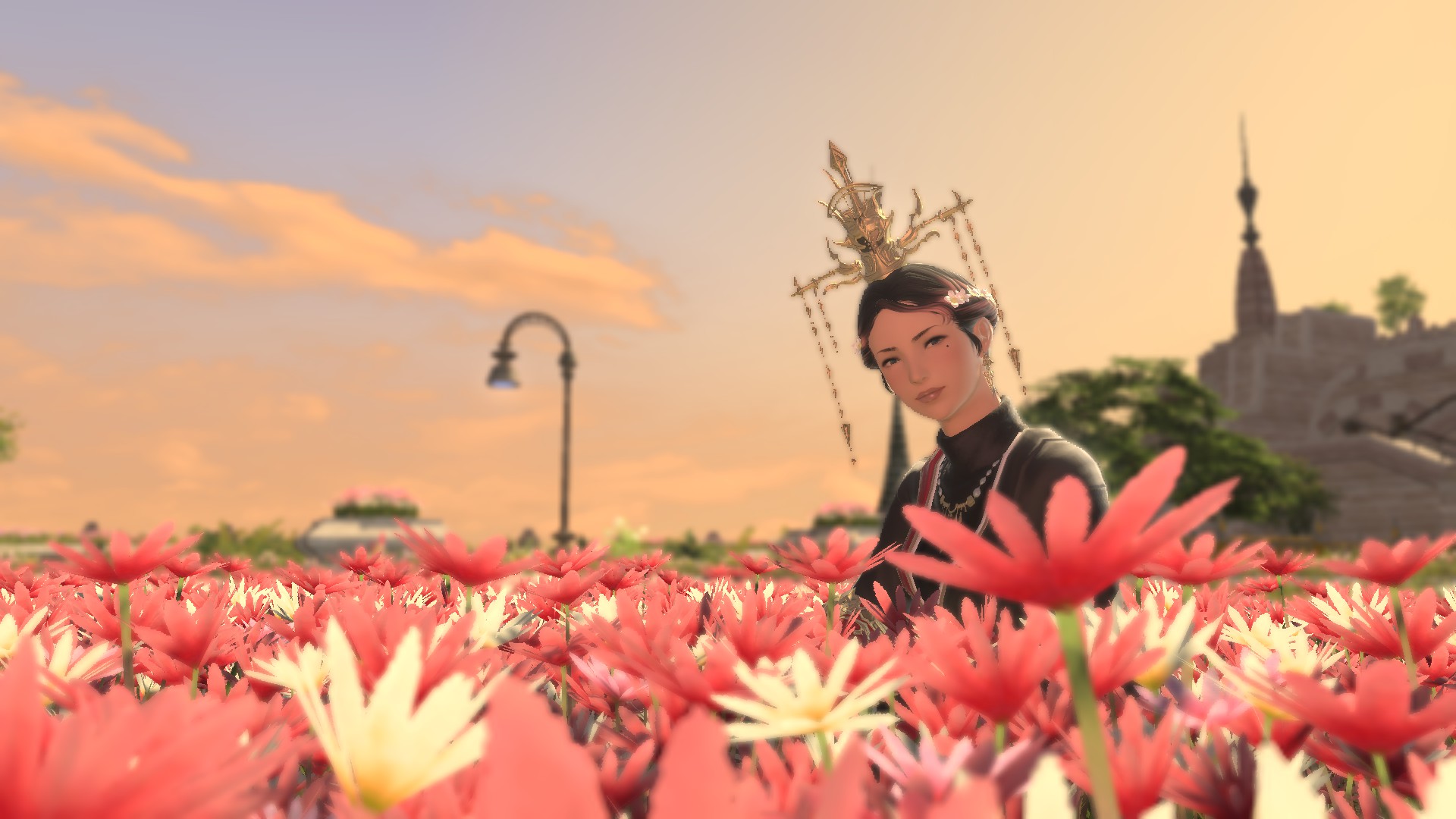
This game has a reputation for being one of the friendliest communities but it suffers from a unique kind of passive aggressiveness. Players often use the detailed set of rules to get others banned for minor social infractions or disagreements. There is a strong culture of toxic positivity where any valid criticism of the game or player performance is met with intense hostility. Elitism in high level raiding is just as prevalent here as it is in any other major online game. The social pressure to conform to community standards can be very overwhelming for some.
‘Paladins’ (2018)
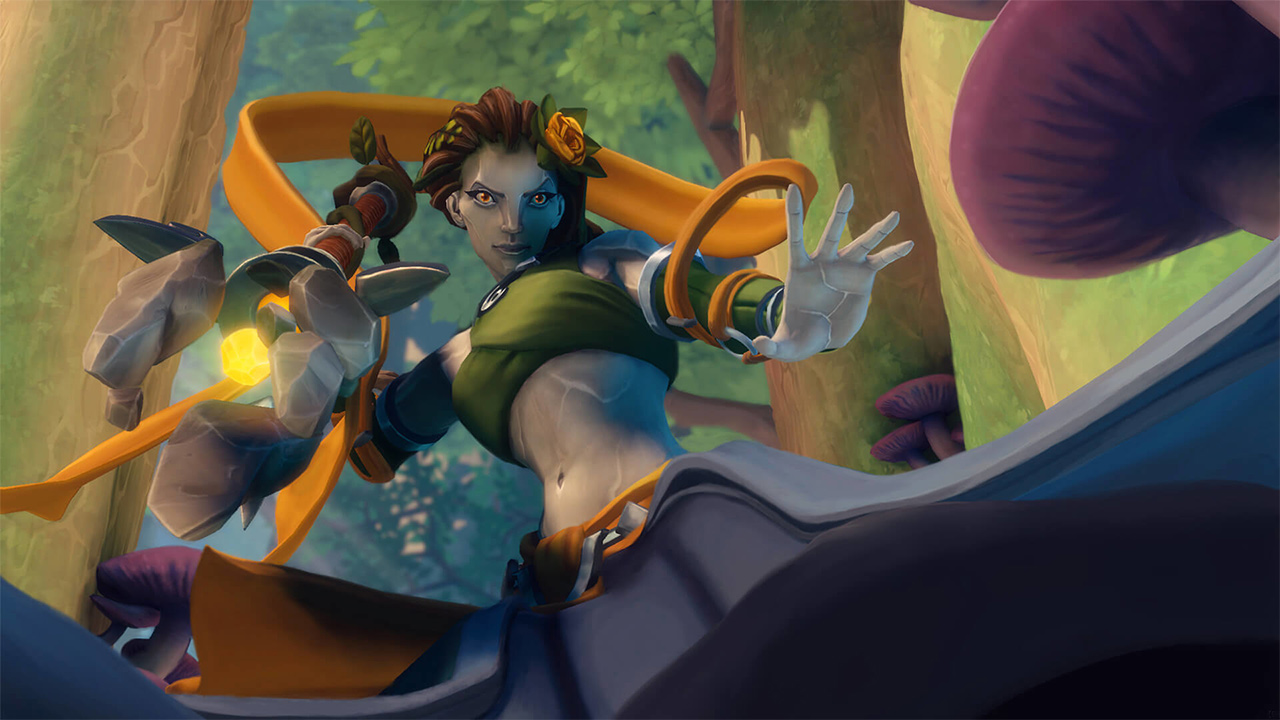
As a free to play hero shooter this game attracts a very large and often uncoordinated player base. The lack of communication in lower ranks frequently leads to players spamming the chat with complaints once a match starts to go poorly. Toxicity is common during the character selection screen where players fight over who gets to play the damage roles. The developers have struggled to keep up with the volume of reports regarding player behavior and harassment. It is an environment where frustration is often the default emotion for many participants.
‘Brawlhalla’ (2017)
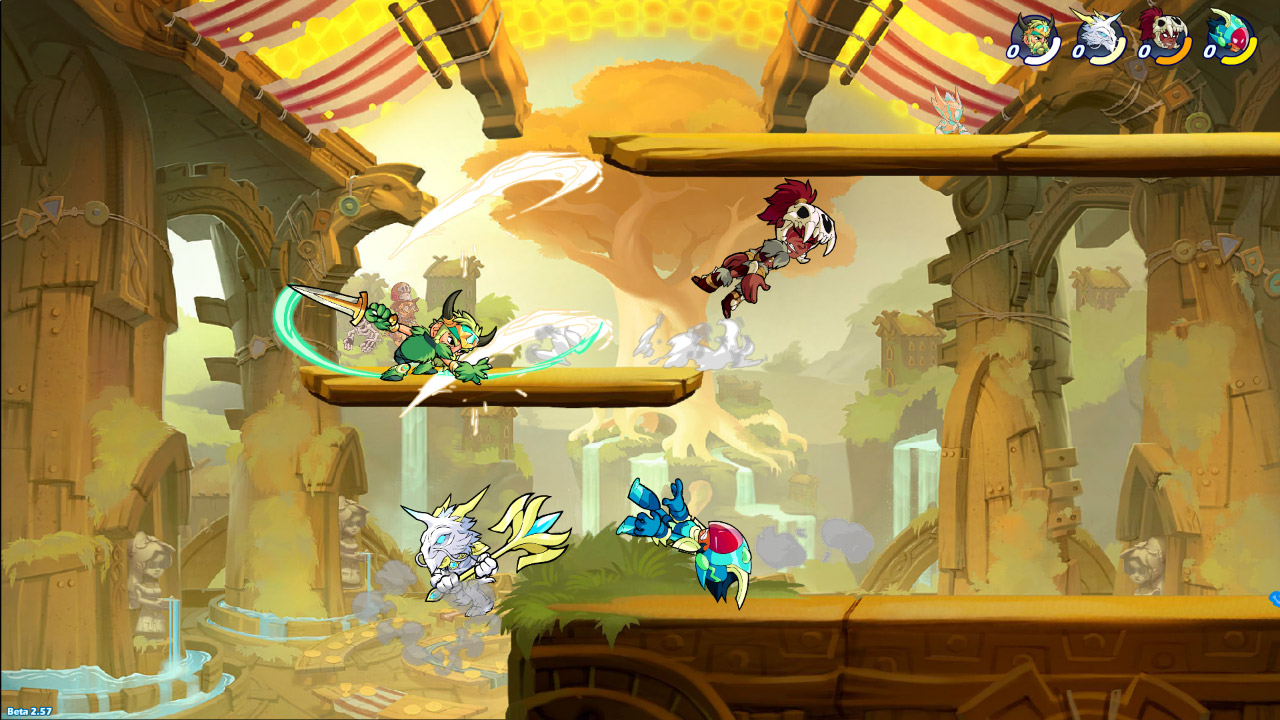
The fast paced platform fighting mechanics lead to a lot of frustration when players feel they are being cheesed by certain moves. Post-game chat is a frequent location for insults and salty comments about the winner’s chosen character. The community is very competitive and often looks down on those who do not use the most technically demanding combos. Toxicity often manifests as players refusing to leave the lobby after a match just to continue arguing with their opponent. It is a simple game with a surprisingly complex and often angry social layer.
‘Left 4 Dead 2’ (2009)

The versus mode in this classic zombie shooter is legendary for its extremely high level of player toxicity. New players are often kicked within minutes if they do not know the exact spots to attack or how to move efficiently through the map. Veteran players have very little patience for anyone who is still learning the mechanics of the game. Communication is often used to scream at teammates who make a single mistake during a round. Even years after its release the competitive scene remains one of the most hostile in gaming.
‘Insurgency: Sandstorm’ (2018)
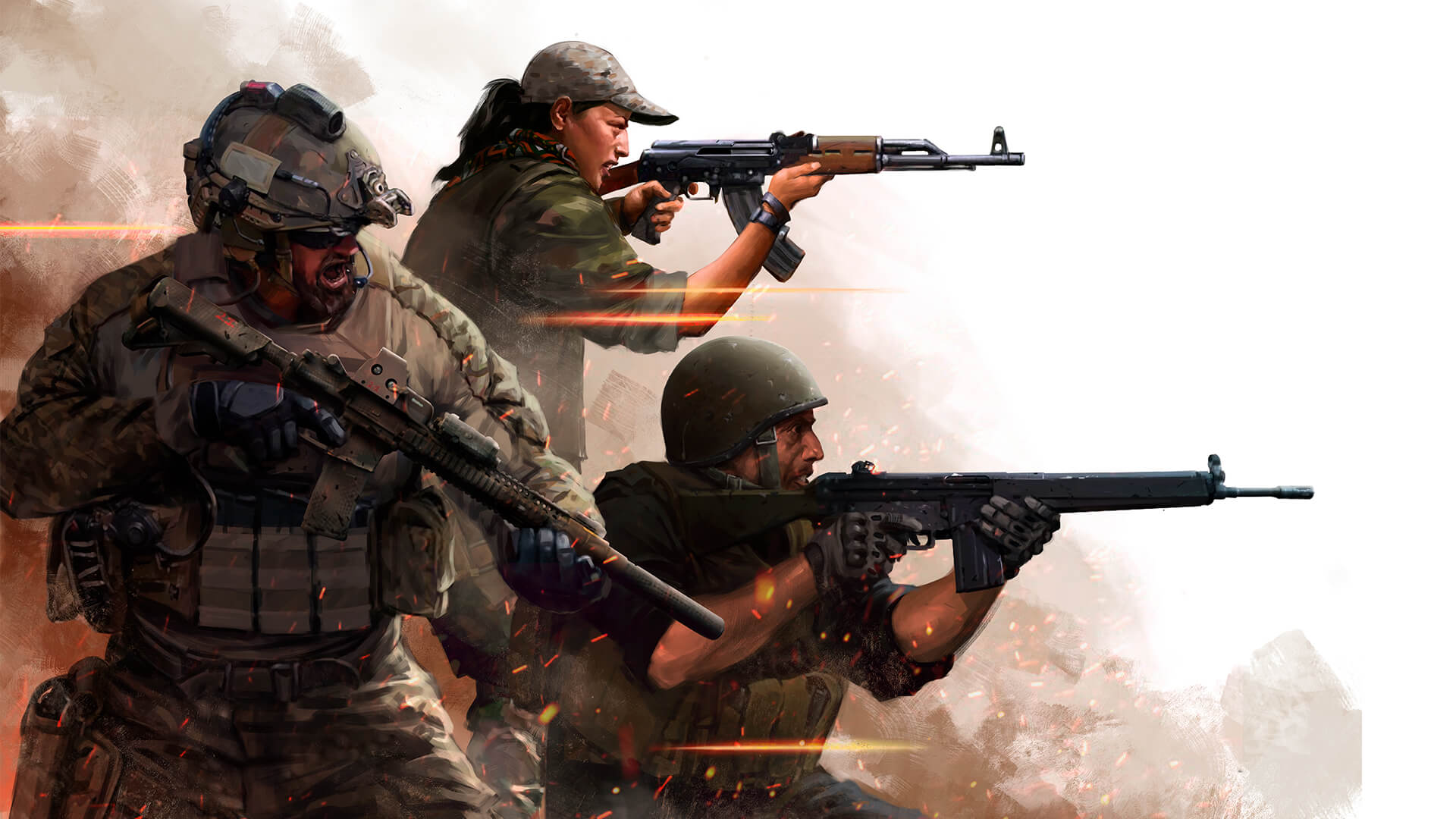
This hardcore tactical shooter requires intense focus and coordination which often leads to frayed tempers. Players are very quick to criticize the positioning and aim of their teammates through the voice chat system. The community is also known for having a vocal minority that uses offensive language and political provocations in public lobbies. Because the game is so punishing the frustration levels of the players tend to be much higher than in casual shooters. It is an environment where teamwork is required but often replaced by infighting.
‘Chivalry 2’ (2021)
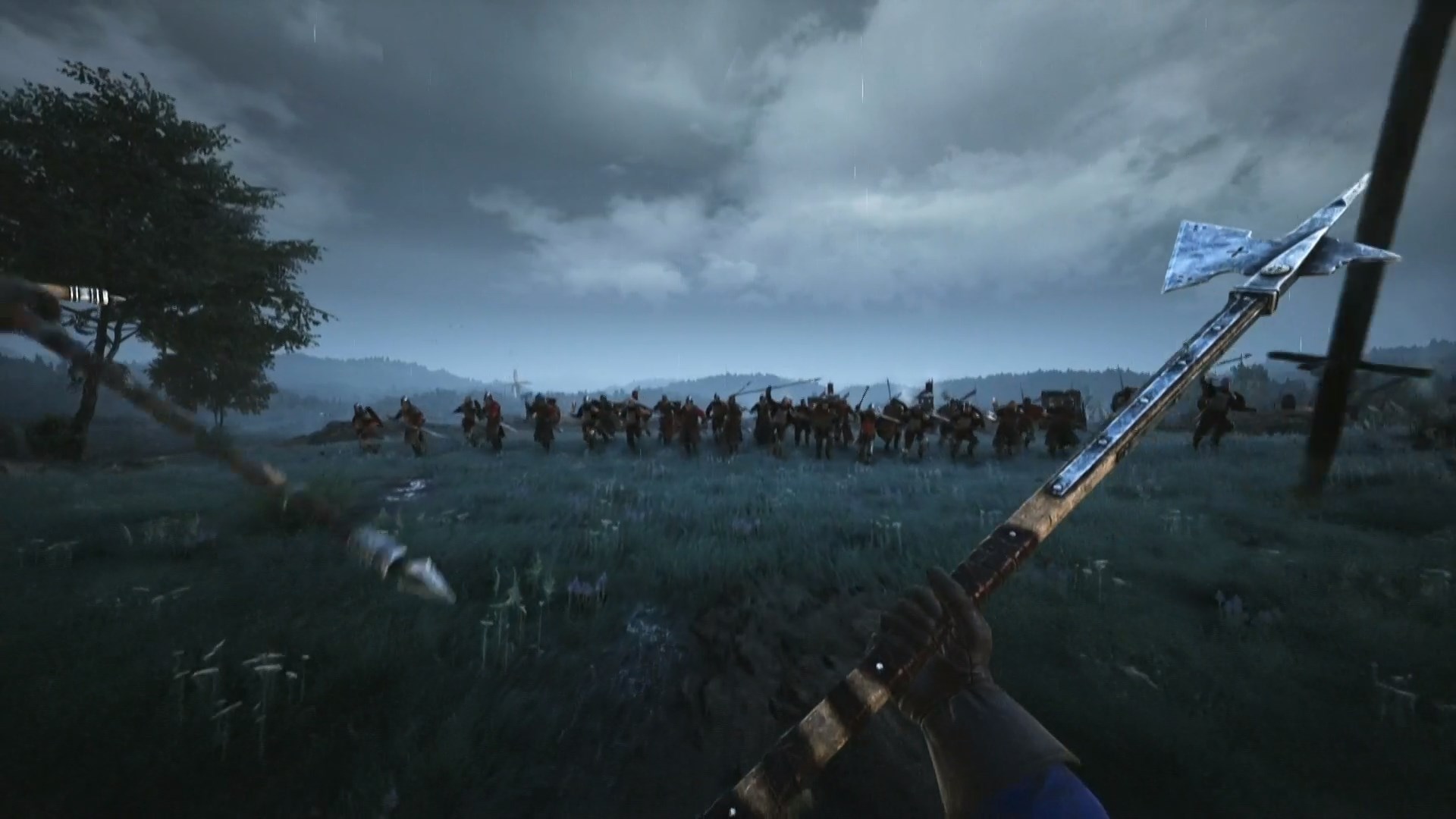
Large scale medieval battles often result in players accidentally killing their own teammates during the chaos. This frequently leads to immediate retaliation and intentional team killing as a form of revenge. The chat is often filled with players complaining about the balance of certain weapons or the incompetence of their team. While the game is designed to be a funny and brutal spectacle the players often take the competition very seriously. The social atmosphere can shift from lighthearted to toxic in a matter of seconds.
‘World of Tanks’ (2010)
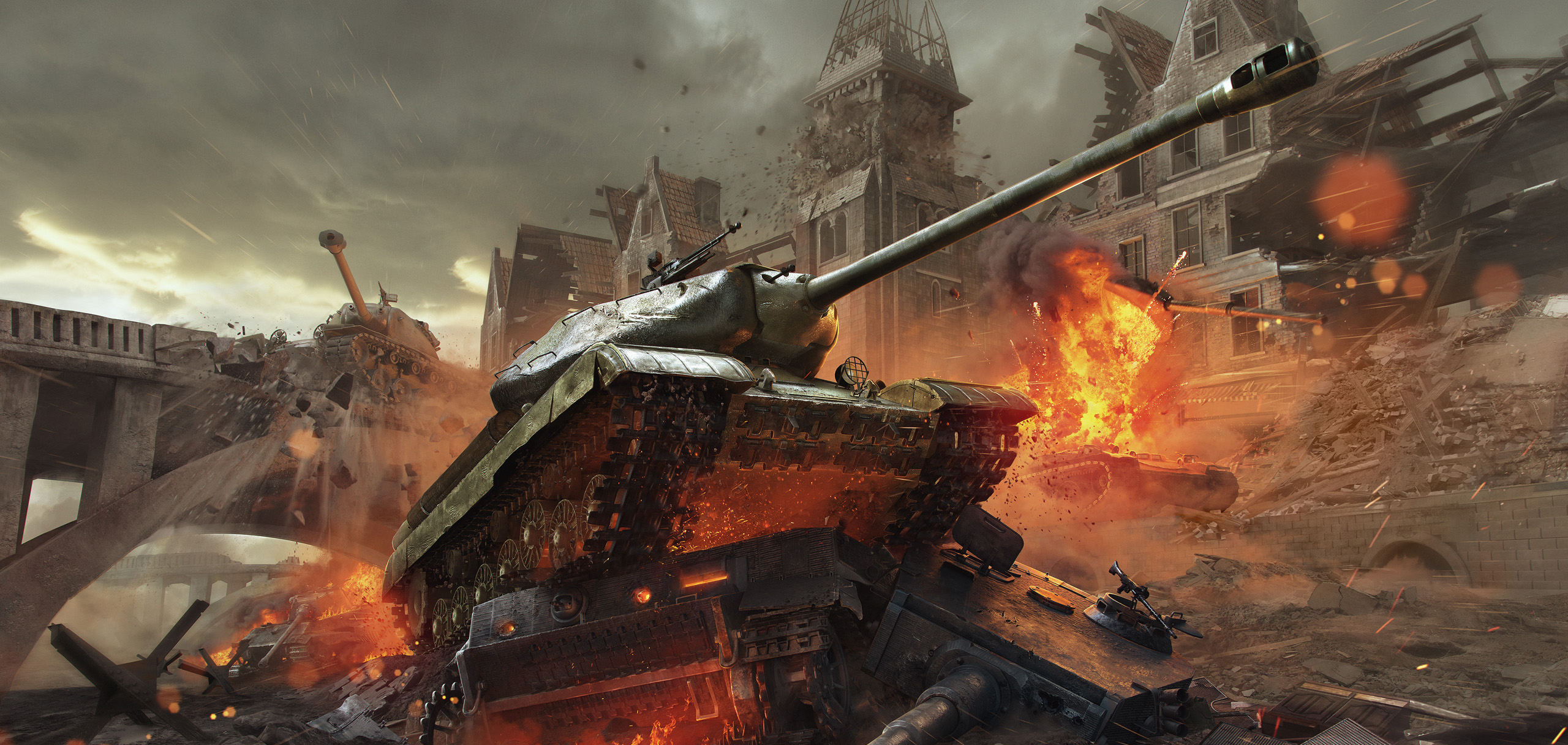
The strategic nature of tank combat means that a single player’s poor positioning can lead to a quick defeat for the whole team. This results in veteran players constantly berating others in the chat for their lack of tactical awareness. The community is very focused on win rates and statistics which leads to significant elitism toward casual players. Toxicity often involves players pushing teammates into enemy fire or blocking their shots out of spite. It is a slow paced game with a very high level of internal community friction.
‘Among Us’ (2018)
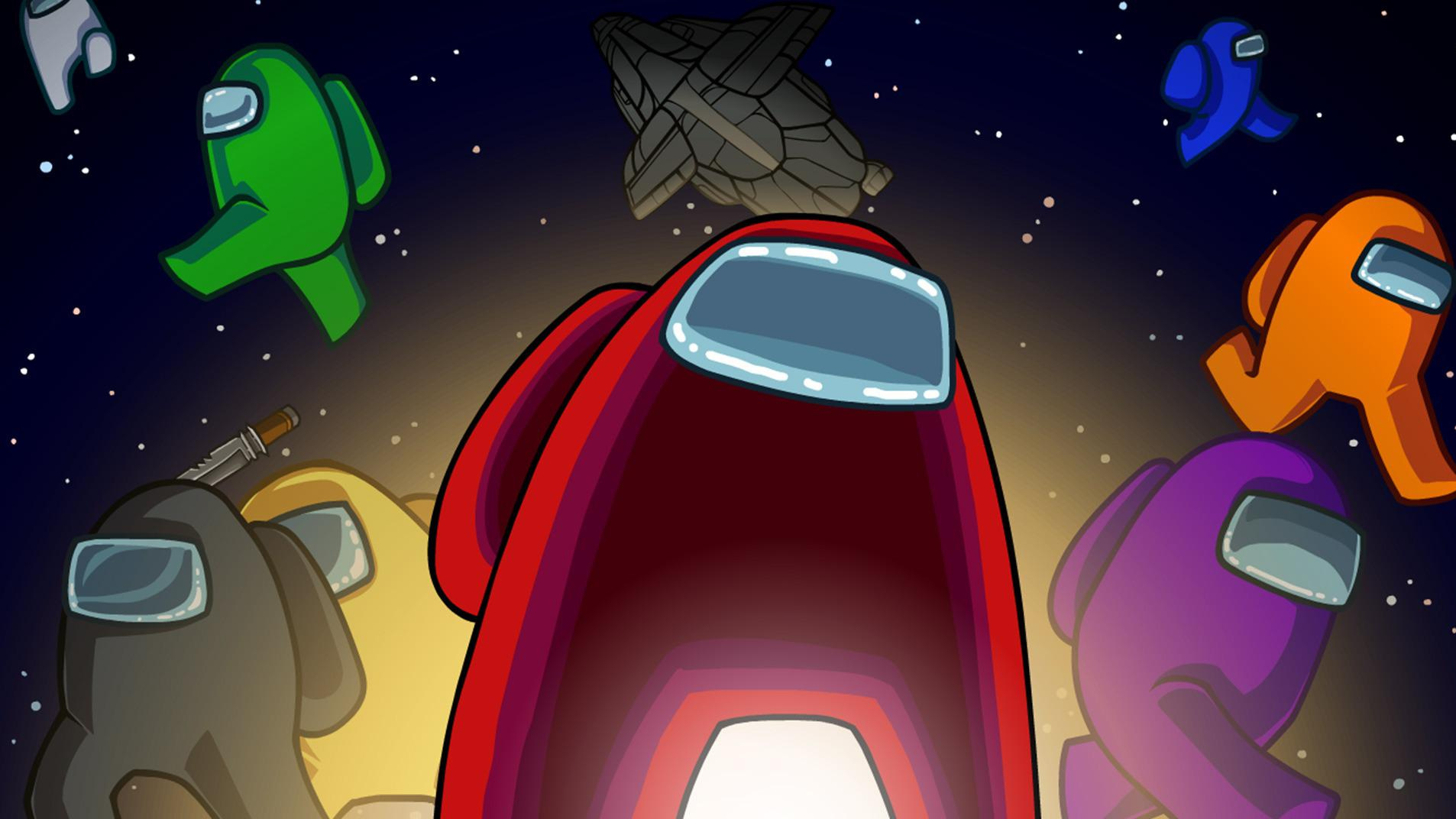
The core gameplay is built on deception and lying which naturally creates a foundation for social tension. Public lobbies are frequently home to players who use offensive names and engage in verbal abuse when they are accused of being the imposter. The anonymity of the game often leads to players being extremely rude to one another during the voting phases. Many people find the experience far more enjoyable when played only with friends due to the toxicity of the random matchmaking. It is a game where the social dynamics are intentionally stressful but often cross the line into harassment.
Share your own experiences with these player bases in the comments.