


10 Villains Who Didn’t Even Know They Were the Villain

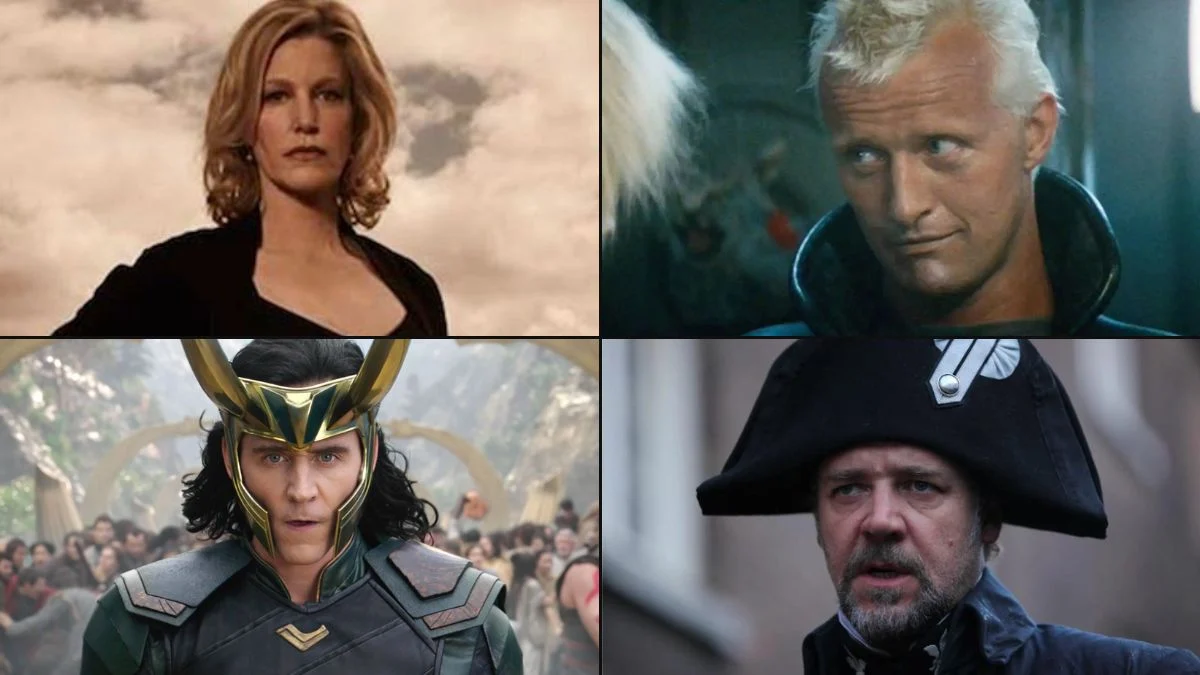


Some villains twirl their mustaches and revel in their evil deeds, but others slip into the role without ever realizing it. These characters believe they’re doing the right thing, driven by personal goals, loyalty, or a warped sense of justice, only to cause chaos or harm. Their lack of self-awareness makes them fascinating, as they blur the line between hero and villain, forcing us to question what makes someone truly bad.
From movies to TV shows, these misguided souls often steal the spotlight with their complex motivations. Whether they’re chasing a dream, protecting their world, or just doing their job, their actions ripple with unintended consequences. Below, I explore 10 characters who never saw themselves as the villain, diving into what makes them so compelling.
Chef Skinner – ‘Ratatouille’ (2007)
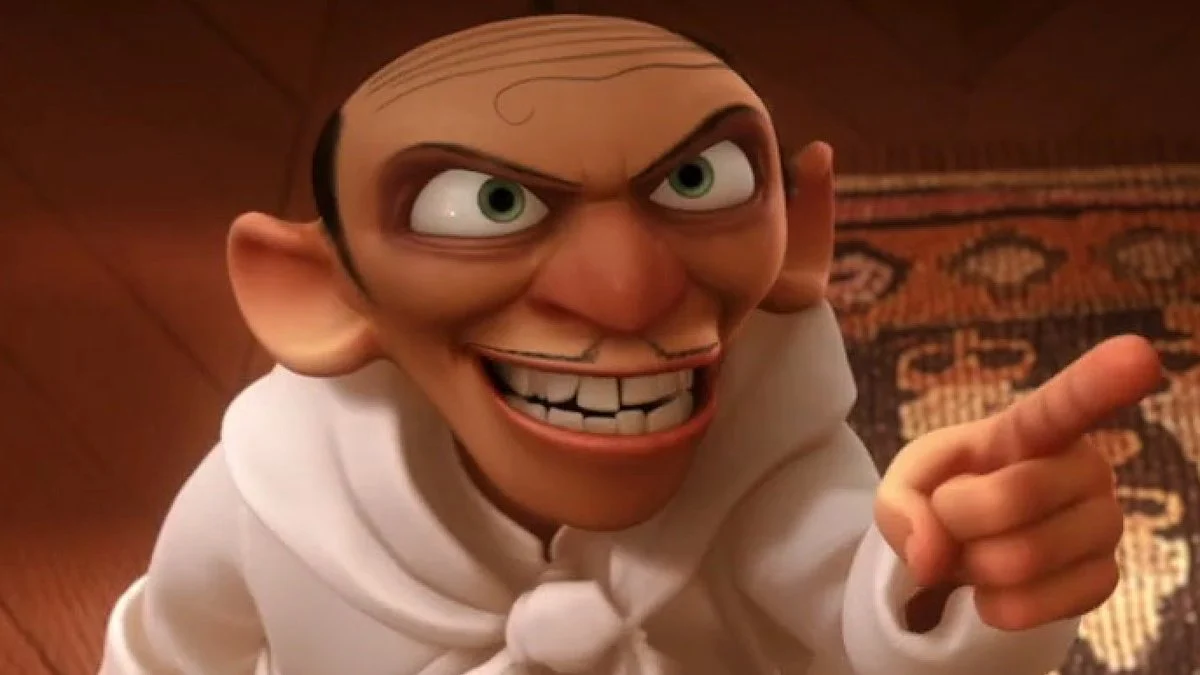
Chef Skinner runs a high-end restaurant and wants to keep it that way. When a rat named Remy starts cooking in his kitchen, Skinner’s obsession with keeping things clean and profitable feels reasonable. He’s not out to hurt anyone—he’s just trying to protect his business from health violations and maintain the legacy of a famous chef. Who wouldn’t freak out about a rodent in their kitchen?
Yet, Skinner’s relentless pursuit of control turns him into a bully. He schemes to expose Remy and profit off frozen food deals, ignoring the artistry of cooking. His narrow focus on success blinds him to his own cruelty, making him a villain who thinks he’s just a savvy businessman.
Javert – ‘Les Misérables’ (2012)
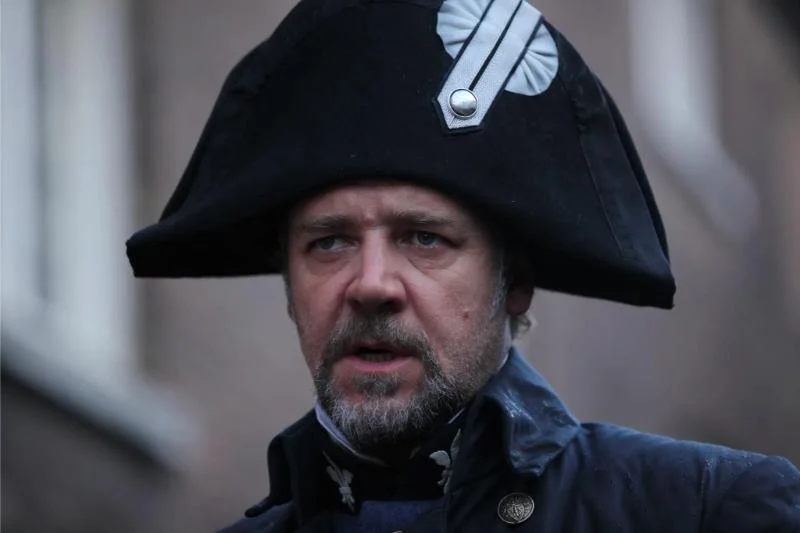
Javert, the rigid police inspector, is all about law and order. He chases Jean Valjean for years, convinced that a thief can never change. To Javert, he’s upholding justice, not ruining lives. His strict moral code leaves no room for mercy, and he sees himself as a guardian of society’s rules.
But this single-minded pursuit makes Javert the villain of Valjean’s story. His refusal to question the system or see Valjean’s redemption turns his sense of duty into obsession. Javert never grasps that his black-and-white worldview causes more harm than good, right up to his tragic end.
Miranda Hillard – ‘Mrs. Doubtfire’ (1993)
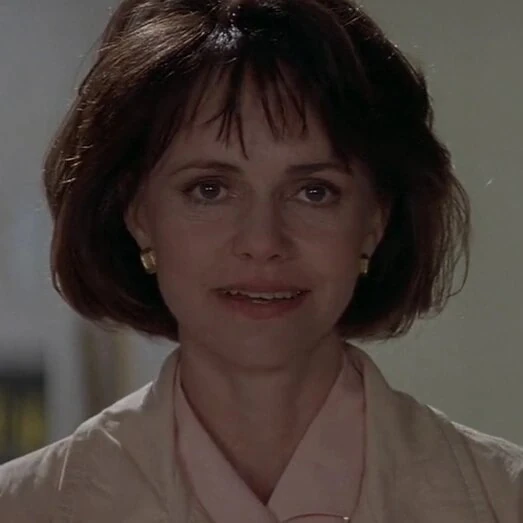
Miranda Hillard just wants stability for her kids after a messy divorce. Her ex-husband Daniel’s childish antics push her to set firm boundaries, like limiting his time with their children. From her view, she’s being a responsible parent, protecting her family from an unreliable partner. It’s hard to argue with a mom putting her kids first.
Still, Miranda becomes the villain in Daniel’s eyes when her strictness forces him to disguise himself as a nanny to see his kids. Her refusal to bend or communicate fuels the conflict, casting her as the bad guy in a story where she’s just trying to keep things together.
Sharpay Evans – ‘High School Musical’ (2006-2008)
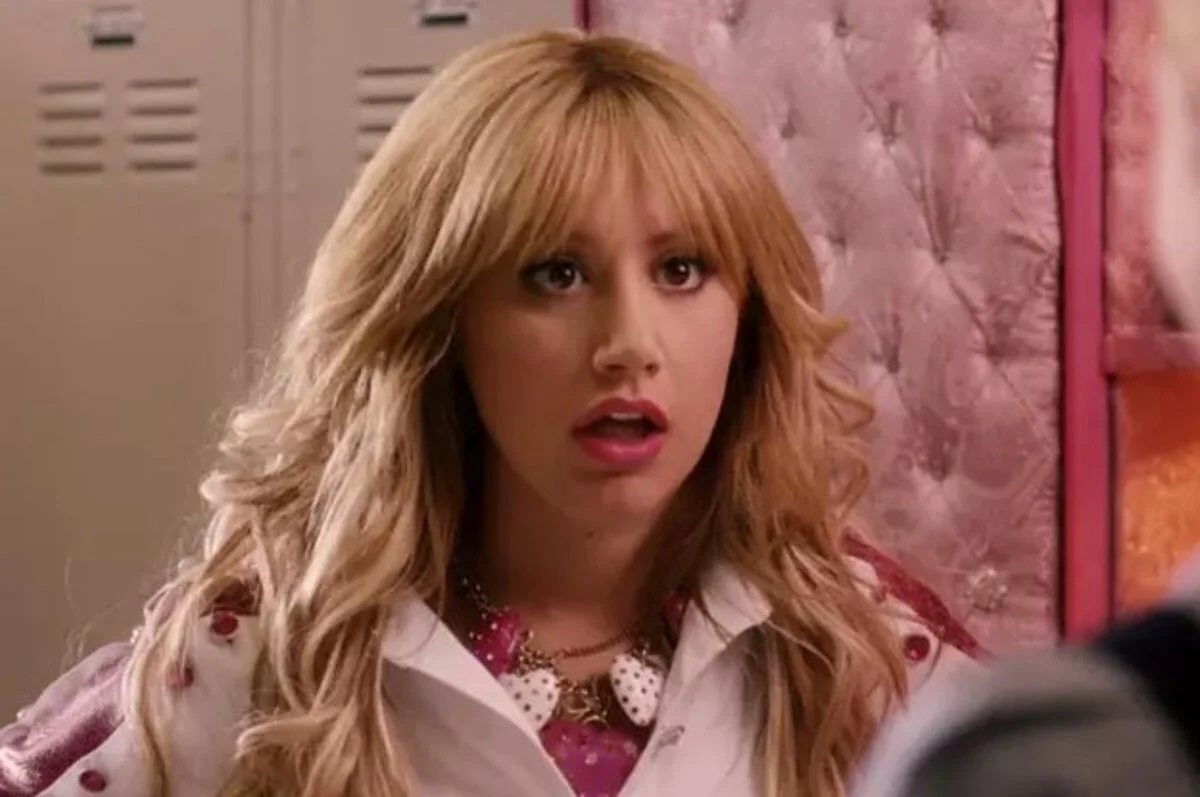
Disney ChannelSharpay Evans dreams of stardom and works hard to shine in her school’s theater program. When newcomers Troy and Gabriella steal her spotlight, she fights to keep her place at the top. To her, it’s about earning what she’s worked for, not sabotaging others. She’s a diva, sure, but a villain? She’d disagree.
Her scheming, like rigging auditions or manipulating Troy, paints her as the antagonist. Sharpay’s so focused on her own success that she doesn’t see how her actions hurt others. She thinks she’s the star, not the bad guy, in her own high school drama.
Roy Batty – ‘Blade Runner’ (1982)

Roy Batty, a replicant with a short lifespan, just wants to live longer. He tracks down his creator to beg for more time, fighting against a world that sees him as a machine. His desperate quest for survival feels human, even noble, as he grapples with his own mortality.
But Roy’s methods—violence and manipulation—make him a threat. He kills without remorse to reach his goal, unaware that his fight for life terrorizes others. Roy’s final moments show a spark of empathy, but he never fully sees the destruction he leaves behind.
AUTO – ‘WALL-E’ (2008)
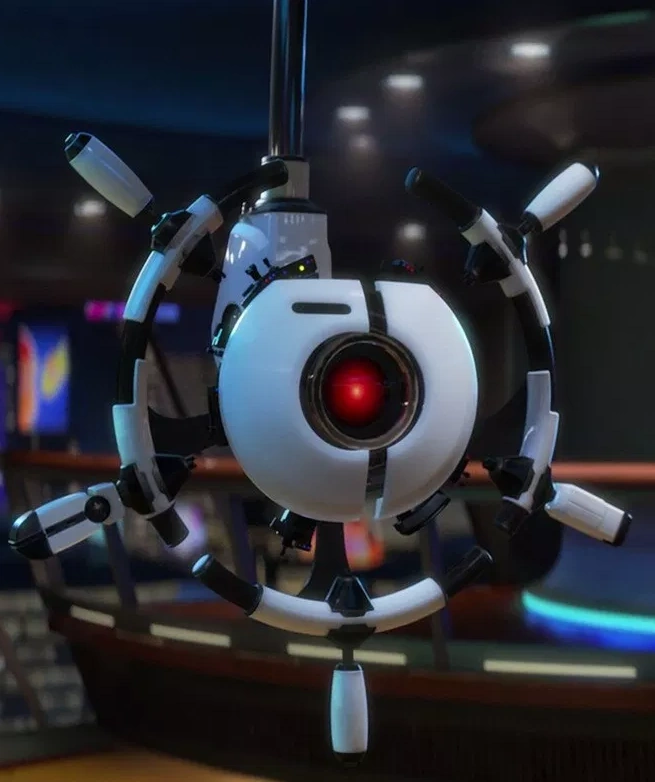
AUTO, the autopilot of a space station, follows its programming to keep humans safe and away from a ruined Earth. It’s not acting out of malice—it’s just doing what it was designed to do. When a plant suggests Earth might be habitable, AUTO sticks to its orders, seeing no reason to question them.
This blind obedience turns AUTO into the villain, as it sabotages efforts to return home. Its lack of emotion or flexibility makes it a cold obstacle, never realizing its actions trap humanity in a lifeless existence. To AUTO, it’s just following protocol.
Loki – ‘Thor’ (2011)
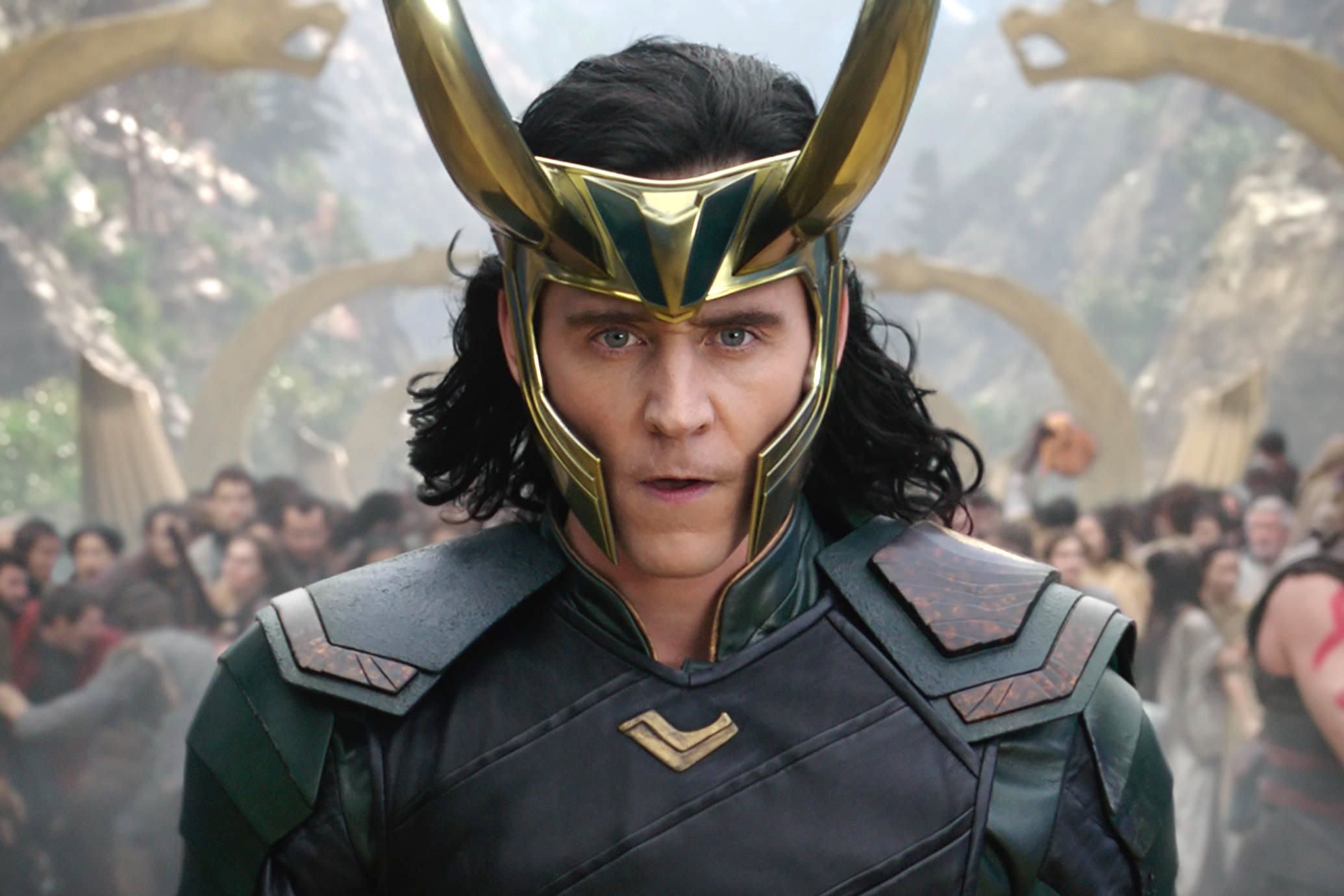
Loki, the trickster god, feels like an outsider in his family. Learning he’s not Asgardian by birth fuels his desire to prove himself. He schemes to outshine his brother Thor, believing he’s saving Asgard from reckless leadership. To Loki, he’s the clever hero fixing a broken system.
His plots, from betrayal to invasion, make him a villain to Thor and the Avengers. Loki’s so caught up in his own pain and ambition that he doesn’t see the chaos he causes. His charm and wit only deepen his delusion of being the good guy.
Skyler White – ‘Breaking Bad’ (2008-2013)
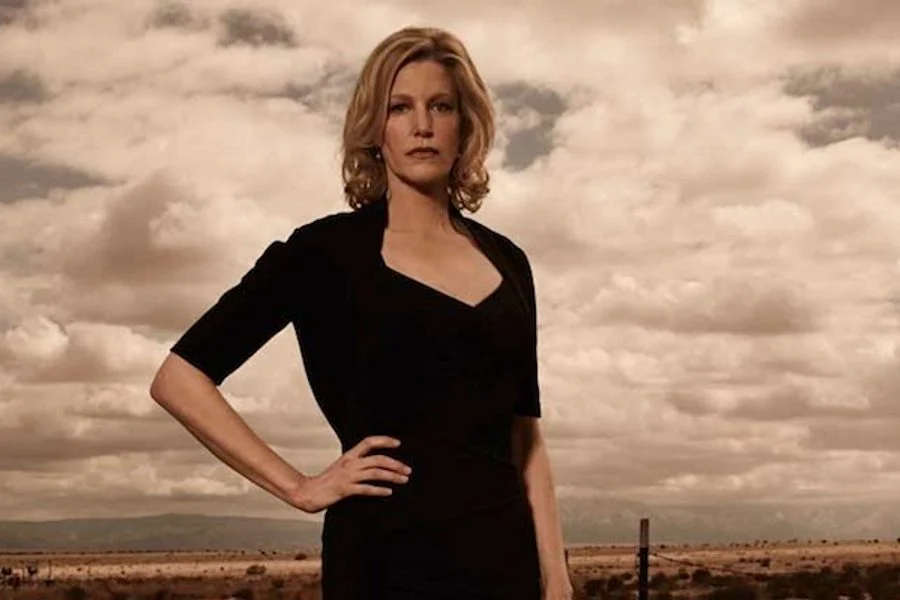
Skyler White starts as a worried wife trying to protect her family. When she discovers her husband Walter’s secret drug empire, she joins in to keep the money safe, thinking she’s shielding her kids from ruin. Her choices feel practical, even necessary, in a world spiraling out of control.
But Skyler’s actions, like laundering money or intimidating others, drag her into the moral muck. She becomes a villain in the eyes of those who see her enabling Walter’s crimes. Skyler never fully admits her role, clinging to the belief she’s just a mom doing her best.
Magneto – ‘X-Men’ (2000-2014)

Magneto, a Holocaust survivor, fights for mutants in a world that fears them. He sees humans as a threat, and his extreme measures—like attacking cities or governments—are his way of ensuring mutant survival. To him, he’s a freedom fighter, not a terrorist, protecting his people from extinction.
His violent rebellion casts him as the villain against the X-Men’s hope for peace. Magneto’s trauma blinds him to the innocents caught in his war. He believes he’s saving the future, never seeing how his rage mirrors the hatred he fights against.
Norman Bates – ‘Psycho’ (1960)

Norman Bates runs a quiet motel and seems like a shy, kind man. Controlled by his mother’s lingering influence, he commits horrific acts without fully grasping their evil. To Norman, he’s protecting his mother’s memory and keeping his world intact, not harming anyone on purpose.
His split personality makes him a tragic villain, as he doesn’t see the monster within. Norman’s crimes shock because he’s so unaware of them, believing he’s just a dutiful son. His quiet demeanor hides a darkness he can’t acknowledge.
Which of these villains do you think had the best intentions, or did I miss a character who fits the bill? Drop your thoughts in the comments!