


War Movies Directed by Filmmakers Who Actually Served

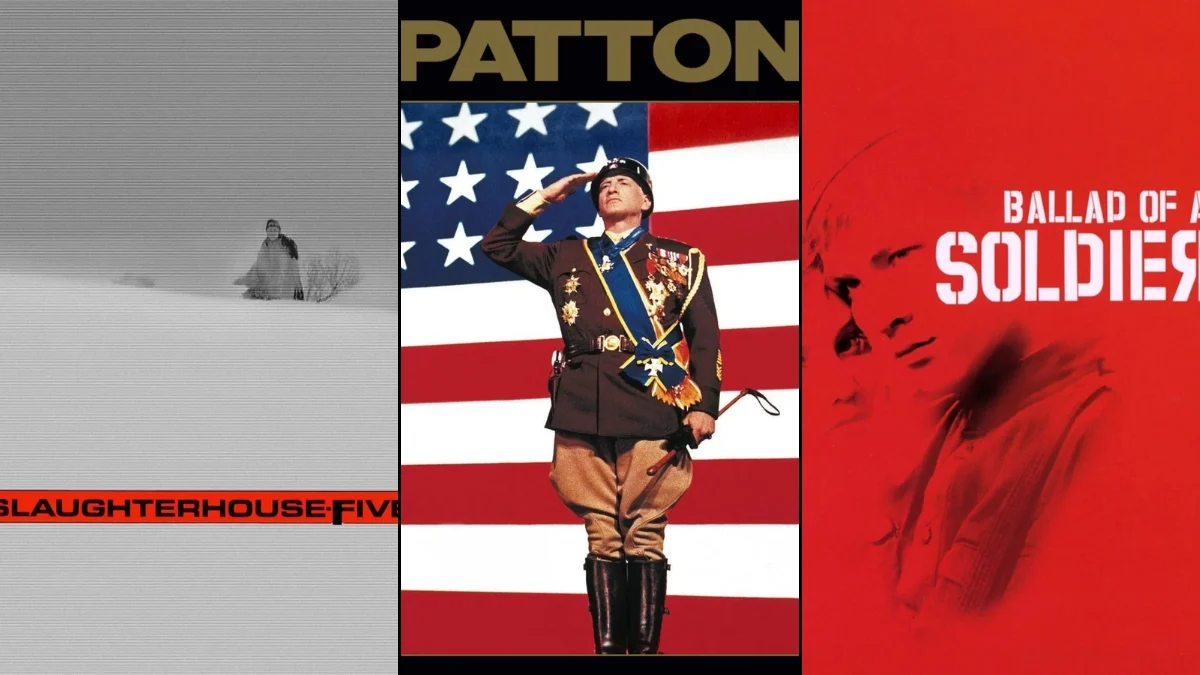


War films often strive for realism but few capture the visceral nature of combat like those helmed by directors who lived through it. These filmmakers draw upon their personal harrowing experiences to craft narratives that resonate with authenticity and emotional depth. From the trenches of World War I to the jungles of Vietnam these directors translated their service into cinematic history. The following collection highlights movies where the person behind the camera witnessed the realities of war firsthand.
‘Platoon’ (1986)
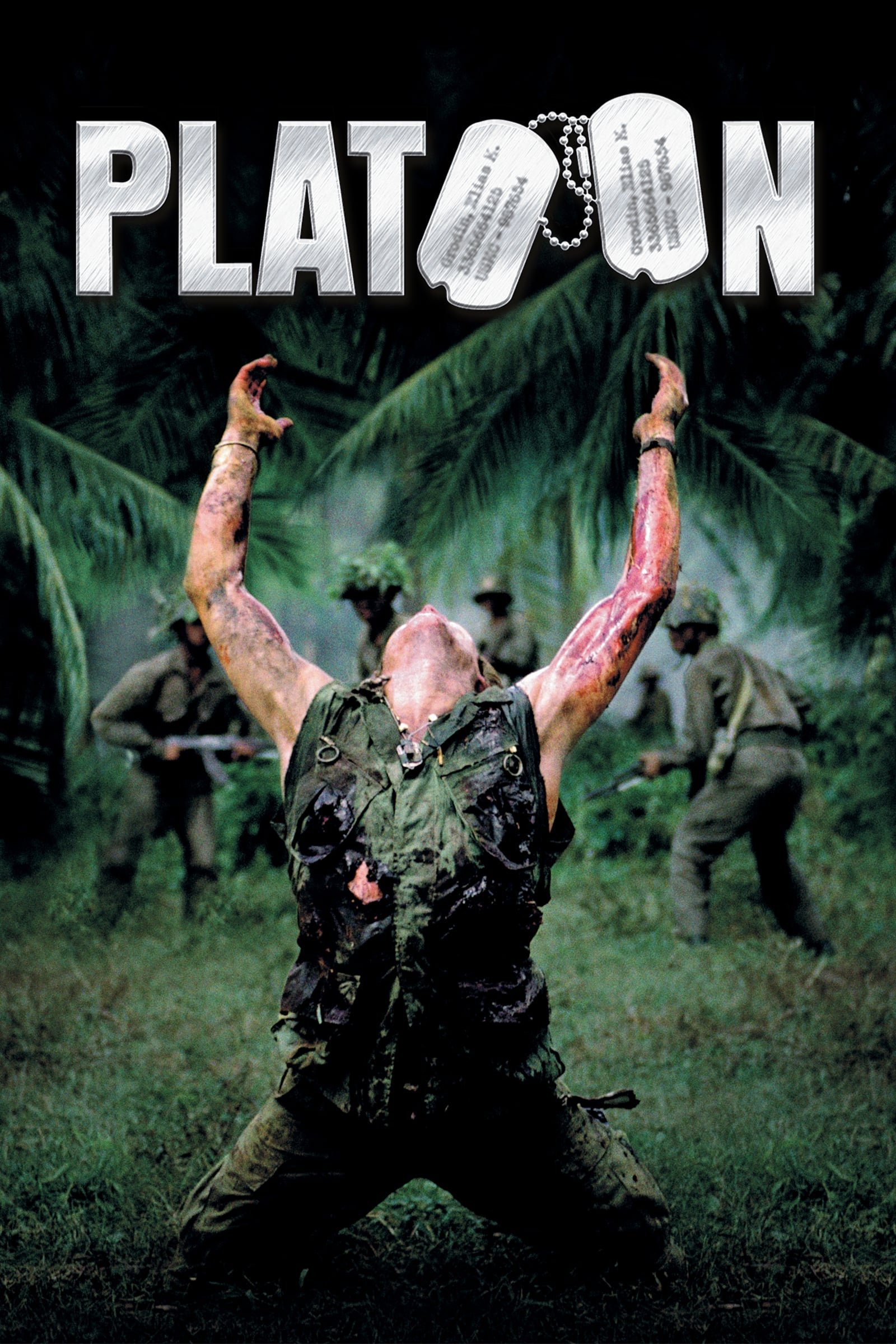
Oliver Stone wrote and directed this film based on his own tour of duty as an infantryman in Vietnam. The story follows a young recruit who finds himself caught in a moral struggle between two sergeants with opposing views on humanity and war. Stone utilized his personal memories to depict the confusion and terror of jungle warfare with unflinching brutality. This movie was the first Hollywood feature written and directed by a Vietnam veteran to win Best Picture.
‘The Big Red One’ (1980)
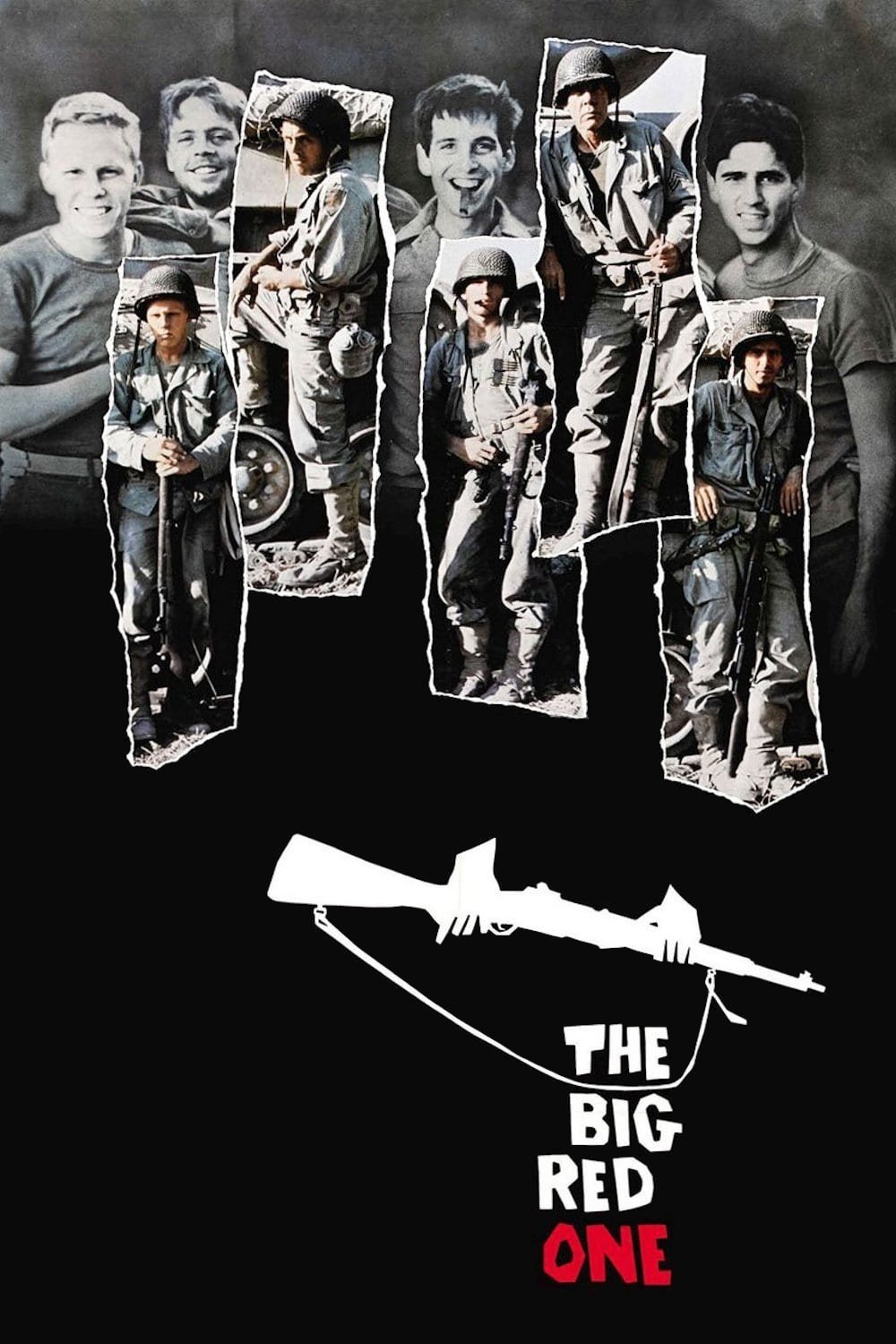
Samuel Fuller constructed this narrative around his actual experiences with the 1st Infantry Division during World War II. The film chronicles the journey of a squad led by a hardened sergeant as they fight across North Africa and Europe. Fuller infused the script with specific details and events he witnessed while serving as an infantryman. The result is a war movie that focuses heavily on the psychological survival and camaraderie of the foot soldier.
‘Wings’ (1927)
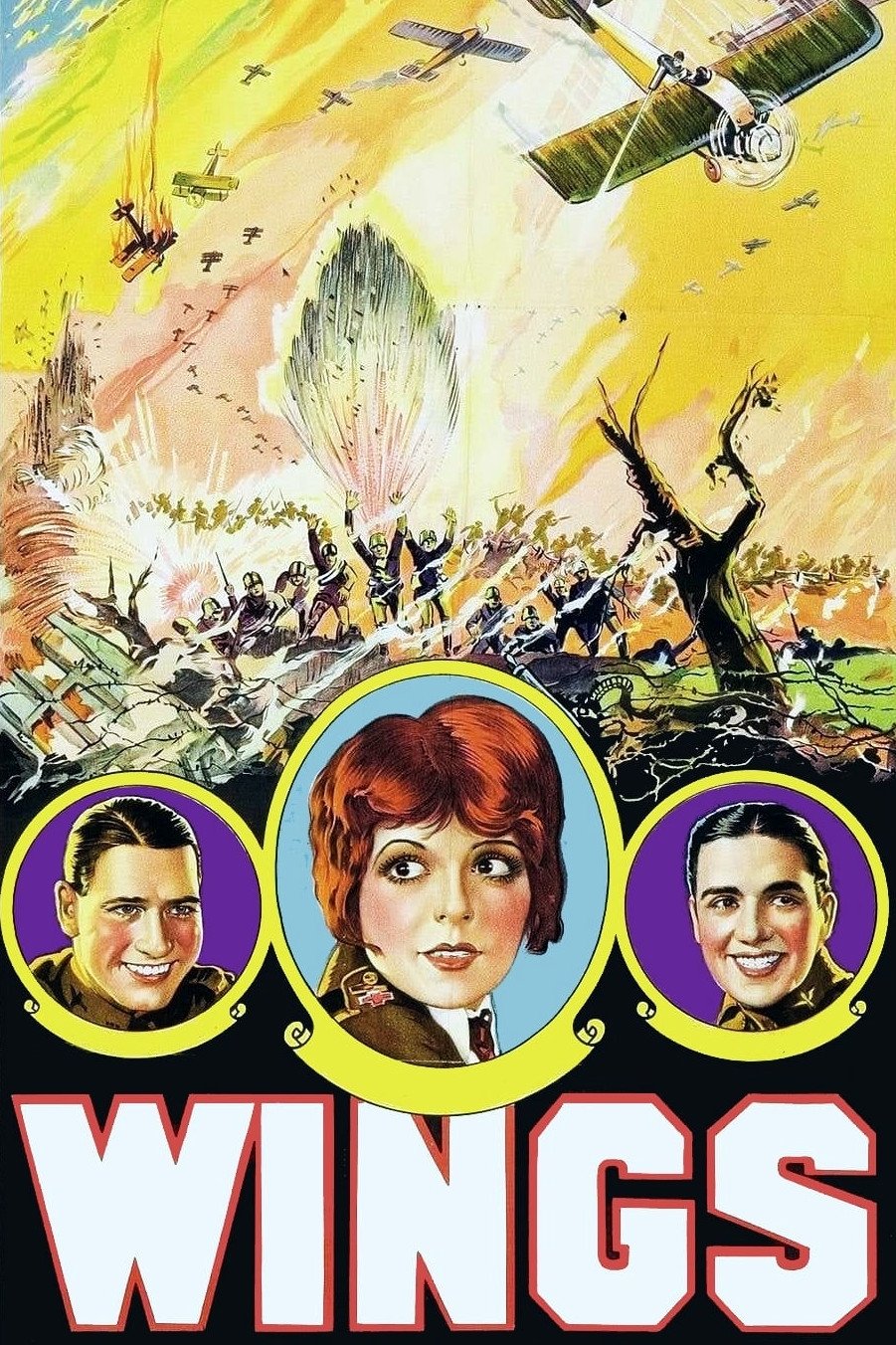
William Wellman drew from his time as a combat pilot in the Lafayette Flying Corps during World War I to create this silent masterpiece. The film tells the story of two romantic rivals who become fellow airmen and friends before facing the tragedies of aerial dogfights. Wellman insisted on using real planes and pilots to capture the danger of early aviation combat accurately. It holds the distinction of being the first film ever to win the Academy Award for Best Picture.
‘Grand Illusion’ (1937)
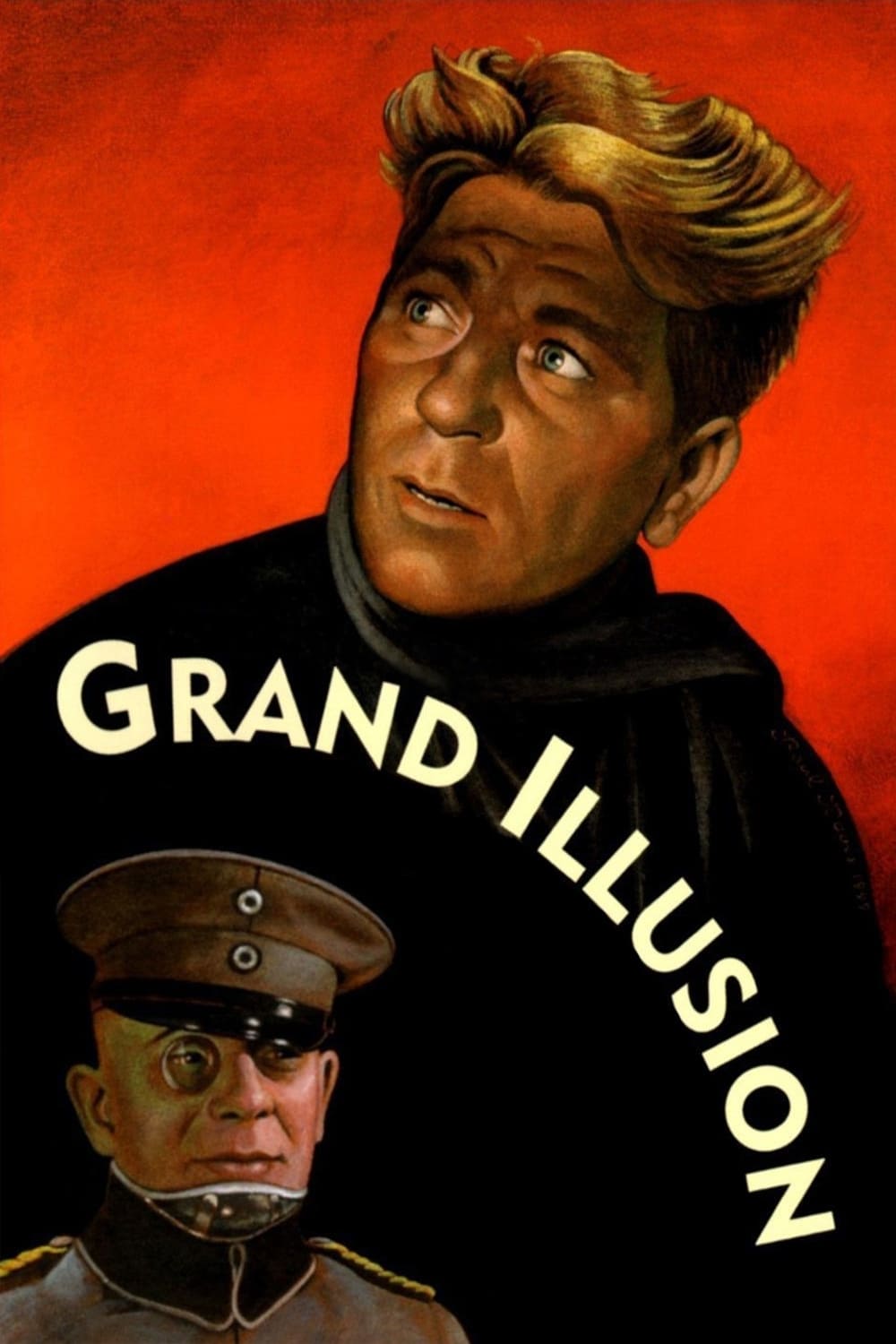
Jean Renoir served in the French cavalry and later the air service during World War I before becoming a celebrated filmmaker. His film focuses on French officers who are held as prisoners of war by the Germans and plot their escape. The narrative explores class differences and the shared humanity between enemies rather than just the violence of the battlefield. Renoir used his own wartime observations to craft a humanistic message that transcends national borders.
‘They Were Expendable’ (1945)
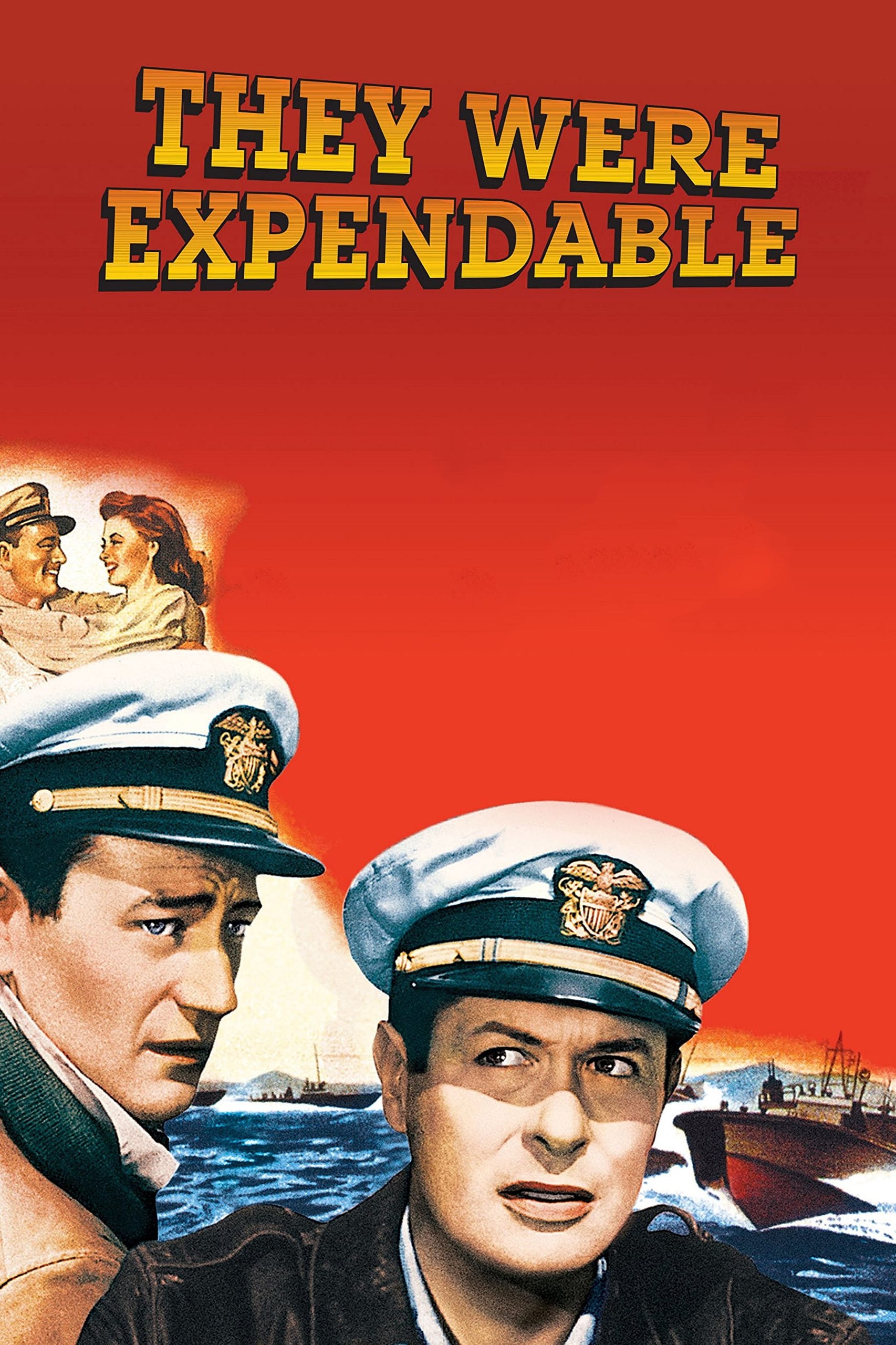
John Ford served as a commander in the United States Navy Reserve and led a photographic unit during World War II. This film depicts the exploits of a PT boat squadron in the Philippines during the early disastrous months of the Pacific War. Ford brought a sombre and realistic tone to the production that reflected the loss and sacrifice he witnessed in active theaters. The movie is noted for its lack of melodramatic heroism and its focus on duty.
‘The Best Years of Our Lives’ (1946)

William Wyler flew combat missions over Europe with the U.S. Army Air Forces to film documentaries before directing this post-war classic. The story examines the difficulties three veterans face as they attempt to reintegrate into civilian society after World War II. Wyler cast a real veteran who lost his hands in the war to ensure the portrayal of disability was authentic and respectful. The film captures the psychological and physical aftermath of conflict with profound sensitivity.
‘Journey’s End’ (1930)
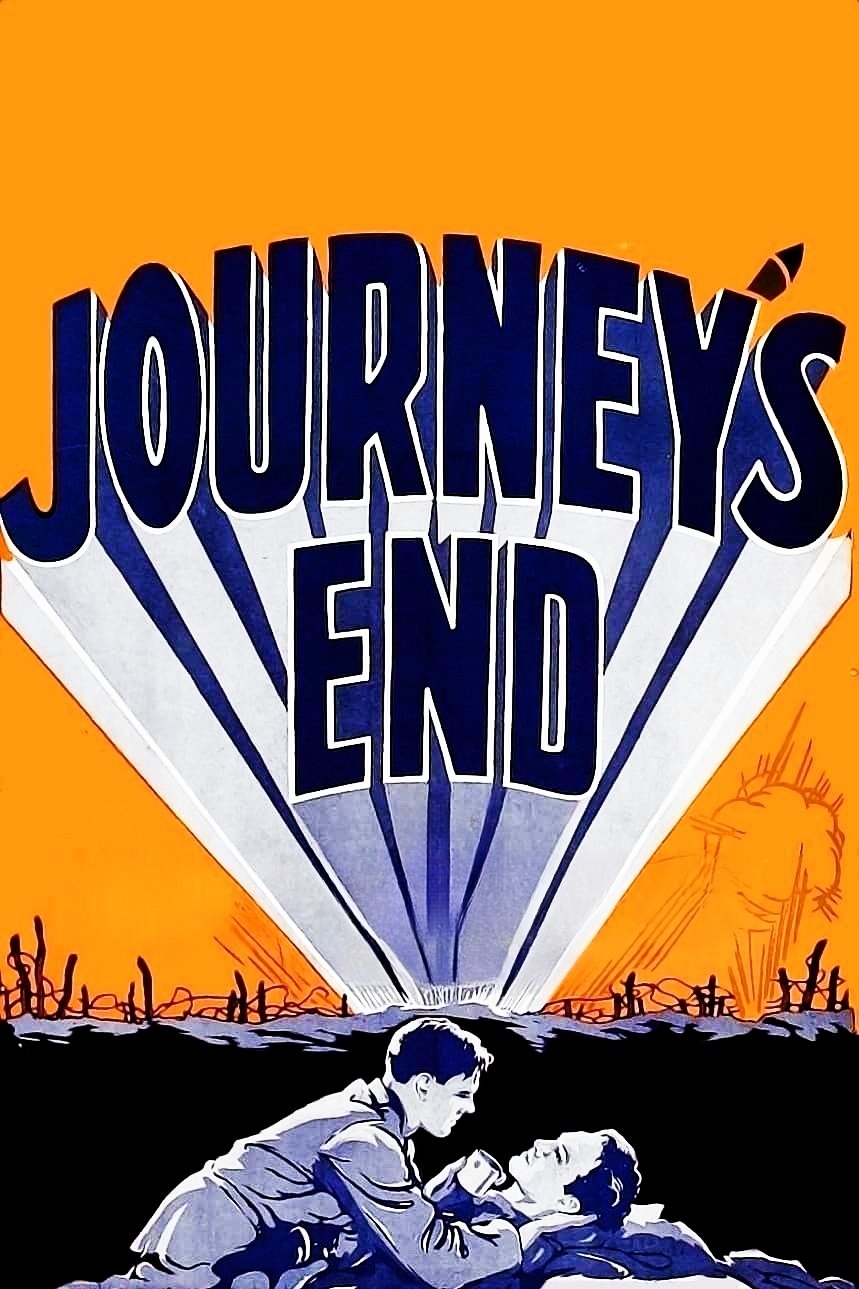
James Whale served as a second lieutenant in the British Army and was a prisoner of war during World War I. He adapted this play for the screen to highlight the mental strain placed on officers in the trenches. The plot centers on a captain whose mental state deteriorates as he anticipates an imminent German offensive. Whale used the claustrophobic setting of the dugout to emphasize the psychological toll of waiting for death.
‘Slaughterhouse-Five’ (1972)
George Roy Hill served as a Marine Corps transport pilot in World War II and later served in the Korean War. He adapted Kurt Vonnegut’s novel about a soldier who becomes unstuck in time after surviving the firebombing of Dresden. The film blends science fiction elements with grim war realities to explore trauma and the absurdity of violence. Hill effectively translated the disjointed narrative to reflect the fractured psyche of a war survivor.
‘The Human Condition I: No Greater Love’ (1959)

Masaki Kobayashi was drafted into the Imperial Japanese Army and his experiences shaped his staunchly antiwar perspective. The film is the first part of a monumental trilogy following a pacifist labor camp supervisor who struggles to maintain his morals during the war. Kobayashi poured his own feelings of guilt and resistance into the protagonist’s journey against an oppressive military system. It stands as a searing critique of the dehumanization required by the war machine.
‘Cross of Iron’ (1977)
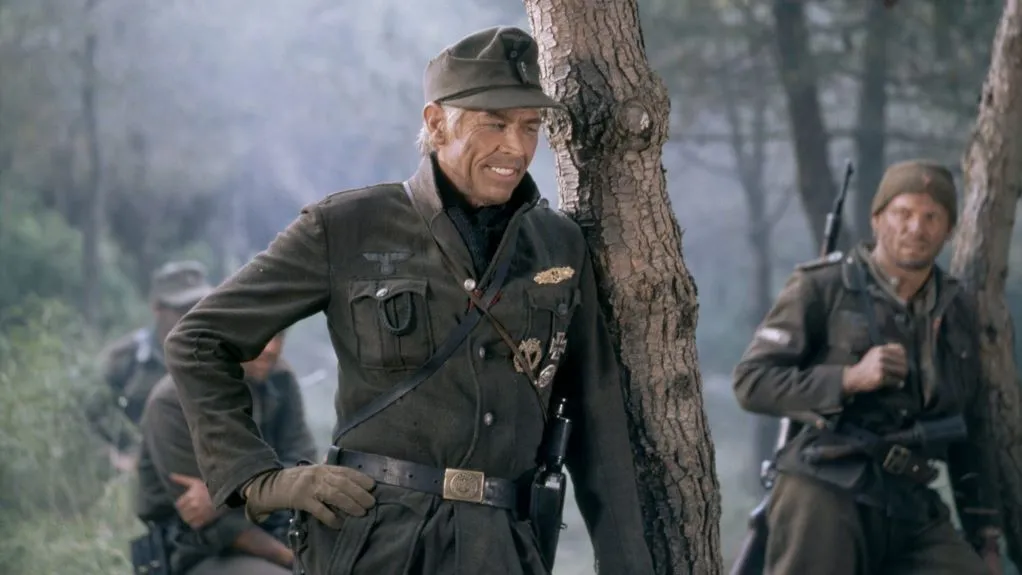
Sam Peckinpah served in the United States Marine Corps during World War II and witnessed the aftermath of combat in China. His film takes the unique perspective of a German platoon on the Eastern Front as they retreat from Soviet forces. The story highlights the conflict between a weary corporal and an aristocratic officer seeking glory at the expense of his men. Peckinpah directed the battle sequences with a chaotic intensity that reflects the madness of the front lines.
‘Patton’ (1970)
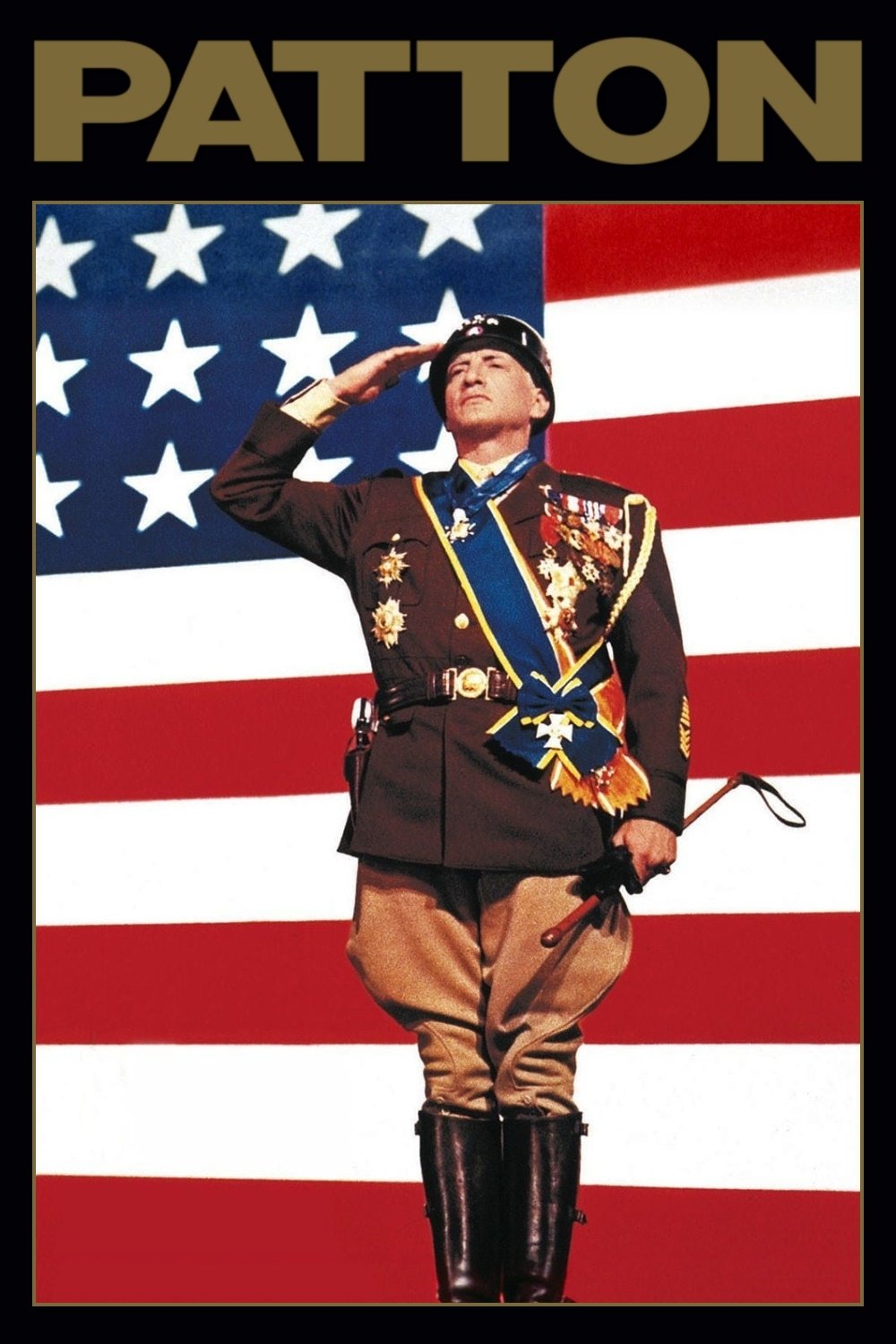
Franklin J. Schaffner served in the United States Navy during World War II and participated in amphibious operations in Europe and Africa. This biographical film traces the controversial career of General George S. Patton through his triumphs and disciplinary issues. Schaffner balanced the depiction of Patton’s tactical genius with his immense ego and lack of diplomacy. The movie remains a definitive character study of a man obsessed with war.
‘M*A*S*H’ (1970)
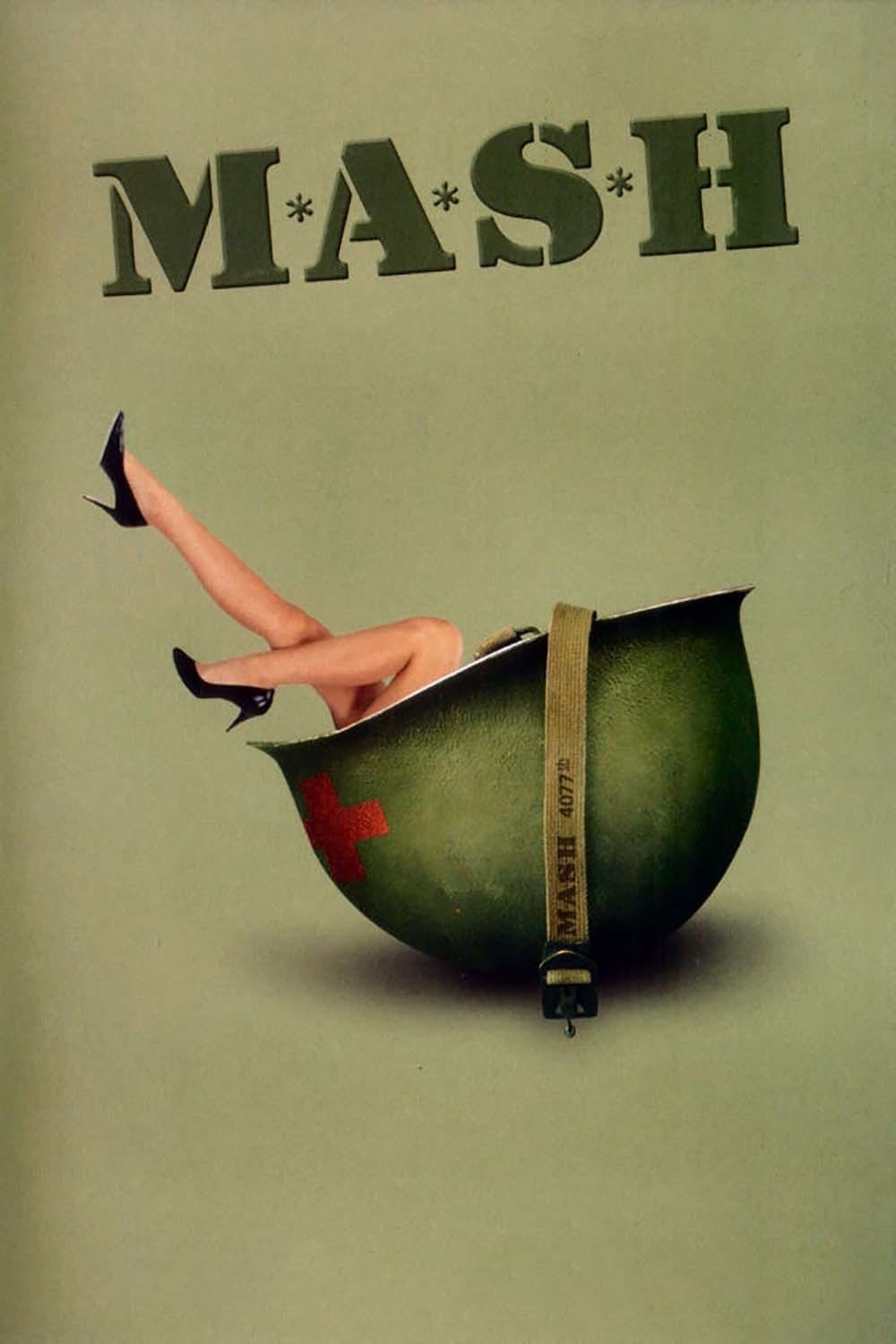
Robert Altman served as a B-24 co-pilot with the Army Air Forces in the Pacific theater during World War II. This satirical dark comedy focuses on the staff of a Mobile Army Surgical Hospital during the Korean War. Altman used overlapping dialogue and a chaotic visual style to capture the insanity of trying to save lives in a war zone. The film uses humor as a defense mechanism against the horrors of constant bloodshed.
‘The Hill’ (1965)
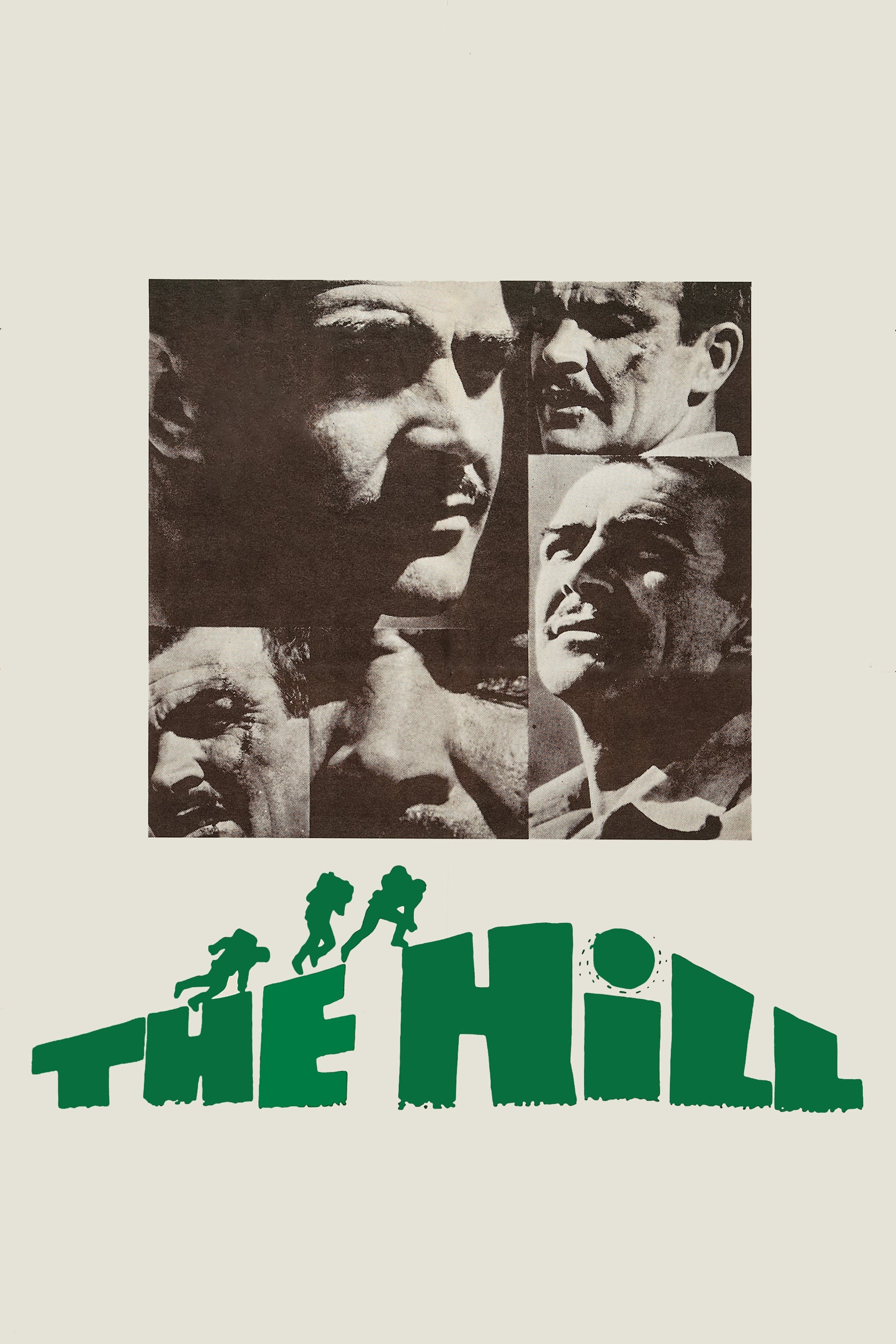
Sidney Lumet served in the U.S. Army Signal Corps during World War II where he saw the machinery of military discipline firsthand. The film takes place in a British military prison in North Africa where prisoners are forced to climb an artificial hill as punishment. Lumet created a stifling atmosphere of heat and exhaustion to mirror the psychological breaking point of the inmates. The story is a brutal examination of authority and the abuse of power within the military.
‘All Quiet on the Western Front’ (1930)
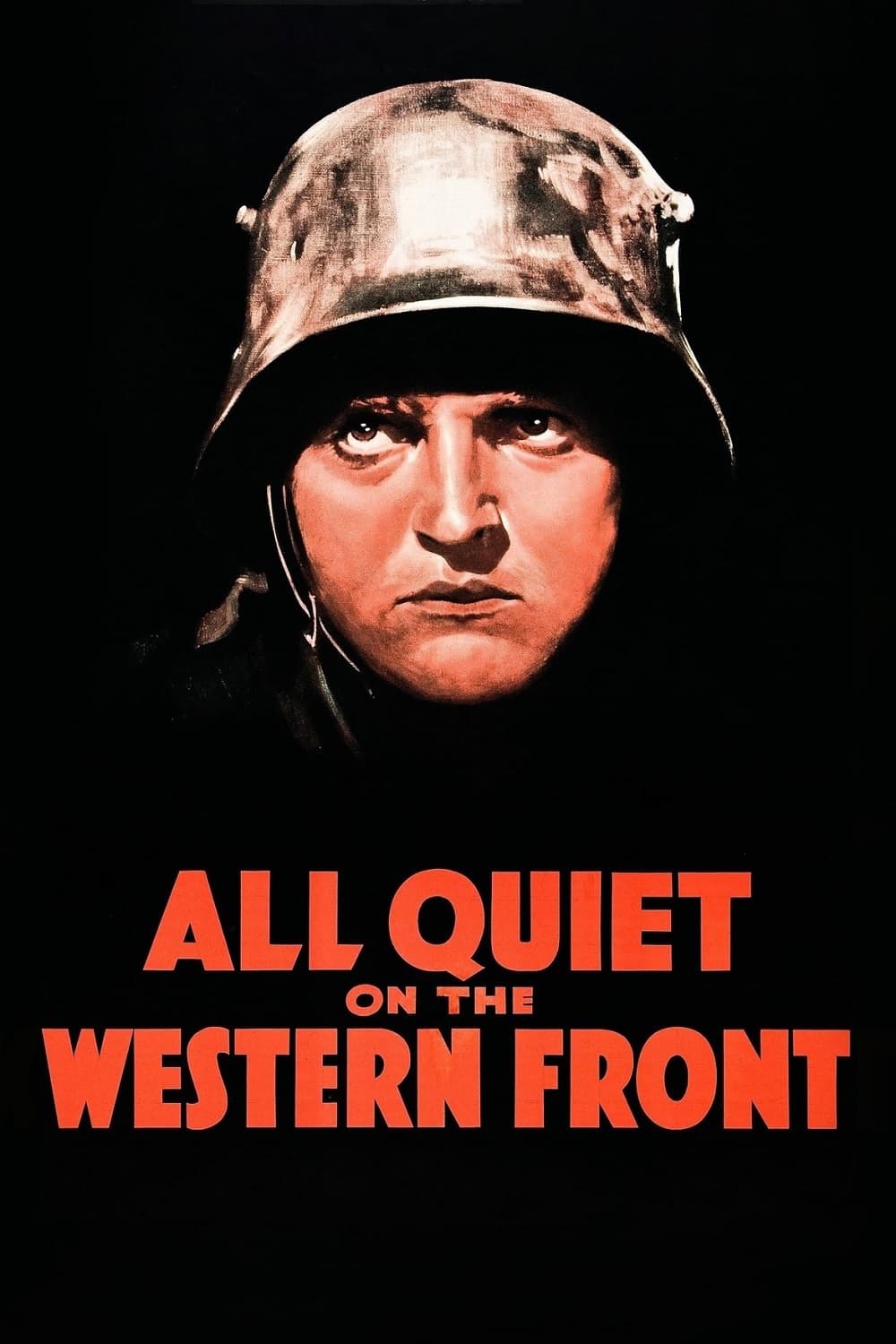
Lewis Milestone served in the U.S. Army Signal Corps during World War I and brought that era to life in this adaptation. The film follows a group of German schoolboys who enthusiastically enlist only to face the horrific realities of trench warfare. Milestone utilized groundbreaking tracking shots and sound design to immerse the audience in the soldier’s experience. It remains one of the most powerful antiwar statements ever committed to celluloid.
‘Ballad of a Soldier’ (1959)
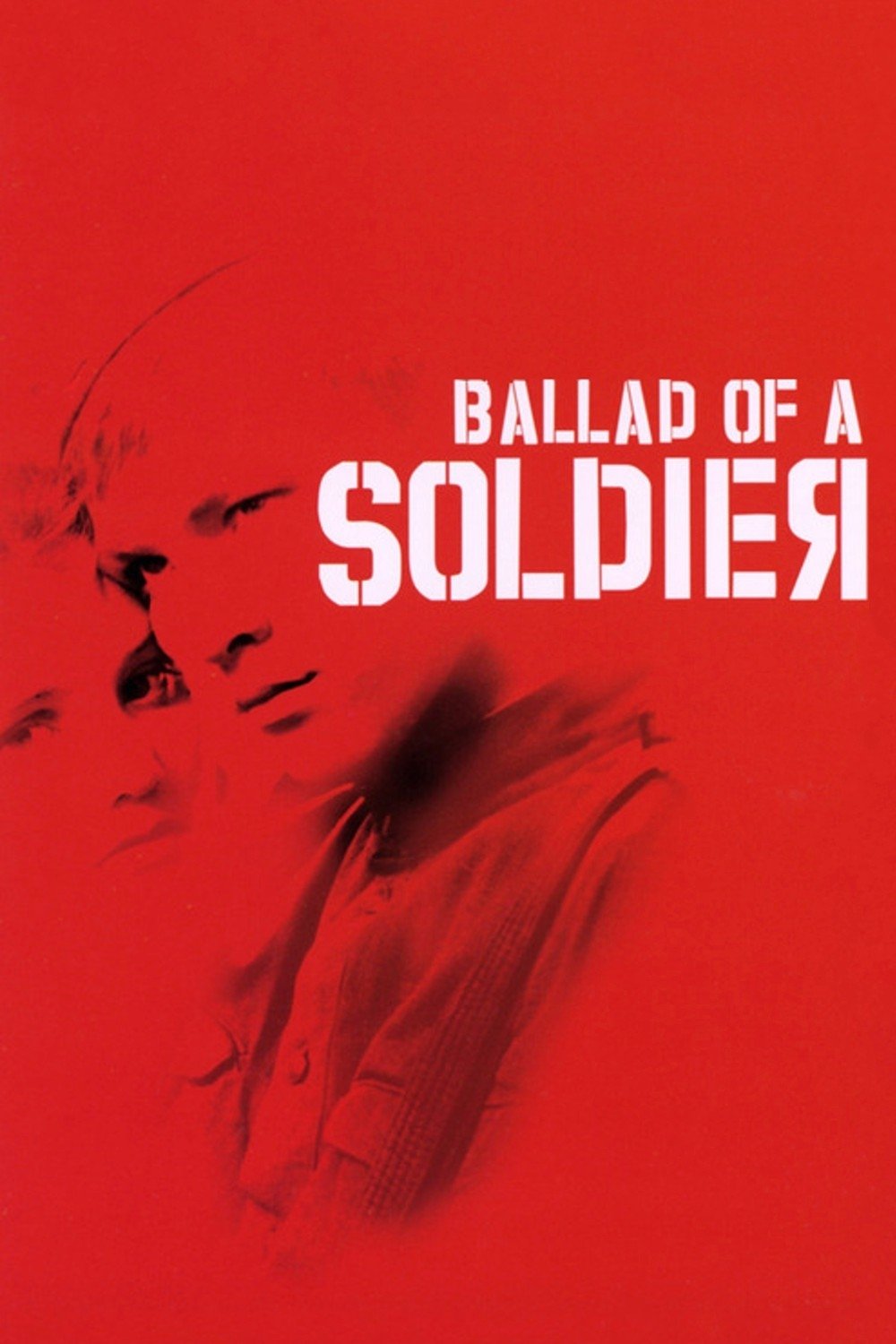
Grigory Chukhray was a paratrooper in the Soviet Army during World War II and was wounded multiple times in combat. His film tells the story of a young soldier who is granted a brief leave to visit his mother after a heroic act. The narrative focuses on the people he meets and the love he finds on his journey home rather than the battles themselves. Chukhray crafted a poetic tribute to the lost generation of Soviet youth who never returned.
Which of these films do you think best captures the true experience of a soldier, so let us know your favorite in the comments.