


5 Ways ‘Django Unchained’ Aged Poorly (& 5 Ways It Aged Masterfully)

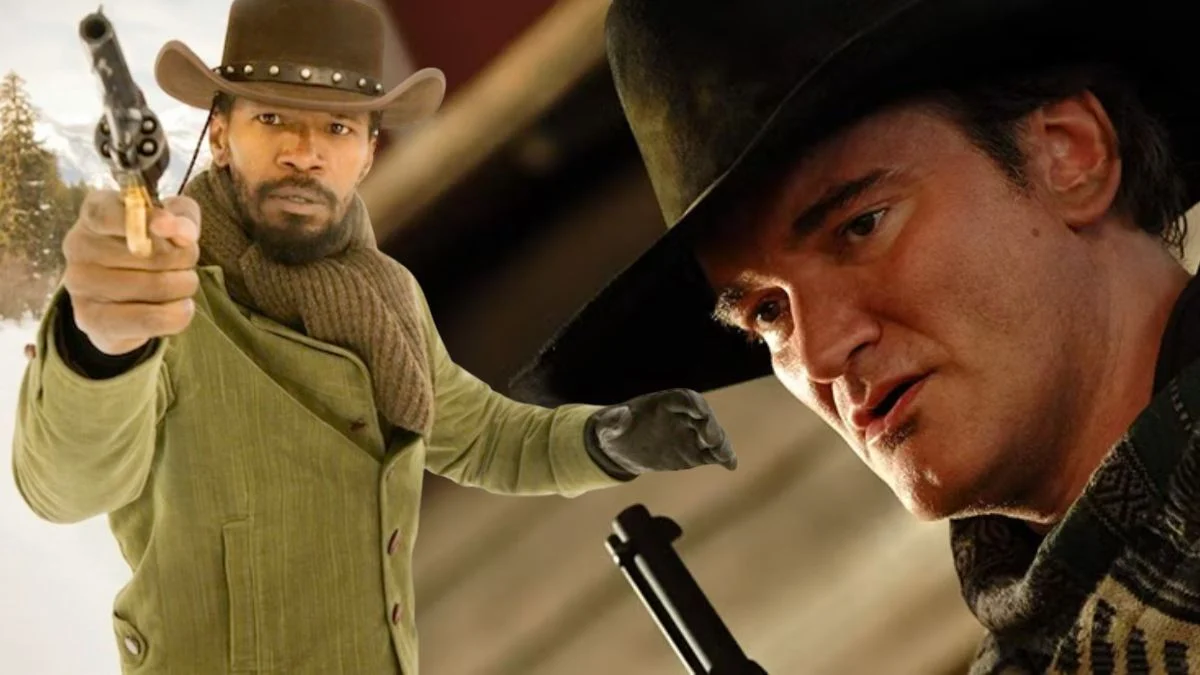


Quentin Tarantino’s revisionist Western puts a freed man and a bounty hunter on a rescue mission across the antebellum South. It mixes frontier gunfights with plantation intrigue and a sharp focus on language, power, and brutality. The result arrived with major attention and a long theatrical run that kept conversations going well past its opening.
With time, some elements have settled into film history while others draw fresh scrutiny as standards and context continue to evolve. Here is a clear look at what has held up in concrete ways and what now reads differently when you revisit the film today.
Aged Poorly: Historical details that clash with the timeline
The story takes place before the Civil War yet it features a hooded night raid that mirrors groups that formed after the war. The Ku Klux Klan did not exist during the year the plot is set, which makes the familiar bag masks and organized ride a chronological mismatch with the setting. The sequence is memorable, but the timing of the imagery does not align with actual formation dates.
Later scenes show the use of dynamite during the finale. Dynamite was not introduced until several years after the period in which the film is set. This places a modern explosive in an era that did not have it, which stands out when viewers compare the prop to the real development timeline of explosives.
Aged Masterfully: Awards and industry recognition
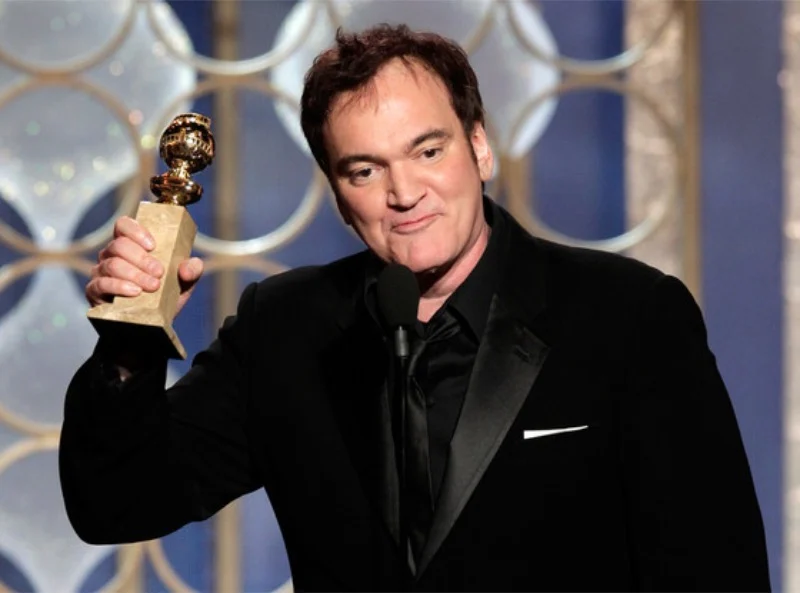
The film earned major accolades during awards season. It won two Academy Awards for Best Supporting Actor for Christoph Waltz and for Best Original Screenplay by Quentin Tarantino. It also received multiple additional nominations that included Best Picture and recognition for craft categories, which signals broad appreciation across branches.
Beyond the Oscars, it collected prominent trophies from other organizations. The screenplay and Christoph Waltz were honored at major ceremonies, and the cast appeared on year end lists across the industry. This record gives the film a concrete place in modern award history.
Aged Poorly: Language intensity and content rating
The script contains frequent racist slurs and harsh dialogue across many scenes. The Motion Picture Association rated the film R for strong graphic violence and language along with other adult content. The rating and advisory reflect the density of explicit terms that appear throughout conversations and confrontations.
This level of language remains notable on home releases and platform listings where content descriptors clearly flag strong language. Viewers who track advisories can see the film identified for persistent use of slurs in addition to violence and themes, which sets expectations before a viewing.
Aged Masterfully: Performances that define key roles
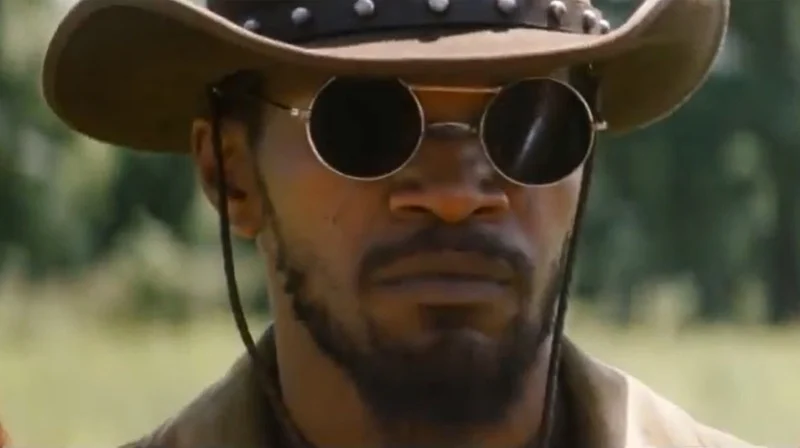
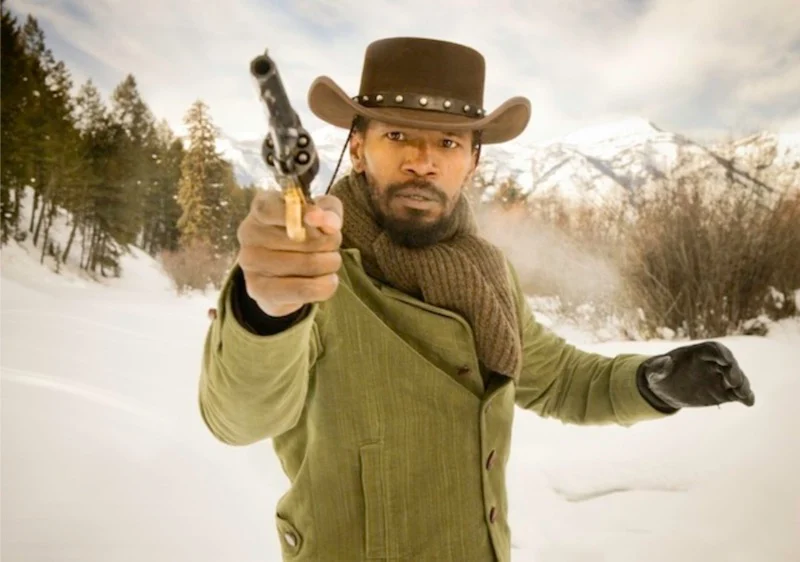
Jamie Foxx leads as Django, with Christoph Waltz as Dr. King Schultz, Leonardo DiCaprio as Calvin Candie, Kerry Washington as Broomhilda, and Samuel L. Jackson as Stephen. Christoph Waltz received the top supporting prize for this role, which formalizes the performance as a benchmark within his career and within the film.
Production accounts describe a dinner scene in which Leonardo DiCaprio injured his hand on broken glass and finished the take, which the team then used to heighten the moment. This kind of on set detail documents the intensity of the performances and how real mishaps shaped what appears on screen.
Aged Poorly: The invented sport of Mandingo fighting
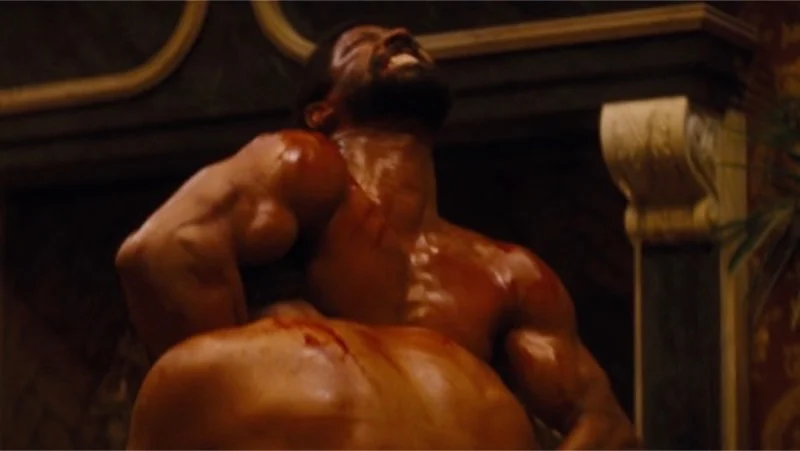
The plot features forced fights between enslaved men described as Mandingo fighting. The term and the structure of death matches as presented in the film are not documented as a formalized entertainment practice in period records, even as many other forms of violence and coercion against enslaved people are well documented. The sequence functions as a dramatic device rather than a reproduced institution.
Because the fights drive several character decisions and a key sale, the invented practice occupies a central narrative space. Historical guides and museum materials about the era focus on documented systems of oppression such as auctions, punishments, and labor, which creates a gap between the film device and the practices researchers detail.
Aged Masterfully: Production design and visual identity
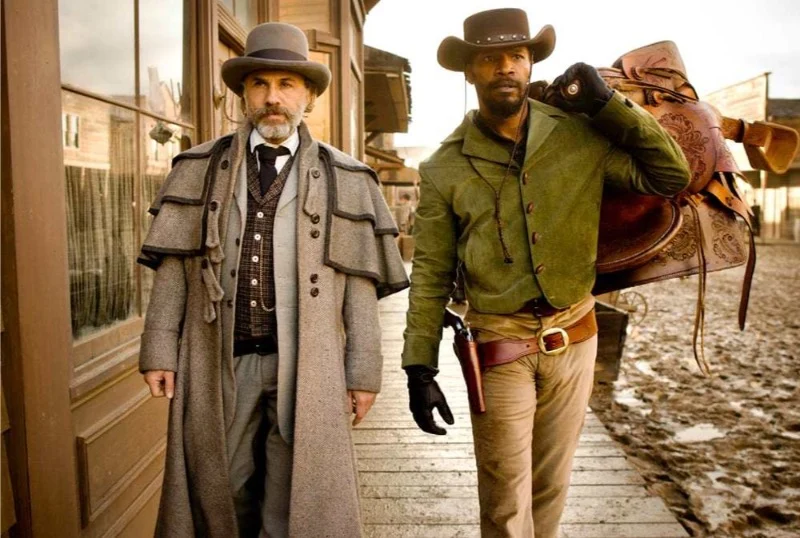
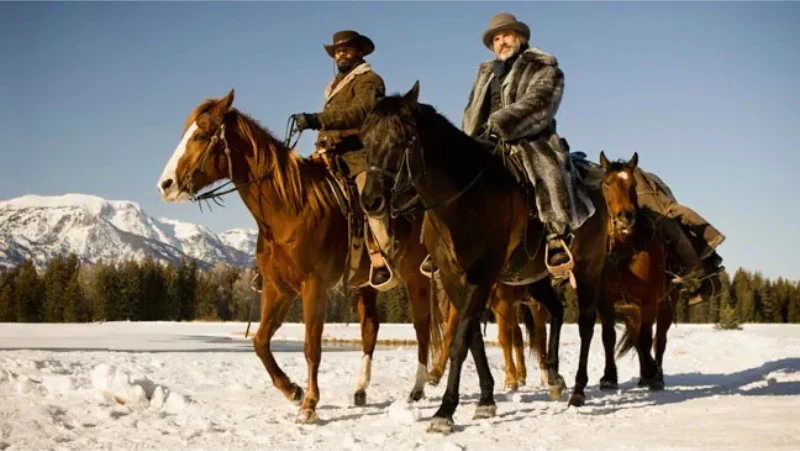
The film’s production design creates distinctive spaces that support both the Western and plantation storylines. Candyland is staged with formal dining rooms, a parlor for negotiations, and fields that frame power dynamics during arrivals and departures. Evergreen Plantation in Louisiana served as a major location, which gives exteriors and approach shots a grounded architectural footprint.
Cinematographer Robert Richardson uses bold close ups, quick zooms, and wide outdoor compositions that match the tone of a frontier tale. The camera setups and lens choices favor sudden push ins during threats and measured masters during bargaining, which builds a recognizable visual language that viewers can track from scene to scene.
Aged Poorly: Limited dialogue and agency for Broomhilda
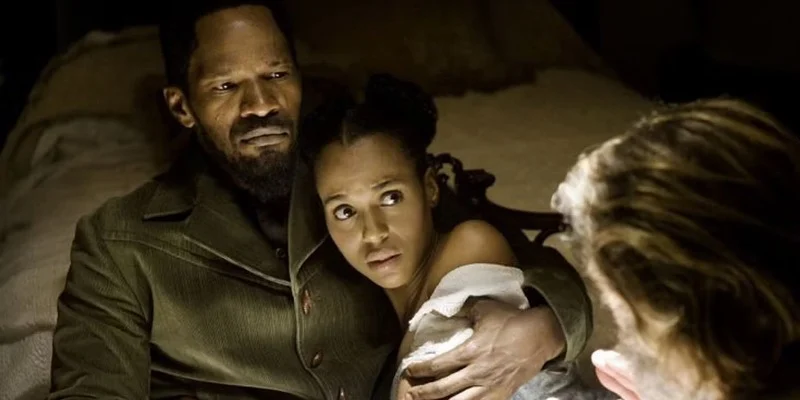
Broomhilda’s role centers on captivity and the efforts to purchase or free her, which limits her screen time in active negotiation scenes. She appears in flashbacks and in moments of instruction from others, and much of the planning occurs without her at the table. This structure gives the lead characters most of the spoken strategy while her character is held in isolation.
She speaks both English and German, which connects to the Siegfried story that Dr. King Schultz tells. Even with this connection, the plot devices that move the rescue forward rely on transactions and duels led by the men around her. The distribution of dialogue across scenes makes her presence important to the goal but lighter in conversation count.
Aged Masterfully: Set pieces built with practical mayhem
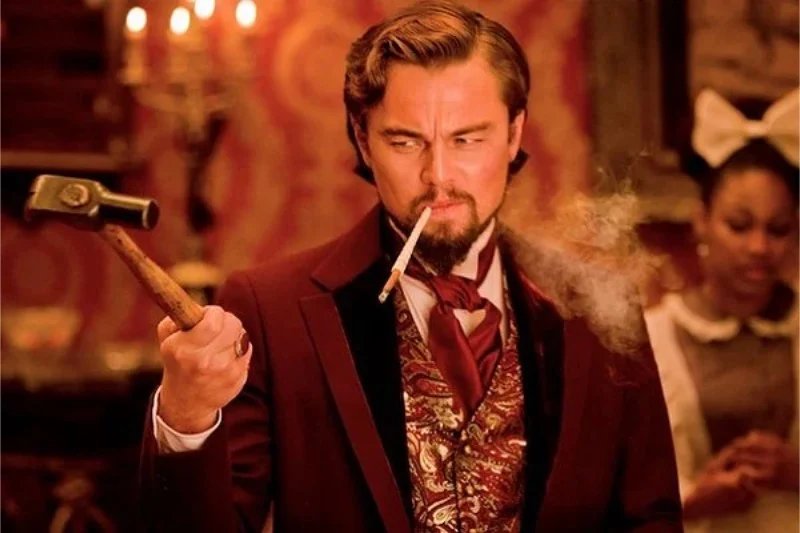
The dinner negotiation at Candyland builds with a public reading of a paper, a hammer on the skulls in a phrenology display, and a signed bill of sale brought to the table. The blocking places characters around the table to fix eye lines for threats, which makes the eventual eruption easy to follow across cuts and reverse angles. The design of props and table placements helps orient the viewer through the turn.
The final plantation shootout uses extensive squibs, breakaway glass, and stunt falls that were staged on set. Behind the scenes reels show crews loading blood packs and dressing walls for resets. This practical approach gives the action a messy texture that reads clearly in slow motion replays and on high resolution home releases.
Aged Poorly: The director cameo that disrupts the story flow
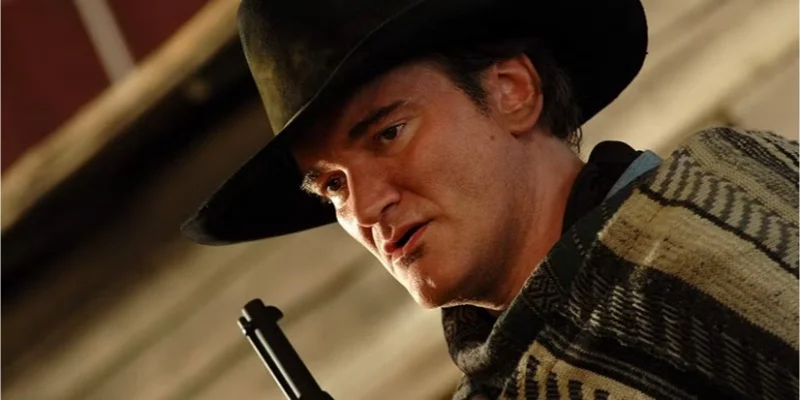
Quentin Tarantino appears late in the film as a worker escorting prisoners to a mine. He speaks with an Australian accent alongside other characters from the same group, which adds a new set of voices shortly after a major character death. The speaking role extends beyond a silent walk on and includes lines that spotlight the accent.
The cameo arrives between the aftermath of the Candyland sequence and the return to the plantation. It introduces new faces and a short detour involving explosives and a horse mounted gambit. The placement is easy to spot since the director is a public figure with a recognizable look and voice, which makes the appearance distinct within the flow of the third act.
Aged Masterfully: Box office strength and ongoing availability
The film earned more than four hundred million dollars worldwide and became the highest grossing title in the filmmaker’s catalog at the time. It posted strong holds across multiple markets and maintained a long run that expanded its audience beyond opening weekend. The combination of star power and awards attention drove repeat business.
Home editions include Blu ray and 4K Ultra HD formats with featurettes on costumes, stunts, and locations. Digital rentals and purchases offer multiple subtitle options and audio descriptions in supported storefronts. The runtime is approximately one hundred sixty five minutes, and the rating and advisories remain visible on listings for those planning a rewatch.
Share which elements you think hold up best today and which moments you would change in a fresh edit in the comments.