


5 Ways ‘Fight Club’ Aged Poorly (And 5 Ways It Aged Masterfully)

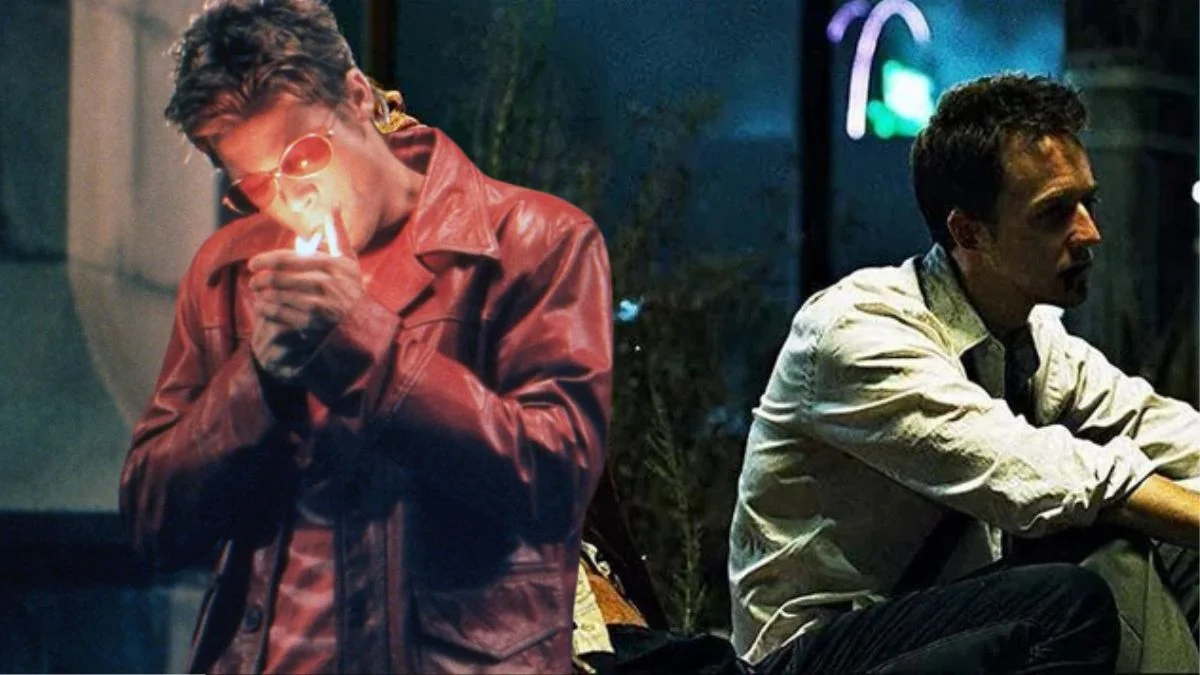


Fight Club (1999) hit theaters with a bang, shaking up pop culture with its raw energy and bold ideas. It spoke to a generation feeling trapped by consumerism and societal norms, but over two decades later, some parts feel dated or problematic, while others remain sharp and relevant.
The film’s mix of dark humor, rebellion, and psychological depth still sparks debate. Let’s break down five ways Fight Club hasn’t held up and five ways it’s still a masterpiece.
Glorification of Toxic Masculinity (Aged Poorly)
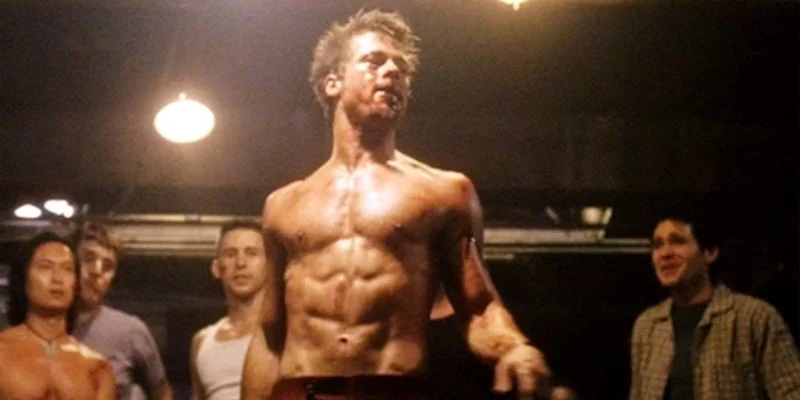
The film’s portrayal of men reclaiming power through violence feels off today. The narrator and Tyler Durden’s fight clubs glorify physical aggression as a path to manhood, which clashes with modern views on healthy masculinity.
This focus on rage and dominance ignores emotional vulnerability. In today’s world, where mental health awareness is growing, the film’s solution to male frustration feels shallow and harmful.
Sharp Social Commentary (Aged Masterfully)
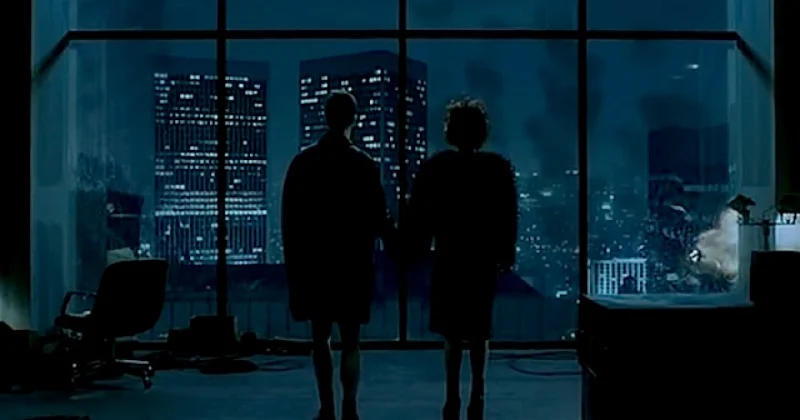
Fight Club nails its critique of consumerism. The narrator’s obsession with material goods and corporate life still mirrors society’s pressure to buy happiness.
The film’s take on empty corporate culture holds up. Its biting humor and vivid imagery, like the narrator’s soulless apartment, keep the anti-materialist message fresh and relatable.
Insensitive Mental Health Depiction (Aged Poorly)
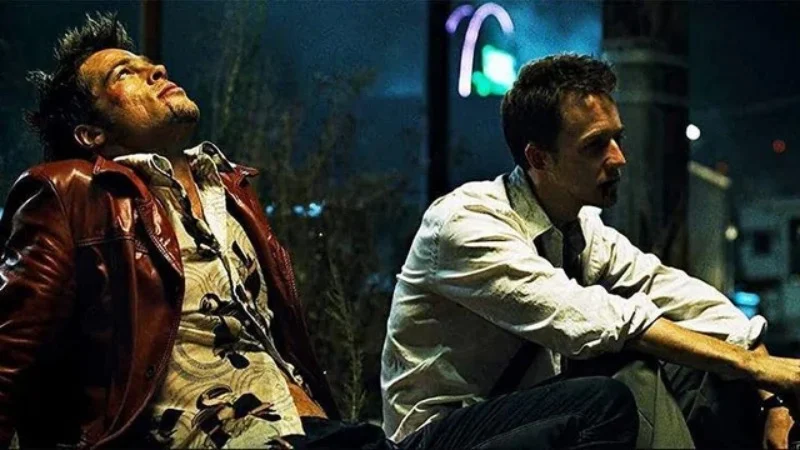
The narrator’s dissociative identity disorder is played for shock value. Mental illness is treated as a plot twist rather than a serious condition, which feels reckless now.
Current audiences expect more nuanced portrayals of mental health. The film’s lack of empathy or realism in this area makes it feel out of touch with today’s understanding.
Timeless Performances (Aged Masterfully)
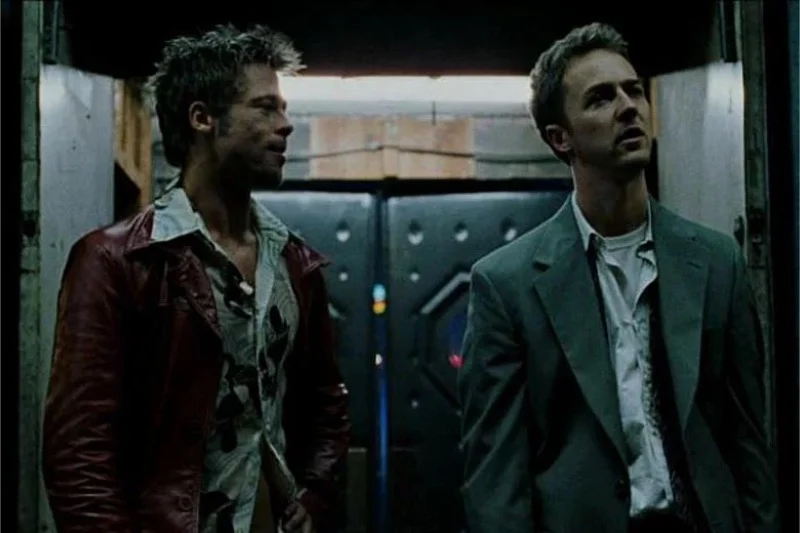
Brad Pitt and Edward Norton deliver electric performances. Their chemistry as Tyler and the narrator drives the film’s intensity and emotional weight.
Their raw, layered portrayals still captivate. Pitt’s charisma and Norton’s vulnerability create a dynamic that feels fresh no matter when you watch it.
Romanticizing Anarchy (Aged Poorly)
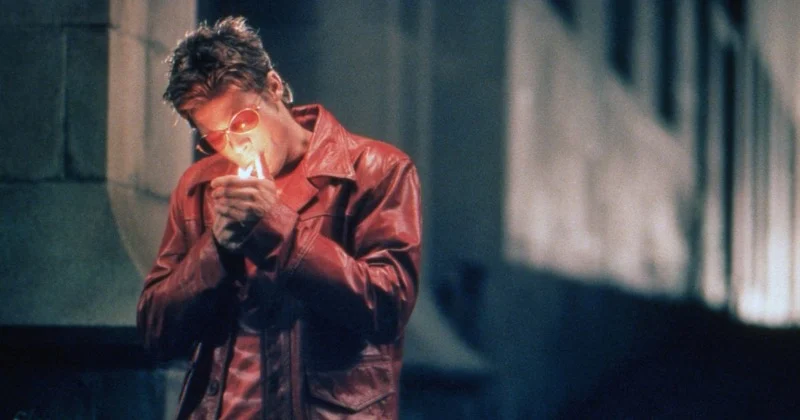
Project Mayhem’s descent into chaos is framed as thrilling rebellion. Blowing up buildings and rejecting order look less appealing in an era wary of real-world extremism.
The film doesn’t fully condemn the group’s dangerous actions. This lack of clarity can feel irresponsible when viewed through today’s lens of social stability.
Bold Visual Style (Aged Masterfully)
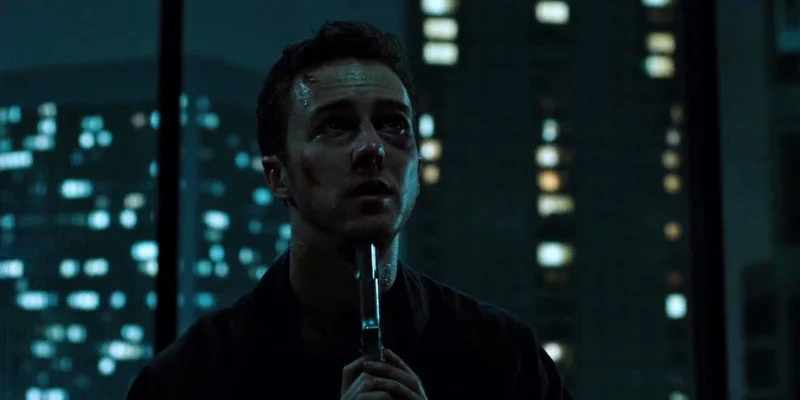
The film’s gritty, chaotic visuals still pop. Its unique aesthetic, from grimy fight scenes to surreal dream sequences, creates a distinct vibe that holds up.
The cinematography captures the story’s raw energy. Even now, the film’s bold look influences modern filmmakers and keeps it visually striking.
Dated Gender Dynamics (Aged Poorly)
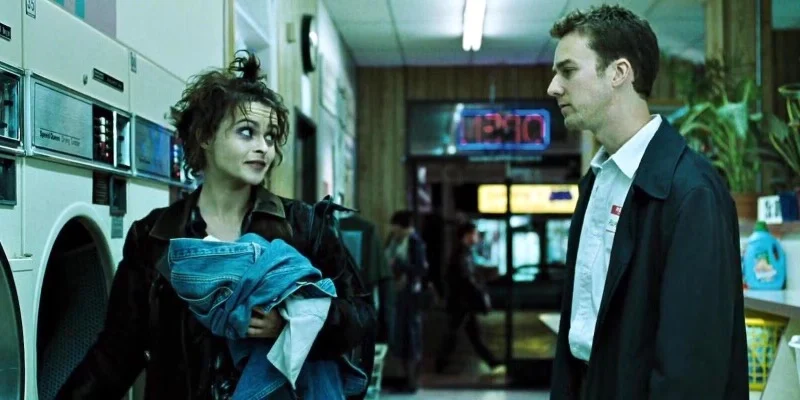
Marla Singer’s role as the main female character feels thin. She’s mostly a prop for the narrator’s emotional journey, lacking depth or agency.
Modern audiences crave stronger, more complex female characters. Marla’s limited role and the film’s male-centric focus feel like relics of a less inclusive era.
Universal Themes of Identity (Aged Masterfully)
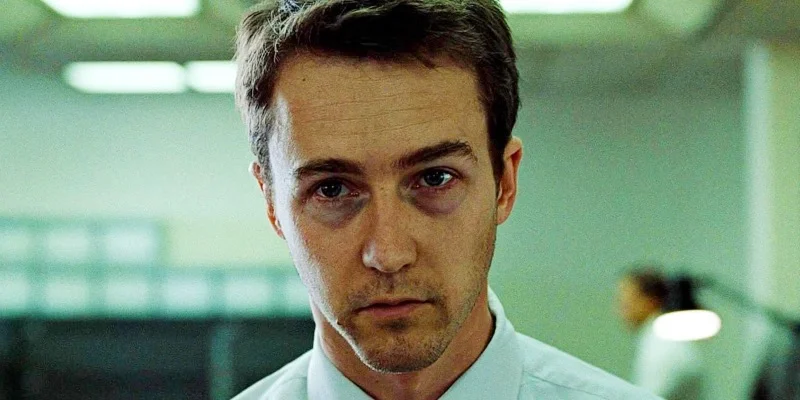
The struggle to find one’s true self resonates across generations. The narrator’s battle with his split identity taps into universal questions about purpose and authenticity.
This theme stays relevant as people navigate societal pressures. The film’s exploration of inner conflict remains powerful and thought-provoking.
Casual Violence as Catharsis (Aged Poorly)
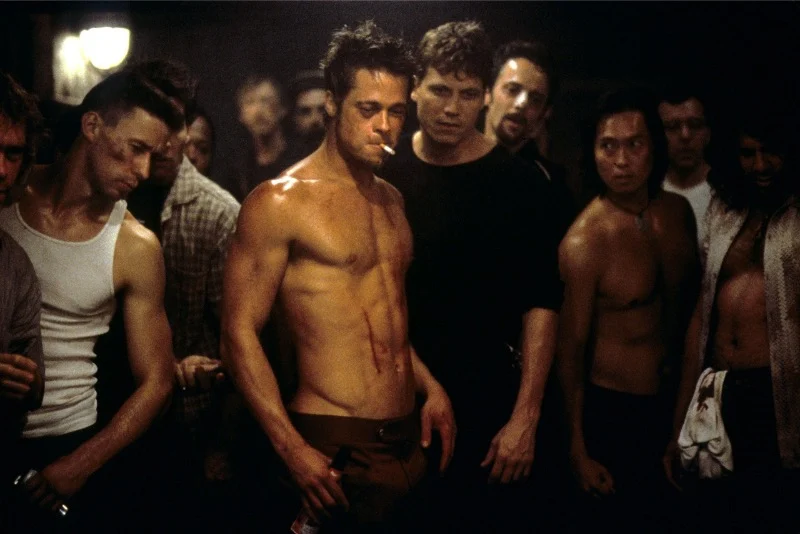
The film treats violence as a release for pent-up frustration. Punching faces to feel alive doesn’t sit well in a world more aware of violence’s real consequences.
This approach feels simplistic today. Promoting physical fights as empowerment ignores healthier ways to process emotions, making these scenes less compelling.
Lasting Cultural Impact (Aged Masterfully)
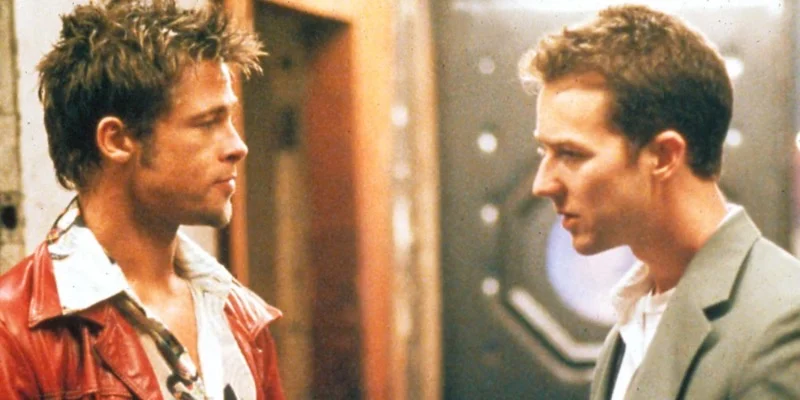
Fight Club shaped pop culture, from iconic quotes to its influence on films and books. Its rebellious spirit and memorable moments still echo in media today.
The film’s ability to spark discussion about society and identity endures. Its legacy as a bold, provocative work keeps it relevant and influential.
What’s your take on how Fight Club holds up today? Share your thoughts in the comments!