


5 Ways ‘Gone Girl’ Aged Poorly (And 5 Ways It Aged Masterfully)

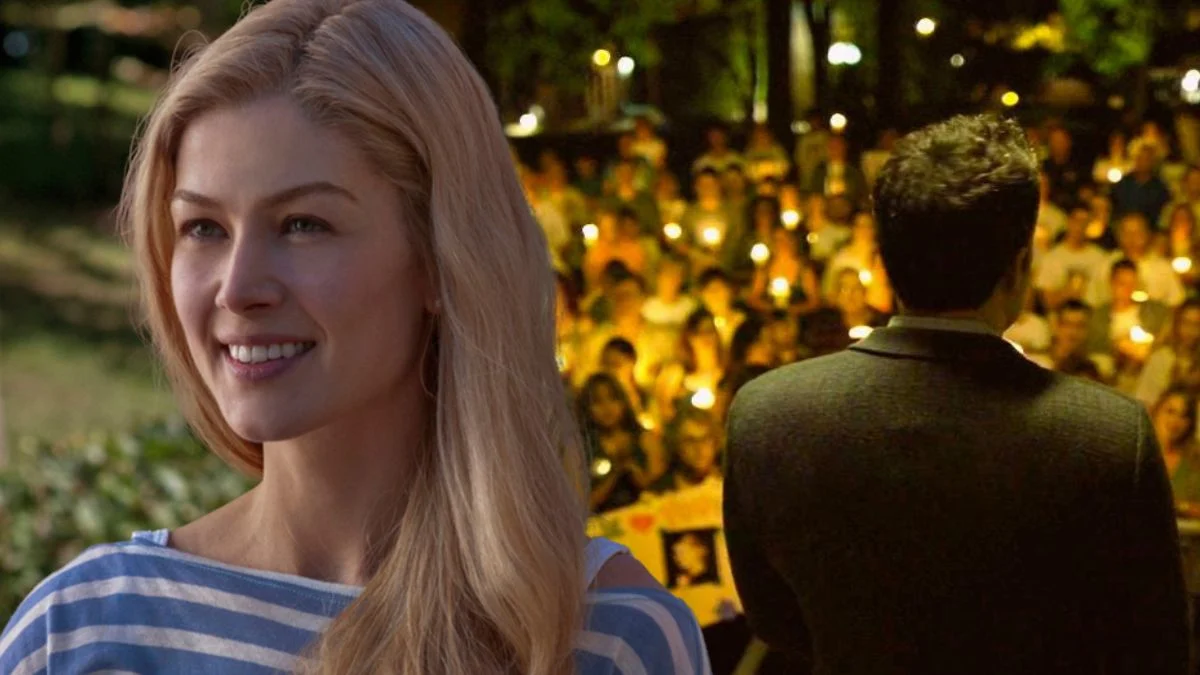


Gone Girl (2014) hit theaters with a bang, gripping audiences with its dark twists and sharp storytelling. The film, based on Gillian Flynn’s novel, dives into marriage, media, and deception through the lens of a missing woman and her husband’s unraveling life. Over a decade later, some parts of the movie feel dated, while others still shine brightly. Let’s break down what hasn’t held up and what remains timeless in this psychological thriller.
From cultural shifts to storytelling strengths, Gone Girl offers a mixed bag when viewed today. Some elements clash with modern sensibilities, while others feel as fresh as ever. Here’s a look at five ways the film has aged poorly and five ways it’s aged masterfully.
Over-the-Top Media Portrayals (Aged Poorly)
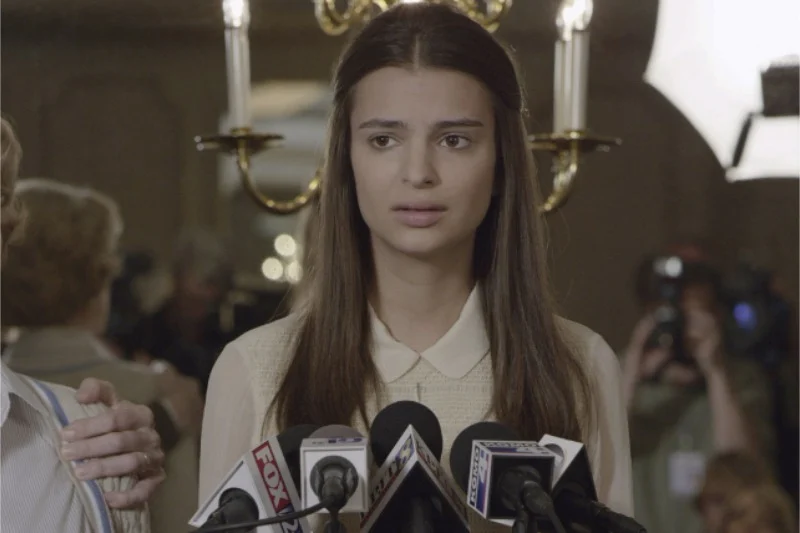
The film’s depiction of media frenzy feels exaggerated today. Cable news anchors and talk show hosts come off as caricatures, pushing sensationalism to unrealistic levels. Social media’s role in shaping public opinion was barely touched on, which feels like a missed opportunity. In 2014, platforms like Twitter were already huge, but the film leans heavily on TV tropes instead.
This focus on outdated media dynamics makes the story feel stuck in a pre-digital era. Modern audiences, used to nuanced takes on how online platforms drive narratives, might find this aspect clunky. The film’s media circus lacks the complexity of today’s information landscape, dimming its relevance.
Unreliable Narrator Brilliance (Aged Masterfully)
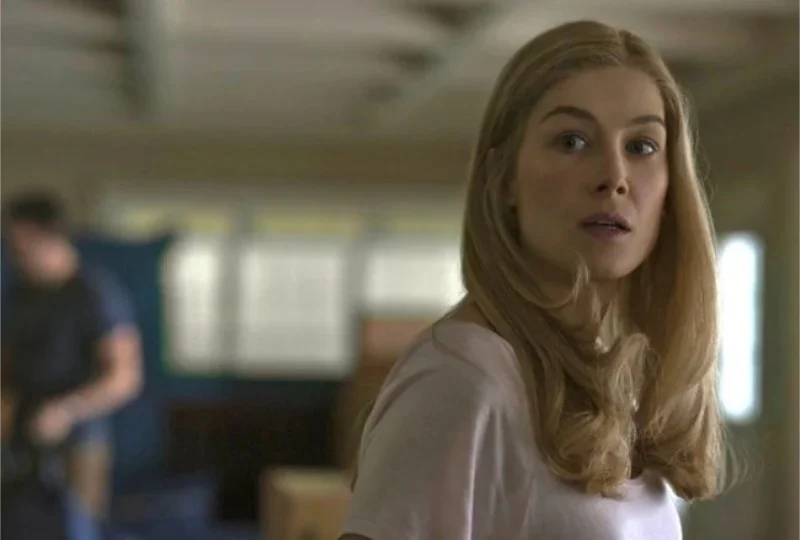
The use of an unreliable narrator keeps Gone Girl gripping. Amy’s diary entries and Nick’s shifting perspective create a puzzle that hooks viewers from the start. This storytelling trick feels timeless, as it plays on universal themes of trust and deception. The film masterfully balances doubt and revelation, keeping audiences guessing.
Even now, the layered storytelling holds up. It challenges viewers to question what’s real, a technique that resonates in an era of misinformation. The clever narrative structure remains a standout, proving the film’s psychological depth is still sharp and engaging.
Gender Stereotypes in Amy’s Character (Aged Poorly)
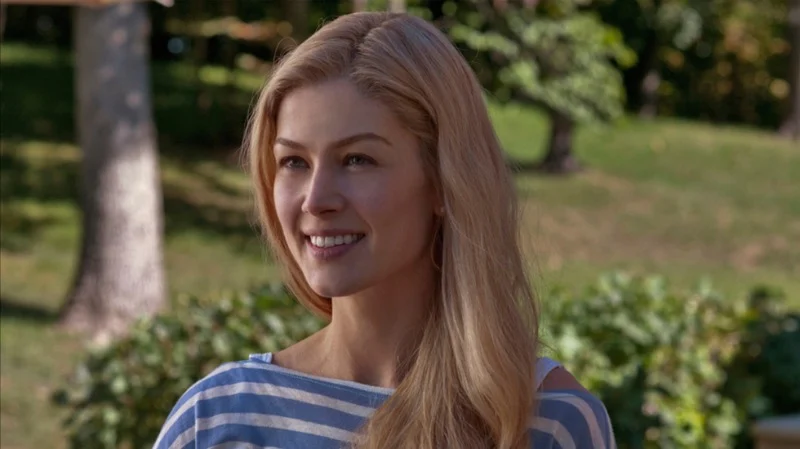
Amy’s portrayal as a manipulative “psycho” leans into gendered tropes that feel less acceptable today. The “crazy woman” archetype, while compelling, risks reinforcing stereotypes about female rage and cunning. In 2014, this character might have seemed bold, but now it can feel reductive to some viewers.
Modern audiences are more critical of gendered narratives. Amy’s extreme actions, framed as a scorned wife’s revenge, can come off as a simplistic take on complex emotions. This aspect of the film doesn’t align well with today’s push for nuanced female characters.
Tense Atmosphere (Aged Masterfully)
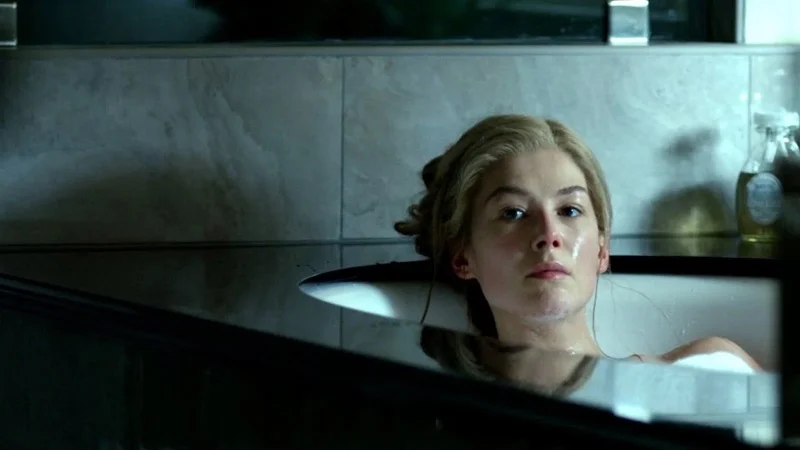
The film’s ability to build tension is still top-notch. Every scene drips with unease, from quiet domestic moments to explosive confrontations. The way the story unfolds, revealing secrets bit by bit, keeps viewers on edge, even on rewatch. This atmospheric grip hasn’t faded.
Today’s thrillers still borrow from Gone Girl’s playbook. Its ability to create a claustrophobic sense of dread feels universal, transcending time. The film’s knack for making ordinary settings feel sinister remains a masterclass in suspense.
Dated Technology References (Aged Poorly)
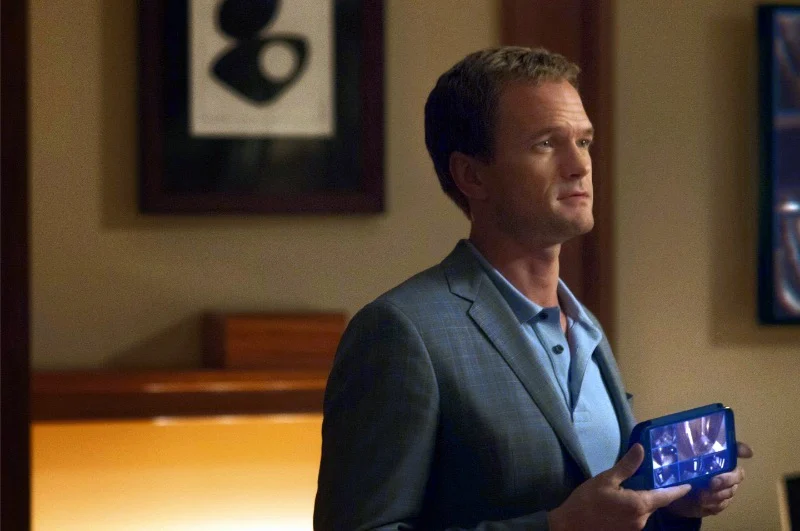
The film’s use of technology feels like a time capsule. Flip phones and basic laptops stand out awkwardly in a world of smartphones and constant connectivity. The lack of social media integration in the plot, beyond passing mentions, makes the story feel disconnected from today’s tech-driven reality.
This tech gap weakens the film’s realism for modern viewers. Investigations and public reactions in Gone Girlrely on outdated tools, which can pull audiences out of the story. A 2025 lens highlights how much technology shapes crime narratives now.
Complex Character Dynamics (Aged Masterfully)
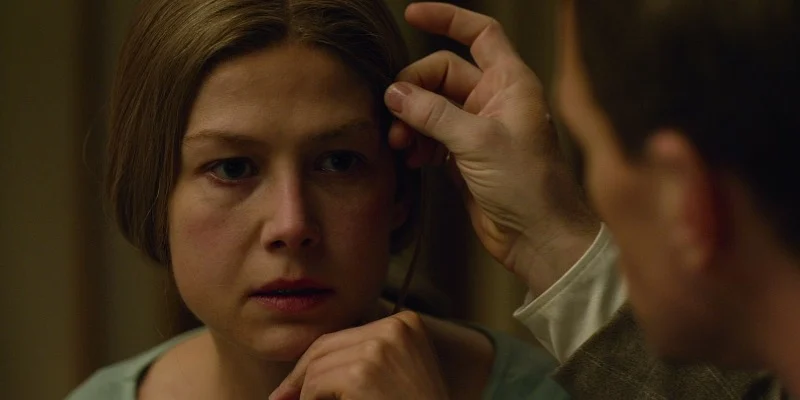
The messy, layered relationship between Nick and Amy still captivates. Their flawed, human interactions—love mixed with resentment—feel raw and real. The film doesn’t shy away from showing marriage as messy and imperfect, which resonates across time. This emotional depth keeps the characters relatable.
Even today, the push-and-pull of their dynamic feels fresh. Audiences connect with the messy humanity of their bond, making it a standout feature. The film’s exploration of love and betrayal remains a powerful draw.
Simplistic Mental Health Depictions (Aged Poorly)
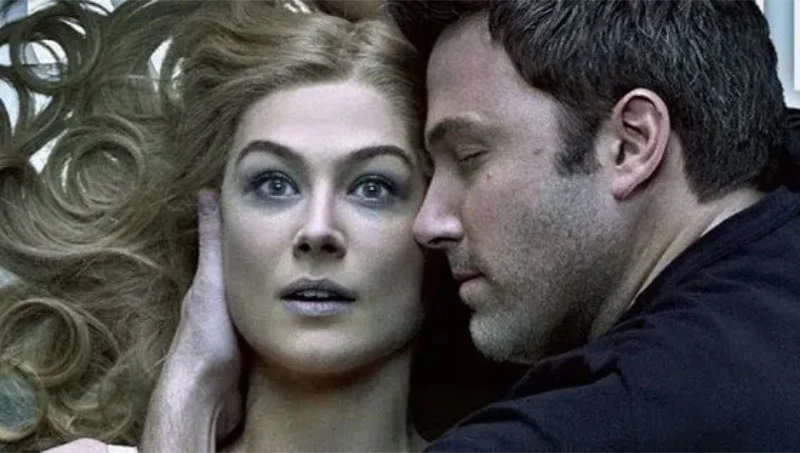
Amy’s psychological issues are portrayed with little nuance. The film labels her behavior as “crazy” without exploring mental health complexities. This broad-strokes approach feels shallow compared to today’s more sensitive discussions around psychology and personality disorders.
Modern viewers expect more depth in mental health portrayals. The film’s reliance on shock value over understanding can feel jarring now. This lack of nuance makes parts of Amy’s character arc less impactful in 2025.
Sharp Dialogue (Aged Masterfully)
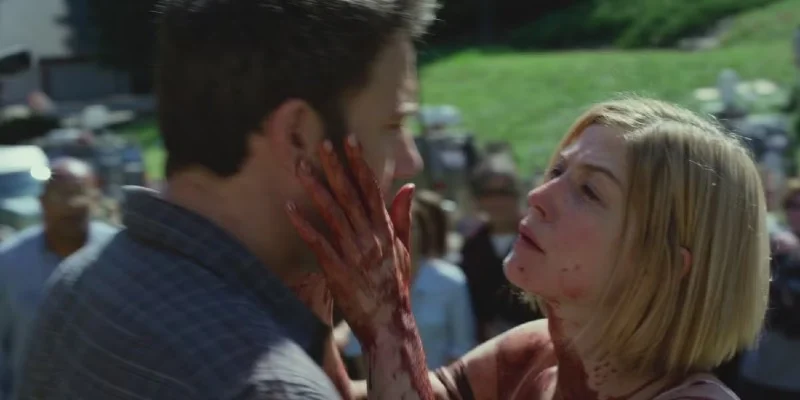
The film’s dialogue crackles with wit and bite. Every line feels deliberate, cutting deep into character motives and relationships. From Amy’s chilling monologues to Nick’s desperate pleas, the words carry weight and keep viewers hooked. This sharp writing still stands out.
Years later, the dialogue remains a highlight. It’s quotable, intense, and perfectly captures the story’s dark tone. The script’s precision ensures Gone Girl feels as clever and biting today as it did on release.
Lack of Diversity (Aged Poorly)
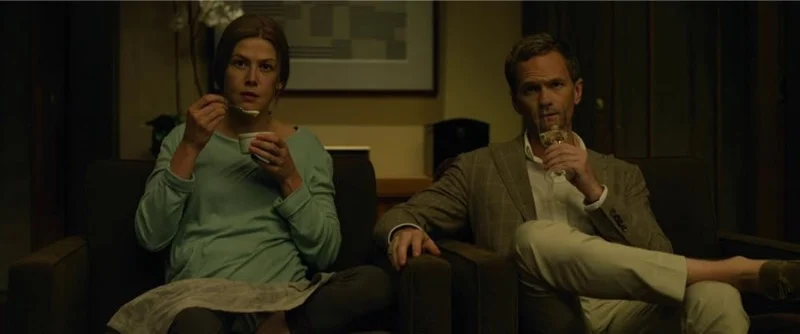
The film’s cast and setting are noticeably homogenous. Almost all major characters are white, and the story ignores broader cultural perspectives. In 2014, this might have slipped by, but today’s audiences expect more inclusive representation in film.
This lack of diversity makes Gone Girl feel narrower than modern stories. The absence of varied voices limits its scope, especially in a world where inclusivity is a priority. This gap stands out more with each passing year.
Timeless Themes of Deception (Aged Masterfully)

The core theme of deception still hits hard. Gone Girl explores how people lie—to themselves, each other, and the world—with chilling clarity. This universal idea, paired with the film’s twisty plot, keeps it relevant. Betrayal and hidden truths never go out of style.
Audiences today still connect with the film’s take on dishonesty. In a world of fake news and curated personas, the story’s focus on manipulation feels eerily prescient. This thematic strength ensures Gone Girl remains a compelling watch.
What’s your take on how Gone Girl has aged—share your thoughts in the comments!