


5 Ways ‘Gone With The Wind’ Aged Poorly (& 5 Ways It Aged Masterfully)

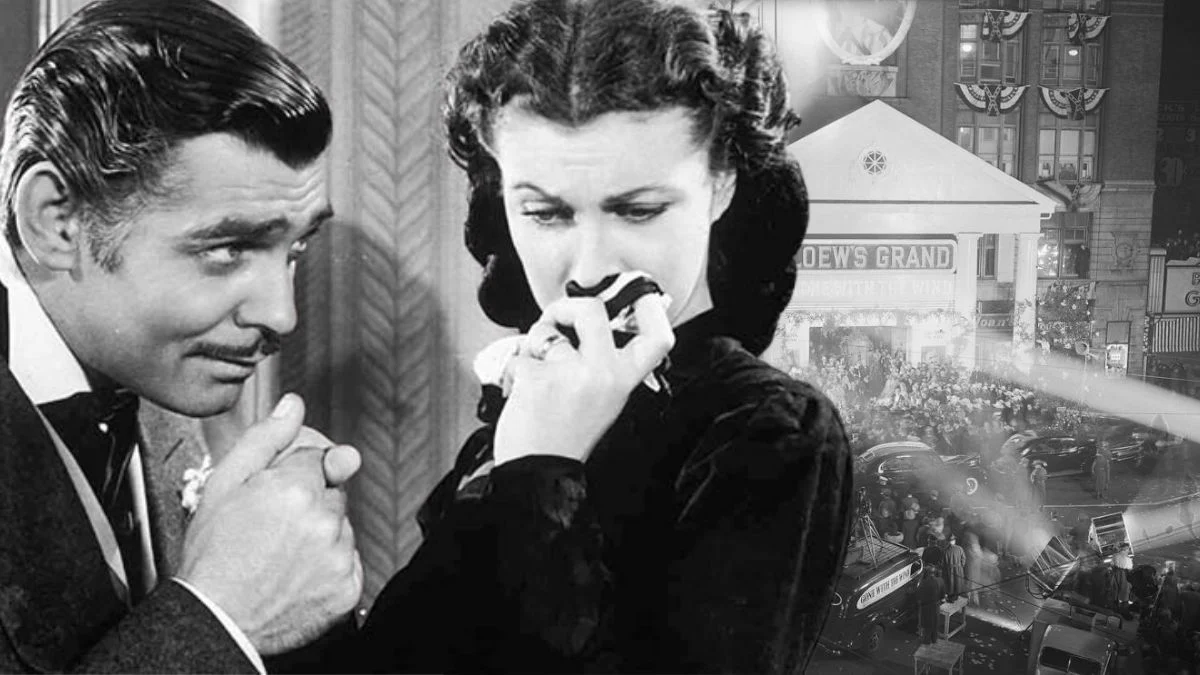


There are few American films as widely seen as ‘Gone With The Wind’. Its production scale, cast, and cultural impact have kept it in circulation across theatrical reissues, broadcast television, and home video for generations. Viewers continue to encounter its story of upheaval before and after the Civil War, along with its grand sets and carefully staged scenes that were built to impress audiences in large venues.
Time also highlights what the film chooses to portray and what it leaves out. The script, performances, and craft decisions reflect the industry standards and social attitudes of the period in which it was made. Looking at those choices today helps explain why the film still draws interest while also prompting context, disclaimers, and classroom discussion guides when it is presented to new audiences.
Aged Poorly: Lost Cause framing of the Old South
The film presents plantation life as orderly and noble while the enslaved workforce is treated as background to the fortunes of white landowners. This depiction reflects Lost Cause storytelling that treats the antebellum South as a place of elegance and harmony and it sidelines the brutality that sustained that system.
Key plot turns align audience sympathy with the Confederacy and with efforts to preserve the prewar social order. Battle losses and wartime deprivation are emphasized while the causes and consequences of slavery receive minimal attention, which has led museums, educators, and platforms to add explanatory notes and historical context when showing the film.
Aged Masterfully: Technicolor cinematography and production design
The production uses three strip Technicolor to create saturated reds, greens, and golds that hold up in restorations and large format screenings. Cinematographer Ernest Haller and Technicolor consultant Natalie Kalmus supervised lighting and costume palettes so colors would register cleanly on the process, which required intense illumination and careful control of contrast.
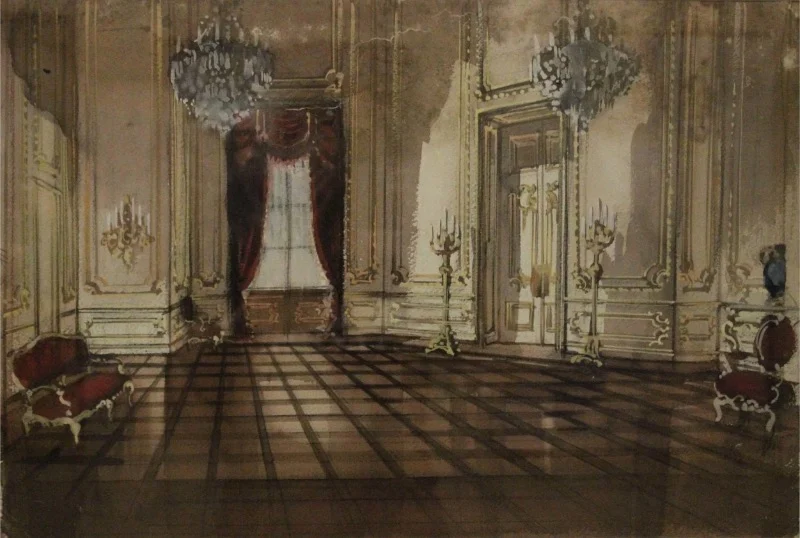
Art direction and set dressing extend that color planning to interiors, drapery, and period furnishings. Matte paintings, rear projection, and carefully composed wide shots integrate large sets with painted horizons, which lets the movie achieve a sense of scale without location shooting that would have been difficult to stage.
Aged Poorly: Portrayals of Black characters and slavery
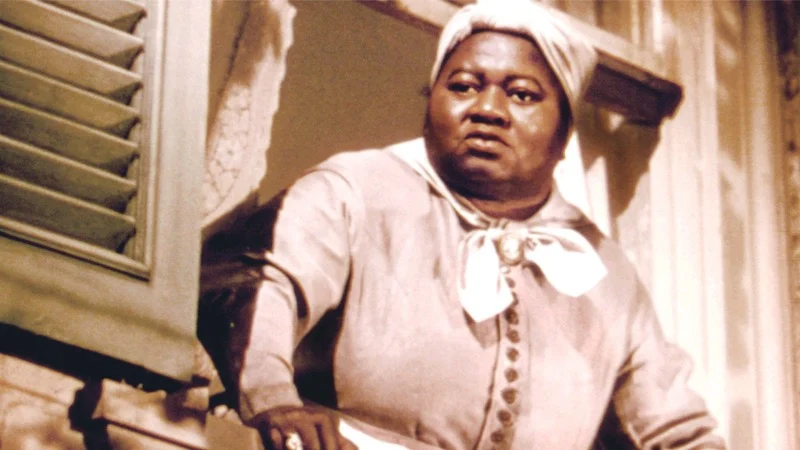
The story gives most Black characters limited agency and places them within servile or comic roles. Dialogue and behavior assigned to figures like Mammy and Prissy align with stereotypes that were common in studio era films and do not reflect the lived realities of enslaved people or free Black communities of the time.
Scenes avoid depicting the violence used to enforce slavery and rarely acknowledge resistance by enslaved people. The result is a version of plantation life that omits family separation, forced labor, and systemic control, which is why modern presentations often pair the film with scholarly material about slavery and Reconstruction.
Aged Masterfully: Large scale set pieces and practical effects
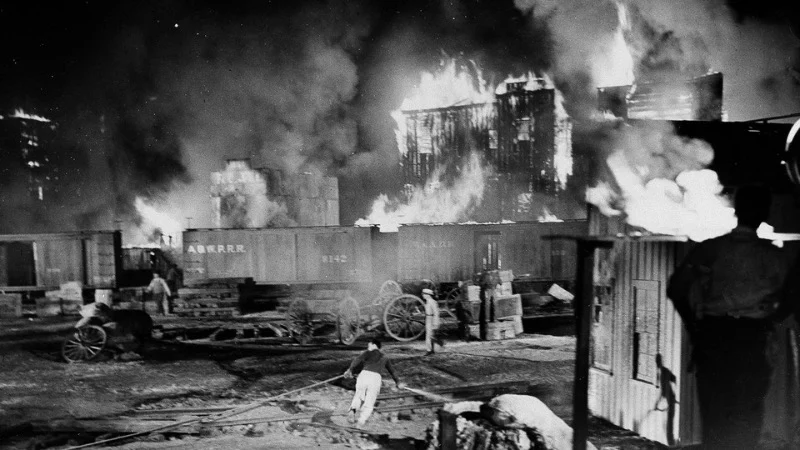
The production stages the burning of Atlanta with full size sets ignited on the studio backlot under controlled conditions. Multiple cameras, extensive safety planning, and miniature work combine to create a continuous sense of destruction that remains a reference point for practical effects.
Crowd management and logistics also show careful planning. The hospital sequence with long rows of wounded figures uses cranes and deep staging to extend the space on screen, while soundstage layouts and lighting grids let the crew reset angles quickly to cover complex action without losing continuity.
Aged Poorly: Reconstruction depicted through vigilante myth
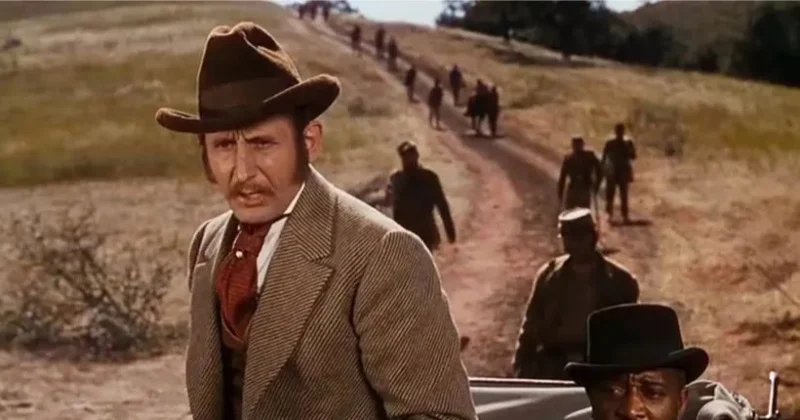
The film includes a retaliatory night raid that echoes the imagery and aims of the Ku Klux Klan while avoiding direct naming that would have triggered censorship rules of the period. The sequence frames extrajudicial violence as protective action for white characters and does not acknowledge the role of white supremacist groups in terrorizing Black citizens and suppressing their rights.
Local law enforcement and federal authority are shown as obstacles rather than as institutions charged with protecting formerly enslaved people. That framing matches period fiction that treated Reconstruction as a time of disorder caused by emancipation, which conflicts with documented campaigns of intimidation and disenfranchisement.
Aged Masterfully: Awards history and landmark performances
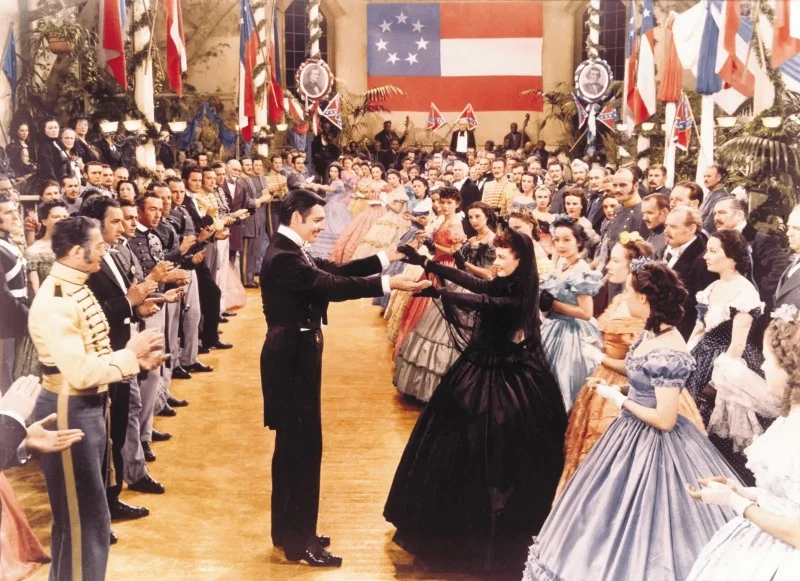
Vivien Leigh’s portrayal of Scarlett O’Hara anchors the film with meticulous vocal work and sustained emotional modulation across wartime, scarcity, and social recovery. Clark Gable, Olivia de Havilland, and Hattie McDaniel provide distinct registers within that arc, which helps the long running time maintain narrative momentum.
Hattie McDaniel won the Academy Award for Best Supporting Actress, the first win for a Black performer. The nomination and award documented the visibility of Black artists within the industry at that time, even as segregation and studio practices limited roles and recognition in other areas of production and exhibition.
Aged Poorly: Marital consent and romanticization of coercion
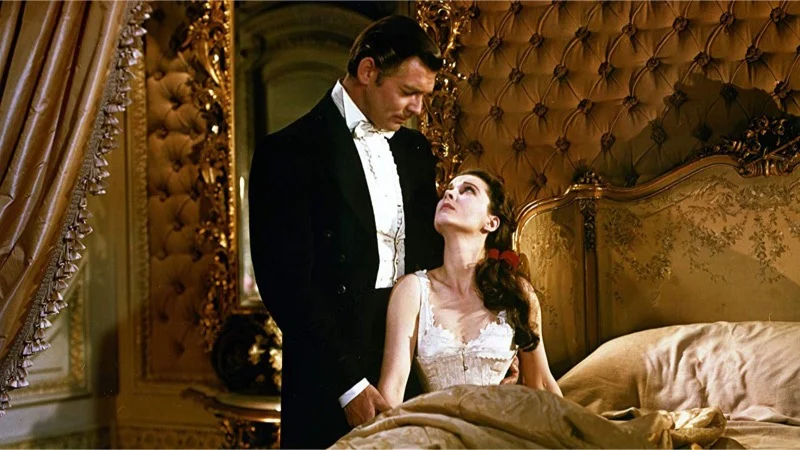
One domestic scene presents a husband ignoring a wife’s refusal before a cut to the following morning that implies reconciliation. The moment treats a breach of consent as a narrative device that restores a relationship, which does not reflect current standards for depicting intimacy or the guidance now used by productions and ratings bodies.
Modern screenings and study guides identify the scene as an example of how older films normalized coercion in marriage. Discussions focus on how editing and music cues were used to signal passion rather than violation, and how contemporary filmmakers now consult intimacy coordinators and clearer content advisories for comparable material.
Aged Masterfully: Costume design and visual iconography
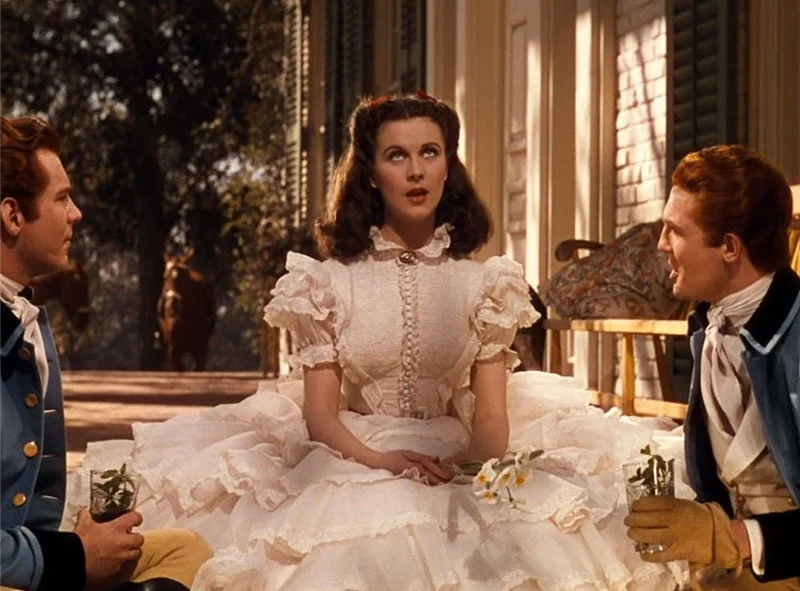
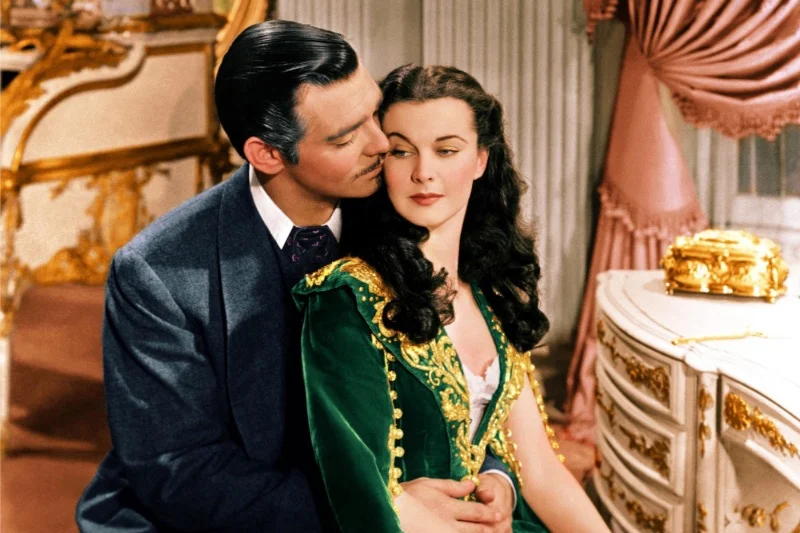
Costume designer Walter Plunkett researched period silhouettes and adapted them for movement under strong Technicolor lights. The green curtain dress, the white barbecue dress, and mourning ensembles were constructed with layered fabrics and structural underpinnings so they would hold shape on camera during long takes and crane moves.
Changes in dress track shifts in class position and strategy for several characters. Fabric choices, trims, and accessories signal scarcity or sudden wealth and help the audience follow social stakes within crowded scenes. The wardrobe also influenced fashion merchandising and museum exhibitions devoted to film costume.
Aged Poorly: Roadshow length and pacing for modern viewing
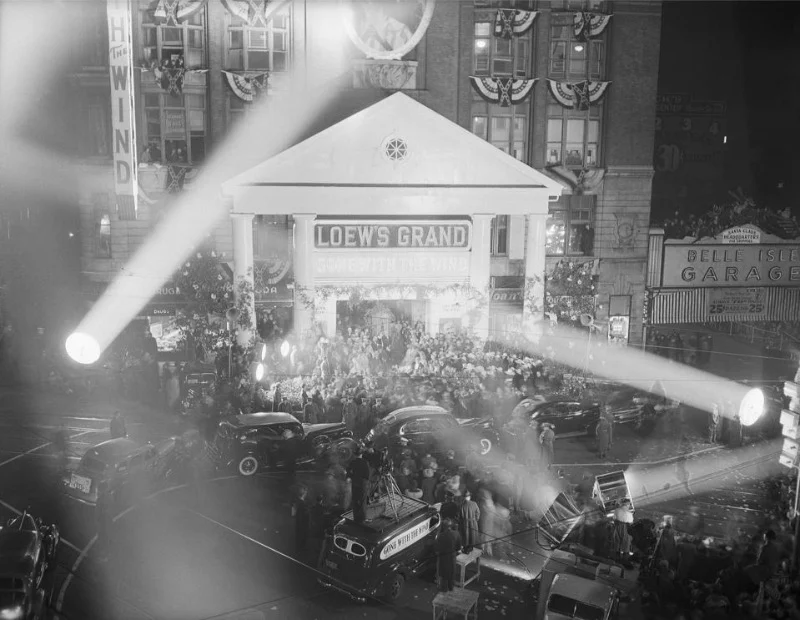
The film runs for well over three and a half hours and was presented with a formal intermission in its original roadshow format. That structure was designed for reserved seat engagements and program booklets, which shaped how audiences took breaks and discussed the story before returning for the final sections.
Contemporary platforms sometimes add chaptering and time stamped scene selections to help viewers navigate long features at home. Restoration notes and exhibition guides recommend planned intermissions and pre show context for theatrical revivals so the original pacing can be experienced without fatigue.
Aged Masterfully: Box office endurance and cultural footprint
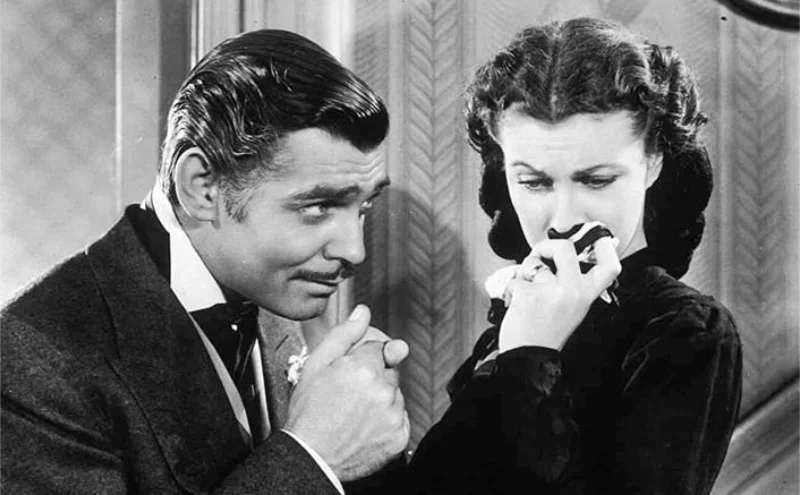
Ticket sales across multiple reissues placed the film among the top grossing releases when adjusted for inflation. Archival records show strong attendance in initial runs and later engagements, with regional booking strategies that kept it in circulation for extended periods.
The film’s imagery is widely referenced in parodies, advertising, and museum displays about Hollywood craft. Preservation work has produced new elements for high resolution scanning and grading, which keeps the movie accessible for study in film schools and for curated retrospectives that examine both its technique and its historical framing.
Share your take on which aspects of ‘Gone With The Wind’ you think hold up today and which ones do not in the comments.