


5 Ways ‘Hunger Games: Mockingjay Part 1’ Aged Poorly (And 5 Ways It Aged Masterfully)

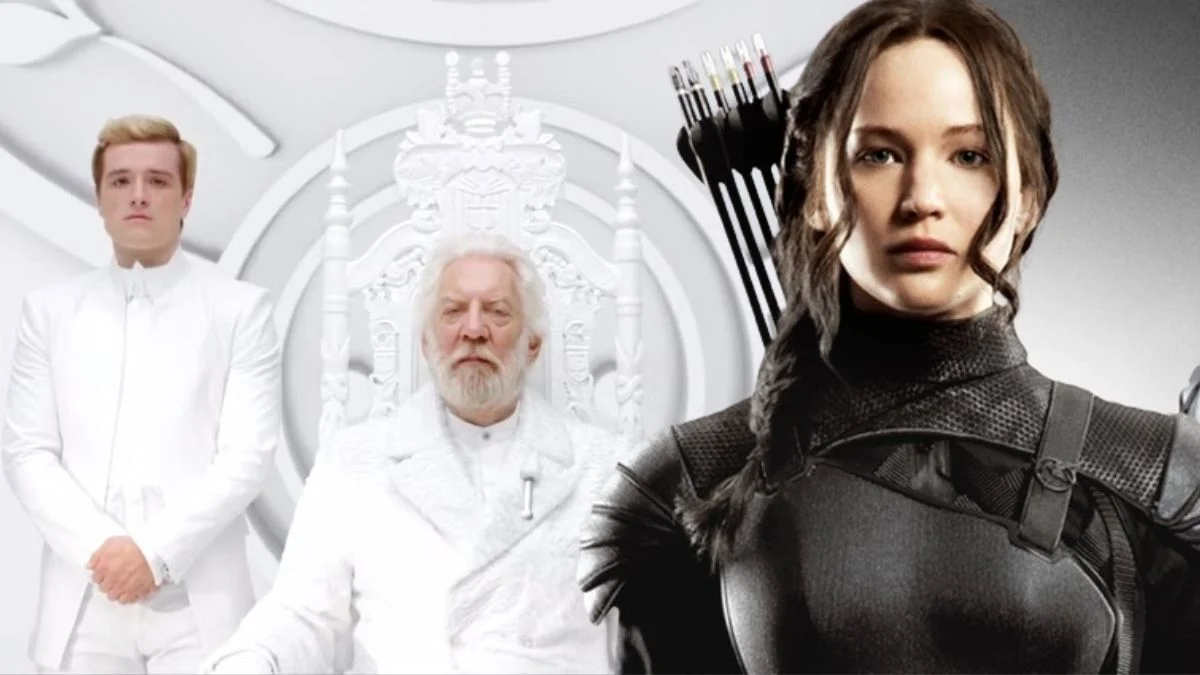


“The Hunger Games: Mockingjay Part 1” sits in a strange place. It is a key chapter in a huge franchise, but it also carries choices that look different today. Some parts now feel dated. Others look sharp and timely.
This list looks at both sides. It highlights what did not hold up and what still works very well. The goal is clear and simple: judge the film’s legacy with plain facts and examples.
The Two-Part Split Trend — Aged Poorly
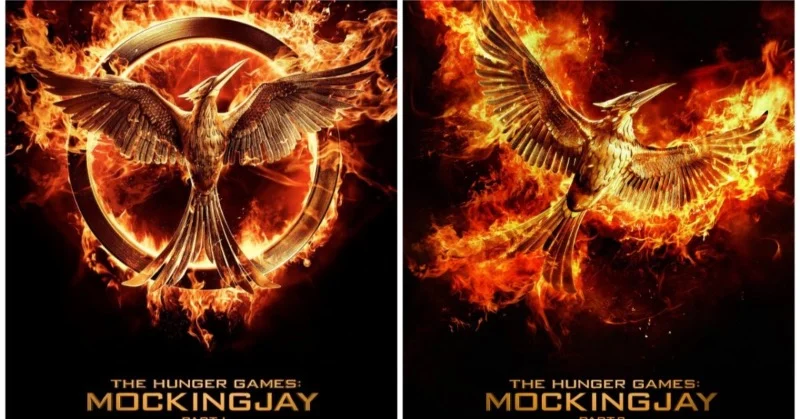
Studios once split finales to stretch a franchise. That choice now feels like a business move more than a story need. Audiences today often prefer tighter films that deliver a full arc in one go.
“Mockingjay Part 1” carries the weight of that split. The result is a film that withholds many payoffs until the next movie. On rewatch, the gap feels bigger as viewing habits shift to complete stories.
Sharp Look at Propaganda — Aged Masterfully
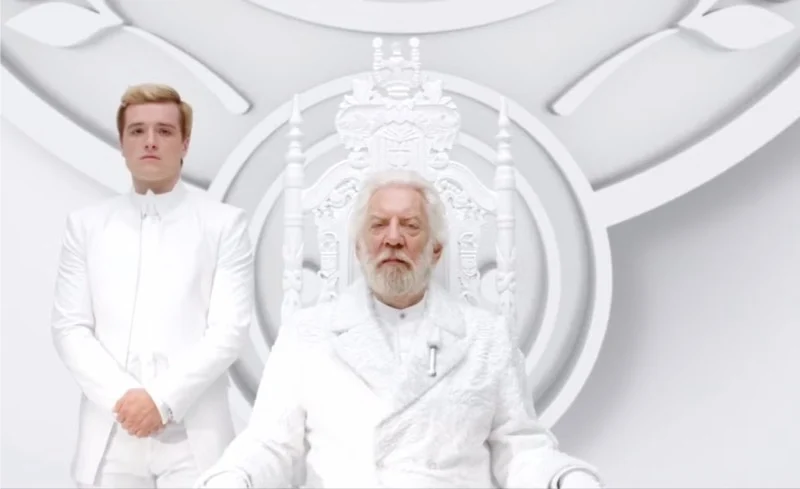
The movie’s focus on propaganda feels even more relevant now. It shows how leaders craft images, slogans, and staged moments to steer public opinion. It treats media as a battlefield.
The “propos” shoot scenes are clear and blunt. They show editing, framing, and messaging as tools of power. That idea holds up in an age of viral clips and information wars.
Cliffhanger-Heavy Structure — Aged Poorly
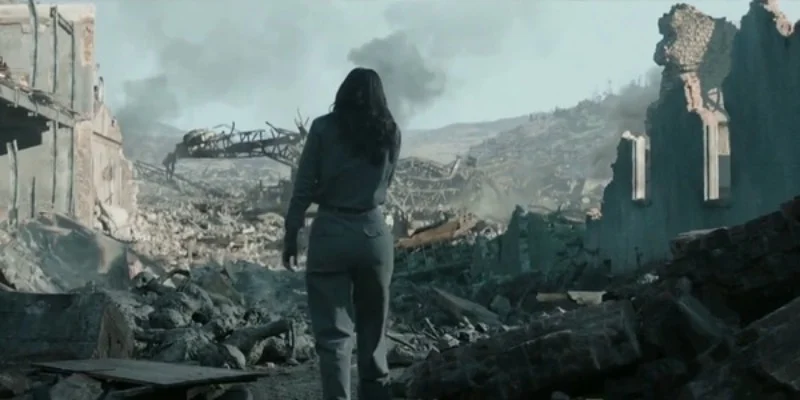
The story leans on a big cliffhanger to set up the finale. That choice can frustrate viewers who want closure within each film. Today, many expect a chapter to stand on its own.
Time has not softened that feeling. The setup is long, and the emotional payoff lands in the next movie. As a result, this entry can feel like a bridge rather than a destination.
Honest Portrayal of Trauma — Aged Masterfully
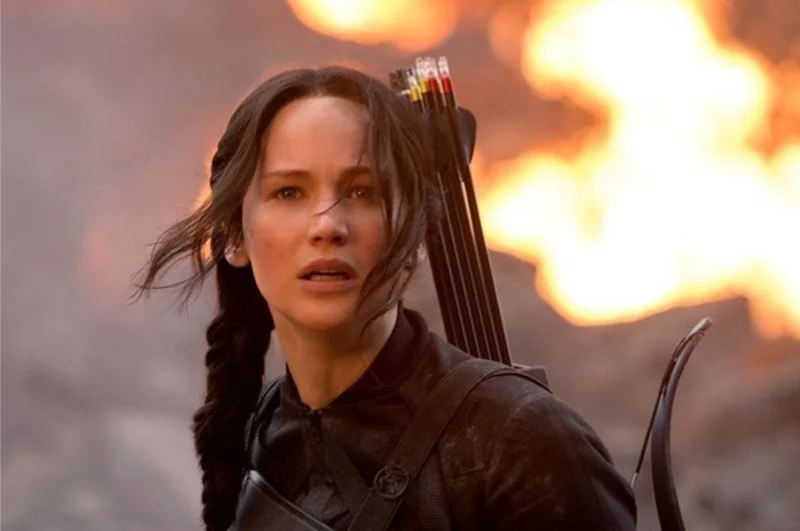
Katniss struggles with fear, grief, and guilt. The film shows those signs without melodrama. It treats trauma as real, ongoing, and messy.
That approach matches current conversations about mental health. It gives weight to action by showing cost. The character work stays strong on repeat viewings.
Some Visual Effects Show Their Age — Aged Poorly
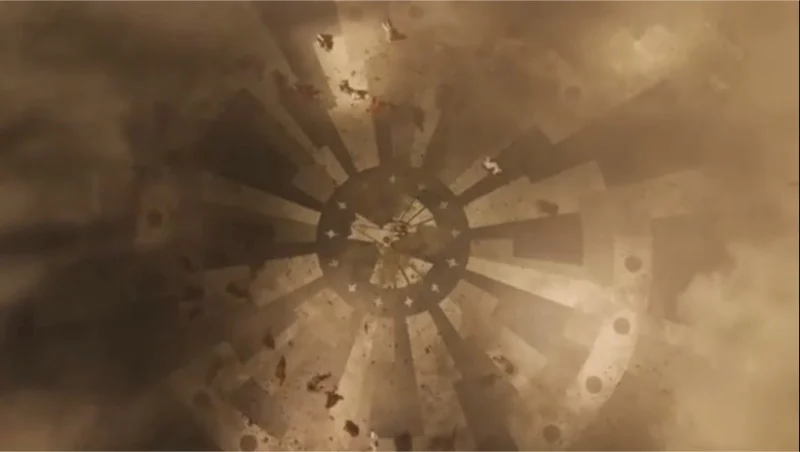
A few CGI shots look flat by today’s standards. Certain large-scale sequences and digital backdrops lack detail that modern viewers expect. The difference stands out on high-resolution screens.
The practical elements hold better than the digital ones. When the film leans on CGI for scale, the seams show. It is not a deal-breaker, but it is noticeable now.
Costumes and World-Building Detail — Aged Masterfully
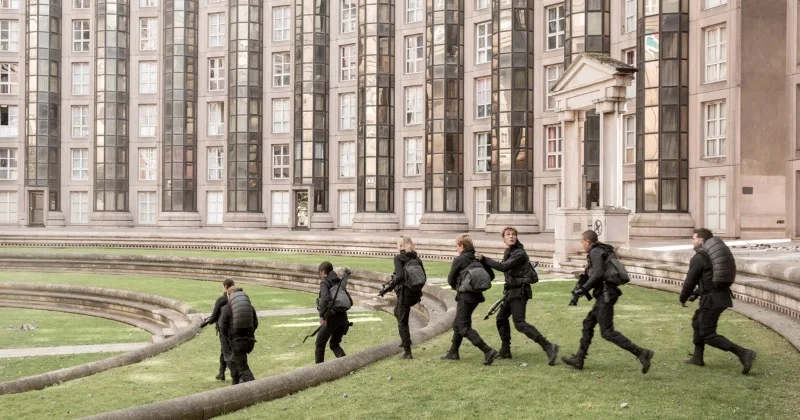
The film nails the look of each faction. District 13’s plain uniforms and the Capitol’s stylized outfits tell you who holds what power. You can read the society at a glance.
These details help every scene feel lived in. The choices are clear, functional, and consistent. That kind of design work does not fade with time.
The Love Triangle Beats — Aged Poorly
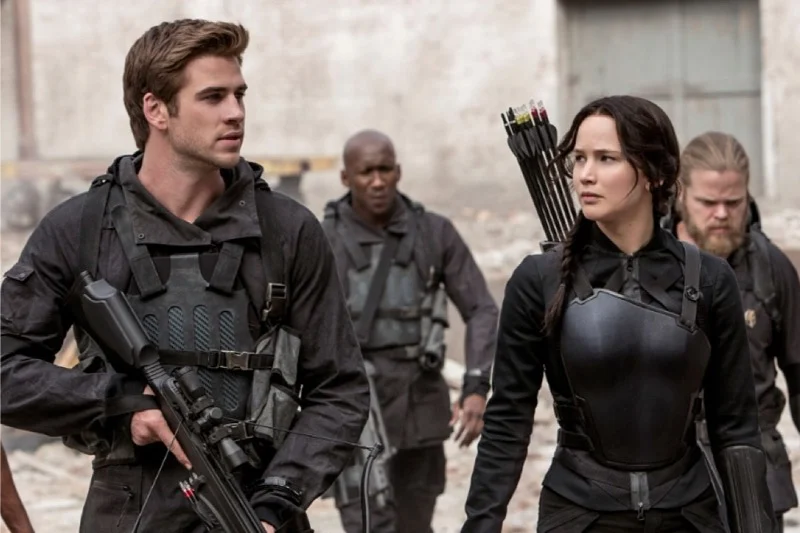
The romantic conflict feels forced in parts. It adds tension, but it can undercut more urgent stakes. Today, viewers often want the political plot to stay front and center.
When the triangle slows scenes, it pulls energy away from stronger threads. The result is distraction, not depth. Those moments have not aged well.
Standout Performances — Aged Masterfully
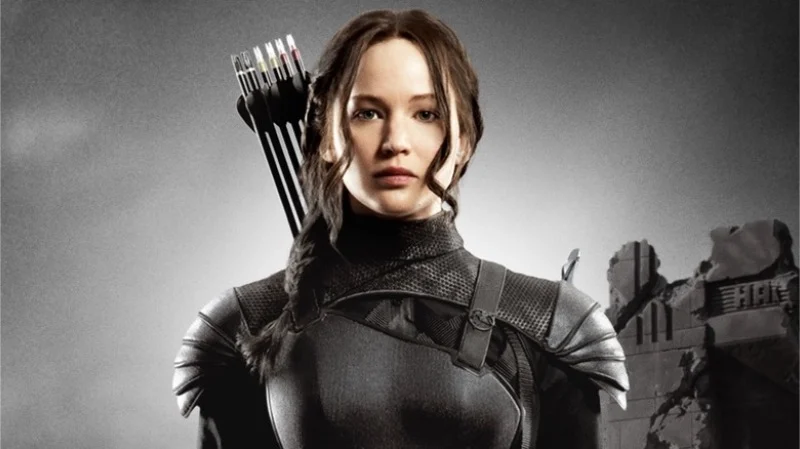
The cast delivers steady, grounded work. Jennifer Lawrence gives Katniss a tired resolve. Julianne Moore brings quiet menace. Philip Seymour Hoffman adds calm, pointed wit.
These performances add weight to every exchange. They make speeches and small looks matter. Strong acting ages well because it feels true.
The Fad of YA Dystopia — Aged Poorly
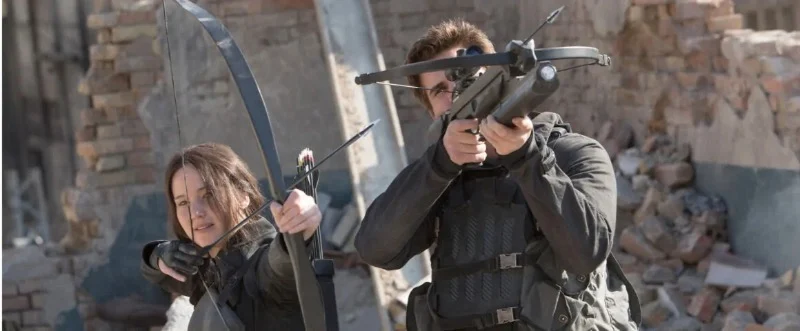
The film arrived during a wave of YA dystopias. That trend cooled. The crowded field makes some elements feel familiar now, even when this series did them better.
As the genre moved on, certain tropes lost freshness. Secret bases, rigid districts, and cruel broadcasts can feel routine. The cultural moment that boosted those ideas has passed.
Lasting Themes of Power and Control — Aged Masterfully
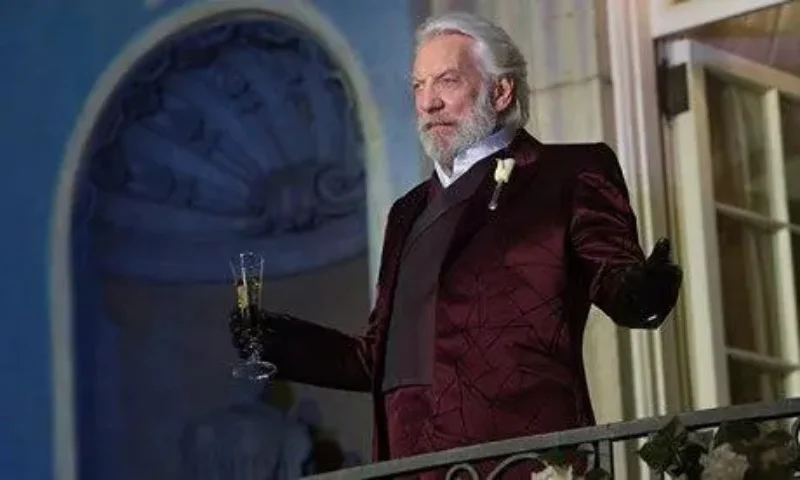
The movie asks who controls the narrative and at what cost. It warns that rebels can copy the tools of the regime. It shows how victories can hide new traps.
Those themes do not expire. They speak to any time when movements fight over truth and image. That gives the film a long shelf life beyond its franchise moment.
Share your take: which parts of “Mockingjay Part 1” held up best for you, and which ones fell flat—tell us in the comments!