


5 Ways ‘Inglourious Basterds’ Aged Poorly (& 5 Ways It Aged Masterfully)

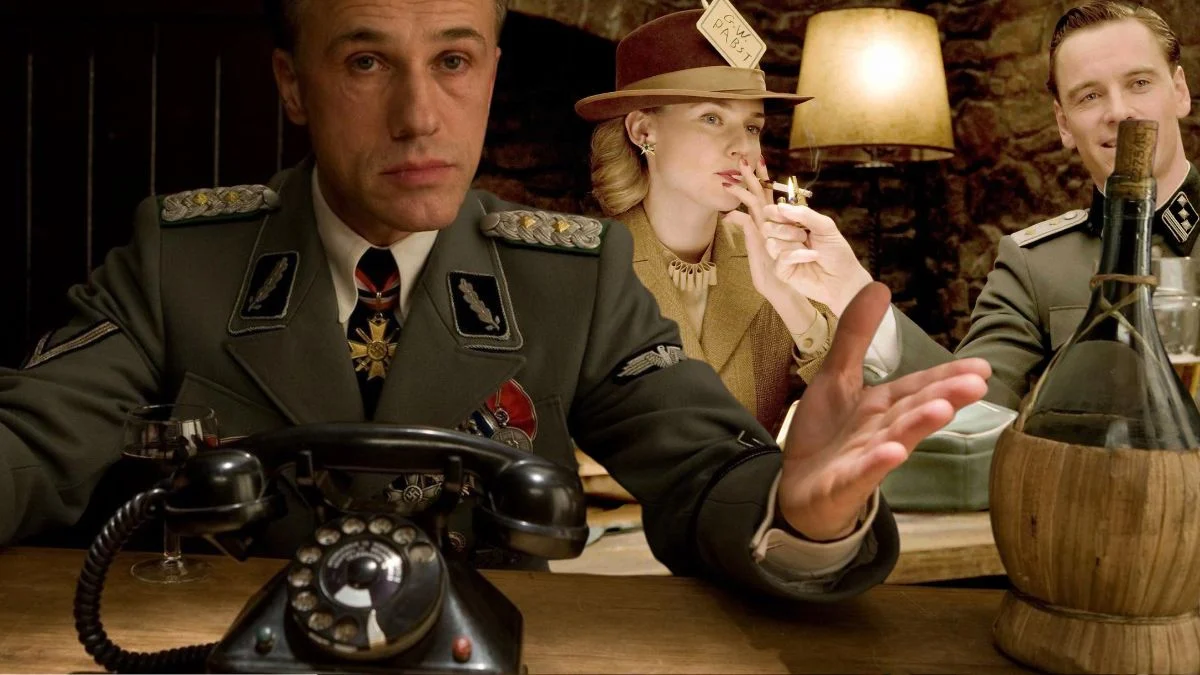


Quentin Tarantino’s wartime thriller blends alternate history, multilingual dialogue, and a web of intersecting missions that converge at a cinema premiere. It uses long conversations, sudden violence, and meticulous period detail to tell a story that moves between French farmhouses, Parisian theaters, and clandestine taverns.
Over time, certain choices in the film have become more complex to unpack while others have proven enduring. Here are ten focused angles that show what has not held up smoothly and what continues to work with precision.
Aged Poorly: Alternate History vs Real Events

The film rewrites the end of the Second World War by killing Adolf Hitler and senior Nazi leaders inside a cinema. That climactic operation is fictional, and the movie also invents units and missions that do not appear in historical records.
Because the story diverges so sharply from the historical timeline, viewers who encounter it before learning the real chronology can come away with a distorted sequence of events. The production presents uniforms, ranks, and settings with surface accuracy while still delivering a timeline that does not align with documented outcomes.
Aged Masterfully: Multilingual Dialogue Used As A Plot Device
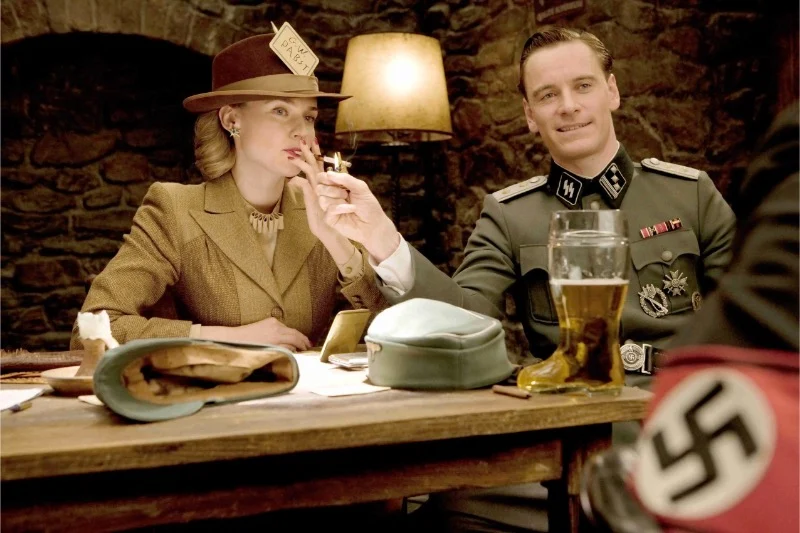
Characters switch between French, German, English, and Italian to conceal or expose information during critical scenes. Hans Landa changes languages mid conversation to limit eavesdropping, and the basement tavern sequence tests whether a British officer can pass as a native speaker.
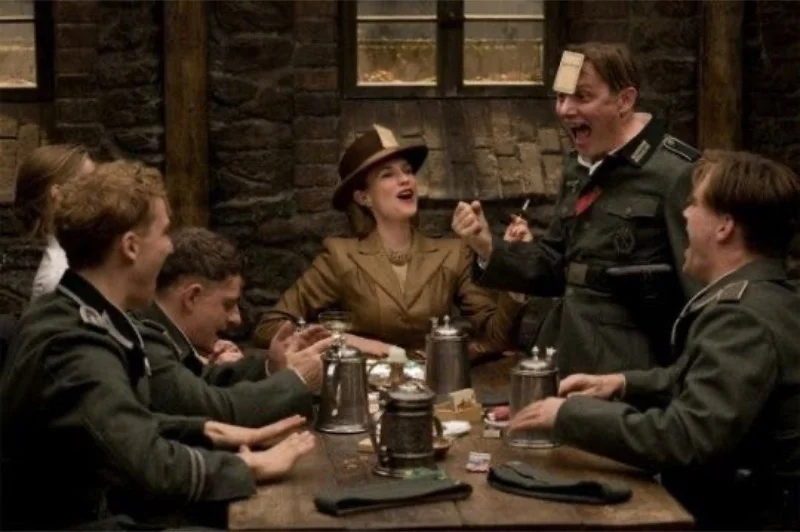
Language proficiency becomes a narrative tool rather than background flavor. A simple hand gesture in the tavern marks an outsider as non German, and the premiere scene uses Italian mispronunciations to build danger without a single chase or firefight.
Aged Poorly: Subtitles Limit Access For Some Audiences
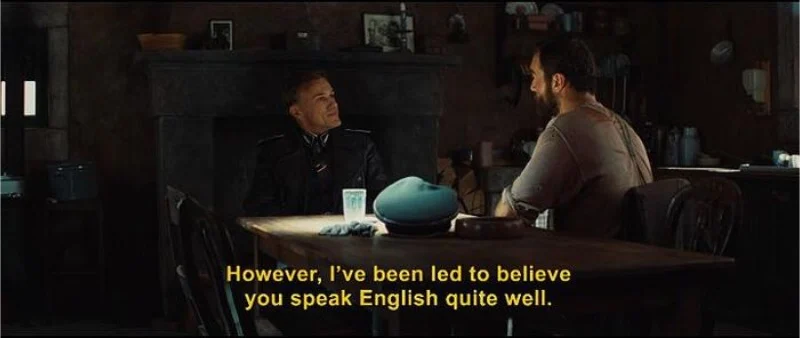
A large portion of the dialogue appears with English subtitles, especially in the opening farmhouse negotiation, the tavern confrontation, and the restaurant interrogation. Significant plot beats unfold in non English conversations that are essential to understanding character goals.
This design can discourage viewers who avoid subtitled material. Key exposition, double crosses, and identity reveals require close reading, which reduces the film’s suitability for casual viewing in settings where audiences split attention.
Aged Masterfully: Christoph Waltz’s Awards Winning Breakthrough

Christoph Waltz’s performance as Hans Landa earned major awards from the Academy, BAFTA, and the Hollywood Foreign Press. His portrayal balances charm, procedure, and menace across extended interrogations that rely on conversation rather than action.
Those accolades also expanded his international career, leading to substantial roles in English and German language productions. Within the film, his scenes bookend the narrative arc, framing the story with a consistent investigative method that ties the chapters together.
Aged Poorly: Obsolete Projection Tech As A Key Plot Mechanism
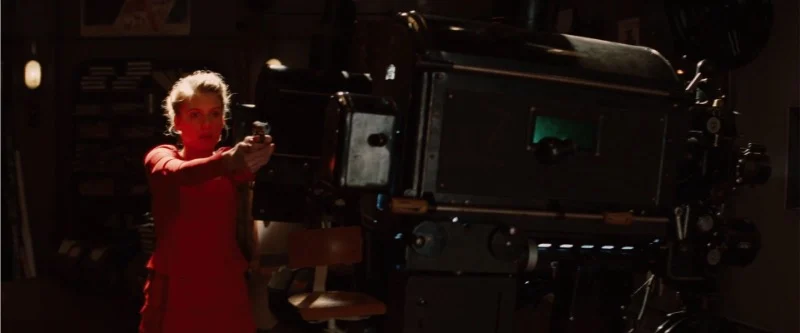
The plan to destroy the cinema depends on nitrate film prints stored on site. Nitrate stock is highly flammable and capable of sustaining combustion, which allows reels to act as an accelerant once ignited inside the auditorium.
Modern theatrical exhibition largely uses digital projection that does not store combustible prints in the booth. As projection technology changed, the specifics of the plan can require additional explanation for younger viewers who have not encountered nitrate safety protocols.
Aged Masterfully: Precision Opening And Chapter Structure
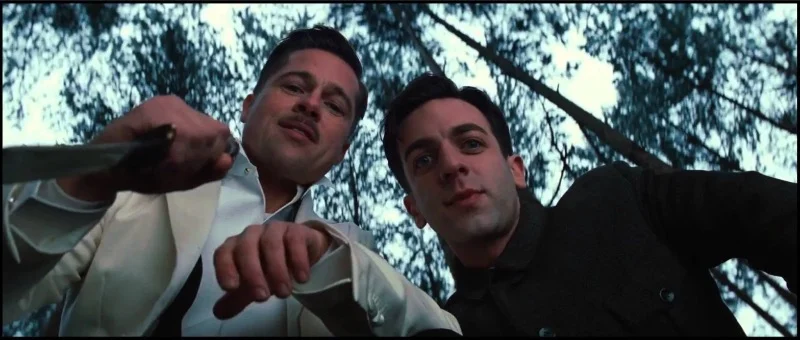
The movie announces its chapter format on screen and follows parallel threads that meet at the premiere. Viewers move through titled sections that include Once upon a time in Nazi Occupied France, Inglourious Basterds, German Night in Paris, Operation Kino, and Revenge of the Giant Face.
The farmhouse interrogation that opens the story plays out over an extended runtime with minimal cuts. That sequence establishes the investigative tactics, stakes for the Dreyfus family, and the central antagonist’s methods before the plot shifts locations and languages.
Aged Poorly: Graphic Violence And Restrictive Rating
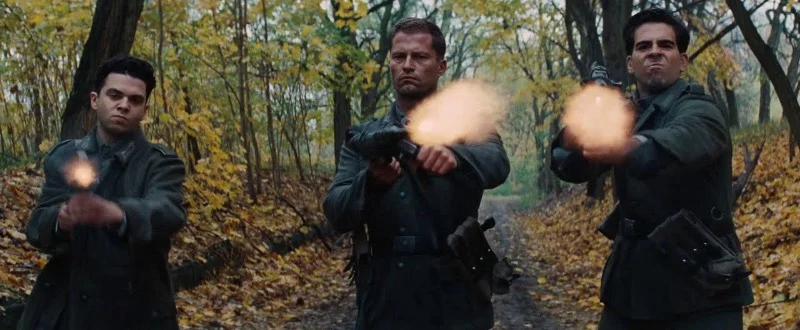
The film contains scalpings, close range shootings, and a strangulation that is shown in detail. It received an R rating for strong brutal violence and language, which restricts theatrical access for younger audiences in many countries.
Television showings and airline edits often remove or trim scenes with explicit bloodshed. That limits how the full version is distributed outside of home media and premium channels, which can reduce exposure in broader programming blocks.
Aged Masterfully: Women Drive The Central Turn Of Events

Shosanna Dreyfus operates a Paris cinema under an assumed identity and uses its location to plan an attack on high ranking officials. Bridget von Hammersmark works as an undercover contact who facilitates Operation Kino and arranges access to the premiere.
Their actions determine who enters the theater, what gets screened, and how the plan unfolds. The cinema’s locked auditorium, controlled projection booth, and high profile guest list all flow from decisions made by these two characters inside the story world.
Aged Poorly: Production Credits Complicated By Later Events
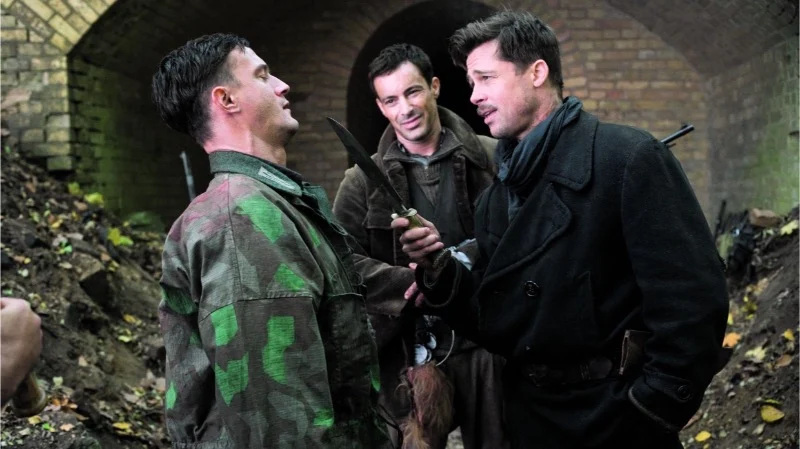
The movie’s financing and distribution involved The Weinstein Company alongside international partners. Subsequent legal cases and corporate changes altered how catalogs are presented, which has led to adjusted logos or credit treatments in later broadcasts and releases.
Rights administration and branding can affect where and how the film appears on different platforms. Viewers may notice differences in opening idents or distributor tags compared with the original theatrical version and earlier home video editions.
Aged Masterfully: Global Reach And Enduring Visibility
The film achieved significant worldwide box office and became one of its director’s highest grossing releases. Its multilingual approach broadened appeal in markets where French and German language content resonates alongside English dialogue.
Recognition extended across major festivals and industry awards, which sustains rotation on streaming services and repertory screenings. The combination of star making roles, distinctive structure, and strong commercial performance keeps it active in discussions of modern war cinema.
Share your take in the comments on which elements of ‘Inglorious Basterds’ struck you as timeless and which ones no longer land the same way.