


5 Ways ‘NCIS’ Aged Poorly (& 5 Ways It Aged Masterfully)




The original run of ‘NCIS’ began as a straightforward crime procedural centered on the Naval Criminal Investigative Service and it quickly found a global audience. Over time the show expanded its roster, refreshed its team makeup, and inspired a broad television universe while keeping a familiar rhythm that viewers could follow from week to week.
Looking back at early and later seasons side by side shows where production choices and cultural norms shifted. Some elements feel rooted in the time they were made while others continue to feel solid because the show built a clear investigative spine, a reliable structure, and a connected world that invites new and returning viewers.
Aged Poorly: Early computer and hacking scenes look unrealistic

Many early episodes use on screen visuals that resemble animated screensavers more than standard forensic or intrusion tools used by investigators. Scenes sometimes depict simultaneous typing on one keyboard or rapid file chases across animated networks which does not line up with routine incident response practices.
These choices create a snapshot of mid 2000s television technology language more than a guide to digital forensics. The result is a style that signals urgency for the camera but does not reflect how casework software, logs, or chain of custody systems are actually handled in investigative offices.
Aged Masterfully: Case of the week format stays welcoming to new viewers

Most episodes present a self contained investigation that opens with a clear incident, follows evidence gathering, and closes with resolution. That structure lets a viewer drop into almost any episode of ‘NCIS’ without prior context and still follow the full story.
This approach also supports reruns and international scheduling since stations can program episodes out of order and audiences still get a complete narrative. The format gives writers room to add character beats while keeping the main story easy to enter at any point in the long run of the show.
Aged Poorly: Workplace behavior presented in older episodes conflicts with modern standards

Earlier seasons include running gags that treat personal comments, pranks, and physical taps among coworkers as normal office behavior. Scenes may show casual remarks about appearance or personal lives that current corporate training and policy would flag as inappropriate.
Modern viewers are more familiar with written policies and reporting channels that outline clear boundaries on conduct. Those frameworks are now common in many workplaces, which makes some early interactions on ‘NCIS’ feel out of step with the expectations that teams follow today.
Aged Masterfully: A clear investigative process anchors every episode

Episodes consistently show a chain that runs from a crime scene to autopsy to lab analysis to interviews and then to an arrest decision. Viewers see tools like fingerprint comparison systems, ballistics matching, and trace analysis used to build a case step by step.
By showing the journey of evidence across these stations, the series teaches its own internal logic. Even when the specifics change, the audience learns where they are in the process and why a scene matters, which keeps long arcs and stand alone stories easy to track.
Aged Poorly: Limited early LGBTQ and cultural representation compared with today

In the first years there are fewer openly LGBTQ characters and fewer stories that center on their lives or experiences within the military and federal service. Cultural backgrounds are often mentioned in passing rather than explored through point of view stories.
Later seasons broaden the range of perspectives and roles, but the early footprint remains small by current standards. This creates a visible gap when viewers compare older episodes with newer television that prioritizes a wider set of characters and experiences.
Aged Masterfully: A connected franchise that rewards long time viewers

The original series launched from ‘JAG’ and then seeded related shows including ‘NCIS: Los Angeles’, ‘NCIS: New Orleans’, ‘NCIS: Hawai’i’, and ‘NCIS: Sydney’. Crossovers and shared characters create a larger map where one case can echo across multiple teams.
This network lets the franchise revisit themes, jurisdictions, and recurring adversaries without losing the identity of each show. Fans who follow more than one series get extra context, and casual viewers still get a complete story inside any single episode.
Aged Poorly: Forensic shortcuts and courtroom liberties can mislead about real procedure

Turnaround times for DNA, ballistics, and complex toxicology often appear far faster on screen than in real labs. Interrogations and interviews sometimes show informal practices that would normally involve counsel, recorded statements, or specific forms.
These compressions are common in television but they can blur how evidence is secured, tested, and presented in real cases. Viewers who study the field or work in it can spot the differences, which makes some outcomes feel more like narrative devices than procedure.
Aged Masterfully: Character handoffs keep the team dynamic fresh

Across the run of ‘NCIS’ leadership and specialist roles shift as characters transfer, retire, or take on new positions. The show makes space for new team leads and fresh partnerships while preserving the office culture that defines the unit.
These transitions allow the series to introduce new skills and case angles without discarding long standing relationships. The effect is continuity that supports both multi season arcs and new entry points for audiences meeting the team later in the run.
Aged Poorly: Technology continuity and device use can feel stuck in a specific era

Earlier seasons prominently feature flip phones, CRT monitors, and operating systems that are now historical. Visual references to older email clients, storage media, and messaging tools place those episodes firmly in their year of production.
As the show updates hardware in later seasons, the contrast becomes easy to spot during marathons or mixed era reruns. The shift is a normal part of long running television but it makes some tools and methods in older cases feel more like time capsules than current practice.
Aged Masterfully: Wide syndication and streaming access keep the series discoverable
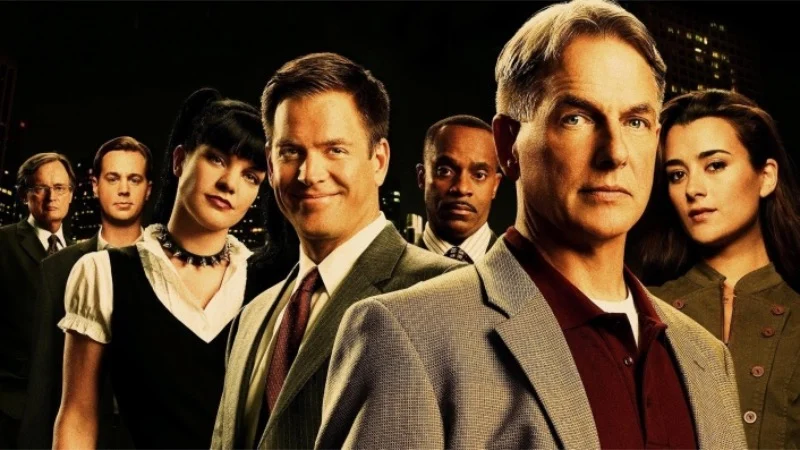
‘NCIS’ appears in regular rerun blocks on many channels in different regions, which introduces the team to viewers who did not follow the original broadcast schedule. Stations can schedule themed nights or weekend blocks and still deliver complete stories each hour.
The show also sits in large on demand libraries so new audiences can sample episodes and then follow characters across seasons and spin offs. This broad availability sustains conversation about the series and keeps its world active for people discovering it years after premiere.
Share your favorite example of what still works or what no longer lands in ‘NCIS’ in the comments.