


5 Ways ‘No Country For Old Men’ Aged Poorly (& 5 Ways It Aged Masterfully)

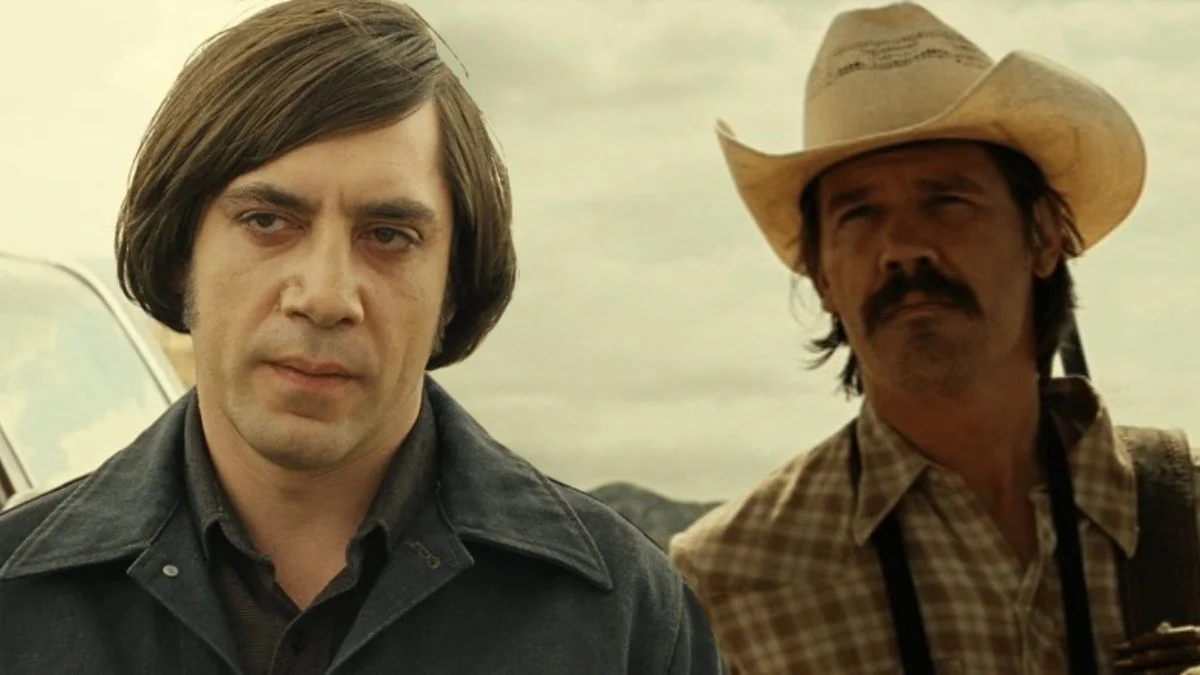


Some films change with time because the world around them changes. ‘No Country for Old Men’ stays anchored to a very specific place and year, while audiences and technology keep moving. Looking back now reveals choices that feel dated beside newer norms, and other choices that still work exactly as intended.
The story comes from the Cormac McCarthy novel and follows a hunter, a contract killer, and a small town sheriff across West Texas and the borderlands. The Coen brothers kept the setting tight, the dialogue sparse, and the craft exact. That combination leaves a clear record of how the film was built, which makes it easy to see what has weathered well and what has not.
Aged Poorly: Limited Roles for Women
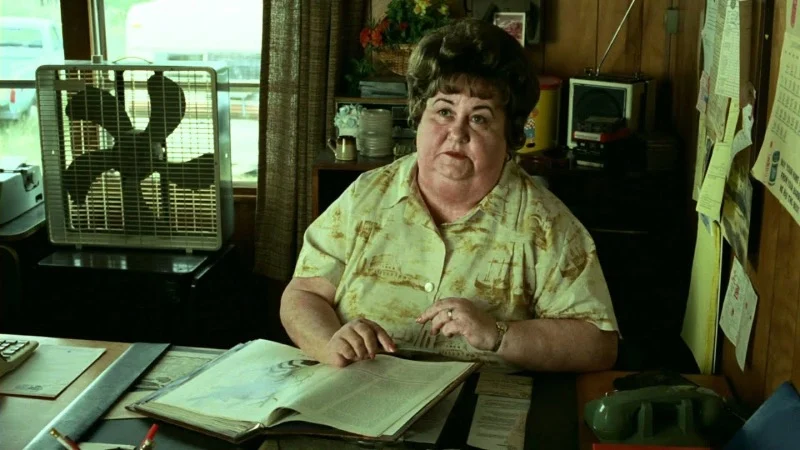
The narrative centers on three men who drive every major turn in the plot. Named female characters are few, including Carla Jean Moss and Loretta Bell, and most scenes with them take place in homes, hospitals, or brief public counters rather than along the chase routes. The plot lines that move the money, the killings, and the investigation stay almost entirely with the men, which keeps the women outside the main flow of information.
Dialogue distribution reflects this focus. Carla Jean and Loretta have short exchanges that confirm decisions the men already made, such as travel or safety plans, rather than steering new outcomes. The casting list shows that other women appear as clerks, managers, and hotel staff with limited screen time, which keeps the story’s perspective narrow.
Aged Masterfully: Sound Without a Score
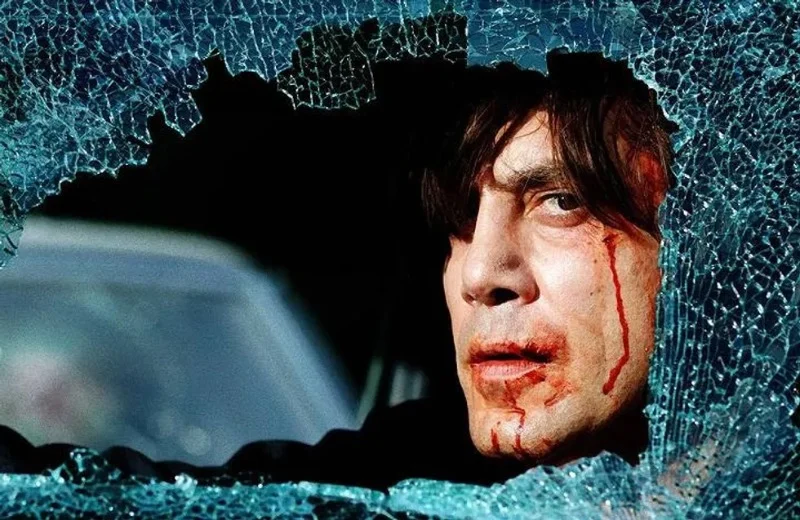
The film uses long stretches of room tone, wind, boot steps, and highway noise instead of a traditional musical score. The mix lets ambient sound build timing for key sequences like the gas station conversation and the night street chase. Gunshots and the captive bolt stunner sit at sharp peaks, while dialogue often rides near the floor during quiet scenes.
This approach gives editors and mixers precise control over rhythm. Because there is almost no non diegetic music to date the soundtrack, there are no era specific cues that would place the film in a particular pop culture moment. The result travels well between theatrical playback and modern home setups that emphasize environmental sound.
Aged Poorly: Outdated Consumer Tech Drives Key Plot Turns
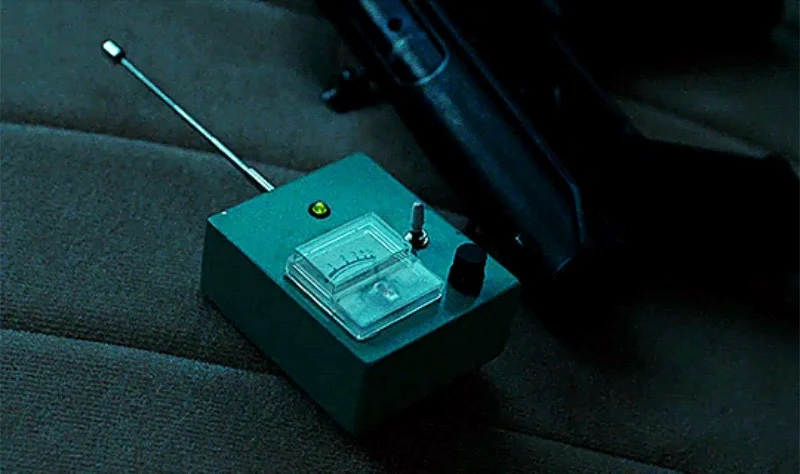
The pursuit hinges on analog tools that reflect the 1980 setting, including pay phones, paper motel ledgers, and a simple radio transponder. Hotel doors use metal keys and chain latches, and cash moves in a hard case through air vents. The killer checks for the transmitter with line of sight proximity rather than with any encrypted or networked scan.
Modern hotels, phones, and payment systems would alter those logistics. Electronic locks, camera coverage in corridors, and chip based transactions create records and alerts that do not appear in the film’s world. The story works as period procedure, yet the specific devices and the lack of digital footprints mark the plot mechanics as tied to older infrastructure.
Aged Masterfully: Roger Deakins’ Naturalistic Cinematography
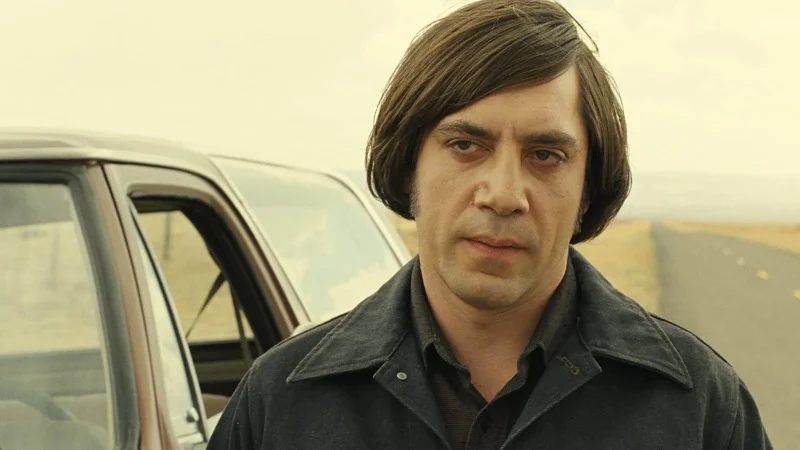
Roger Deakins frames wide horizons, low sun angles, and fluorescent interiors with clean compositions that favor available or motivated light. Dusty plains, border bridges, and small town storefronts are captured with steady cameras and measured movement. The palette leans dry and earth toned, which keeps attention on blocking and texture.
Location work in Texas and New Mexico supplies consistent geography. Shots inside motel rooms match outside walkways, and road scenes connect logically to checkpoints and border crossings. Because the imagery relies on lighting and lens choices rather than trend driven filters, the visuals continue to read clearly on today’s higher resolution displays.
Aged Poorly: Sparse Context for Borderland Violence
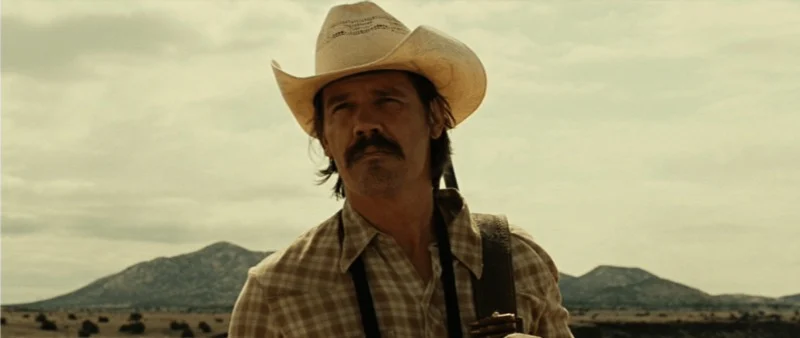
The film opens on the aftermath of a drug deal gone bad and keeps cartel names, supply routes, and organizational hierarchies off screen. The script avoids briefing scenes, maps, or labels and leaves the national mix of participants undefined outside of accents and brief exchanges in Spanish. Law enforcement agencies appear through county offices and highway stops without interagency briefings or task force structures.
Viewers who look for historical markers will not find references to specific operations or policy shifts. The time is set by vehicles, clothing, and weapons rather than by headline events or named groups. That choice keeps the story streamlined, yet it also leaves the larger context of the border economy vague compared with later crime dramas that include procedural detail.
Aged Masterfully: Tight Adaptation of the Novel
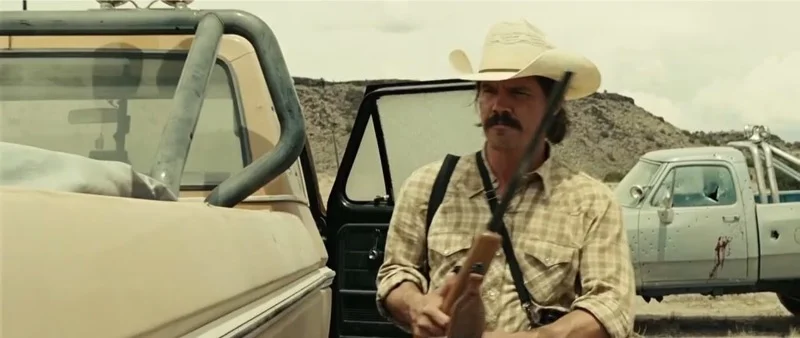
The screenplay preserves the novel’s plainspoken dialogue and the sheriff’s reflective voice, including the dream that closes the story. Scenes often follow the book’s order, such as the desert discovery, the motel switch, and the border hospital recovery. The adaptation trims explanatory passages while keeping the rhythm of short, direct exchanges.
Character traits track closely as well. The killer’s rules, the hunter’s field skills, and the sheriff’s caution match how the book presents them, which gives actors clear beats to play without exposition. Because the film honors the source’s structure and language, new viewers can still move between page and screen with minimal friction.
Aged Poorly: Home Viewing Can Muffle Dialogue
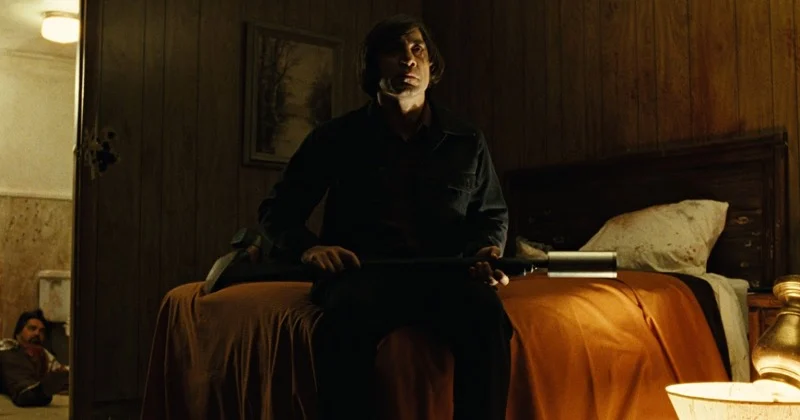
The original mix uses wide dynamic range, with quiet speech and sudden loud impacts. On basic television speakers, that spread can push voices under air conditioner hum, traffic, or wind noise during several interior and exterior scenes. Many sets ship with dialogue unfriendly presets, which can make some lines hard to catch without subtitles.
Streaming platforms also apply different loudness targets for their encodes. If a viewer’s device does not enable night mode or dynamic range compression, gunshots and door hits can spike while whispers and low tones sit back. None of this affects the theatrical intent, yet it creates a practical hurdle for casual home setups.
Aged Masterfully: Landmark Performances and Awards
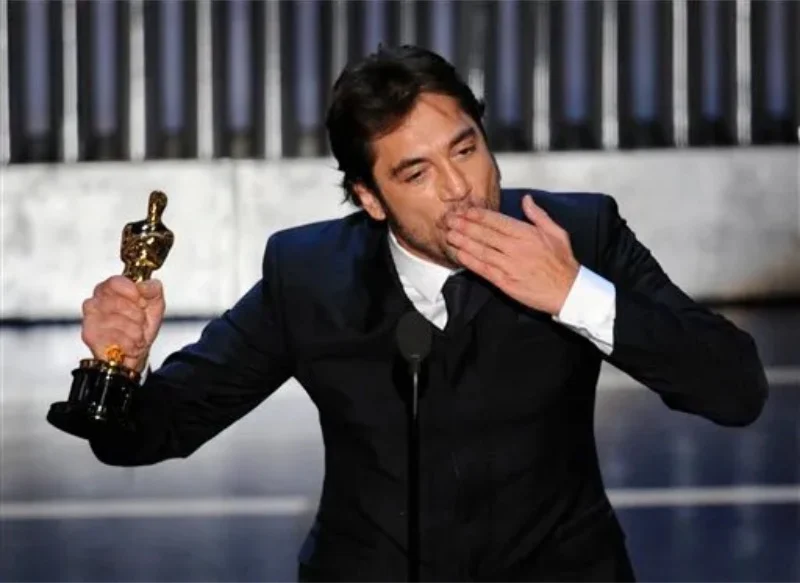
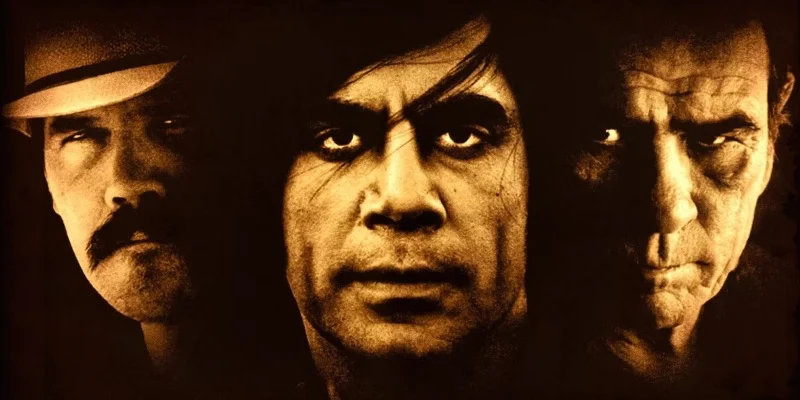
Javier Bardem’s performance as the killer earned major awards attention, and the film received top honors for picture, directing, and adapted screenplay. Additional nominations recognized cinematography, editing, and sound work, which maps directly to the craft choices visible on screen. Those acknowledgments document how multiple departments aligned.
The cast around the three leads includes actors whose roles connect the investigation, the chase, and the civilian world. Small parts such as the gas station proprietor, the trailer park manager, and border officials are written with specific speech patterns, which keeps scenes memorable without long monologues. The record of awards and nominations continues to point viewers to these elements.
Aged Poorly: Bonus Features and Archival Material Are Thin
Early home video releases offered short featurettes that cover production, locations, and cast interviews. They do not include a full length commentary, script drafts, or scene by scene technical breakdowns. For a film taught in many film programs, that leaves instructors and fans looking elsewhere for deep craft documentation.
Later editions improved picture quality but kept extras light. Without extensive behind the scenes material, the public archive around lighting setups, lens choices, and sound workflows remains limited. This makes it harder for new viewers to trace the film’s production methods using official release materials alone.
Aged Masterfully: Set Pieces Used In Film Education
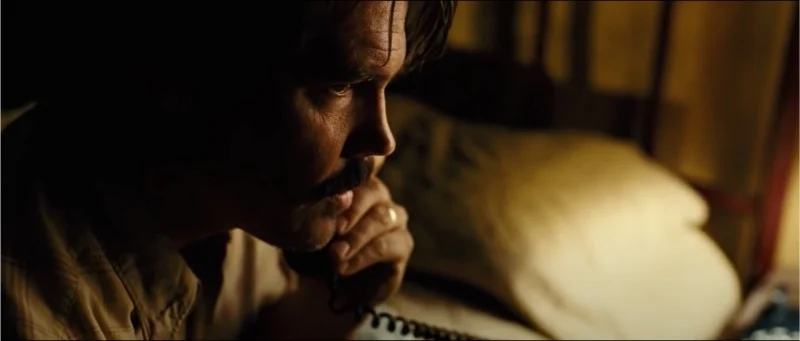
Several sequences appear frequently in classroom clips and professional breakdowns. The coin toss scene uses blocking, eyelines, and props to build tension with simple coverage. The motel money switch demonstrates geography control with vents, doorways, and a tracking device hidden in the cash case. The night shootout shows how to stage moving cover on streets and in trucks.
These scenes rely on timing, practical effects, and clear sound cues. Cuts land on action rather than on reaction for long stretches, and the camera stays at human height to keep scale readable. Because the technique is straightforward and repeatable, the sequences continue to serve as practical examples for directing, editing, and sound design.
Share which parts of ‘No Country for Old Men’ you think held up best or not in the comments.