


5 Ways ‘Prometheus’ Aged Poorly (And 5 Ways It Aged Masterfully)

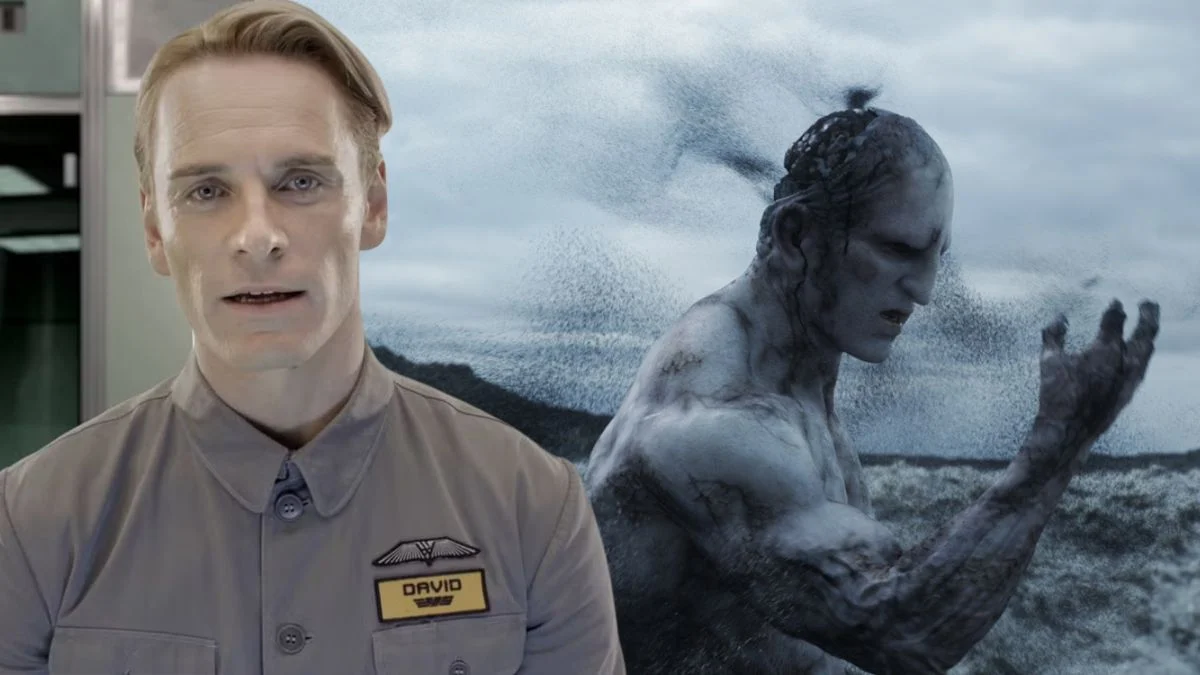


“Prometheus” still sparks debate. Some parts feel sharper with time. Other parts feel weaker. The film aimed big and asked bold questions. It also made choices that many viewers still question.
This list looks at both sides. We alternate between strengths and flaws. We focus on story logic, design, ideas, and impact. No fluff. Just clear points.
Aged Poorly — Dubious Science and Risky Choices
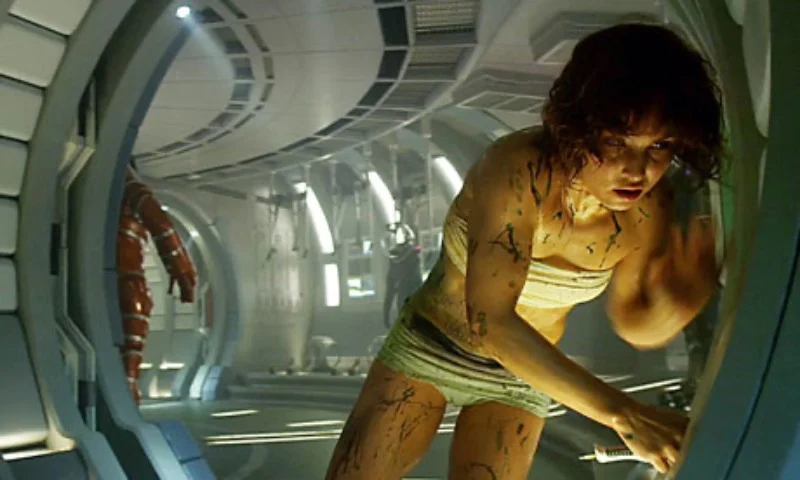
The crew often ignores basic field rules. They remove helmets in an unknown habitat. They touch a live alien organism with bare hands. These choices break the film’s own setup about careful exploration.
This weakens the tension. It makes problems feel forced, not earned. When experts act like amateurs, stakes feel fake. That hurts the story’s credibility.
Aged Masterfully — Worldbuilding and Production Design
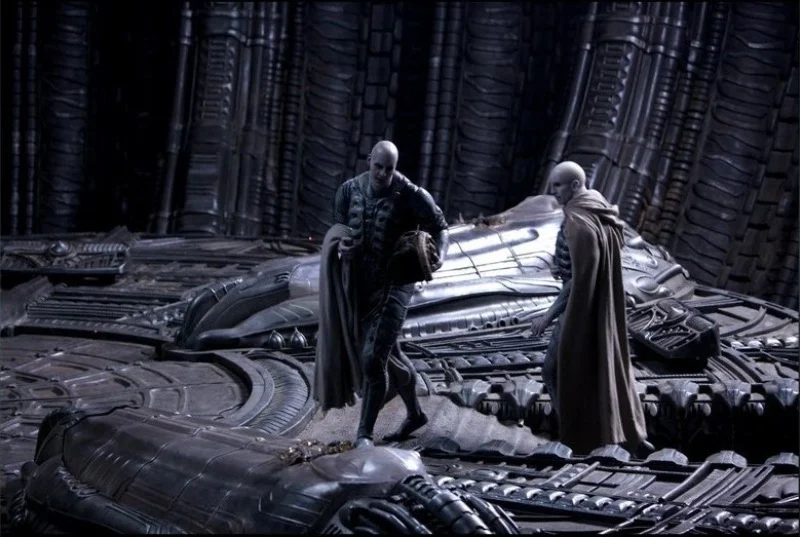
The sets look lived-in and advanced. The Juggernaut, the urn room, and the holographic star maps all feel cohesive. The tech has a clear style. It suggests a larger world beyond the frame.
Small details do heavy lifting. Logos, screens, props, and suits tell us about companies, budgets, and goals. This world still feels fresh and believable today.
Aged Poorly — Thin Character Motivation
Several characters lack clear goals. Their actions swing with the scene. Conflicts appear and vanish fast. This makes the team feel like pieces on a board, not people with history.
When motives are unclear, twists lose weight. Viewers cannot track why choices happen. The result is noise, not drama.
Aged Masterfully — David as a Standout Character
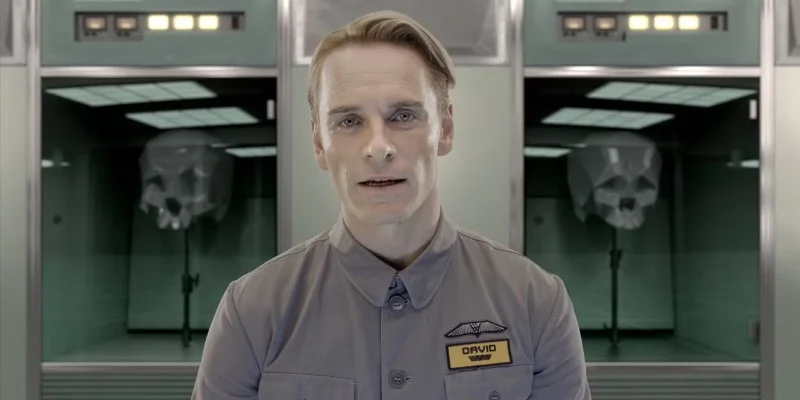
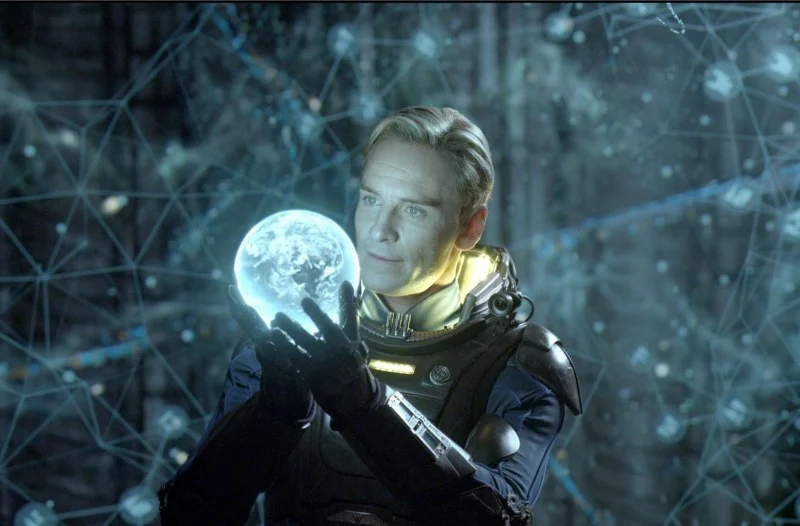
David is precise, curious, and unsettling. His quiet testing of human limits anchors the film. He gives the story a clear thread to follow.
His choices drive many key turns. He raises the core question: what do creators owe their creations? That theme still lands.
Aged Poorly — The Mystery Box That Stays Closed
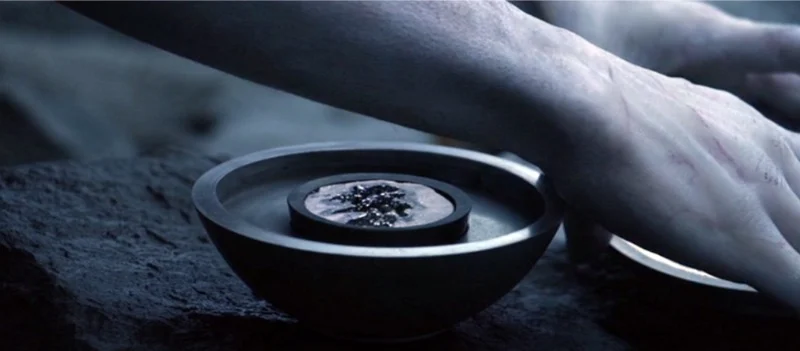
The film sets up big puzzles: black goo rules, Engineer intent, and the star map origin. Many answers never arrive, or they arrive in vague hints. It feels like setup for later, not payoff now.
Teasing can work, but only with some closure. Here, the balance tilts too far toward questions. The final stretch leaves more confusion than insight.
Aged Masterfully — Practical Effects and Creature Work
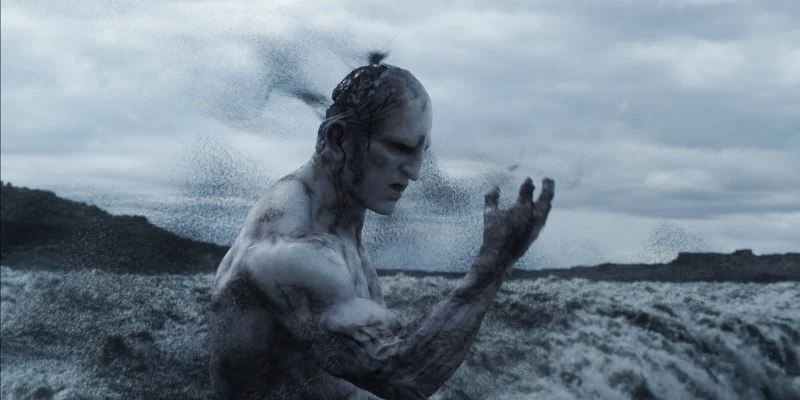
Masks, suits, sets, and prosthetics look solid up close. Creature textures hold up in bright light. The tactile feel sells the dangers on screen.
Even when digital elements appear, the physical base keeps things grounded. This mix helps the film age better than many effects-heavy releases from the same era.
Aged Poorly — Mapping and Spatial Logic
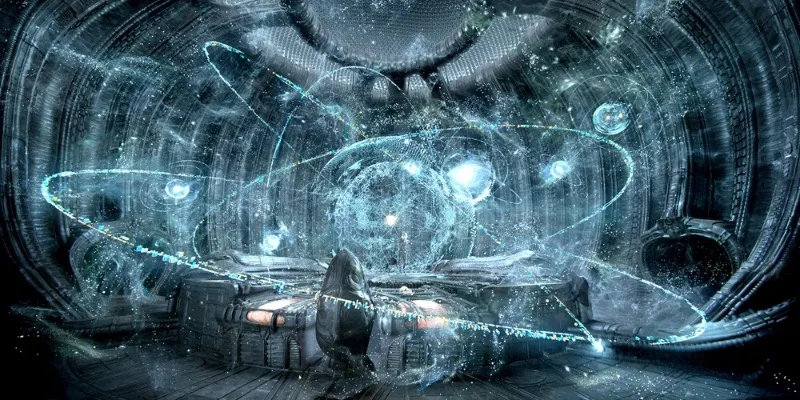
A specialist with mapping drones gets lost in the tunnels. The layout seems to change when the plot needs it. Travel times vary without clear cause.
When space does not behave reliably, tension drops. Viewers stop trusting what they see. It becomes hard to track risk and plan.
Aged Masterfully — Big-Idea Science Fiction
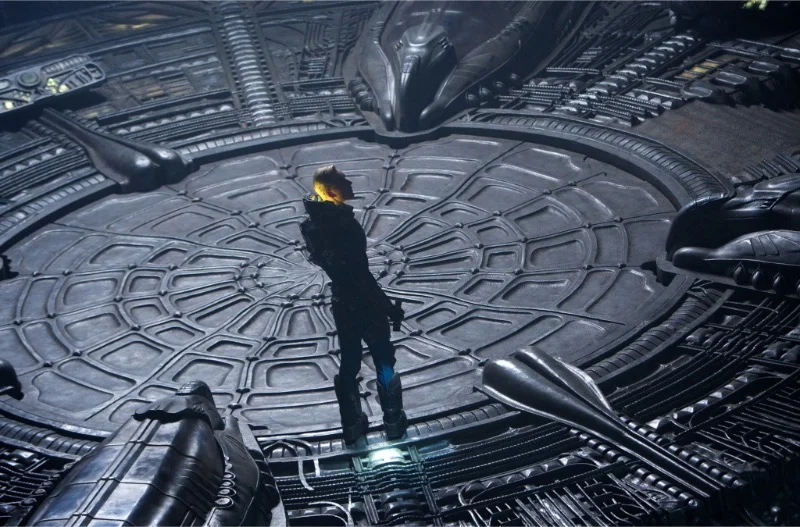
The film tackles creation, faith, and responsibility. It asks why a maker would build life, and why it would destroy it. These ideas give the story weight beyond shocks.
The questions also invite rewatching. New angles appear when you focus on purpose and consequence, not only on plot beats. That lasting pull is rare.
Aged Poorly — Shaky Franchise Connections
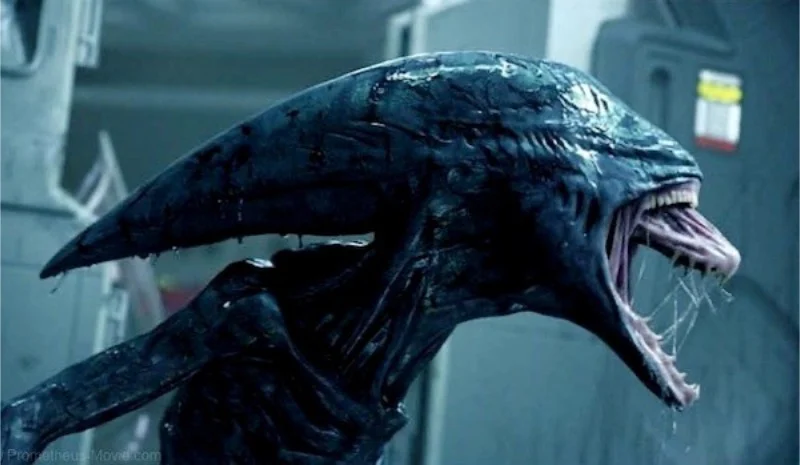
The link to the wider series is uneven. Some designs match, others clash. The path from this story to the earlier entries is not clean. Key origins feel retrofitted.
This blurs timelines and rules. Fans trying to map events hit gaps. The film works better when judged alone than as a neat puzzle piece.
Aged Masterfully — Lasting Sci-Fi Aesthetic Influence
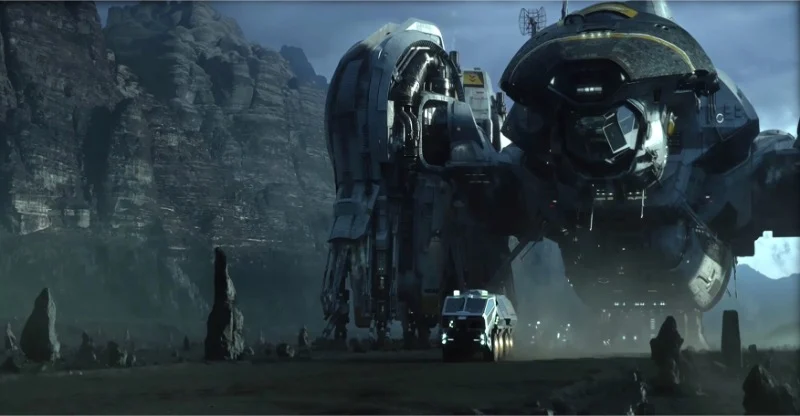
The clean labs, stark corridors, and holo-interfaces set a look many later projects echoed. The mix of ancient ruins with sleek tech still feels striking. It gave the “ancient astronauts” idea a modern face.
Design clarity helps the film stay current. The ship interiors and gear do not lock it to one year’s trends. They remain readable and useful for new viewers.
Share your take: which parts of “Prometheus” still shine for you, and which ones do not—tell us in the comments.