


5 Ways ‘Reservoir Dogs’ Aged Poorly (& 5 Ways It Aged Masterfully)



Quentin Tarantino’s debut feature introduced a stripped down crime story that put sharp writing and tense staging at the center of every scene. Over time the conversation around the film has stretched far beyond its shocking moments and has focused on how its choices look in a different cultural and technological landscape.
This list walks through where the film shows its age and where its craft still shapes how people make and study independent cinema. Each entry points to concrete elements in the movie and to the production choices behind it so you can see exactly what changed and what still works.
Aged Poorly: Casual slurs and derogatory language in the dialogue
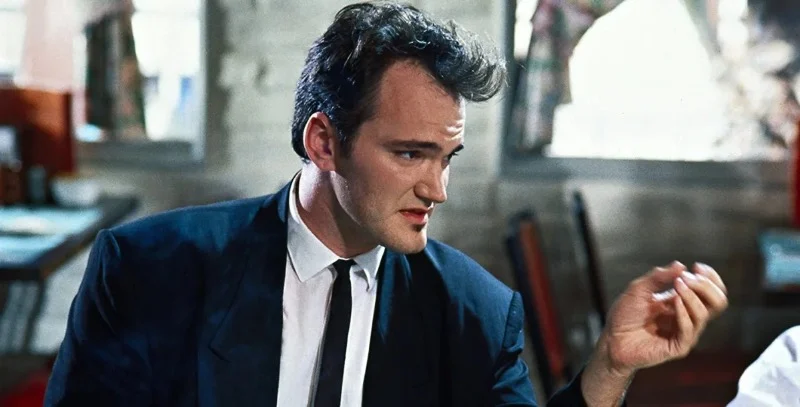
The script uses multiple racial and homophobic slurs as ordinary parts of conversation among the criminals. Broadcast and airline edits have removed or muted some of these lines in various cuts, which shows how distribution standards tightened as language guidelines shifted over the years.
Viewers today encounter more content advisories for offensive language than they did when the film first circulated on home video. The move toward clearer labeling on streaming platforms and television guides places these lines in a different context than the original theatrical run.
Aged Masterfully: Nonlinear structure that reveals character through time jumps
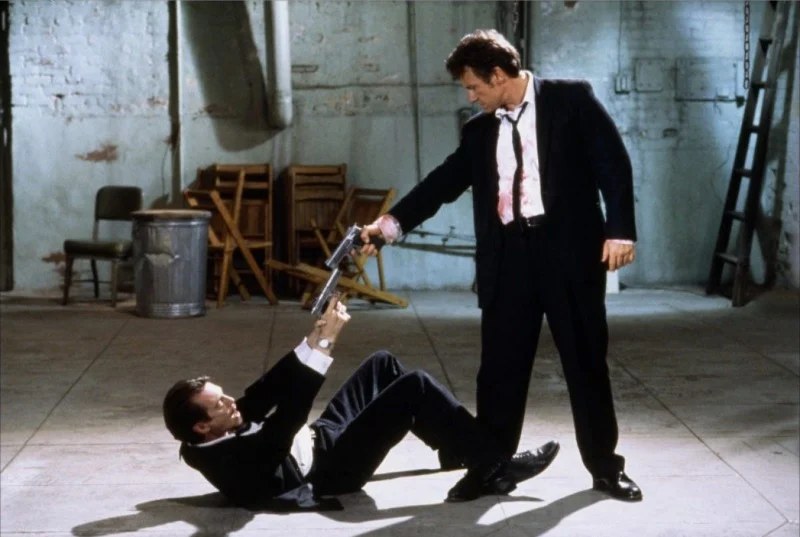
The story moves between the warehouse present and earlier moments that explain each character’s role in the botched heist. This structure releases key information in measured steps so the audience learns who is undercover and why trust collapses inside the crew.
Film schools and writing workshops still use the script to show how reordering events can build tension without changing what actually happens. The approach lets small details carry weight in later scenes since earlier chapters quietly set up motives and conflicts.
Aged Poorly: Minimal presence of women on screen
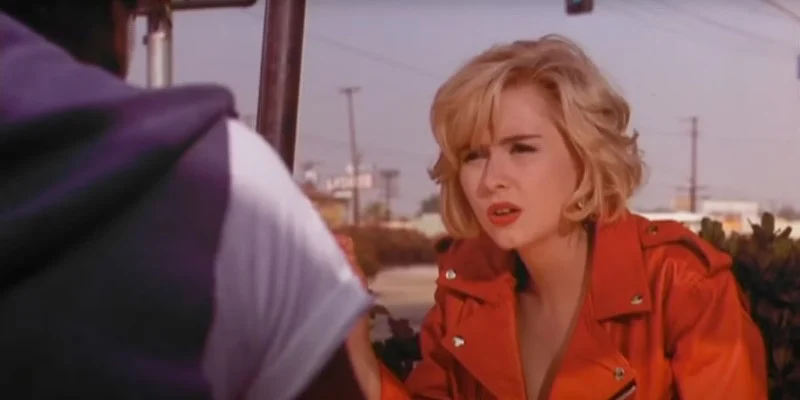
The cast list includes almost no female speaking roles and no named female character in the central plot. The only significant moment involving a woman occurs when Mr. Orange fires during a carjacking and hits a driver who pulls a gun, which draws attention because it is brief and isolated.
Contemporary crime films more often include women as partners, investigators, or adversaries with defined goals. The absence of those roles in this movie highlights how the story world reflects a narrow slice of criminal life rather than a broader cross section of characters.
Aged Masterfully: Resourceful production that turns limits into a blueprint
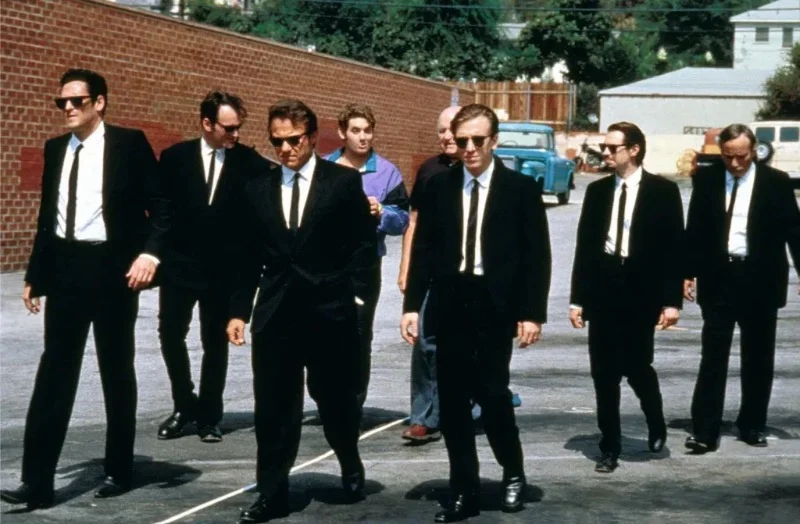
The budget stayed near the one million dollar mark and most of the action plays out in one warehouse and a small set of nearby locations. The production used a real industrial space, practical lighting, and simple wardrobe choices like black suits and skinny ties to keep costs controlled.
These choices built a repeatable model for new directors who need impact without large set pieces. The film shows how blocking, camera placement, and rehearsed dialogue can hold attention for long stretches of time without elaborate builds or complex effects.
Aged Poorly: Technology and procedure rooted in the early nineties
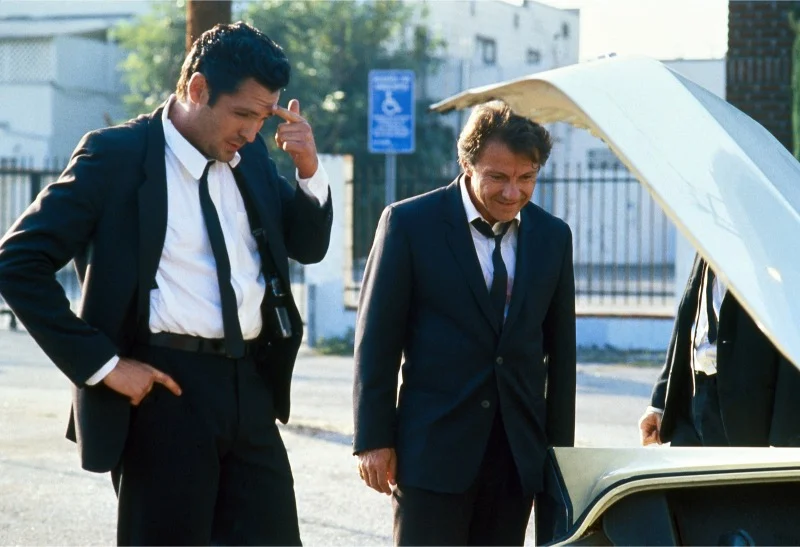
Characters rely on pay phones and pagers to coordinate and to update the plan. The absence of smartphones, location tracking, and modern security cameras shapes the plot since the crew cannot share live information or verify where anyone is outside the warehouse.
Modern police work and emergency response protocols differ from what is depicted. Today a comparable incident would likely trigger faster data sharing across units along with digital trails that could complicate the criminals’ movements after the failed robbery.
Aged Masterfully: Dialogue driven tension that sustains long scenes
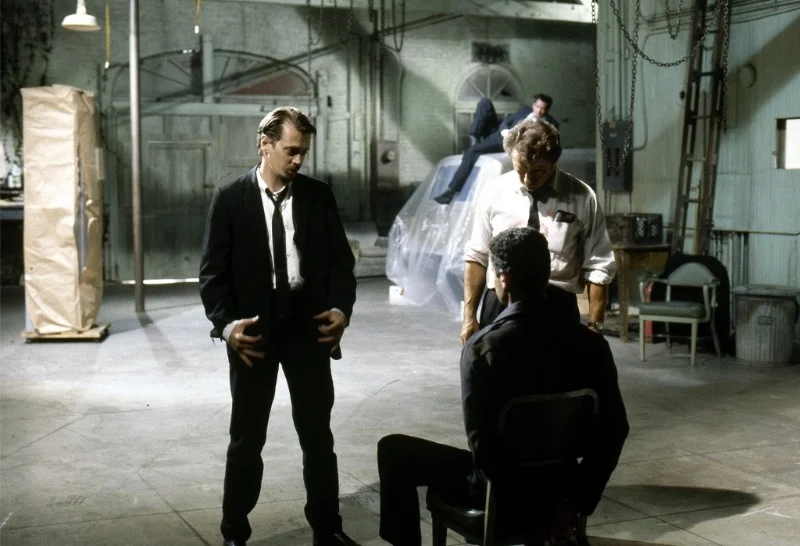
Extended conversations like the opening diner debate and the warehouse arguments carry full sequences with no cutaways to the heist itself. The pacing relies on pauses, interruptions, and verbal tells that let the audience track shifting loyalties without action inserts.
Independent filmmakers study these exchanges to learn how verbal conflict can deliver plot turns. The script gives actors detailed beats to play so the camera can sit longer without losing momentum, which keeps costs down while raising stakes.
Aged Poorly: Graphic torture and captivity presented without counterpoint
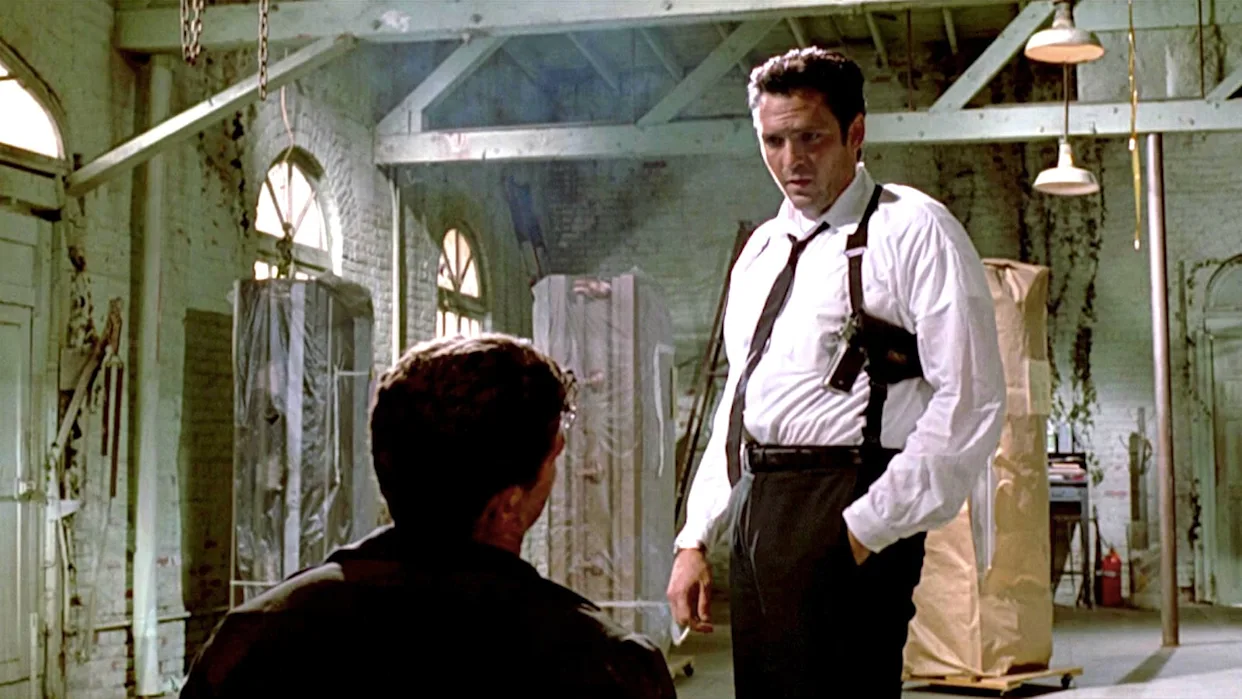
The prolonged interrogation of the bound officer and the cutting of his ear remain central to the movie’s reputation. Network television versions have trimmed or reframed parts of the sequence and ratings boards have flagged it as a focus of age restriction in different regions.
Contemporary release practices often add clearer content notes for scenes of torture and targeted violence. These labels change how the sequence is introduced to new viewers and how platforms place the film in age filtered catalogs.
Aged Masterfully: Influence on the growth of American independent cinema
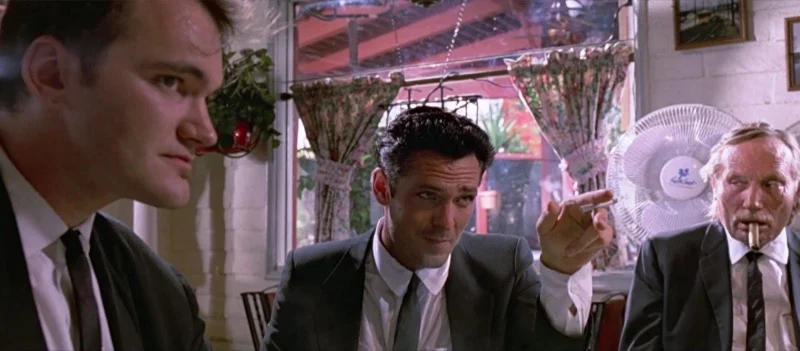
The film premiered at Sundance in 1992 and quickly became a high profile example of what a low budget crime story could accomplish. Its success helped raise the visibility of sharp genre writing at festivals and showed distributors that dialogue heavy thrillers could travel.
The project also opened doors for its cast and crew. Actors like Harvey Keitel and Steve Buscemi gained new recognition with younger audiences, and the film’s circulation on home video turned the script into a widely copied template for crime indies through the decade.
Aged Poorly: Association with Miramax and its later controversies
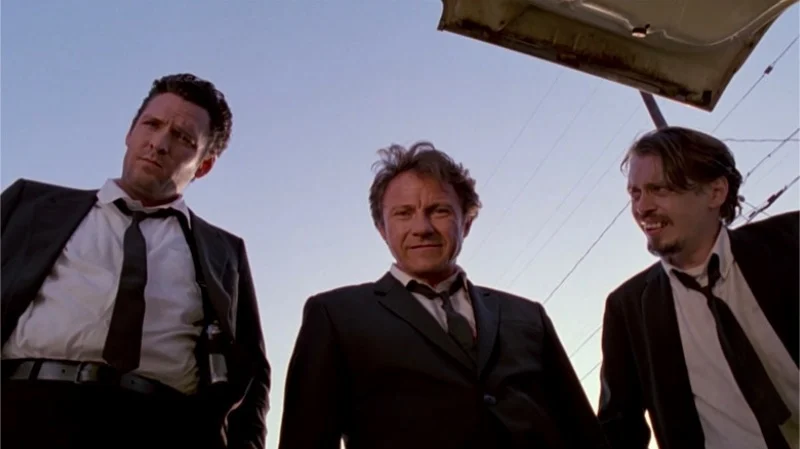
The film was acquired and released by Miramax in the early nineties. The company’s cofounder was later convicted of serious crimes, which led organizations and festivals to reassess past relationships with the label across catalogs and retrospectives.
That corporate history now appears in discussions around the movie’s release and promotion. Viewers who study distribution history will find the title listed in timelines that track how those industry events changed the way older catalogs are presented.
Aged Masterfully: Iconography that remains instantly recognizable
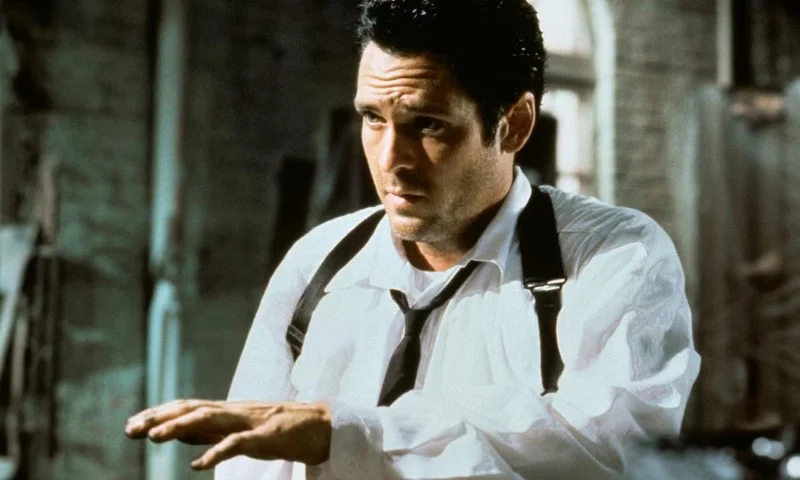
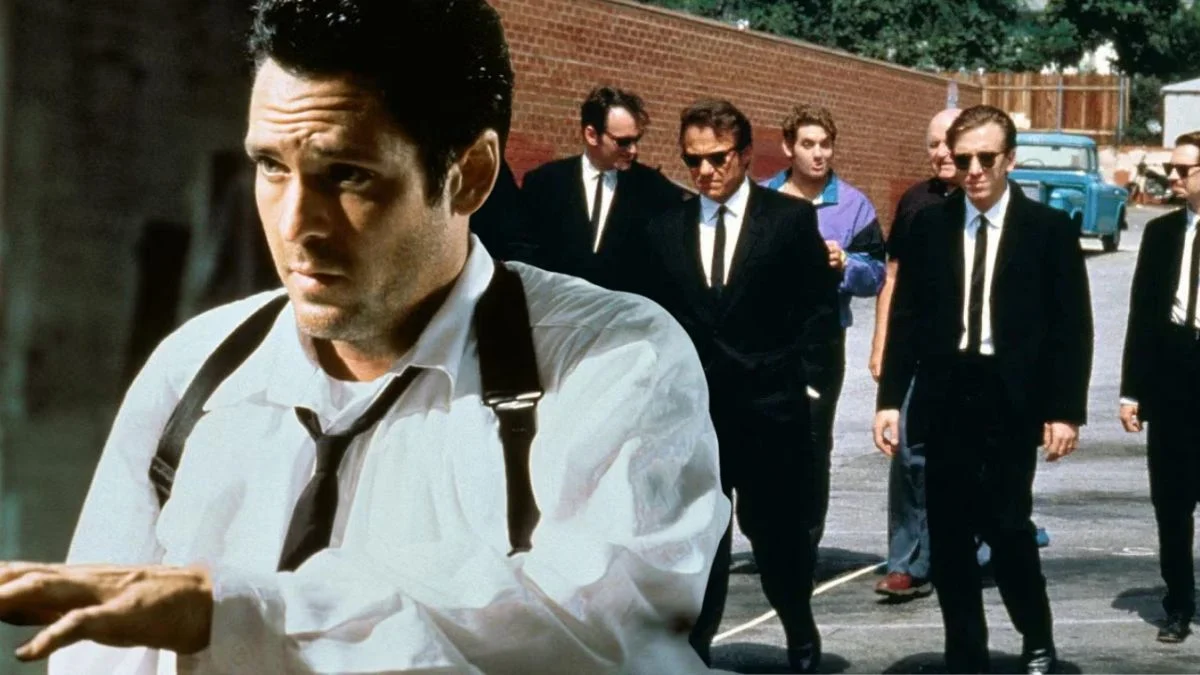
The color coded codenames, black suits with white shirts, and slow walk formation created a visual package that is easy to reproduce. These elements appear in posters, ad campaigns, and costumes because they require simple pieces that still read as part of the film’s world.
Parodies and tributes across television and print cemented those images in popular culture. The look continues to appear in party themes, photo shoots, and graphic design, which keeps the film visible to new viewers who encounter the imagery before they see the story.
Share your take in the comments and tell us which aspects of ‘Reservoir Dogs’ you think land best today.