


5 Ways ‘Squid Game’ Aged Poorly (And 5 Ways It Aged Masterfully)




When ‘Squid Game’ hit Netflix in 2021, it took the world by storm with its brutal take on desperation and survival. The South Korean series, centered on debt-ridden contestants risking their lives for a massive cash prize, hooked me and millions with its raw emotion and clever games.
Now, years later, I’ve rewatched it and dug into its impact. Some parts feel dated or clunky, while others remain as gripping as ever. Here’s my take on five ways ‘Squid Game’ (2021-2025) hasn’t held up and five ways it’s still a masterpiece.
Five Ways ‘Squid Game’ (2021-2025) Aged Poorly
5. VIP Characters Feel Flat

The VIPs, those rich spectators in shiny animal masks, were meant to add mystery and menace. Their awkward dialogue and over-the-top acting, especially in season one, pull me out of the story.
It’s like they’re from a different show, breaking the tense vibe. Later seasons tried to fix this, but the VIPs never fully clicked, making their scenes feel like a weak link.
4. Pacing Drags in Later Seasons

Season one kept me glued with tight pacing and shocking twists. Seasons two and three, though, stretch the story too thin, with slower episodes that feel like filler.
The revolution plot in season three, for example, loses steam before picking up. I wanted the same relentless energy from start to finish, but the later seasons sometimes feel padded.
3. Overreliance on Shock Value
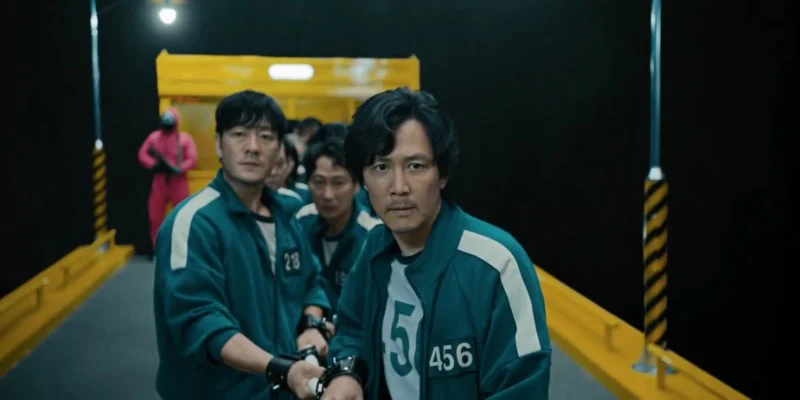
‘Squid Game’ thrives on brutal surprises, but by season three, the constant bloodshed feels repetitive. The show leans hard into gore to keep the stakes high, which dulls the impact.
I found myself desensitized to the violence, craving more emotional depth instead. The focus on shock over story growth makes some moments feel cheap.
2. Character Arcs Lose Focus
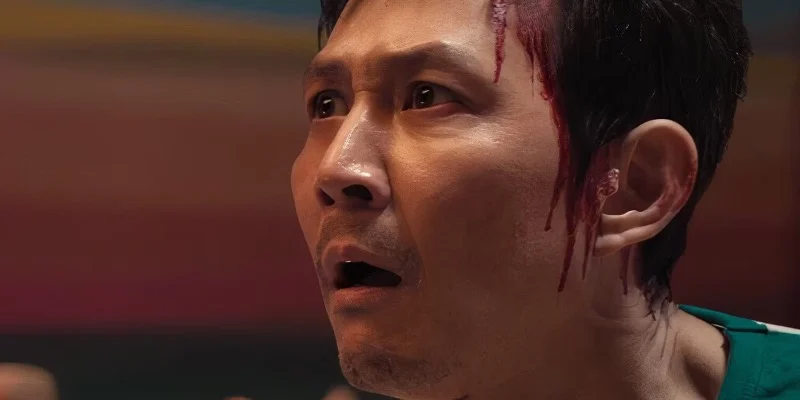
Gi-hun, played by Lee Jung-jae, is a compelling lead in season one, but later seasons sideline his growth. Other characters, like Sang-woo, start strong but fade into predictable choices.
I wanted deeper exploration of their struggles, not just more games. The show sometimes sacrifices character depth for plot twists, which weakens the heart of the story.
1. Social Commentary Gets Diluted
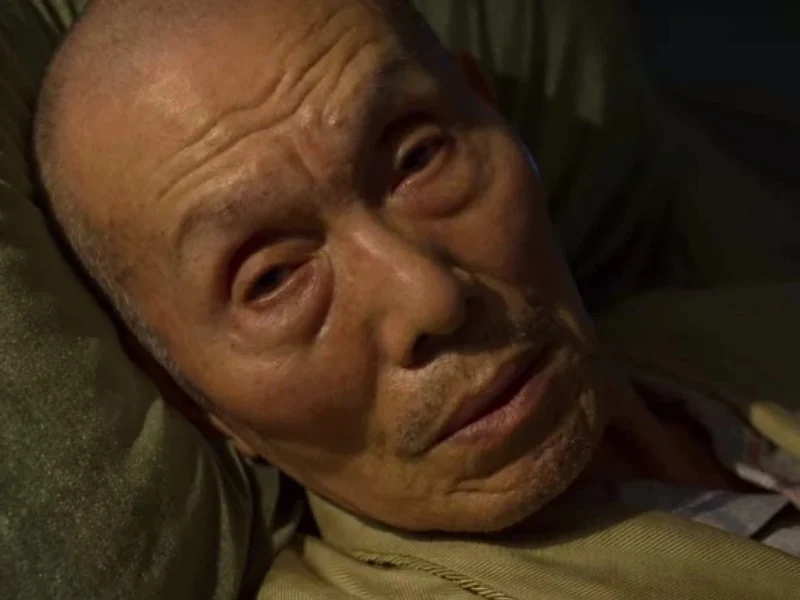
The first season’s sharp take on capitalism and inequality hit hard, reflecting South Korea’s debt crisis. Later seasons, though, lean more into action and less into that biting critique.
The message feels less focused, almost lost in the spectacle. I missed the raw, relatable commentary that made season one so powerful.
Five Ways ‘Squid Game’ (2021-2025) Aged Masterfully
5. Iconic Production Design
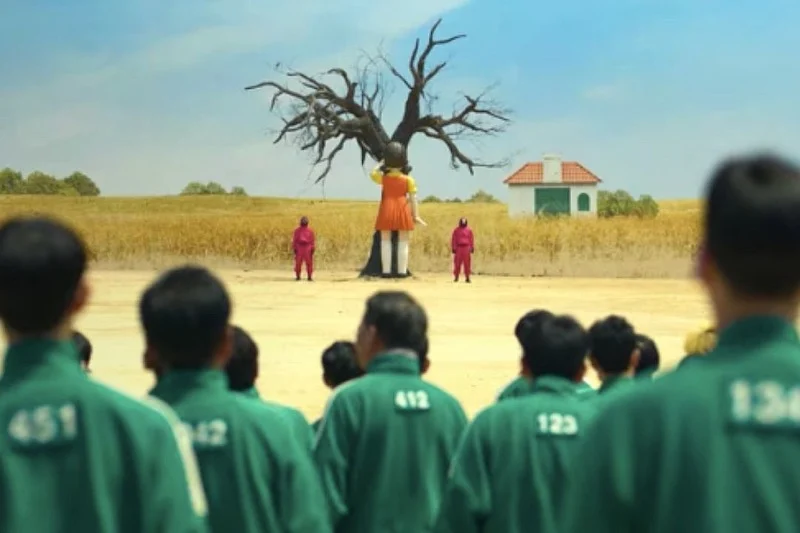
The colorful, eerie sets—like the giant doll in Red Light, Green Light—are unforgettable. They blend childhood nostalgia with dread, creating a unique visual style.
Even now, those images stick with me, and the show’s bold aesthetic still feels fresh. It’s a masterclass in creating a world that’s both playful and terrifying.
4. Gi-hun’s Emotional Core
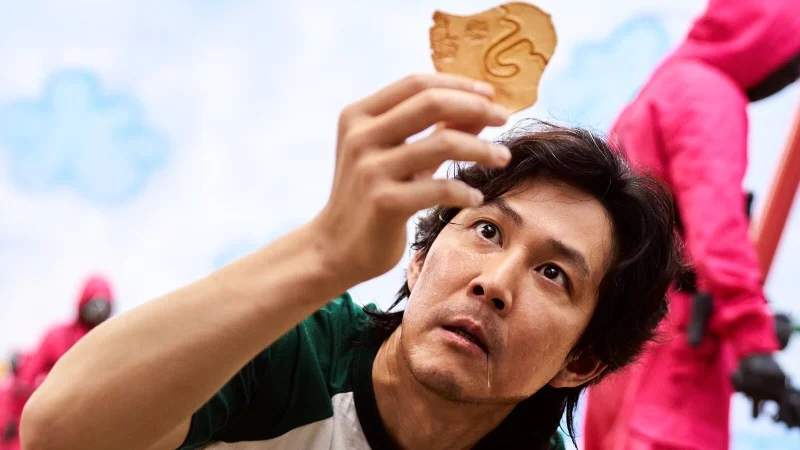
Lee Jung-jae’s performance as Gi-hun carries the show. His journey from a flawed, desperate man to someone grappling with guilt and purpose is raw and real.
I still feel his pain in every close-up, especially in season one’s quieter moments. Gi-hun’s heart keeps the show grounded, even when the plot wobbles.
3. Cultural Impact
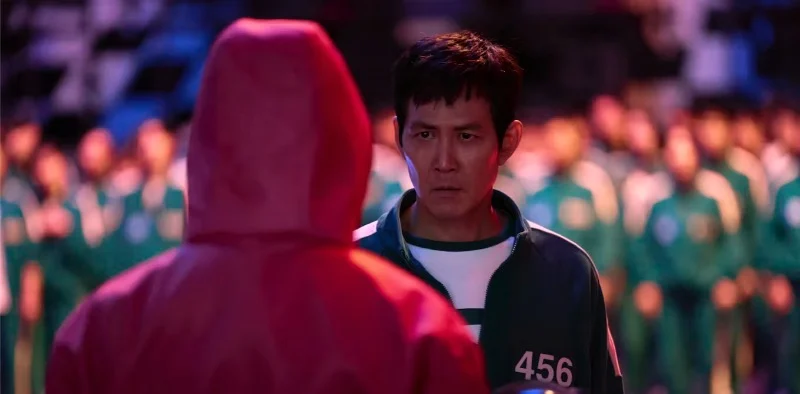
‘Squid Game’ became a global phenomenon, sparking memes, costumes, and even real-world events like Netflix’s ‘Squid Game: The Experience’. Its influence on pop culture is undeniable.
I still see dalgona candy challenges online, years later. The show’s ability to shape trends and conversations proves its lasting power.
2. Timeless Themes of Desperation

The core idea—people pushed to extremes by debt and inequality—still resonates. Season one’s focus on real-world struggles, like job loss and financial ruin, feels just as relevant today.
I connect with the characters’ tough choices, as they mirror universal fears. This emotional truth keeps the show compelling.
1. Gripping Game Mechanics

The children’s games, turned deadly, are the show’s genius hook. Rules like tug-of-war or marbles are simple but brutal, keeping me on edge every time.
Even knowing the outcomes, I’m drawn into the tension of each round. The games’ clever design ensures they never lose their thrill.
What’s your take on ‘Squid Game’—which moments still hit hard for you, or what fell flat? Drop your thoughts in the comments!