


5 Ways ‘Star Wars Episode V: The Empire Strikes Back’ Aged Poorly (And 5 Ways It Aged Masterfully)

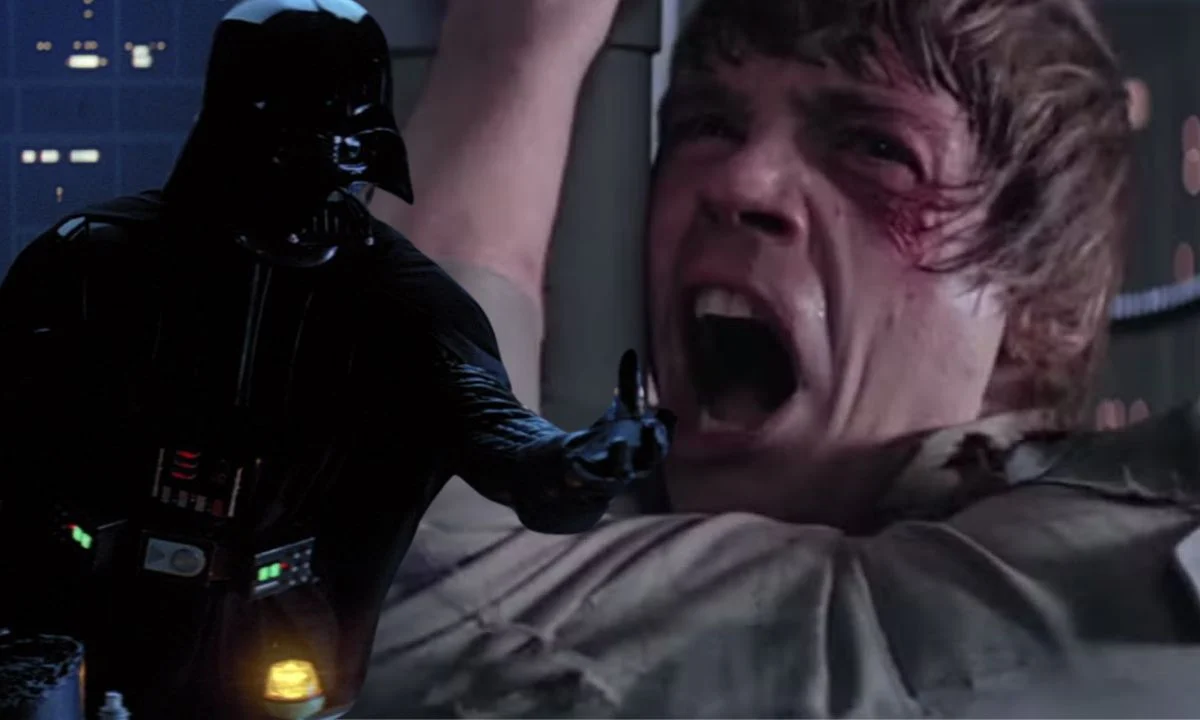


‘The Empire Strikes Back’ (1980) stands as a cornerstone of sci-fi cinema, often hailed as the gold standard for sequels. Its blend of emotional depth, groundbreaking visuals, and bold storytelling redefined what a blockbuster could be, leaving a lasting mark on pop culture. Yet, over four decades later, some elements shine brighter than ever, while others feel dated or clunky when viewed through a modern lens.
I’ve revisited this classic to pinpoint five ways it hasn’t held up and five ways it remains a masterpiece. By alternating between what’s aged poorly and what’s aged masterfully, I’ll explore how this film continues to thrill and, at times, trip over its own legacy.
Aged Poorly: The Pacing Drags in Places
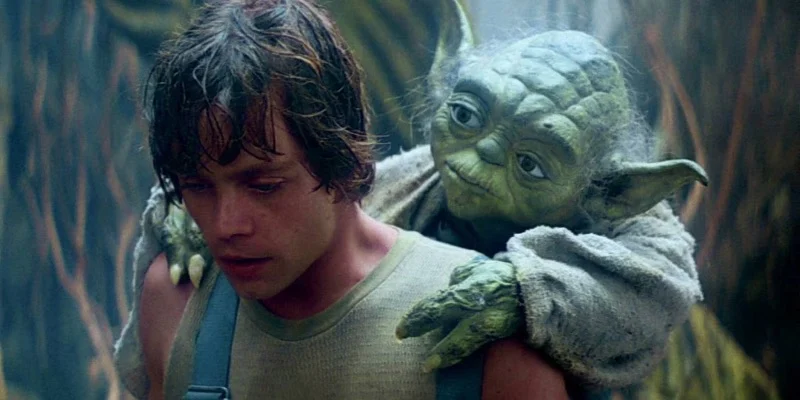
The film’s slower moments can test modern audiences. Scenes like the extended sequences on Dagobah, where Luke trains with Yoda, feel drawn out compared to today’s snappier blockbusters. While these moments build character, they lack the energy of the film’s action-packed opening and climax.
Back in 1980, audiences were more patient with deliberate pacing, but now, the quieter stretches can feel like lulls. The romantic tension between Han and Leia also lingers longer than necessary, with some dialogue-heavy scenes slowing the momentum. It’s a contrast to the fast-cut intensity fans expect from newer sci-fi epics.
Aged Masterfully: The Emotional Core of Luke’s Journey
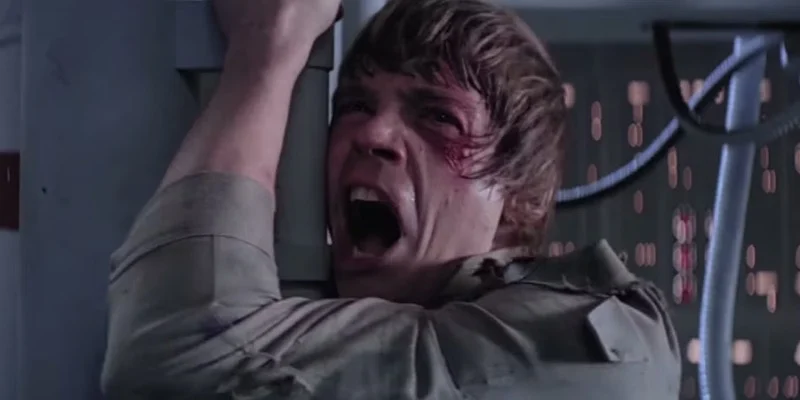
Luke Skywalker’s arc remains a standout, capturing the struggle of self-discovery and resilience. His training under Yoda and the gut-punch revelation about Darth Vader hit as hard today as they did decades ago. The mix of hope, doubt, and sacrifice in Luke’s story feels timeless.
Mark Hamill’s performance carries raw authenticity, grounding the fantastical setting. The themes of facing fear and embracing responsibility resonate across generations, making Luke’s growth a universal draw. This emotional depth keeps the film anchored, even when other elements falter.
Aged Poorly: Some Visual Effects Feel Dated
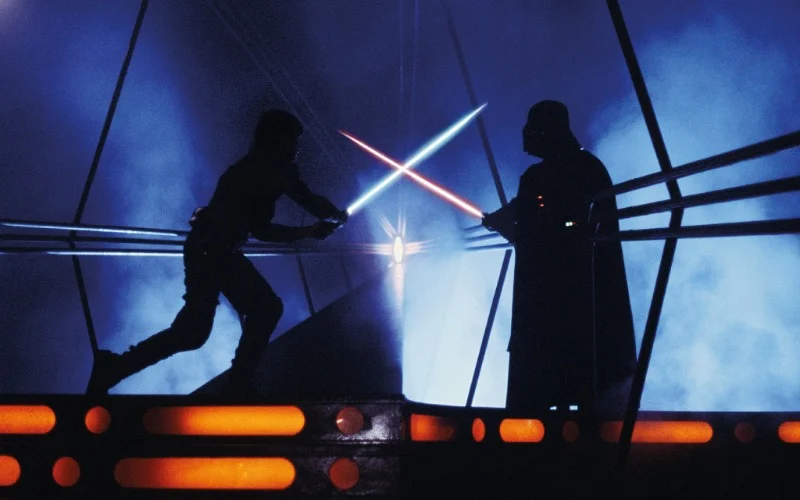
While groundbreaking for its time, certain visual effects now look rough. The stop-motion tauntauns and AT-ATs, though charming, lack the smoothness of modern CGI. Background mattes in scenes like the Cloud City duel also appear flat compared to today’s seamless digital environments.
These limitations don’t ruin the experience, but they can pull viewers out of the story. Fans used to polished visuals in films like ‘Avengers: Endgame’ (2019) might find the clunkier effects jarring, especially in high-definition re-releases where imperfections stand out.
Aged Masterfully: Darth Vader’s Menacing Presence
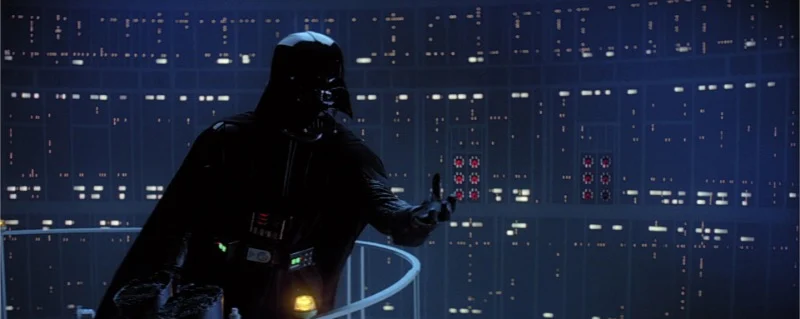
Darth Vader remains one of cinema’s greatest villains, and his dominance in this film is unmatched. From choking admirals to hunting rebels, his every scene drips with dread. James Earl Jones’ voice and David Prowse’s physicality create a towering figure of fear.
The film’s darker tone, driven by Vader’s relentless pursuit, feels bold even now. His clash with Luke isn’t just a fight—it’s a psychological showdown that elevates the stakes. Vader’s chilling aura holds up, making him as terrifying today as ever.
Aged Poorly: Limited Diversity in the Cast
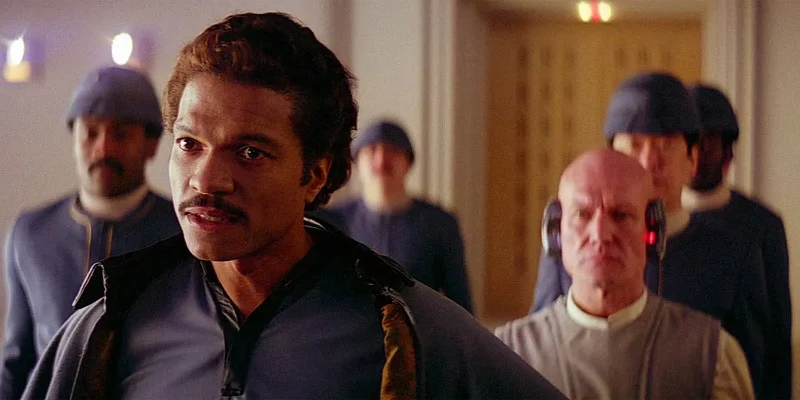
The film’s cast is noticeably uniform, with few non-white or non-male characters. Lando Calrissian, played by Billy Dee Williams, is a standout, but he’s one of the only diverse faces in a galaxy-spanning story. This lack of representation feels stark in today’s more inclusive era.
Modern audiences expect stories to reflect a broader range of voices, and the film’s mostly white, male ensemble can feel out of step. While Lando’s charisma shines, the absence of other diverse characters limits the story’s scope compared to newer entries like ‘The Force Awakens’ (2015).
Aged Masterfully: The Iconic Hoth Battle
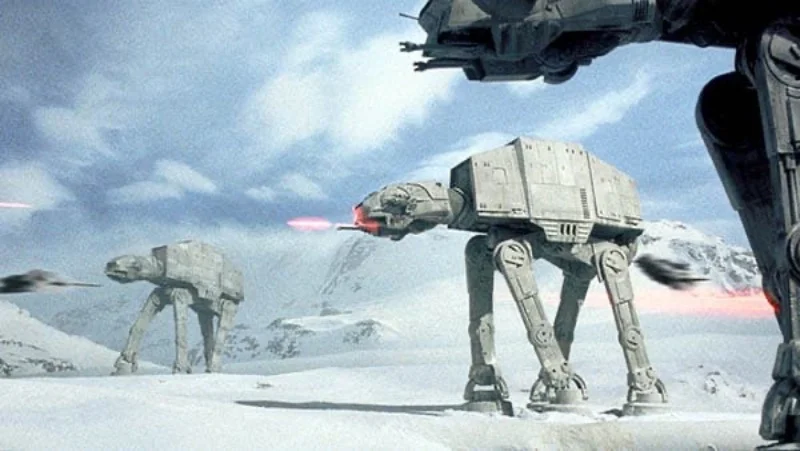
The Battle of Hoth is a masterclass in action filmmaking. Snowspeeders weaving through AT-ATs, rebel trenches crumbling, and the icy landscape create a gripping, visceral sequence. The practical effects, while dated in spots, give the battle a tangible grit that still thrills.
This set piece balances strategy, chaos, and stakes, setting a high bar for sci-fi battles. Its influence is clear in modern films, and the sheer spectacle of Hoth keeps it as electrifying now as it was in theaters.
Aged Poorly: Leia’s Underdeveloped Role
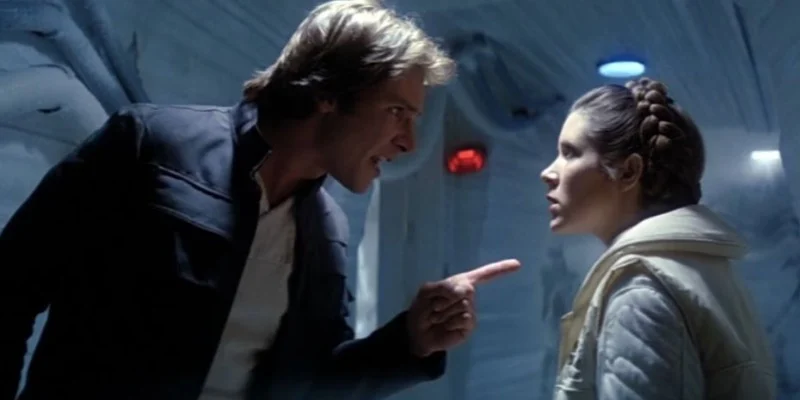
Princess Leia, despite Carrie Fisher’s fiery performance, often feels sidelined. Her romance with Han takes center stage, but her leadership and skills get less focus than in ‘A New Hope’ (1977). She’s reduced to reacting rather than driving the plot at times.
Today’s audiences, accustomed to complex female leads like Rey or Jyn Erso, might find Leia’s role limiting. The film leans heavily on her as a love interest, which feels dated when compared to the richer character arcs in later Star Wars stories.
Aged Masterfully: Yoda’s Timeless Wisdom
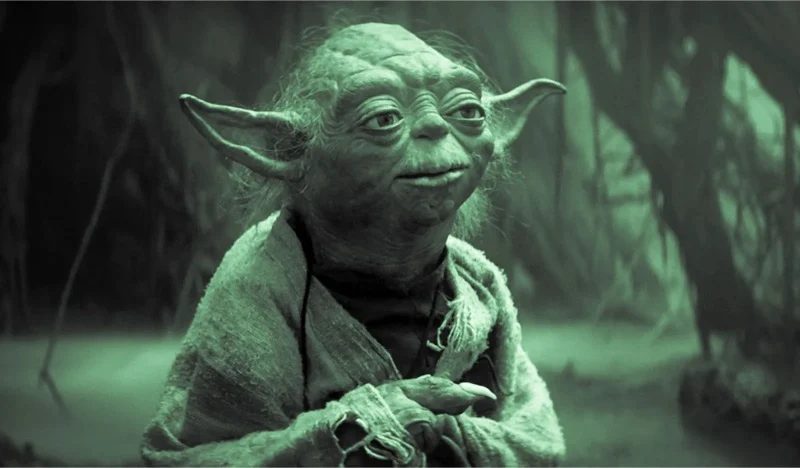
Yoda’s introduction is a stroke of genius, blending humor, mystery, and profound insight. Frank Oz’s puppetry and voice bring the Jedi Master to life, making his lessons about fear, patience, and the Force unforgettable. Lines like ‘Do or do not, there is no try’ still inspire.
Yoda’s mix of quirky charm and deep wisdom feels fresh, even in a world of CGI characters. His teachings transcend the film, offering life lessons that resonate just as strongly today.
Aged Poorly: The Lack of World-Building Depth
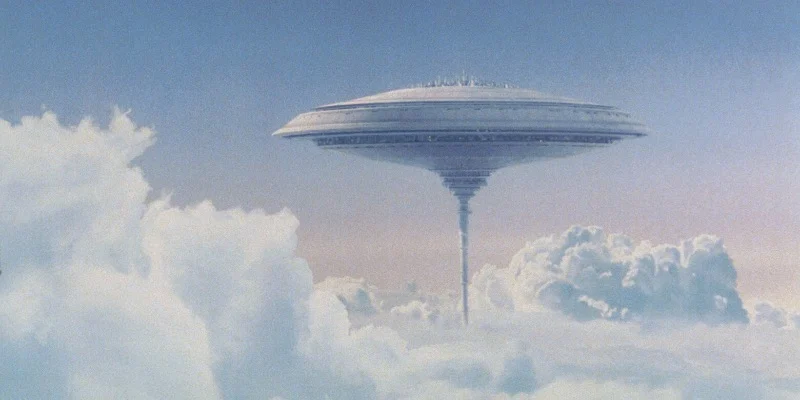
The film’s focus on character drama leaves some corners of the galaxy underdeveloped. Planets like Dagobah and Bespin are visually striking but lack the cultural or historical context seen in later prequels or shows like ‘The Mandalorian’ (2019-). This can feel thin to fans craving richer lore.
Modern Star Wars projects weave intricate details about their worlds, from alien species to political systems. The Empire Strikes Back prioritizes action and emotion over expansive world-building, which can seem narrow by today’s standards.
Aged Masterfully: The Cliffhanger Ending
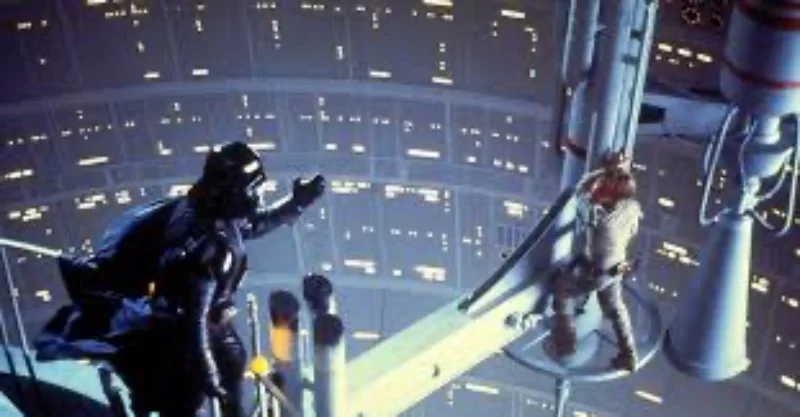
The film’s bold ending, with Han frozen and Luke reeling from Vader’s revelation, is a storytelling triumph. It leaves audiences desperate for resolution, a rarity for blockbusters then and now. The mix of shock and unresolved tension is executed with precision.
This ending set the stage for serialized storytelling in cinema, influencing countless franchises. Its emotional weight and daring structure still make it a benchmark for how to close a chapter while igniting anticipation.
What’s your take on ‘The Empire Strikes Back’—which moments still hit hard, or where do you think it falls short? Drop your thoughts in the comments!