


5 Ways ‘Star Wars Episode VII: The Force Awakens’ Aged Poorly (And 5 Ways It Aged Masterfully)

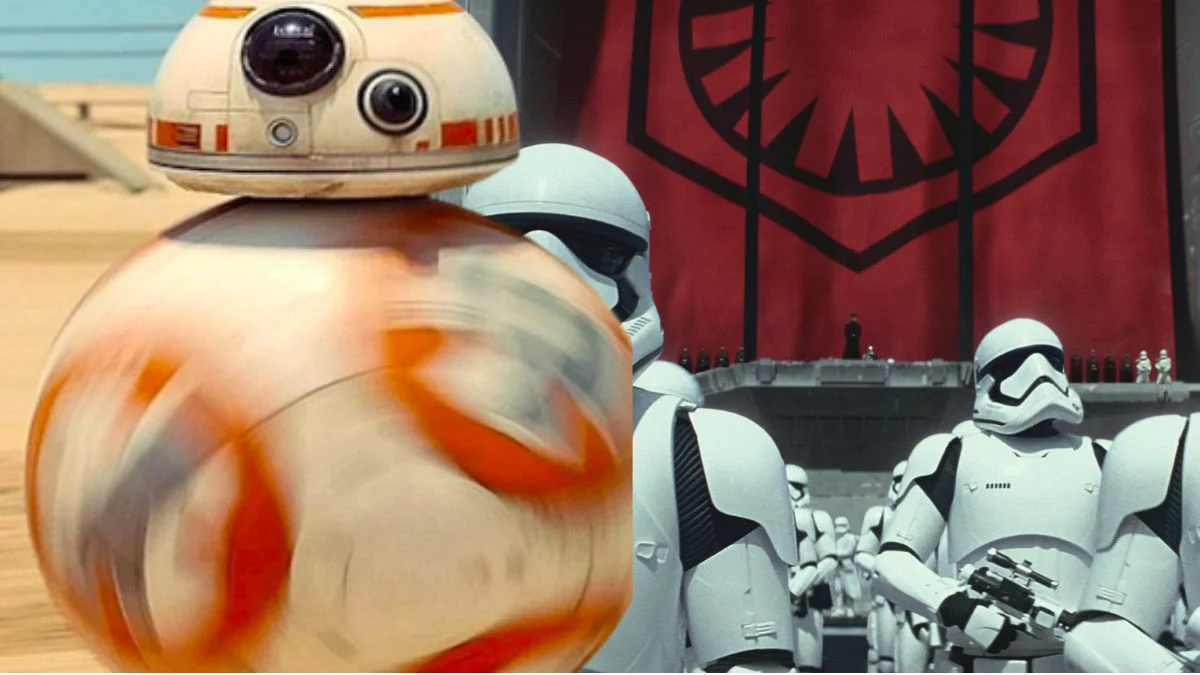


When ‘Star Wars Episode VII: The Force Awakens’ (2015) hit theaters, it felt like a galactic homecoming. Fans like me, who grew up with the original trilogy, were thrilled to see the saga return with new heroes and familiar faces, all wrapped in a fresh adventure. The film, directed by J.J. Abrams, carried the weight of reviving a beloved franchise while introducing a new generation to the Star Wars universe.
Ten years later, I’ve rewatched it and found myself torn. Some parts feel dated or flawed in hindsight, while others still shine with timeless magic. Below, I dive into five ways the movie hasn’t held up and five ways it remains a standout, alternating between the two to balance the critique.
Aged Poorly: Too Close to ‘A New Hope’
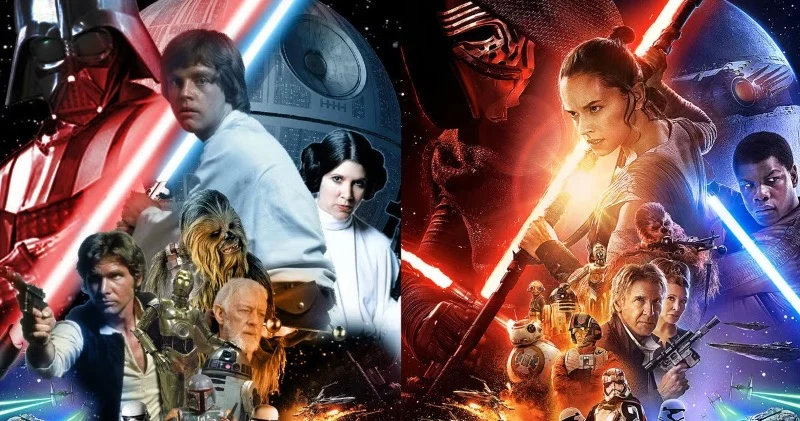
The biggest knock against ‘The Force Awakens’ is how much it mirrors ‘Star Wars Episode IV: A New Hope’ (1977). From a droid carrying secret plans to a desert planet hero facing a giant planet-destroying weapon, the plot feels like a remake at times. This lack of originality disappointed me when I wanted a bold new story.
The similarities make the galaxy feel smaller, as if history is stuck on repeat. While the callbacks were fun at first, they now feel like a crutch, leaning too hard on nostalgia instead of forging a fresh path for the sequel trilogy.
Aged Masterfully: New Characters Steal the Show
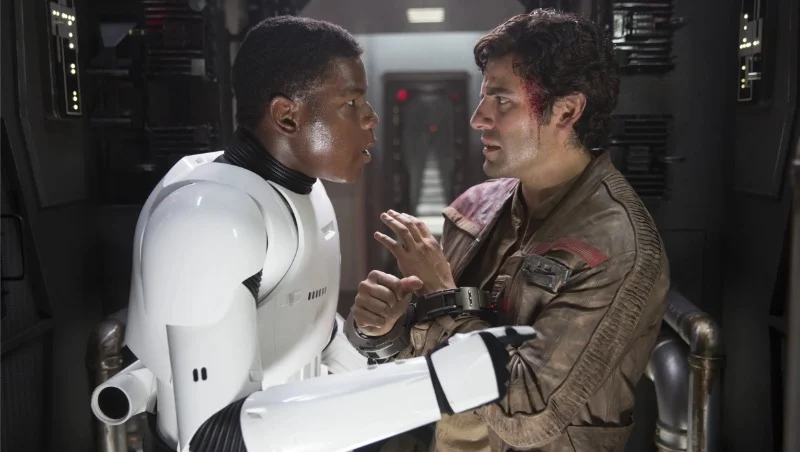
The introduction of Rey, Finn, Poe Dameron, and Kylo Ren is a triumph. Daisy Ridley’s Rey is a fierce, relatable hero, while John Boyega’s Finn brings heart as a stormtrooper turned rebel. Oscar Isaac’s Poe oozes charisma, and Adam Driver’s Kylo Ren is a complex, emotional villain.
These characters carry the film with their chemistry and depth. Their fresh energy hooked me instantly and still feels vibrant, proving the saga could thrive with new blood leading the charge.
Aged Poorly: Underdeveloped First Order
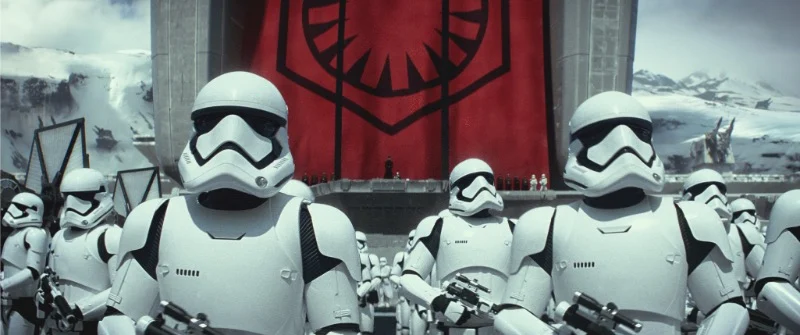
The First Order, the new evil empire, feels like a shallow rebrand of the Galactic Empire. Beyond their Nazi-like rally and Starkiller Base, we get little sense of their motives or structure. Why are they so powerful so soon after ‘Return of the Jedi’ (1983)?
This vagueness makes the stakes feel weak compared to the clear menace of the original trilogy’s Empire. The lack of context about their rise leaves the conflict feeling like a plot device rather than a real threat.
Aged Masterfully: Emotional Weight of Han Solo’s Return

Harrison Ford’s return as Han Solo is pure gold. His grizzled, witty performance carries the same roguish charm, now layered with age and regret. His scenes with Chewbacca and Leia Organa hit me right in the heart, blending nostalgia with fresh emotional stakes.
Han’s role as a mentor to Rey and Finn grounds the story. His presence bridges the old and new, making every moment he’s on screen feel like a warm, bittersweet reunion.
Aged Poorly: Starkiller Base Feels Redundant
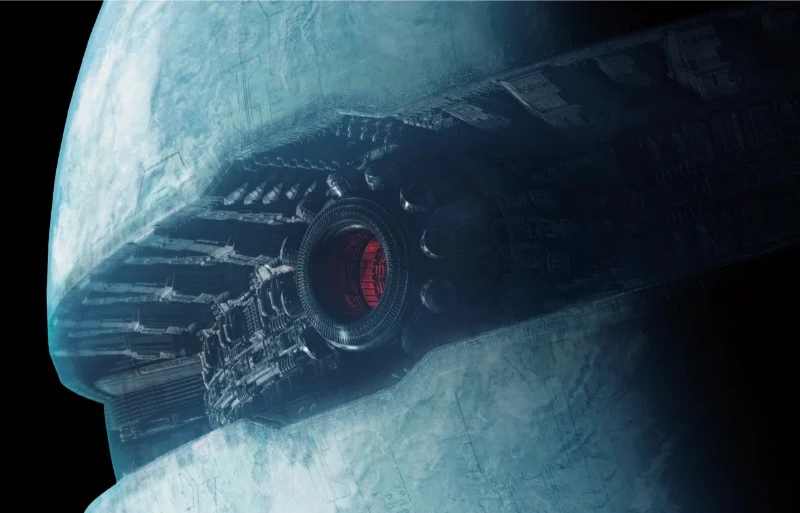
Starkiller Base, the First Order’s superweapon, is essentially a bigger Death Star. Its destruction follows the same formula as in ‘A New Hope’ and ‘Return of the Jedi’. This repetition dulled the excitement for me, as the threat lacked originality.
The base’s vague mechanics and quick defeat make it less compelling than its predecessors. It feels like a lazy way to raise stakes without adding new ideas to the saga’s lore.
Aged Masterfully: Practical Effects Bring Authenticity
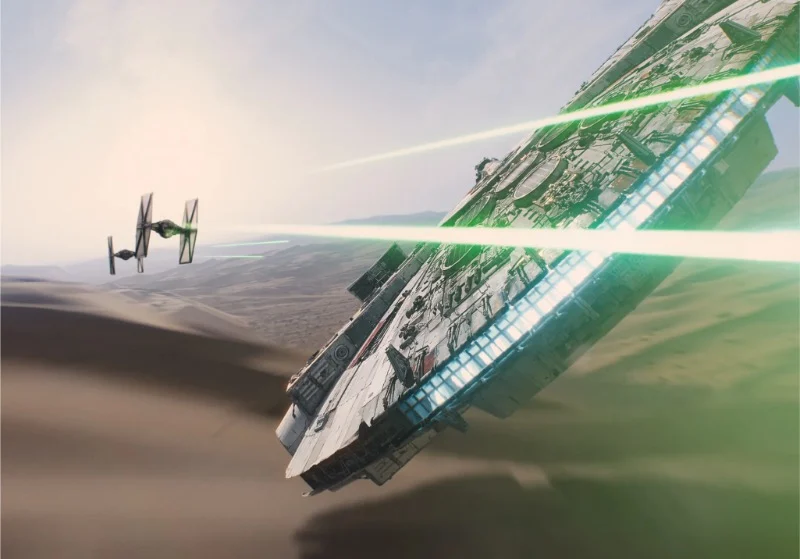
The film’s use of practical effects, like real sets and creatures, gives it a grounded, tactile feel. From BB-8’s rolling charm to the gritty markets of Jakku, the world feels lived-in, echoing the original trilogy’s raw aesthetic.
These effects hold up beautifully, making every scene immersive. They remind me why Star Wars feels so real compared to overly polished CGI-heavy blockbusters, keeping the galaxy tangible and alive.
Aged Poorly: Missing Luke Skywalker
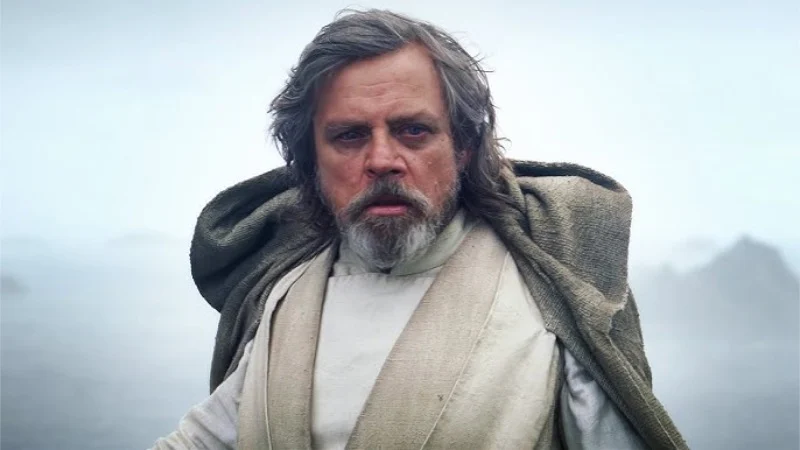
Luke Skywalker’s absence until the final scene feels like a missed opportunity. Mark Hamill’s brief, silent appearance left me wanting more, especially since his journey as the last Jedi is central to the story. The buildup to his reveal feels hollow in retrospect.
Without Luke’s presence, the film leans too heavily on Han and Leia to carry the legacy. His absence makes the story feel incomplete, especially for fans eager to see the hero’s next chapter.
Aged Masterfully: Kylo Ren’s Complex Villainy
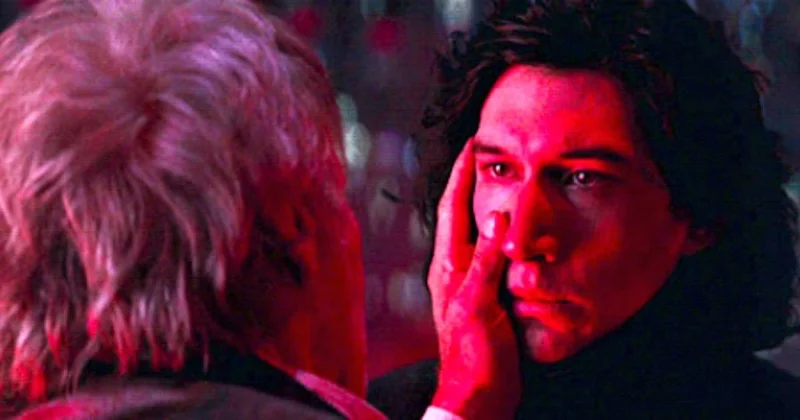
Adam Driver’s Kylo Ren is a standout, bringing a raw, emotional edge to the dark side. Unlike Darth Vader’s stoic menace, Kylo is a conflicted, angry young man wrestling with his legacy. His tantrums and inner turmoil make him unpredictable and human.
This fresh take on a villain keeps me invested. Kylo’s struggle with light and dark adds depth to the Force’s mythology, making him one of the saga’s most compelling antagonists.
Aged Poorly: Plot Holes and Loose Ends
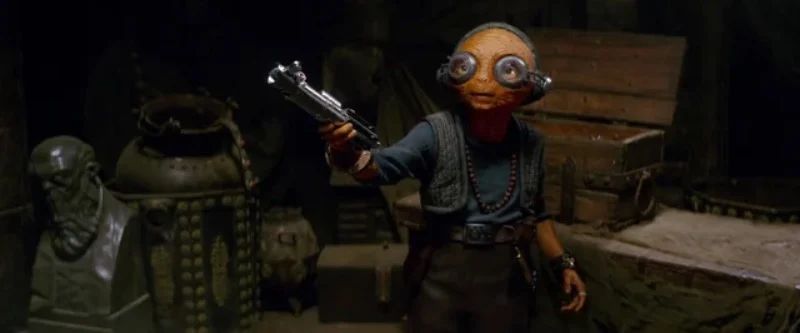
The film leaves too many questions unanswered. How did Maz Kanata get Luke’s lightsaber? Why does R2-D2 wake up at the end? These gaps frustrate me now, as they feel like convenient plot devices rather than earned story moments.
These unresolved threads weaken the narrative’s cohesion. While some mysteries set up sequels, they make the film feel less complete on its own, especially after later entries failed to clarify them.
Aged Masterfully: BB-8’s Endearing Presence
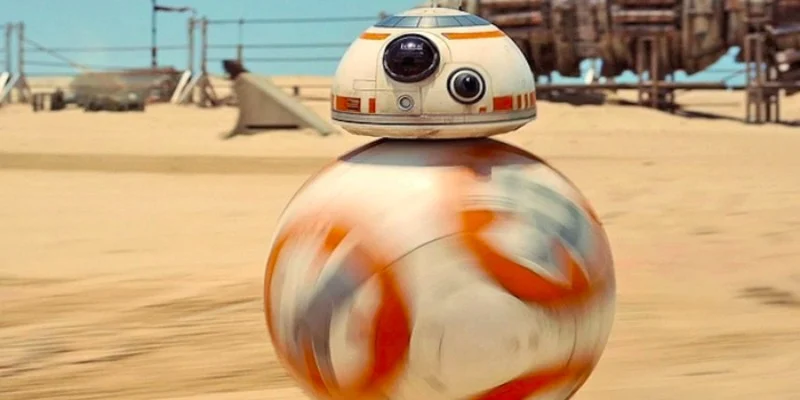
BB-8, the rolling droid, is an instant classic. Its expressive beeps and clever design make it as lovable as R2-D2. From outsmarting enemies to sparking joy in every scene, BB-8 steals the spotlight with ease.
The droid’s practical effects and playful personality keep it timeless. It’s a reminder of Star Wars’ knack for creating iconic sidekicks that win hearts across generations.
What’s your take on ‘The Force Awakens’—which moments still shine for you, or what flaws stand out most? Drop your thoughts in the comments!