


5 Ways The ‘Indiana Jones’ Movies Aged Poorly (& 5 Ways It Aged Masterfully)

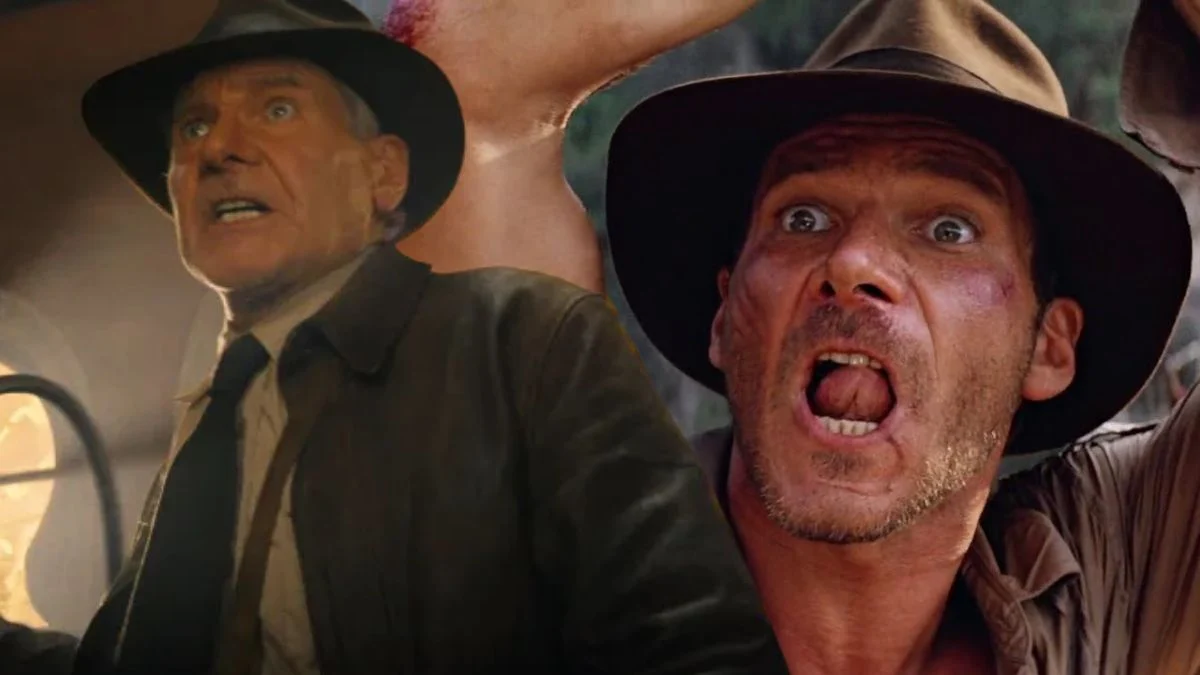


Few adventure series have traveled as far or lasted as long as the ‘Indiana Jones’ films. Beginning in 1981 and continuing through multiple decades and eras of filmmaking, the franchise spans five features that move from 1930s pulp treasure hunts to late twentieth century and space age backdrops. That wide timeline leaves a lot of ground to assess how certain choices hold up and how other elements still work exactly as intended.
This look focuses on concrete details from the productions and stories themselves. It covers effects methods, locations, release history, on screen depictions, and continuity choices across ‘Raiders of the Lost Ark’, ‘Temple of Doom’, ‘The Last Crusade’, ‘Kingdom of the Crystal Skull’, and ‘Dial of Destiny’. The goal is to spell out what changed, what stayed sturdy, and how the series functions today for anyone who wants the facts behind the fedora.
Aged Poorly: Stereotypes and cultural portrayals in ‘Temple of Doom’
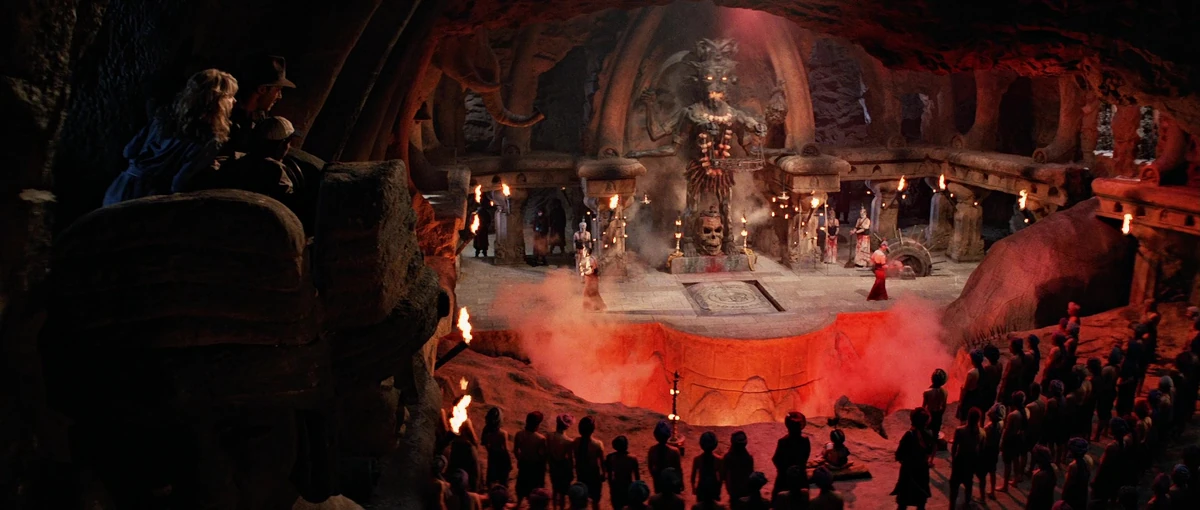
‘Temple of Doom’ presents the Thuggee cult as a secret network involved in human sacrifice and mind control, and it stages set pieces around these ideas inside a fictionalized temple. The film also uses an infamous dinner sequence with exaggerated dishes and a village in distress that depends on a foreign hero to restore sacred stones. These are specific examples of portrayals that simplify complex cultures and beliefs for pulp storytelling.
The production used Indian themes but filmed substantial portions in Sri Lanka and on UK stages when permissions and logistics shifted. The script positions the story as a prequel set in 1935, which places its events before ‘Raiders of the Lost Ark’. That choice explains why familiar allies are absent, but it also concentrates the film’s depiction of South Asia into a single adventure that leans on sensational elements rather than regional nuance.
Aged Masterfully: Practical stunts and real world effects across the series
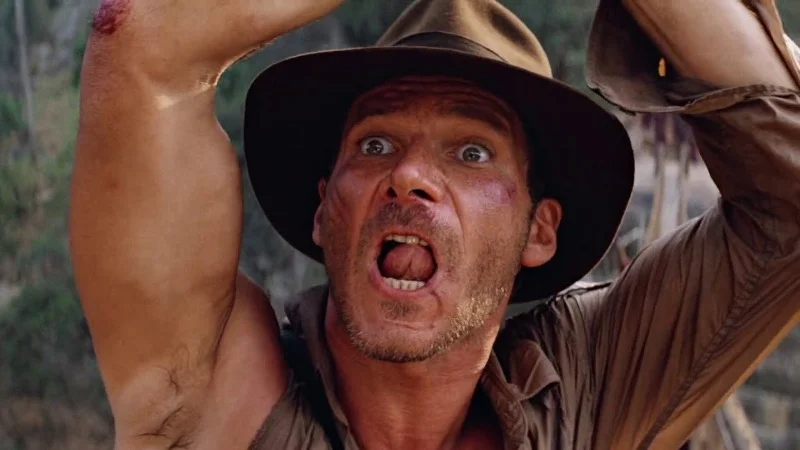
The truck chase in ‘Raiders of the Lost Ark’ uses in camera stunt work that includes a full body drag beneath a moving vehicle, coordinated by veteran stunt performers and recorded on location. The flying wing fight places actors and stunt teams around a rotating propeller rig built at scale, with pyrotechnics and timed cues creating the fuel tank explosion in camera.
‘Temple of Doom’ blends miniatures and full size rigs for the mine cart chase, which were photographed at higher speeds to sell weight and momentum before being composited. ‘The Last Crusade’ extends this approach with tank sequences that rely on large practical builds and second unit photography. These methods give later viewers a clear record of how the action was achieved without digital tools.
Aged Poorly: The Indy and Marion backstory reads differently today
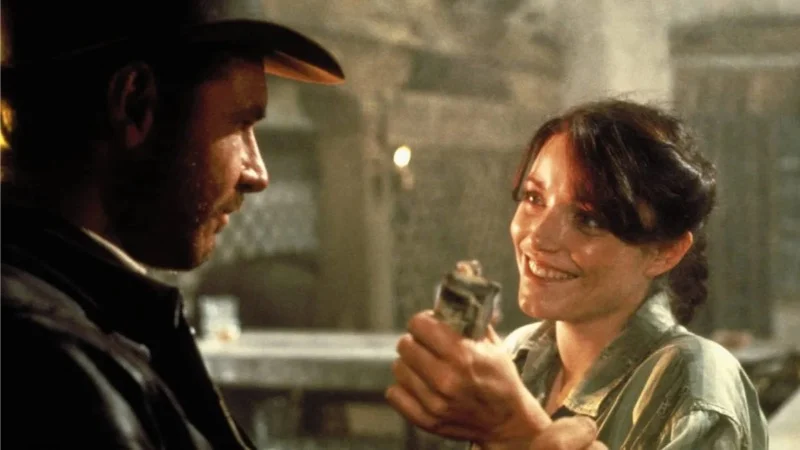
In ‘Raiders of the Lost Ark’ the dialogue and setup indicate that Indiana Jones studied under Abner Ravenwood years earlier and had a past romantic relationship with Marion while spending time around her family. The film frames this as a history that ended badly before 1936, then reunites them when the Ark search begins. The script offers no exact ages, but it presents a power imbalance between a graduate level archaeologist and the daughter of his mentor that is now discussed with closer scrutiny.
Later entries shift the dynamic to adult partners with shared history. ‘Kingdom of the Crystal Skull’ confirms that Indy and Marion had a son named Mutt and reconnects them as equals working toward the same goal. That development reframes their earlier history within a long arc that carries through to later years.
Aged Masterfully: Production design and globe trotting authenticity
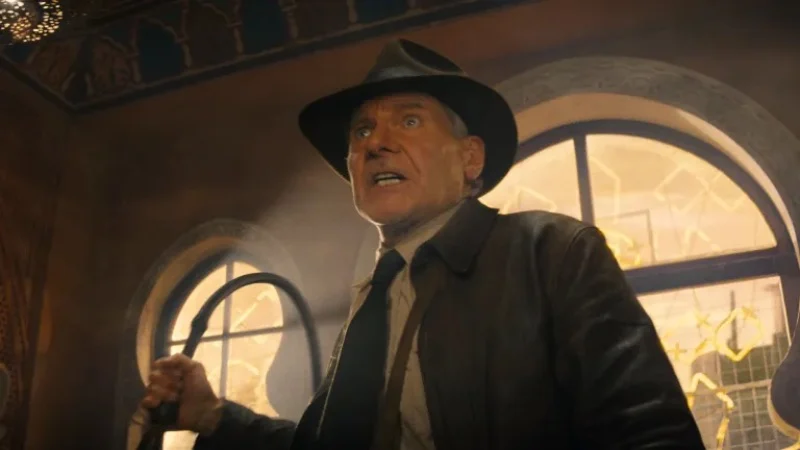
The films use a mix of location work and built environments to ground their stories. ‘Raiders of the Lost Ark’ shoots its Cairo sequences in Tunisia and stages the opening temple in Hawaii and on UK stages, with production design by teams that filled sets with period correct props, signage, and machinery. The U boat pen uses a real facility in La Rochelle that also appears in other World War II productions, which adds identifiable architecture to the frame.
‘The Last Crusade’ travels through Spain, Italy, and Jordan to portray deserts, catacombs, and the canyon approach to the Grail temple, while interior sets are constructed at British soundstages with consistent stonework and aging treatments. ‘Dial of Destiny’ returns to European locations tied to the late 1960s setting, including New York sequences built with period vehicles and signage to match the Apollo era timeline.
Aged Poorly: Use of live animals and on set practices now outdated
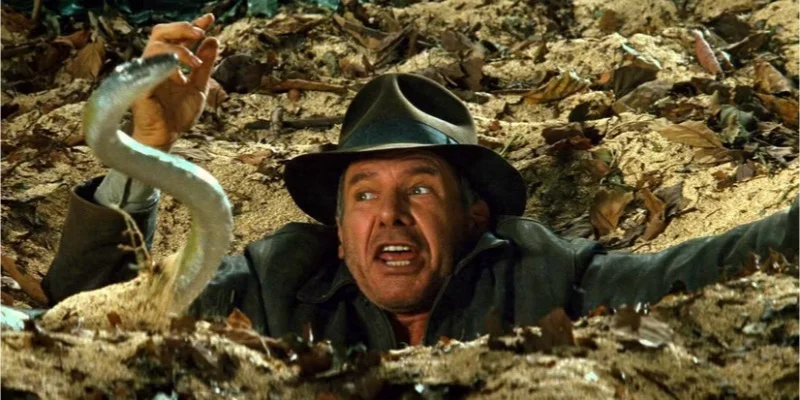
‘Raiders of the Lost Ark’ fills the Well of Souls with large numbers of live snakes, which required temperature control, handlers, and safety glass for close shots with the cobra. ‘Temple of Doom’ stages scenes with live insects and practical gags involving animal parts at the banquet. These choices reflect common practices in the early 1980s that are less standard now because productions increasingly design creature moments with animatronics or digital elements.
Animal welfare oversight on sets expanded over the decades, and many modern productions verify that no animals were harmed during filming. The shift toward mechanical rigs and computer generated creatures reduces stress on live animals and allows filmmakers to design shots that would be difficult or unsafe to achieve with living specimens. The difference is visible when comparing the creature work in the earlier films to the later entries.
Aged Masterfully: Awards and industry recognition for craft
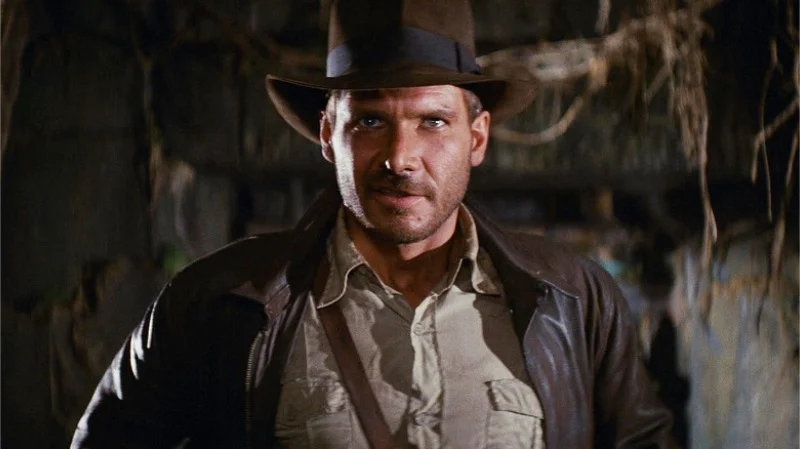
‘Raiders of the Lost Ark’ received Academy Awards for art direction, film editing, sound, and visual effects, along with a special achievement recognition for sound effects editing. It was also nominated for best picture and best director, which places the film among the most widely recognized studio adventures of its era in terms of craft.
‘Temple of Doom’ won the Academy Award for visual effects, and ‘The Last Crusade’ won for sound effects editing. ‘Kingdom of the Crystal Skull’ received a nomination for visual effects. This pattern of nominations and wins across multiple entries documents sustained excellence in departments that shape how the films look and feel on screen.
Aged Poorly: Heavy digital imagery in later entries
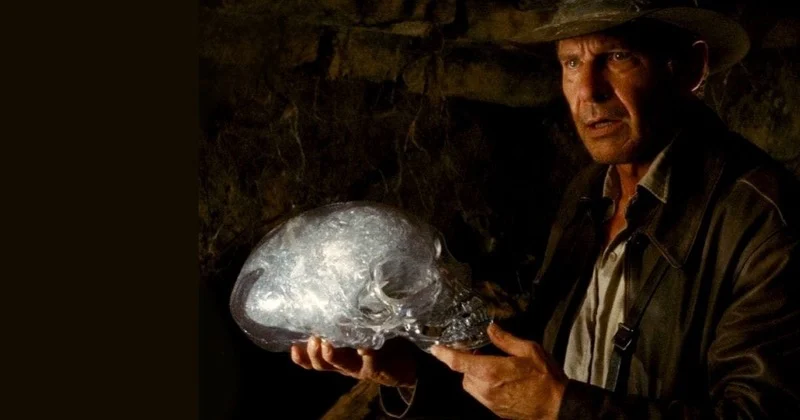
‘Kingdom of the Crystal Skull’ introduces sequences that rely on computer generated imagery to a degree not seen in the original trilogy, including the jungle chase with digital vegetation interaction and the ant swarm that surrounds characters during a fight. The opening nuclear test includes a blast effect created with digital tools around a practical town set and a lead lined refrigerator gag that depends on visual effects augmentation.
‘Dial of Destiny’ uses extensive digital work for de aging in its prologue and for large scale third act imagery tied to an ancient mechanism. The series therefore contains a clear contrast between practical composites and later digital composites, and that contrast is easy to track when viewing the films in release order.
Aged Masterfully: Serial structure and teachable set pieces
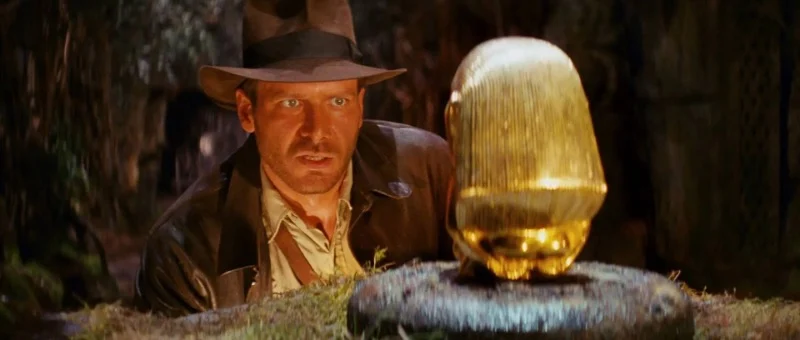
Each film opens with a self contained sequence that teaches character skills and stakes before the main quest. ‘Raiders of the Lost Ark’ begins with traps and a golden idol that establish problem solving under pressure. ‘The Last Crusade’ starts in 1912 with a young Indy who acquires the fedora and learns the importance of research and provenance, portrayed by River Phoenix in a flashback that connects directly to the adult character.
The middle sections mix research scenes, maps with travel lines, and artifact lore that connect archaeology, languages, and history. The grail markers in ‘The Last Crusade’ use rubbing techniques and library work, while ‘Raiders of the Lost Ark’ sequences show field methods like surveying and navigating a dig site. Viewers can follow the steps and see how clues link to locations and objects.
Aged Poorly: Timeline quirks and retroactive continuity puzzles
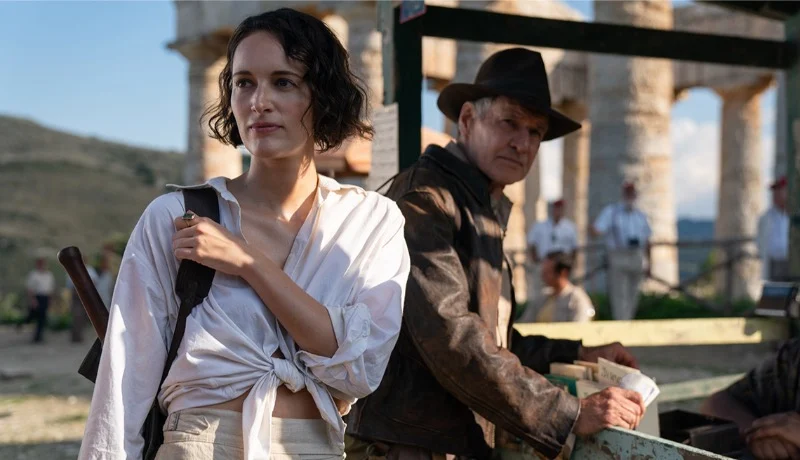
The series sets ‘Temple of Doom’ in 1935 even though it arrived in theaters after ‘Raiders of the Lost Ark’, which is set in 1936. ‘The Last Crusade’ follows in 1938 and ‘Kingdom of the Crystal Skull’ jumps to 1957 with Cold War antagonists, motorcycles, and mid century settings. ‘Dial of Destiny’ moves to 1969 and places the story around an artifact connected to classical antiquity during the year of the Apollo 11 moon landing.
This out of sequence progression creates two common viewing orders that appear on home media menus and streaming hubs. One follows production release, which matches how audiences originally saw the films. The other follows the in world chronology of 1935, 1936, 1938, 1957, and 1969. The difference affects character introductions and running gags that were designed for audiences who first encountered them in the release order.
Aged Masterfully: Multi decade continuity led by Harrison Ford
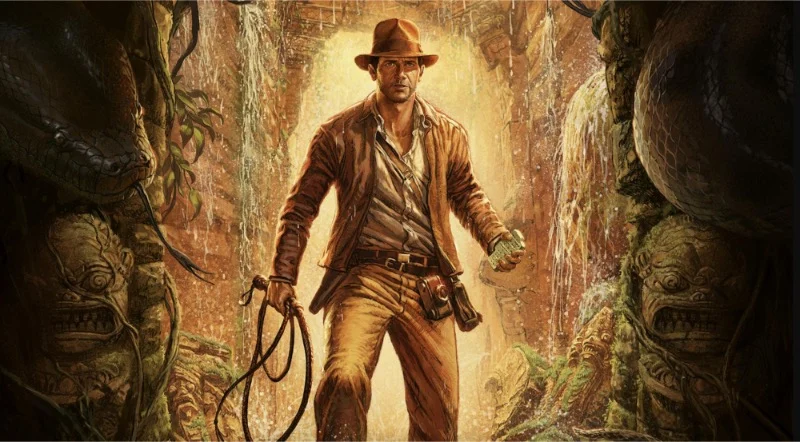
Harrison Ford first appears as Indiana Jones in 1981 and returns to the role across films released in 1984, 1989, 2008, and 2023. The span totals more than four decades between first and most recent appearances, which is uncommon for a single lead actor in a continuing film series. The character’s look remains consistent with the fedora, jacket, whip, and shoulder bag as durable visual anchors across changing eras.
Supporting roles also tie the series together in measurable ways. Karen Allen’s Marion Ravenwood appears in the first and fourth films and returns again in ‘Dial of Destiny’. John Rhys Davies plays Sallah in the first and third films and appears once more in the 1969 story. These returns give the franchise a documented continuity of faces and relationships that viewers can track across long gaps between releases.
Share your favorite detail, discovery, or behind the scenes fact about the series in the comments so everyone can compare notes.