


5 Ways The ‘James Bond’ Movies Aged Poorly (And 5 Ways It Aged Masterfully)

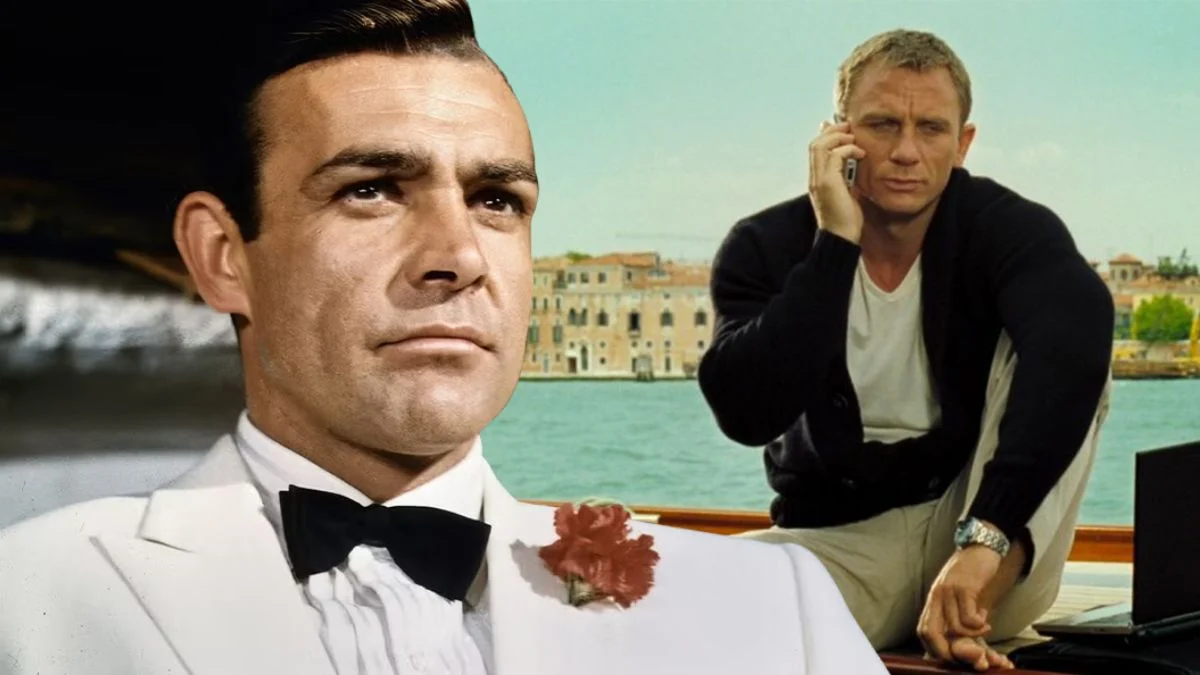


The ‘James Bond’ series spans decades. It shaped spy cinema and pop culture around the world. Some parts feel dated today. Other parts still look sharp and fresh.
This list looks at both sides. It shows where the films stumble and where they still shine. Each point is clear and simple. No fluff, just facts.
Sexist Tropes and Consent Issues — Aged Poorly
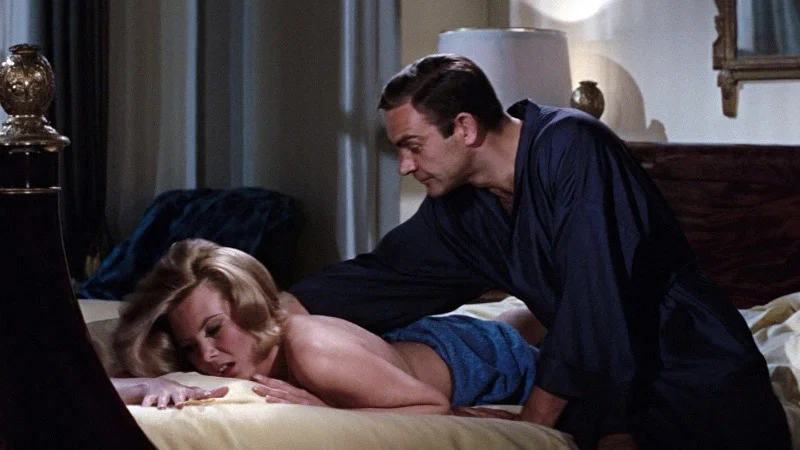
Many early stories treat women as rewards or plot tools. Bond’s charm often overrides clear consent. That tone feels wrong now. It can undercut the stakes and the romance.
These scenes also flatten female characters. They are often sidelined after one key moment. The result is shallow writing and weak arcs. Modern viewers notice and push back.
Practical Stunts and Real Locations — Aged Masterfully
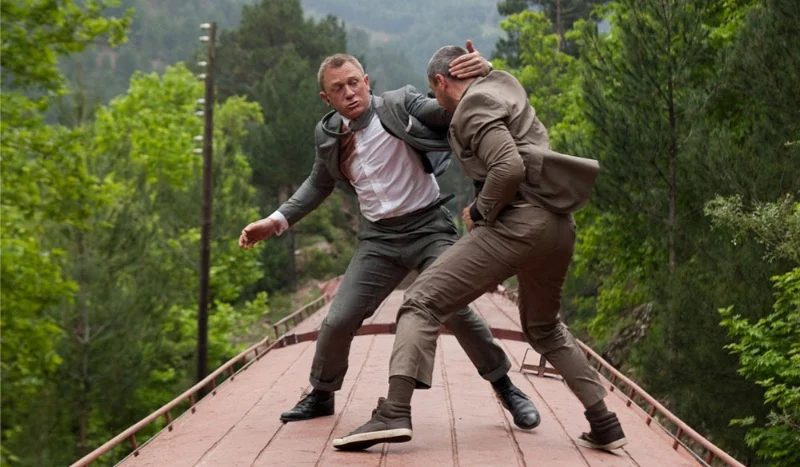
The series built its name on real stunts. Big jumps, car chases, and daring set pieces still look great. Physical action ages better than heavy CGI. You feel the weight and the risk.
The travel also helps. The films shoot in striking places. The mix of landmark sites and bold set design keeps the world vivid. It holds up on any screen.
Racial Stereotypes and Exoticism — Aged Poorly
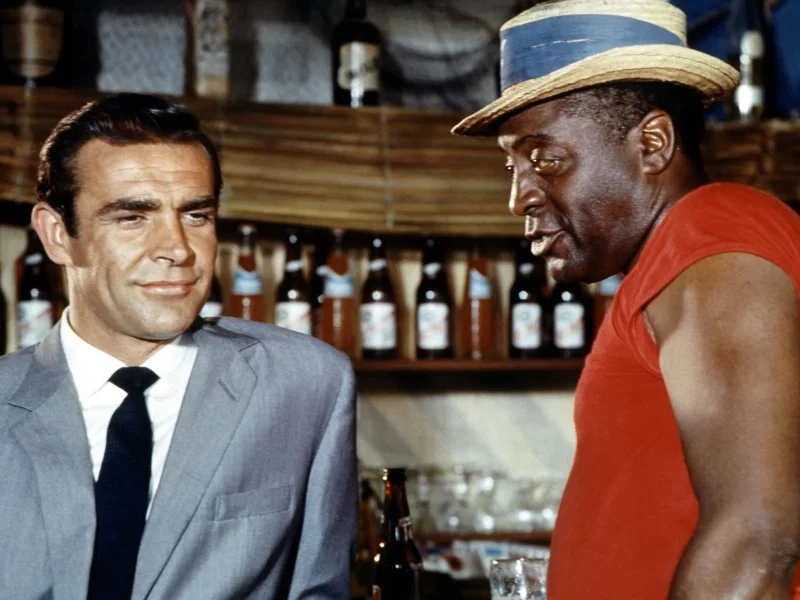
Some entries lean on crude stereotypes. Cultures become backdrops or jokes. That makes scenes feel small and mean. It also dates the films fast.
There are also moments of caricature makeup and accents. These choices break immersion today. They distract from story and craft. They are hard to rewatch.
Timeless Theme Music and Opening Style — Aged Masterfully
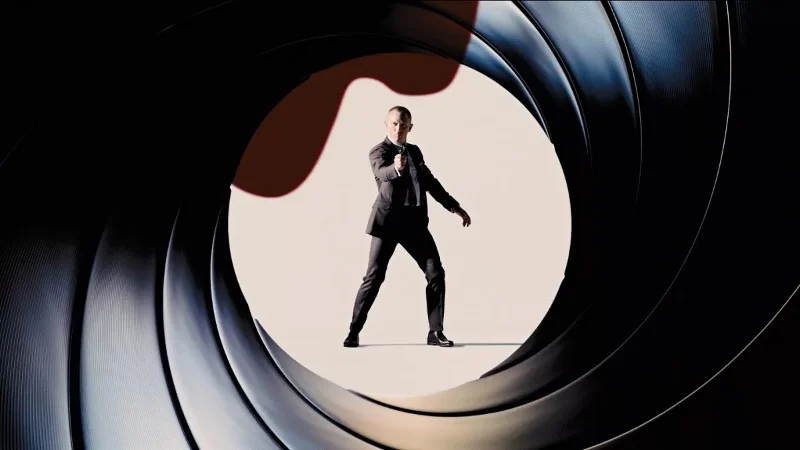
The gun-barrel, the theme riff, and the title song formula still work. They set mood in seconds. You know the tone right away. It is bold and simple.
The title sequences mix imagery, silhouettes, and symbols. They bridge plot and style. Many series tried to copy this ritual. Few match its punch.
Campy One-Liners and Goofy Names — Aged Poorly
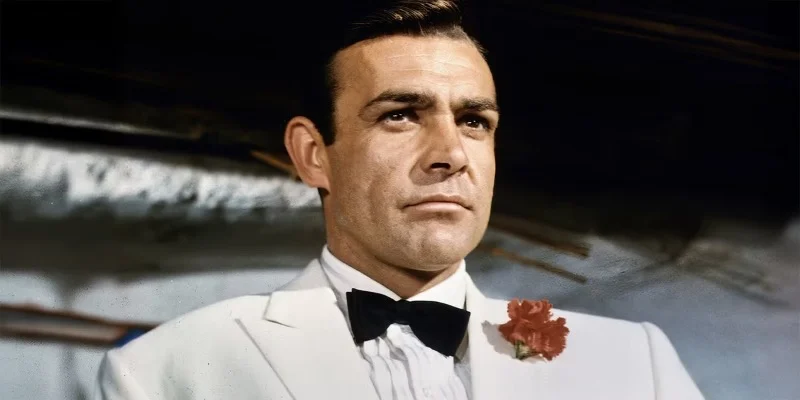
Quips once felt clever. Some now sound corny. They can kill tension after a strong scene. The same goes for pun-heavy character names.
These bits can be fun in small doses. But stacked together, they date the films. The humor lands less often with new audiences. It pulls focus from the story.
Reinvention with ‘Casino Royale’ [2006] — Aged Masterfully
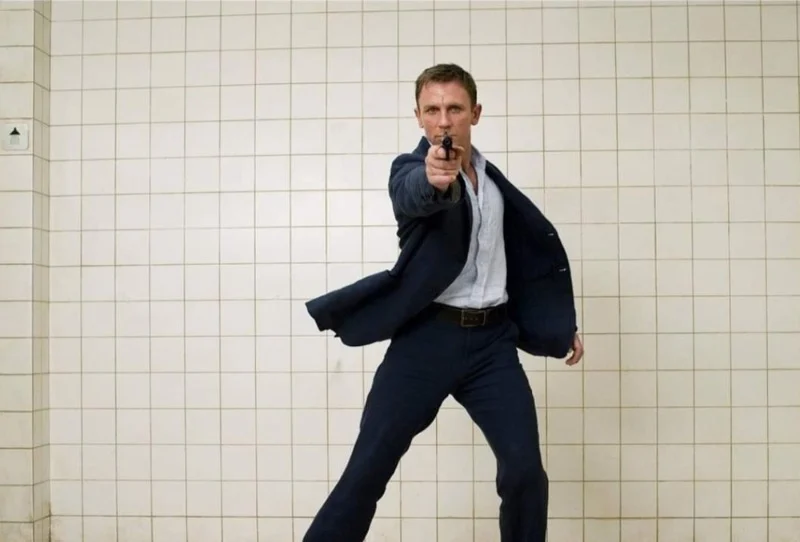
The reboot stripped Bond to the core. It showed raw training, real pain, and a tighter plot. The romance had weight and cost. The action felt grounded.
This reset kept classic elements but cut the fluff. It proved the brand could evolve. It also set a bar many action movies still chase. The update holds strong.
Product Placement Overload — Aged Poorly
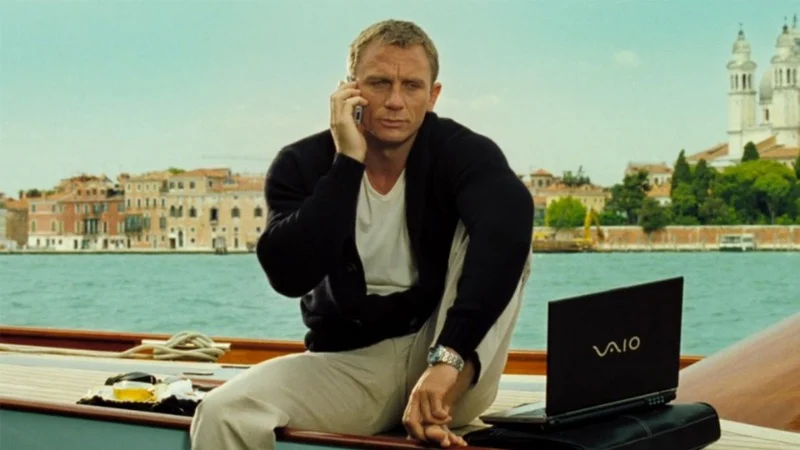
Brand shots became more obvious over time. Watches, cars, and drinks fill the frame. When it feels like an ad, it breaks the spell. Viewers notice the sell.
A few nods are fine in a slick world. But heavy placement can age fast. It ties a scene to a trend. That hurts rewatch value.
Cold Open Action Formula — Aged Masterfully
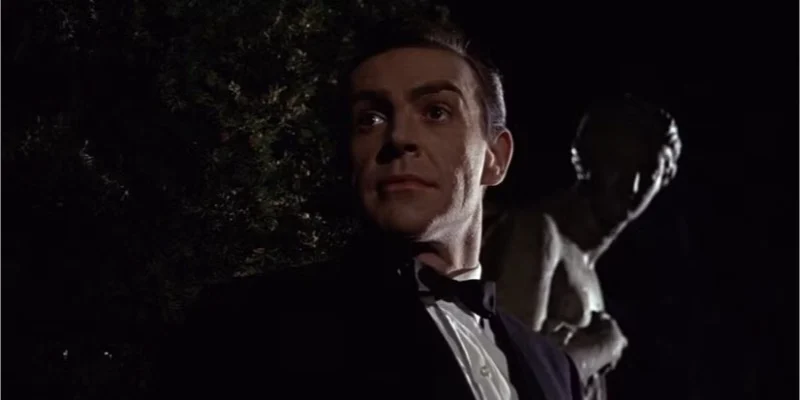
The pre-credits mission remains a great hook. It delivers a mini-movie before the main plot. You get a clear tone, a stunt, and a tease. It builds hype for the title sequence.
This structure keeps pacing tight. It rewards repeat viewing. Many franchises borrowed it. It still feels crisp today.
Tech and Hacking Logic — Aged Poorly
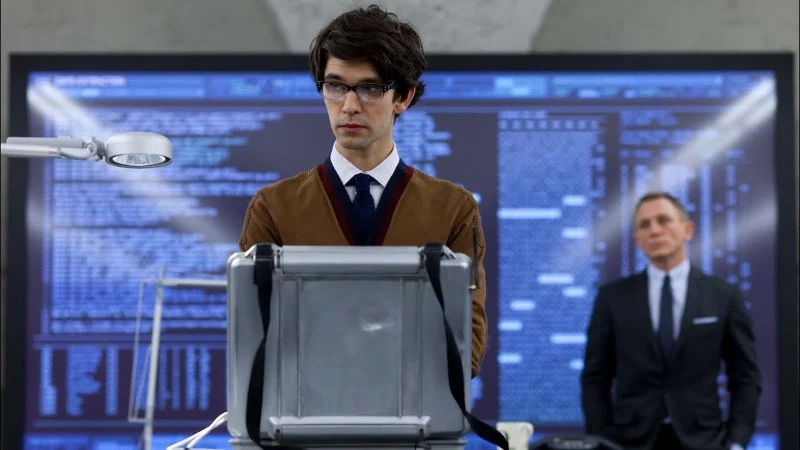
Some gadgets still charm. But screen hacking and digital plots can look silly now. Fast fake progress bars and magic code age poorly. They break believability.
When the tech drives the story, weak details show. The films work best when tools feel plausible. Wild digital leaps don’t hold up. They date the scripts.
Enduring Villain Archetypes and Gadgets — Aged Masterfully
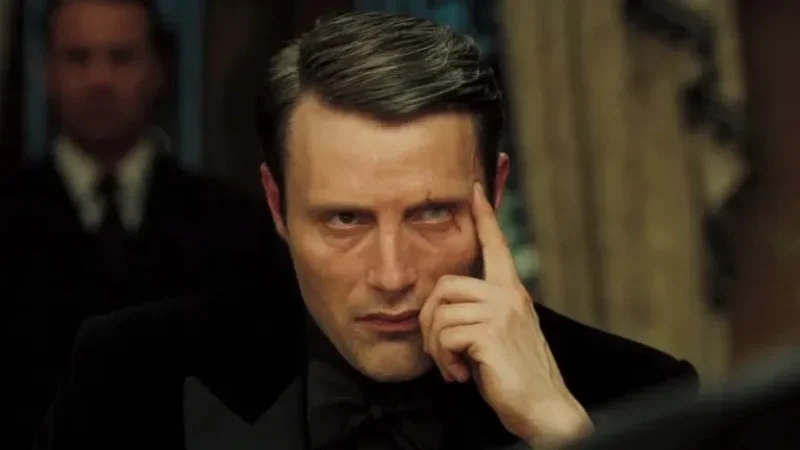
The series perfected the stylish mastermind. Clear goals, bold lairs, and distinct henchmen make them memorable. Their presence lifts each showdown.
Gadgets also add flavor when used with restraint. A small tool solves a hard problem. It is clever, not cartoonish. That balance still plays well.
Share your take: which parts of ‘James Bond’ feel timeless to you, and which ones make you wince today?