


10 Ways ‘The Last of Us’ Season 2 Aged Poorly

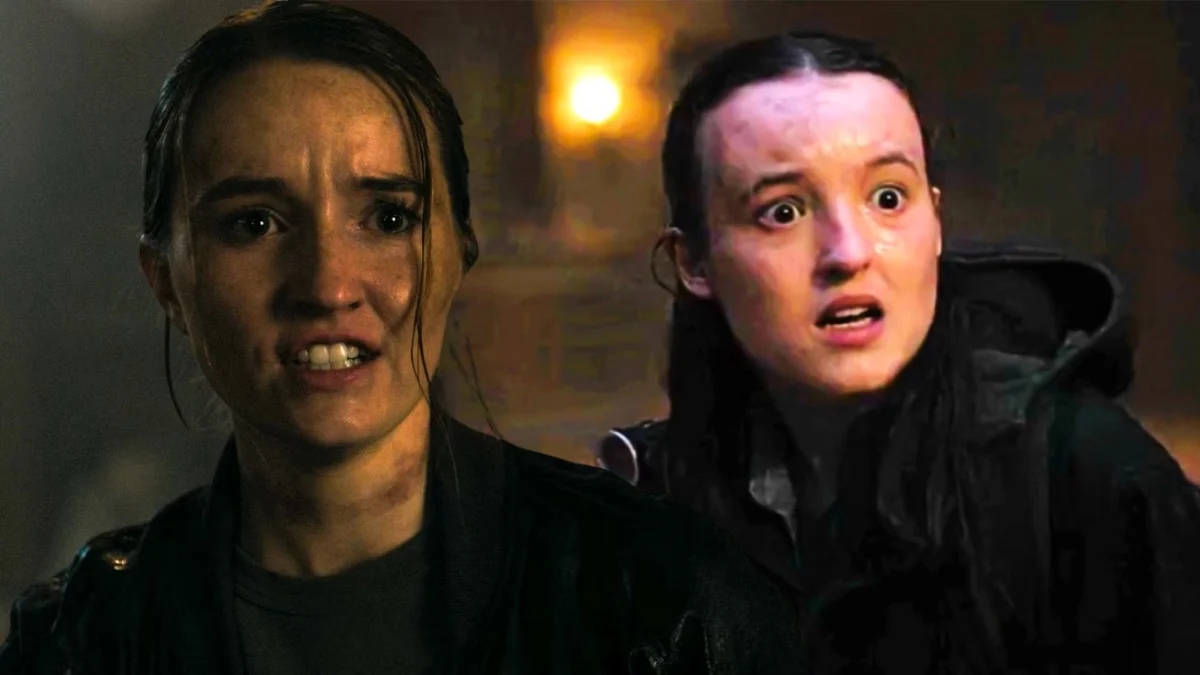


HBO’s ‘The Last of Us’ took the world by storm with its first season, delivering a gripping adaptation of the beloved video game. Fans, including myself, were thrilled by its emotional depth and stunning visuals, setting high expectations for season two.
However, the second season, which aired in 2025, hasn’t held up as well. Despite some strong moments, certain choices in storytelling, pacing, and character development have left it feeling less impactful over time. Here are ten reasons why season two of ‘The Last of Us’ (2023-2025) hasn’t aged as gracefully as hoped.
10. Rushed Story Arcs
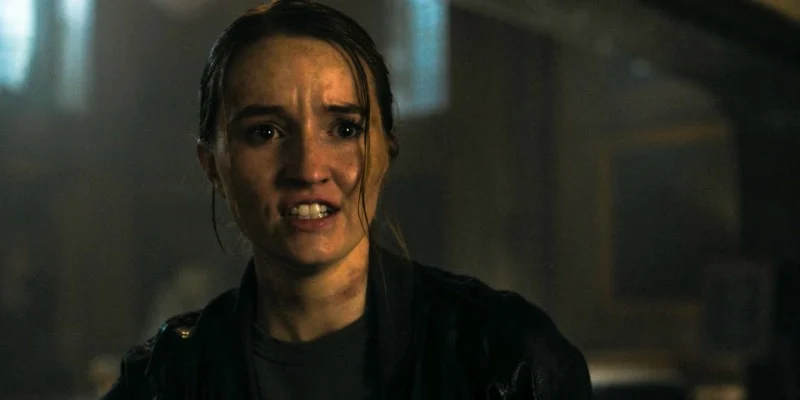
The decision to split ‘The Last of Us Part II’ (2020) into multiple seasons led to a rushed narrative in season two. With only seven episodes, key events felt cramped, leaving little room for emotional weight.
For example, Ellie’s journey lacks the slow build that made the game so gripping. I found myself wanting more time to connect with her struggles, but the pacing hurried through critical moments, making them feel less earned.
9. Weak Character Development for New Faces
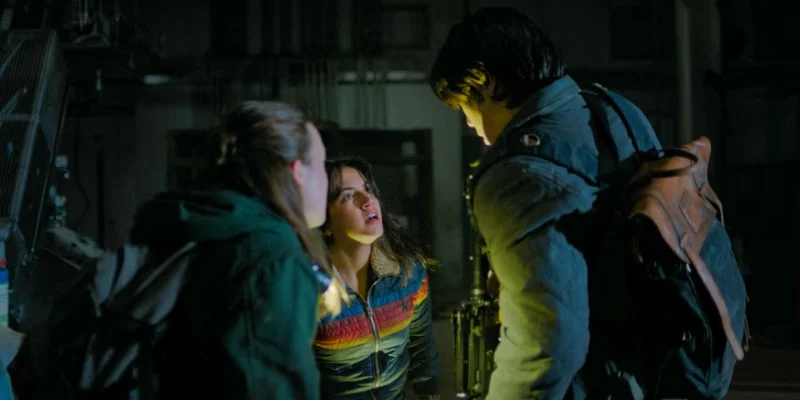
New characters like Abby and Isaac were introduced with promise but fell flat due to limited screen time. Kaitlyn Dever’s Abby and Jeffrey Wright’s Isaac had potential, but their backstories were barely explored.
This left their motivations unclear, making it hard to care about their actions. I was disappointed that such pivotal characters didn’t get the depth they deserved, unlike the rich supporting cast in season one.
8. Inconsistent Tone
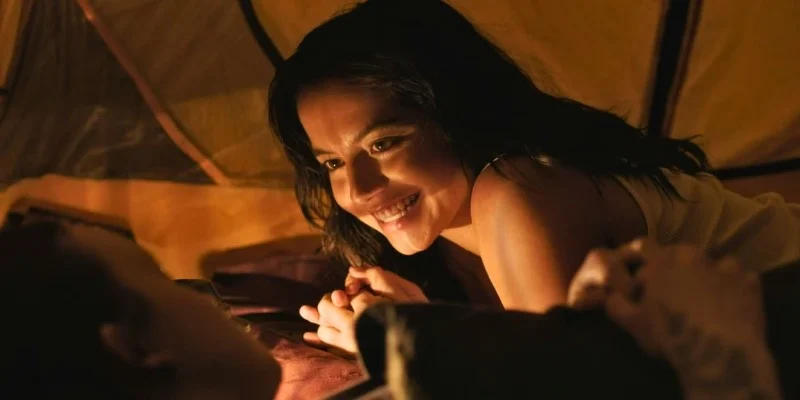
Season two struggles to balance its dark themes with lighter moments. While the game masterfully blended despair and hope, the show often feels jarring, shifting from intense violence to casual banter too quickly.
For instance, Ellie and Dina’s road-trip-like moments clashed with the story’s grim stakes. This uneven tone made it hard for me to stay immersed in the world.
7. Underused Infected
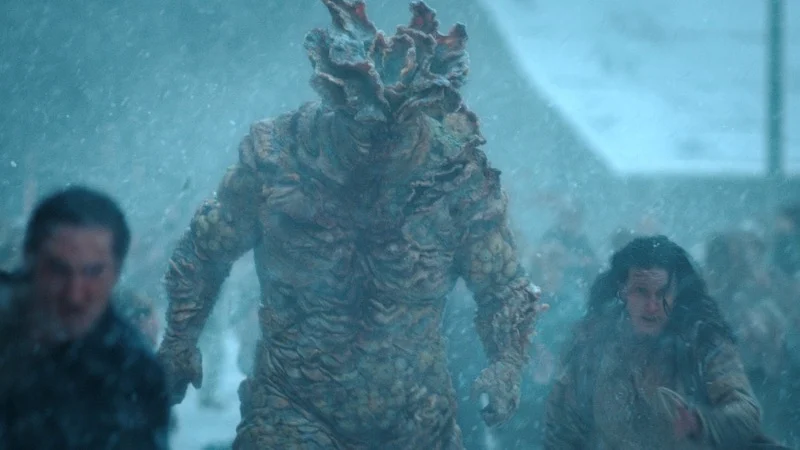
The infected, a hallmark of ‘The Last of Us’ (2013), took a backseat in season two. While there are standout scenes, like the subway chase, the creatures appear less frequently than expected.
This reduced the sense of danger that defined the first season. I missed the constant threat of clickers and runners, which made every moment tense in the game.
6. Straying from the Source Material
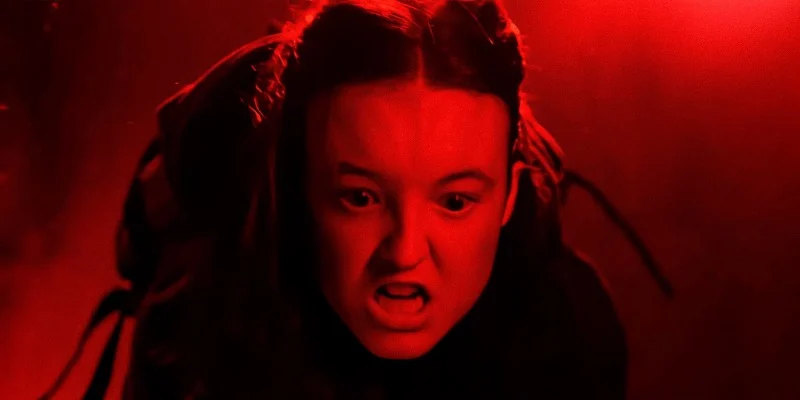
While adaptations need creative freedom, season two’s changes to ‘The Last of Us Part II’ (2020) often weakened the story. Key scenes, like Joel’s death, lost their emotional punch due to altered dialogue and presentation.
For example, Abby’s expanded dialogue during a pivotal moment felt out of place, diluting its impact. I felt the show strayed too far from the game’s raw intensity.
5. Ellie’s Mischaracterized Arc
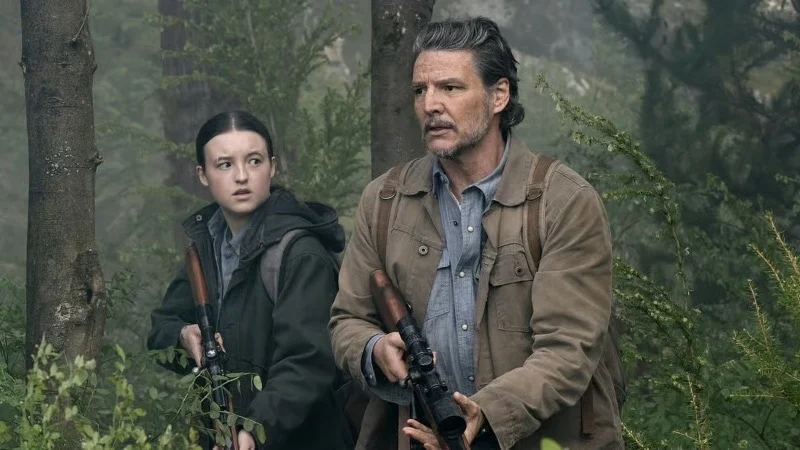
Bella Ramsey’s performance as Ellie is strong, but the writing portrays her inconsistently. Unlike the game’s driven and complex Ellie, the show sometimes paints her as overly carefree or suddenly cruel.
This made her actions, like her pursuit of revenge, feel unconvincing. I was frustrated that Ellie’s depth from the game didn’t fully translate to the screen.
4. Lack of Urgency
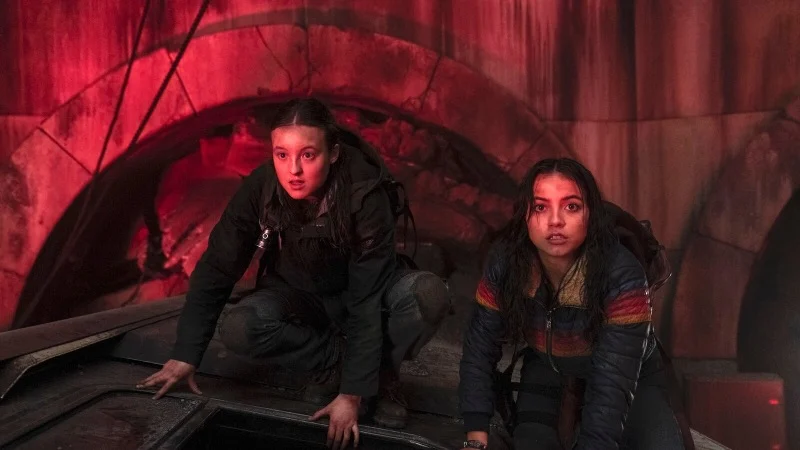
The pacing issues in season two sap the story of urgency. Ellie and Dina’s journey often feels like a leisurely adventure rather than a desperate mission, which undermines the stakes.
By the time key confrontations happen, they lack the buildup needed to feel meaningful. I found myself disengaged during moments that should have been heart-pounding.
3. Disappointing Finale
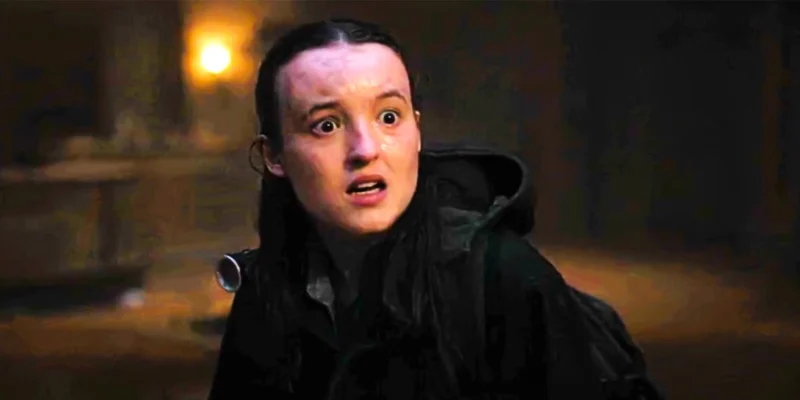
The season’s finale feels abrupt and unsatisfying, ending on a note that leaves too many threads dangling. Unlike the first season’s conclusive ending, season two stops just as the story ramps up.
This left me feeling cheated, as the climax didn’t deliver the closure or intensity I expected from such a dramatic setup.
2. Overreliance on Fan Service
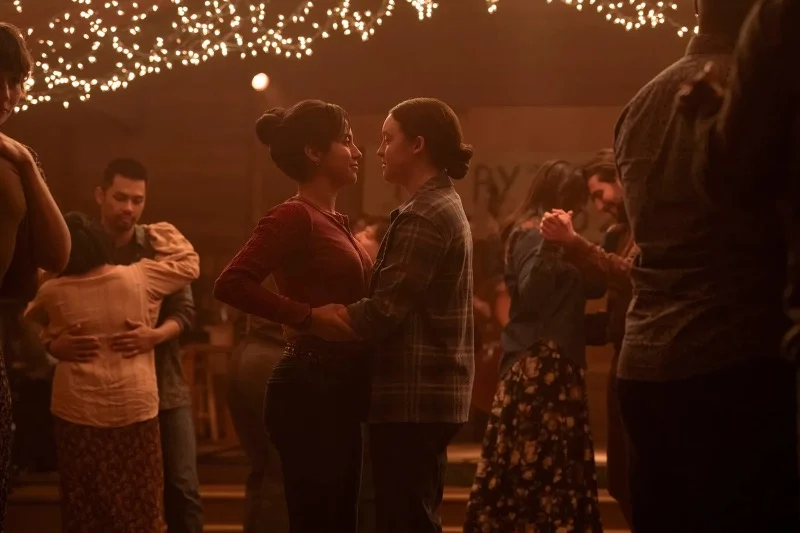
Season two leans heavily on fan service, like recreating game moments or adding musical numbers, but they often feel forced. These nods to the game overshadow original storytelling, making the show feel like a tribute rather than a standalone work.
I appreciated the references but wished they’d been woven in more naturally, as they sometimes disrupted the narrative flow.
1. Missed Emotional Depth
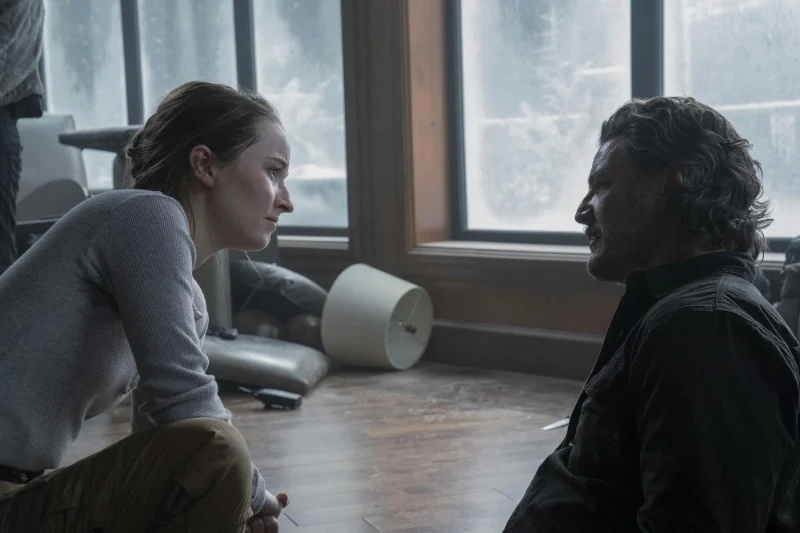
The heart of ‘The Last of Us Part II’ (2020) lies in its exploration of grief, revenge, and forgiveness, but season two skims over these themes. The show prioritizes action over the quiet, reflective moments that made the game profound.
This left me feeling disconnected from the characters’ emotional journeys. The lack of depth made the season feel hollow compared to its source material.
What’s your take on season two of ‘The Last of Us’—did it hit the mark for you, or do you agree it’s lost some shine? Drop your thoughts in the comments!