


5 Ways ‘The Matrix’ Aged Poorly (And 5 Ways It Aged Masterfully)

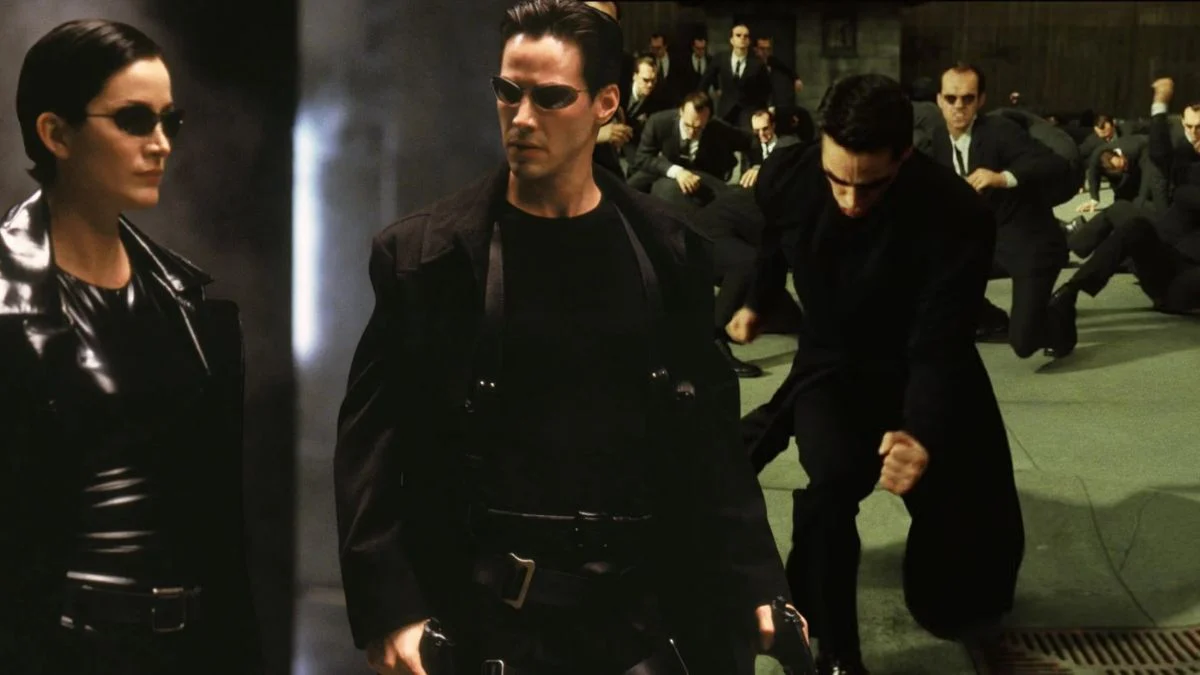


“The Matrix” (1999) hit theaters like a lightning bolt, blending groundbreaking visuals with a mind-bending story about reality and control. It shaped sci-fi for years, but not every part holds up today. Some elements feel dated or clunky, while others remain sharp and relevant. Let’s break down where the film struggles and where it shines in 2025.
This list dives into five ways “The Matrix” shows its age in a bad way and five ways it still feels fresh. From outdated tech to timeless themes, we’ll explore what’s faded and what’s endured. Here’s how the iconic film stacks up over two decades later.
Dated Visual Effects (Aged Poorly)
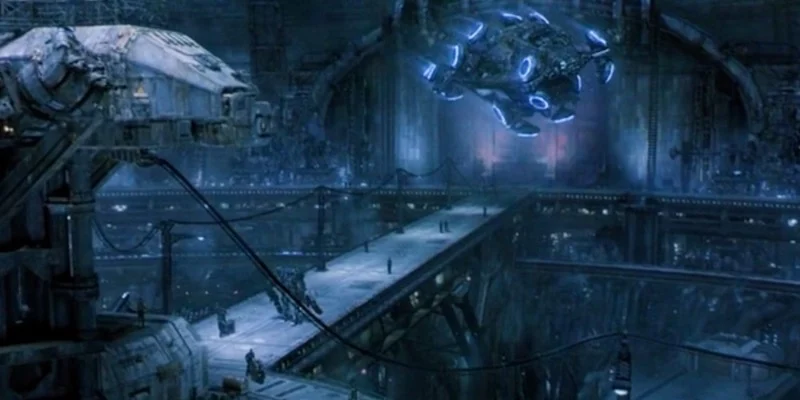
Some of the CGI in “The Matrix” looks rough today. Early scenes, like the helicopter crash, rely on computer graphics that feel blocky compared to modern standards. The green digital rain code, while iconic, sometimes looks like a relic of late ’90s tech. These moments pull you out of the story when viewed on today’s high-definition screens.
Back then, the effects were revolutionary, but they don’t always hold up. Smooth, hyper-realistic CGI in newer films makes some of “The Matrix” visuals seem stiff. It’s a reminder of how fast technology moves in filmmaking.
Groundbreaking Fight Choreography (Aged Masterfully)
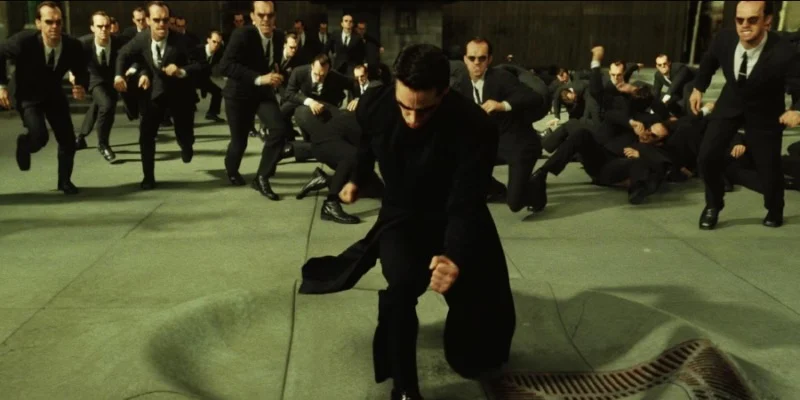
The fight scenes in “The Matrix” still pack a punch. Neo’s kung-fu battles, like the dojo fight with Morpheus, blend wirework and precise choreography that feel fresh even now. The moves are crisp, and the stakes make every punch land hard.
This style influenced countless action films, from superhero flicks to modern martial arts movies. The clarity of the fights, paired with the film’s philosophy, keeps them thrilling. You can’t help but watch in awe as Neo dodges bullets with style.
Clunky Dialogue (Aged Poorly)
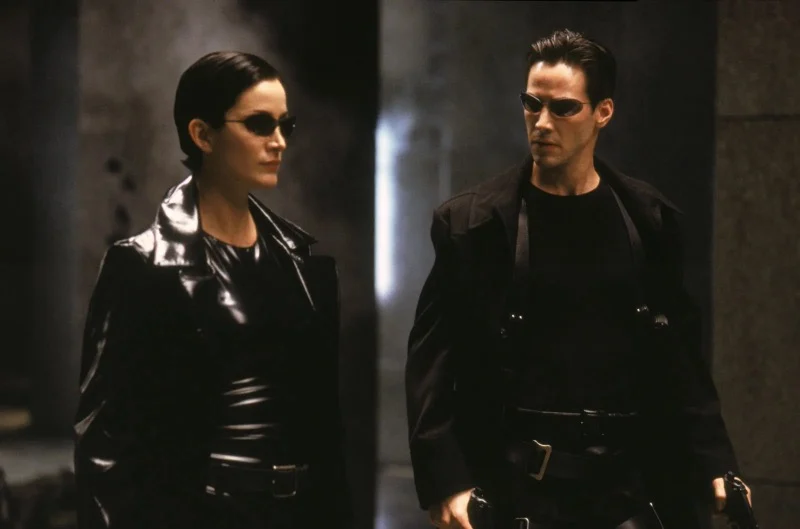
Some lines in “The Matrix” feel awkward today. Phrases like “There is no spoon” or Neo’s stilted exchanges with Trinity sound forced in spots. The dialogue tries to be profound but can come off as cheesy or overly serious.
Modern audiences expect sharper, more natural writing. While the big ideas carry weight, the delivery sometimes feels like a product of its time. It’s a small flaw, but it stands out on rewatches.
Timeless Philosophical Questions (Aged Masterfully)
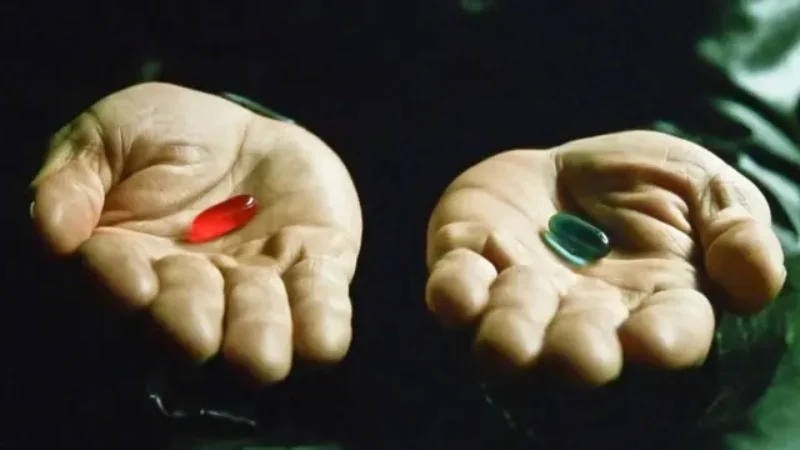
The film’s core question—what is reality?—still hits hard. It dives into ideas about free will, control, and the nature of existence, which feel just as relevant in today’s world of AI and virtual spaces. The Matrix’s simulation concept sparks debates that don’t fade.
These themes keep the movie alive in classrooms, forums, and casual talks. They push viewers to question their own world, making “The Matrix” more than just a sci-fi flick. It’s a conversation starter that endures.
Outdated Technology (Aged Poorly)
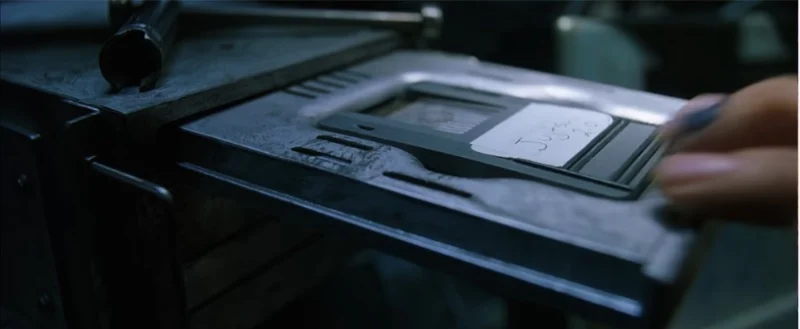
The tech in “The Matrix” screams 1999. Floppy disks, bulky monitors, and old-school cell phones look ancient now. Scenes of Trinity hacking with clunky interfaces feel like a time capsule from an era before smartphones and cloud computing.
While the story’s ideas about tech are still relevant, the actual gadgets on screen break the immersion. Modern viewers might chuckle at the dated hardware, which wasn’t an issue back then but stands out today.
Iconic Fashion (Aged Masterfully)
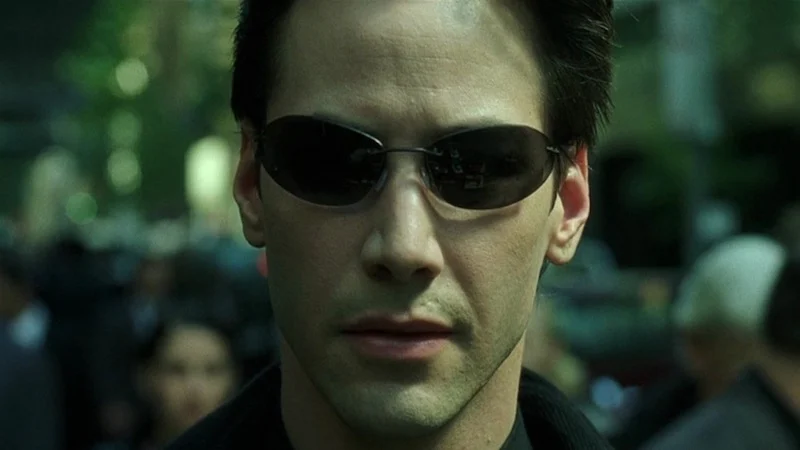
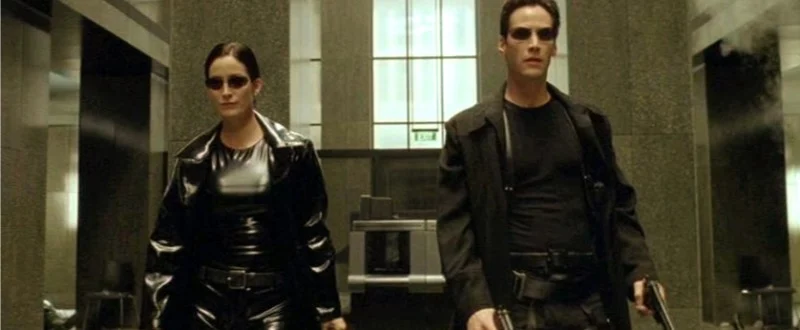
The black leather coats, sunglasses, and sleek outfits of “The Matrix” are still cool. Neo’s long trench coat and Trinity’s shiny jumpsuit set a style that’s been copied endlessly in pop culture. The look screams rebellion and fits the film’s vibe perfectly.
Even in 2025, the aesthetic holds up. It’s timeless, blending futuristic edge with practical grit. You see echoes of it in fashion trends and cosplay, proving the film’s style is still a winner.
Overly Serious Tone (Aged Poorly)
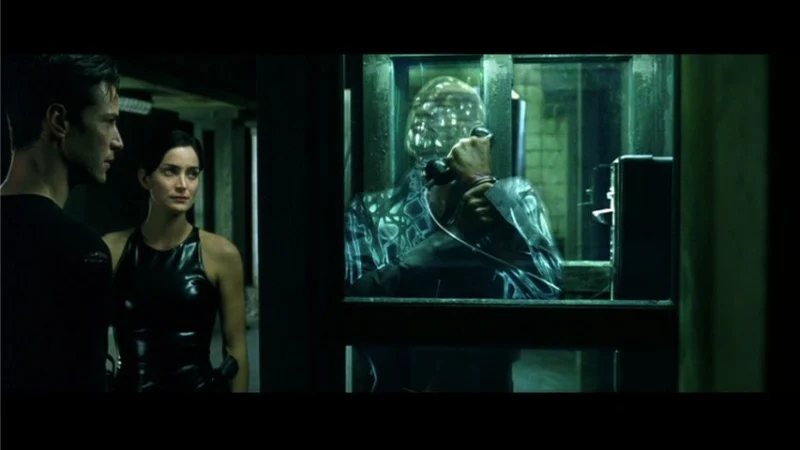
“The Matrix” takes itself very seriously, which can feel heavy today. The constant grim faces and intense monologues, like Morpheus explaining the world, sometimes border on parody. Modern films often mix humor to balance the weight, but this one rarely does.
That intensity worked in the ’90s, but it can feel one-note now. A lighter touch might’ve kept the vibe fresher for today’s audiences, who often prefer a bit of wit with their action.
Revolutionary Bullet Time (Aged Masterfully)
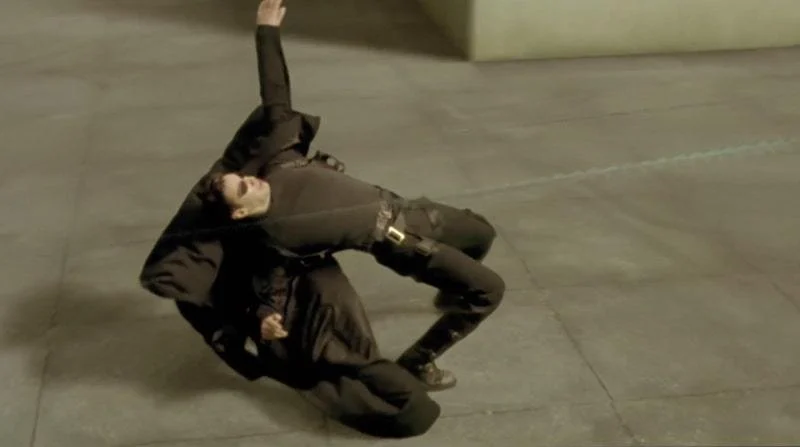
Bullet time, where the camera spins around frozen action, remains jaw-dropping. The rooftop scene where Neo dodges bullets is still a showstopper. It was a technical leap that changed how action is filmed, and it holds up on every rewatch.
Few films have matched its impact. The technique feels as slick now as it did then, blending style and storytelling in a way that’s hard to beat. It’s a reminder of why the movie was a game-changer.
Simplistic Villains (Aged Poorly)
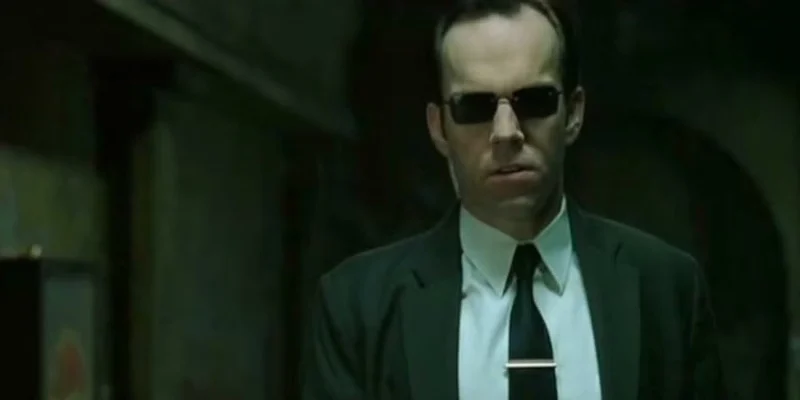
Agent Smith and his crew lack depth in parts. They’re menacing, sure, but their one-dimensional “evil program” vibe feels flat compared to modern villains with richer motives. Smith’s speeches are cool, but he’s mostly just a threat without much nuance.
Today’s audiences often want villains with complex backstories. The agents’ straightforward menace worked in 1999, but it feels a bit thin now, especially in a story with so many big ideas.
Cultural Impact (Aged Masterfully)
“The Matrix” reshaped sci-fi and pop culture in ways that still echo. It inspired games, anime, and countless films, from “Inception” to “John Wick.” Its blend of philosophy, action, and style created a blueprint that filmmakers still follow.
Beyond movies, it gave us terms like “red pill” and “glitch in the matrix,” now part of everyday language. The film’s influence is undeniable, keeping it relevant no matter how many years pass.
What’s your take on how “The Matrix” holds up today—share your thoughts in the comments!