


5 Ways ‘The Matrix Revolutions’ Aged Poorly (And 5 Ways It Aged Masterfully)

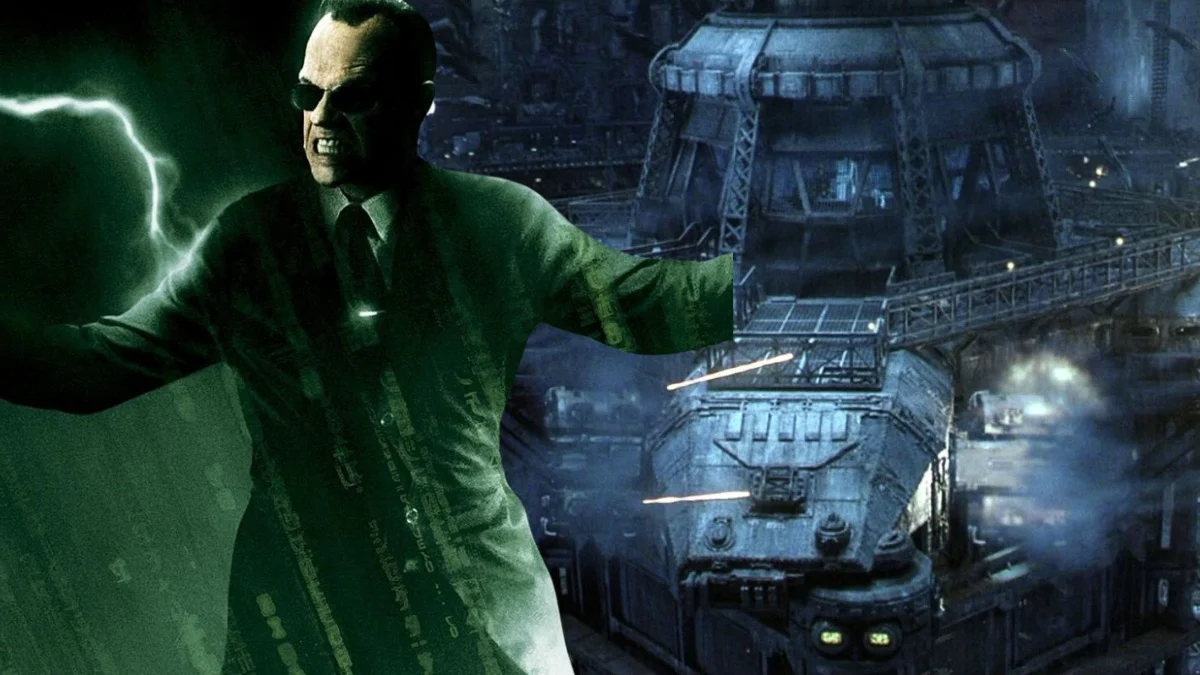


‘The Matrix Revolutions’ (2003) wrapped up the iconic trilogy with a bang, but not without controversy. Fans loved the action and philosophy, yet some felt it didn’t live up to the original’s spark.
Over two decades later, the film’s strengths and flaws stand out more clearly. Let’s break down five ways it hasn’t held up and five ways it still shines.
Visual Effects (Aged Poorly)
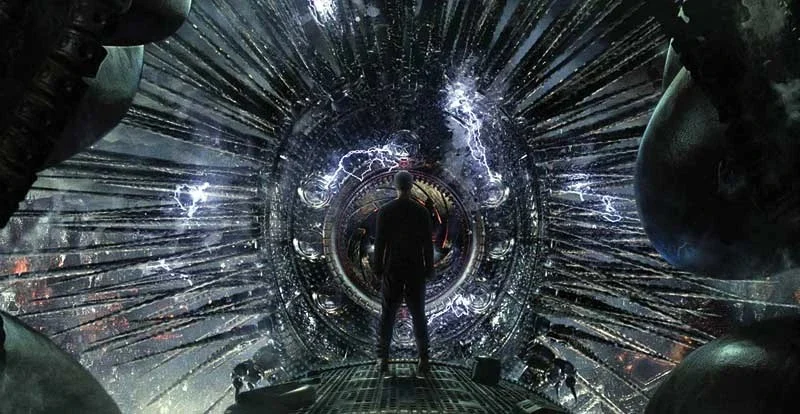
The film’s CGI-heavy sequences, like the Sentinel swarm, looked groundbreaking at the time. Now, some shots feel dated, with noticeable digital artifacts. Modern audiences expect seamless visuals, and certain scenes lack the polish of today’s blockbusters. The reliance on early 2000s tech shows its age.
Philosophical Depth (Aged Masterfully)
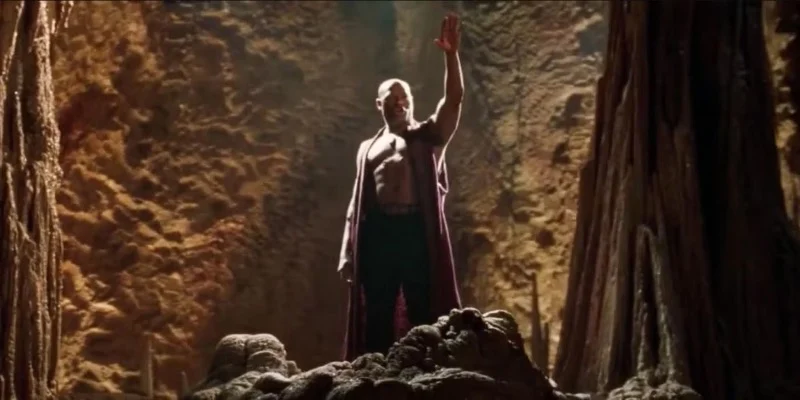
The movie’s exploration of free will and destiny remains compelling. Its blend of existential questions and action still resonates with viewers. Neo’s journey and the Architect’s cryptic dialogue invite rewatches. These themes feel timeless, sparking debates about choice and purpose.
Character Arcs (Aged Poorly)
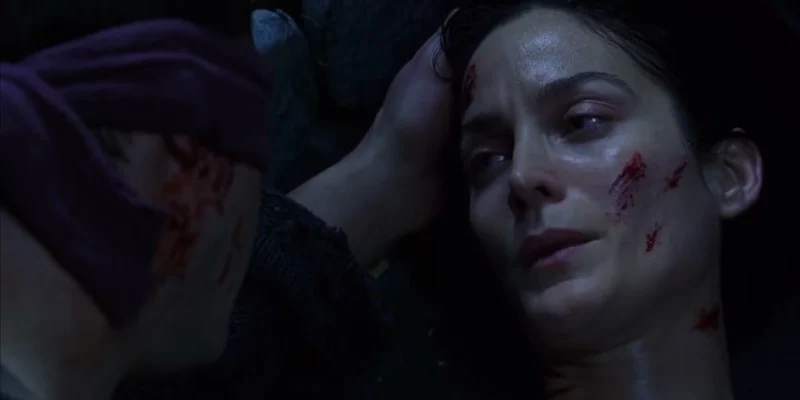
Some characters, like Trinity, feel sidelined with underdeveloped arcs. Her role, once central, seems reduced to emotional beats without depth. Secondary characters, like the Merovingian, lose focus, leaving plot threads dangling. This lack of closure frustrates fans expecting tighter storytelling.
Action Choreography (Aged Masterfully)

The film’s fight scenes, like the Dock Battle, still hold up. The blend of martial arts and sci-fi weaponry feels fresh and intense. Choreography remains a high point, with dynamic sequences that rival modern action films. The physicality keeps viewers glued to the screen.
Dialogue (Aged Poorly)
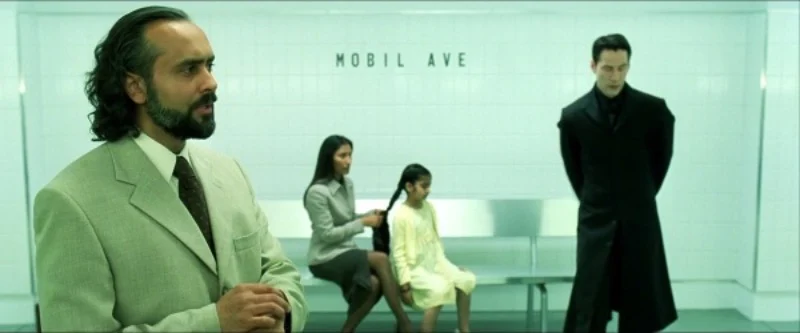
Some lines come off as clunky or overly dramatic today. Characters’ speeches can feel forced, pulling viewers out of the moment. Modern films lean toward naturalistic dialogue, making certain exchanges in Revolutions feel dated. The heavy exposition doesn’t always land.
World-Building (Aged Masterfully)
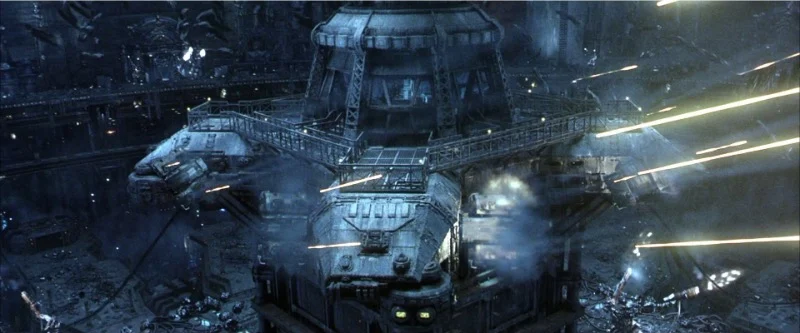
The expanded lore of Zion and the Machine City adds depth to the universe. These details create a rich, immersive sci-fi world. Even now, the intricate layers of the Matrix’s reality captivate audiences. The film’s ambition in crafting a complex setting endures.
Pacing Issues (Aged Poorly)
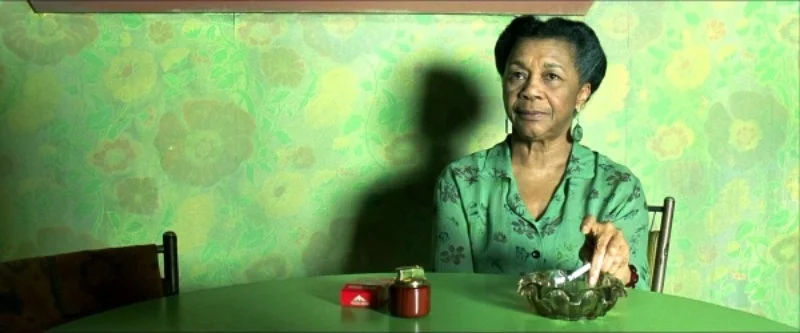
The film’s middle drags with long setup scenes that feel bloated. Prolonged discussions in Zion slow the momentum from earlier entries. Today’s audiences favor tighter narratives, and these lulls stand out. The uneven flow disrupts the epic stakes.
Emotional Impact (Aged Masterfully)
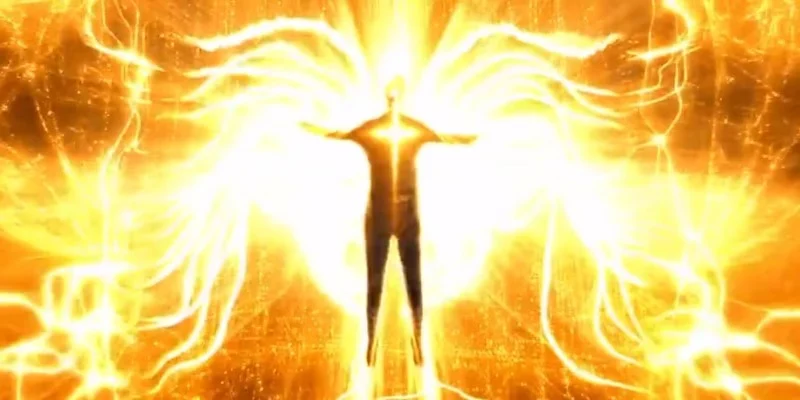
The film’s climax, with Neo’s sacrifice, hits hard emotionally. The stakes feel real, and the resolution carries weight. Viewers still connect with the themes of hope and loss. The heartfelt moments remain a strength, even years later.
CGI Character Designs (Aged Poorly)
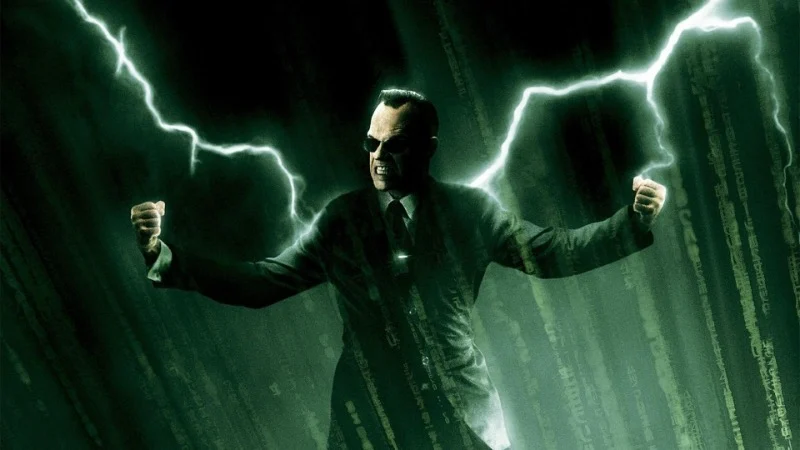
Digital characters, like the Smith clones, look less convincing now. Their uncanny appearance clashes with modern VFX standards. While ambitious for its time, the tech hasn’t aged gracefully. Current films achieve more lifelike digital humans, highlighting the gap.
Cultural Influence (Aged Masterfully)
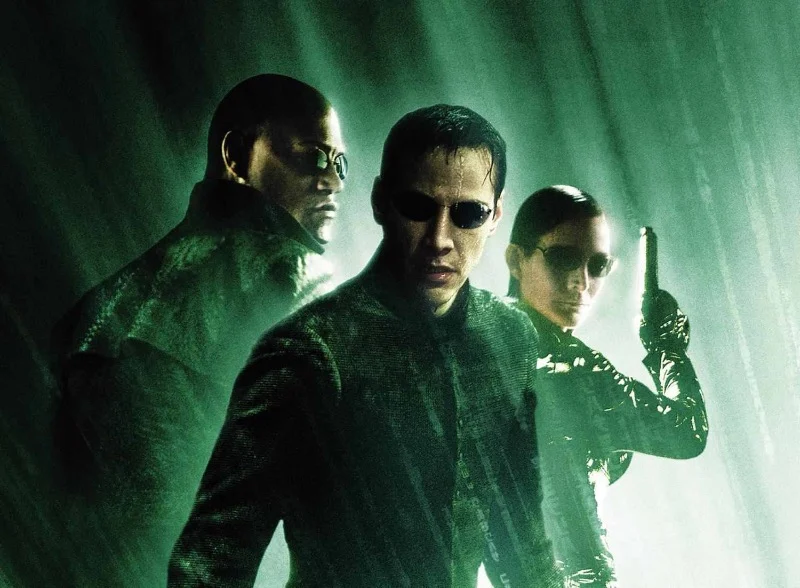
The film’s impact on sci-fi and pop culture is undeniable. Its imagery and concepts still inspire games, movies, and books. Revolutions cemented the trilogy’s legacy as a genre-defining work. Its bold ideas continue to shape storytelling today.
What’s your take on how ‘The Matrix Revolutions’ has aged—share your thoughts in the comments!