


5 Ways ‘The Office’ Aged Poorly (& 5 Ways It Aged Masterfully)

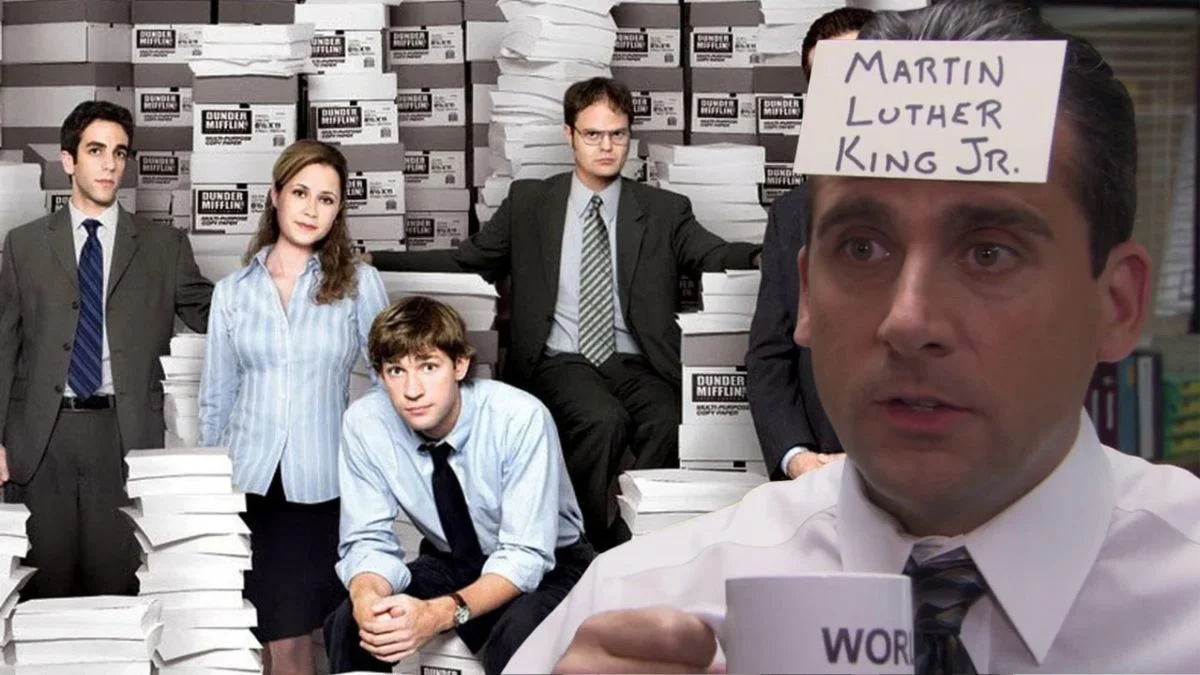


The American version of ‘The Office’ ran from 2005 to 2013 and followed a small paper company in Scranton through a mockumentary lens. It adapted the concept from the British original and built its own identity with longer character arcs, evolving office politics, and a distinct mix of cringe and warmth that defined a generation of workplace comedies.
As time has passed, some parts of ‘The Office’ feel out of step with current norms while other parts look sharper than ever. Here are ten focused ways the show’s choices, stories, and craft now read to modern viewers, split evenly between elements that have aged poorly and those that have aged masterfully.
Aged Poorly: Office conduct that clashes with modern HR standards

Many storylines depict behavior that modern companies would treat as violations of policy. Michael runs his own diversity session in season one without proper training, the staff sits through sexual harassment briefings while jokes continue, and managers drink with subordinates during events that double as work functions. Pranks that tamper with property or embarrass coworkers are treated as routine, even though most companies now spell out clear rules about that behavior.
The series also places its human resources representative in a limited role within the power structure. Toby is present but often ignored, which underscores how loosely compliance and reporting are treated inside the story. Current workplaces emphasize documented training, escalation paths, and retaliation protections, and the show’s everyday environment often operates outside those guardrails.
Aged Masterfully: A second life built for streaming and rewatching

After its network run, ‘The Office’ found enormous success on streaming where short episodes, memorable cold opens, and self-contained plots encourage repeat viewing. The move to Peacock in 2021 included extended Superfan cuts that restore deleted scenes and add commentary, which gives longtime viewers fresh material and preserves more of the production’s original work.
The show’s structure supports casual and sequential viewing. Episodes reset to familiar desks and sales calls, which makes it easy to drop in on any season, yet multi season arcs keep a full rewatch satisfying. That combination helped the series thrive in an era when people keep comfort shows running in the background during daily tasks.
Aged Poorly: Racial and cultural humor that later releases have revised

Early seasons lean on bits that play differently today. The diversity training episode uses stereotypes for laughs, and a holiday episode in season nine originally included a brief blackface sight gag connected to an old European tradition. The restaurant outing in season three is built around confusion between two Asian waitresses, which later viewings often discuss as a dated gag rather than a character insight.
Subsequent releases and platform versions have edited or contextualized some of these moments. The blackface gag was removed in later cuts, and several episodes now appear with clearer content descriptions. These changes create a documented record of how certain jokes shifted from routine broadcast fare to material that distributors adjust for modern audiences.
Aged Masterfully: Long game character arcs that still track cleanly

The series invests in multi year stories that map logically from first impressions to farewells. Jim and Pam move from coworkers to partners and parents with clear milestones that include a secret relationship, an engagement, and a wedding that reorients their goals. Michael’s path to a better version of himself peaks in his final season with decisions that align with what he learned about leadership, commitment, and boundaries.
Continuity payoffs deepen that sense of planning. A screenplay mentioned early in the run reappears years later as a fully produced home movie within the world of the show. Dwight’s long hunt for authority culminates in a management role that reflects years of sales achievements and loyalty to the branch. These threads reward viewers who notice small details planted seasons in advance.
Aged Poorly: Gender dynamics that mirror outdated office expectations

The series begins with Pam as a receptionist whose career stalls under a boss who blurs lines during work events and inside meetings. Jan’s romance with Michael intertwines supervision with personal life, which produces plotlines that center on power imbalances and professional fallout. Several episodes treat harassment and inappropriate comments as a backdrop for humor rather than as problems that trigger formal processes.
Over time the show writes in growth for its female leads, including Pam’s move into sales and later office administration, yet the early portrayal still reflects a period when clerical roles for women were often presented as endpoints. Erin arrives as a second receptionist with a sunny disposition and limited agency, which continues the pattern before later seasons expand her story. The evolution is visible, but the starting point highlights norms that many workplaces now work to replace.
Aged Masterfully: A mockumentary blueprint that reshaped American sitcoms

‘The Office’ helped popularize a single camera, interview driven style that other shows adopted in their own ways. Confessionals, glances to camera, and handheld coverage create the feeling of a crew capturing unplanned moments, which opened the door for comedies like ‘Parks and Recreation’ and ‘Modern Family’ to use similar techniques with different tones and settings.
The series commits to the documentary conceit through production choices and story beats. Later seasons acknowledge the crew as part of the world, reveal how filming affected relationships, and end with the documentary airing inside the story. That consistency turned a stylistic device into a full narrative framework that still feels distinctive.
Aged Poorly: Technology and a paper centered premise that date the setting

The day to day tools inside the office reflect mid 2000s habits. Characters rely on landline transfers, voicemail trees, and desktop phones, and they juggle sales orders that require fax confirmations and printed forms. The sales floor talks about cold calls and phone lists without the modern layer of team chat, video meetings, and collaborative documents that now define many offices.
The core business is selling paper in a world that soon shifted much of its communication online. That contrast is baked into the premise, which gives the show a clear time capsule quality. It records an office before widespread cloud drives and group chat, complete with flip phones, early smartphones, and bulky monitors.
Aged Masterfully: Corporate storylines that mirror real business cycles

The show tracks mergers, reorganizations, and ownership changes that match common corporate patterns. The Stamford absorption in season three brings in new high performers and creates role overlaps that management must sort out. The sale to a new parent company in season six imposes rules about products, branding, and metrics that branch leaders have to implement even when the changes disrupt local routines.
Product and strategy arcs also echo real decisions companies made during the same years. The launch of an online sales initiative aims to modernize ordering while field reps defend relationship based selling. A printer safety crisis prompts a recall and brand damage control. These plots map to recognizable business processes such as change management, quality assurance, and channel conflict.
Aged Poorly: Creative turbulence after the departure of the central lead

When Steve Carell left after season seven, the series tested several management configurations across the final two years. A brief interim boss storyline gave way to a new owner representative with an unusual leadership style, and the branch manager seat shifted to different characters as the writers searched for a lasting fit. The documentary frame also moved closer to the surface with crew involvement that changed how scenes unfolded.
The final seasons add new romances and focus on characters who had been in supporting roles, which alters the show’s rhythm compared with earlier years. The series remained on air through 2013 with two full seasons after the transition, so the overall run contains a visible before and after period that affects how a full rewatch flows from start to finish.
Aged Masterfully: Cultural footprint that keeps the show in daily conversation

Lines and bits from ‘The Office’ circulate widely in workplaces, classrooms, and social media. Cold opens involving a chaotic safety drill and a parkour spree became short clips that people use as shorthand for office stress or weekend energy. Phrases like the Bears beets quip appear on mugs, posters, and slides, which keeps the series present in everyday spaces far from traditional reruns.
Beyond quotes, the show inspires trivia nights, themed pop ups, and continued merchandise that spans calendars, planners, and desk toys. Its characters and visual gags translate well into short formats, which helps new viewers encounter the series through clips before they ever watch full episodes. That ongoing visibility gives the show a steady pipeline of fresh fans.
Share your own take on which parts of ‘The Office’ feel outdated and which still shine in the comments.