


5 Ways the ‘Only Fools and Horses’ Aged Poorly (& 5 Ways It Aged Masterfully)

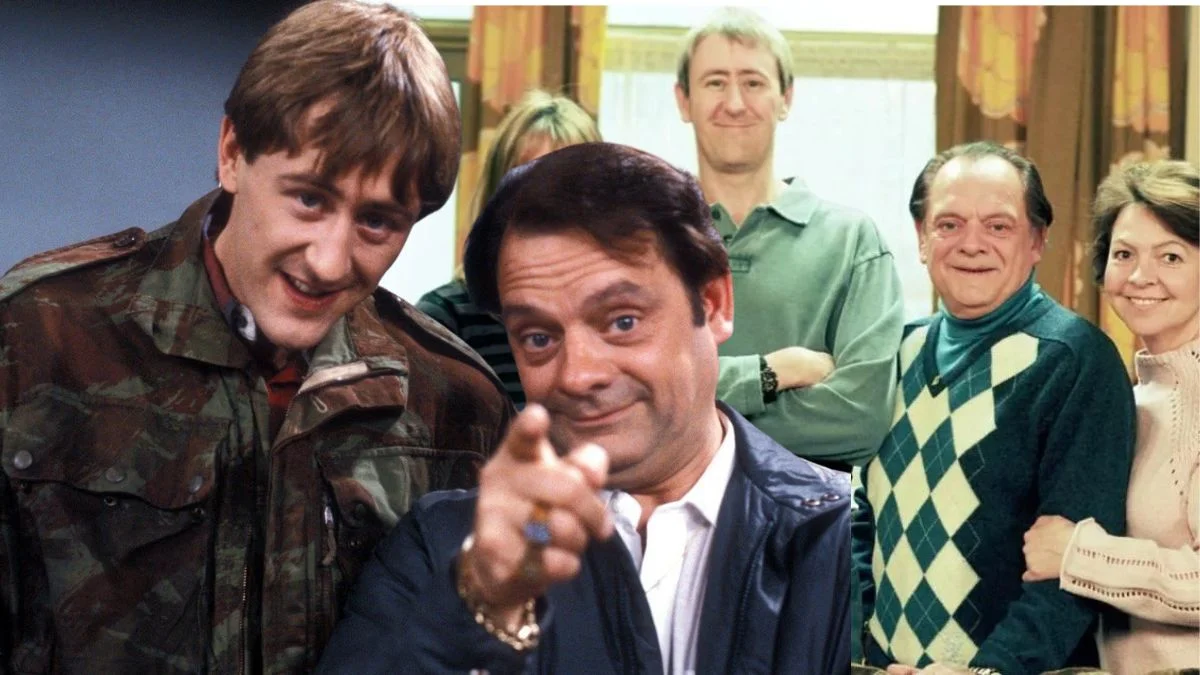


There is a reason people still quote lines from ‘Only Fools and Horses’ and still picture that yellow three wheeler turning the corner to the market. The show built a world that feels lived in, with characters who operate on simple plans, dodgy stock, and a lot of family loyalty. Its most famous set pieces still pop into conversation and its London setting is so specific that it doubles as a time capsule.
Time also changes how jokes land, how stories are told, and what audiences expect from a sitcom. The show carries choices that reflect its era, including studio production methods and social attitudes that do not match present standards. Put together, you can see where it creaks and where it still clicks with new viewers.
Aged Poorly: Outdated stereotypes and casual prejudice

Several episodes include jokes and throwaway lines that target groups in ways that modern comedies tend to avoid. These are woven into pub banter, banter on the market, and background remarks that lean on stereotypes rather than character specifics. Viewers today will notice moments where the laugh comes from labeling people rather than from the situation or the Trotters’ choices.
Broadcast standards were different at the time and those scripts reflect that environment. Modern repeats often trim lines or place advisories before transmission, which changes how the material is presented to new audiences. That need for edits shows how some dialogue no longer aligns with current expectations of inclusive comedy.
Aged Masterfully: The core family dynamic that powers every plot

The relationship between Del Boy and Rodney provides a clear structure for almost every story. One brother chases the big score with confidence while the other acts as a brake with caution, and that tension explains both the schemes and the fallouts. Grandad and later Uncle Albert add a third voice at home that steers scenes toward warmth or mischief without taking focus away from the leads.
Because plans usually arise from everyday needs like rent, repairs, or keeping a promise, the stories hold up even when the setting feels old. The family priority also explains big turns such as moving flats, changing partners, or giving up a deal to help someone close. That focus keeps episodes easy to follow and keeps character motives consistent across the run.
Aged Poorly: Early treatment of women as plot devices

In the early run many female characters arrive to push a misunderstanding or to serve as the object of a gag. Dates are often framed as prizes or problems for Del and Rodney rather than as people with their own aims. This limits how much those scenes can say beyond the immediate punchline and it narrows the range of stories that involve women.
Later episodes give Raquel and Cassandra jobs, goals, and conflicts that drive home life and workplace plots. Even with that progress, the balance of stories still centers on the men and their trading world. That skew leaves parts of the show’s social picture underdeveloped compared to modern ensemble sitcoms.
Aged Masterfully: Wordplay, malapropisms, and running gags

Del’s mangled French, Trigger calling Rodney by the wrong name, and Boycie’s smug sales patter use language as a repeatable engine for laughs. These devices do not depend on brand names or news events, so they still work when the cultural backdrop changes. They also give every character a distinct verbal rhythm that helps a viewer track who is speaking even without seeing the screen.
Running gags show careful setup and release across episodes. Misused phrases recur in different settings, which lets the writers vary the context while keeping the same comic core. That consistency allows casual viewers to drop into any episode and find something familiar, and it rewards fans who notice how a phrase returns with a fresh twist.
Aged Poorly: Studio look, laugh track pauses, and pacing

The show’s multi camera studio setup creates a distinct look with flat lighting, a fixed set footprint, and audible audience reactions. Scenes leave air for laughs, which stretches dialogue compared to the quicker cutting common in single camera comedies. On modern screens the videotape texture and aspect ratio make the show feel older than the content of the scene.
Location work increases over time, yet most episodes still rely on living room, market, and pub sets. The shifts between location film and studio tape can be visually abrupt. For viewers used to uniform digital photography, that change in texture within the same episode can pull attention away from the story.
Aged Masterfully: Precision physical comedy and iconic set pieces

The bar hatch fall, the chandelier disaster, and the fancy dress night are built with careful blocking and clean camera framing. Each sequence uses silence, eyelines, and simple props so the gag reads instantly even without dialogue. Those choices make the humor travel well across languages and generations because the beat is visual and the cause and effect are crystal clear.
These moments are anchored in character, not just pratfalls. Del’s showy confidence explains why he leans on an open hatch. The brothers’ hurry and miscommunication explain why they unscrew the wrong fitting. The joke lands because the action grows naturally out of who these people are and where they are, which keeps the set pieces evergreen.
Aged Poorly: Extended specials that favor callbacks over on ramps

Later Christmas specials run at feature length and assume deep knowledge of prior relationships and running jokes. Storylines like sudden wealth and later reversal hinge on history that an occasional viewer may not recall. Without that context, exposition competes with the comedy and slows the rhythm of scenes.
Those episodes also lean on sentiment that depends on years of audience investment. Scenes resolve with nods to shared memories at the Nag’s Head or the flat rather than with fresh turns. That emphasis limits how easily newcomers can start late and still feel the full effect of the big swings.
Aged Masterfully: Long term continuity and emotional payoffs

Across the series the Trotters change homes, add partners, and adjust work to match new responsibilities. The show tracks these changes so that a small choice in one episode can echo later in a believable way. When a relationship moves forward or a plan pays off, it fits the pattern the audience has already seen.
Because the writers maintain continuity, the emotional beats land without extra explanation. A phone call to mend a rift, a gift that ties back to an earlier promise, or a visit to an old contact gains meaning from what the audience already knows. That approach turns a sitcom into a family saga that rewards long time viewers.
Aged Poorly: Obsolete tech and brand specific references

Many jokes depend on products and trends from the street market and local shops. References to tape formats, early mobile phones, novelty goods, and mail order catalogues anchor the show to a specific retail moment. The humor still reads, but the items need more context for viewers who did not grow up with them.
Even the Trotters’ stock lists reflect a sales world that has largely moved online. Door to door offers, stall markups, and cash on hand scenes now feel like period details. Without that living memory, new viewers may miss why some deals look tempting or risky in the first place.
Aged Masterfully: A textured portrait of working class London life

The show maps a small world of tower blocks, small traders, secondhand goods, and pub networks. Regular locations like the flat, the market, and the Nag’s Head create a tight circuit where characters collide and help one another. Street scenes, delivery vans, and backroom deals give a steady sense of how money and favors move.
Side characters fill out that map with specific jobs and habits. Boycie sells motors, Denzil drives a lorry, Trigger works for the council, and Mike keeps the pub running. Those jobs define status, schedules, and conflicts, which gives stories a practical spine that still reads true even as the city changes.
Share your favorite example in the comments and tell everyone which parts of ‘Only Fools and Horses’ you think hold up best today.