


5 Ways the ‘Oz’ Aged Poorly (& 5 Ways It Aged Masterfully)

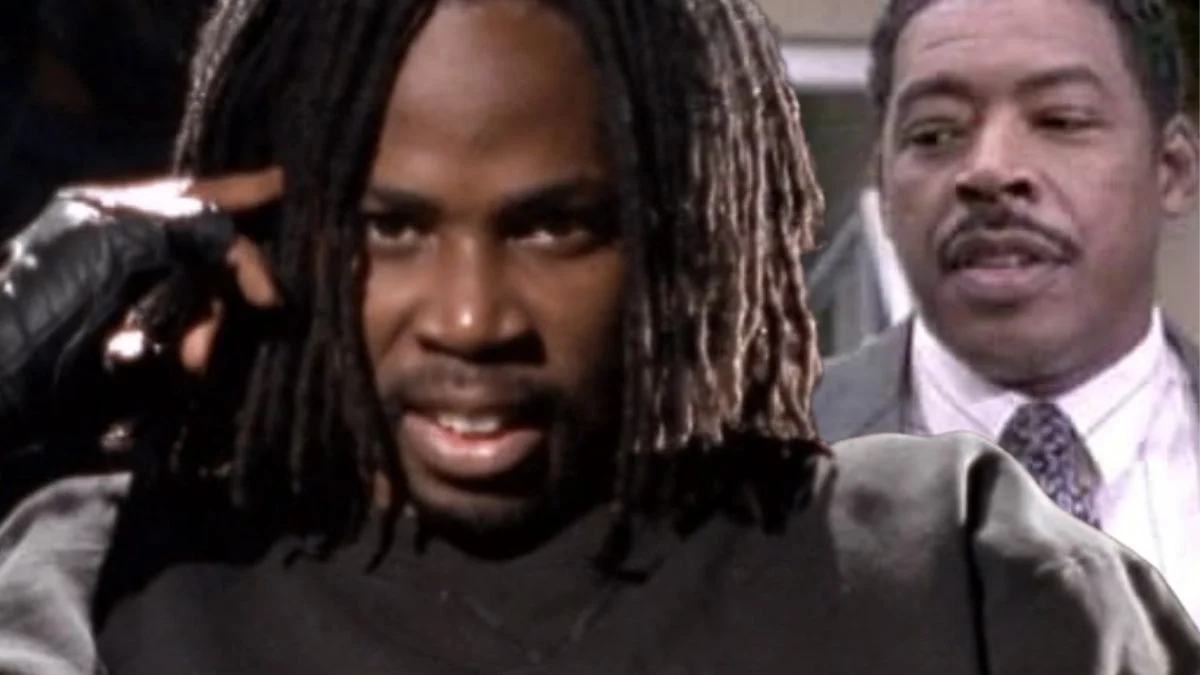


The first original hour drama on premium cable built a template that many later shows followed. ‘Oz’ arrived with an experimental set, a sprawling cast, and a commitment to serialized consequences that stood apart from the case of the week format that defined much of television at the time. Its stories moved through months and years inside a single facility, so choices stuck and feuds rarely reset.
Time changes how any show reads. Some elements now sit squarely in the era that made them, while others still operate with precision. Below are ten focused looks at where the series shows its age and where it continues to demonstrate craft and influence that remain useful to audiences and creators today.
Aged Poorly: Reliance on shock violence and sexual assault
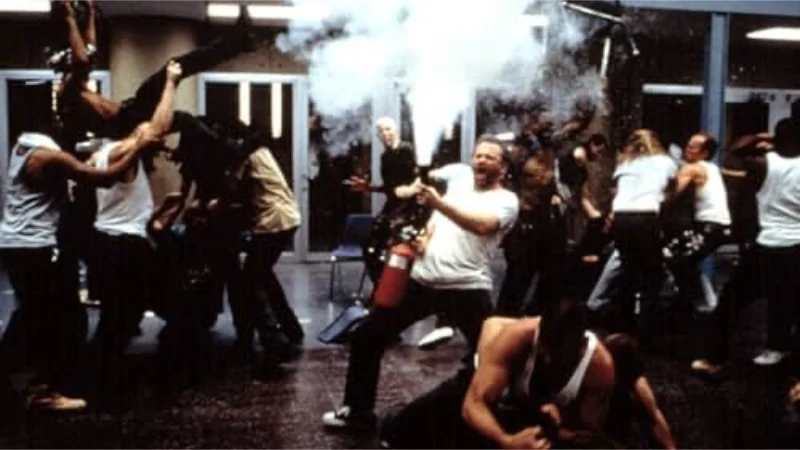
The series uses extreme violence and sexual assault as frequent turning points in plotlines. Murders, mutilations, coerced encounters, and retaliatory attacks appear often and are used to reconfigure alliances or close arcs. Episodes regularly place these events at the center of A and B stories, which keeps the narrative in a constant state of crisis.
Contemporary production playbooks place greater attention on trauma informed storytelling and content advisories. Many current shows document protocols for intimacy and stunt work and separate those processes from the writing goals of an episode. The contrast highlights how ‘Oz’ often treats assault as a catalytic device within its structure rather than material that receives extended aftermath on screen.
Aged Masterfully: Early, durable blueprint for serialized prestige TV
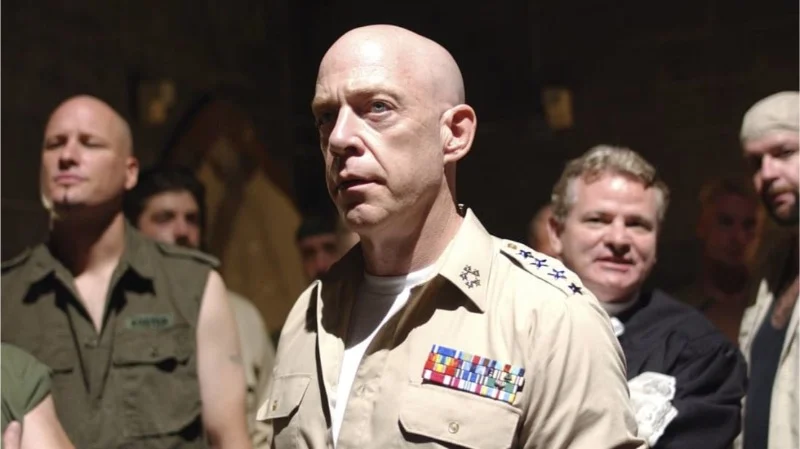
The drama commits to season wide arcs that carry consequences across many episodes. Parole hearings, transfers, hospitalizations, and long sentences change who can act and when, which builds cumulative weight from one season to the next. Characters lose status through discipline and regain it through programming, labor assignments, or leadership changes.
This approach anticipated the later dominance of long form storytelling on premium and streaming platforms. The show demonstrates how to maintain momentum without resetting character states each week. It also illustrates how institutional calendars, such as budget cycles and administrative reviews, can function as dependable beats for serialized writing.
Aged Poorly: Frequent use of slurs and stigmatizing language
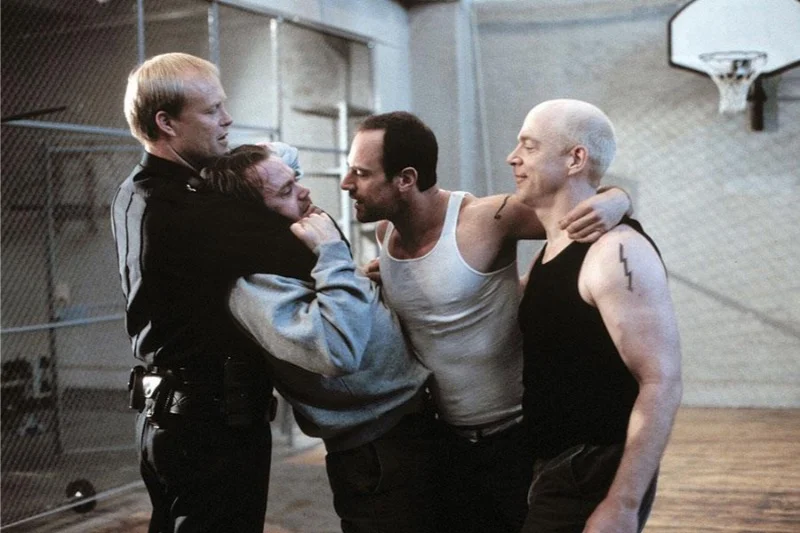
Dialogue throughout the series includes racial, homophobic, and ableist slurs. These words appear in conversations between inmates and staff and are sometimes framed as shorthand for group identity or posturing during conflict. The density of this language reflects norms from its production period rather than current broadcast standards.
Modern releases often add content warnings and some platforms provide advisories that flag discriminatory language before playback. Current writers rooms also document alternatives that convey threat or prejudice without repeating specific slurs. The difference underlines how ‘Oz’ maps power through vocabulary that many productions now contextualize or avoid.
Aged Masterfully: Augustus Hill’s narration as structure and synthesis
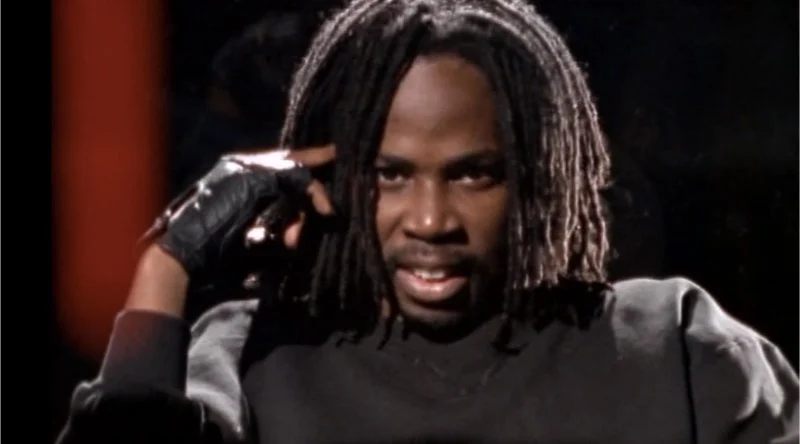
The series uses Augustus Hill as an on screen narrator who speaks directly to viewers. His monologues introduce themes, define terms, and connect subplots that might not otherwise intersect within a single hour. Visual interludes and thematic props turn these segments into a recurring classroom that frames the episode’s inquiry.
This device gives the show a reliable organizing spine. Exposition moves quickly because Hill can establish rules, name systems, and recap consequences without diegetic dialogue. The technique remains a practical model for complex ensemble dramas that need to keep many threads readable without interrupting pace.
Aged Poorly: Rigid racial faction schema inside Emerald City
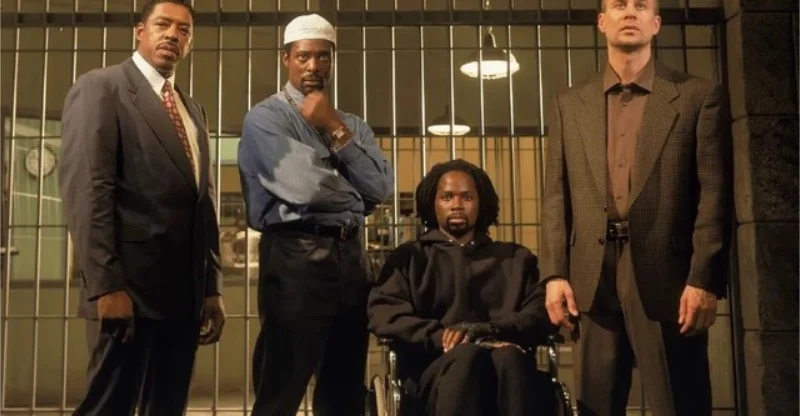
Inmates are grouped into clear factions that track with race, religion, or ethnicity. Labels like Aryans, Homeboys, Italians, Latinos, Muslims, and Bikers define most alliances and conflicts. Storylines often begin when leaders from these groups negotiate territory, contraband routes, or responses to incidents.
Current carceral research and reporting emphasize overlapping identities, informal networks, and situational cooperation that shift under pressure. The show’s schema simplifies that fluidity into stable blocs that serve plotting needs. Viewers see a map that is easy to follow but that compresses the range of individual behavior that occurs in real facilities.
Aged Masterfully: Distinctive glass pod set and constant sight lines
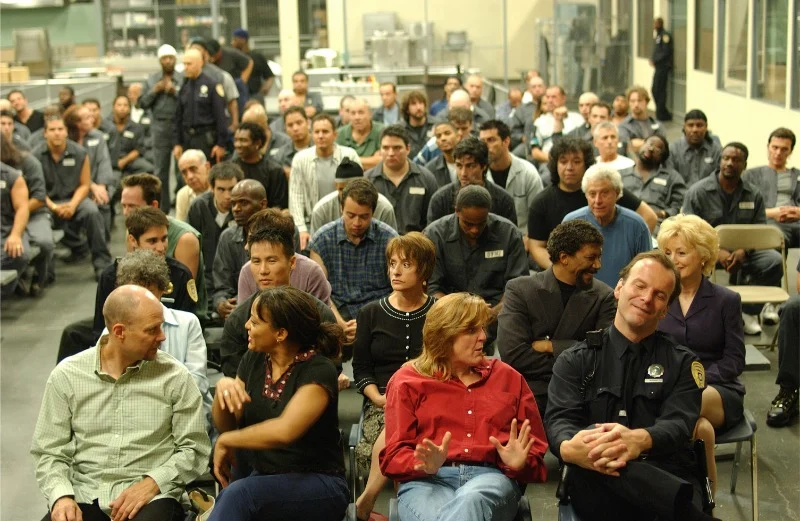
Emerald City’s open plan with glass fronted cells creates continuous visibility. Scenes stack across the frame so background actions comment on foreground dialogue, and surveillance becomes a built in visual theme. Guards monitor movement from a central platform, while catwalks and dayroom tables create natural staging lanes.
The design allows quick pivots between intimacy and spectacle without leaving the unit. Directors can hold wide frames to show the machine at work or slide into a pod for private exchanges that still feel observed. The set remains a case study in how architecture can drive tone, blocking, and story economy.
Aged Poorly: Limited space for women’s perspectives

Because the setting is a men’s prison, most episodes focus on male inmates and male staff. Women appear as clinicians, officers, attorneys, family members, and advocates, but the ratio of screen time strongly favors the male ensemble. Civilian life beyond the walls receives minimal attention, which narrows the show’s view of the social impact of incarceration.
In contemporary drama, audiences often see parallel tracks that follow partners, children, and community institutions. Those storylines help measure the cost of incarceration in housing, employment, and healthcare. ‘Oz’ concentrates on the internal ecosystem of the facility, which reduces opportunities to explore these external perspectives in depth.
Aged Masterfully: Clear attention to policy, budgets, and bureaucracy
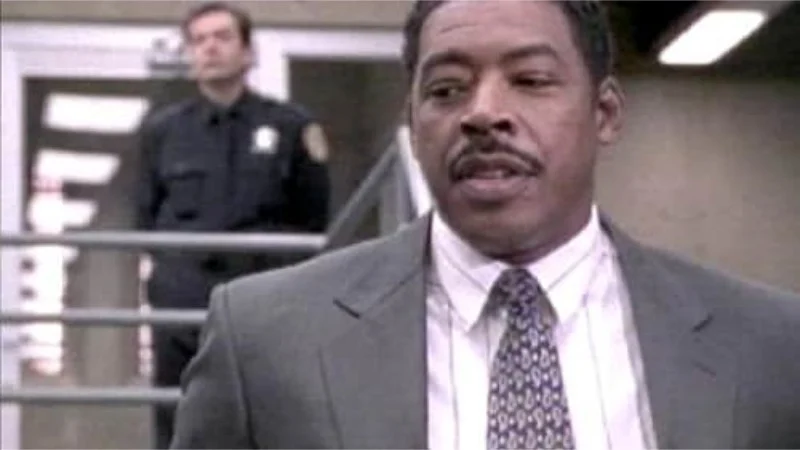
Plots track administrative turnover, union pressure, and legislative or vendor decisions that reshape daily life. Episodes show how procurement choices affect medical supplies, how staffing levels alter safety, and how program funding changes education or treatment availability. Grievance procedures, disciplinary hearings, and classification reviews appear as recurring mechanisms.
This focus grounds the narrative in processes that determine outcomes as much as personal grudges do. The show illustrates how policy and resource allocation set the frame for everything that happens on the tiers. Writers studying institutional drama can lift these mechanics to give conflicts stakes that extend beyond any single character.
Aged Poorly: Outdated communication and surveillance technology
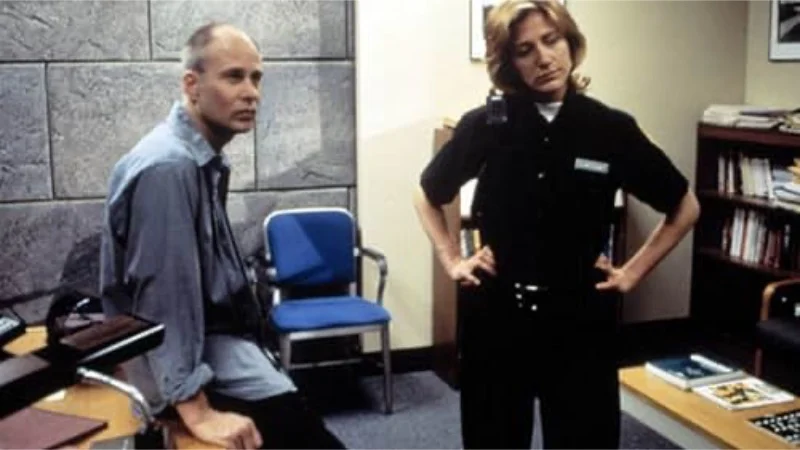
Phones in the series require collect calls and approval lists and most records travel on paper. Video monitoring relies on fixed closed circuit cameras with limited storage and narrow fields of view. Televisions in common areas deliver news and sports on set schedules rather than on demand.
Today many facilities incorporate digital mail scanning, body worn devices, and higher resolution coverage. Even when access is restricted, the presence of newer systems changes how information moves. The earlier technology in ‘Oz’ reflects its production era and shapes plot devices that depend on delays, blind spots, and manual audits.
Aged Masterfully: A launchpad for notable careers and enduring craft
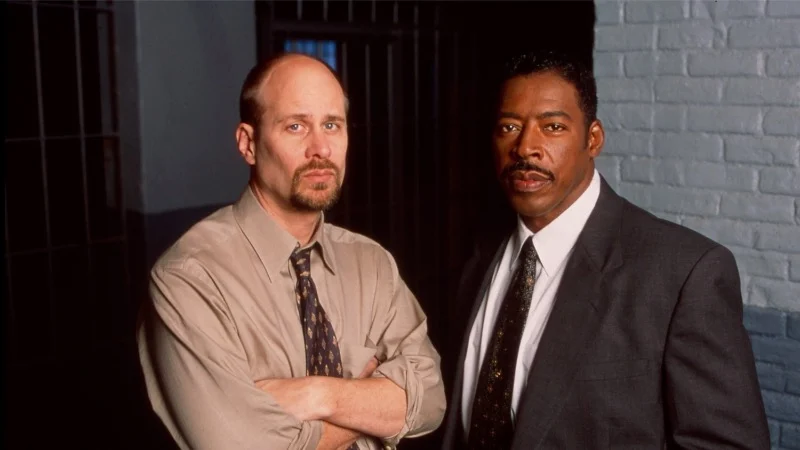
The ensemble includes performers who later anchored major films and series. J. K. Simmons carried his intensity into ‘Whiplash’ and other work. Christopher Meloni became a franchise lead on ‘Law & Order: SVU’. Edie Falco transitioned to ‘The Sopranos’ and redefined what a prestige lead could do. Harold Perrineau moved to ‘Lost’ while Adewale Akinnuoye-Agbaje expanded into features and network drama.
The show also demonstrates durable techniques that appear across later hits. Cold opens establish stakes quickly, recurring program spaces host shifting alliances, and administrative briefings compress exposition. These building blocks remain useful to writers and directors who need to manage large casts while keeping story math clear.
Share your own take on where ‘Oz’ falters and where it still shines in the comments.