


5 Ways the ‘Seinfeld’ Aged Poorly (& 5 Ways It Aged Masterfully)

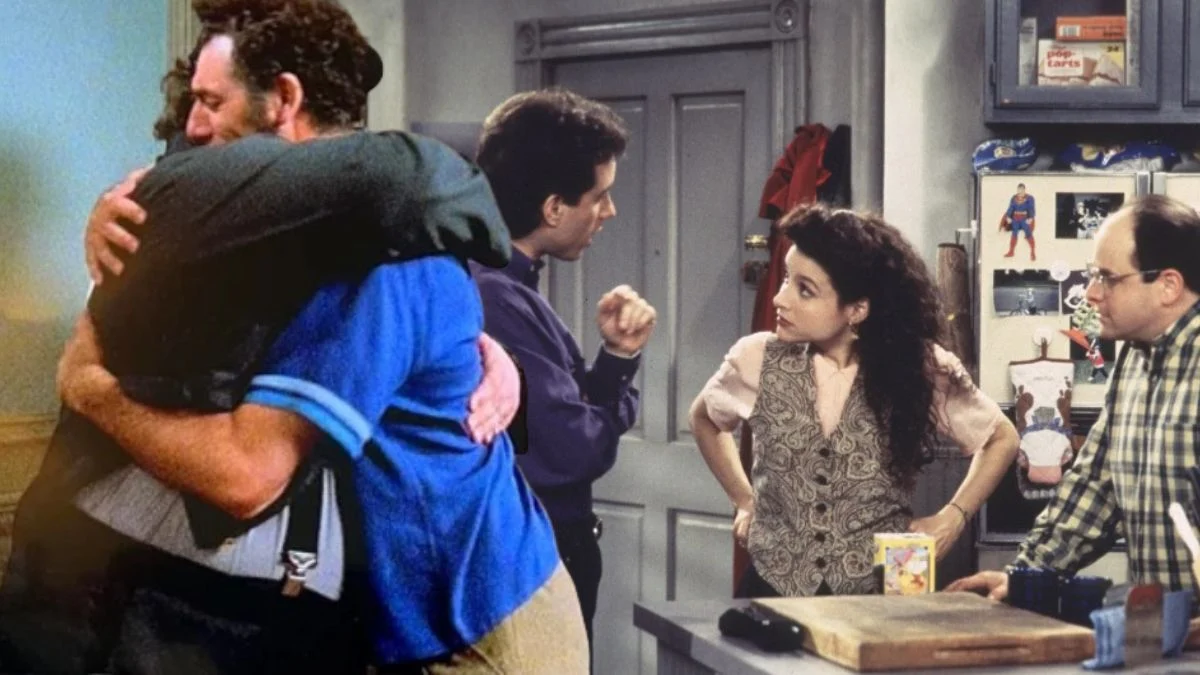


‘Seinfeld’ ran for nine seasons on network television with 180 episodes that focused on everyday life in New York City. The series was created by Jerry Seinfeld and Larry David and filmed before a live studio audience using a multi camera setup. Its small scale stories and observational humor shaped a generation of sitcoms and gave American TV a new vocabulary for social quirks.
Rewatching the show now highlights how some parts sit squarely in their time while others still feel sharp and efficient. The entries below point to concrete choices on screen and behind the scenes that show where the series feels dated and where its craft continues to work. Each point uses specific episodes, production practices, and measurable outcomes to keep the focus on facts rather than opinion.
Aged Poorly: Cropped remasters that trim visual jokes
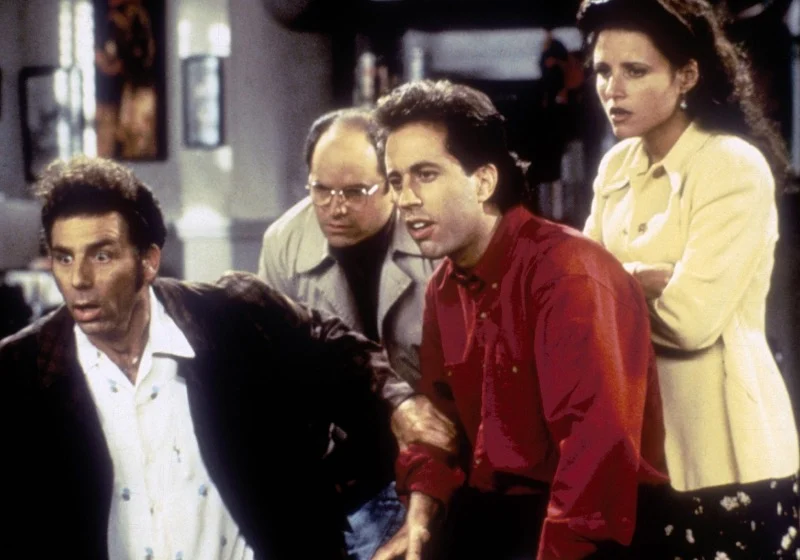
The show was framed for a 4 by 3 screen and many later releases present it in 16 by 9. That change often requires a crop at the top and bottom of the image which can remove elements set up for a gag or a reveal. In ‘The Pothole’ a joke relies on viewers seeing the actual pothole and some widescreen versions reduce how clearly that object reads.
The production shot on film which preserves detail for high resolution scans. Even so the original composition guided what viewers were meant to see inside that square frame. When a remaster alters the safe area it can reorder the priority of props and sightlines and that changes how a scene communicates information.
Aged Masterfully: Interlocking A B C plots and tight bottle episodes
A typical week weaves separate plotlines that collide in the last minutes which creates a clean mechanical payoff. ‘The Marine Biologist’ builds a chain of lies and coincidences until a golf ball becomes the solution to a mystery. The structure makes information management the engine of comedy and it turns small beats into precise setups.
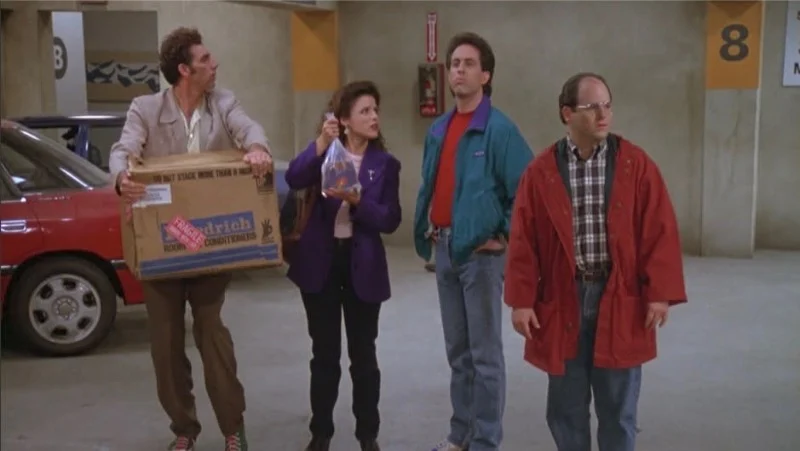
The show also delivered effective bottle episodes that stay in one location and play out in near real time. ‘The Chinese Restaurant’ and ‘The Parking Garage’ rely on queueing, waiting, and wandering which keeps attention on dialogue and timing. The format became a tool that later series used when they wanted a focused script with minimal sets.
Aged Poorly: Limited diversity and episodes that sparked backlash
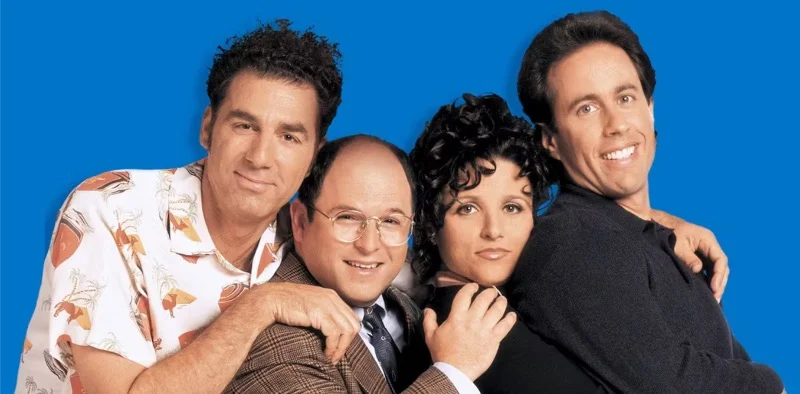
The core cast and most recurring roles represent a narrow slice of New York City. Minor characters from other backgrounds appear mainly as short term foils or service workers and they often serve a plot turn more than a point of view. That imbalance reflects hiring and casting norms of the era rather than the actual city.
Some episodes drew complaints from community groups and led to network caution on reruns. ‘The Puerto Rican Day’ became a flashpoint after a scene with a flag led to protests and temporary removal from certain schedules. ‘The Outing’ built a story around mistaken identity and a catchphrase that tried to signal acceptance while still using the misunderstanding as a driver of jokes.
Aged Masterfully: Phrases that moved into everyday language
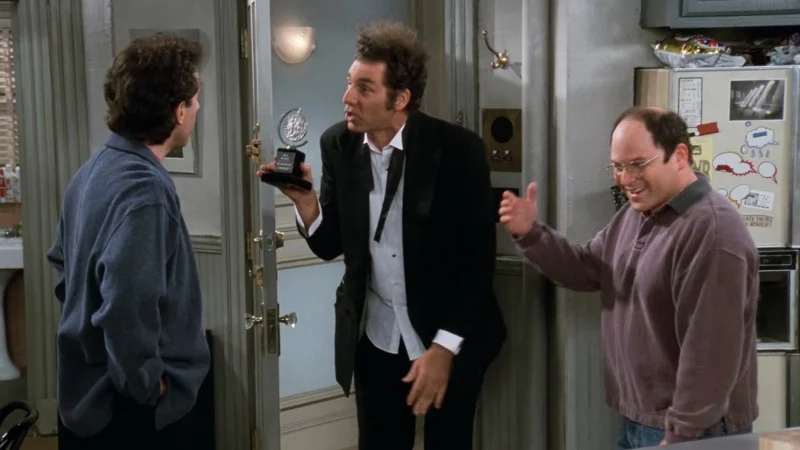
The series coined terms that people still use to label social behavior. Yada yada became a way to skip details while still implying content. Double dip and regifting gave quick names to small etiquette breaches. Spongeworthy, shrinkage, close talker, low talker, and hand model turned throwaway bits into shorthand for shared experiences.
Holidays and rituals from the show also live on outside the screen. Festivus became an annual in joke with its own list of features like an aluminum pole and an airing of grievances. Because the terms map to specific actions they help people summarize a situation in a few words which keeps them useful long after the end credits.
Aged Poorly: Plots built on now obsolete consumer tech
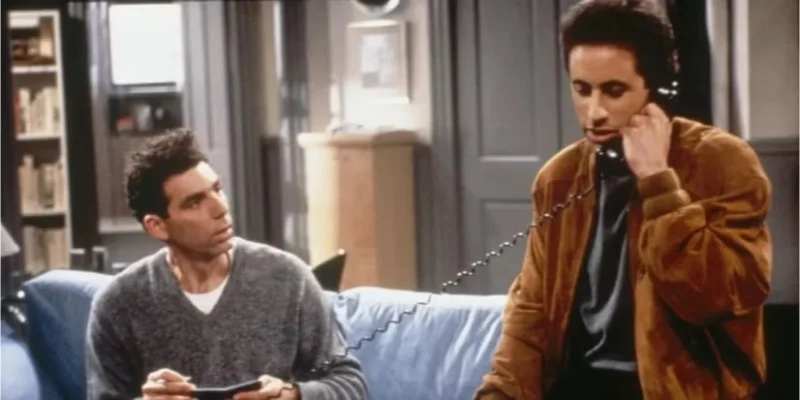
Story beats often depend on answering machines, busy signals, pay phones, and tape recorders. ‘The Phone Message’ hinges on the panic of trying to replace a recorded message that cannot be edited or deleted from home. Waiting by a landline or missing a call sets off chains of errors that modern devices would resolve in seconds.
Several arcs revolve around video stores, VCR timers, or call screening tricks that are no longer common. ‘The Susie’ and ‘The Stake Out’ use office phones and caller behavior that make less sense in a world of silent texting and read receipts. These artifacts mark the show as a snapshot of a particular communications stack rather than a timeless setup.
Aged Masterfully: Audience reach and staying power in reruns and streaming
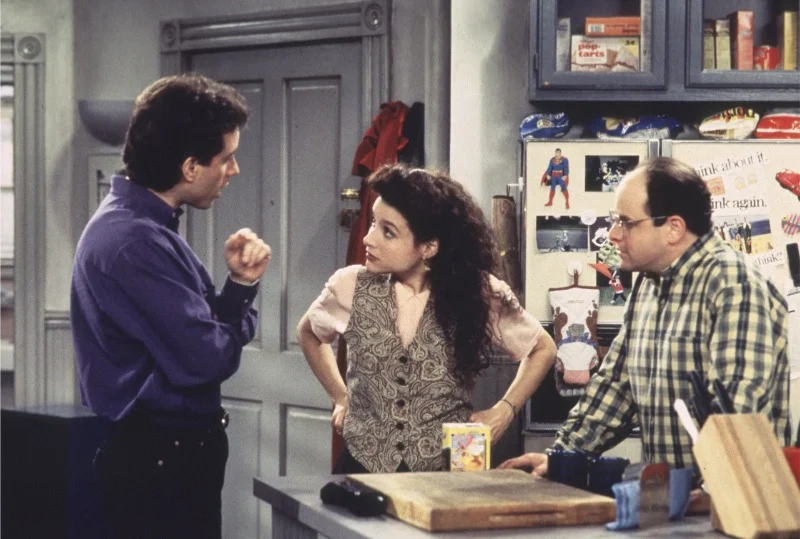
The finale drew more than 70 million viewers which places it among the most watched series endings in the United States. That event scale demonstrates how widely the characters and catchphrases had saturated the audience by the final season. Few scripted comedies have matched that kind of tune in for a non sports broadcast.
After its run the show became a staple of syndication and later moved across multiple streaming platforms. Continuous exposure introduced new viewers to the catalog and kept episode order and story continuity easy to access. The library format also supports quick sampling since most plots reset at the end which fits on demand viewing habits.
Aged Poorly: Laugh track conventions that feel tied to an earlier era
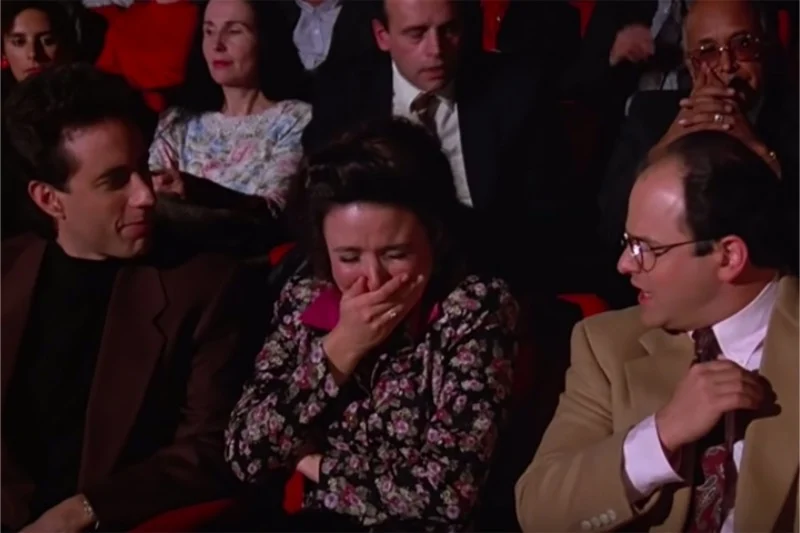
Episodes were taped with a live audience and then sweetened with additional laughs as needed. That approach was standard for studio comedies and it shaped line readings and pauses. Many later hits shifted to single camera formats without audible laughter which changed timing and viewer expectations for joke density.
Because the track guides when to laugh it can create rhythms that differ from newer shows. A silence in ‘The Office’ or ‘Parks and Recreation’ often works as the joke while a rimshot beat in ‘Seinfeld’ expects a response from the room. The difference is a production choice rather than a quality issue yet it clearly places the series within a specific style.
Aged Masterfully: New York specificity that grounds the stories

The show uses a consistent diner exterior and a handful of blocks to anchor the characters in a real city. The exterior of Tom’s Restaurant stands in for Monk’s and became a visual landmark for viewers. Street parking rules, building doormen, and co op boards appear often which gives plots a civic texture.
Many episode engines come from local rituals that residents recognize. A soup stand with strict ordering rules becomes a test of social order. Subway delays, alternate side parking, and finding a bathroom in midtown provide practical pressures that push characters into action. The details keep even the wildest mix ups rooted in a place with its own rules.
Aged Poorly: A finale that leans on retrospectives and a courtroom frame
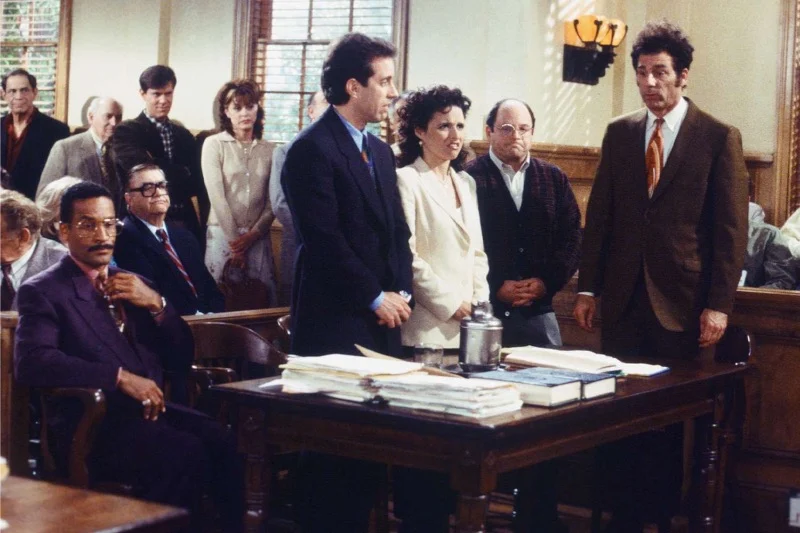
The last story brings back a long list of side characters to testify about past behavior. It uses a small town statute to put the leads on trial and turns the case into a parade of callbacks. The structure compresses years of incidents into a single hearing which creates a catalog of plot summaries inside the episode.
The broadcast ran as a two part event with extended length and heavy promotion. Advertisers paid premium rates and the network positioned it as a cultural milestone. Coverage the next day focused on the courtroom device, the list of returning faces, and the legal twist rather than a forward looking change for the characters.
Aged Masterfully: The no hugging no learning rule and its influence
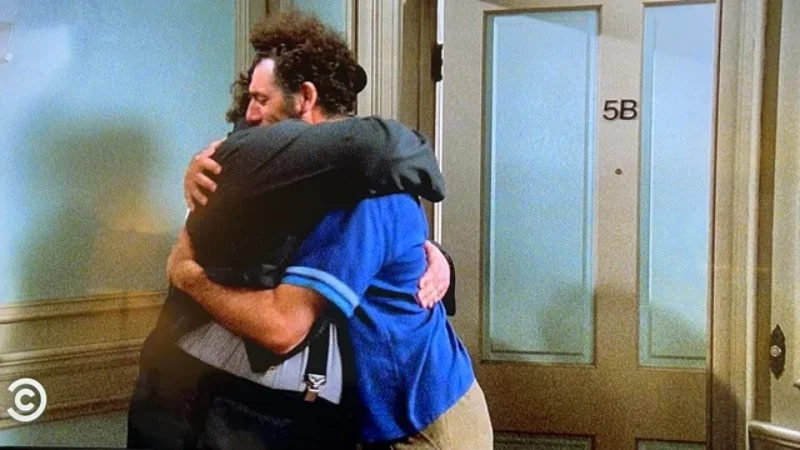
Larry David laid out a simple guideline for the show that avoided moral lessons and sentimental endings. Characters rarely improved and the world did not reward them for minor good deeds. That principle focused each script on cause and effect and kept consequences tied to earlier choices introduced in the cold open.
Later comedies used similar rules in their own ways. ‘Curb Your Enthusiasm’ carried the approach into a more improvised format with longer setups. ‘It’s Always Sunny in Philadelphia’ and ‘Arrested Development’ built season long webs of payoffs that echo the chain reaction style. The result is a clear line of craft from one writer’s room to many others.
Share your favorite example in the comments and say where you think the show still works or does not in today’s viewing habits.