


5 Ways the ‘Sherlock’ Aged Poorly (& 5 Ways It Aged Masterfully)

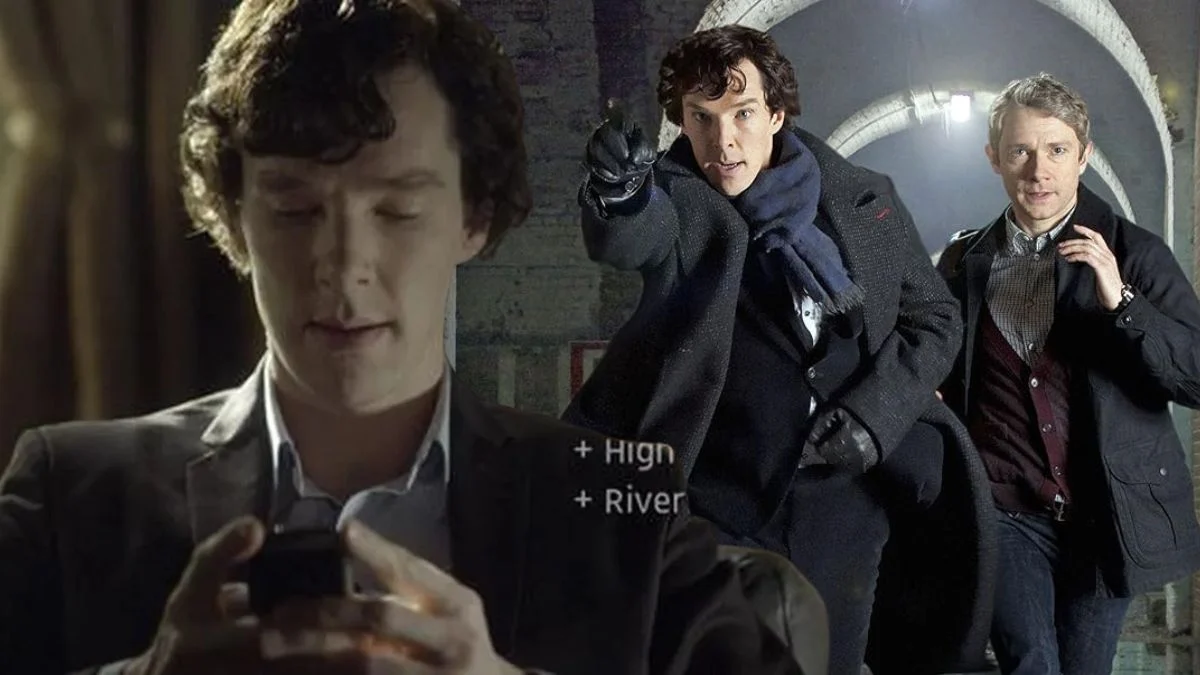


The BBC’s ‘Sherlock’ arrived as a brisk modernisation of Arthur Conan Doyle’s detective, built around feature length cases, quick cut visuals, and a web savvy spin on clues. Created by Steven Moffat and Mark Gatiss and led by Benedict Cumberbatch and Martin Freeman, the series reached a wide global audience through broadcast and streaming, with specials and event style releases that drew significant attention.
Over time the show has become a case study in how contemporary TV absorbs fast changing technology while remixing classic literature. Some choices now read like time capsules from the early 2010s internet, while other craft decisions still shape how screen mysteries present logic, space, and character work for new viewers.
Aged Poorly: Early smartphone UI and web motifs
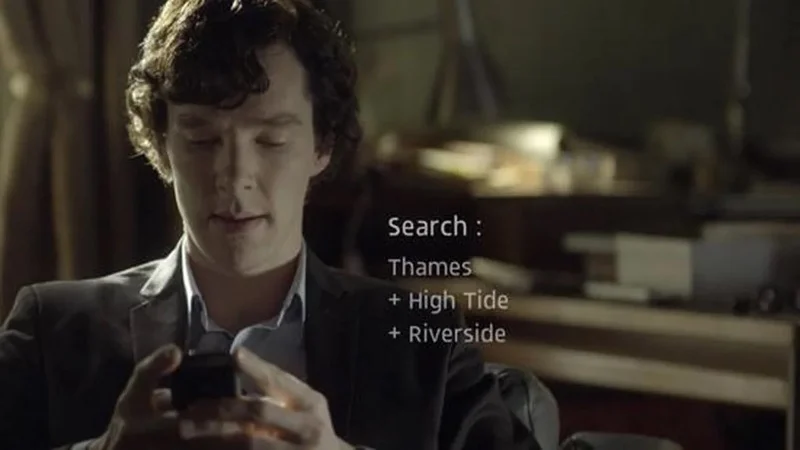
The series visualises text messages with floating chat bubbles and relies on simple blog layouts as narrative devices, reflecting the smartphone and social media environment of its launch period. Platform design moved quickly toward richer features like stickers, voice notes, and ephemeral posts, yet the on screen overlays in ‘Sherlock’ kept a clean, uniform style that rarely shifted with those changes.
Episodes also use Doctor Watson’s public blog as an in story distribution channel, complete with visible hit counters and comment threads that cue plot beats. Later audiences encounter elements such as sidebar tag clouds and RSS like cues that are uncommon on mainstream sites now, so the presentation functions as a snapshot of a transitional web era rather than a flexible depiction of online life.
Aged Masterfully: Visual deduction language
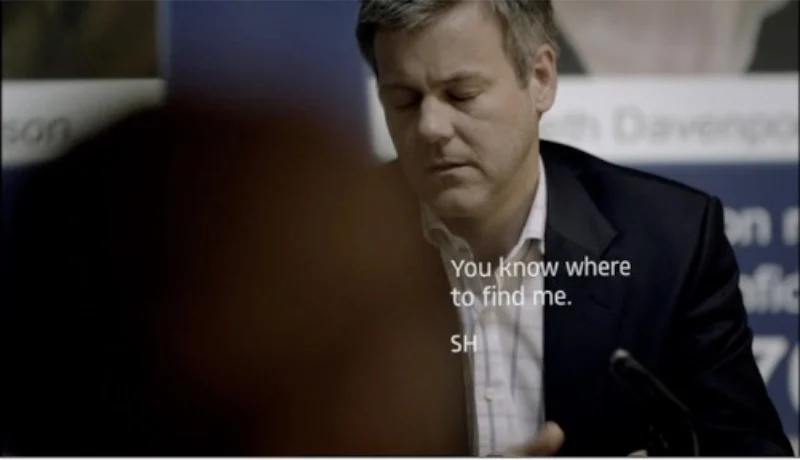
The show builds a consistent visual grammar for observation and inference, using floating text, rapid rack focus, and insert shots that mark details like mud spatters, ash, and fabric wear. These tools teach viewers how to parse scenes, turning complex chains of reasoning into clear patterns that can be followed from clue to conclusion.
Its mind palace sequences stage information as rooms, labels, and pathways, so train times, code phrases, and memory cues can be arranged in spatial form. Filmmakers across genres continue to use comparable techniques to compress exposition and make cognition legible on screen, which keeps this approach influential.
Aged Poorly: Uneven representation of women
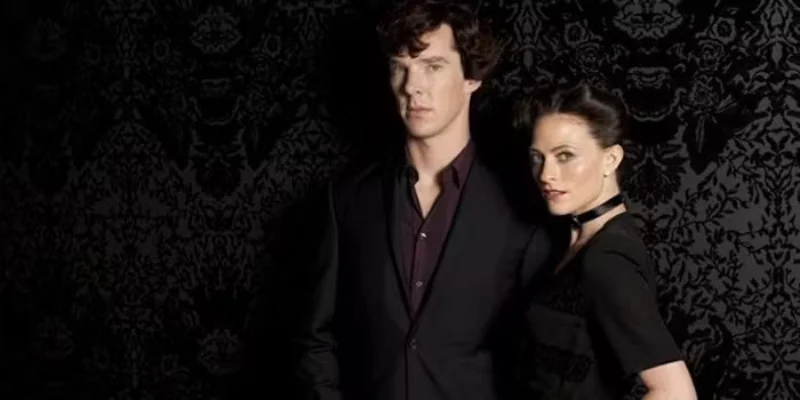
Key female characters often enter as catalysts for the growth or crisis of the male leads rather than independent drivers of case structure. Irene Adler, Molly Hooper, and Mary Morstan are frequently positioned around secrets that spotlight the title character, which limits the number of scenes where their goals set the episode agenda.
When the narrative assigns professional expertise to these characters, conclusions are commonly redirected through the detective for final validation. This pattern reduces the spread of perspectives testing hypotheses on screen, narrowing procedural texture compared with ensembles that distribute authority across investigators.
Aged Masterfully: Global reach with event length episodes
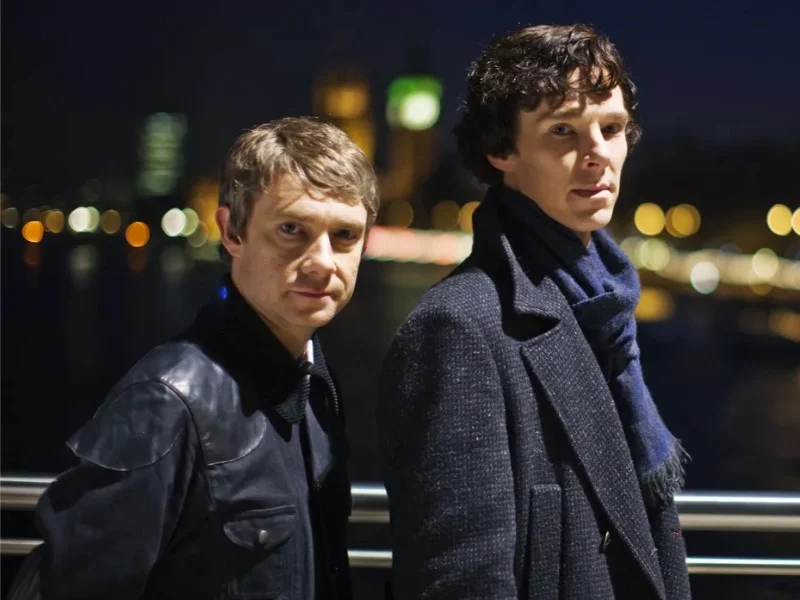
The production uses short series of near feature length episodes, which suits international sales and festival programming. New viewers can treat each case as a complete film while still tracking an arc that binds a series together, making sampling and rewatching straightforward.
Broadcasters and streamers schedule the episodes as specials or limited runs, keeping repeat play viable. The format also works well for classrooms, clubs, and community screenings that prefer full story closure in one session, supporting ongoing discovery.
Aged Poorly: Long production gaps and momentum
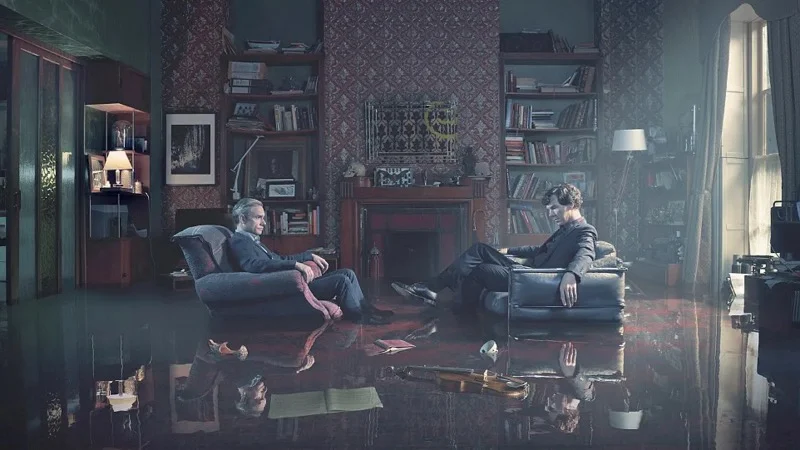
The project ran on cycles that created multi year intervals between series, which made audience habits harder to maintain. Viewers who rely on weekly routines received infrequent updates, so each return required fresh promotion and recap to rebuild awareness.
Lead actors balanced other high profile commitments, shrinking the windows where everyone was available at once. The schedule encouraged bigger arc resets when the show returned, which complicated continuity for casual viewers who missed prior finales.
Aged Masterfully: Canon aware modernisation
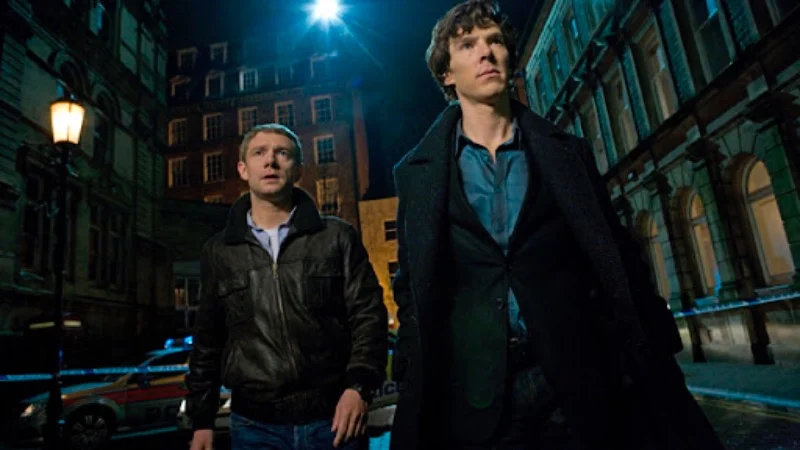
Cases translate Arthur Conan Doyle plots into contemporary problems, such as turning ‘A Study in Scarlet’ into ‘A Study in Pink’ with urban transport patterns and pill choice mechanics. The series keeps recognisable elements like 221B, the violin, and the Baker Street Irregulars while mapping clues onto digital footprints and laboratory workflows.
Titles like ‘The Hounds of Baskerville’ and ‘The Reichenbach Fall’ preserve iconic settings and outcomes while adjusting motivations to fit present law enforcement and media environments. This lets students and book clubs pair an episode with the original text for side by side analysis of structure, motif, and clue placement.
Aged Poorly: Mystery transparency and puzzle fairness

Several solutions depend on information withheld until late stages, including surprise identities, off screen swaps, and staged deaths. These devices reduce the amount of clue tracking viewers can perform during a first watch, because key premises are not always planted in shared scenes.
Multi part arcs place emotional reveals over step by step forensic processes, which moves the rhythm closer to a thriller than a strict puzzle. Audiences who approach the show as a logic exercise receive fewer mid episode checkpoints that confirm or falsify early guesses within the same case.
Aged Masterfully: Location work and production design
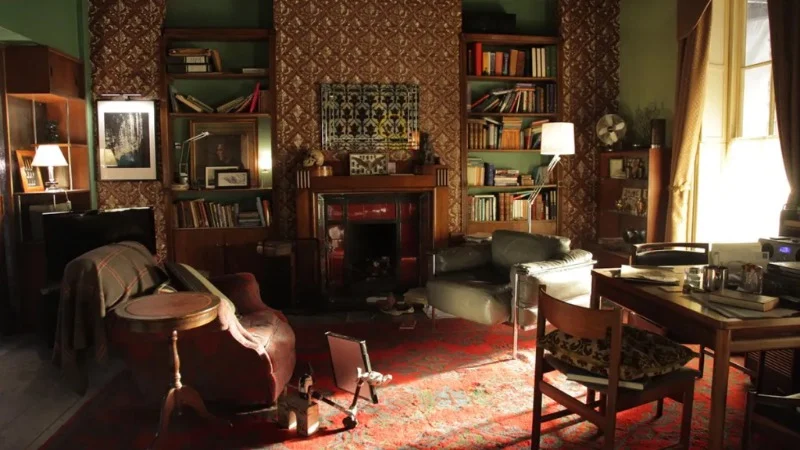
London exteriors supply recognisable geography such as the facade on North Gower Street standing in for Baker Street, with route planning across landmarks that support chase and surveillance beats. Interior sets use layered dressing like pinboards, lab benches, and the 221B sitting room to maintain continuity of props and layout across series.
The camera team links locations with steadicam walkthroughs and time compressed montages, building a sense of map literacy. This spatial clarity makes repeat viewings productive because viewers can reconstruct movements and timelines from established anchor points.
Aged Poorly: Ambiguity around character intimacy
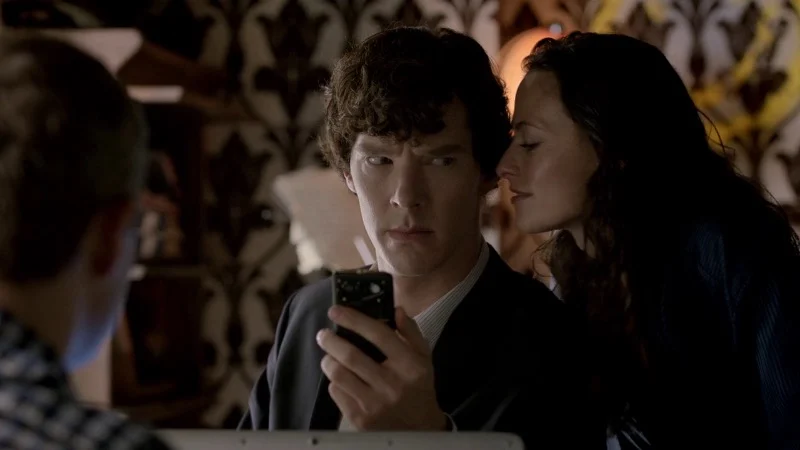
Dialogue often raises questions about whether the leads are a couple through jokes, misdirection, and reactions from side characters, yet the episodes do not confirm a romantic relationship. This creates a recurring pattern where expectation is invited but not resolved within the text.
Marketing and public appearances sometimes amplified that ambiguity with suggestive phrasing while keeping the narrative status unchanged. The approach sustains ongoing debate across forums but can also create mismatch between promoted readings and on screen outcomes, which complicates audience expectations.
Aged Masterfully: Performance led characterisation
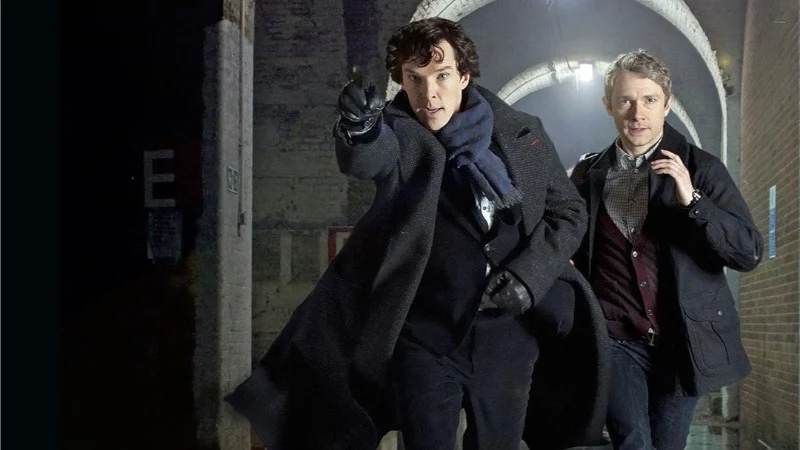
The central partnership relies on complementary skill sets where one lead specialises in rapid pattern recognition and the other anchors tactical decision making and fieldwork. Dialogue exchanges establish operating procedures for crime scene entry, witness interviews, and risk containment that remain consistent across cases.
Recurring antagonists and allies such as Mycroft Holmes, Jim Moriarty, and Mrs Hudson create fixed points that structure investigations and escalate stakes. This network supports a repeatable loop from discovery to confrontation to aftermath, giving new viewers a clear framework for how the world of ‘Sherlock’ functions.
Share your take below on which elements of ‘Sherlock’ you think held up best and which ones did not, and tell us why in the comments.