


5 Ways ‘The Sopranos’ Aged Poorly (& 5 Ways It Aged Masterfully)




‘The Sopranos’ changed what a TV drama could do, and a lot of its choices still shape how people watch long series today. Time has also highlighted parts of the show that feel tied to the moment it was made, from the tech on screen to the way certain groups get talked about.
Here is a look at what lands differently now and what continues to work. Each point focuses on concrete details from the series, so you can revisit key episodes and scenes with fresh eyes.
Aged Poorly: Casual slurs and bigotry in dialogue
Across the series, characters use homophobic and racial slurs in everyday conversation. The storyline around Vito’s sexuality includes violent retaliation and repeated hate speech from other characters, which reflects the attitudes within the crew depicted on screen. Several episodes also feature offhand remarks about immigrants and communities in North Jersey that read as direct insults rather than coded language.
Modern TV standards flag this kind of language with advisories more often, so viewers may encounter on screen warnings when streaming. Classroom screenings and public talks about ‘The Sopranos’ sometimes include context notes about the show’s language and the environment it portrays, which helps frame what is heard in specific scenes.
Aged Masterfully: Therapy as the engine of the story

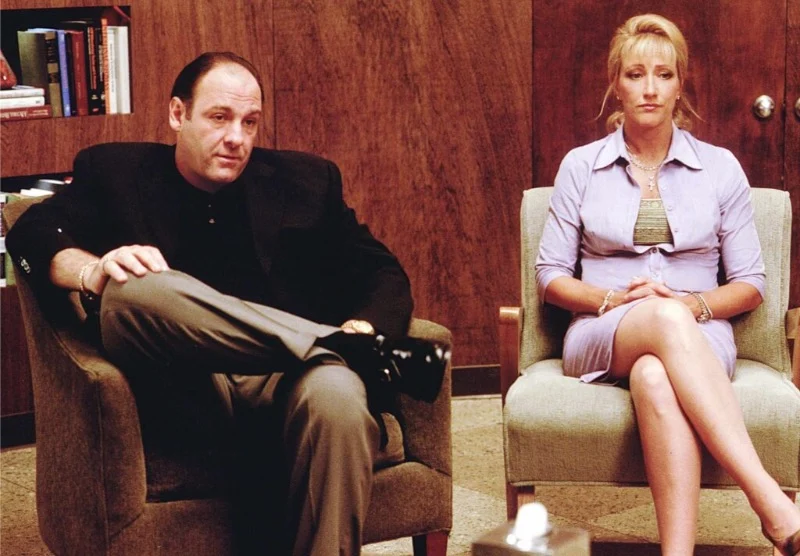
From the pilot onward, the series builds plot and character through Tony’s sessions with Dr. Melfi. The show explains panic attacks and treatment in plain terms during their conversations, and it uses the office as a regular setting where secrets surface and choices get examined. These scenes anchor episodes that otherwise jump between home, business fronts, and street work.
The therapy structure also opens the door to topics like confidentiality, transference, and professional boundaries in a way that is easy to follow. Viewers can track how details revealed in sessions feed later actions, including family conflicts, business disputes, and health decisions that echo across multiple seasons.
Aged Poorly: Outdated consumer tech and online habits
Characters rely on pagers, payphones, calling cards, and early cell phones to move information around. Several arcs hinge on answering machines, dial up era websites, and chat rooms, which can make motivations confusing for anyone used to smartphones and encrypted messaging. Home entertainment in the background often shows tube televisions and first generation DVD players.
Law enforcement scenes also center on bulky microphones, cassette recorders, and wired room bugs. Agents pore over paper files and wall charts that today would likely be replaced by digital databases. These details lock the show to a specific technological moment that no longer matches common tools.
Aged Masterfully: Real New Jersey locations and landmarks
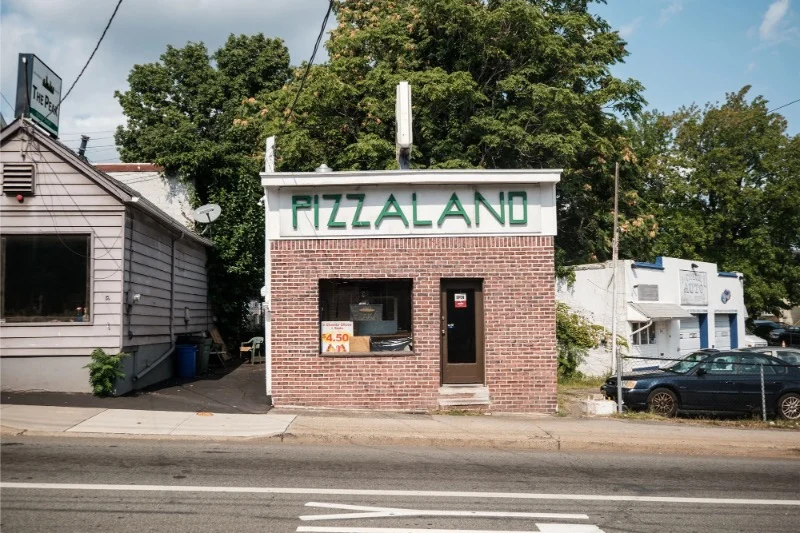
The production filmed all over North Jersey, and it uses actual diners, highways, storefronts, and neighborhoods to ground scenes. Tony’s home sits in North Caldwell, the gang frequents a strip club that operates in real life under a different name in Lodi, and the pork store base was staged at a real address that fans have visited. Street views include the Turnpike, the Garden State Parkway, and the Pulaski Skyway, which give the story a recognizable map.
Because the show returns to the same places over the years, viewers can follow routes and routines that make sense geographically. Meet ups happen in commuter lots and chain restaurants that locals know, which helps the criminal and family worlds feel part of a lived in region rather than a generic backdrop.
Aged Poorly: Gender politics and violence against women
Several major plots involve domestic abuse, sexual assault, and coercion. Dr. Melfi’s assault becomes a difficult thread that the show revisits in sessions, and Adriana’s arc with federal pressure ends in an execution carried out by someone she knows. Carmela’s negotiations around fidelity and finances include patterns of control that the story treats as normal inside the marriage.
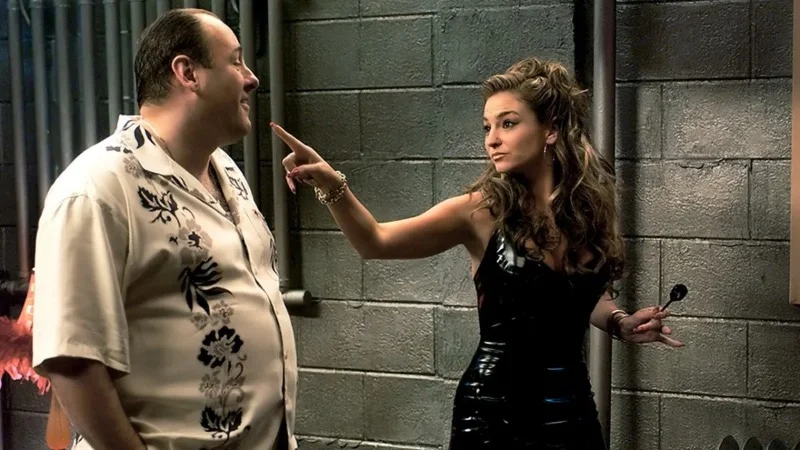
Workplace scenes at the club repeatedly show harassment and exploitation as routine. Modern workplace policies now spell out rules and consequences for this behavior more clearly, which can make the on screen environment feel even more stark when compared to current expectations.
Aged Masterfully: Dream sequences and symbolic storytelling
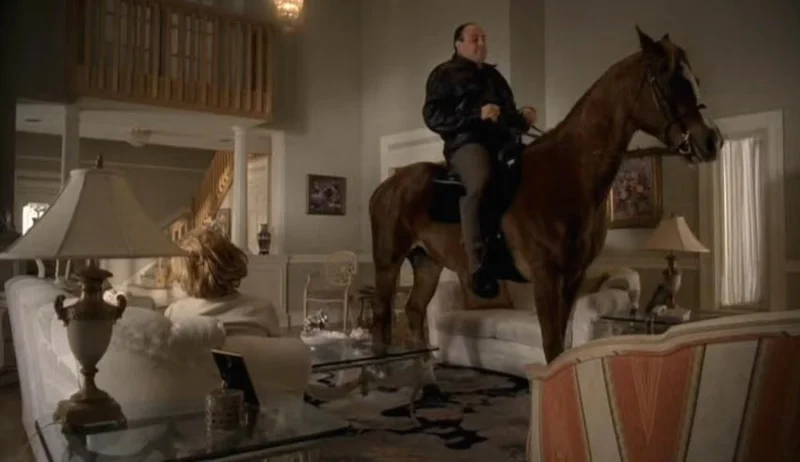
Episodes like ‘The Test Dream’ and ‘Join the Club’ use extended dream logic to connect memories, fears, and future choices. Recurring images such as speaking animals, a house under construction, and misplaced identity documents appear across seasons and tie back to the therapy framework. These passages provide information about stress, illness, and guilt without relying on exposition.
The series also builds a visual vocabulary around food, suburban backyards, and wildlife that shows up when pressure rises. Ducks in the pilot, a bear near the family home, and meals that start or end arguments become signals that help viewers anticipate shifts in mood and power inside the family.
Aged Poorly: Early season visuals and aspect ratio changes
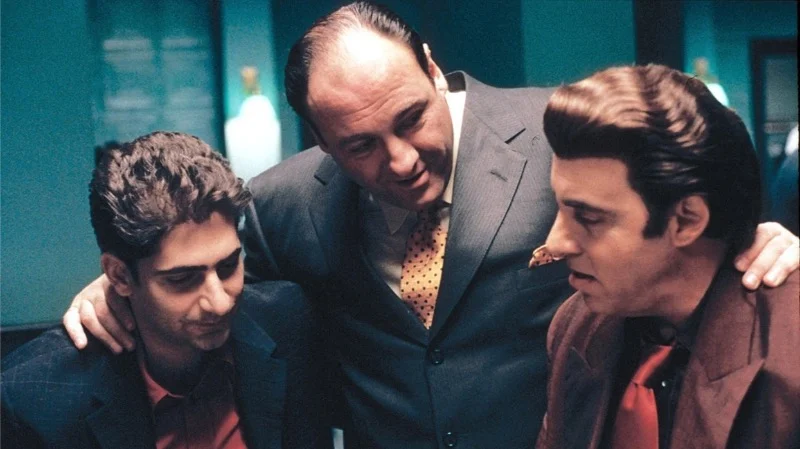
Early broadcasts arrived in a squarer image that differs from later widescreen releases. Remastered versions present earlier episodes in wider frames, which can slightly change composition in certain shots. Film grain, lighting choices, and night exteriors follow late nineties cable norms, so sharpness and color may vary within and across seasons.
These technical details do not stop the story, but they create a patchwork of presentation formats when moving from one era of TV hardware to another. Viewers who notice framing or brightness shifts are seeing the effects of how the show was prepared for different screens over time.
Aged Masterfully: Long form serialization with steady continuity
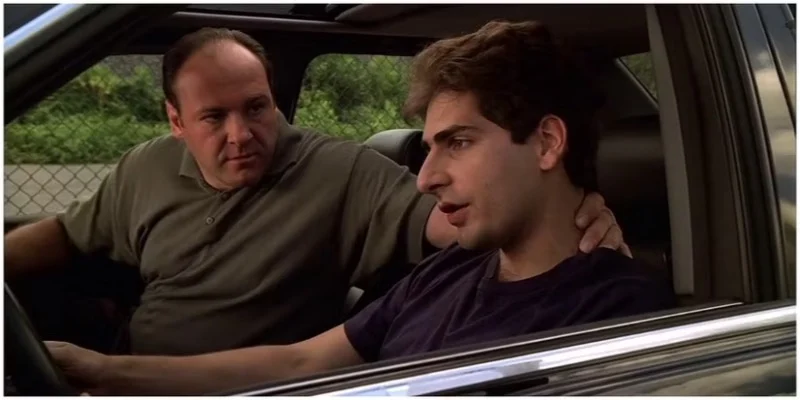
The show blends self contained hours with arcs that pay off many episodes later. ‘Pine Barrens’ stands alone as a misadventure while still pushing relationships forward, and Junior’s legal troubles simmer over a long stretch. The writers keep track of small setups, like a loan or an insult, and bring them back when it matters, which rewards careful watching.
Character timelines also move in sync with school years, court dates, and health setbacks. Meadow’s college life, Christopher’s addiction and recovery attempts, and A J’s struggles with motivation and purpose all progress in a clear order. This steady continuity helps the world feel consistent from season to season.
Aged Poorly: Culture and brand references tied to a narrow window

Dialogue mentions specific mobile phone models, chain stores, and long distance plans that have since disappeared. Characters talk about news cycles, fads, and scandals that were widely discussed during original airings but now require a quick lookup to place. The show also features discontinued car models in driveways and parking lots.
Household items and food packaging often display period logos and labels. Background details like mall layouts and storefronts come from a retail landscape that has shifted, which can make once familiar references land like mini time capsules.
Aged Masterfully: The diner finale and enduring viewer engagement
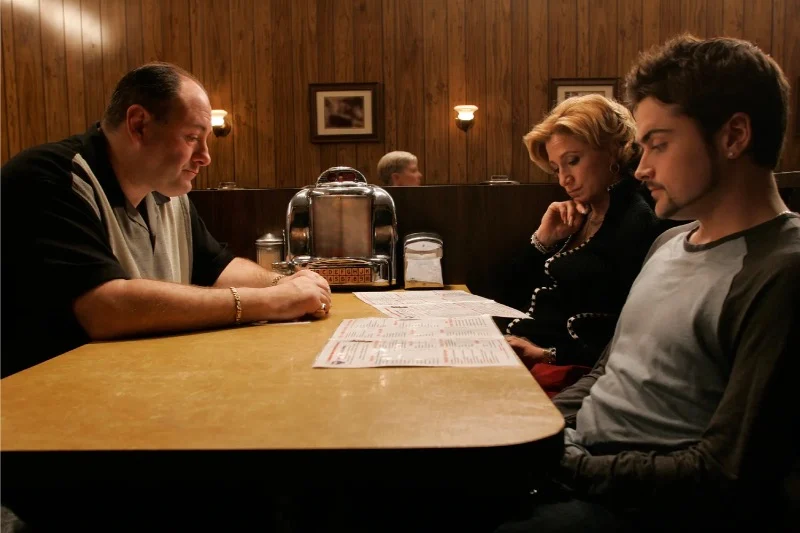
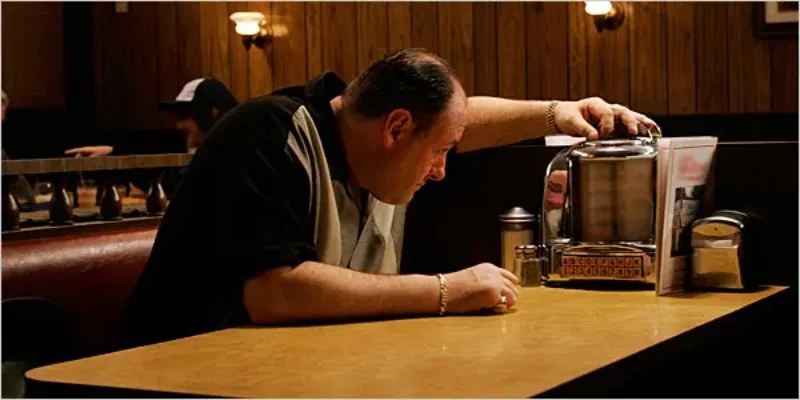
The final scene places the family in a diner with a jukebox playing and then cuts abruptly to black. The moment preserves uncertainty about what happens next and invites people to examine where each character sits, who walks through the door, and how the camera positions the room. The staging makes it easy to pause, rewind, and analyze details.
The location is a real ice cream and candy shop in Bloomfield that welcomes visitors who want to see the booth. The way the scene was edited has carried over cleanly to streaming, so modern viewers experience the same sudden silence and frame that sparked discussions when the episode first aired.
Share which moments from ‘The Sopranos’ feel different to you now and which ones still work in the comments.