


5 Ways the ‘Twin Peaks’ Aged Poorly (& 5 Ways It Aged Masterfully)

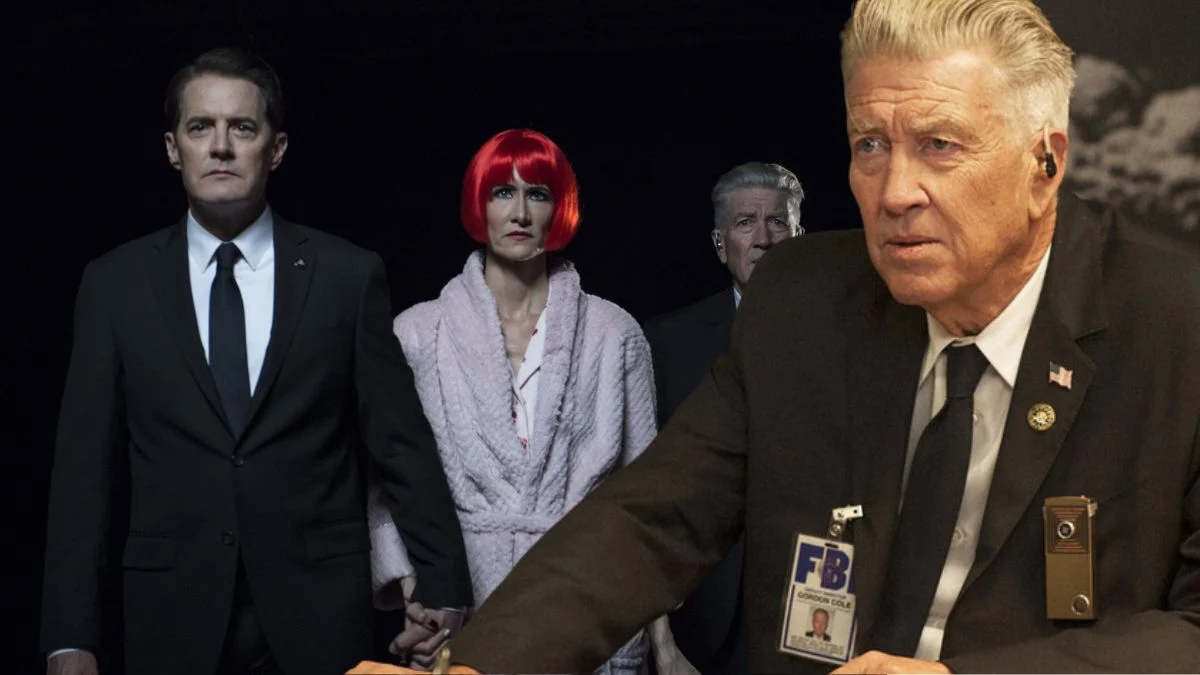


When people talk about the shift in television from simple case solving to puzzling mythology, they point to ‘Twin Peaks’ as a turning point. The series mixed a small town murder mystery with dream logic and a visual style that felt different from anything else on network TV. It brought an art house sensibility to primetime and gave audiences clues to examine rather than easy answers.
Looking back now, some parts show their age while others remain remarkably effective. The production journey included network demands, a long broadcast schedule, a feature film expansion, and later a limited series continuation in ‘Twin Peaks: The Return’. That path left behind choices that can look dated alongside elements that still feel inventive and structurally strong.
Aged Poorly: Network Pressure And Early Mystery Resolution
The central mystery around Laura Palmer was originally designed as an engine for the town’s stories rather than a quick solution. Network pressure to resolve the killer mid run forced a course change that shifted attention to new subplots and villains. This altered the narrative balance, since the investigation had anchored many character arcs and community threads up to that point.
Once the reveal occurred, writers had to backfill momentum with additional plotlines that were not set up with the same depth. Production records and interviews over the years have described how that decision compressed the planned pace. The outcome created a noticeable change in story focus that can be traced on an episode by episode basis after the reveal.
Aged Masterfully: Bold Hybrid Of Crime Procedural And Surrealism

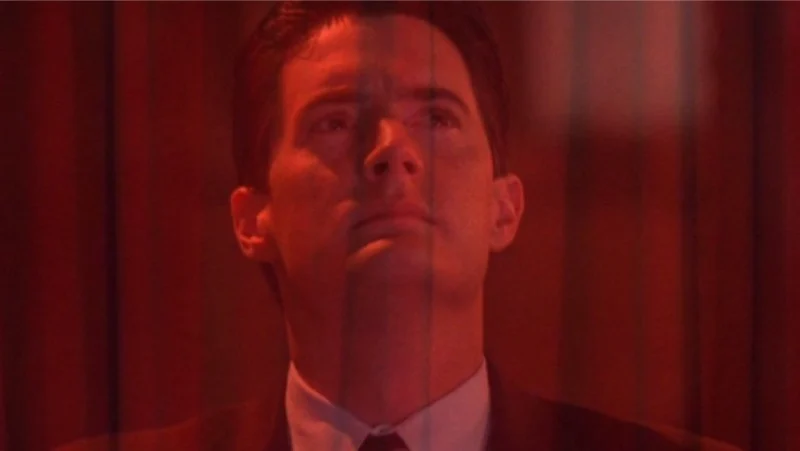
The series used a familiar crime framework to introduce surreal imagery and coded symbolism. Scenes in the Red Room and the use of backward speech and looping dialogue created a distinctive method for presenting clues. That mix let viewers track concrete evidence while also decoding dream sequences that carried factual information about suspects and motives.
This hybrid gave the show a structure for alternating between conventional police work and visionary scenes without losing continuity. The surreal sequences were not decorative inserts. They delivered case relevant data and forecast events that later aligned with what the investigation uncovered in the real world, which preserved internal logic across both modes.
Aged Poorly: Outdated Consumer Tech And Forensics
Characters rely on landline phones, cassette tapes, answering machines, and analog recorders. Investigative steps reflect pre digital access to records and communications, which results in delays that modern tools would compress. Autopsy and lab work appear within the limits of contemporary network television at the time, with minimal on screen forensic process compared to later standards.
Modern viewers will notice how evidence handling, database searches, and chain of custody details are simplified. The show often moves the plot through interviews and intuition because real time data retrieval and location tracking were not available as routine tools. These choices reflect period accurate practices, yet they also highlight how policing procedures have changed.
Aged Masterfully: Production Design And Visual Language

The production created an instantly recognizable environment through sets, props, and color choices. The chevron floor, red drapes, log cabin textures, and small town storefronts build a consistent visual identity. Repeated objects such as coffee cups, cherry pie, and the log itself function as signposts that help viewers orient across dream and waking spaces.
Camera placement and shot duration reinforce tone without relying on exposition. Slow push ins, symmetrical framing, and carefully staged tableaus guide attention to clue relevant details in the background. These techniques make scenes readable even when dialogue withholds answers, which supports rewatchability because visual information continues to carry plot weight.
Aged Poorly: Pacing Shifts In The Second Season

The long network season required many hours of story, and after the killer reveal the episode to episode tempo changes. Several arcs expand to fill time rather than escalate the core conflict. This creates stretches where the main investigation is no longer the spine for the entire ensemble, which can be mapped by tracking screen time distribution across subplots.
The broadcast model also introduced cliffhanger timing that served scheduling needs rather than story peaks. Viewers can chart midseason episodes where the act breaks favor weekly suspense while the seasonal throughline advances only slightly. The contrast with the tightly constructed pilot and early installments is clear when comparing plot advancement per episode.
Aged Masterfully: Long Arc Storytelling That Anticipated Prestige TV

‘Twin Peaks’ seeded clues early and paid them off across many episodes, which was uncommon on network schedules of the time. Minor props, throwaway lines, and recurring motifs later connect to major revelations. That approach trained audiences to retain details and encouraged active theorizing between airings, which became a hallmark of later serialized dramas.
The series also normalized the idea that a weekly show could sustain a cohesive tone while moving between genres. Mystery, horror, comedy, and small town slice of life scenes coexisted under a single authorial vision. This blueprint informed later shows that balanced procedural beats with long form mythology, even when those shows used different settings and themes.
Aged Poorly: Limited Diversity And Some Character Tropes

The main cast centers on a mostly white ensemble with limited representation for other communities. Josie Packard and other characters of color have arcs that often intersect with crime plots or romance complications rather than independent professional goals. The distribution of authority figures skews toward a narrow profile for law enforcement and civic leadership.
The show also includes school based relationships that blend teenage characters with adult narratives around violence and exploitation. While the series treats the subject matter as part of the town’s corruption, the framing of certain student storylines follows patterns common to its era. These patterns place most agency for resolution back with adult investigators rather than with the students themselves.
Aged Masterfully: Successful Revival With ‘Twin Peaks: The Return’

The limited series continuation brought the story into a new production environment with extended episode flexibility. The release structure allowed scenes to run at unconventional lengths and placed experimental segments alongside straightforward plot movement. Digital workflows supported complex visual sequences and in camera effects that expanded the show’s original visual vocabulary.
The revival also reconnected threads from the town to a wider map of locations. It followed multiple Dougie and FBI timelines while maintaining continuity with the earlier narrative. Cast members returned to characters with clear continuity, while new characters were introduced with roles that connected directly to unresolved elements rather than serving as isolated detours.
Aged Poorly: Broadcast Standards That Softened Dark Material

Certain violent acts and their aftermaths are staged with implied visuals to meet broadcast rules of the era. The camera often cuts away during critical moments, leaving limited forensic detail and minimal depiction of recovery procedures. This reduces the amount of on screen documentation that modern audiences expect when a plot hinges on specific physical evidence.
The portrayal of institutional response also reflects period constraints. Scenes that would now include coordinated interagency protocols instead show local officers handling tasks that later practice assigns to specialized units. Viewers can track instances where the story compresses jurisdictional steps, which can blur the operational boundaries between local, state, and federal roles.
Aged Masterfully: Strong Preservation And Restorations For Modern Viewing

High quality remasters and releases have kept the image clean and consistent across formats. Negative rescans and careful grading preserve shadow detail in darker scenes and retain the texture that defines the show’s look. This attention ensures that signature spaces like the Red Room and the Pacific Northwest exteriors display the contrast and depth the cinematography intended.
Comprehensive home releases assemble the pilot, the series, the feature film ‘Twin Peaks: Fire Walk With Me’, and later the continuation into coherent sets. Extras document production decisions, deleted material, and behind the scenes methods that clarify how specific sequences were achieved. This access turns the series into a study resource for television craft as well as a narrative to revisit.
Share your own take on what still works and what does not in the world of ‘Twin Peaks’ in the comments.