


We Really Didn’t Want to See These 15 Movie Characters Die

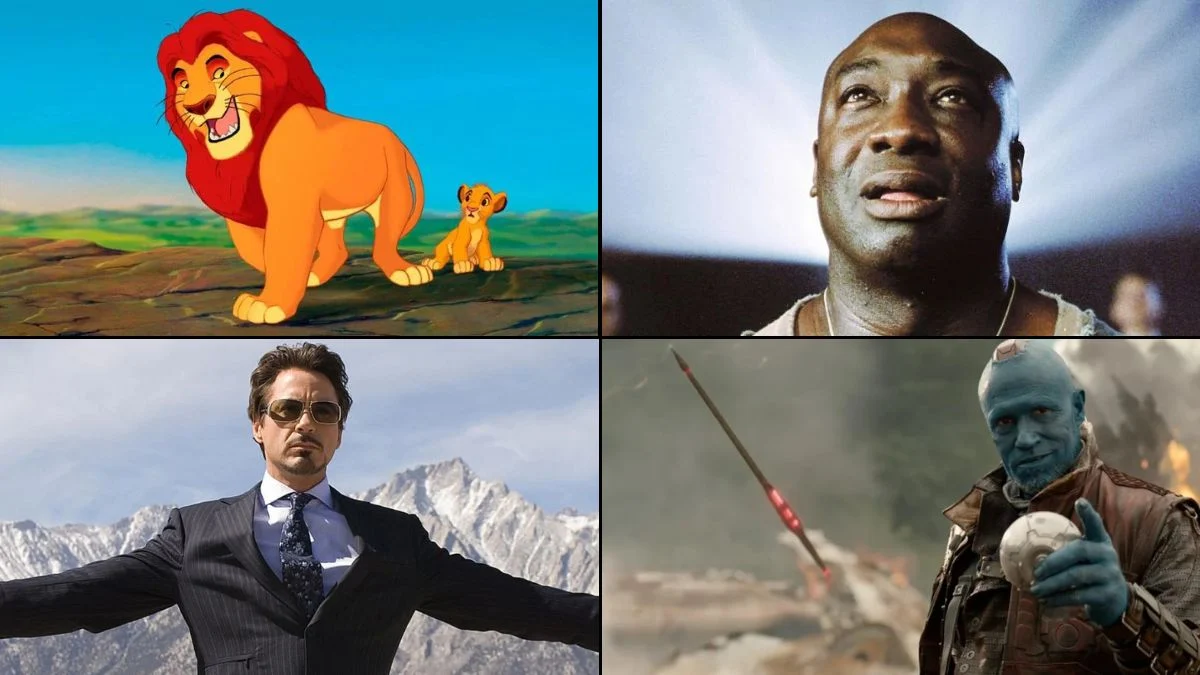


Some character deaths hit with a force that lingers long after the credits. These moments often arrive at pivotal points, closing arcs that shaped the story while shifting everything for the survivors. Because they are so tightly woven into the plot, they become the scenes people remember in detail, from the last line to the final cutaway.
The entries below look at what happened on screen, why the story required it, and what changed because of it. You will find the key circumstances, the roles these characters played up to that point, and how their exits redirected the narrative. Each item focuses on verifiable details so you can trace exactly how the films used loss to move their worlds forward.
Mufasa
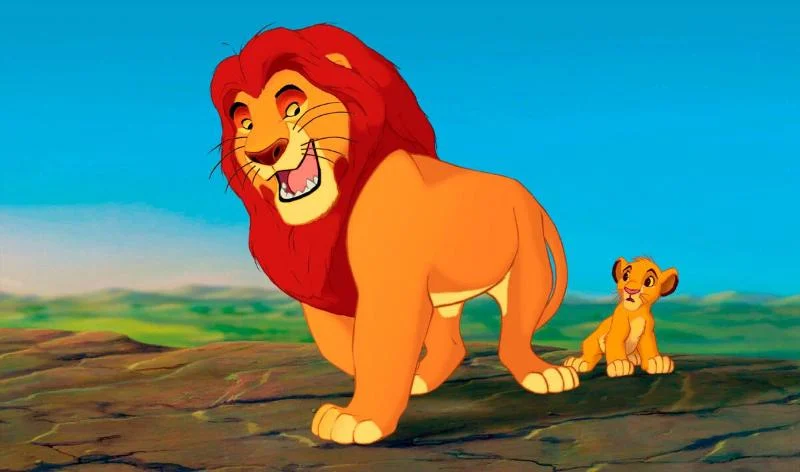
In ‘The Lion King’ Mufasa dies during a wildebeest stampede after rescuing Simba from the gorge. Scar causes the fall by forcing Mufasa from the cliff and then orders the hyenas to pursue Simba. The sequence sets up the central conflict between rightful leadership and usurpation in the Pride Lands.
After Mufasa’s death Simba leaves his home and grows up away from the pride, which allows Scar to rule unchecked. The film later uses Mufasa’s teachings about responsibility and the circle of life as the foundation for Simba’s return and reclamation of the throne.
Bambi’s Mother
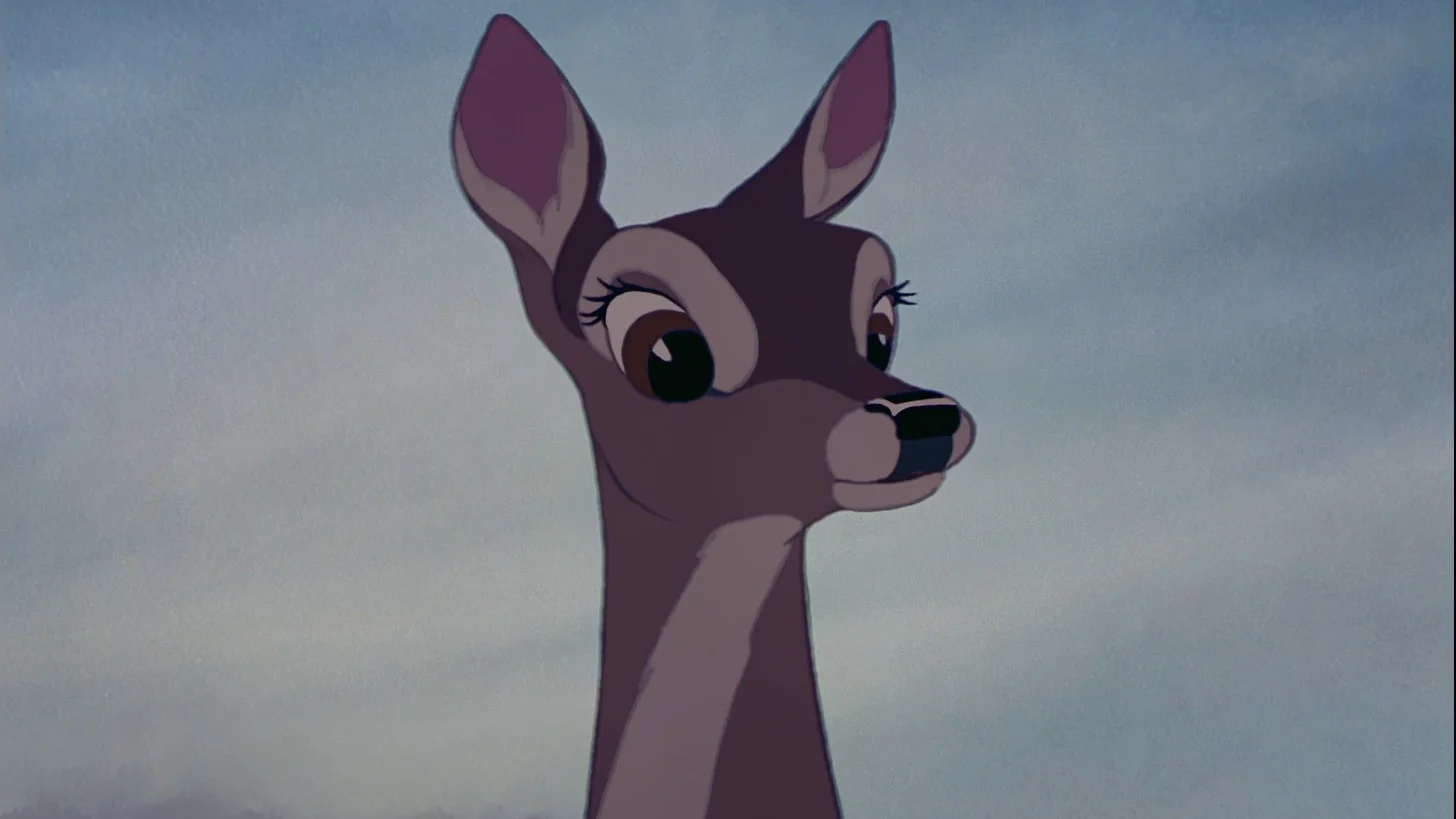
In ‘Bambi’ the fawn’s mother is shot off screen by a hunter during winter. The film signals the event through sound and Bambi’s search in the snow rather than a visual depiction. This choice places the focus on the experience of loss from a child’s perspective.
The death propels Bambi into independence under the guidance of the Great Prince of the Forest. Seasonal changes and encounters with danger become milestones in Bambi’s development as he transitions from reliance to leadership.
Jack Dawson

In ‘Titanic’ Jack dies of hypothermia in the North Atlantic after the ship sinks. He ensures Rose’s survival by helping her onto floating debris and remaining in the water until rescue arrives. The scene occurs after a series of efforts to navigate flooding corridors and collapsing structures.
Rose’s later testimony under a new identity traces back to Jack’s influence on her choices aboard the ship. The film uses her recollections to connect personal transformation with historical events, linking a lost relationship to artifacts recovered from the wreck.
John Coffey

In ‘The Green Mile’ John Coffey is executed by electric chair after being convicted of a crime he did not commit. Before his death he demonstrates healing abilities by curing illness and transferring pain, which corrections officer Paul Edgecomb witnesses. The narrative frames his execution as an institutional outcome that proceeds despite evidence of innocence.
Coffey’s death leaves Paul with extended longevity and a burden of memory tied to the events on E Block. The film uses Paul’s later life to document the lingering effects of that night and to record Coffey’s acts of compassion within a system that failed him.
Boromir

In ‘The Lord of the Rings: The Fellowship of the Ring’ Boromir dies defending Merry and Pippin from Uruk hai near Amon Hen. He is struck by multiple arrows from Lurtz during the ambush. His final conversation with Aragorn addresses his earlier attempt to take the One Ring from Frodo.
Boromir’s death breaks the Fellowship into separate paths. Aragorn, Legolas, and Gimli pursue the captors of the hobbits while Frodo and Sam continue toward Mordor. The change in group structure sets up the next phase of the quest and repositions responsibility among the remaining members.
Yondu

In ‘Guardians of the Galaxy Vol. 2’ Yondu dies in space after giving Peter Quill the only functioning spacesuit and aero rig. He carries Quill to safety and removes his own life support to ensure the rescue. The scene follows Yondu’s confrontation with Ego and the escape from the planet.
His death resolves the conflict between Yondu’s past as a Ravager and his role as a parental figure to Peter. The Ravager funeral led by Stakar Ogord acknowledges Yondu’s redemption and restores his standing among former allies, which strengthens the Guardians’ ties to the wider criminal underworld.
Hoban Washburne
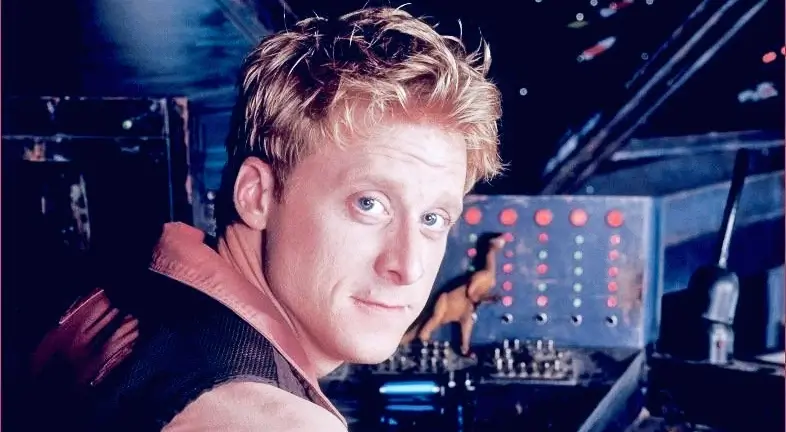
In ‘Serenity’ Wash dies when a Reaver harpoon pierces the cockpit of the ship after a high risk landing. He has just navigated a pursuit through an Alliance fleet and brought the vessel down intact. The sudden strike occurs before the rest of the crew begins the final ground fight.
Wash’s absence forces Zoe and the crew to adjust tactics during the showdown at the transmitter station. The film closes with River taking the co pilot seat, which marks a shift in ship operations and highlights the permanent cost of the crew’s exposure of classified information.
Han Solo

In ‘Star Wars: The Force Awakens’ Han Solo is killed on Starkiller Base when Kylo Ren ignites his lightsaber during a bridge confrontation. Han approaches under the name Ben and speaks to his son as First Order forces prepare to fire. The death removes a key link to the original rebellion leadership.
The event drives the next stage of conflict between Kylo Ren and the Resistance by deepening the rift within the Skywalker family. It also sets up Chewbacca’s continued role in missions with Rey and the Resistance, altering the Millennium Falcon’s crew dynamics for the battles that follow.
Tony Stark
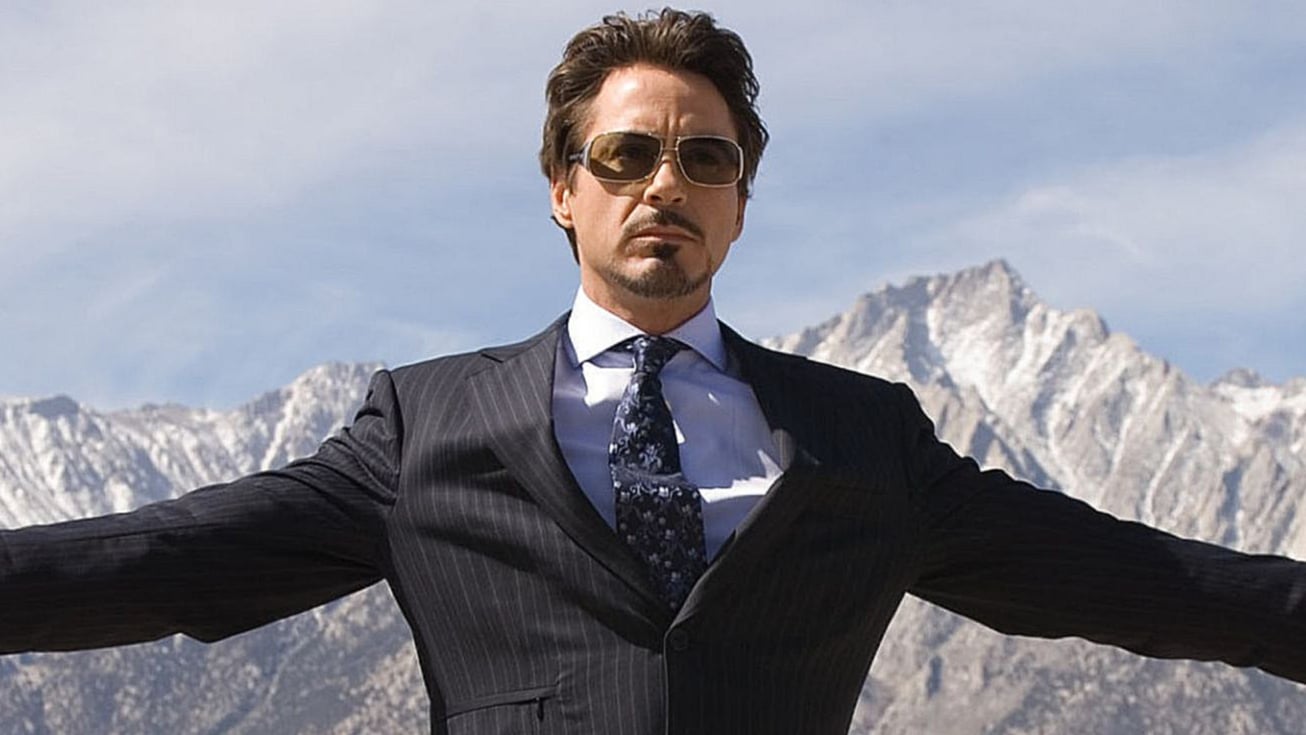
In ‘Avengers: Endgame’ Tony Stark dies after using the Infinity Stones to erase Thanos and his army. The power of the stones fatally injures him during the final battle at the Avengers Compound. His decision completes a strategy that hinges on time travel, quantum navigation, and coordinated assaults.
Stark’s death triggers public memorials and leadership changes within the Avengers network. Pepper Potts oversees the closure of personal affairs, while characters like Peter Parker carry forward technology and mentorship legacies that shape later missions and alliances.
Logan

In ‘Logan’ the aging mutant dies from injuries sustained while protecting Laura and other young mutants near the Canadian border. His healing factor has weakened, and his body is damaged by adamantium poisoning. The final fight involves clones engineered by a clandestine program that repurposed mutant DNA.
Logan’s burial under a simple marker concludes a character arc that centers on guardianship and identity. Laura’s adoption of his name and the cross tilt at the grave signal her path away from the program that created her and toward autonomy with the surviving children.
Spock

In ‘Star Trek II: The Wrath of Khan’ Spock dies after entering the Enterprise’s irradiated engine room to restore warp power. His action allows the ship to escape the Genesis device’s detonation. The farewell through the glass highlights the limits of medical intervention against radiation exposure.
Spock’s death leads to a funeral and a photon torpedo casket launched to the Genesis planet. The subsequent search and recovery of his katra in a companion’s mind becomes the central objective of the next film, which ties resurrection to Vulcan cultural practices and Federation diplomacy.
Darth Vader

In ‘Star Wars: Return of the Jedi’ Darth Vader dies aboard the second Death Star after rescuing Luke Skywalker from Emperor Palpatine’s Force lightning. His mask is removed briefly at Luke’s request before the station is destroyed. The moment completes the turn from enforcer to father defending his son.
Vader’s death ends the Sith pairing that led the Galactic Empire and creates a power vacuum across Imperial ranks. The immediate aftermath focuses on the collapse of the battle station and celebrations on multiple worlds, which mark the beginning of a reorganization of galactic governance.
Severus Snape
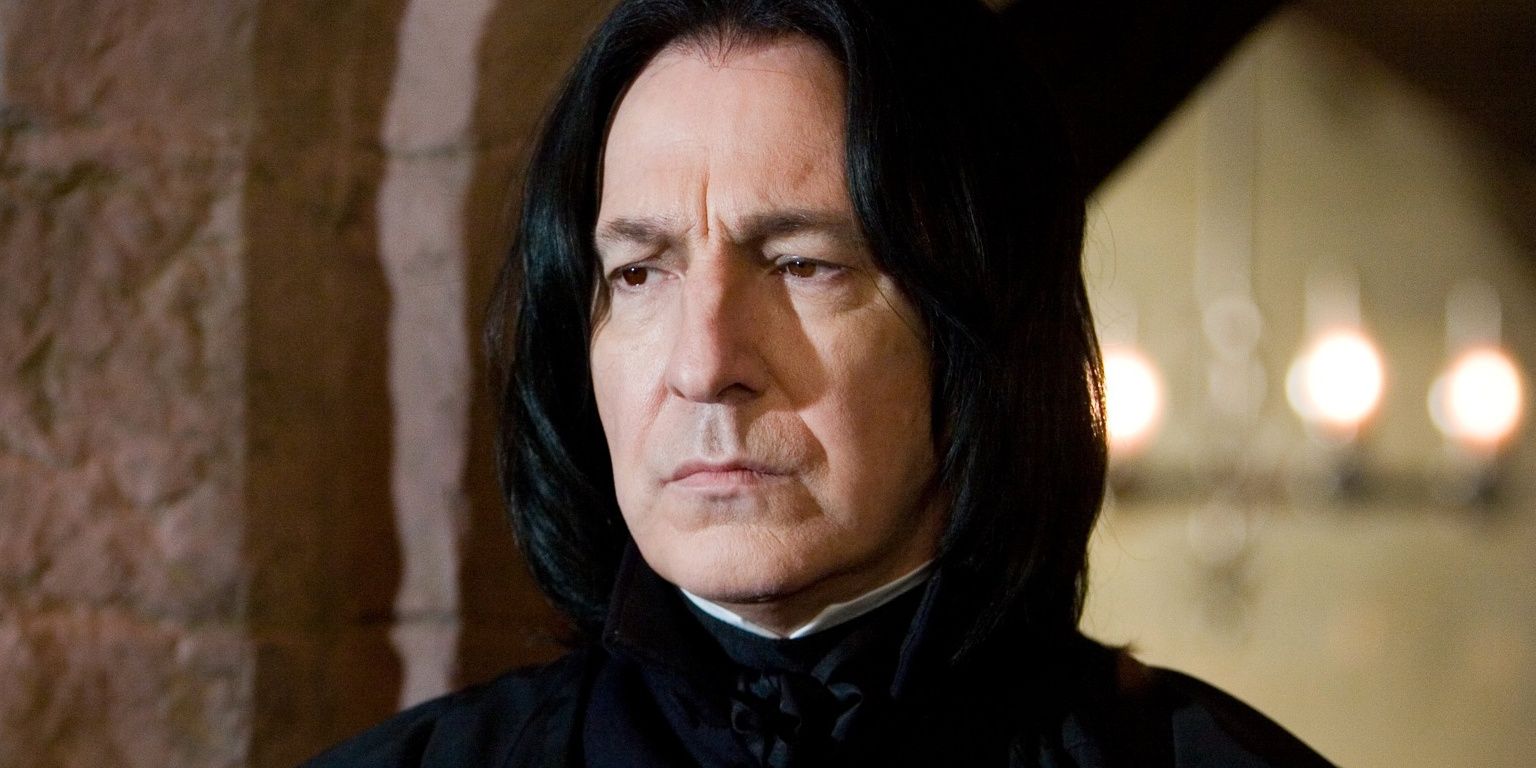
In ‘Harry Potter and the Deathly Hallows – Part 2’ Severus Snape is killed by Voldemort’s snake Nagini in the Shrieking Shack. The attack occurs as Voldemort attempts to control the Elder Wand by eliminating its supposed master. Snape passes key memories to Harry through a vial of tears.
Those memories reveal Snape’s lifelong protection of Harry and his cooperation with Dumbledore, which reframes earlier events at the school. The information guides Harry’s choices in the Forbidden Forest and clarifies the relationships that influenced the outcome of the final battle.
Old Yeller
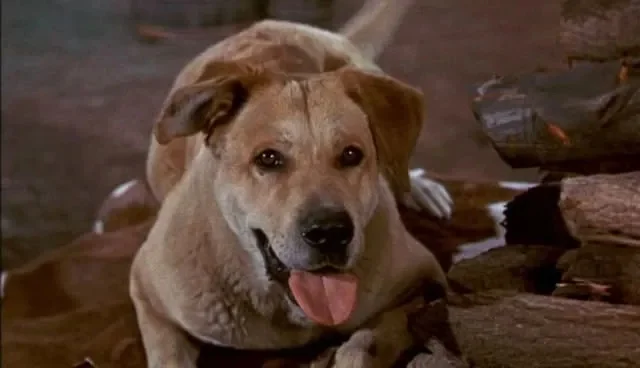
In ‘Old Yeller’ the family dog contracts hydrophobia after defending the household from a rabid wolf. The disease’s progression leaves no viable treatment in the story’s frontier setting. Travis is forced to shoot the dog to prevent danger to his mother and younger brother.
The aftermath depicts sanitation and quarantine steps typical of the period, including burning contaminated materials. The family later adopts one of Yeller’s pups, which provides continuity without erasing the practical lessons about animal care and disease control described in the film.
Trinity

In ‘The Matrix Revolutions’ Trinity dies after a crash in the real world while traveling with Neo toward the Machine City. Debris from the collision causes fatal injuries, and she says goodbye inside the hovercraft. The scene follows a series of engagements with sentinels and defense fields.
Her death alters the final approach to the truce between humans and machines by leaving Neo to complete the negotiation alone. The ending then focuses on programmatic changes within the Matrix and on the role of the Oracle and the Architect, with Trinity’s absence marking a permanent change to the core team.
Share the character death that affected you most in the comments and tell us which scene you think the list should add next.