

Weirdest Video Games of All Time, Ranked




Some games play by the rules and some take a hard left into the unexpected. This list looks at titles that twist mechanics, stories, and even controllers in ways that make you do a double take. You will find animal antics, surreal dreamscapes, and experiments that treat play as a strange little science lab.
To keep things clean, this countdown focuses on clear facts about how each game works, who made it, and where you can play it. That way you can decide which oddball adventure to try next and which one to simply marvel at from a safe distance.
20. ‘Goat Simulator’

In ‘Goat Simulator’ you control a goat inside a physics sandbox and turn a quiet town into a playground of headbutts and flips. The game tracks points for destruction, hides secret areas, and lets you trigger mutators that change movement and abilities.
Coffee Stain Studios released it in 2014 on PC and later brought it to consoles and mobile. Expansions added themed maps and parody content, and follow up entries continued the slapstick approach across new locations.
19. ‘I Am Bread’
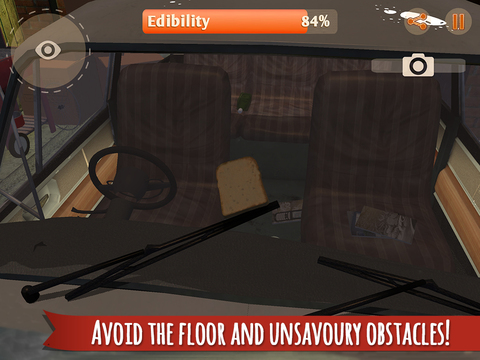
‘I Am Bread’ casts you as a slice of bread with a single goal to become toast. You grip surfaces with corner controls, crawl across rooms, avoid dirt and water to keep an edibility meter high, and reach a heat source to finish the level.
Bossa Studios launched the game after a period in early access and rolled it out on PC and consoles. Extra modes let you control other baked goods and a baguette rampage, while crossover content connected it to the studio’s surgery series.
18. ‘Untitled Goose Game’
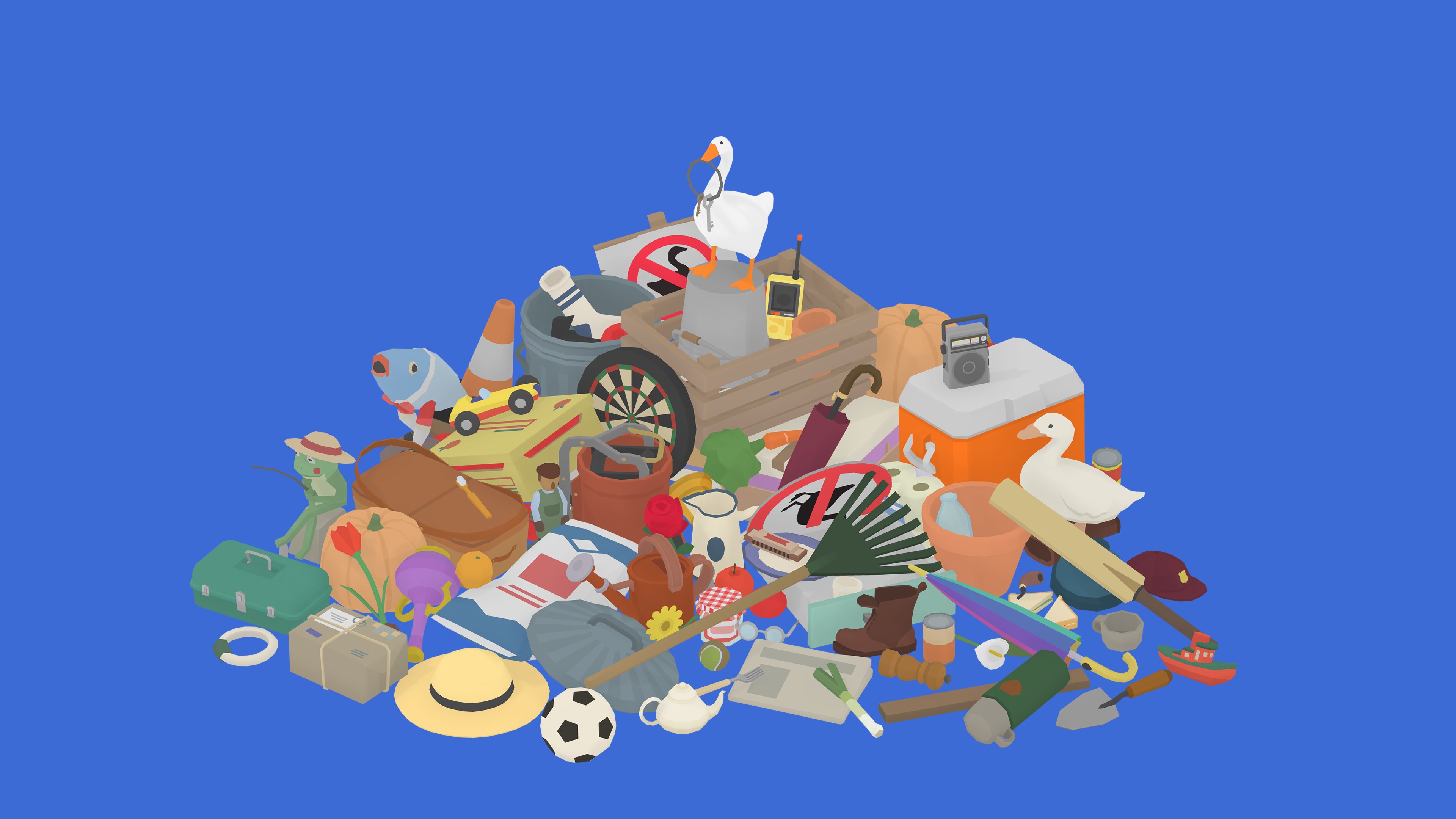
In ‘Untitled Goose Game’ you are a goose let loose in a small English village. Each area gives you a to do list that guides pranks like stealing keys, trapping people in gardens, and honking at the worst possible moments.
House House released it in 2019, first on Switch and PC and then on other platforms. A free update added two player cooperative play, and a physical edition followed with extras for collectors.
17. ‘Enviro Bear 2000’
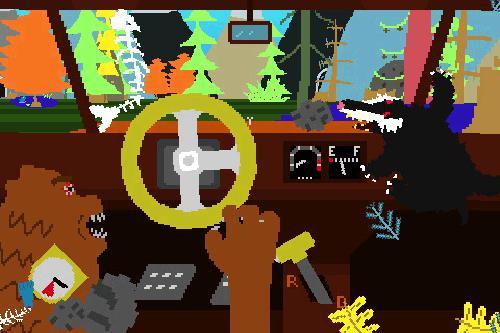
‘Enviro Bear 2000’ puts a bear in a car and asks you to gather enough food to hibernate before winter hits. You operate one paw to steer, accelerate, and grab items inside a cluttered cabin while fish and pinecones bounce around the screen.
Developer Justin Smith created the game for a competition and later brought it to mobile devices. Its simple art and intentionally awkward controls turned a short session into a frantic scramble that rewards quick improvisation.
16. ‘Bad Mojo’
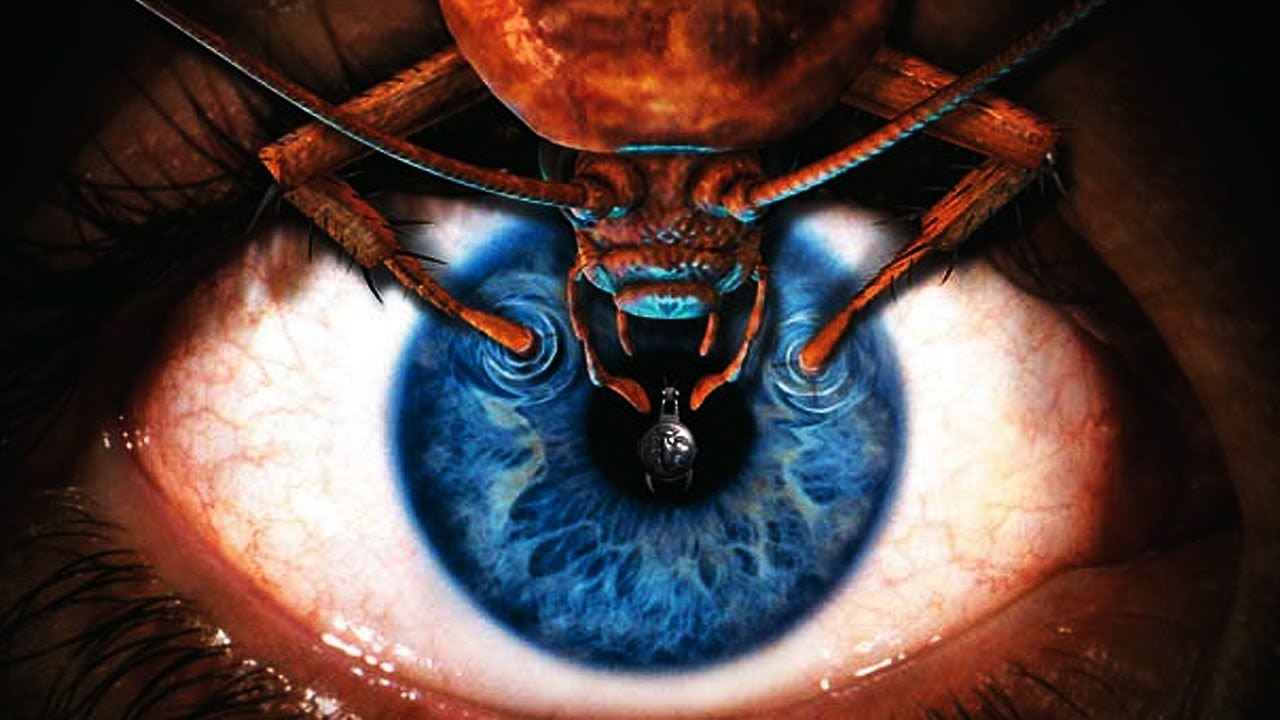
‘Bad Mojo’ transforms the player into a cockroach navigating a grimy apartment full of live action scenes and dangerous obstacles. Movement is tile based, puzzles involve real world hazards like gas and water, and the story unfolds through found images and video.
Pulse Entertainment and Drew Pictures released it on PC in 1996 with Acclaim as the publisher. A remastered version called ‘Bad Mojo Redux’ arrived in 2004 with updated compatibility and cleaned up assets for modern systems.
15. ‘The Typing of the Dead’
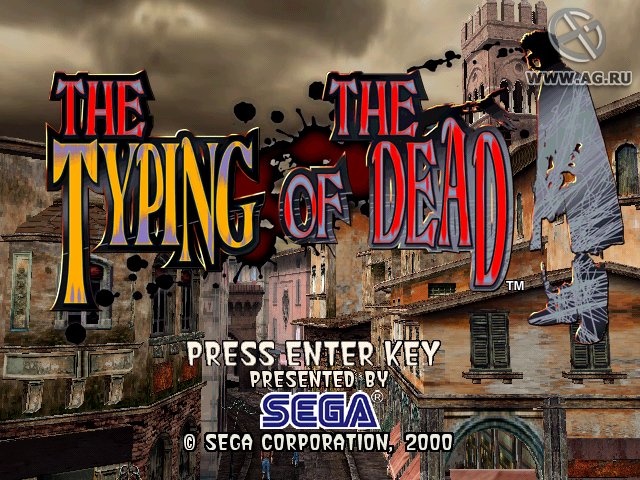
‘The Typing of the Dead’ replaces a light gun with a keyboard and asks you to type words and phrases to defeat zombies. Enemies carry text prompts that increase in complexity, and accuracy determines score and survival.
Sega launched the arcade version in 1999 and later ported it to Dreamcast and PC. It uses locations and events from ‘The House of the Dead 2’ and received follow ups including ‘Typing of the Dead Overkill’ on PC.
14. ‘Killer7’

‘Killer7’ blends rail style shooting with puzzle exploration while switching among seven personas of an assassin group. Navigation locks movement to paths, combat uses a first person view, and the plot presents a dense conspiracy through stylized scenes.
Grasshopper Manufacture developed it with Suda51 directing, and Capcom published it in 2005 for GameCube and PlayStation 2. A PC version arrived in 2018 with higher resolutions and control options for modern setups.
13. ‘Tokyo Jungle’

‘Tokyo Jungle’ imagines a future Tokyo without humans where animals fight for territory and survival. You can play as Pomeranians, hyenas, crocodiles, and more while managing hunger, mating to carry on a bloodline, and unlocking new species.
Crispy’s and Japan Studio released it in 2012 for PlayStation 3. A streamlined version called ‘Tokyo Jungle Mobile’ later reached PlayStation Vita and mobile platforms with a different perspective and controls.
12. ‘Deadly Premonition’

‘Deadly Premonition’ is a detective game set in an open world town with daily schedules, hunger and sleep systems, and combat sequences. Investigations involve profiling scenes, interviewing residents, and chasing a serial killer through set pieces.
Access Games released it in 2010, first on Xbox 360 and later on PlayStation 3 and PC through an updated edition called the Director’s Cut. A sequel titled ‘Deadly Premonition 2’ launched on Switch and expanded the setting and timeline.
11. ‘Everything’

‘Everything’ lets you become almost any object, from a beetle or a tree to continents and galaxies. You shift scale freely, form groups of similar things, and listen to philosophical narration that triggers while you explore.
Artist David OReilly created the game with support from Double Fine Presents, and it released in 2017 on PlayStation 4 and PC before moving to other platforms. A mode that plays itself shows systems interacting without player input, turning the simulation into a living screensaver.
10. ‘Chulip’
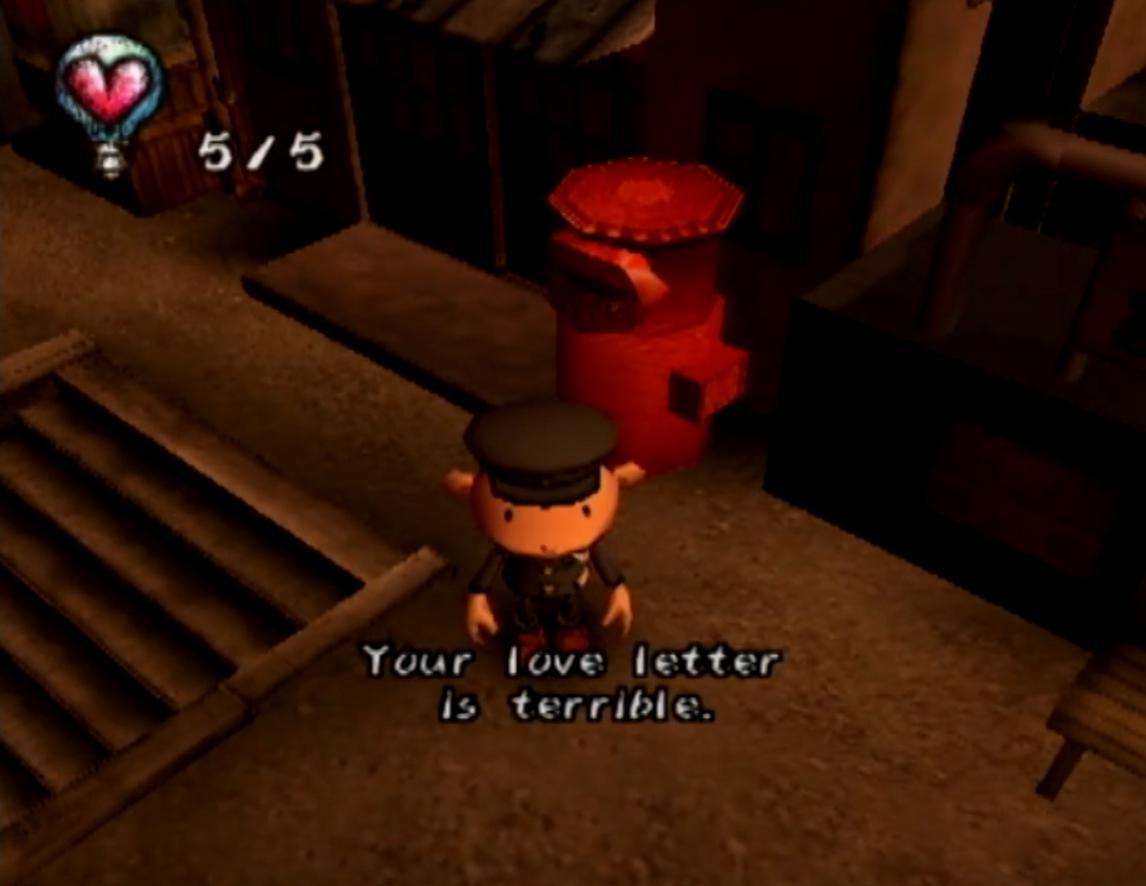
‘Chulip’ follows a boy who raises his reputation in a small town by learning when and how to give residents a kiss. Success depends on reading schedules, solving side quests, and equipping items that prevent mishaps.
Punchline developed the game for PlayStation 2, with a 2003 release in Japan and a 2007 localization by Natsume in North America. It later appeared on PlayStation Network in select regions, giving it a second life with new players.
9. ‘Mr. Mosquito’
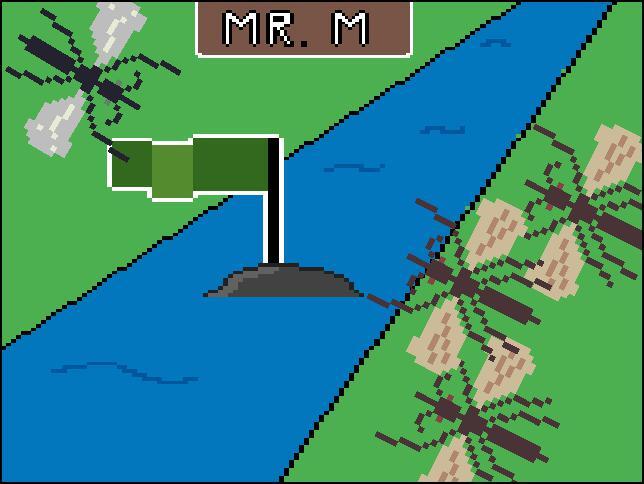
In ‘Mr. Mosquito’ you play as a mosquito living inside the Yamada family home. Levels ask you to draw blood from specific body parts while managing a stress meter and avoiding swats, with boss style encounters that trigger when tension spikes.
Zoom released the game on PlayStation 2 in 2001 and followed it with a Japan only sequel in 2003. The unusual premise and domestic setting set it apart from typical action titles of the era.
8. ‘Muscle March’
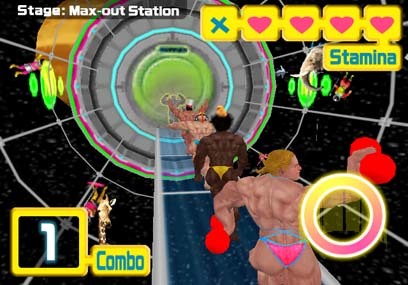
‘Muscle March’ is a fitness themed chase where bodybuilders sprint through walls that match a pose. You copy the pose with motion controls, keep pace through a series of rooms, and tackle a final sprint to catch the thief.
Namco Bandai released it on WiiWare in 2009. The game includes multiple characters, a survival mode, and a replay feature that turns completed runs into short highlight clips.
7. ‘Noby Noby Boy’
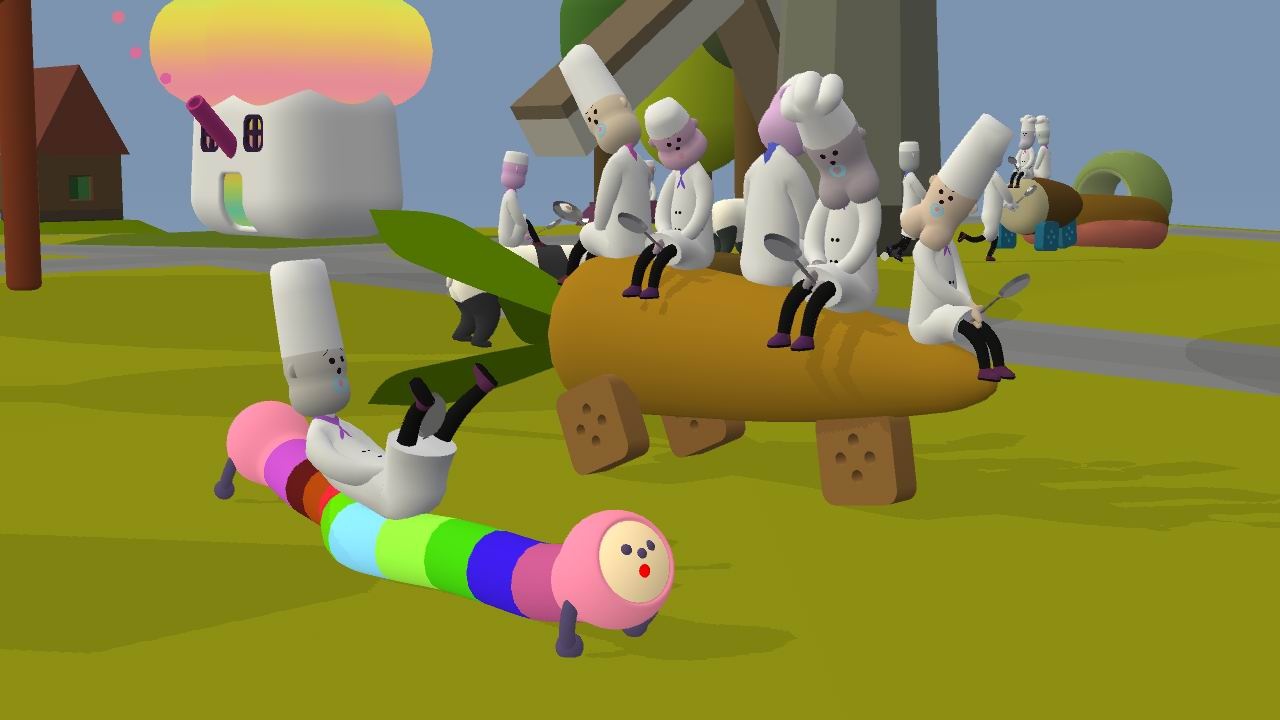
‘Noby Noby Boy’ asks you to stretch and tangle a long character across small worlds while completing simple tasks. Your length contributes to a global total that advances a character named GIRL through the solar system, which unlocks new locations for everyone.
Keita Takahashi designed the project for PlayStation Network in 2009, with an iOS version arriving later. Periodic updates added toys and tweaks, and the shared progress model gave the community a collective goal.
6. ‘Katamari Damacy’
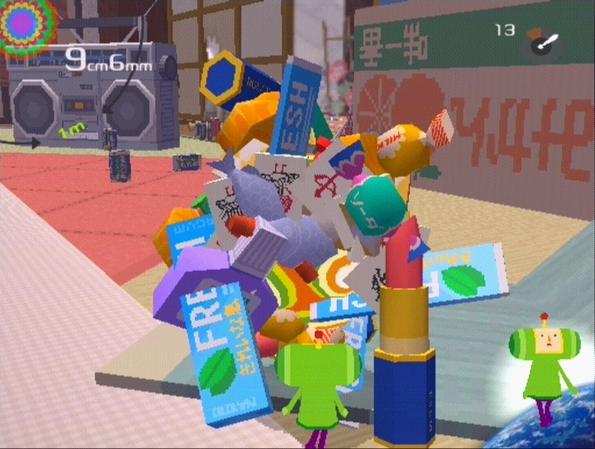
‘Katamari Damacy’ centers on rolling a sticky ball that picks up objects to grow from thumbtacks to buildings. Each stage sets a time limit and a size target, with different rules like collecting only specific categories.
Namco released it on PlayStation 2 in 2004 under director Keita Takahashi. The remaster ‘Katamari Damacy Reroll’ brought the game to modern platforms with higher resolution graphics and refined controls.
5. ‘Seaman’
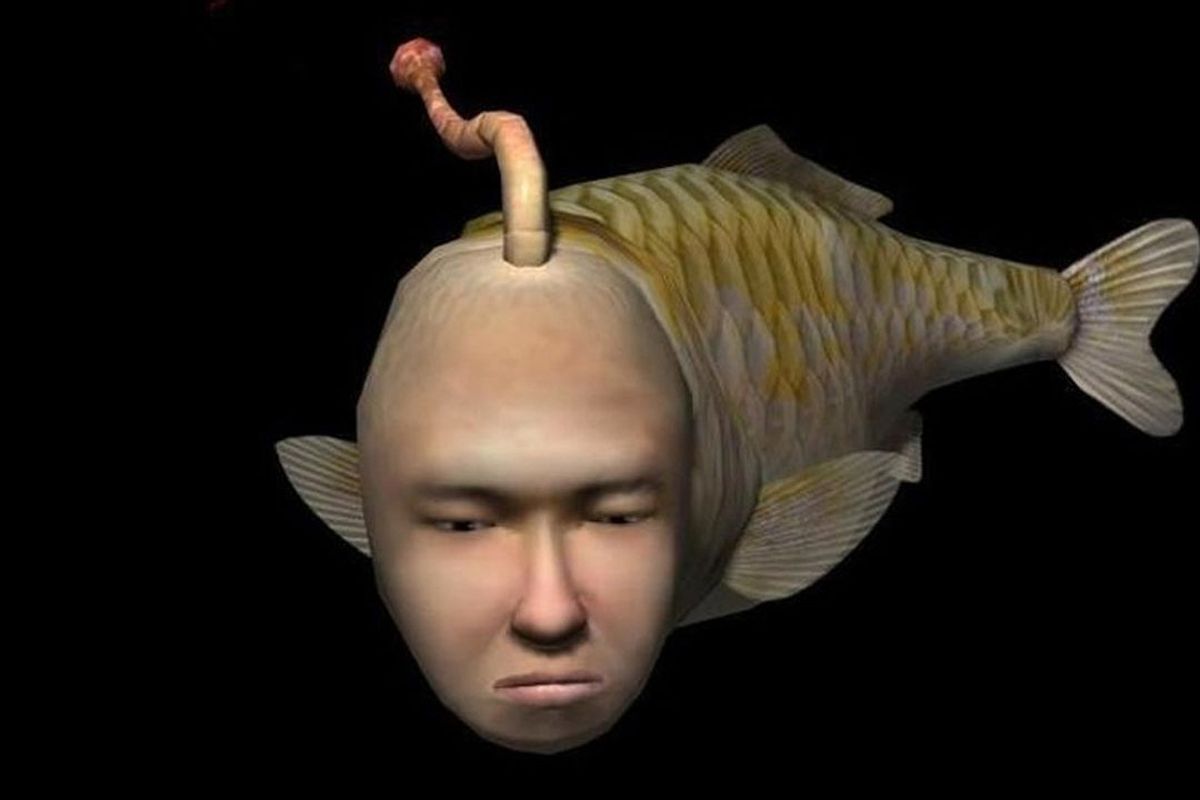
‘Seaman’ is a virtual pet on Dreamcast where you raise a talking fish with a human face through a microphone. The creature responds to spoken questions, grows through life stages, and requires daily attention tied to the system clock.
Yoot Saito’s studio Vivarium created it, and Sega released it in Japan in 1999 and in North America in 2000 with a packaged microphone. A sequel arrived on PlayStation 2 in Japan and expanded the concept with new species and scenarios.
4. ‘Cho Aniki’
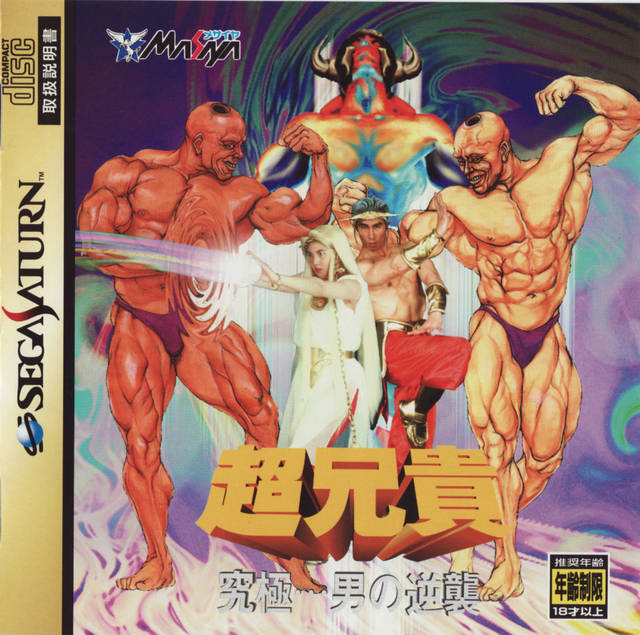
‘Cho Aniki’ is a side scrolling shooter known for a bodybuilding theme with muscular characters acting as ships and helpers. Gameplay uses standard shooter rules with power ups and unique partner units that rotate around the player.
The series began on the PC Engine in 1992 under developer Masaya, then spread to Super Famicom, PlayStation, and other platforms. Multiple entries and spin offs kept the same visual identity while changing mechanics and difficulty.
3. ‘Eastern Mind The Lost Souls of Tong Nou’
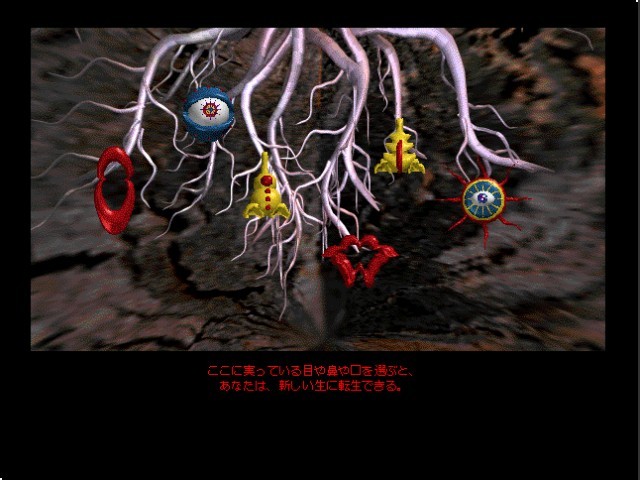
‘Eastern Mind The Lost Souls of Tong Nou’ is a point and click adventure set on an island where you reincarnate into new forms to solve puzzles. Progress requires leaving your body, inhabiting other creatures, and learning the island’s strange rules to recover a stolen soul.
Artist Osamu Sato led development with Asmik Ace publishing in 1994 for Windows and Mac. The limited print run and experimental style made original copies hard to find, and the game later gained attention through archival efforts and exhibitions.
2. ‘LSD Dream Emulator’
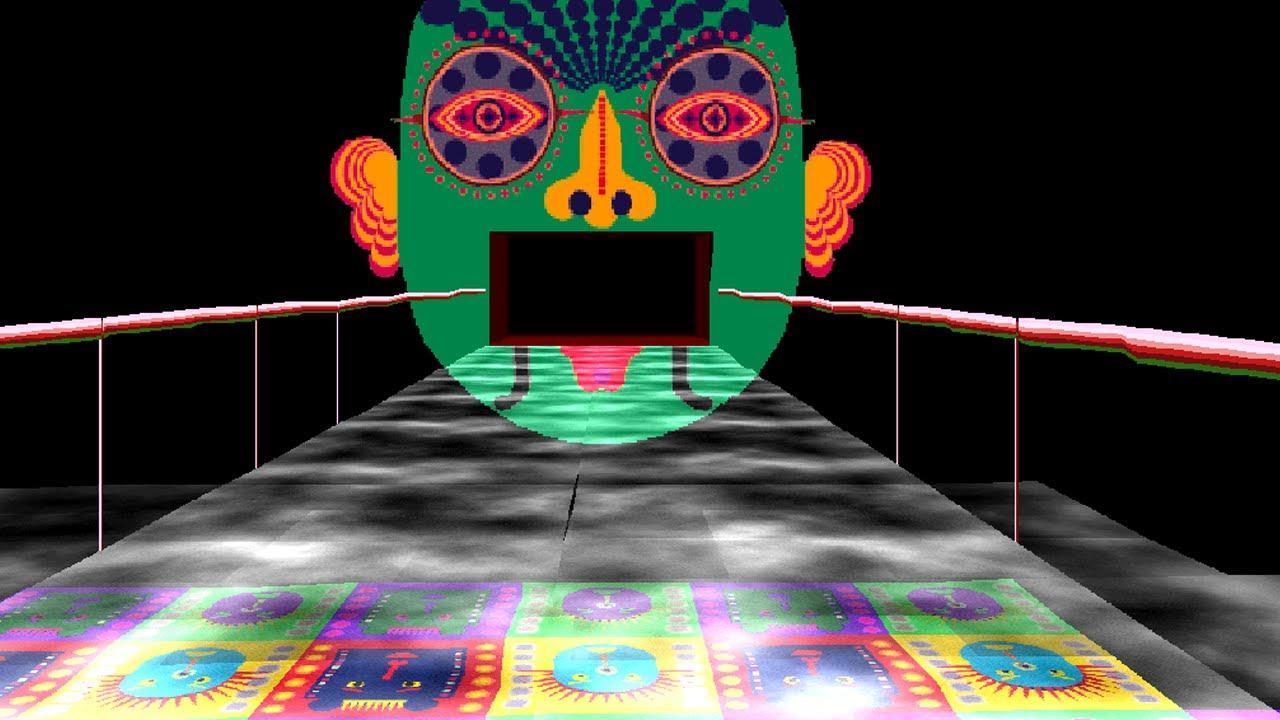
‘LSD Dream Emulator’ generates dreamlike walks through shifting environments that change from day to day. You explore, collide with objects to jump scenes, and track a log of dreams that charts mood and intensity over time.
Asmik Ace released it on PlayStation in 1998 with Osamu Sato as director and designer. The game never saw an official release outside Japan, and interest spread through import copies, video captures, and fan documentation.
1. ‘Boong Ga Boong Ga’

‘Boong Ga Boong Ga’ is an arcade game that scores players on virtual pranks like kancho and spanking using a seat and a finger shaped controller. The cabinet prints novelty cards with titles and rankings, and includes themed targets such as a bully or a gold digger.
Taff System created it in South Korea in 2001 and marketed it in Japan with limited distribution. The machine’s unusual hardware and subject matter placed it in a niche among novelty cabinets, and reports of installations often surfaced through trade shows and media features.
Tell us which entry you would add to this list and share your pick in the comments.