What Viewers Should Know About Netflix’s ‘Ethos’ Before Its Second Season Arrives


‘Ethos’, known in Turkish as ‘Bir Başkadır’, first reached Netflix on 12 November 2020 and returns for a second season on Thursday, 12 November 2026. That timing has sent many viewers back to a series they may have skipped or only half remembered. The question of whether it suits your taste deserves a more careful answer than a rating alone can give.
The drama sits in an unusual place on the platform. It has no big name actors and received little promotion, and it runs eight dense, dialogue heavy episodes. Anyone weighing ‘Ethos’ should understand what kind of series it is before pressing play.
Ethos Review Roundup and Critical Reception
The series has received mostly positive reviews from critics and audiences. TRT World praised it for bringing many characters and perspectives together, while also noting that it falls short at times. That mix of admiration and reservation runs through much of the coverage.
Ready Steady Cut described the show as a patient but intelligent drama about several people whose fates become intertwined through chance and circumstance in Istanbul. The same review judged that the writing is dense but solid and the acting is virtually never worse than good. It also called the series slow burn, which is worth keeping in mind.
Reception inside Turkey was louder and more divided. Soon after release there was a massive outpouring of praise, followed by critiques from people who claimed the series was overrated. One outlet reported that it had taken the whole country by storm since mid November.
On Rotten Tomatoes, the first season carries an 82 percent Popcornmeter score based on fewer than 50 audience ratings, with no critic reviews counted. One viewer there felt the show rewards patience but lacks the depth of Asghar Farhadi’s ‘A Separation’. Small samples like these suggest ‘Ethos’ draws strong opinions rather than a uniform verdict.
Turkish Drama on Netflix and What the Story Covers
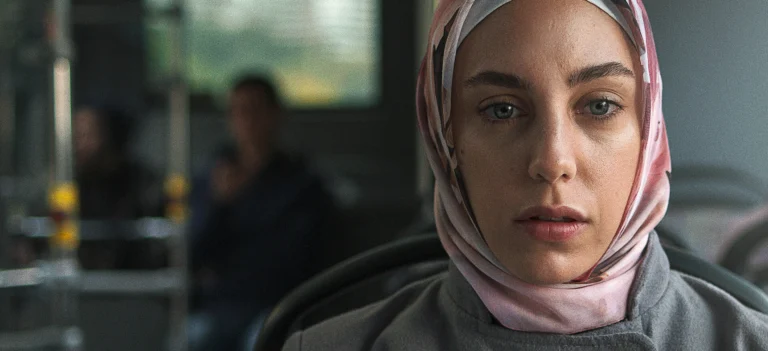
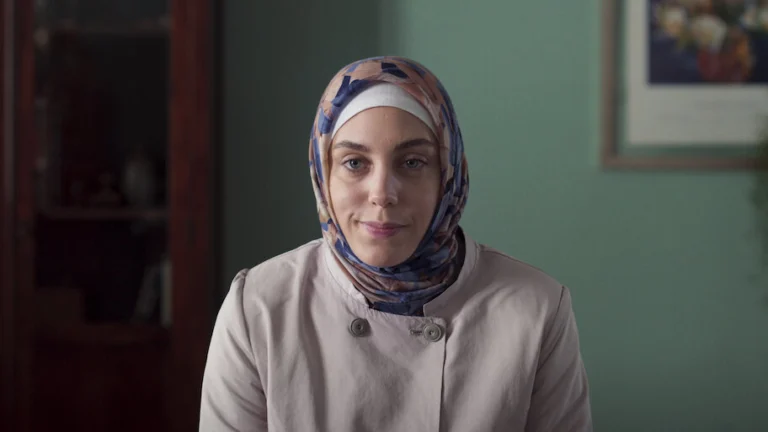
Netflix describes the series as a group of individuals in Istanbul who transcend sociocultural boundaries and find connection as their fears and wishes intertwine. The story begins with Meryem, a part time cleaner who experiences fainting spells and confides in a psychologist named Peri. From there the show widens to take in characters from very different social backgrounds.
The title carries its own meaning. The Turkish title was taken from Ayten Alpman’s 1978 song ‘Bir Başkadır Benim Memleketim’, which the report describes as a song that moves anyone over 40. A literal rendering of the title is roughly that something is something else. That sense of home and difference sits underneath much of the drama.
The material is not designed for casual background viewing. Netflix tags the series as sentimental, cerebral and nostalgic, and lists it among social issue dramas. It is rated 16 plus.
Craft, Tone and How the Series Feels to Watch
The BFI’s Sight and Sound review focused on the visual language. It noted that coffee works as an important metaphor in the opening episode and that cinematographer Yagiz Yavru shot the opening sequence strikingly. The review also credited editor Ali Aga with letting the story unfold at a natural pace, despite some unavoidable narrative contrivances.
Other writers described a more philosophical quality. One reviewer likened the experience to an extended arthouse film, a slow burn story that feels both realistic and symbolic. A British Psychological Society review concluded that although identities and struggles differ, emotion works as a universal language that connects people.
Language is a practical consideration. Ready Steady Cut warned that the English dub is pretty poor and recommended the original Turkish with subtitles. Netflix offers subtitles in Arabic, English, French, Polish, Turkish and Ukrainian.
Ethos Season 2 and the Returning Cast
Netflix announced the second season release date alongside a new still, with the show written and directed by Berkun Oya. The new season arrives after a six year break and consists of four episodes. That is a shorter run than the eight episodes of the first season.
Öykü Karayel, Fatih Artman and Funda Eryiğit return for the second season. Krek Film is listed as the production company. The shorter format raises a fair question about how much room the new episodes will have to revisit so many threads.
For a viewer deciding where to start, the evidence points in one direction. The series asks for patience, rewards attention to dialogue, and works best in its original language. If you have already spent time with Meryem and Peri, does a four episode return feel like the right length to revisit their story, or did the first season already say what it needed to?