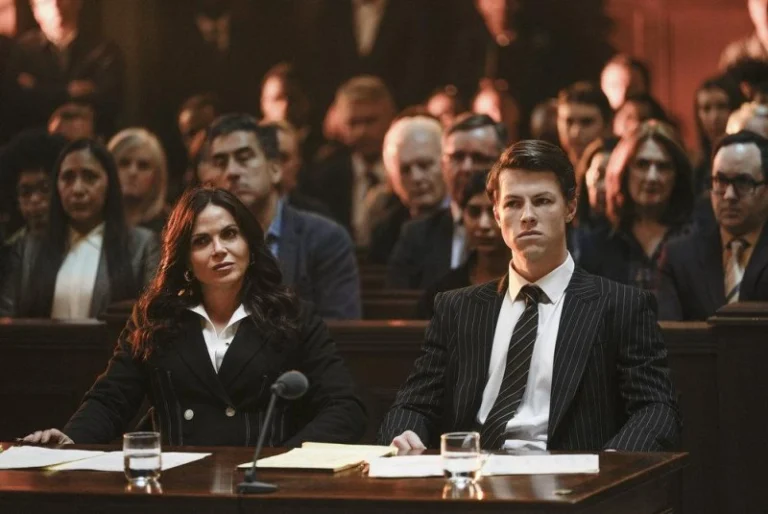
Where Ian Diaz Stands Now After Netflix’s ‘A Toxic Love Story’ Retells His Crimes

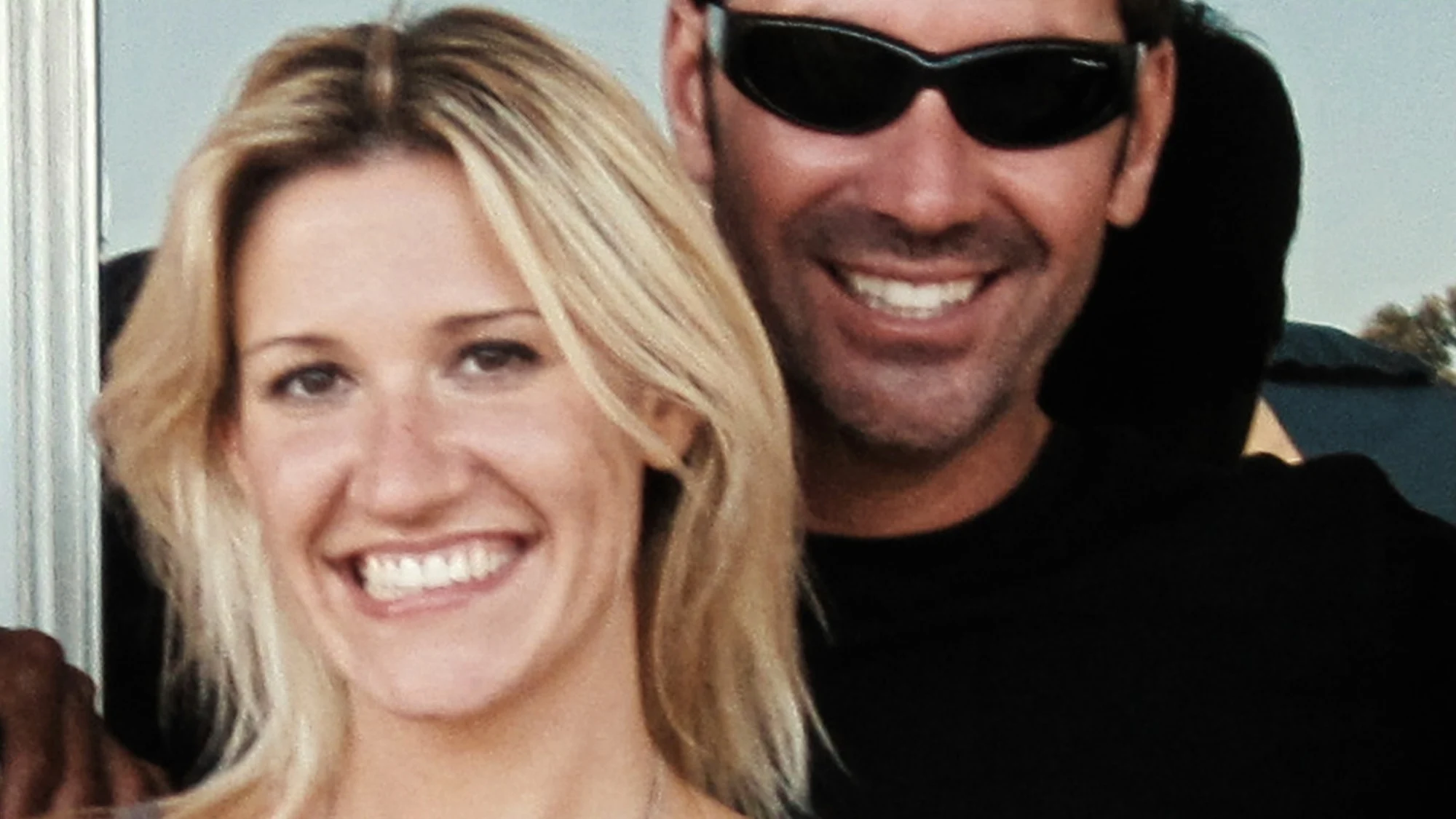

Netflix’s true crime documentary ‘A Toxic Love Story’ has pushed a decade old Southern California case back into the spotlight, and viewers want to know what became of the man at the center of it. Ian Diaz, once a Deputy U.S. Marshal, was convicted years ago for his role in a scheme that upended the life of his former fiancée.
The film has climbed high on Netflix’s charts since its release, and that renewed attention has followed Diaz straight into federal prison, where the documentary recently sat at No. 2 on Netflix’s Top 10 Movies list, drawing fresh scrutiny to the case.
The Cyberstalking Case Behind Ian Diaz’s Conviction
The story traces back to a relationship that moved quickly and ended badly. Diaz and Michelle Hadley met on a dating site in August 2013 and became engaged soon after, then bought a condo near Disneyland in Anaheim in May 2015, with Hadley covering the down payment while Diaz handled the mortgage.
After the engagement fell apart, the situation escalated in a disturbing direction. On June 1, 2016, Ian and his new wife Angela went to Anaheim police to report harassment, saying they had spent weeks receiving emails from an address called ‘Lilith is Truth’ that called Angela a sinner and accused Ian of betrayal.
The couple pointed the finger squarely at Hadley. Authorities eventually determined that Diaz and his wife Angela Connell had orchestrated an elaborate frame job against Hadley, complete with fabricated threatening emails, fake Craigslist ads soliciting a rape fantasy, and a false pregnancy meant to make it look like Hadley was stalking the couple.
The fallout was severe on both sides of the case. In June 2023, Diaz was sentenced to ten years and one month in federal prison after being convicted of conspiracy to commit cyberstalking, cyberstalking, and perjury, and he was sent to FMC Fort Worth in Texas, where he has remained since.
How ‘A Toxic Love Story’ Portrays the Anaheim Scheme
The documentary leans on real evidence gathered during the original investigation to reconstruct what happened inside the couple’s condo. ‘A Toxic Love Story’ includes body cam footage of police questioning both Ian and Angela in their home, giving viewers a direct look at how the case unfolded in real time.
Filmmakers were candid about the limits of what can actually be proven. Director Alexandra Lacey told <a href=”https://time.com/article/2026/07/21/a-toxic-love-story-documentary/”>TIME</a> that Michelle had admitted sending a couple of religious emails referencing Lilith in the past, and that either Ian or Angela drew on that detail to fabricate hundreds of emails from the invented persona, though the filmmakers say they will never know exactly who was responsible.
The consequences for the woman wrongly accused were substantial. Hadley spent 88 days in jail in 2016 before the truth came out, and she has since become an advocate for domestic violence survivors, focusing specifically on financial abuse, while raising her daughter.
Angela, for her part, took a different legal path than her former husband. Connell pleaded guilty to fraud and filing a false police report, served time in prison, and has since become an advocate for abortion access.
Ian Diaz’s Reaction to the Netflix Documentary
Diaz has not stayed silent about how the film depicts him, even from behind bars. <a href=”https://www.tmz.com/2026/07/29/toxic-love-story-ian-rejects-portrayal/”>TMZ</a> reported that sources connected to Diaz say he does not have access to the electronics needed to watch Netflix in prison, but people have described the documentary to him, and he feels the film got him all wrong, calling himself disappointed but not surprised it did not take his side.
His account of the underlying events differs sharply from the version presented on screen. According to those same sources, Diaz maintains he had nothing to do with the emails used to frame Hadley and believes Angela acted alone, pointing out that Angela pleaded guilty without ever implicating him.
He also disputes one of the documentary’s central theories about motive. Diaz rejects the idea that the Anaheim condo drove the scheme, noting that while Hadley put roughly fifteen thousand dollars toward the down payment, he covered the mortgage, upgrades, and furniture, which he argues undercuts the property based motive the film suggests.
Notably, Diaz chose not to participate in the project at all. Producers said they approached Ian and sent him a letter, but he declined to take part in the documentary, leaving his side of the story to emerge only through outside reporting after the fact.
Ian Diaz’s Ongoing Fight to Overturn His Conviction
The renewed attention from the documentary has coincided with a fresh legal push from Diaz. Amid the film’s success, Diaz is now attempting to overturn his federal conviction, with the underlying criminal case once again drawing scrutiny from legal observers watching where it stands today.
That effort follows a string of earlier setbacks in the courts. Diaz appealed all four of his convictions after sentencing, and every one of those appeals was denied.
His current living situation inside the federal system has also raised questions among those following the case. FMC Fort Worth is not a maximum security facility and is typically used to house inmates with special medical, dental, or mental health needs, though it remains unclear exactly how Diaz fits that designation.
Whether this latest bid to overturn the conviction has any realistic chance of succeeding remains an open question, especially given how thoroughly his prior appeals have already been rejected. For now, Diaz remains in custody while Hadley and Connell have moved into new chapters of their lives built around advocacy work stemming directly from what happened to them.
Given how differently Diaz remembers the condo, the emails, and his marriage compared to what ‘A Toxic Love Story’ lays out, readers who watched the documentary may have their own take on whether his version holds up, and that seems worth hashing out in the comments.