


White Actors Who Played Black Characters and Never Apologized

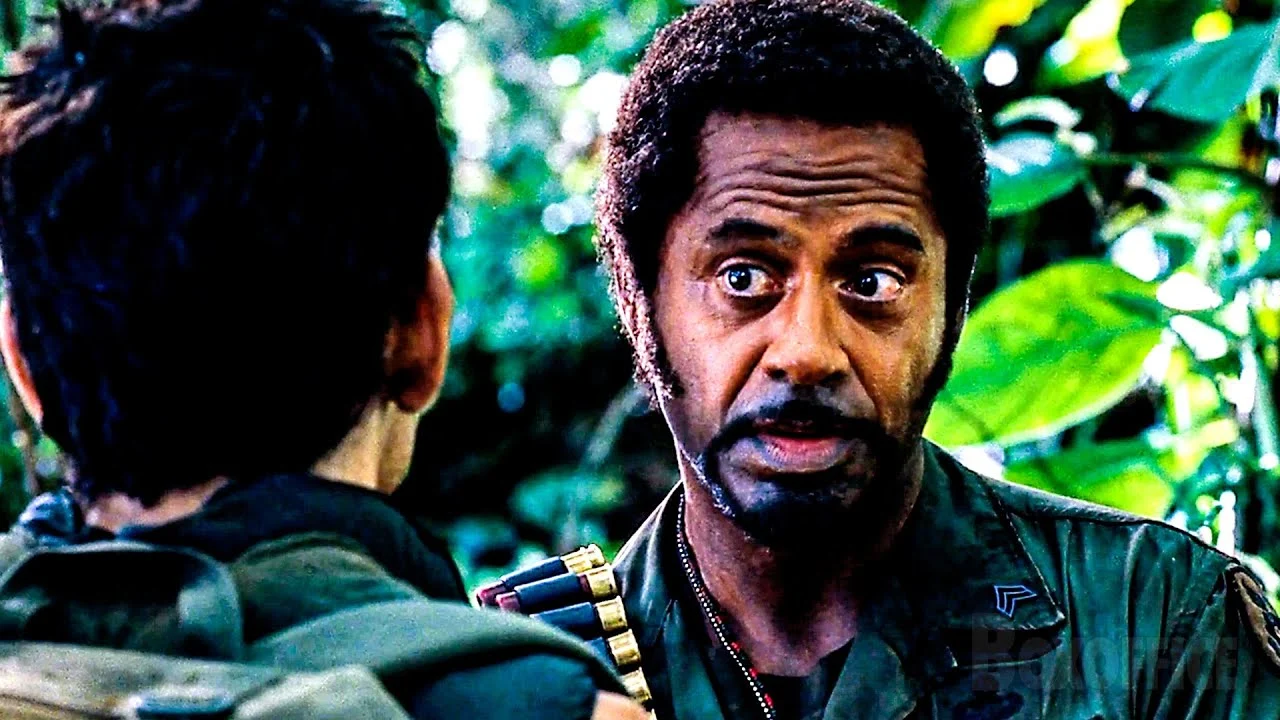


The use of white actors to portray Black characters has a long and troubling history in entertainment that relied heavily on practices that would today be widely rejected. These performances often reflected the social norms of their eras and were sometimes defended at the time despite the harm they caused. Many of the individuals involved never publicly addressed their participation even decades later as cultural attitudes changed. Understanding these portrayals helps trace how the industry evolved and how representation has shifted across generations.
Al Jolson
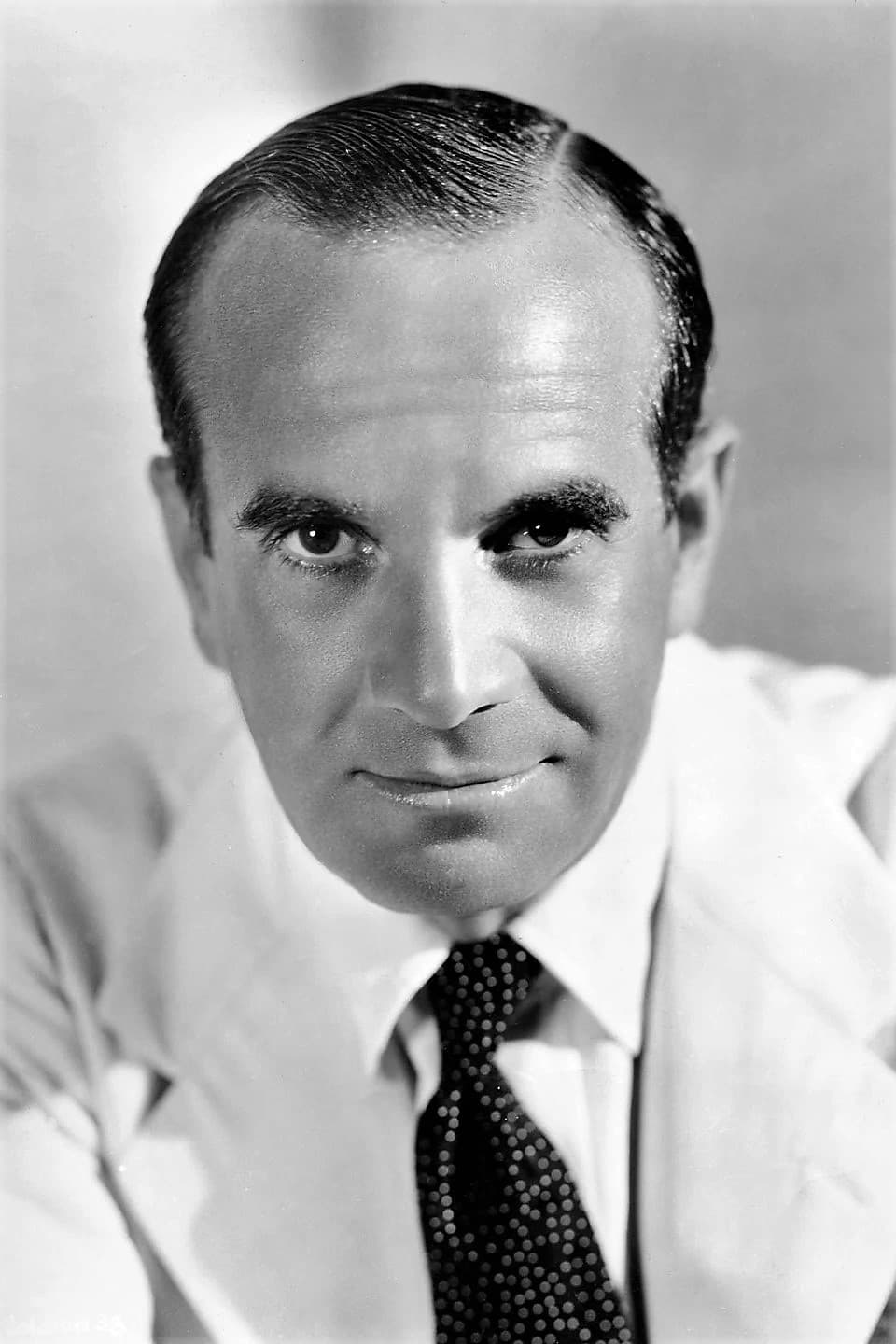
Al Jolson frequently performed in blackface during the height of vaudeville and early film and brought the style into cinematic history. His role in a major early talking picture helped cement the practice within Hollywood’s early production methods. Jolson’s use of makeup was framed as conventional for the era and continued throughout multiple performances. He did not publicly reassess his involvement after the practice became widely criticized.
Laurence Olivier in ‘Othello’ (1965)
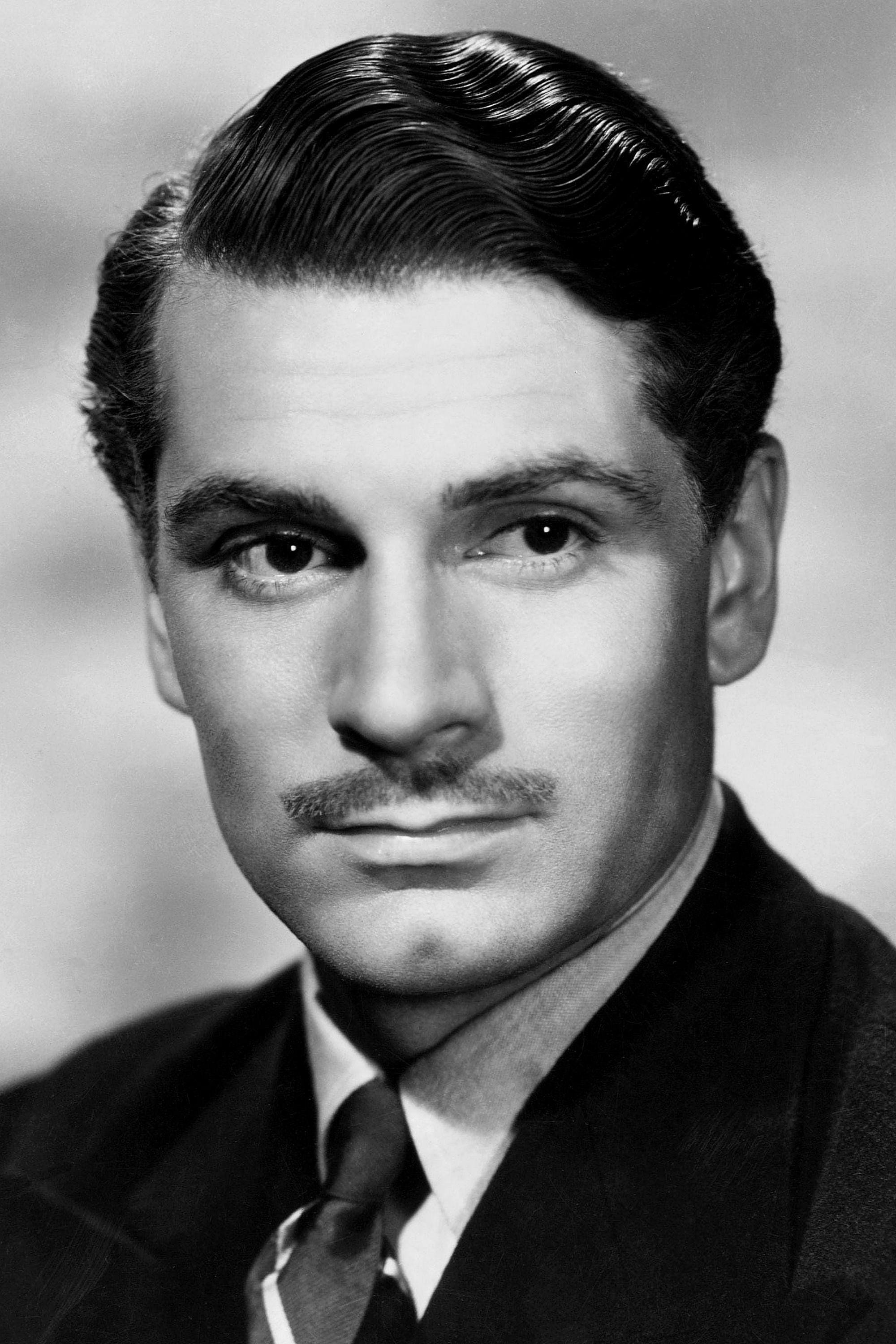
Laurence Olivier portrayed the lead role in a film adaptation of a well known Shakespearean tragedy while using makeup to darken his appearance. The production adhered to longstanding theatrical norms that often cast white actors in roles written as Moorish or African. Olivier prepared extensively for the role using vocal and stylistic choices that mirrored traditional stage interpretations. He later discussed the film’s craft elements but never revisited the decision to use such portrayal methods.
Billy Crystal on ‘Saturday Night Live’
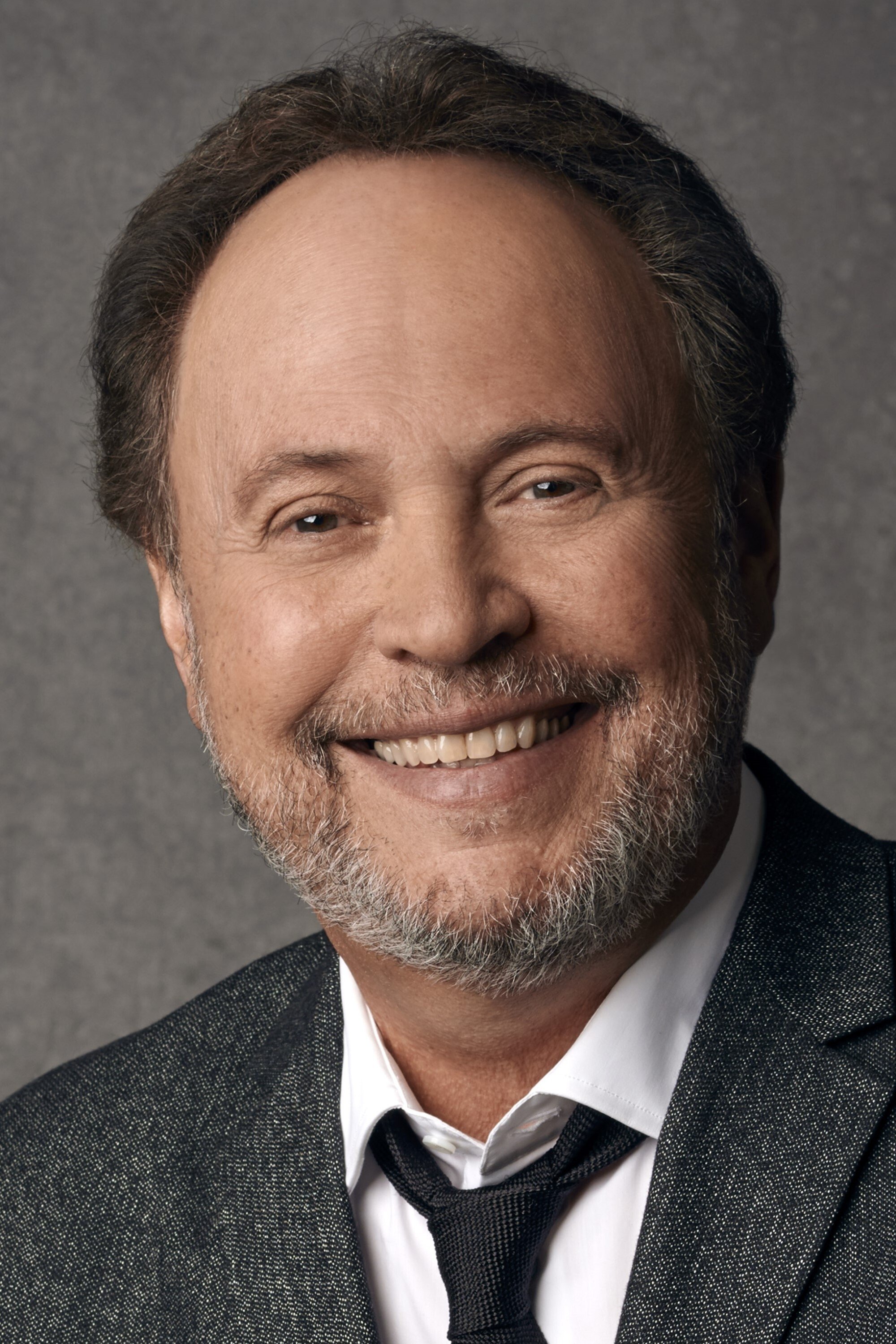
Billy Crystal performed recurring sketches that included impressions of well known Black figures during his time on a major television comedy program. These characters drew on recognizable cultural traits and were presented for comedic effect within the show’s format. The routines appeared during an era when such portrayals received minimal internal pushback from network executives. Crystal participated in many retrospectives about the show but did not issue any apology for those performances.
Ted Danson at the Friars Club Roast
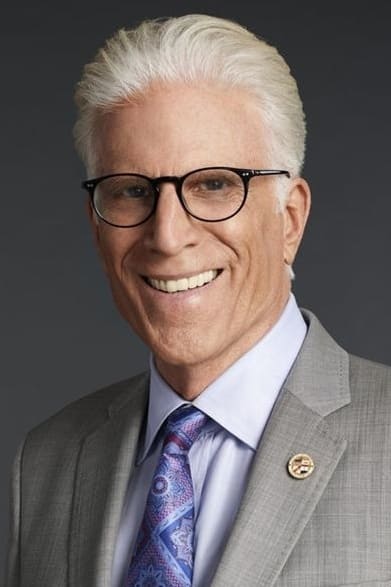
Ted Danson appeared in blackface during a high profile comedy roast that drew considerable media attention at the time. The event was presented as a boundary pushing comedic gathering and followed a long tradition of controversial humor in those settings. Public reaction to his appearance ranged widely and generated significant debate. Danson did not later offer an apology for the choice made during the event.
Thomas D. Rice
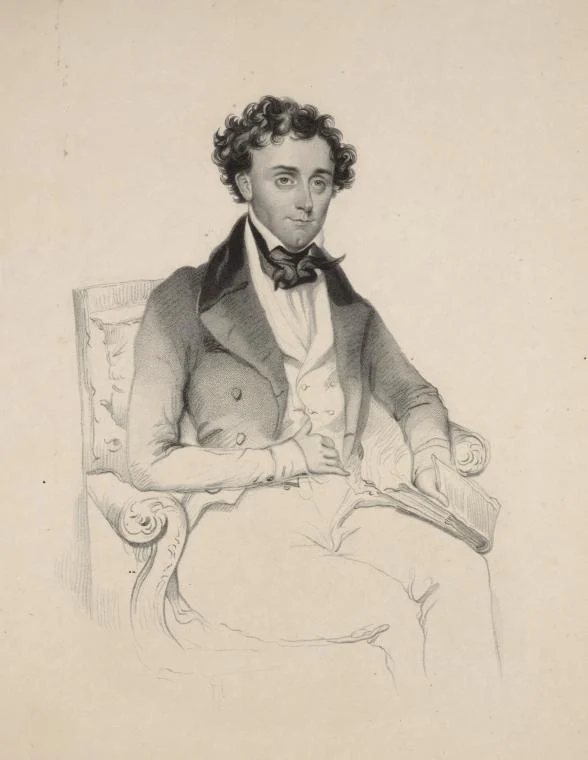
Thomas D. Rice popularized a stage persona based on caricatured depictions of Black Americans during the early nineteenth century and helped establish a dominant form of entertainment that influenced future theatrical practices. His act became widely performed across various venues and shaped mainstream expectations for minstrel routines. Audiences at the time embraced the character and fueled its spread throughout traveling shows. Rice maintained the routine for years and never issued any formal statement concerning its impact.
Gene Wilder in ‘Silver Streak’ (1976)
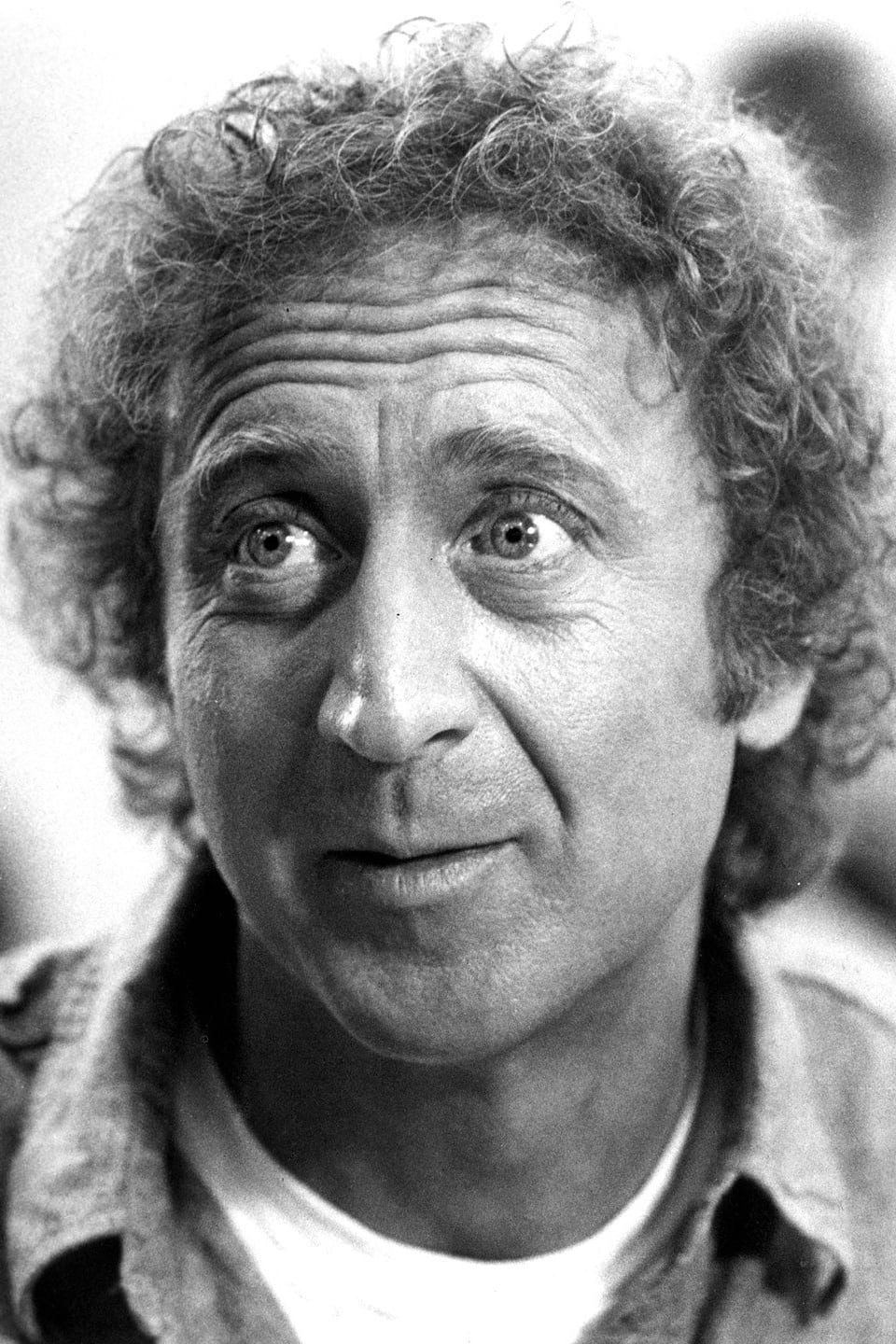
Gene Wilder appeared in a sequence that involved darkening his skin for a comedic scene within a popular action comedy film. The moment was structured as part of an escape strategy devised by the characters and was framed for humor. The film went on to achieve commercial success and became associated with the comedic pair at the center of the story. Wilder later discussed the film’s production but did not publicly address that specific scene.
Robert Downey Jr. in ‘Tropic Thunder’ (2008)
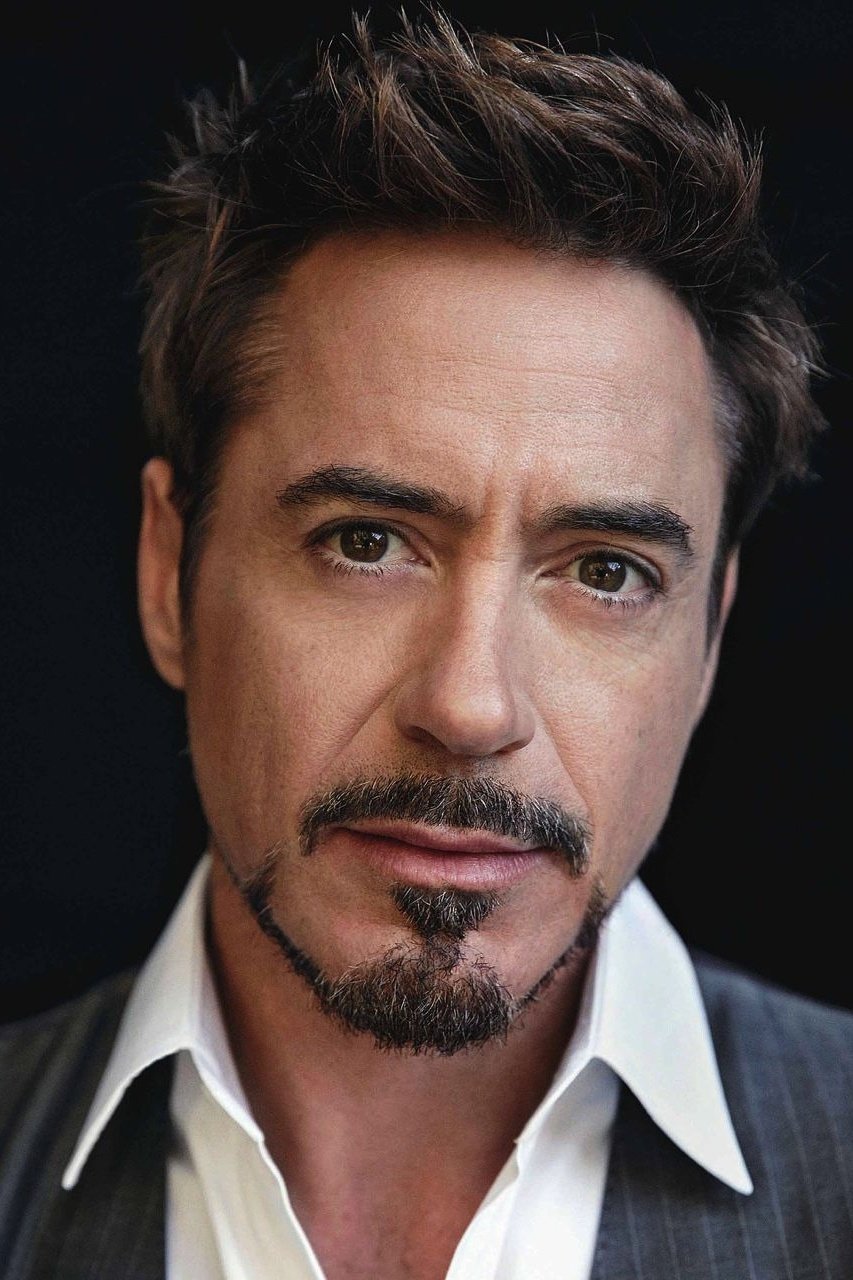
Robert Downey Jr. portrayed an actor who undergoes a cosmetic transformation for a role within a satirical film that critiqued Hollywood production practices. The character’s storyline highlighted industry excesses and featured multiple layers of commentary. The portrayal attracted widespread conversation and led to varied audience interpretations. Downey Jr. spoke about the satire but did not offer a direct apology for the portrayal itself.
Fred Astaire in ‘Swing Time’ (1936)
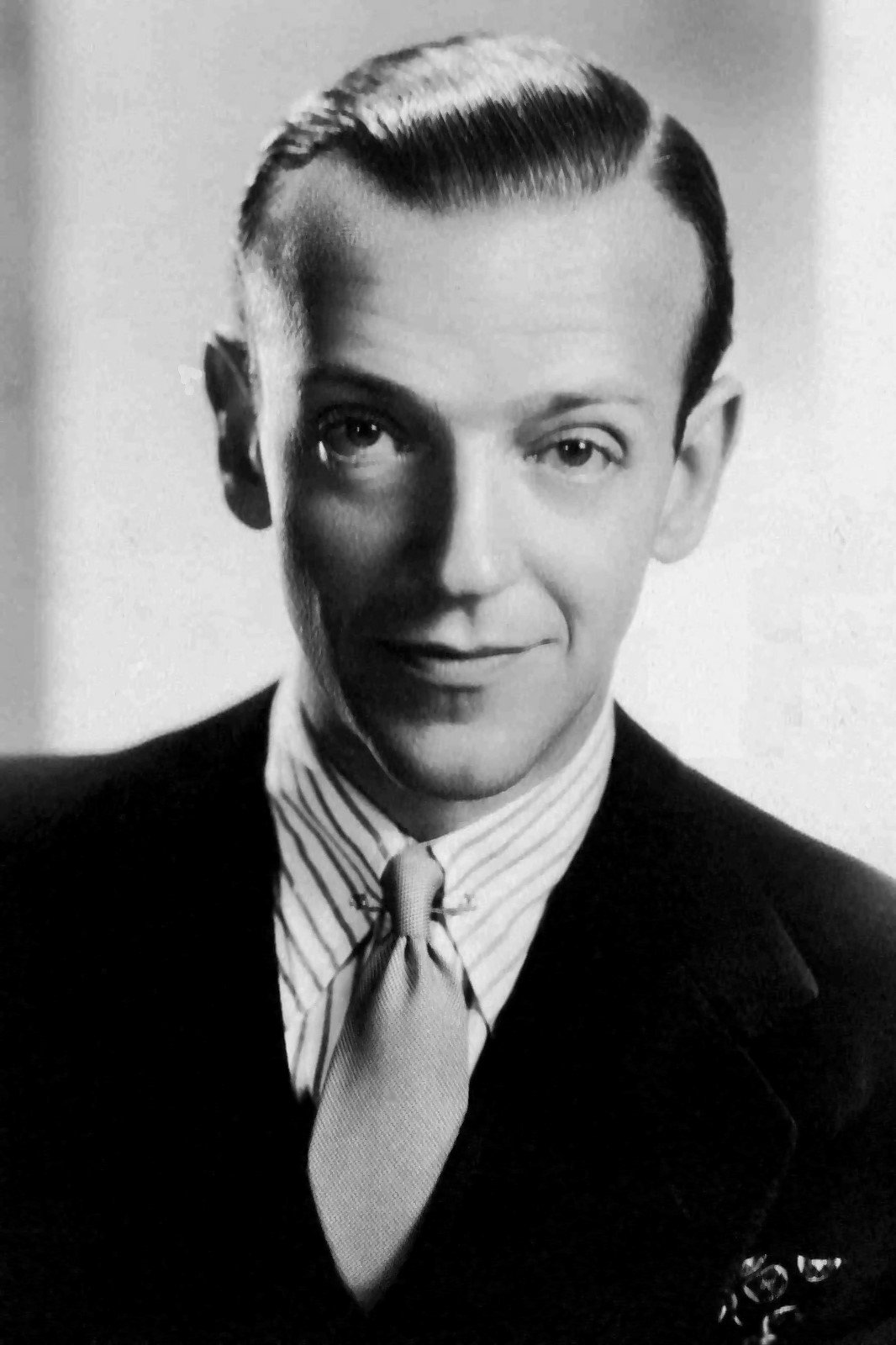
Fred Astaire performed a musical number involving blackface makeup in a well known classic musical. The sequence was choreographed to match the film’s intricate dance routines and was treated as a standard performance element of the era. The movie achieved enduring recognition and remains a noted example of Hollywood’s early musical productions. Astaire continued to be celebrated throughout his career without addressing that scene.
Bing Crosby in ‘Holiday Inn’ (1942)
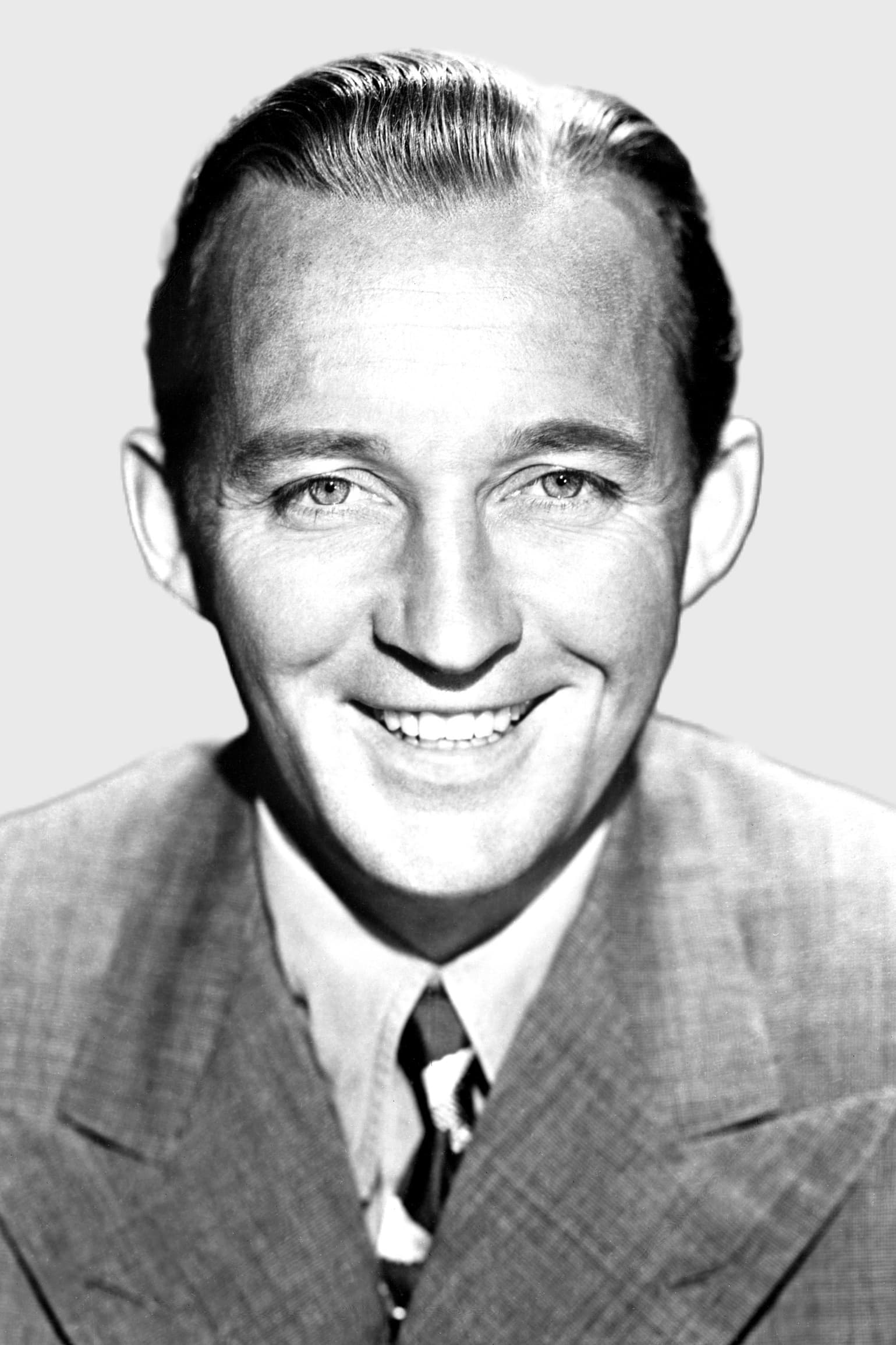
Bing Crosby participated in a musical number that incorporated blackface as part of a holiday themed performance within a widely watched film. The segment aligned with entertainment conventions common during wartime Hollywood productions. The movie became a seasonal staple and continued to air for generations. Crosby did not comment on the inclusion of the routine during his lifetime.
Eddie Cantor in Multiple Performances
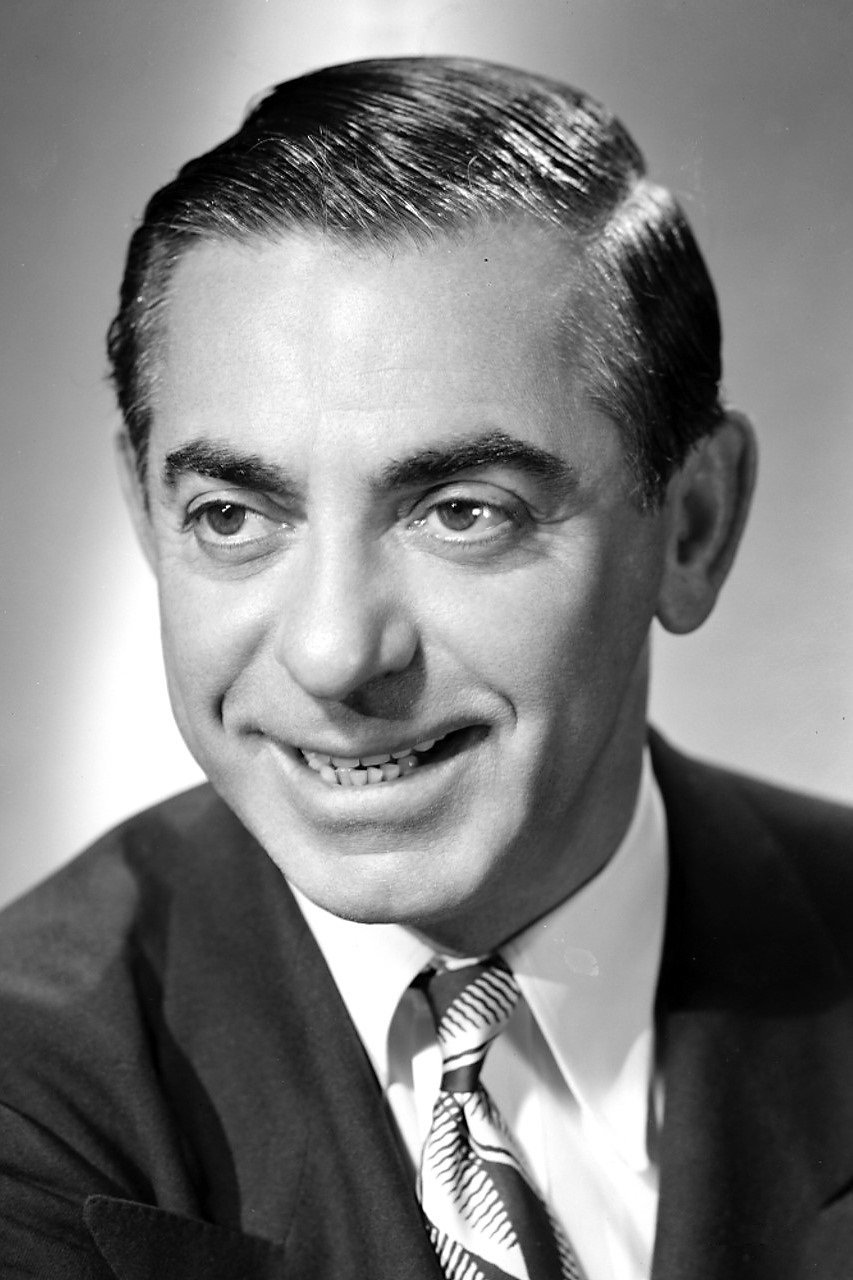
Eddie Cantor frequently used blackface in stage revues and films throughout the early twentieth century and helped popularize the style within mainstream entertainment. His routines blended music and comedy and were staples of major theatrical circuits. Cantor remained a prominent entertainer for decades and transitioned into radio and television. He gave many interviews throughout his long career but never issued an apology for these portrayals.
Share your thoughts on how these portrayals shaped entertainment history in the comments.