


White Actors Who Stole Major Roles From Black Stars




Hollywood has a complex history regarding casting decisions, often prioritizing box office draw over historical accuracy or source material fidelity. This practice has frequently resulted in white actors portraying characters originally written as Black, African, or people of color, as well as centering white protagonists in stories about Black history. While many of these performances were critically acclaimed and even garnered Academy Awards, they have subsequently sparked conversations about representation and opportunity in the film industry. The following list explores significant instances where white actors stepped into roles that erased or sidelined Black and minority presence.
‘Othello’ (1965)
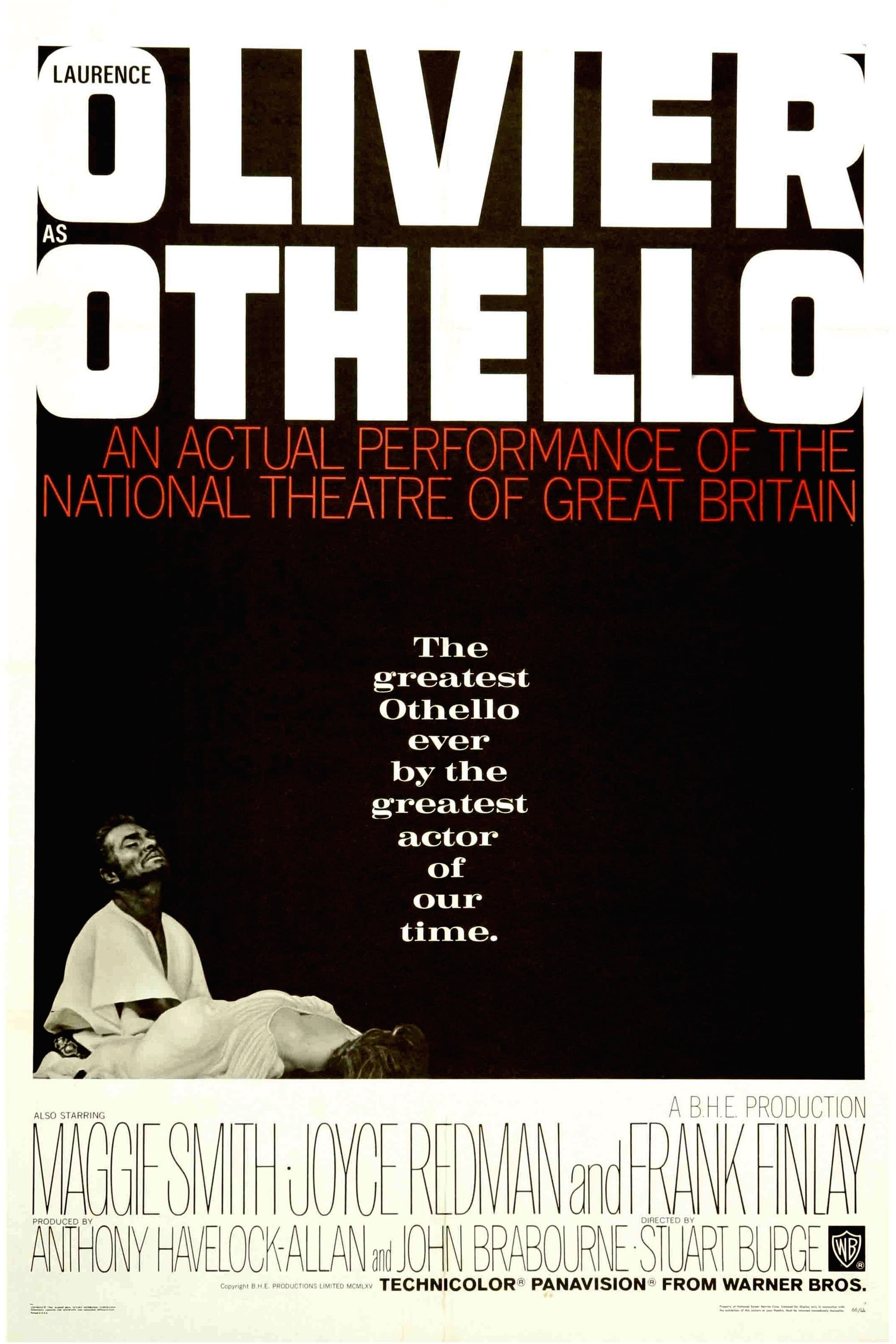
Sir Laurence Olivier delivers a theatrical performance as the titular Moor of Venice in this faithful adaptation of Shakespeare’s tragedy. To portray the general, Olivier utilized heavy blackface makeup and adopted a deepened vocal register to differentiate himself from the Venetian characters. The film preserves the original dialogue as Othello falls victim to Iago’s machinations and his own consuming jealousy. This performance earned Olivier an Academy Award nomination, though the use of blackface remains a significant point of retrospective controversy.
‘Cleopatra’ (1963)
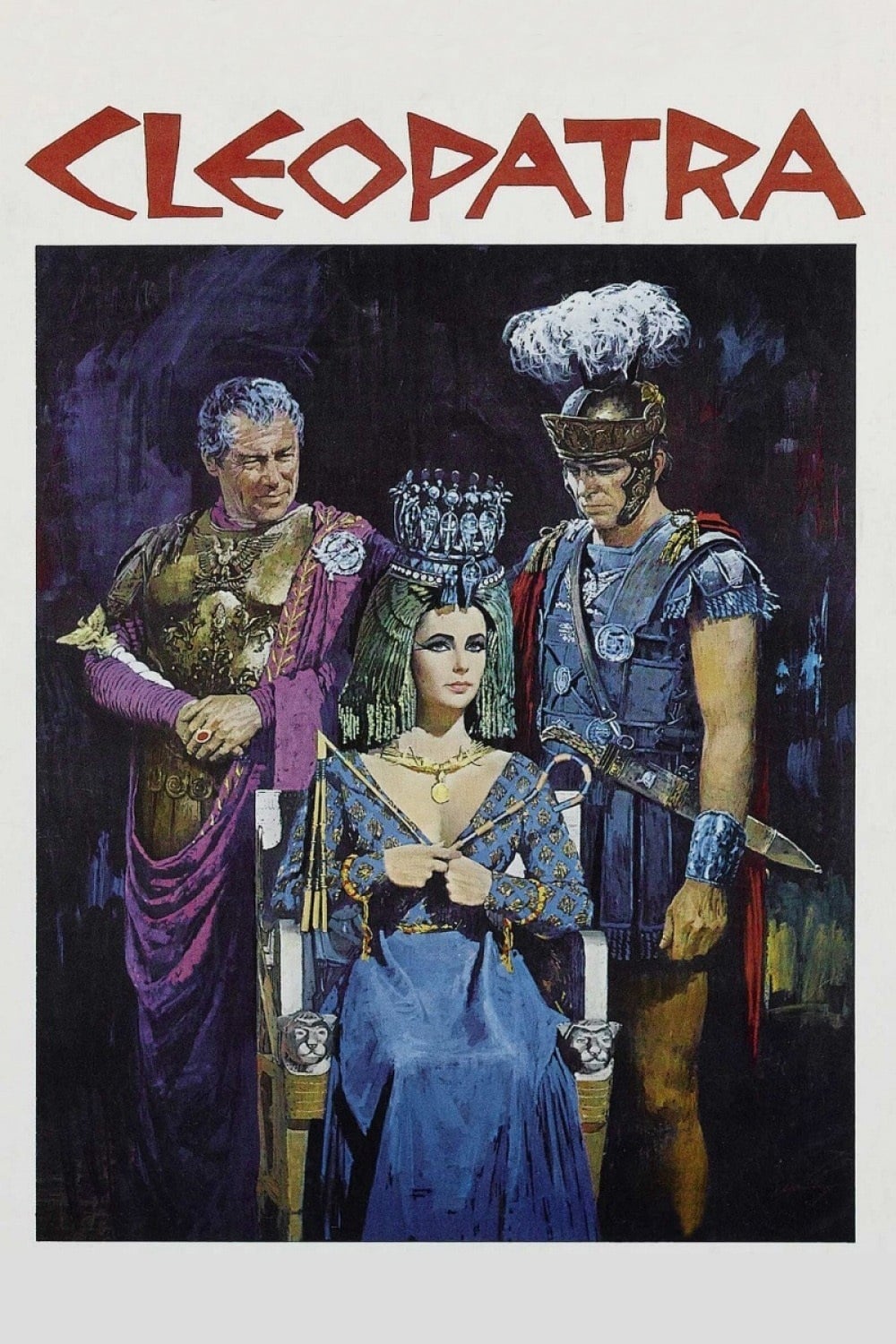
Elizabeth Taylor commands the screen as the legendary Egyptian queen in one of the most expensive productions in cinema history. While the historical lineage of Cleopatra VII is debated, she was an African monarch, yet the film casts her as a violet-eyed white woman. Taylor portrays the ruler’s complex political and romantic alliances with Julius Caesar and Mark Antony amidst the backdrop of Roman expansion. The film won four Academy Awards and solidified Taylor’s status as a movie icon, despite the ongoing debate regarding the erasure of African history in Hollywood epics.
‘A Mighty Heart’ (2007)
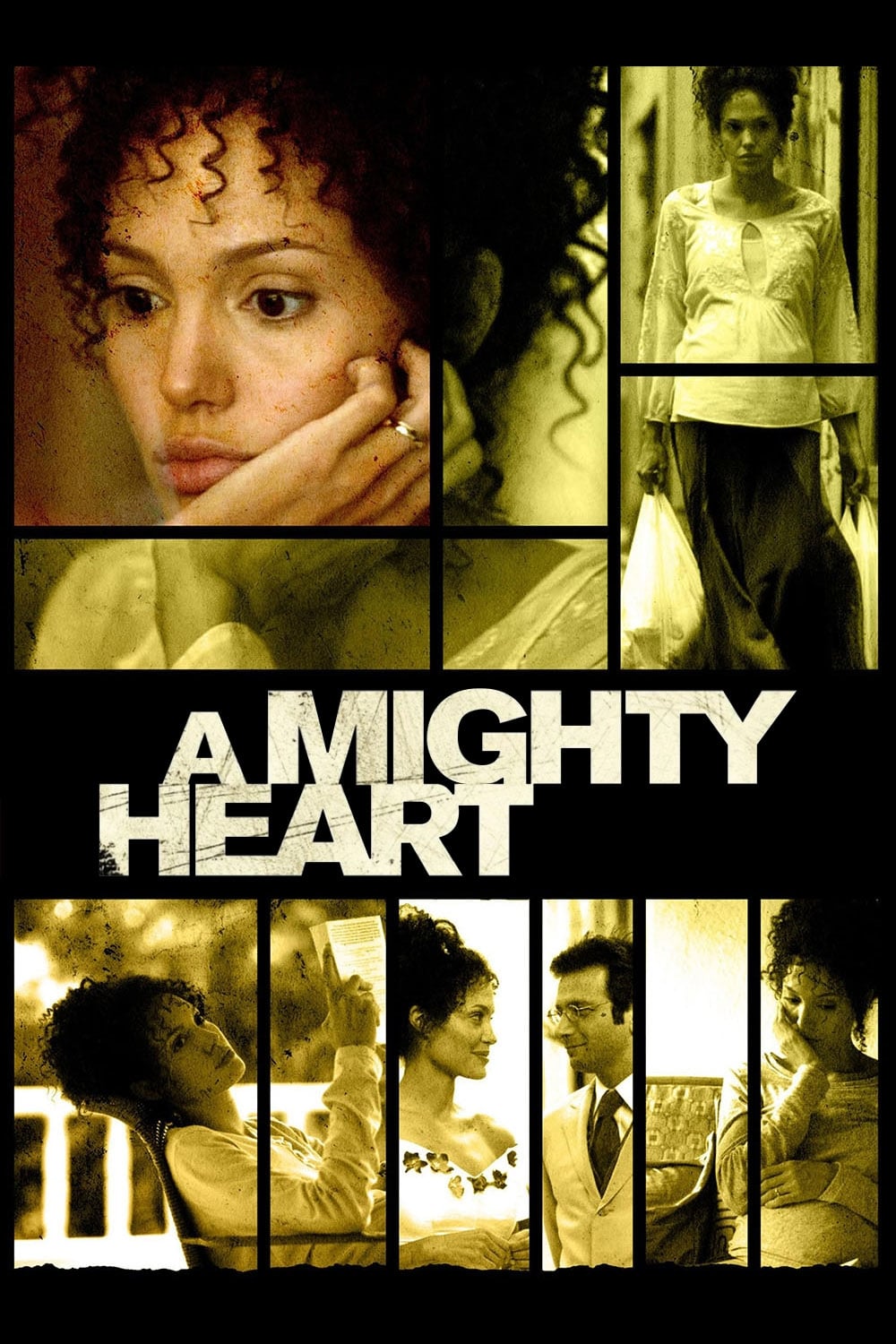
Angelina Jolie stars as Mariane Pearl, the real-life journalist and widow of Daniel Pearl, who was kidnapped in Pakistan. Mariane Pearl is of Afro-Cuban and Dutch descent, possessing a naturally curly hair texture and darker complexion than Jolie. The actress darkened her skin and wore a wig to mimic Pearl’s appearance for the biographical drama. Although Jolie received a Golden Globe nomination for her performance, the casting decision drew criticism for not selecting a Black or mixed-race actress for the role.
‘The Human Stain’ (2003)
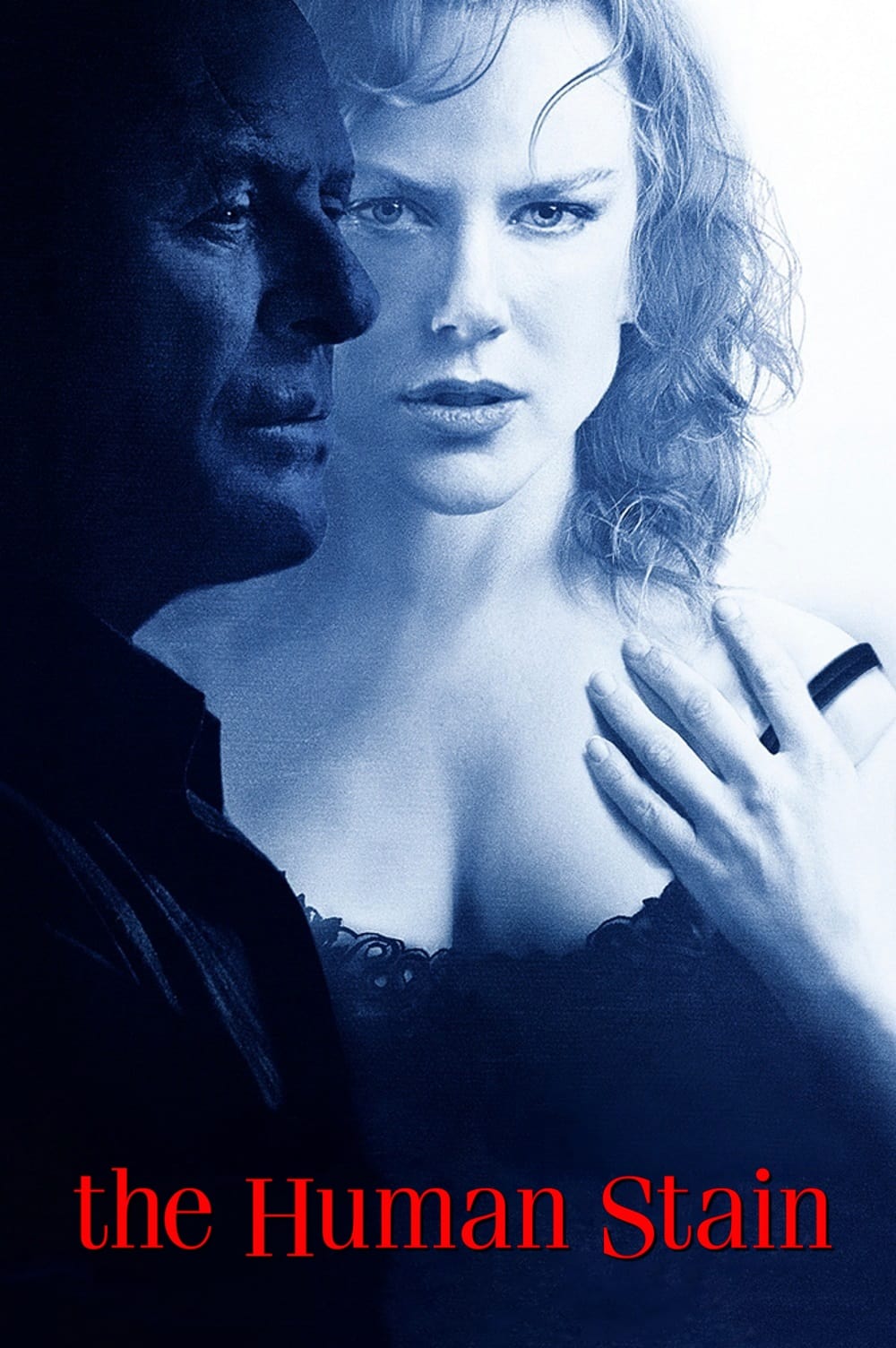
Sir Anthony Hopkins plays Coleman Silk, a classics professor who is secretly a light-skinned Black man passing as white. The character’s hidden racial identity and African-American heritage are central plot points in the adaptation of Philip Roth’s novel. Casting Hopkins, a white Welsh actor, required the audience to suspend disbelief regarding the character’s biological background and family history. The film explores the consequences of Silk’s secret on his career and relationships, though the casting choice diluted the racial tension inherent in the source material.
‘Pay It Forward’ (2000)
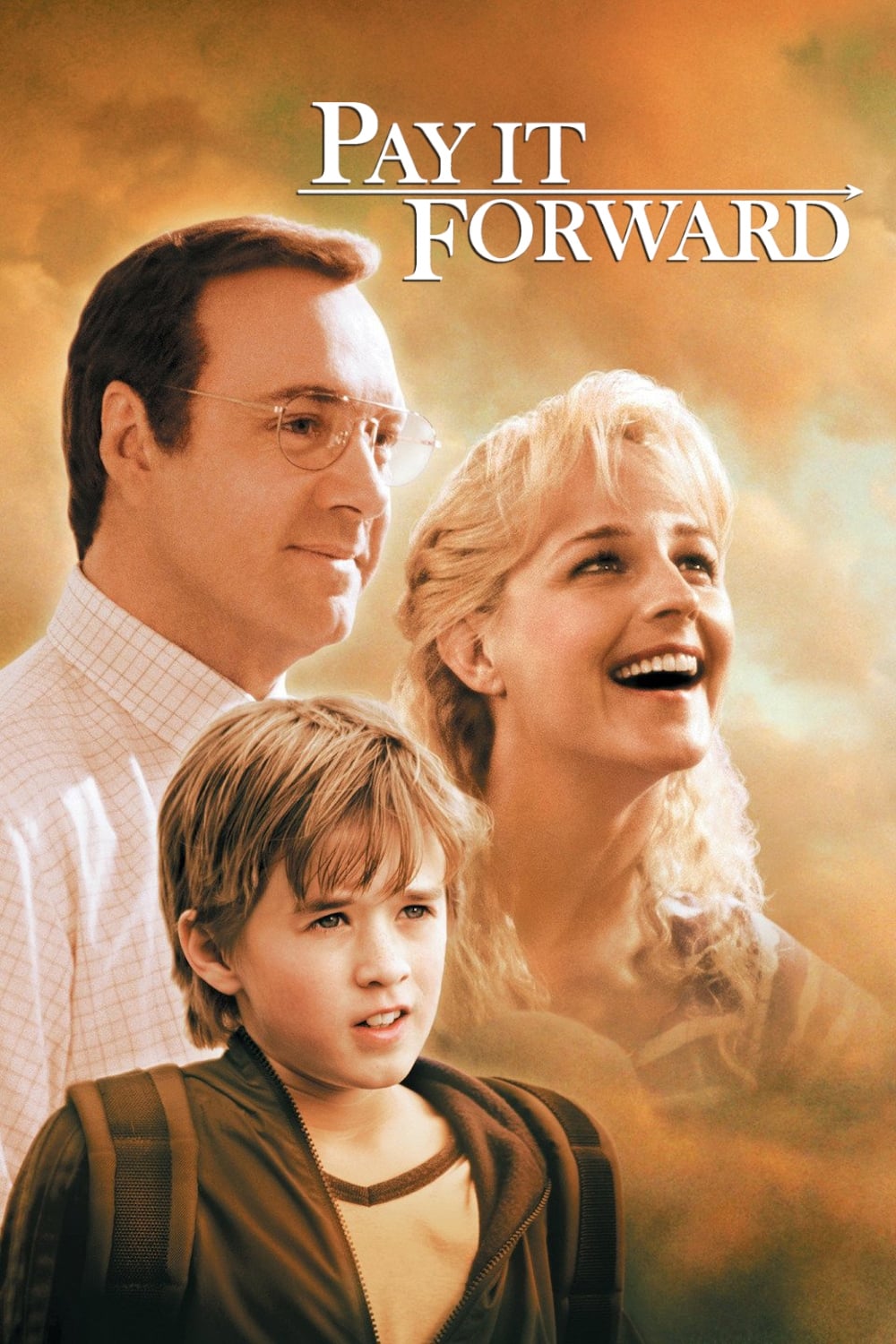
Kevin Spacey portrays Eugene Simonet, a social studies teacher with physical scars who inspires the film’s central “pay it forward” movement. In the original novel by Catherine Ryan Hyde, the character is a Black man named Reuben St. Clair. The film adaptation changed the character’s race to white, removing the specific racial dynamics present in the book. Spacey’s performance focuses on the character’s emotional trauma and romantic hesitation, diverging significantly from the literary description.
‘Tropic Thunder’ (2008)
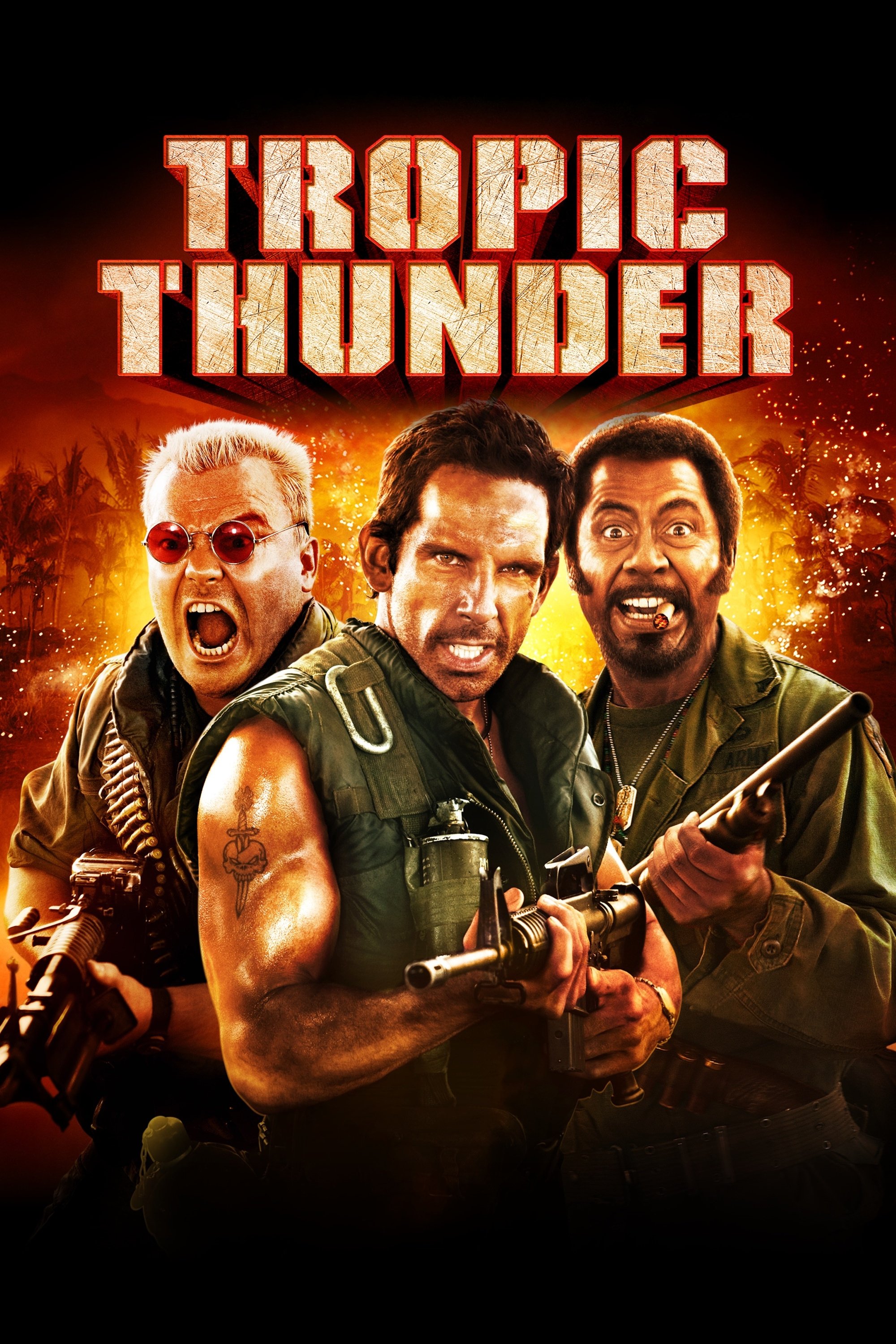
Robert Downey Jr. plays Kirk Lazarus, an Australian method actor who undergoes pigmentation alteration surgery to play a Black soldier. The role is a satirical commentary on Hollywood’s history of blackface and the extreme lengths actors go to for accolades. Downey Jr. spends the majority of the film in dark makeup and a wig, adopting a stereotypical dialect. He received an Academy Award nomination for Best Supporting Actor, with the Academy recognizing the performance as a parody of the industry itself rather than a traditional use of blackface.
‘Exodus: Gods and Kings’ (2014)

Christian Bale leads this biblical epic as Moses, the Hebrew leader who rises against the Egyptian Pharaoh Ramses. Despite the story taking place in ancient Africa, the principal cast consists almost entirely of white actors. Bale defends the Hebrews and orchestrates their liberation through the parting of the Red Sea. The film faced substantial backlash for whitewashing African history while relegating Black actors to roles as servants and guards.
‘The Blind Side’ (2009)
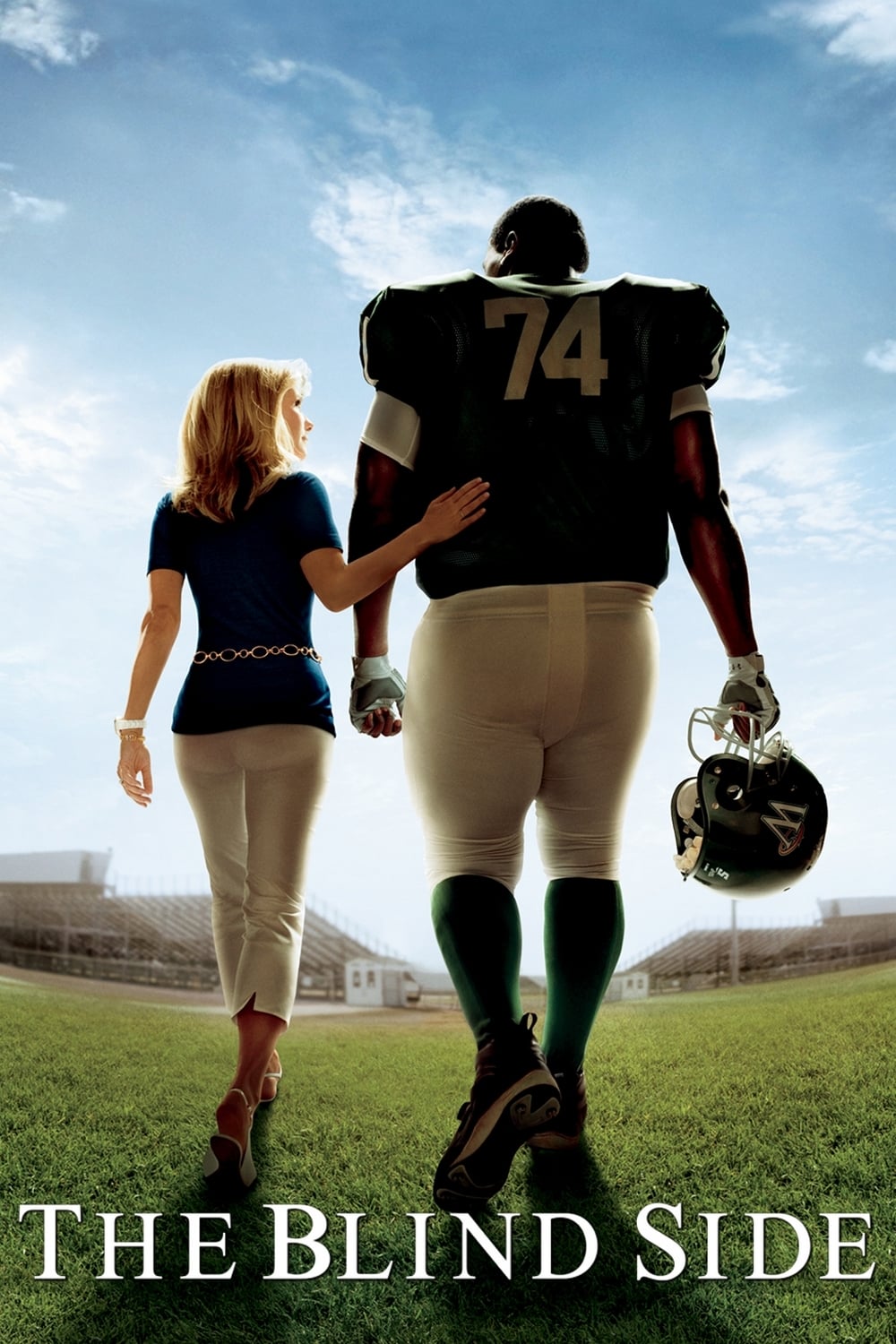
Sandra Bullock portrays Leigh Anne Tuohy, a wealthy white woman who takes in Michael Oher, a homeless Black teenager who eventually becomes an NFL player. While the film is based on a true story, critics argued it perpetuated a “white savior” narrative by focusing on Tuohy’s benevolence rather than Oher’s own agency and struggle. Bullock won the Academy Award for Best Actress for her performance, which drove the film’s emotional arc. The movie became a massive commercial success but remains a primary example of Hollywood framing Black stories through a white lens.
‘Gods of Egypt’ (2016)

Geoffrey Rush plays the sun god Ra in this fantasy action film inspired by ancient Egyptian mythology. The production cast white actors, including Rush, Gerard Butler, and Nikolaj Coster-Waldau, as African deities, sparking widespread accusations of whitewashing. Rush depicts the aging deity battling chaos from his celestial barge high above the Nile. The director and studio eventually issued apologies for the lack of diversity in the casting before the film was even released.
‘Urban Myths’ (2017)

Joseph Fiennes was cast as Michael Jackson in this British anthology series for an episode centered on a road trip with Elizabeth Taylor and Marlon Brando. The casting of a white British actor to play the Black pop icon caused an immediate public outcry. The episode depicted Jackson during the reported flight from New York after the 9/11 attacks. Following intense backlash from Jackson’s family and fans, the episode was pulled from broadcast before it aired.
‘The Help’ (2011)
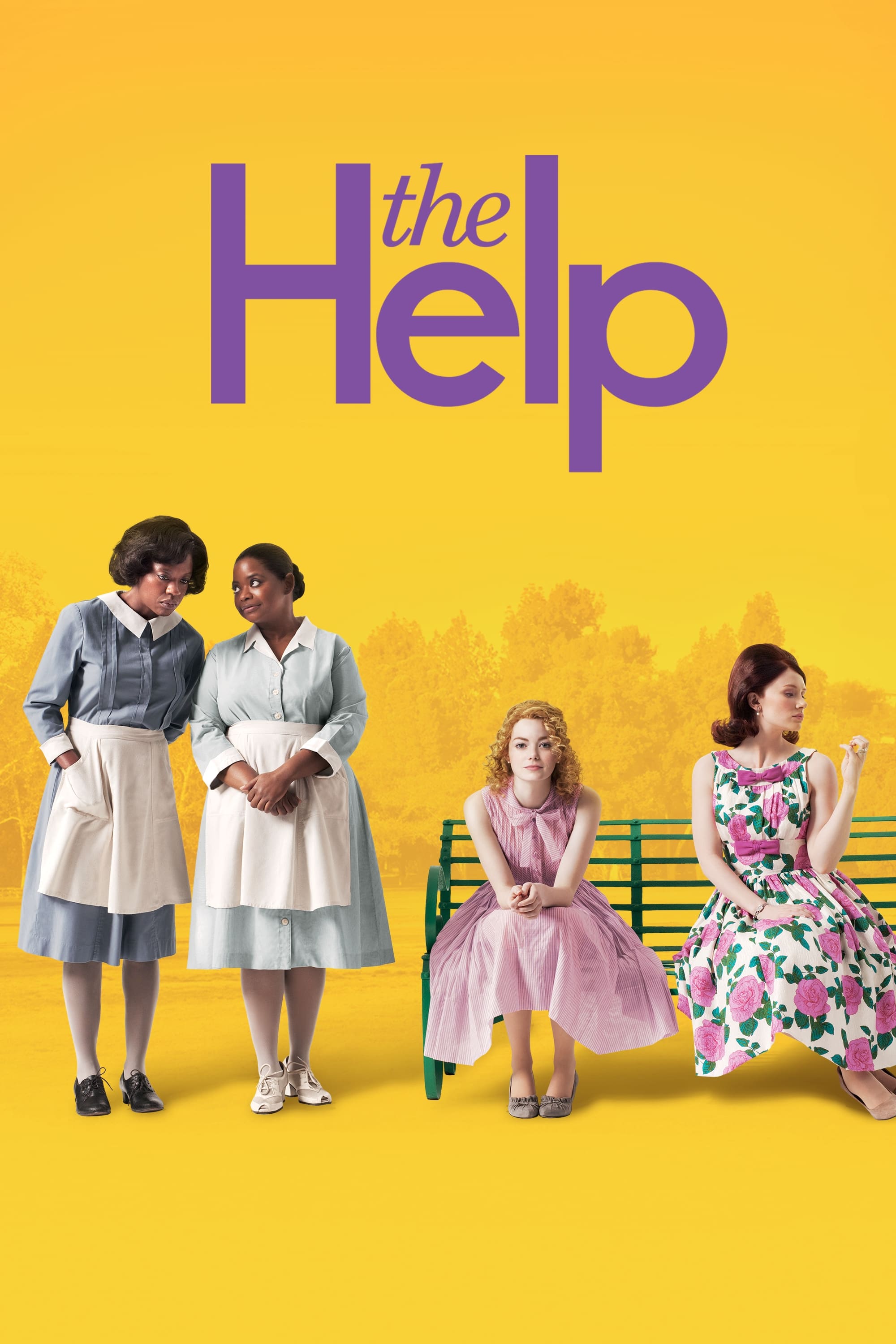
Emma Stone stars as Skeeter Phelan, a young white journalist who decides to write a book from the perspective of Black maids during the Civil Rights Movement. While the film features strong performances from Black actresses like Viola Davis and Octavia Spencer, the narrative is driven by Stone’s character. Critics argued the film softened the brutal reality of racism to make it palatable for white audiences and centered a white protagonist in a Black struggle. The film received a Best Picture nomination, highlighting the Academy’s preference for racial dramas that prioritize white perspectives.
‘Argo’ (2012)
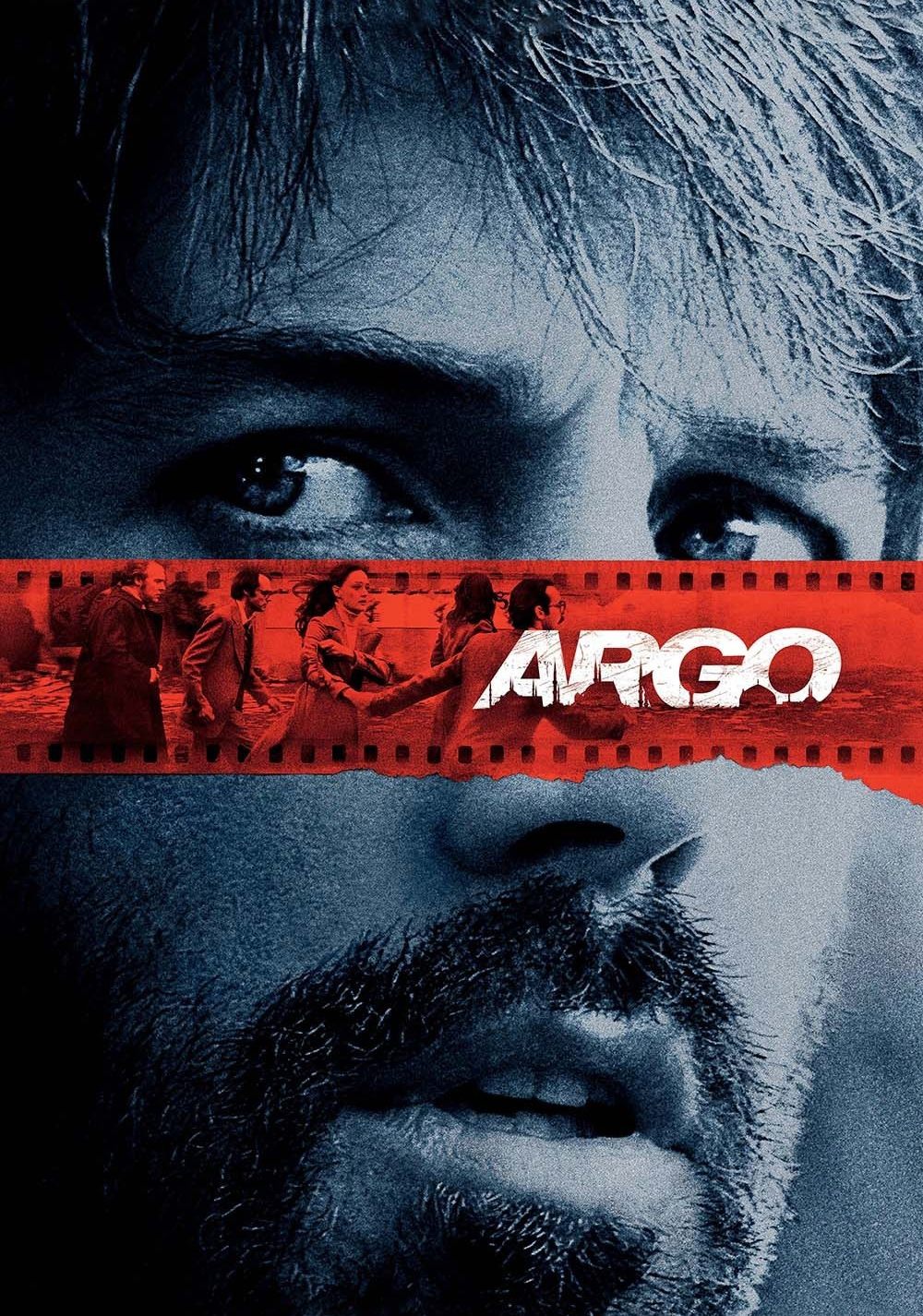
Ben Affleck directs and stars as Tony Mendez, a real-life CIA technical operations officer who orchestrated the rescue of hostages from Iran. The actual Tony Mendez was of Mexican-American descent, a heritage completely erased by Affleck’s casting of himself. The film focuses on the tension of the extraction mission and the Hollywood cover story used to deceive Iranian authorities. It won the Academy Award for Best Picture, despite the controversy over the whitewashing of a prominent Latino historical figure.
‘A Beautiful Mind’ (2001)
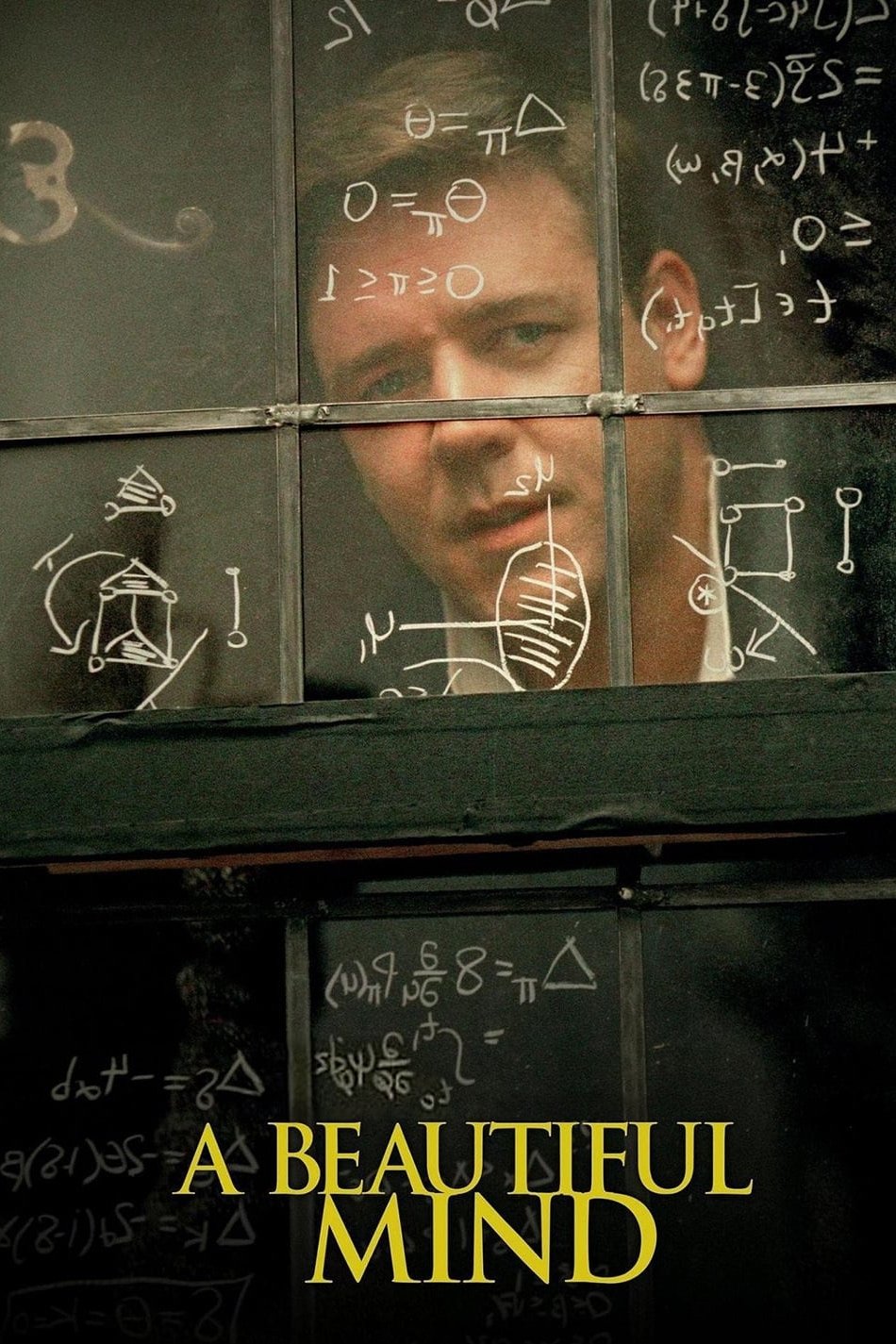
Jennifer Connelly won the Academy Award for Best Supporting Actress for her role as Alicia Nash, the wife of mathematician John Nash. In reality, Alicia Nash was a Salvadoran woman who spoke with a Spanish accent and navigated the complexities of her husband’s schizophrenia as a Latina in the mid-20th century. The film portrays her as a white American woman, removing her specific cultural background. Connelly’s performance anchors the film’s emotional narrative, focusing on her resilience and loyalty.
‘Touch of Evil’ (1958)
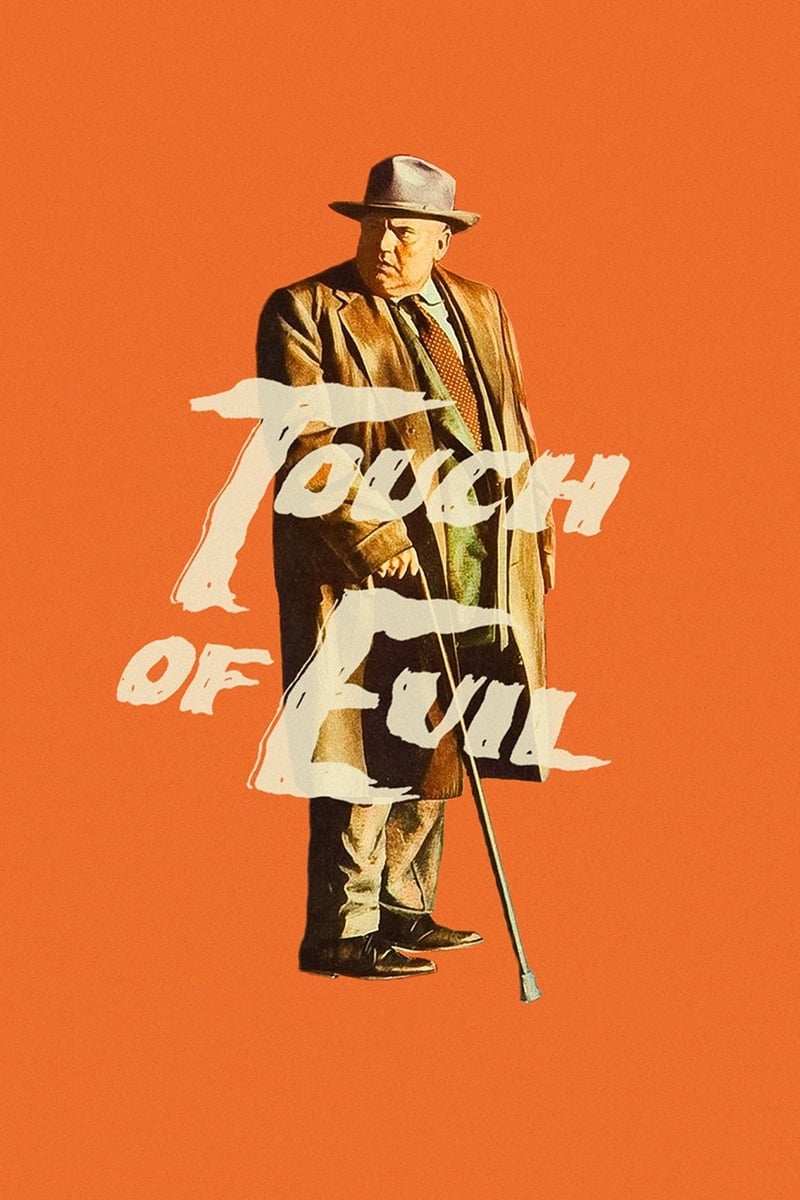
Charlton Heston stars as Ramon Miguel Vargas, a Mexican drug enforcement official investigating a bombing on the US-Mexico border. Heston, a white actor, wears dark makeup and dyes his hair black to portray the Mexican character. The film is considered a noir masterpiece for its direction by Orson Welles, but the casting reflects the era’s standard of ignoring Latino actors for lead roles. Heston plays Vargas as a morally upright figure contrasting with the corrupt American police captain.
‘West Side Story’ (1961)
George Chakiris delivers an Academy Award-winning performance as Bernardo, the leader of the Sharks, a Puerto Rican gang in New York City. Chakiris, who is of Greek descent, wore skin-darkening makeup to play the role, as did many of the white actors cast as Puerto Ricans in the film. The movie adapts the Romeo and Juliet story to the racial tensions of the 1950s urban landscape. While the film is a cinematic landmark, its casting practices contributed to the limited opportunities for Latino actors at the time.
‘Viva Zapata!’ (1952)
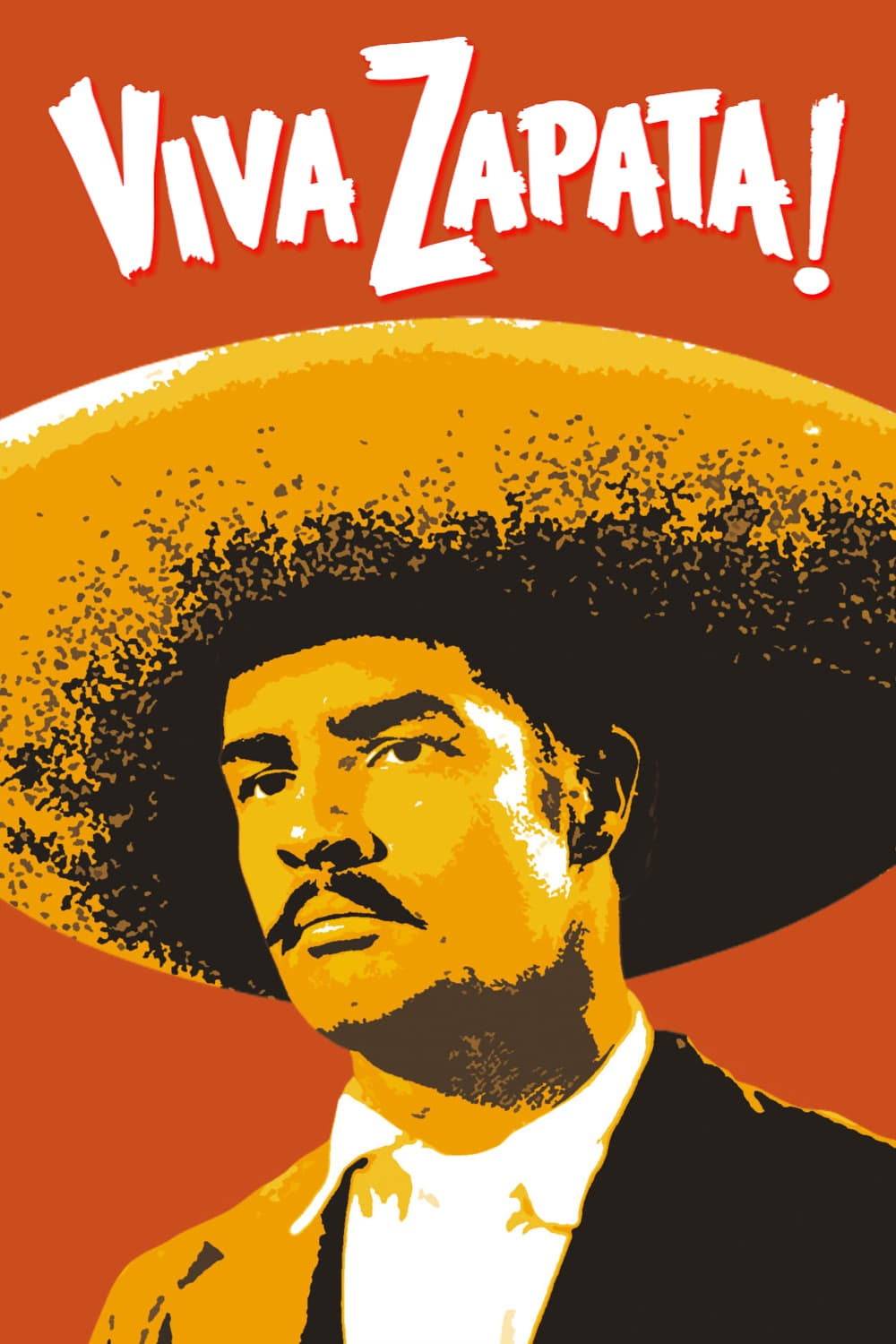
Marlon Brando portrays Emiliano Zapata, the revolutionary leader of the Mexican peasantry during the Mexican Revolution. Brando underwent makeup transformations to darken his skin and altered his eyelids to appear more “indigenous” for the role. The film dramatizes Zapata’s rise from a peasant background to a legendary general fighting for land reform. Brando won the Best Actor award at Cannes and received an Oscar nomination, despite the whitewashing of a Mexican national hero.
‘The King and I’ (1956)
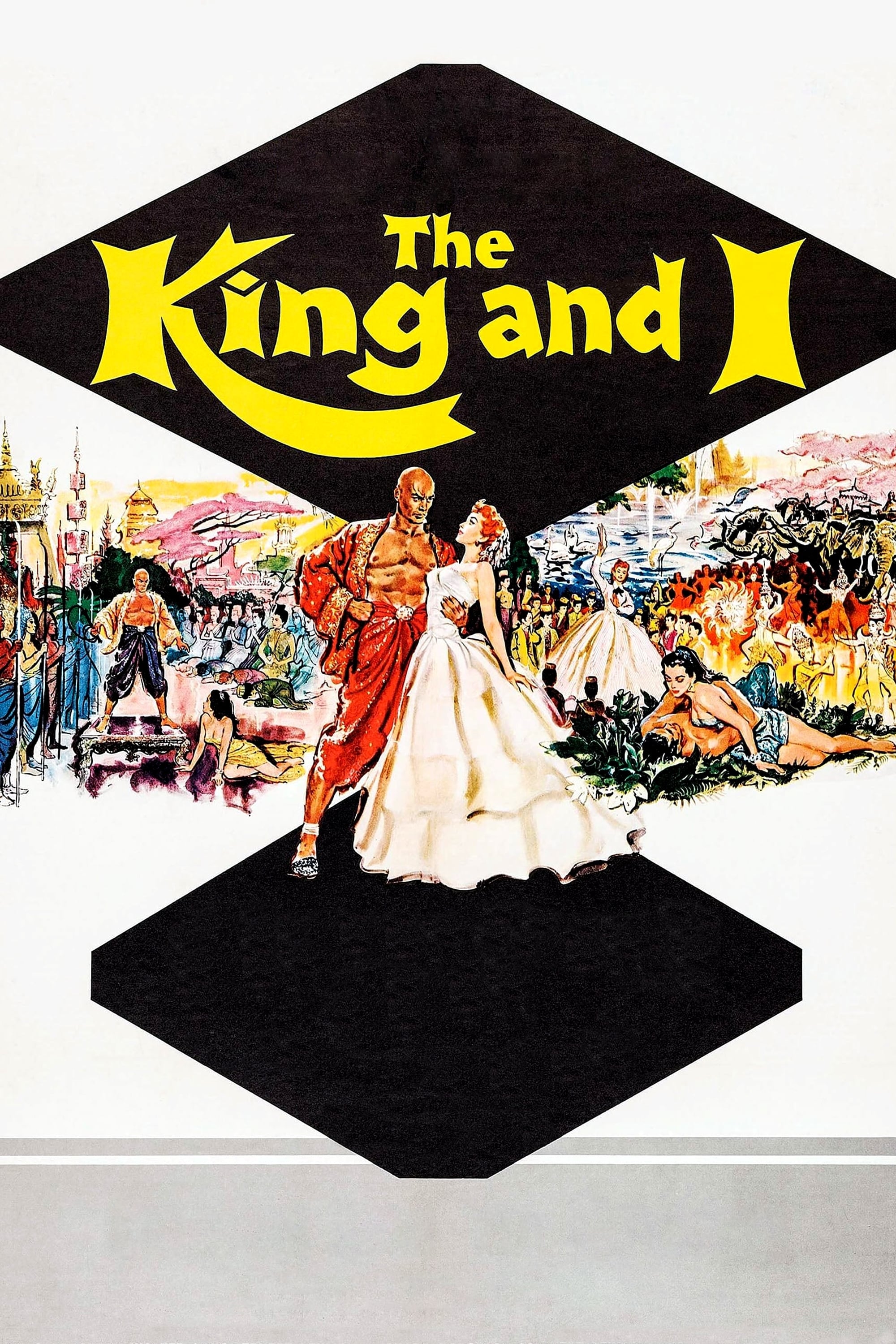
Yul Brynner plays King Mongkut of Siam in this musical adaptation of the memoirs of Anna Leonowens. Brynner, of Swiss-German and Russian descent, won the Academy Award for Best Actor for his portrayal of the Thai monarch. The character is depicted as an autocratic but modernization-minded ruler who clashes and bonds with the British schoolteacher. While Brynner’s performance became iconic, it stands as a prominent example of a white actor defining an Asian historical figure for Western audiences.
‘The Good Earth’ (1937)
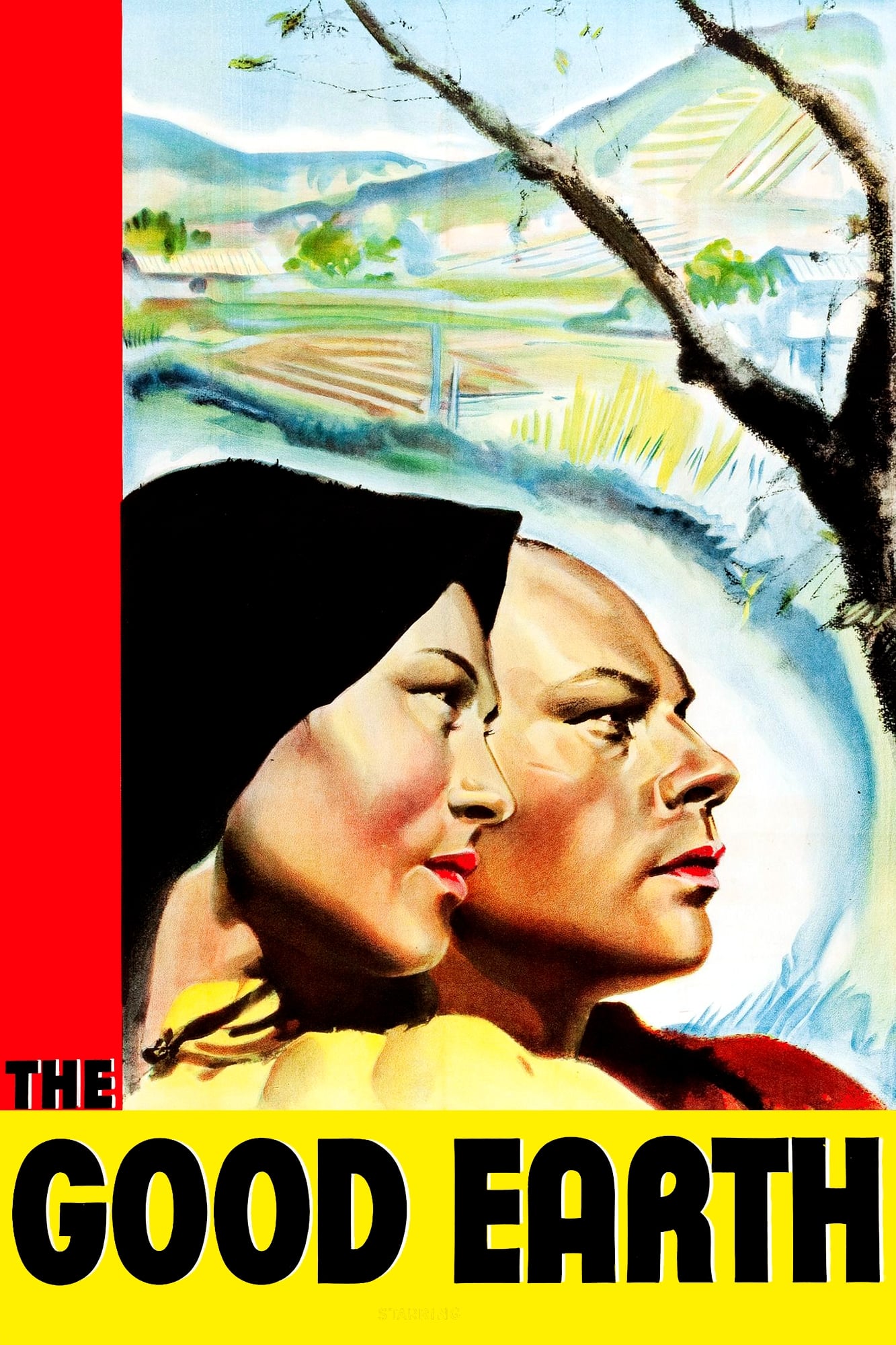
Luise Rainer, a German actress, stars as O-Lan, a Chinese peasant woman struggling through famine and revolution. Rainer won the Academy Award for Best Actress for the role, performing in “yellowface” makeup as was standard for the studio system. The film adaptation of Pearl S. Buck’s novel excluded Asian actors from lead roles due to the Motion Picture Production Code’s anti-miscegenation rules. Rainer portrays O-Lan’s stoic suffering and resilience, delivering a performance that was acclaimed in the West but ignored the exclusion of Chinese talent.
‘The Year of Living Dangerously’ (1982)
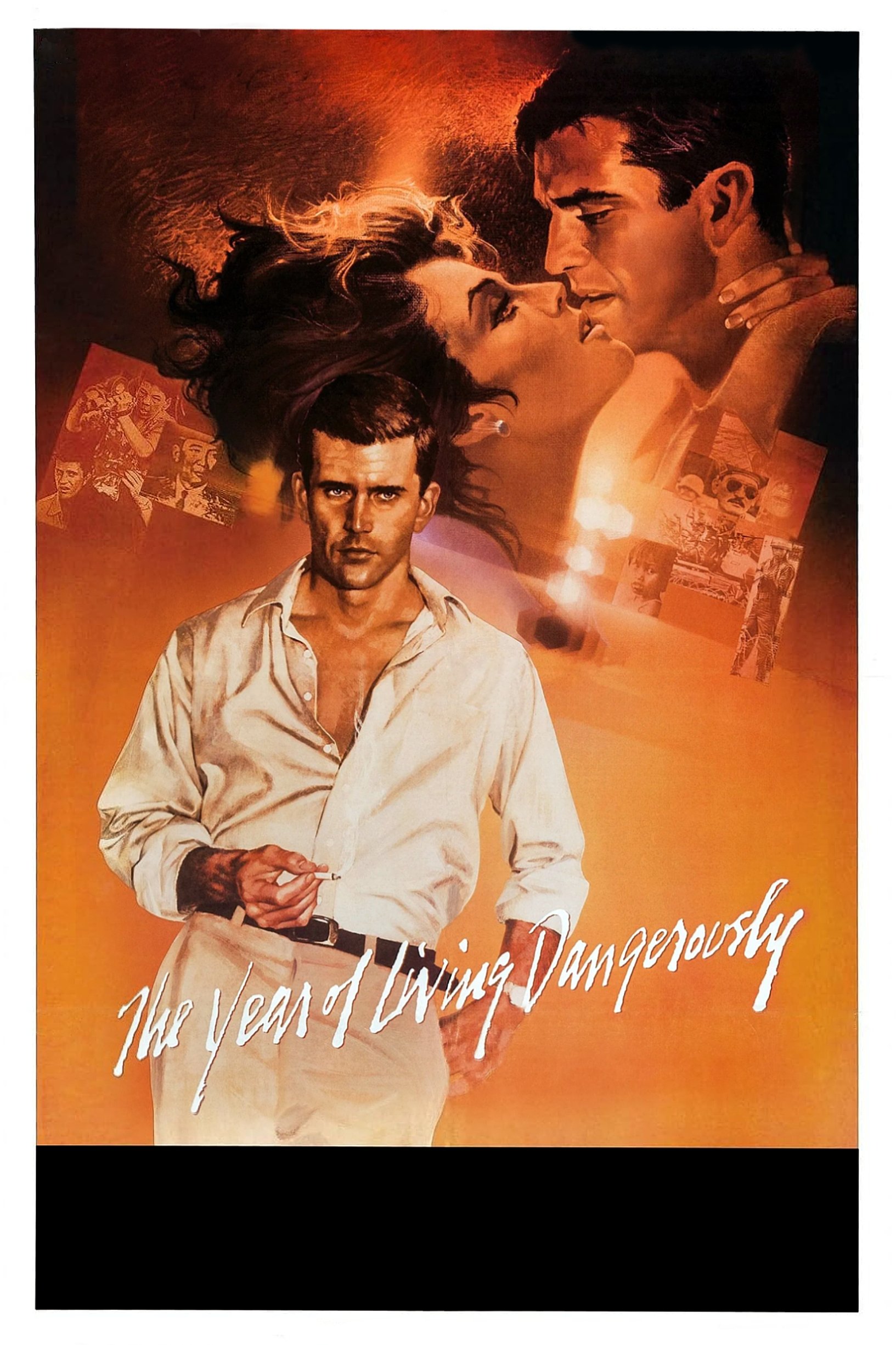
Linda Hunt portrays Billy Kwan, a male Chinese-Australian photographer and dwarf who guides a journalist through political turmoil in Indonesia. Hunt, a white woman, won the Academy Award for Best Supporting Actress for playing this Asian male character. She utilized prosthetics and makeup to alter her ethnicity and gender for the role. While her performance is often cited for its technical brilliance, it represents a double erasure of both Asian and male actors.
‘Breakfast at Tiffany’s’ (1961)

Mickey Rooney plays Mr. Yunioshi, the Japanese landlord to Holly Golightly, in a performance widely condemned as a racist caricature. Rooney wears prosthetic buck teeth and taped eyelids, employing a stereotypical accent for comedic relief. The character serves as a foil to the film’s romantic plot but has no depth beyond offensive ethnic tropes. This role remains one of the most infamous examples of yellowface in Hollywood history, marring the legacy of an otherwise beloved classic.
‘Aloha’ (2015)

Emma Stone plays Allison Ng, a character described in the film as being of one-quarter Chinese and one-quarter Hawaiian descent. The casting of a white actress with blonde hair and green eyes to represent a mixed-race native Hawaiian sparked significant controversy. The film follows her character as an Air Force pilot connecting with her heritage and a military contractor. Stone later apologized for the role, which highlighted the industry’s lack of understanding regarding the visibility of multi-ethnic identities.
‘Doctor Strange’ (2016)

Tilda Swinton portrays the Ancient One, a character originally depicted in the comics as an elderly Asian man from the Himalayas. The film reimagined the character as a Celtic mystic to avoid racial stereotypes, but critics argued this resulted in the erasure of a prominent Asian role. Swinton delivers a serene and powerful performance as the Sorcerer Supreme who mentors the protagonist. The casting decision ignited a debate about whether “whitewashing” to avoid stereotypes is a valid justification for excluding Asian actors.
‘Ghost in the Shell’ (2017)

Scarlett Johansson stars as Major Mira Killian, a cyber-enhanced soldier in a futuristic Japan. The film is based on a Japanese manga and anime where the protagonist is named Motoko Kusanagi. The plot eventually reveals that the character’s brain belonged to a Japanese woman placed inside a white cybernetic body, a twist that many found problematic. Critics viewed the casting as a literalization of whitewashing, replacing a Japanese identity with a white movie star for global marketability.
‘Prince of Persia: The Sands of Time’ (2010)
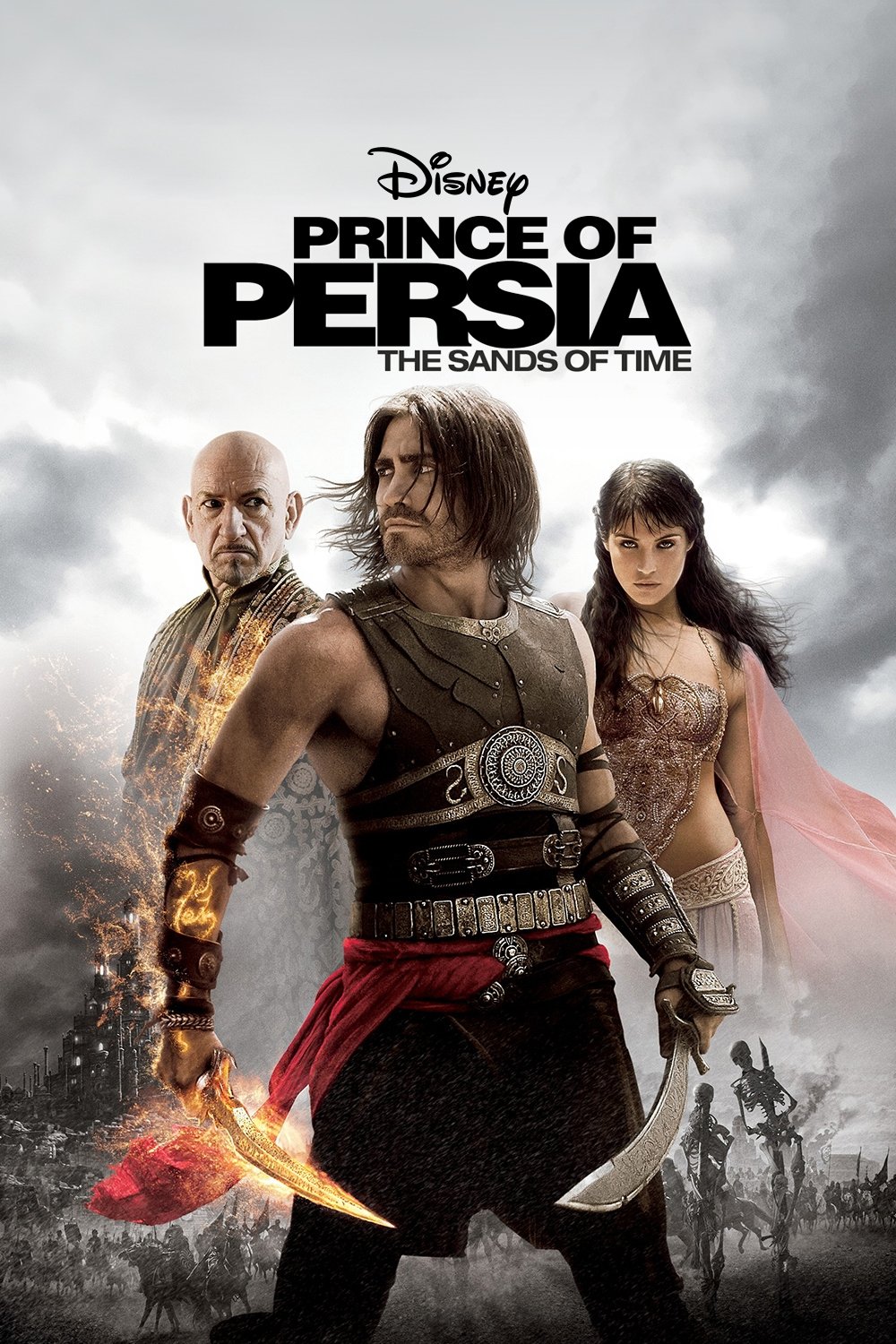
Jake Gyllenhaal plays Dastan, a street urchin adopted by the King of Persia who must protect a mystical dagger. The film is set in ancient Iran, yet the lead actor is white, as are most of the supporting cast. Gyllenhaal performs elaborate stunts and engages in banter with a princess while navigating a CGI-heavy landscape. The movie failed to launch a franchise and is frequently cited as a missed opportunity to cast Middle Eastern actors in a blockbuster setting.
‘Pan’ (2015)

Rooney Mara plays Tiger Lily, the warrior princess of the Piccaninny tribe in Neverland. In the original Peter Pan stories, Tiger Lily and her tribe are Indigenous people, but the film cast a white actress in the role. The production claimed to reimagine the tribe as a multi-ethnic group, yet the casting of a white woman as the prominent Indigenous figure drew backlash. The film was a critical and commercial failure, with the casting controversy dominating much of the discussion surrounding its release.
Share your thoughts on these casting decisions and their impact on cinema history in the comments.