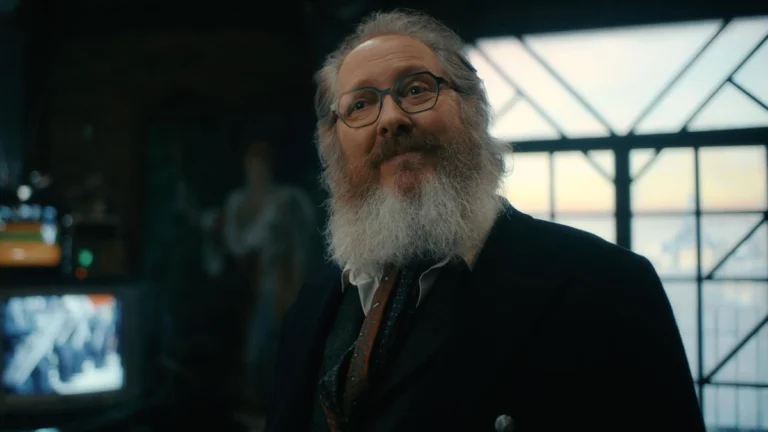
Who Are ‘The Dogs’ in ‘Slow Horses’? Inside MI5’s Internal Enforcement Unit

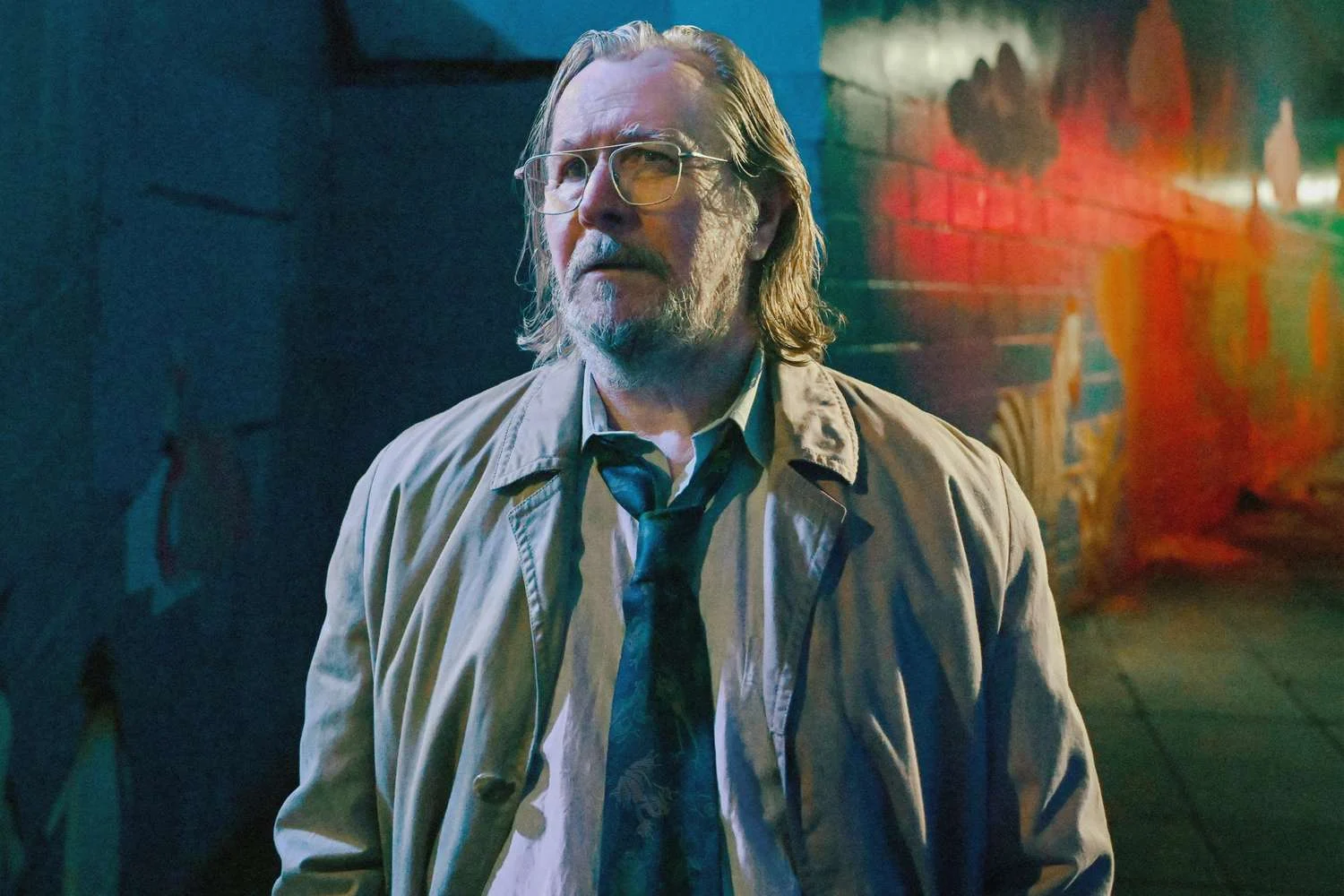

‘Slow Horses’ has built its version of MI5 around a distinct vocabulary of animal codenames, and few of those nicknames carry as much weight inside the story as The Dogs. Anyone who has watched Jackson Lamb flinch at the mention of them knows the name sounds almost cuddly but is anything but. For viewers trying to keep track of the show’s internal hierarchy, understanding who The Dogs are is central to understanding how power actually moves through Regent’s Park.
The term shows up constantly across the series, often attached to scenes of tension, interrogation, or forced compliance. Dogs are described as MI5’s internal security and investigation unit, functioning as the muscle that polices the agency’s own employees. That distinction, an internal police force rather than a group of field operatives, is what makes them such a persistent source of dread for the demoted agents of Slough House.
What The Dogs Actually Do Inside MI5
The Dogs are not spies chasing foreign threats. In the world of ‘Slow Horses’, they are MI5’s tough internal security unit, tasked with keeping order inside the agency, investigating wrongdoing among officers, and carrying out tactical operations across the UK. Their entire purpose is oriented inward, toward the agency itself rather than toward outside adversaries.
That inward focus is what separates them from the other animal designations the show uses. The Slow Horses are the misfit and exiled agents banished to Slough House, while Stoats handle surveillance on targets and Weasels serve as the analysts back at Regent’s Park. Dogs occupy a different lane entirely, one built around discipline and enforcement rather than intelligence gathering.
A glossary compiled from Mick Herron’s source novels puts it more bluntly. The Dogs are described as the unit that keeps MI5 employees in line and sweeps their errors under the rug, with a pointed warning against ending up in one of their interview rooms. Those interview rooms are staffed by a related group nicknamed the Dentists, MI5 interrogators who operate out of deniable basement spaces.
The unit’s authority also shifts depending on who is giving orders. The Head of Security commands The Dogs, and they typically answer to higher desks such as the Deputy Director-General, though at times they have taken direct orders from the Director General depending on the crisis. That flexible chain of command is part of why the group can be redirected for political convenience whenever a scandal threatens the agency’s image.
Nick Duffy and the Early Seasons of MI5’s Tactical Unit
For the first three seasons of ‘Slow Horses’, the face of The Dogs is Nick Duffy. Chris Reilly plays Duffy across series one through three as the head of MI5’s internal affairs and its ruthless tactical unit nicknamed the Dogs. He is repeatedly described as the head of MI5’s internal affairs and its tactical unit codenamed The Dogs.
Duffy’s tenure includes some of the unit’s most consequential moments. In the first season, Duffy led a raid to rescue Hassan Ahmed from the Sons of Albion, though the mission carried a bitter twist when Diana Taverner manipulated events behind the scenes and blamed Jackson Lamb’s team for an undercover agent’s death. That kind of manipulation becomes a recurring pattern for how The Dogs get used by the people above them.
Individual members under Duffy’s command also get their own moments in the story. A member named Agent Pierce is tasked with taking Struan Loy in for questioning at Regent’s Park, while another Dog named Hobbs is initially assigned to bring in Roddy Ho before instead pursuing River Cartwright at a hospital. Chris Coghill plays Hobbs across series one and three.
There is also a predecessor worth noting for longtime readers of the franchise. Sean Gilder plays Bad Sam Chapman across series two through four, a former Head Dog and David Cartwright’s bodyguard who later becomes a private detective Lamb continues to consult. His backstory adds another layer to how the show treats former enforcers once they leave the unit.
Emma Flyte and the Changing Leadership of the Enforcement Unit
The Dogs get a new leader once the story moves into its later seasons. Ruth Bradley joins as Emma Flyte starting in series four, described as the straight minded new head of the Dogs. Her arrival is framed as a direct entanglement with Jackson Lamb’s world, as she works out whether the Slow Horses are actually operating on the right side of a given case.
Flyte’s approach marks a shift from what came before her. Her presence shakes up the established dynamic since she is described as far less predictable than Duffy ever was. That unpredictability becomes part of the tension for Slough House characters who had grown used to knowing exactly how Duffy operated.
The show also uses Flyte’s leadership to underline how fluid the unit’s loyalties can be. Whether under Duffy or Flyte, The Dogs are consistently framed as reminders that even the watchdogs of the agency are pawns in a much larger game. That framing keeps the unit relevant even as its leadership changes from one season to the next.
The Animal Codename System Behind ‘Slow Horses’
The Dogs only make full sense once placed inside the show’s broader naming convention. References to animals feature heavily throughout ‘Slow Horses’, with the Slow Horses themselves named for the misfit and exiled agents sent to Slough House, Stoats serving as watchers who perform surveillance on a target, and a Tiger team testing an organization’s security weaknesses. The MI5 analysts are nicknamed Weasels, and the show layers in additional terms including Lamb, Spider, Spooks zoo for the Berlin station, Project Cuckoo, Flea, Cicada, The Kennel, and The Beast.
A separate glossary of spy slang from the series adds further texture to this system. Regent’s Park is described as the main location of MI5, while London Rules refers to the informal survival guidelines for navigating the bureaucracy, starting with the instruction to cover your own position first. These layered nicknames give the show a lived in quality, as though the audience is being let in on institutional slang rather than having exposition delivered directly.
That density of terminology is part of what has made the show rewarding for attentive fans to track season over season. Understanding where The Dogs fit relative to the Stoats, the Weasels, and the Slow Horses themselves clarifies why certain scenes carry so much tension even before a single line of dialogue explains the stakes. It also sets up why any appearance of the unit, regardless of who is leading it, tends to signal that someone inside the agency is about to have a very bad day.
With Nick Duffy’s era behind the show and Emma Flyte now steering the unit through unpredictable new territory, it’s worth asking which version of The Dogs viewers have found more unsettling to watch, and whether Flyte’s approach will hold up the next time Jackson Lamb’s team ends up in her crosshairs.