

15 Wimpiest Anime Heroes




Sometimes the leads we follow are not the bravest on day one. They hesitate, second guess themselves, and cry when the pressure hits. That can make their journeys feel a little closer to real life since not everyone faces danger with a battle cry right away.
This list gathers protagonists who start from a timid place and often take the long route to courage. You will find setup details, abilities, and relationships that define each character, along with small notes on the studios that brought their stories to screens.
Shinji Ikari in ‘Neon Genesis Evangelion’

Shinji is summoned to Tokyo-3 to pilot Evangelion Unit 01 against the Angels even though he does not want the job. His relationship with his distant father and the weight of civilian casualties shape his choices, and he frequently withdraws when the cost of fighting becomes obvious.
Gainax builds his arc around nerve shredding cockpit scenes, hospital corridors, and classroom moments that highlight the burden of being a teen pilot. The series focuses on nerve links, synchronization ratios, and the impact of repeated sorties on his body and mind.
Yukiteru Amano in ‘Future Diary’

Yukiteru enters a survival game where twelve diary holders hunt each other to become the next god of time and space. His diary predicts events around him, which turns him into a target and makes him lean on Gasai Yuno for protection.
Asread stages the game with shifting alliances, smart traps, and rules that punish hesitation. The show explains how each diary has a specific focus, how Yukiteru’s entries limit him, and how he tries to navigate classmates, police, and cults while staying alive.
Kazuya Kinoshita in ‘Rent-A-Girlfriend’

Kazuya turns to a rental girlfriend app after a sudden breakup and lands in a web of half truths that keeps pulling in friends and family. He juggles part time work, school, and a pretend relationship that keeps spiraling into new complications.
TMS Entertainment plays up the mechanics of the rental service, apartment life, and the way both families watch every move. The series tracks agency rules, contract boundaries, and the social fallout that follows each slip up.
Makoto Naegi in ‘Danganronpa: The Animation’

Makoto arrives at Hope’s Peak Academy as the Ultimate Lucky Student and gets trapped in a closed school where a sadistic bear enforces class trials. He has no combat skills and survives by paying attention, talking to classmates, and finding contradictions during investigations.
Lerche lays out trial interfaces, truth bullets, and time limits that turn every hearing into a puzzle. The adaptation maps the school floors, locks evidence behind keycards, and shows how relationships affect testimony and alibis.
Shu Ouma in ‘Guilty Crown’

Shu gains the Power of Kings after contact with the Void Genome and learns he can draw weapons from people’s hearts. He is a quiet student who falls into a conflict between the resistance group Funeral Parlor and a heavy handed government response.
Production I.G blends school schedules, quarantine zones, and mecha skirmishes to track how his choices affect everyone around him. The show explains void compatibilities, leadership shifts inside the resistance, and the cost of using powers that push his limits.
Subaru Natsuki in ‘Re:Zero − Starting Life in Another World’

Subaru is transported to another world with no combat talent and discovers he can return to a previous point after dying. He tries to protect Emilia and friends by learning from each loop, which forces him to face the same dangers again and again.
White Fox builds tension with clear checkpoints, branching outcomes, and the way memory resets isolate him. The series details curse mechanics, contract rules, and the politics around royal selection that keep complicating each plan.
Ken Kaneki in ‘Tokyo Ghoul’
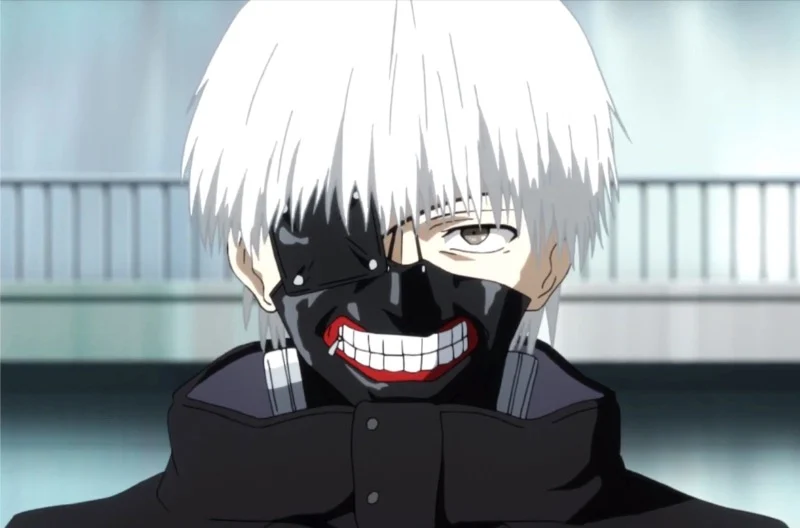
Kaneki survives an attack and wakes up as a human ghoul hybrid who must learn to live on coffee and flesh while hiding from investigators. He struggles with mask identities, kagune training, and the moral line between human law and ghoul survival.
Studio Pierrot anchors his story in Anteiku’s routines, CCG operations, and territory conflicts. The adaptation explains ward layouts, ranking systems, and how mentorship and torture both alter kagune control over time.
Ganta Igarashi in ‘Deadman Wonderland’
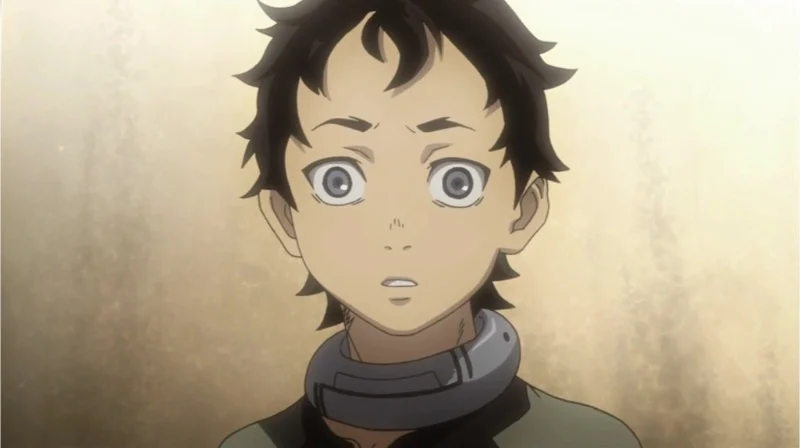
Ganta is framed for a classroom massacre and sent to a prison that doubles as a theme park where inmates perform for visitors. He discovers the Branch of Sin, a power that lets him weaponize his blood, and enters lethal contests to stay alive.
Manglobe designs the Carnival Corpse matches with house rules, handicaps, and brutal prizes that take pieces of the losers. The series follows prison currency, cast point balances, and alliances that form around escape attempts and medical labs.
Tsunayoshi Sawada in ‘Katekyo Hitman Reborn!’

Tsuna is a timid student chosen to become the next boss of the Vongola Family, guided by a baby hitman who shoots him with Dying Will bullets. He has to build a group of guardians at school while learning techniques that unlock under pressure.
Artland tracks daily comedy that grows into formal battles with rings, boxes, and flame attributes. The anime explains Vongola traditions, tutor tests, and how each guardian’s role lines up with specific elements and gear.
Bell Cranel in ‘Is It Wrong to Try to Pick Up Girls in a Dungeon?’
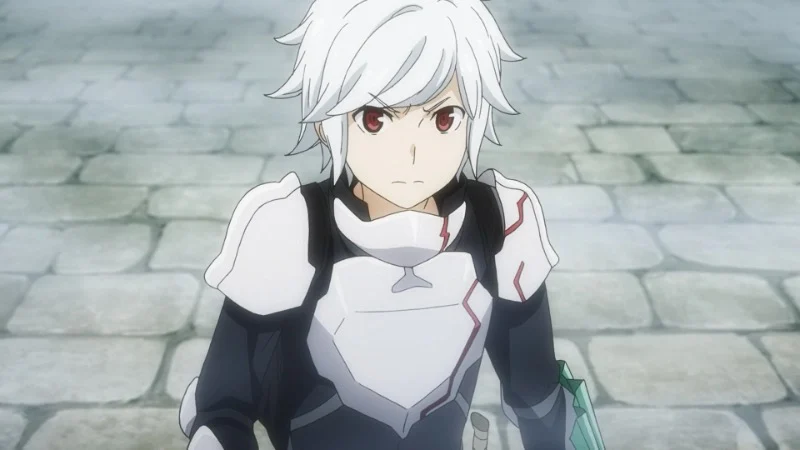
Bell starts as the only member of the Hestia Familia and learns to fight in the Orario dungeon while taking quests to raise his stats. He relies on support teammates, new weapons, and advice from veteran adventurers to survive deeper floors.
J.C.Staff lays out the familia system, skill growth, and guild regulations that shape every expedition. The show breaks down floor ecology, drop items, forging processes, and the politics between deities that affect access to resources.
Takemichi Hanagaki in ‘Tokyo Revengers’
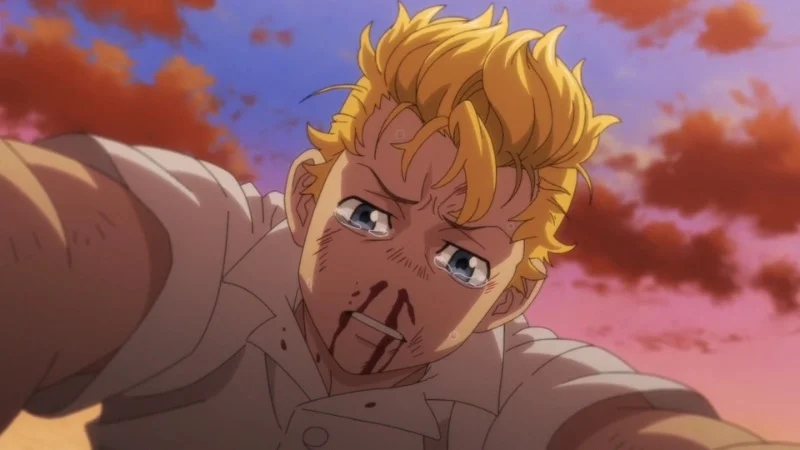
Takemichi gains the ability to travel back to his middle school years and tries to change the future to save his ex girlfriend. He meets founding members of a biker gang and learns how small choices ripple through fights and leadership shifts.
Liden Films maps gang structures, uniforms, and meeting spots that define each faction. The series tracks chain reactions across timelines, the role of captains and divisions, and the conditions needed to trigger each jump.
Yugi Mutou in ‘Yu-Gi-Oh! Duel Monsters’
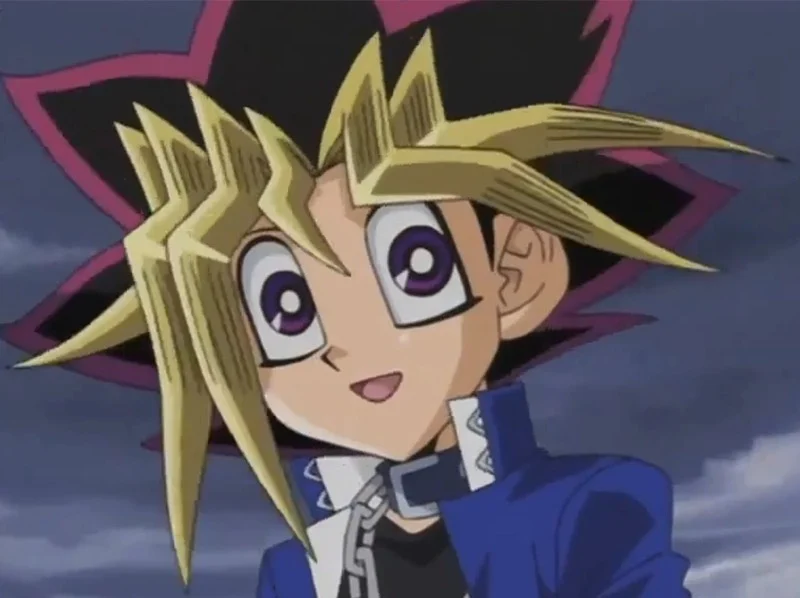
Yugi solves the Millennium Puzzle and gains a spirit partner who takes over during duels. He enters tournaments where card effects, trap timing, and field strategies decide every match.
Studio Gallop standardizes the rule set on screen with phases, life points, and tribute mechanics. The anime documents tournament brackets, rare card economies, and the tech arms race around KaibaCorp systems and holograms.
Simon in ‘Gurren Lagann’
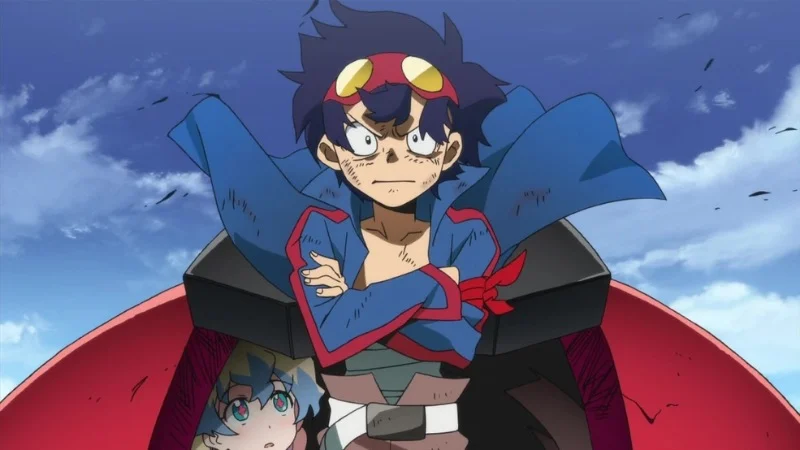
Simon begins as a quiet digger in an underground village and finds a small mech called Lagann that can combine with larger units. He follows Kamina to the surface and learns that scale and willpower matter in every battle.
Gainax ramps the world from caves to open skies and then to space as new enemies appear. The show explains combination protocols, Spiral Energy, and how leadership passes between pilots when the stakes climb.
Izuku Midoriya in ‘My Hero Academia’

Izuku is born without a Quirk in a world where powers are common and later inherits One For All from his idol All Might. He studies hero tactics, trains his body, and builds a notebook of observations to support his classmates during emergencies.
Bones turns training arcs into clear progress with internships, provisional licenses, and support gear upgrades. The series details school courses, hero agency structures, and the legal limits that shape patrols and rescues.
Nobita Nobi in ‘Doraemon’

Nobita is a grade schooler who struggles with studies and sports and often leans on Doraemon’s gadgets to solve daily problems. He navigates friendships, bullying, and family expectations while learning that shortcuts bring their own trouble.
Shin-Ei Animation keeps the neighborhood routine steady with gadgets like the Anywhere Door and the Take copter. The long running format explains how tools have usage rules, how time travel fixes create new messes, and how small choices at home and school matter most.
Share the timid leads you would add to this list in the comments.