


Woke Celebs Who Faced Massive Backlash

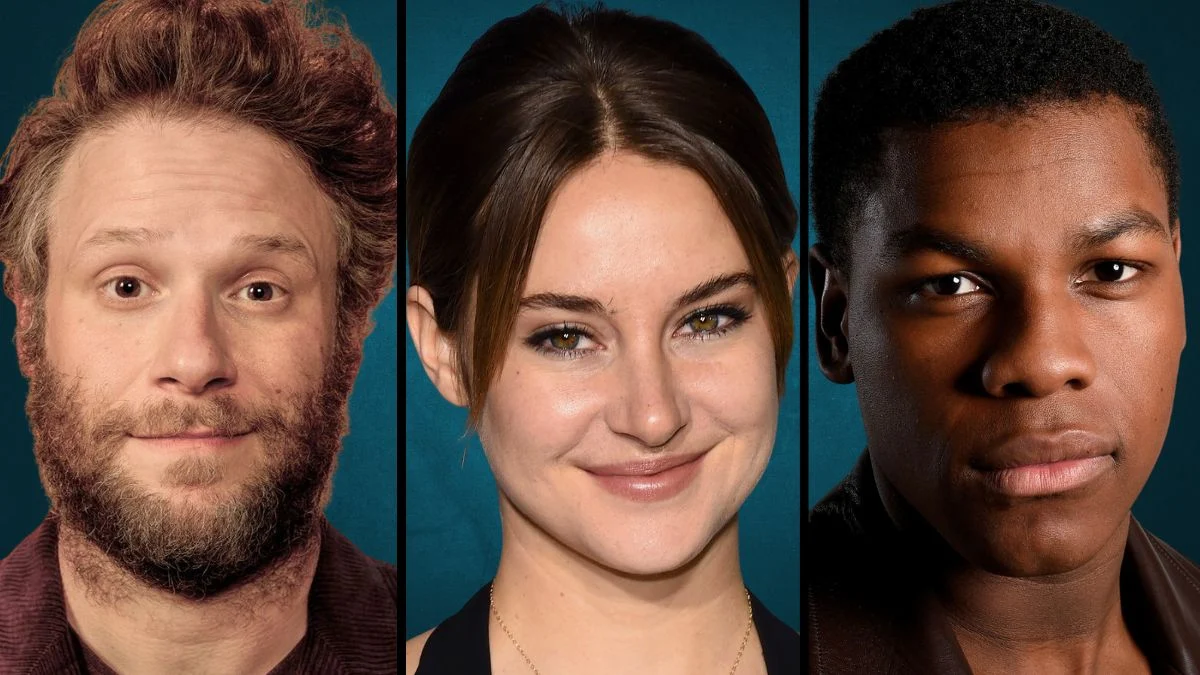


Being outspoken about social issues can bring a lot of heat, especially when a famous face leads the conversation. Some stars have used their platforms to support causes like racial justice, gender equality, LGBTQ rights, voting access, and immigrant rights. The spotlight can brighten those messages, but it can also draw intense criticism from people who disagree or feel that entertainers should stay out of politics.
This list looks at well known celebrities who publicly supported progressive causes and then faced noticeable pushback. The reactions have included social media pile ons, calls for boycotts, angry commentary from television and radio, and waves of negative press. Each entry explains what they said or did, how critics responded, and what happened next.
Brie Larson

Brie Larson spoke about representation in film press and advocated for more inclusive media coverage and hiring. She used major appearances and interviews to emphasize opportunities for women and people of color behind and in front of the camera. Her comments were widely shared and discussed across entertainment outlets and fan communities.
The reaction included online campaigns that criticized her as overly political and urged audiences to skip projects associated with her. Commentators debated whether her public stance influenced ticket sales and marketing approaches. Studio decisions around press tours and messaging were closely watched as her advocacy remained part of the conversation about blockbuster culture.
Taylor Swift

Taylor Swift encouraged voter registration and endorsed candidates during key election cycles. She also used music videos and concert moments to support LGBTQ rights and women’s equality. Her posts directed fans to registration tools and laid out positions on specific policy topics.
The backlash ranged from commentators accusing her of alienating parts of her audience to social media waves arguing entertainers should avoid policy discussions. Some radio personalities and columnists framed her moves as brand recalibration. Despite the criticism, registration spikes connected to her posts became a recurring media storyline.
John Boyega
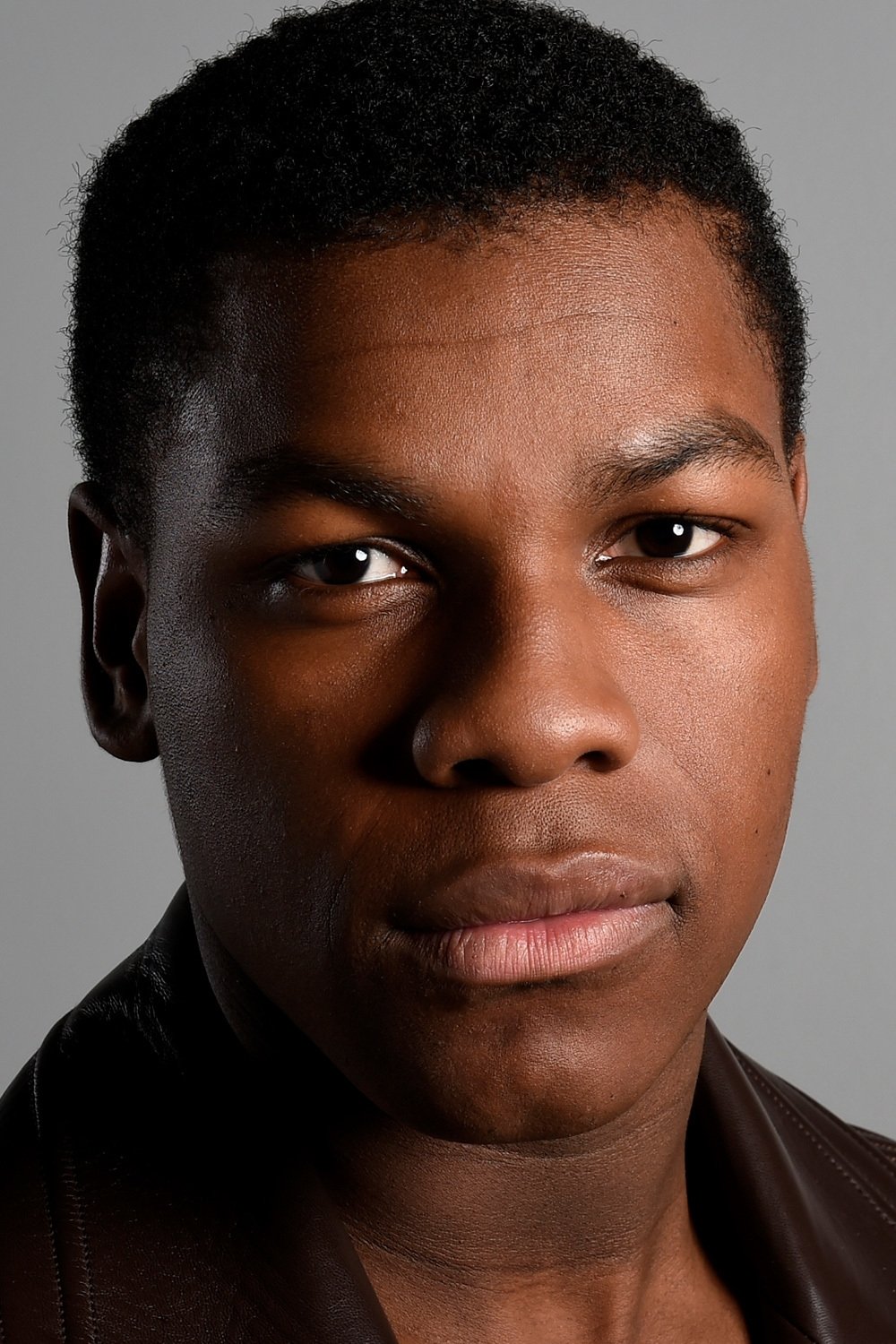
John Boyega delivered high profile speeches supporting racial justice and spoke candidly about his experiences in the industry. He pointed to representation issues and described how certain roles and marketing choices affect audiences. His comments circulated globally and sparked industry wide discussions.
Critics argued that his remarks were divisive and called for fans to disengage from his work. Supporters highlighted the professional risks involved in speaking out. Agencies and studios were pressed for responses as journalists tracked whether his statements affected casting and campaign strategies.
Colin Kaepernick
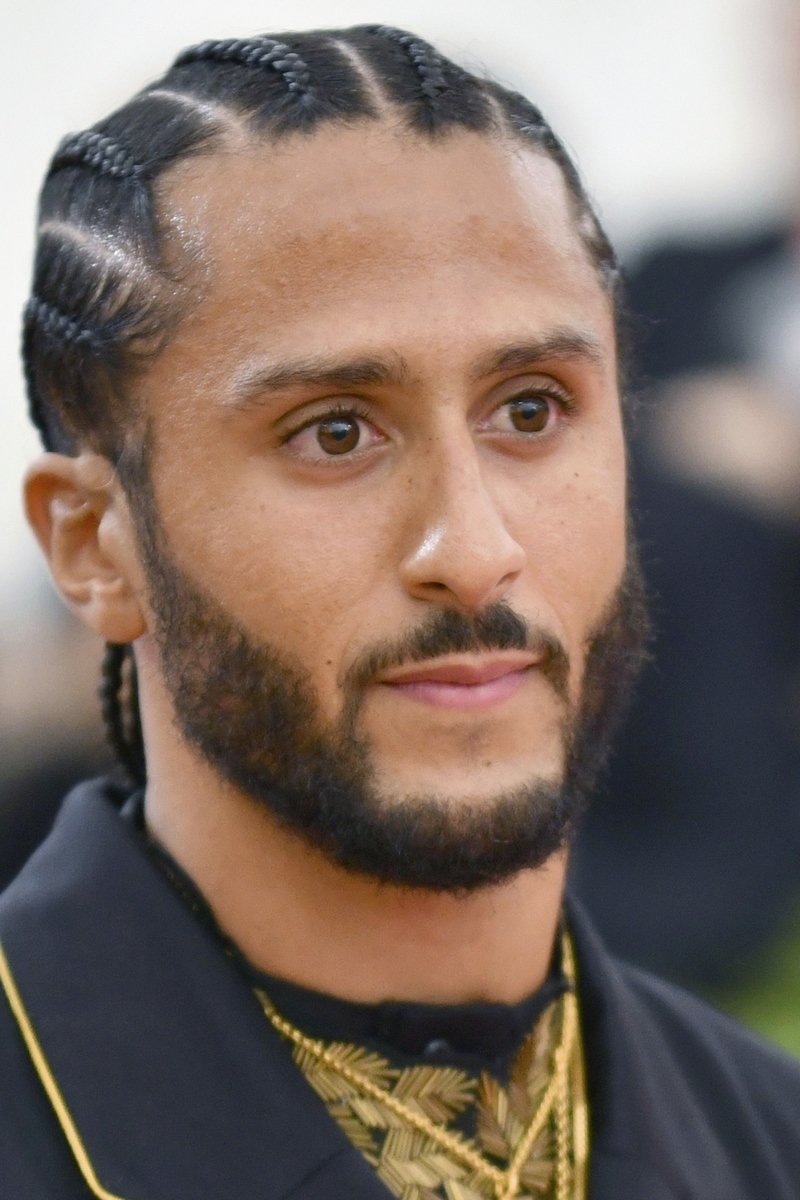
Colin Kaepernick protested during the national anthem to draw attention to police brutality and systemic racism. He later partnered with organizations and brands to fund legal aid and community programs. The gesture and the follow through kept his cause at the center of sports media coverage.
The backlash included calls for boycotts, intense criticism from political figures, and debate among league executives and fans. His free agency status and endorsements became touchpoints in broader arguments about athlete activism. The episode influenced how teams, leagues, and sponsors handle advocacy by players.
LeBron James
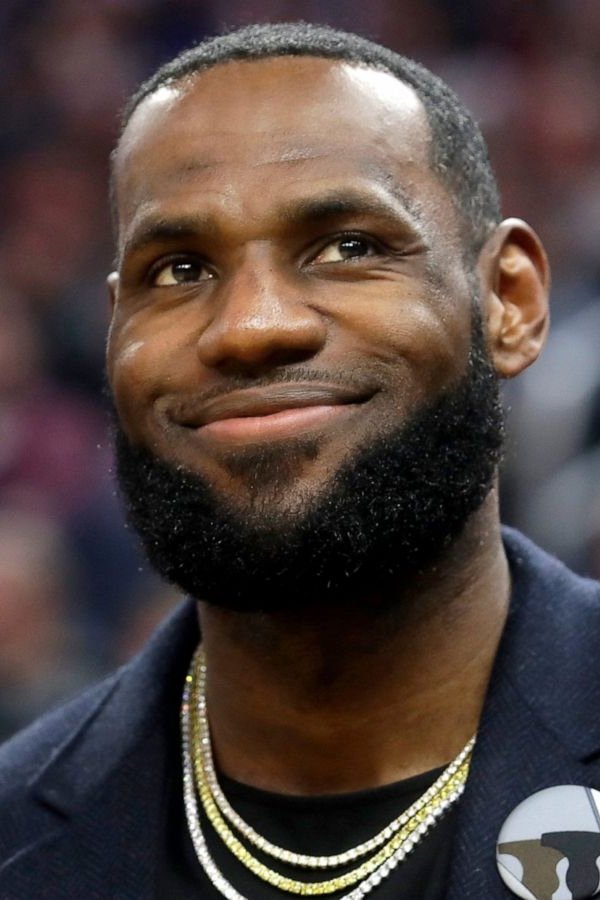
LeBron James launched voter initiatives, spoke about racial justice, and funded education programs in his hometown. He used interviews and social channels to promote civic participation and police reform conversations. His efforts extended to partnerships with nonprofits and athletes across multiple sports.
The pushback came from commentators who said his positions were inappropriate for a sports platform and from social users who urged boycotts. Television segments questioned whether fans would turn away from the league. His teams and sponsors fielded questions about balancing advocacy with entertainment value.
Emma Watson

Emma Watson served as a goodwill ambassador and promoted gender equality and education access. She delivered speeches, ran book clubs focused on inclusive voices, and supported policy focused campaigns around the world. Her advocacy connected celebrity reach with established organizations.
Critics claimed the messaging was performative and pointed to perceived contradictions in fashion and endorsement choices. Online debates scrutinized her projects and appearances for consistency with her stated goals. The scrutiny followed her across film promotions and charity partnerships.
Mark Ruffalo
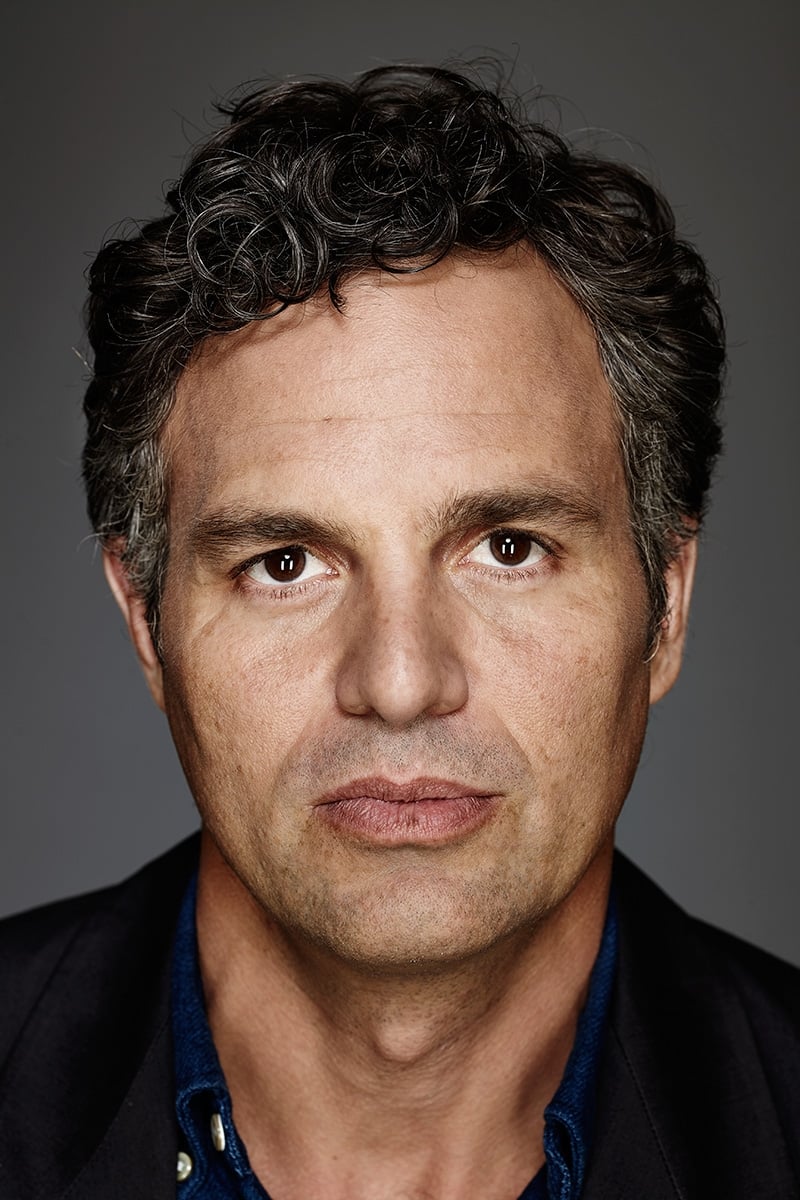
Mark Ruffalo regularly supports climate action, labor rights, and progressive candidates. He amplifies campaigns that focus on environmental regulation and clean energy. He also shares fundraising links and event information that tie entertainment audiences to activism.
The backlash has included calls to avoid his films and complaints that his politics overshadow his roles. Opinion writers have challenged his policy knowledge and framed his posts as lecturing. Studio media plans sometimes account for the likelihood that his interviews will include advocacy talking points.
Alyssa Milano
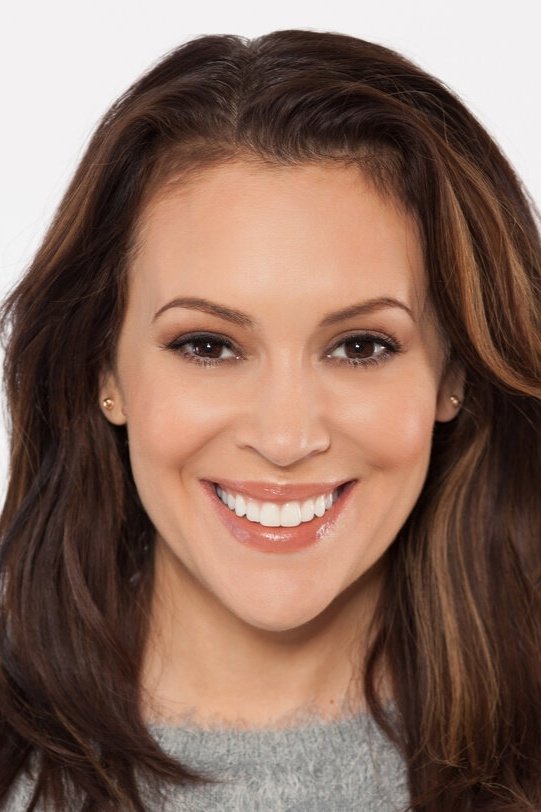
Alyssa Milano uses her social feeds to organize petitions, promote voting, and support women’s rights. She participates in rallies and collaborates with nonprofits that work on gun safety and healthcare access. Her posts often include instructions for contacting representatives and joining local efforts.
The response features sustained criticism across radio, podcasts, and social media. Detractors accuse her of attention seeking and urge consumers to boycott brands she partners with. Reporters frequently ask her about balancing activism with career goals, which keeps the controversy in headlines.
Jameela Jamil

Jameela Jamil campaigns for body neutrality, mental health resources, and inclusive casting. She shares detailed threads that explain how diet culture and misleading ads affect young audiences. She also participates in panels that push for ethical advertising standards.
Her critics argue that her messaging can be inconsistent and that public call outs create unnecessary drama. Backlash often spikes after she challenges a high profile figure or product. Media coverage tracks how platforms and brands respond to her demands for clearer guidelines.
Seth Rogen

Seth Rogen publicly supports social justice organizations and speaks about combating hate speech. He has engaged in direct exchanges on social platforms that promote anti bigotry education. His production projects sometimes highlight themes that align with his advocacy.
Pushback includes claims that his tone alienates audiences and that his posts escalate online conflicts. Some viewers say they avoid his work due to perceived political preaching. Trade press watches whether controversy around his statements affects distribution plans and release marketing.
Chris Evans
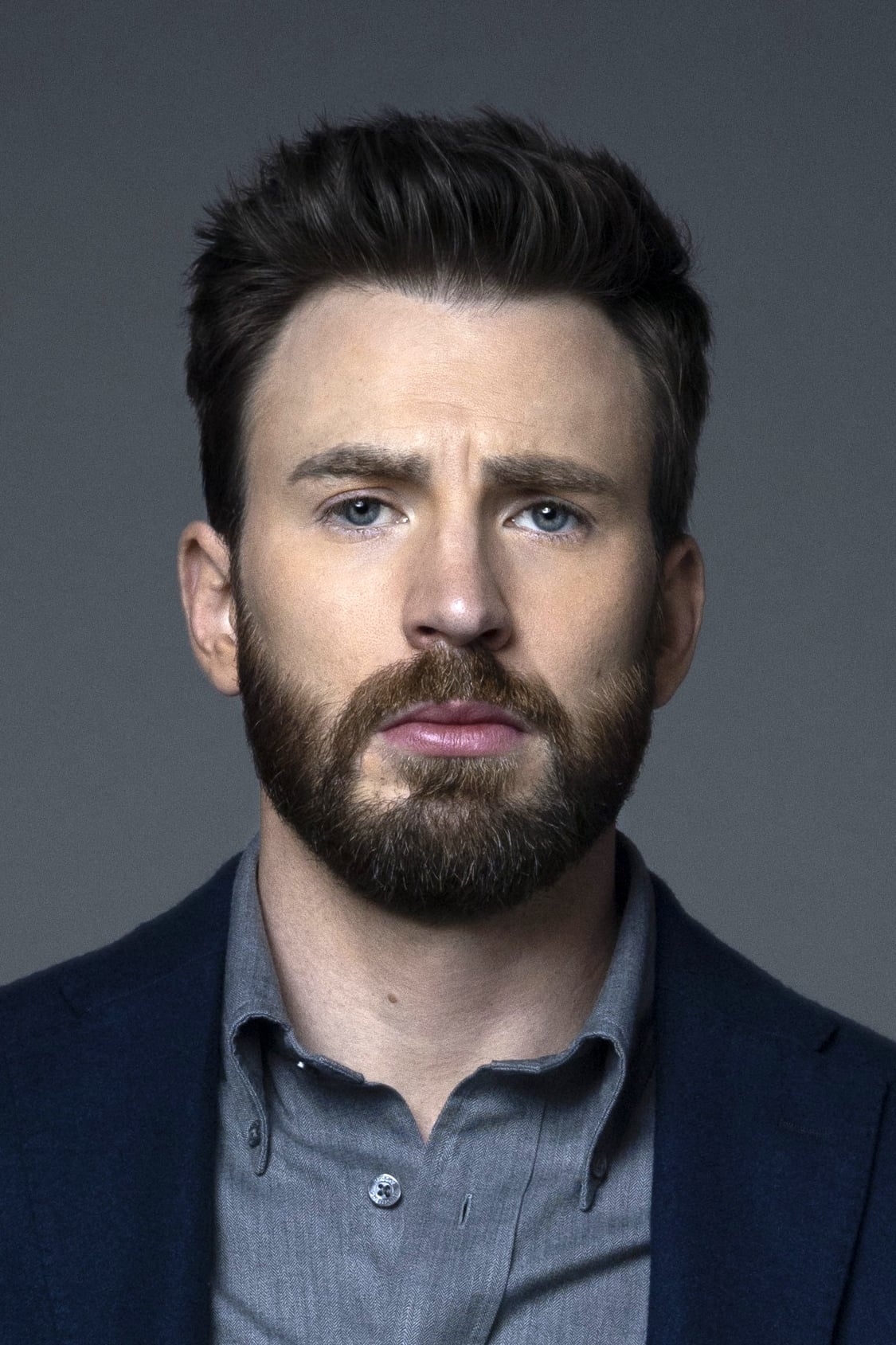
Chris Evans promotes civic engagement tools that help people find ballots and contact officials. He participates in interviews about misinformation and responsible news consumption. He also backs charitable drives connected to education and veteran support.
The backlash centers on accusations that he uses superhero fame to push politics. Critics call for boycotts and urge fans to separate entertainment from advocacy. His posts often trigger debate segments on television where analysts weigh potential effects on franchise goodwill.
Lady Gaga
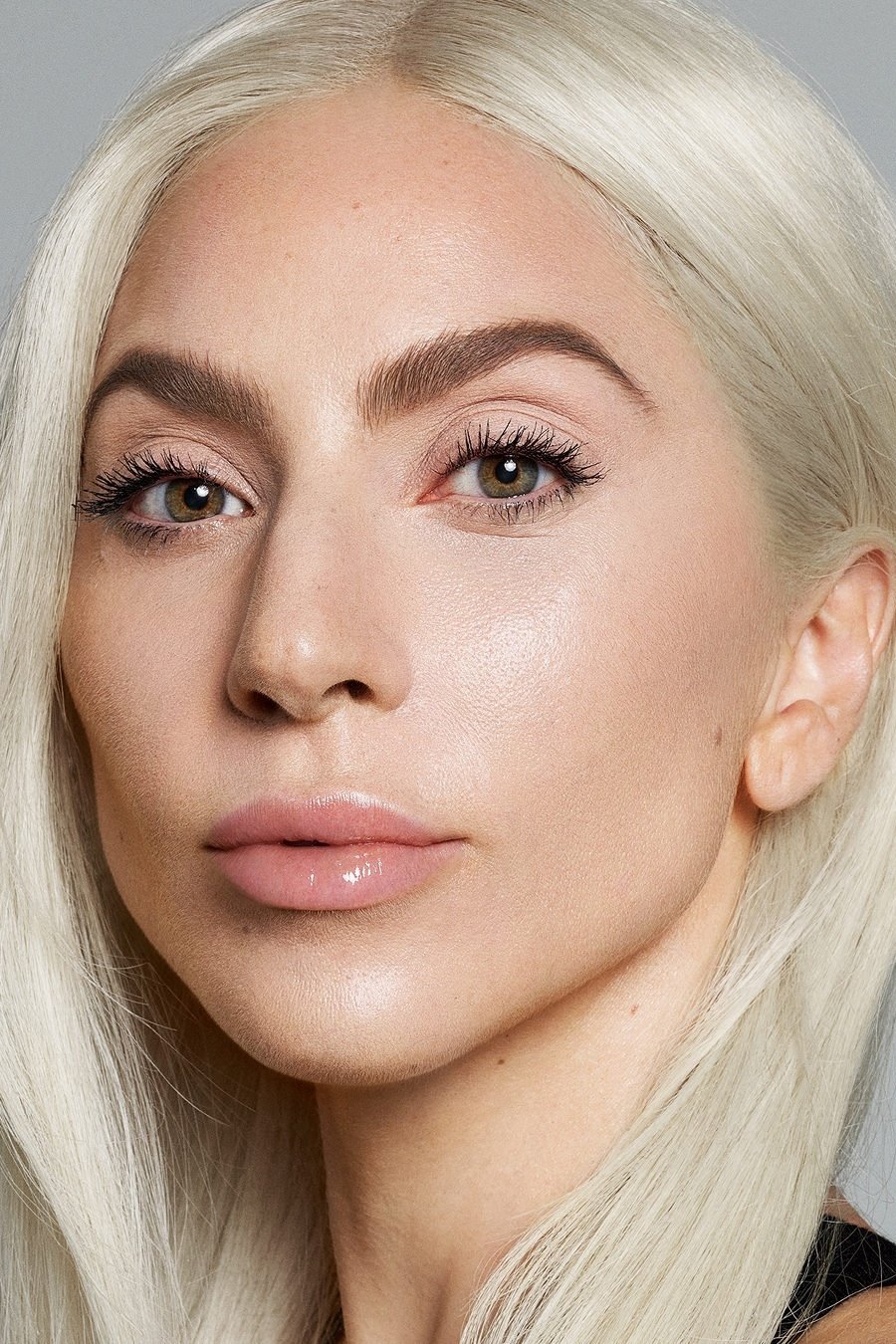
Lady Gaga supports LGBTQ rights, mental health care, and sexual assault survivors. She has raised funds through concerts and partnered with foundations to expand access to services. Her performances and speeches have included explicit calls for policy change.
Critics object to the political framing at shows and events and argue that fans come for music only. Some commentators dispute the effectiveness of celebrity driven campaigns. Coverage frequently assesses whether charitable outcomes and ticket sales move in the same direction despite backlash.
Billie Eilish
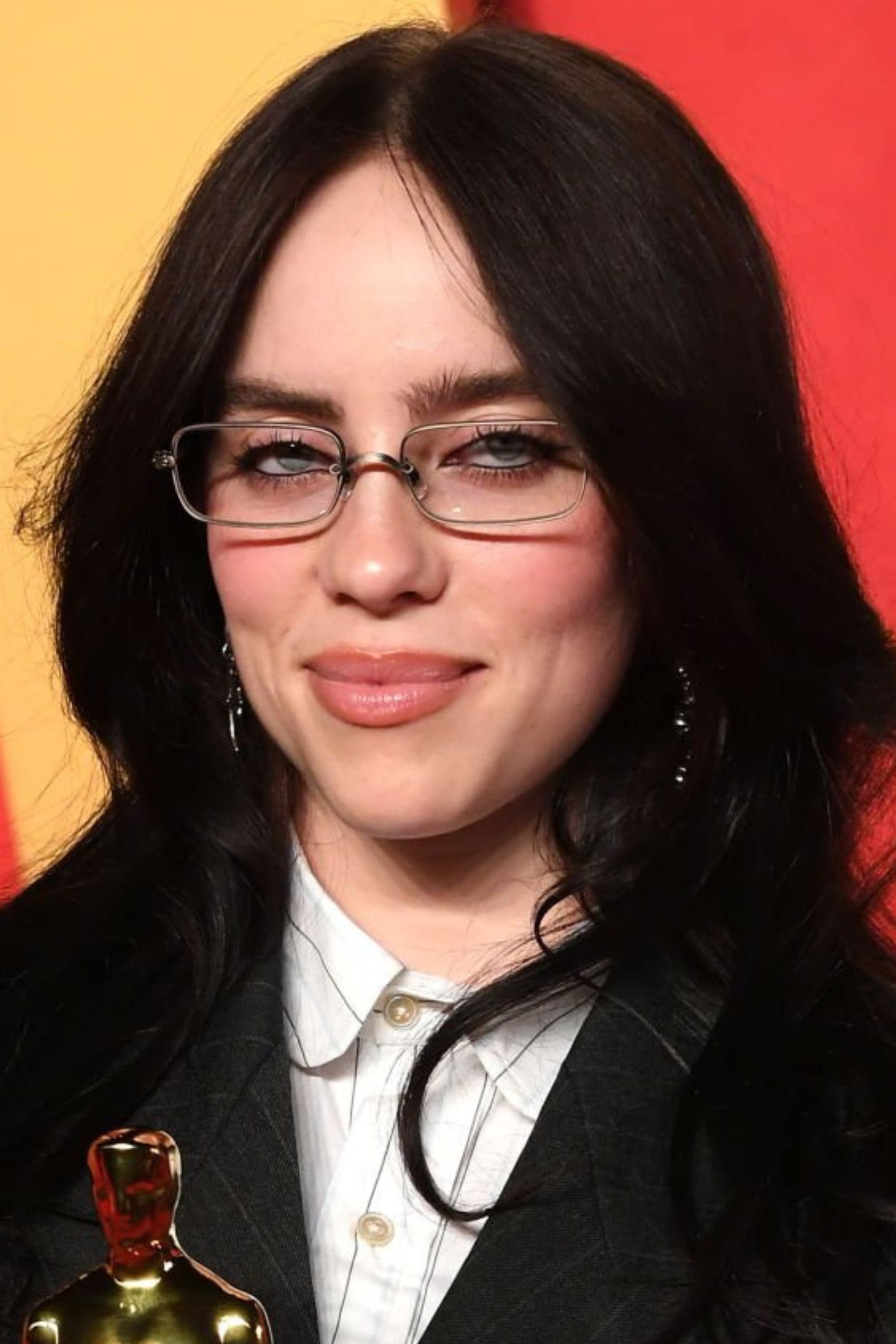
Billie Eilish addresses climate action, body image, and voting among young fans. She has implemented tour practices aimed at reducing waste and provides voter information at venues. Her interviews and documentaries feature extended discussions of these priorities.
The pushback includes social media criticism that labels her messaging as preachy. Comment threads and video responses challenge her knowledge and intentions. Journalists often compare the scale of her fan engagement with the scale of the resistance online.
Trevor Noah
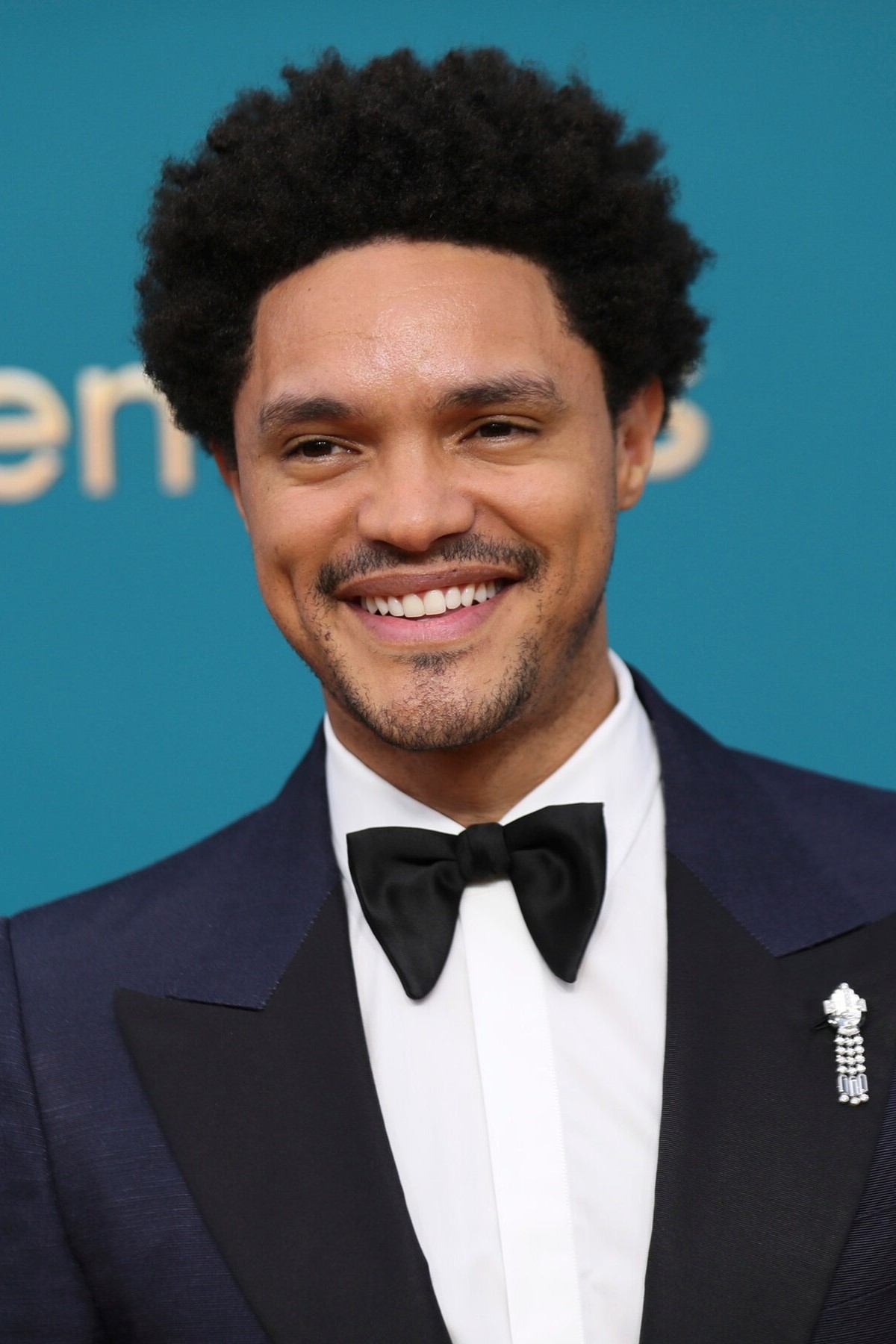
Trevor Noah used his nightly platform to analyze race, immigration, and global politics. He hosted segments that explained policies and interviewed activists and experts. Clips were widely shared, which extended the reach of his commentary.
Backlash arrived through targeted campaigns accusing him of bias and through calls to cancel appearances. Commentators argued the show blurred lines between comedy and advocacy. Network decisions about guest selection and segment topics were scrutinized as part of the response.
Patton Oswalt
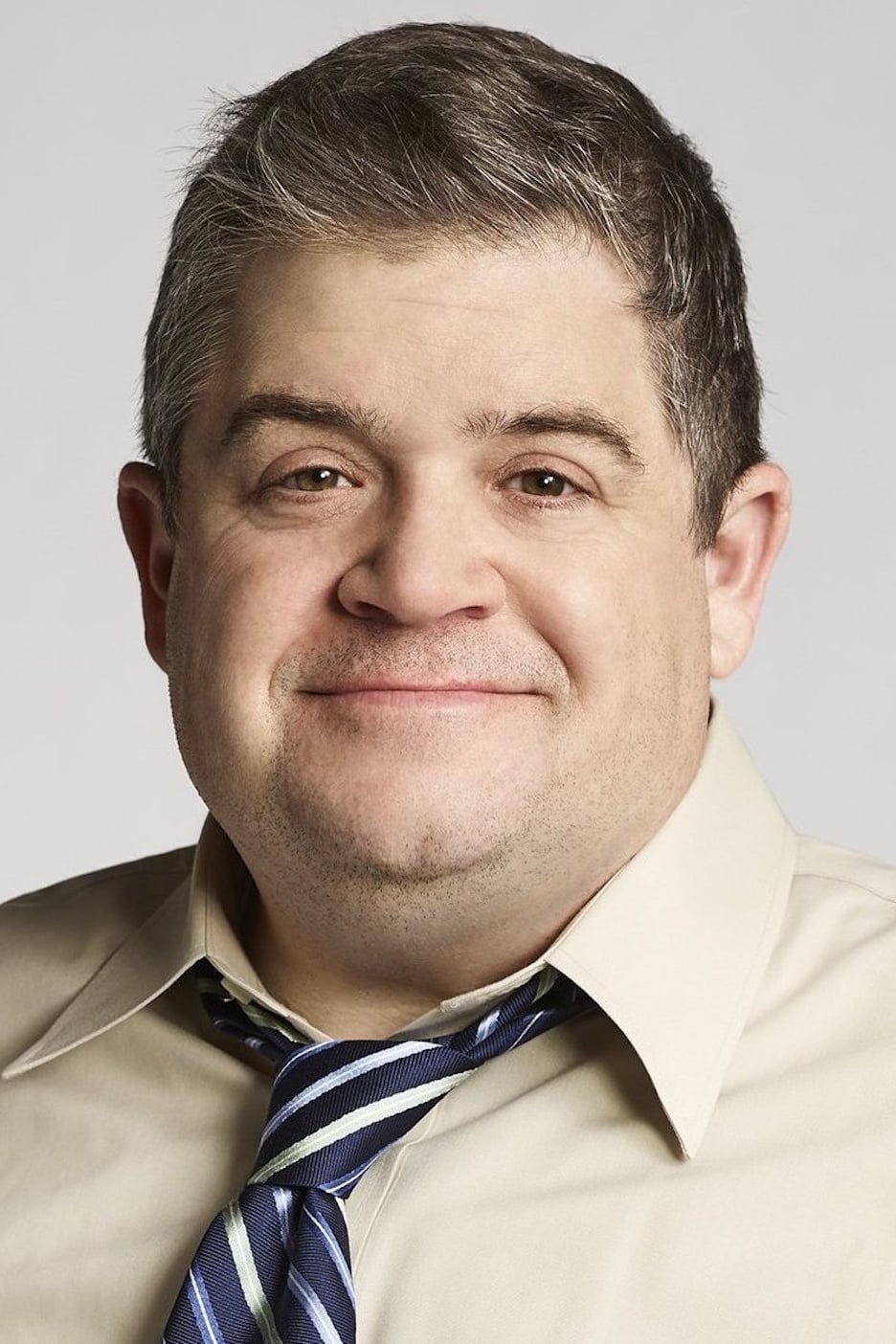
Patton Oswalt donates to causes, supports labor actions, and uses stand up to address social issues. He frequently posts threads that link to mutual aid and community funds. Benefit shows and auctions have been part of his approach.
Critics frame his tone as scolding and urge audiences to skip specials and tours. Some radio hosts and bloggers question whether political content reduces comedic appeal. Ticket trends and social sentiment are often cited when assessing the impact of the backlash.
Pedro Pascal
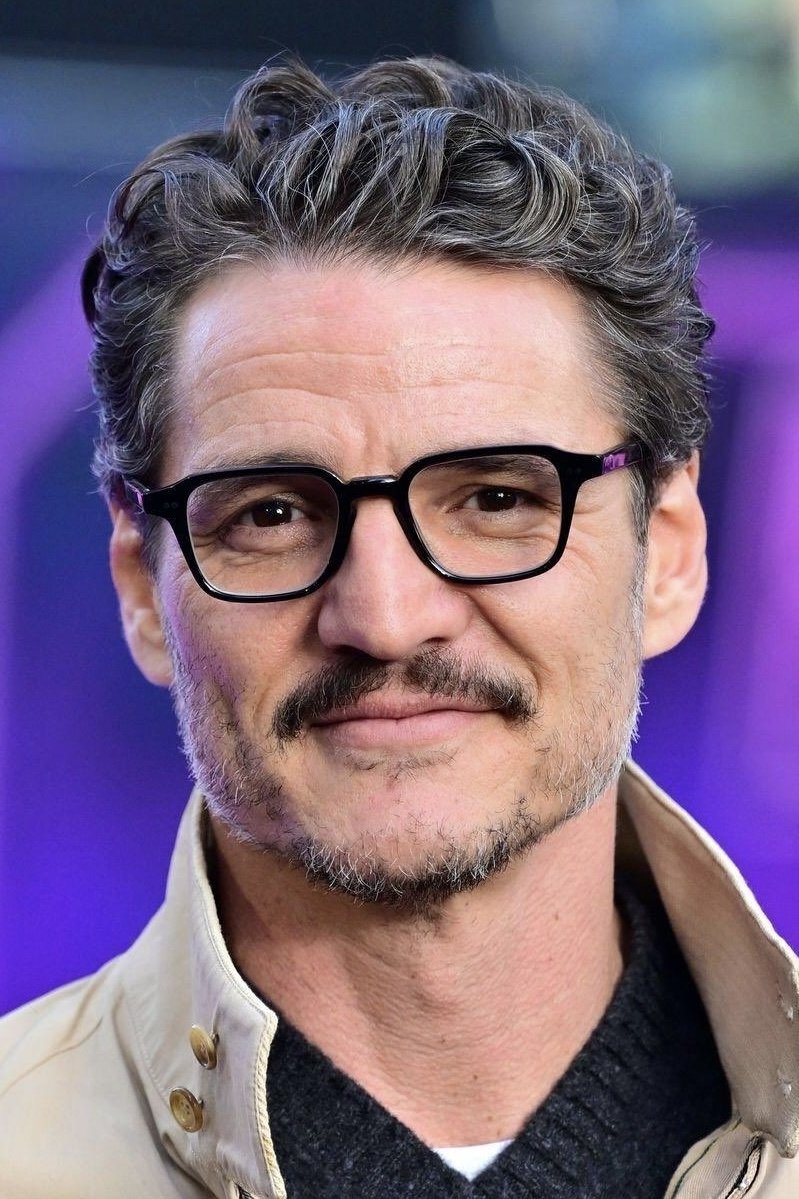
Pedro Pascal has posted in support of immigrant rights and LGBTQ equality. He highlights charities and legal defense organizations and uses interviews to discuss inclusive storytelling. His posts reach global audiences due to major franchise roles.
Backlash comes from users who accuse him of politicizing entertainment and from commentators who call for boycotts. Media outlets track whether online waves translate into subscriber or ratings changes. Studios and streamers receive questions about how they view public advocacy by lead actors.
Jordan Peele
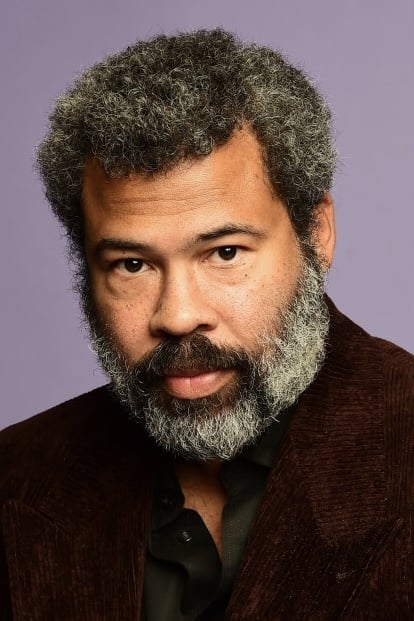
Jordan Peele speaks about representation, genre as social commentary, and opportunities for Black filmmakers. He has discussed casting choices and creative control in interviews and at festivals. His production company develops projects that feature underrepresented voices.
Criticism targets those statements and argues that his approach excludes certain performers and audiences. Opinion pieces and reaction videos often surge after he discusses casting philosophy. Industry press examines whether his hiring and greenlight patterns match his public goals.
Sarah Silverman
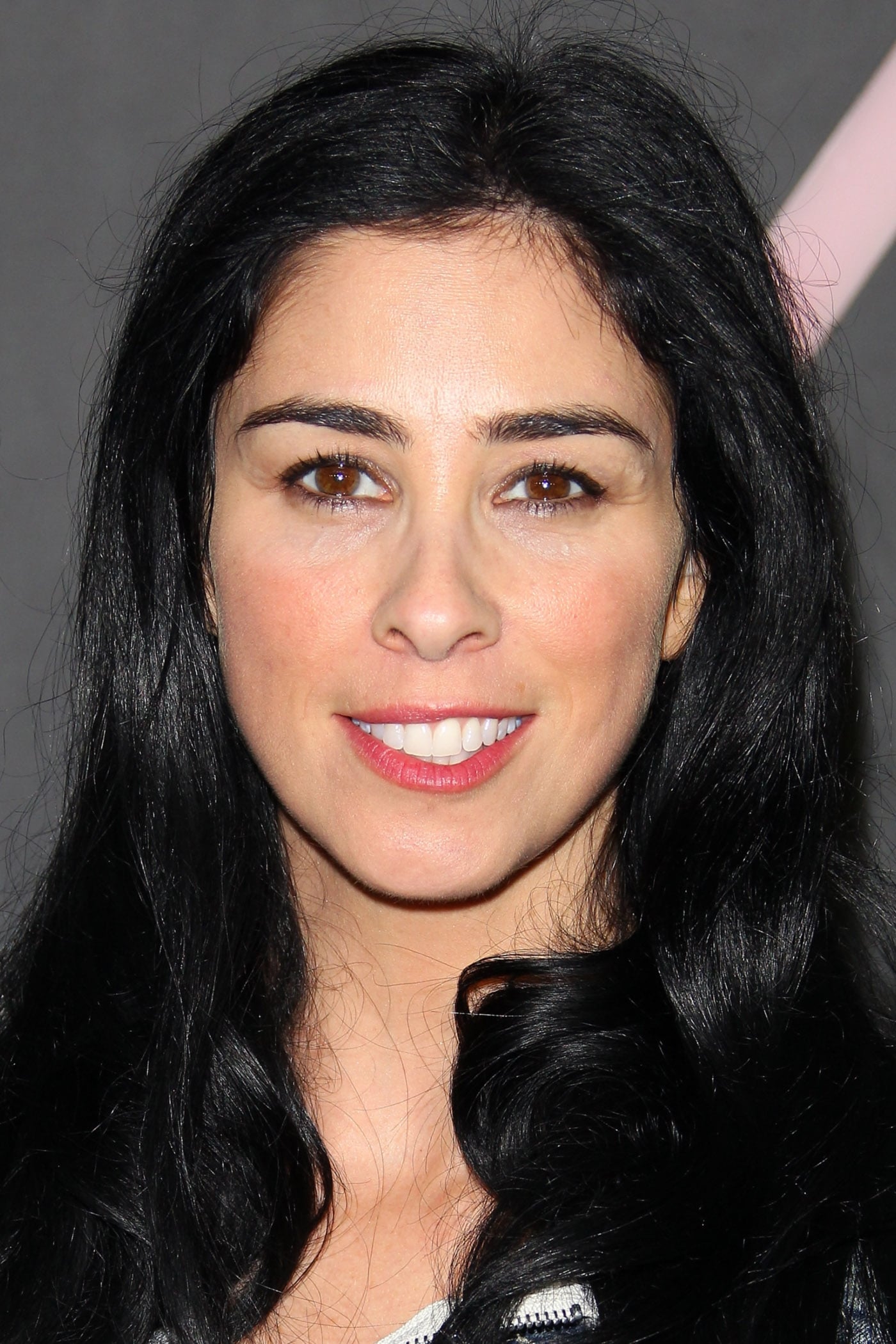
Sarah Silverman supports criminal justice reform, voting access, and anti hate education. She hosts conversations with activists and experts and raises funds for related nonprofits. Her comedy projects sometimes incorporate these themes.
Backlash includes coordinated online criticism and calls to avoid her shows. Commentators dispute her framing of sensitive topics and question the mix of politics and comedy. Venues and festivals occasionally address controversy when booking or promoting her appearances.
John Legend

John Legend works on voting rights, criminal justice reform, and education access. He partners with national groups to register voters and advance policy initiatives. Benefit concerts and public service announcements are common parts of his efforts.
His critics argue that he uses celebrity status to push an agenda and encourage boycotts of collaborations. Television segments debate his influence on public opinion and consumer behavior. Brands and award shows sometimes face pressure related to his appearances.
Halsey
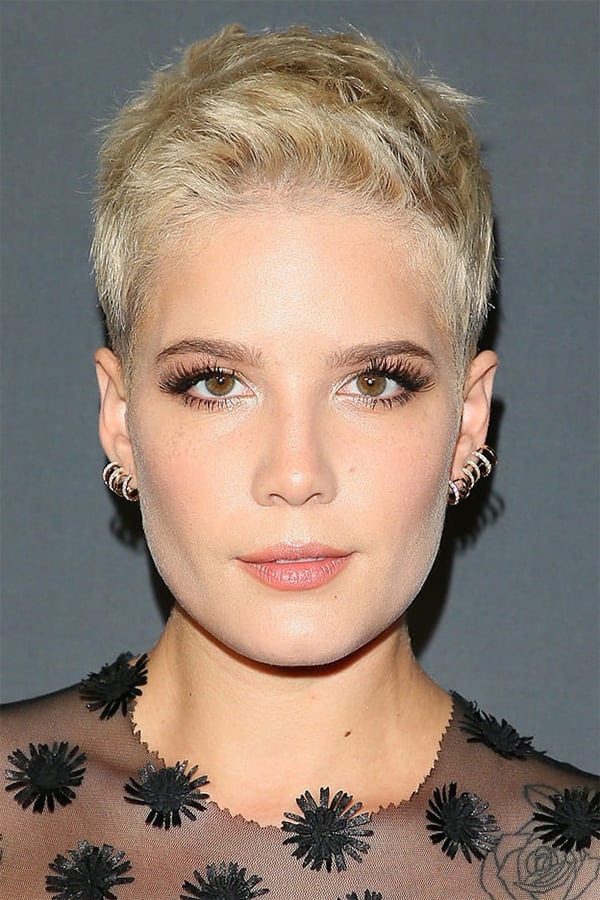
Halsey advocates for reproductive rights, LGBTQ equality, and mental health resources. She speaks at rallies, donates to clinics, and shares helpline information with fans. Her concerts and social posts often feature concrete ways to get involved.
The pushback includes social media campaigns urging fans to skip releases and shows. Commentators suggest that explicit advocacy narrows her audience. Publicists and tour teams field questions about safety, messaging, and sponsor alignment when controversy rises.
Megan Rapinoe
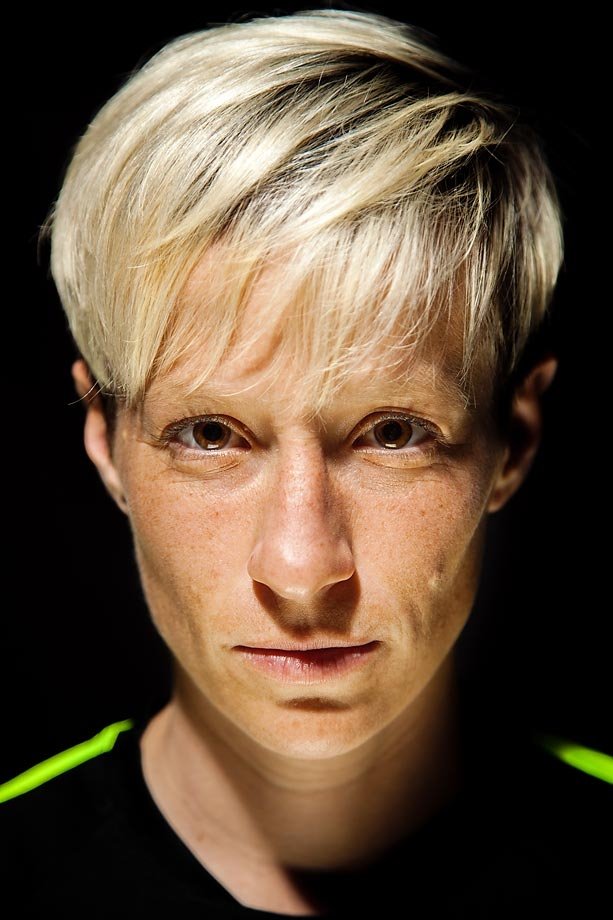
Megan Rapinoe spoke about equal pay in sports and supported LGBTQ rights throughout her national team career. She linked her public appearances to voter participation drives and joined legal efforts that sought pay parity with the men’s team. Her interviews consistently pointed to structural barriers in sports and sponsorships and she tied on field success to leverage for policy changes.
The backlash included boos at matches, angry talk radio segments, and calls for boycotts of brands connected to her campaigns. Commentators argued that her stances distracted from soccer and they questioned national team selection after her comments about the anthem. Sponsors were asked about contract terms and the federation faced pressure from both supporters and critics as negotiations unfolded.
Shailene Woodley
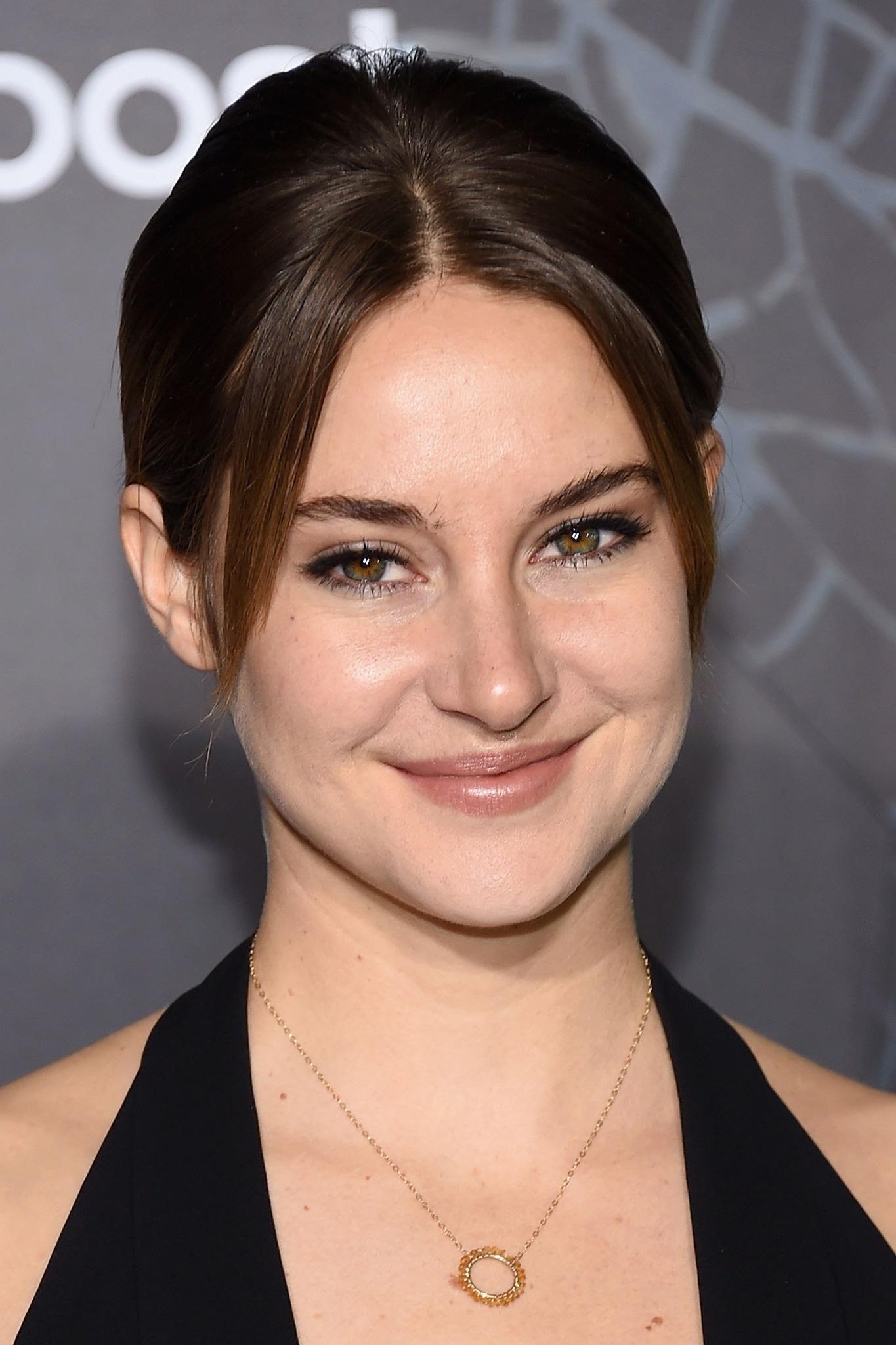
Shailene Woodley joined environmental protests and highlighted water rights for Indigenous communities. She documented events on social platforms and worked with legal observers to record interactions at demonstration sites. Her advocacy extended to educational posts that explained permitting processes and land use.
Critics said actors should avoid direct action and they framed her presence as publicity seeking. Coverage focused on arrests and court dates as much as on the policy issues and that framing drew pushback from supporters. Studio press teams had to field questions about whether her activism would affect schedules and insurance for productions.
Miley Cyrus

Miley Cyrus funded youth focused LGBTQ programs and used tours to promote voter registration. She created grant initiatives that provided resources for housing insecure young people and promoted hotlines that connect teens with counselors. Her performances often included messages about inclusion and mental health support.
Backlash came from detractors who objected to visible advocacy on stage and in music videos. Some radio shows urged listeners to skip releases connected to partner organizations. The debates shifted to brand partnerships and event bookings as venues weighed expected reactions from different audience segments.
Ariana Grande
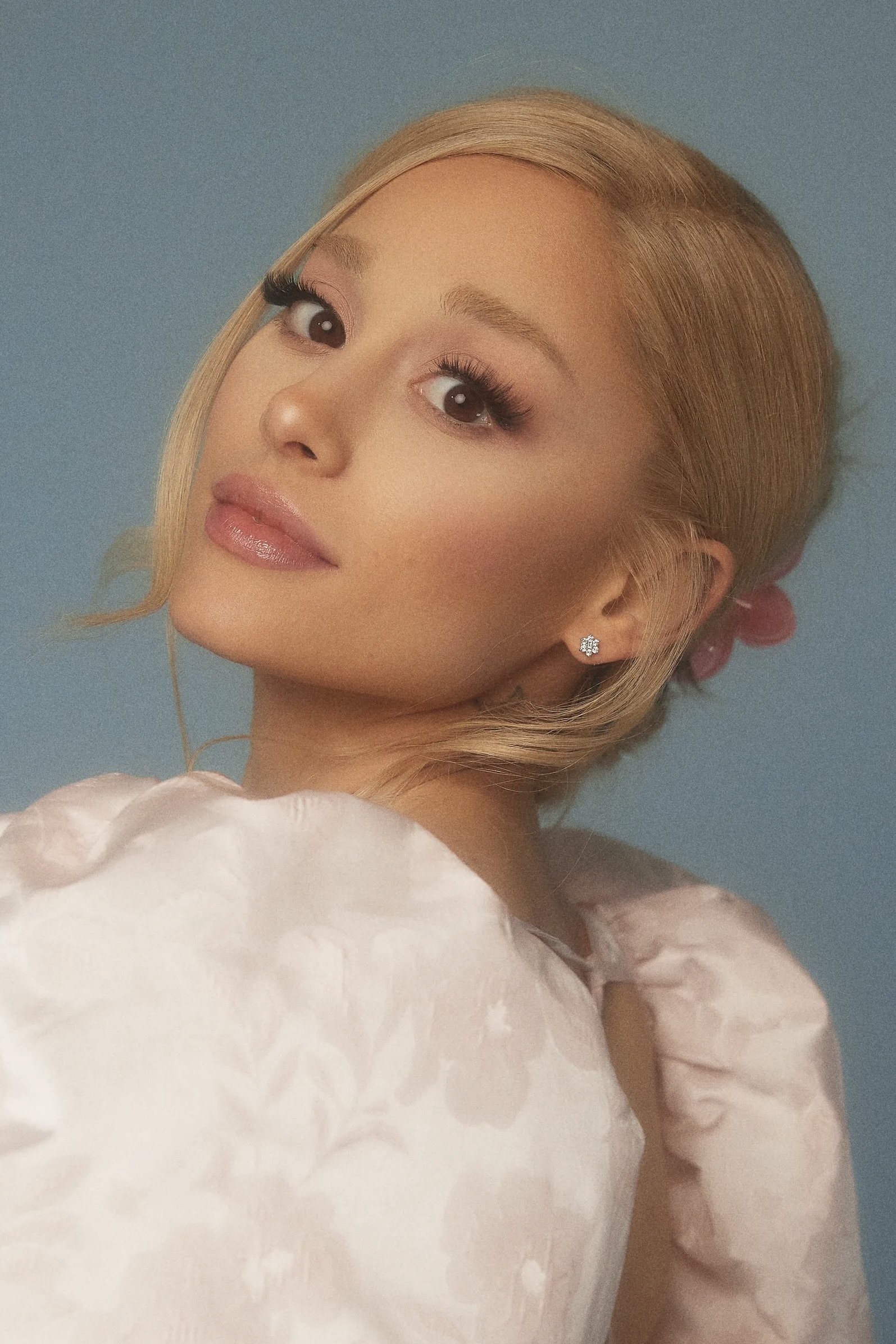
Ariana Grande raised funds for trauma recovery and spoke about gun safety and mental health care. She returned to live performance with charity events that supported victims and community services. Her social posts pointed fans to voter tools and to local resources for counseling.
Critics argued that artists should remain neutral on policy and that benefit concerts should avoid policy language. Online threads targeted her calls for reforms and urged subscribers to disengage from music tied to advocacy. Promoters navigated security planning and messaging while balancing support for charitable outcomes with potential backlash.
Selena Gomez
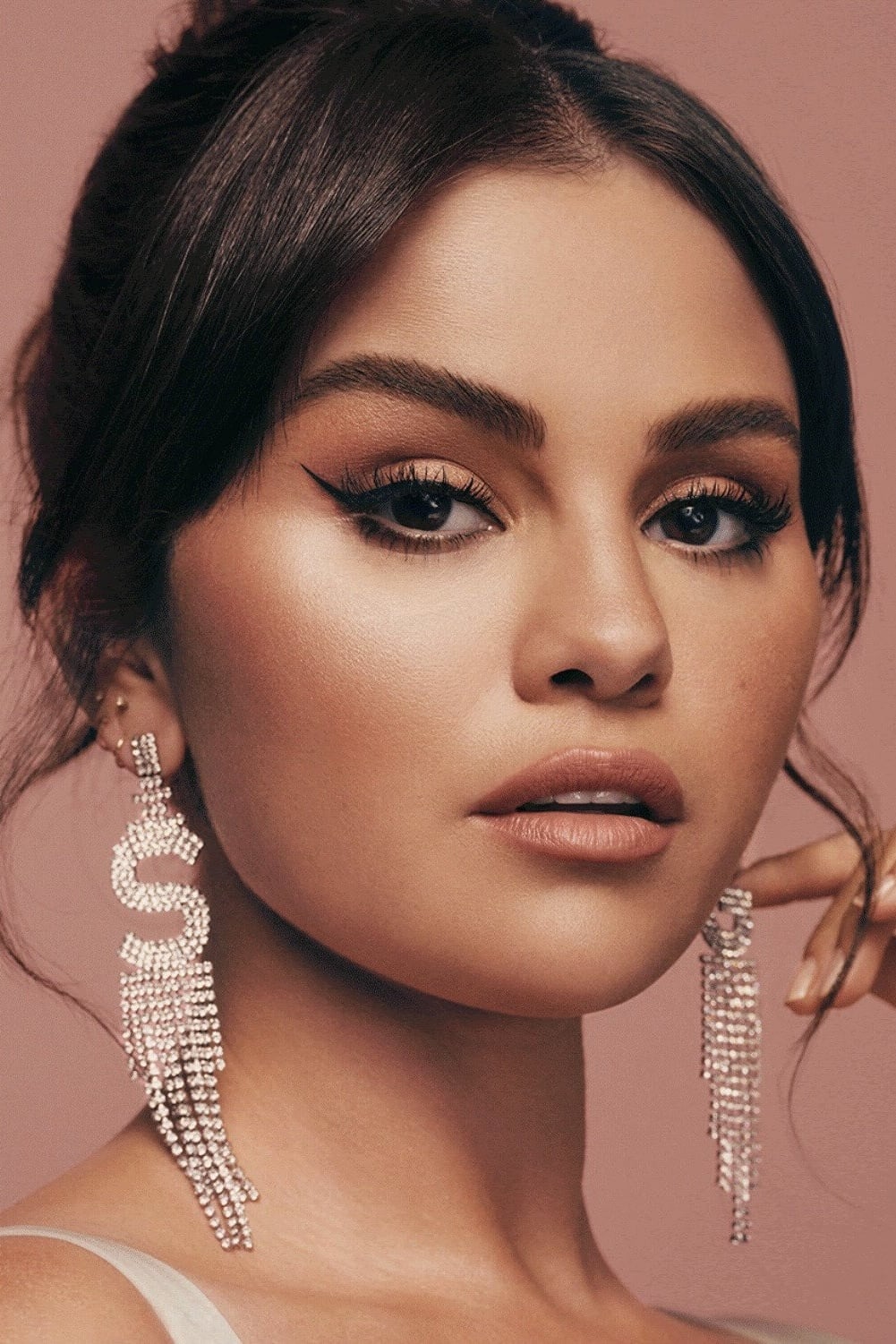
Selena Gomez funded mental health education and used media platforms to spotlight voting information and misinformation literacy. She collaborated with nonprofits that provide low cost therapy and launched content projects that break down complex topics for young audiences. Her teams built resource pages that fans could use across regions.
The backlash included claims that her posts were partisan and that entertainers should not educate on policy topics. Comment sections filled with arguments about the scope of celebrity influence and her partners received complaints from opposing groups. Media coverage contrasted engagement metrics with contentious reactions to test whether advocacy altered music performance.
Harry Styles

Harry Styles promoted LGBTQ inclusion and anti bullying work during tours and in merch collaborations. He used concerts to share helplines and created safe space messaging that encouraged respectful fan behavior. His interviews linked fashion choices to conversations about gender expression.
Pushback came from commentators who said fashion and live shows should avoid social messaging. Some fans complained about pride themed visuals and threatened to skip future stops. Brands and promoters were asked whether rainbow themed products would remain available in regions with restrictive laws and that pressure shaped release plans.
Demi Lovato

Demi Lovato advocated for addiction recovery access, trans rights, and mental health support. They shared personal treatment experiences and directed fans to evidence based programs and crisis lines. Their documentaries and podcasts amplified clinicians and peer counselors alongside celebrity voices.
Critics argued that policy content overshadowed entertainment and they questioned sponsorships connected to health campaigns. Social media waves pushed for boycotts of products tied to advocacy partners. Management teams balanced disclosure about recovery with privacy and safety concerns while maintaining outreach efforts.
Robert De Niro
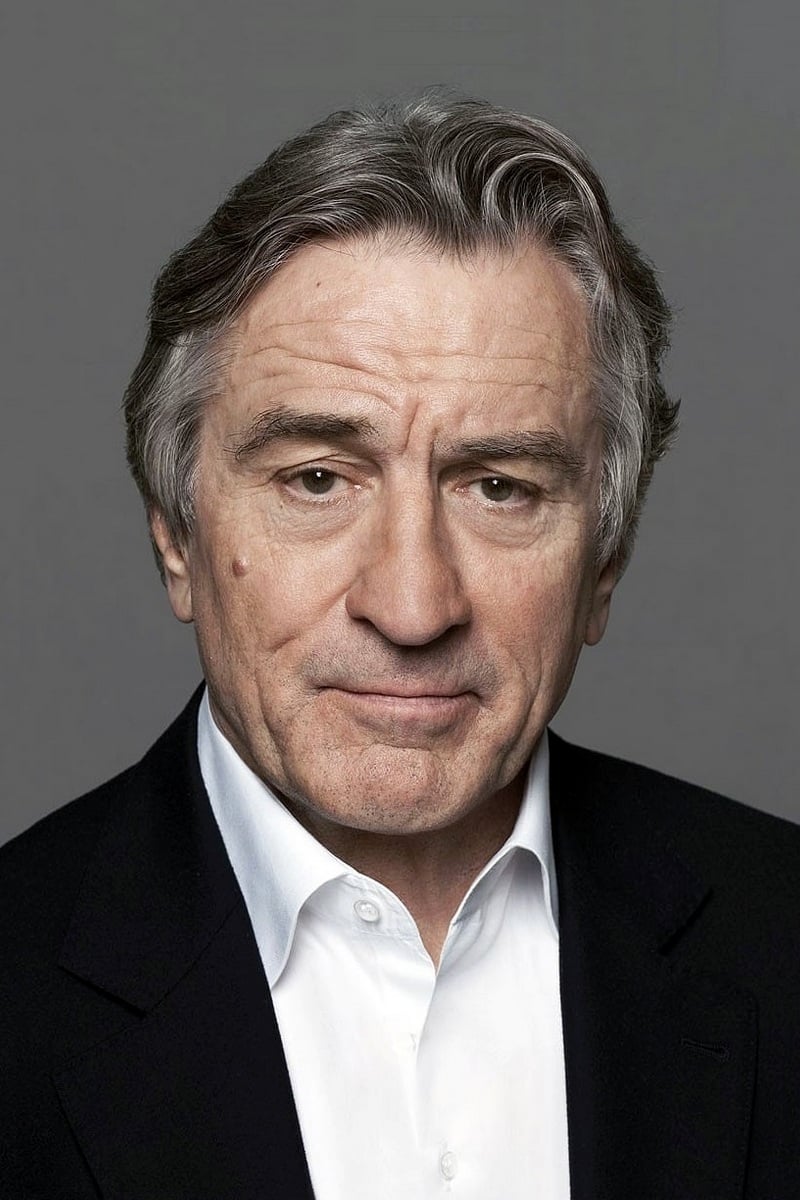
Robert De Niro spoke publicly about civic participation and supported progressive candidates at award shows and events. He participated in fundraising for arts education and freedom of expression groups. His commentary often focused on media literacy and the role of institutions.
Backlash included talk show segments that called for avoiding his films and event appearances. Commenters framed his acceptance speeches as political rallies and they pressured festivals about invitations. Distribution partners prepared for press questions that centered on his remarks rather than on the projects being promoted.
Jim Carrey
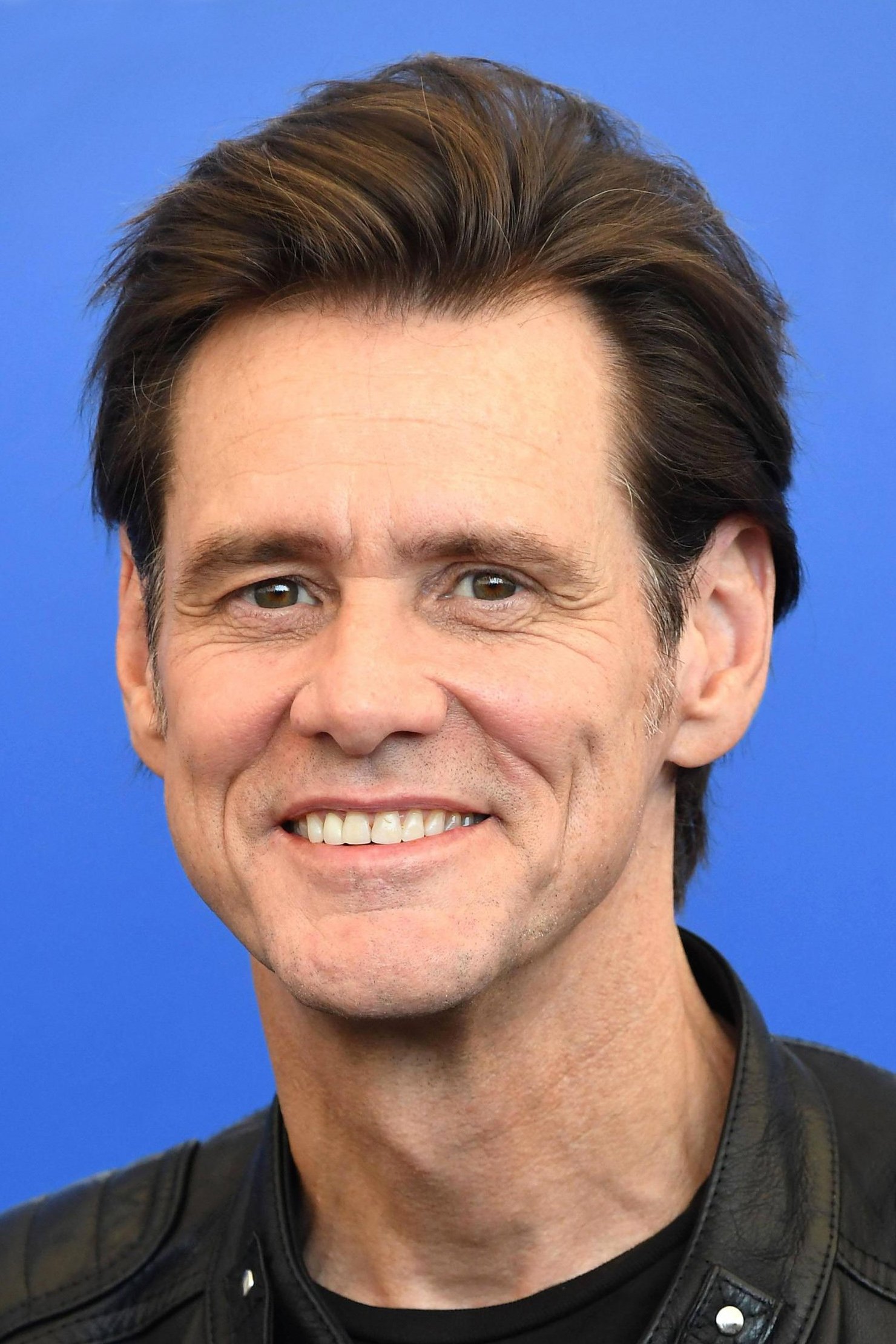
Jim Carrey created political art that highlighted voting rights and public health messaging. He contributed pieces to exhibitions and posted illustrations that summarized complex news stories. He also discussed media criticism and source evaluation in interviews and essays.
The response featured online campaigns accusing him of spreading propaganda and warnings to avoid his projects. Galleries and publishers received complaints about hosting his work and the volume of comments sometimes overwhelmed moderators. The conversation around his films and shows often shifted to the art rather than the scripts.
Madonna
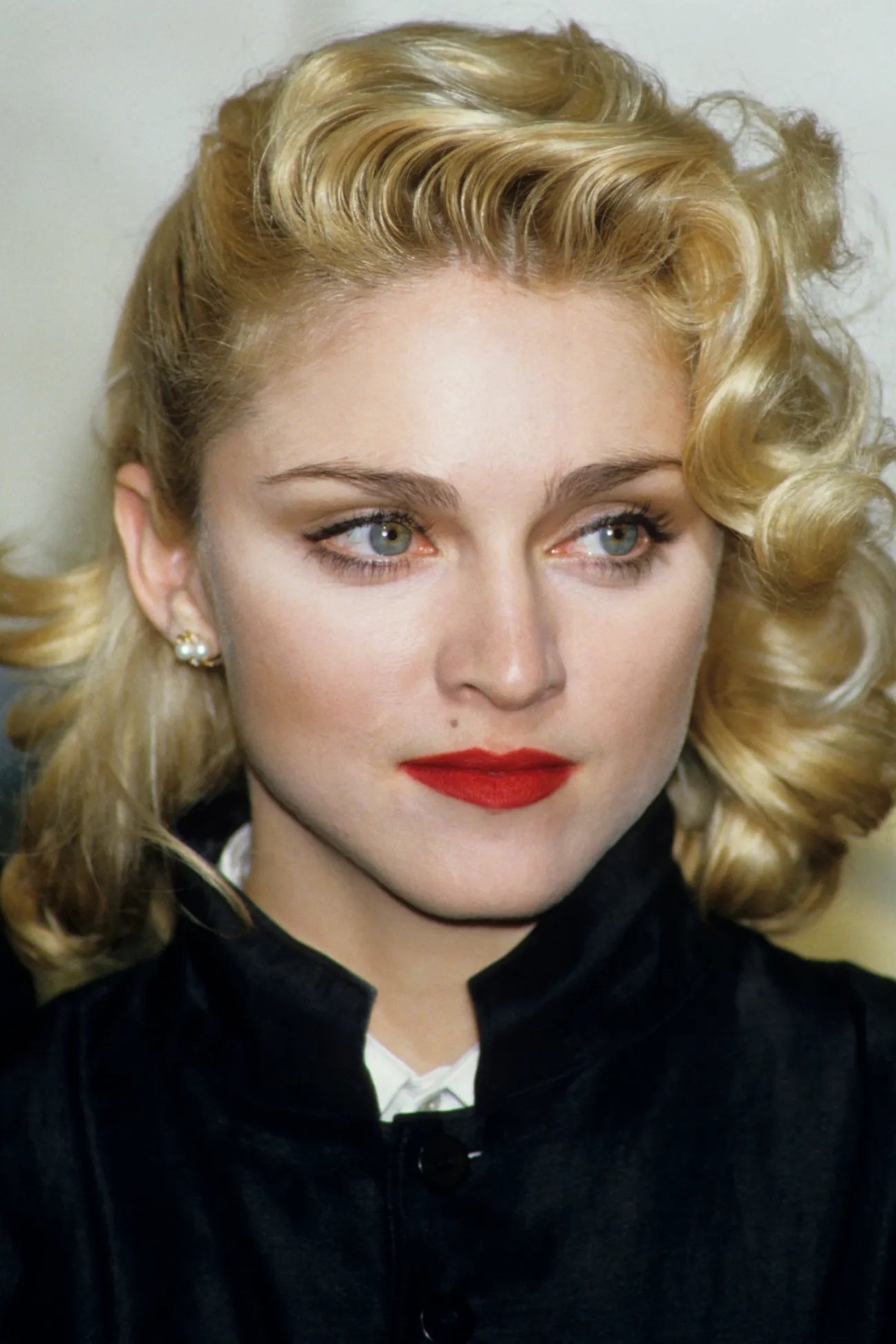
Madonna organized benefit performances for women’s rights and global health initiatives. She used tour stops to raise funds for clinics and to promote education projects in underserved regions. Her set lists and visuals included messaging that pointed audiences to specific organizations.
Critics objected to overt political content during concerts and accused her of lecturing. Calls for boycotts circulated ahead of releases and some venues reported increased security concerns. Coverage tracked ticket sales alongside controversy to assess whether the backlash had a measurable effect.
Cher
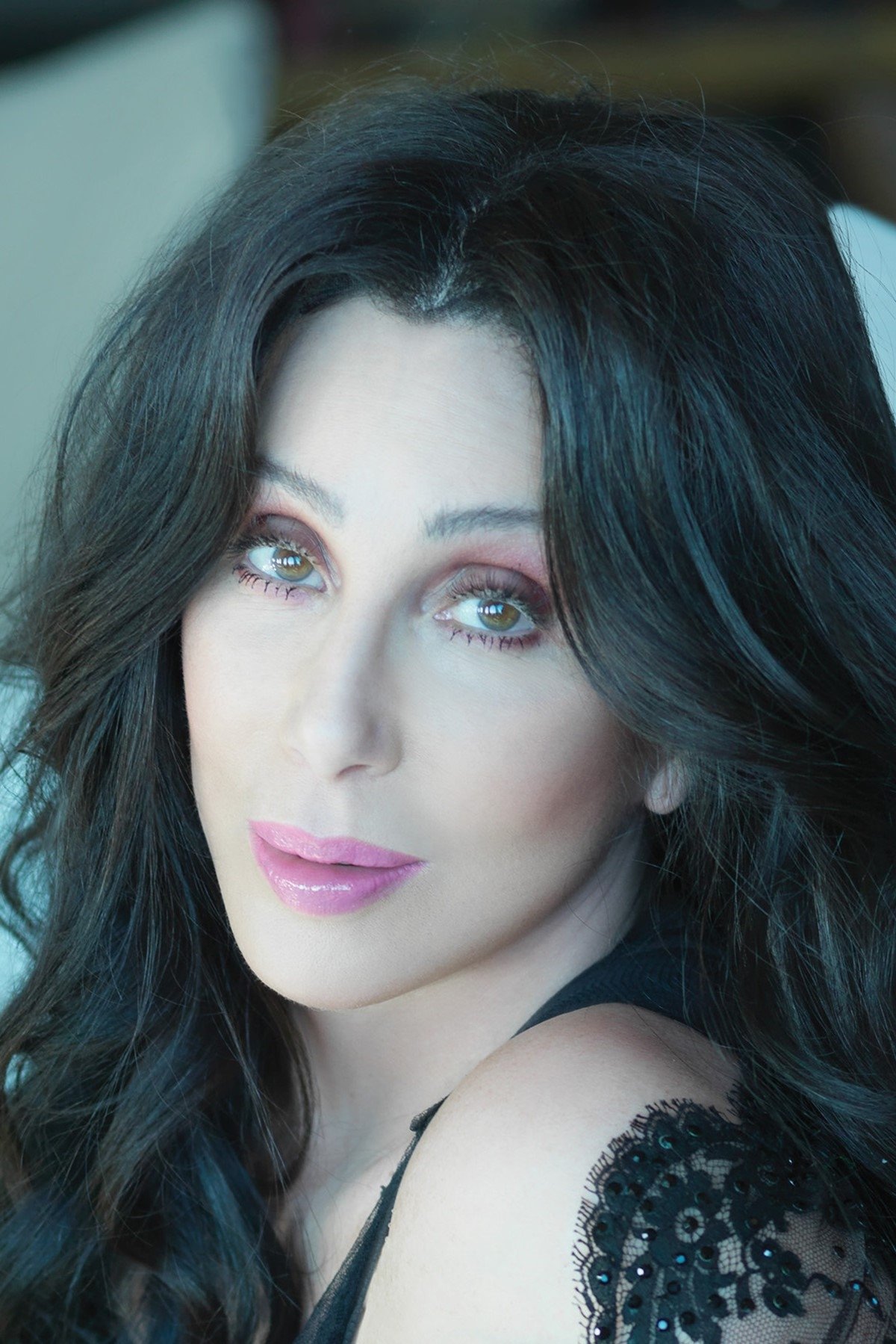
Cher supported immigration reform and disaster relief campaigns through fundraising and direct assistance. She used her social accounts to spotlight families in crisis and to connect them with legal aid. She also partnered with groups that provide supplies after storms and fires.
Backlash emerged from commentators who said her posts created misinformation about policy details. Opponents criticized her for speaking on complex topics outside of entertainment. Charities reported spikes in donations after her mentions but also fielded waves of hostile messages that required moderation.
Lin Manuel Miranda
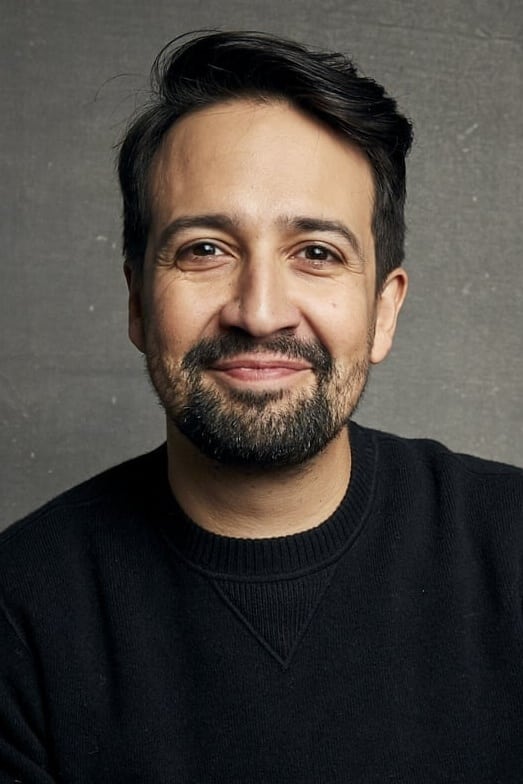
Lin Manuel Miranda promoted Puerto Rico relief efforts and spoke about representation in casting and storytelling. He raised funds for recovery projects and supported initiatives that strengthen local arts organizations. He also worked with education groups to expand access to theater programs.
Critics said his productions fell short on representation in certain areas and they questioned decisions in film adaptations. Debates about casting choices and regional premieres led to heightened scrutiny of new projects. Producers addressed concerns in statements and made adjustments to outreach and hiring practices.
The Chicks
The Chicks criticized government leadership during a concert and later supported a range of social causes including voting and veterans services. They partnered with organizations that provide legal and mental health support to families affected by war. Their tours incorporated information booths that connected fans to resources.
The backlash included radio blacklists and organized boycotts that affected airplay and sales. Commentators cited their comments as a turning point in country music’s relationship with activism. The group rebranded and continued to release music while navigating a changed media landscape.
BTS
BTS donated to anti discrimination causes and encouraged fans to support mental health and education drives. They used global stages to promote messages against hate and to highlight youth voices. Their fan community organized matching donations and volunteer efforts across countries.
Critics argued that pop groups should stay away from politics and that statements risked market access in certain regions. Hashtags calling for boycotts trended at intervals and brands weighed regional advertising choices. Labels and sponsors managed translation accuracy and cultural context to limit misinterpretation.
Jane Fonda
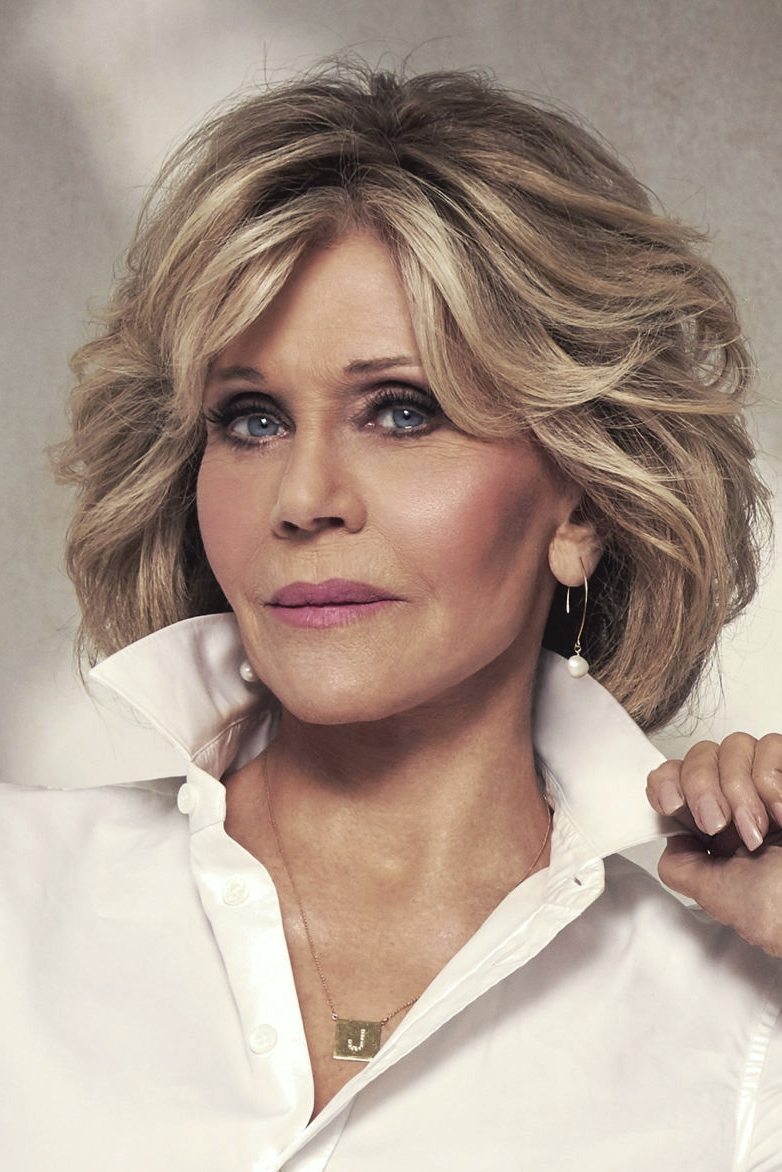
Jane Fonda has a long record of anti war activism and more recently focused on climate action and voting. She moved recurring events to the steps of public buildings to pressure lawmakers and she brought scientists and organizers to speak. Her campaigns connected direct action with legislative calendars.
Backlash spanned decades and included boycotts of films and hostile coverage that resurfaced during new protests. Opponents questioned her motives and raised past actions to discredit current efforts. Event organizers coordinated with legal teams and police to reduce risk and maintain focus on policy goals.
Susan Sarandon

Susan Sarandon campaigned for labor rights, criminal justice reform, and voter access. She appeared on picket lines and used media interviews to explain bargaining issues and sentencing policies. Her social posts amplified local organizers and strike funds.
The pushback included calls to cancel appearances and to boycott projects linked to her advocacy. Commentators framed her as polarizing and argued that activism weakened audience appeal. Unions and studios faced questions about her presence at events and whether it influenced negotiations.
Kerry Washington
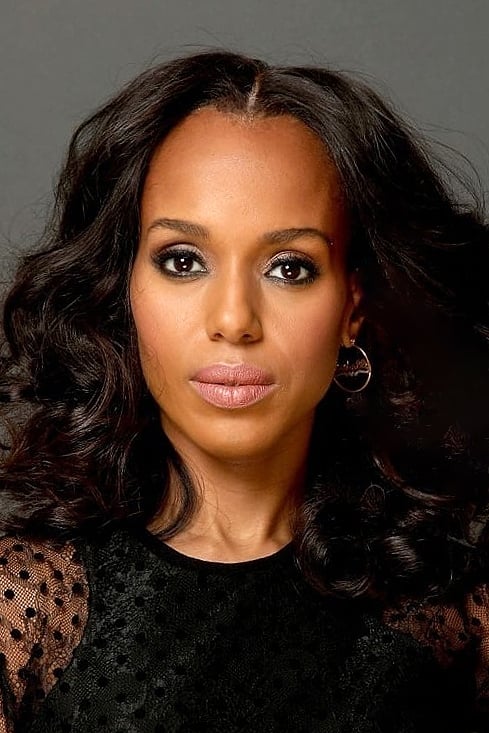
Kerry Washington supported voting rights groups and promoted education about local elections. She created videos that walked viewers through registration and ballot research. She also partnered with organizations focused on arts access and civil liberties.
Critics said her efforts favored one side and should not be promoted during entertainment promotions. Social media responses targeted her posts during award seasons and they urged viewers to turn off shows tied to advocacy. Networks prepared messaging that separated character storylines from the actor’s public work.
Joaquin Phoenix
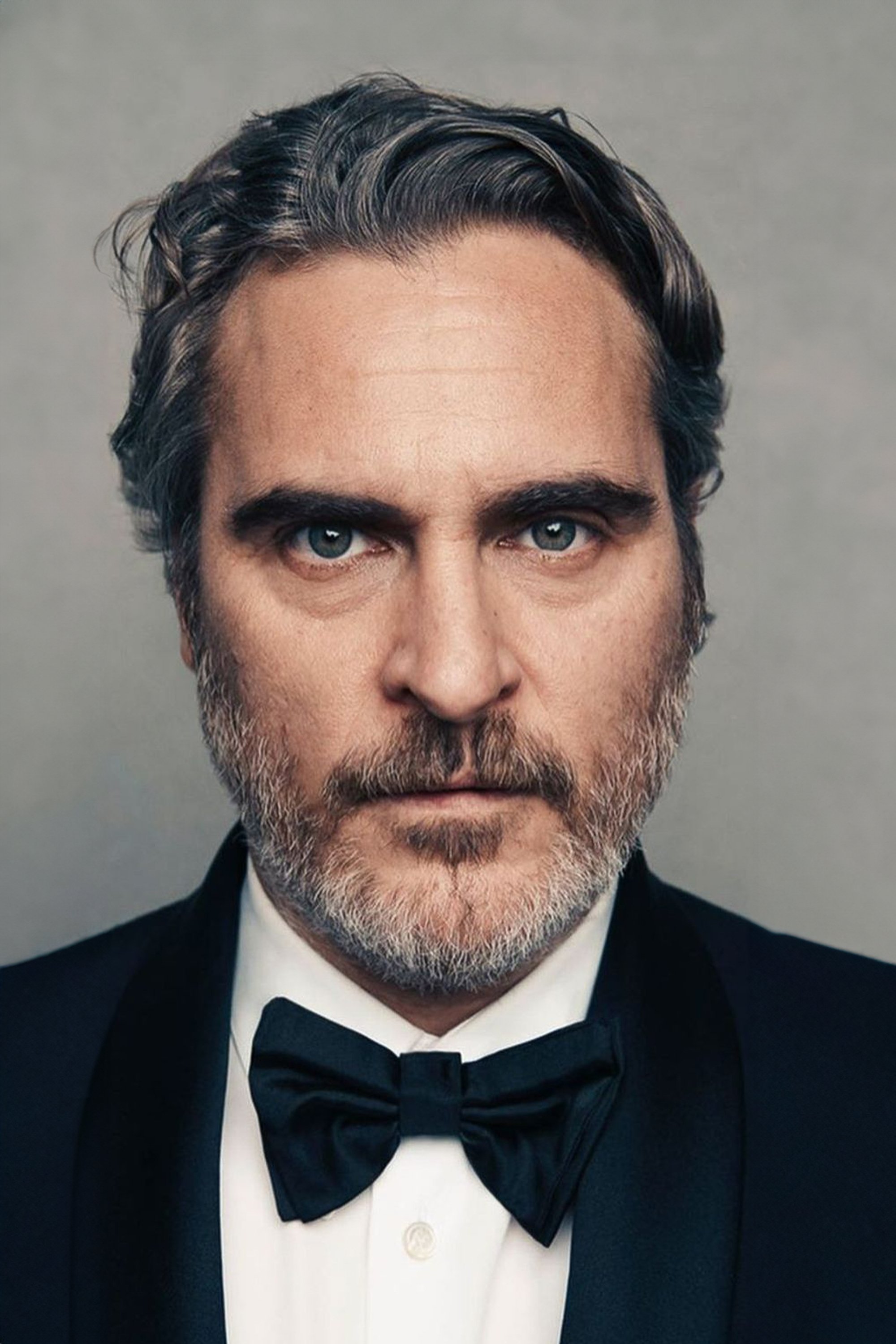
Joaquin Phoenix used acceptance speeches to discuss animal welfare and environmental impacts of food systems. He attended demonstrations and supported groups that lobby for reforms in agriculture. He also adopted production practices that reduce waste during press tours.
Backlash came from pundits who said award shows should avoid policy topics and from audiences who felt scolded. Comment threads focused on perceived hypocrisy and questioned the practicality of proposed changes. Publicists balanced access to red carpets with expectations about speech content.
Cardi B
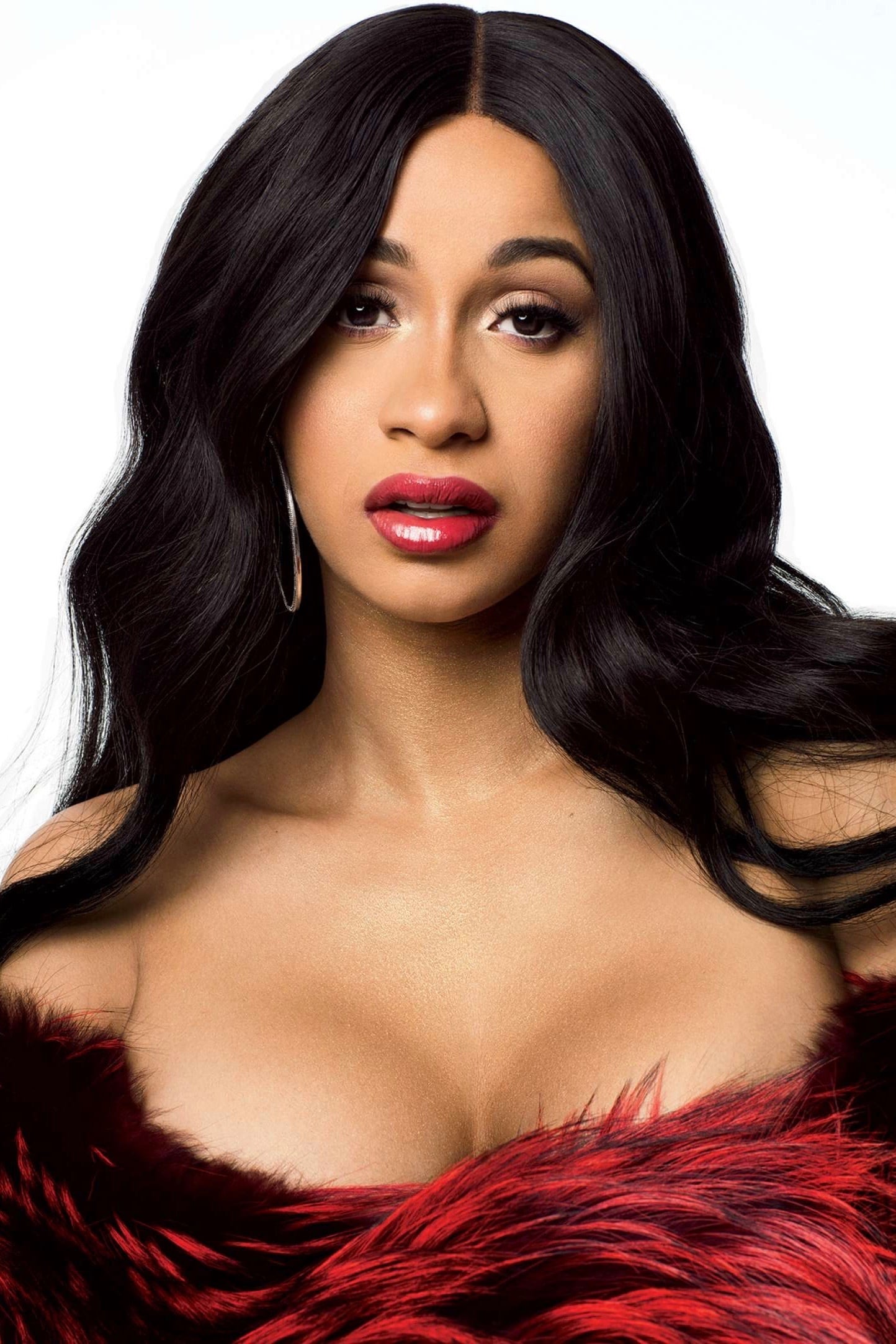
Cardi B spoke about economic policy and election participation during interviews and live streams. She asked detailed questions of candidates and directed followers to official voter resources. She also raised funds for relief efforts after natural disasters.
Critics accused her of amplifying one party and urged her to stick to music. Talk shows replayed her clips with commentary that dismissed her questions as uninformed. Brands weighed partnerships carefully around release windows to minimize distraction from promotional campaigns.
Ava DuVernay

Ava DuVernay advocated for criminal justice reform and equitable hiring in film and television. She built training pipelines that connect underrepresented crews to studio projects and she backed distribution models that widen access. Her documentaries and series examined systemic issues with extensive research.
Backlash included claims that her work pushed a political agenda and that hiring initiatives excluded some applicants. Opinion pieces questioned grant criteria and festival selection processes linked to her projects. Studios addressed concerns by publishing program guidelines and by inviting third party audits of recruitment outcomes.
Share your take in the comments and tell us which moments you think sparked the biggest reactions.