


25 “Woke” Films That Used Black Trauma to Humanize White Leads




Hollywood has a long history of attempting to address racial injustice through cinema while simultaneously prioritizing the perspectives of white protagonists. These narratives often utilize the suffering or resilient wisdom of Black characters primarily as a catalyst for the emotional growth or redemption of a white lead. Critics and film scholars frequently cite terms like the White Savior complex or the Magical Negro trope to describe these specific storytelling devices. The following films include examples where the narrative focuses heavily on white character arcs amidst the backdrop of Black struggle.
‘Green Book’ (2018)

The film focuses on Tony Lip as he drives Dr. Don Shirley through the segregated American South. Dr. Shirley endures physical violence and distinct social isolation while Tony learns to overcome his own deep-seated prejudices. The narrative frames the musician’s suffering as the primary vehicle for the driver’s personal evolution toward tolerance. This dynamic suggests that the Black character’s pain exists largely to facilitate the moral redemption of his white employee.
‘The Help’ (2011)
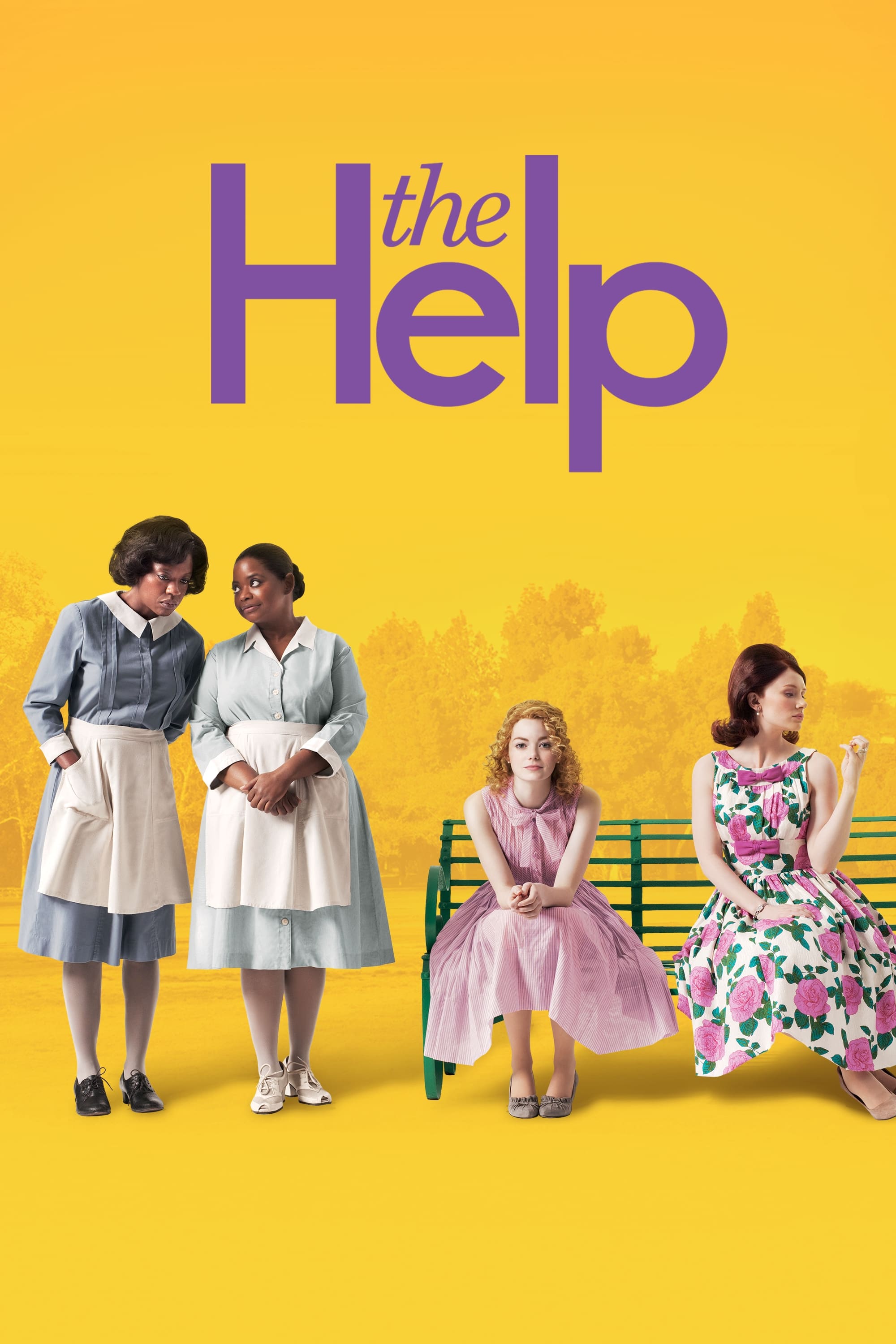
A young white journalist named Skeeter Phelan decides to write a book exposing the racism faced by Black maids in Mississippi. The story showcases the daily humiliations and dangers the maids endure while Skeeter uses their trauma to launch her journalism career. While the film attempts to empower the women, the narrative structure centers on Skeeter’s bravery in publishing the stories. The danger faced by the Black characters ultimately serves to validate the progressive nature of the white protagonist.
‘The Blind Side’ (2009)

This sports drama centers on the wealthy Tuohy family taking in a homeless teenager named Michael Oher. The film portrays Michael as largely passive and silent while the white mother figure directs his life and football career. His difficult background serves as a backdrop to highlight the benevolence and charity of the Tuohy family. The narrative credits the white family entirely for his success rather than focusing on his own agency or talent.
‘Crash’ (2004)

Multiple storylines intersect in Los Angeles to explore themes of racial tension and social bigotry. A racist police officer sexually assaults a Black woman but later saves her from a burning car in a moment of dramatic redemption. The film uses the woman’s traumatic experience to provide a complex emotional arc for her abuser. This narrative choice prioritizes the humanization of the white aggressor over the lasting impact of the assault on the victim.
‘The Green Mile’ (1999)
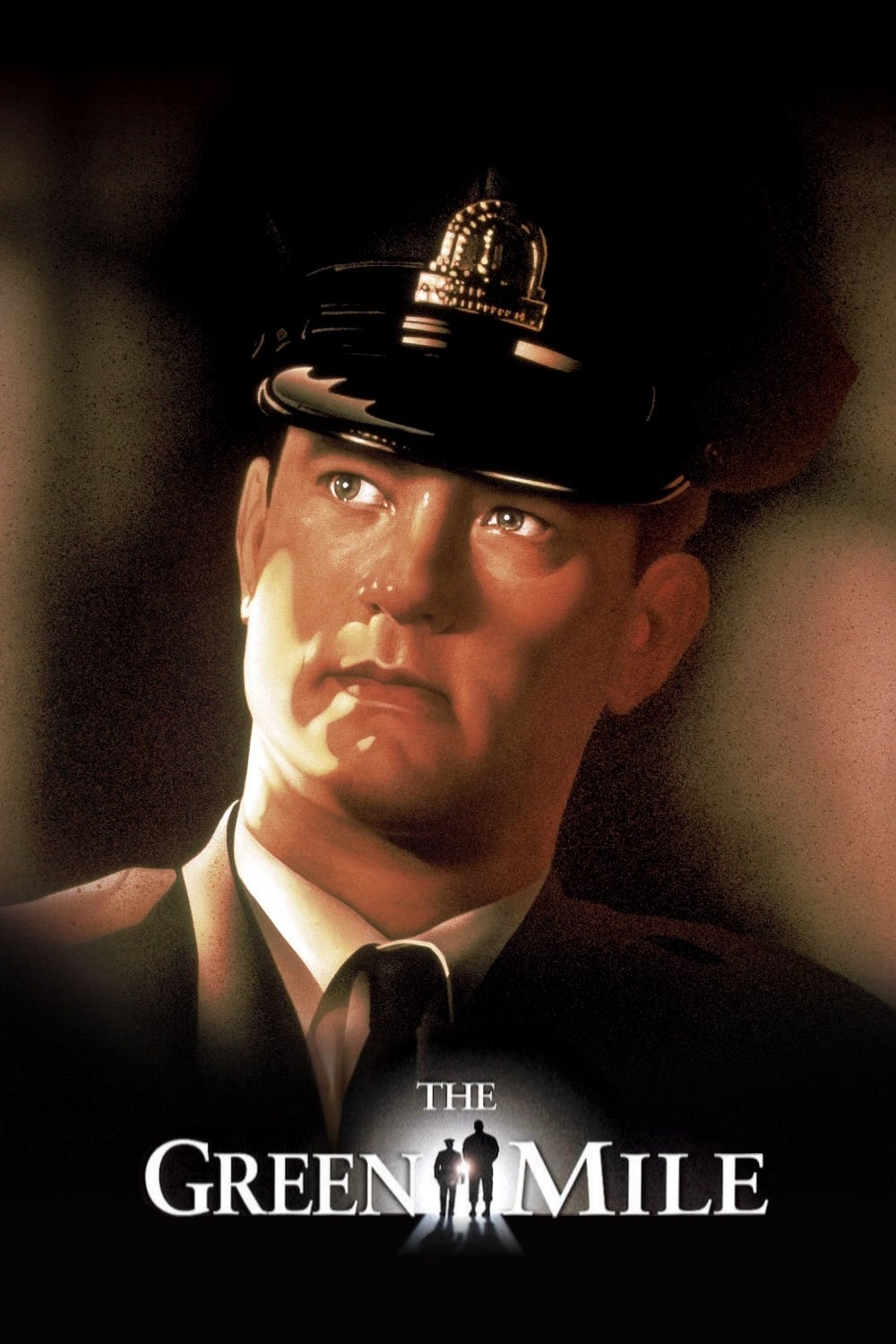
John Coffey is a gentle giant on death row who possesses supernatural healing abilities. He uses these powers to cure the ailments of the white prison guards and the warden’s wife while absorbing their pain. The character exists almost entirely to solve the problems of the white characters around him before meeting a tragic end. His suffering and eventual execution are framed as a spiritual sacrifice that changes the life of the white protagonist Paul Edgecomb.
‘The Legend of Bagger Vance’ (2000)

A mysterious caddy appears to help a disillusioned white war veteran regain his golf swing and his confidence. The Black character possesses mystical wisdom and exists solely to guide the white protagonist toward spiritual healing. Bagger Vance has no personal backstory or motivations outside of serving the emotional needs of the white lead. Once the veteran achieves his redemption and success, the magical guide simply vanishes.
‘Driving Miss Daisy’ (1989)

An elderly Jewish woman forms a bond with her Black chauffeur Hoke Colburn over several decades in the South. Hoke endures the indignities of racism and the initial coldness of his employer with quiet dignity. The film focuses on Daisy’s gradual acceptance of Hoke as a human being rather than exploring Hoke’s internal life. His struggles with segregation serve as learning moments for her character development.
‘Mississippi Burning’ (1988)
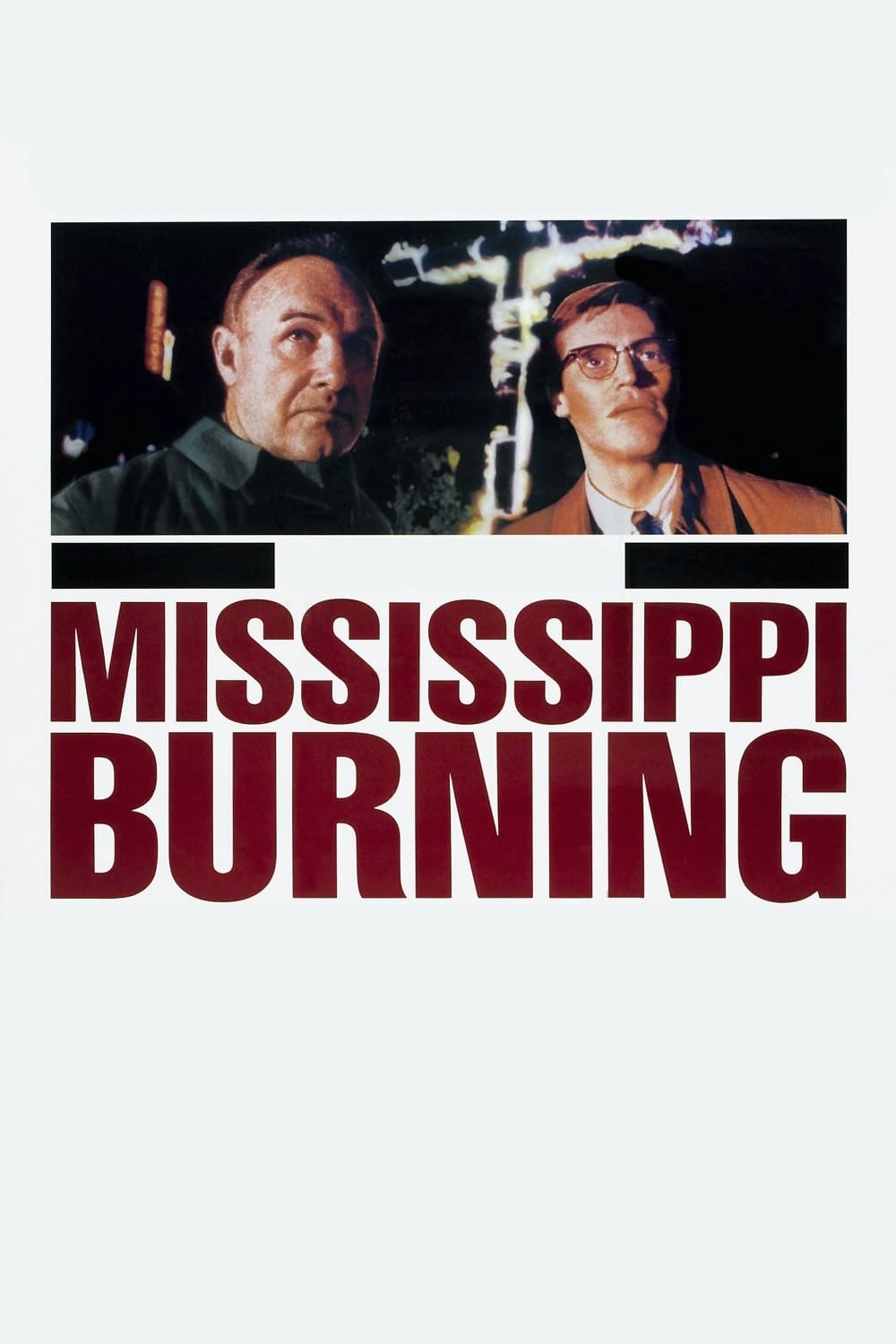
Two FBI agents arrive in Mississippi to investigate the disappearance of civil rights workers. The film focuses on the procedural work and heroic actions of the white law enforcement officers fighting the Klan. Black characters in the film are primarily depicted as silent victims of violence or set dressing for the atmosphere of terror. The historical reality of Black activism is sidelined to create a thriller centered on white heroism.
‘A Time to Kill’ (1996)
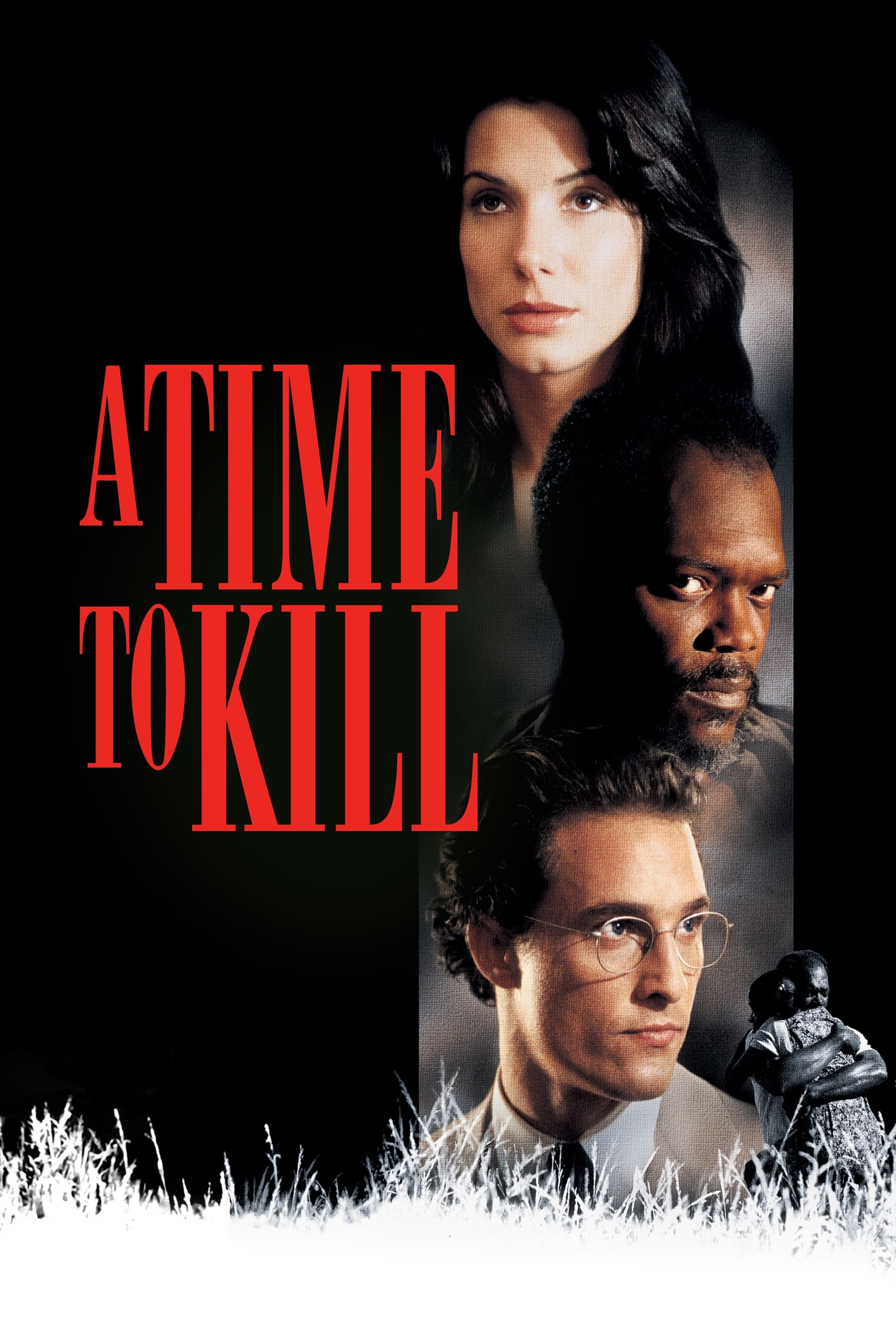
A white lawyer defends a Black father who killed the men who assaulted his daughter. The narrative spends significant time on the lawyer’s personal risks and his rousing closing argument. The trauma of the young girl and her father becomes the stage for the attorney to prove his legal prowess and moral standing. The film culminates in the white lawyer’s ability to empathize with the Black experience rather than the experience itself.
‘Freedom Writers’ (2007)
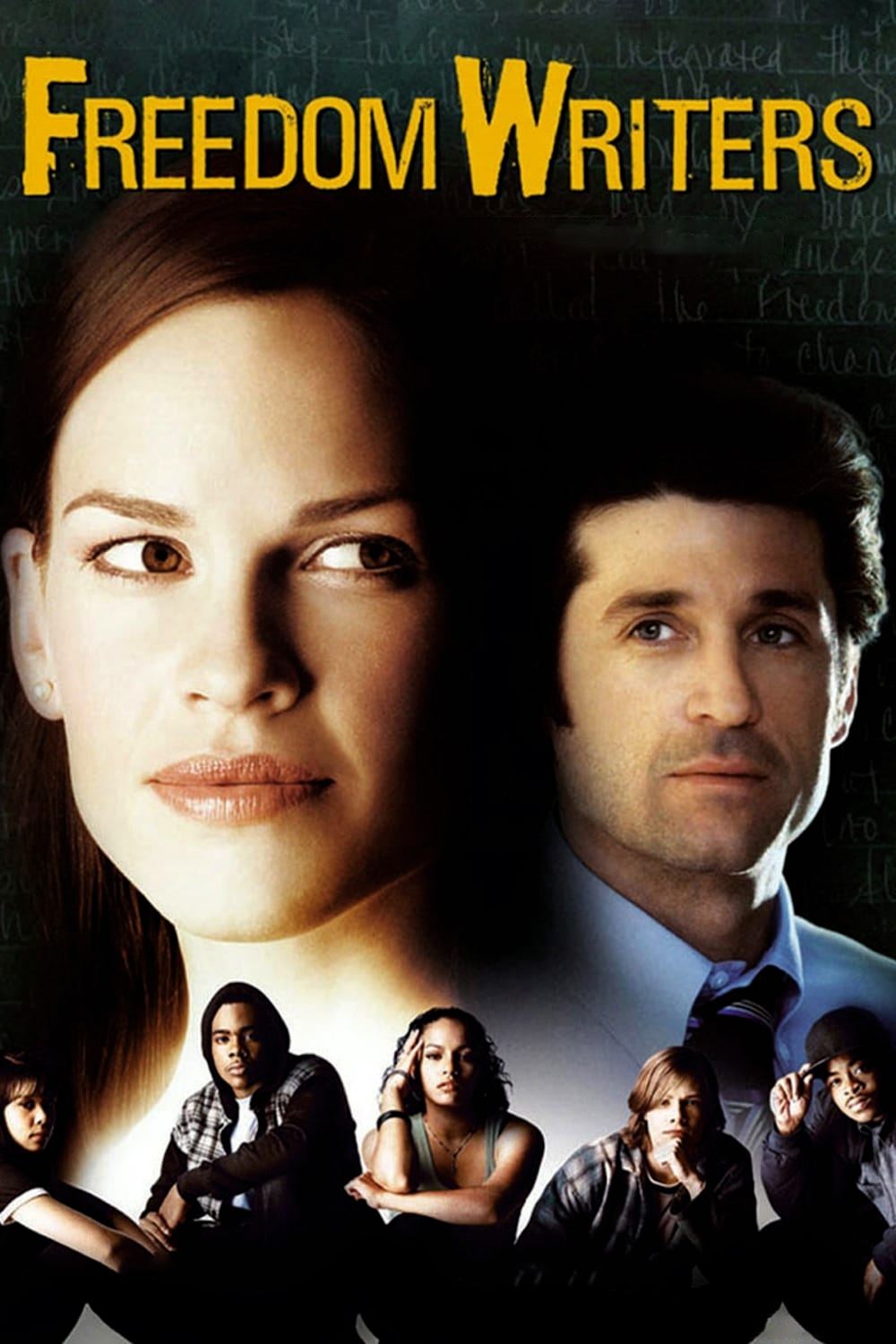
A dedicated teacher takes a job at a racially divided school and attempts to reach her at-risk students. The students share their stories of gang violence and poverty which inspires the teacher to sacrifice her personal life for them. The film frames the teacher as the sole stabilizing force capable of saving the students from their circumstances. Their trauma validates her unconventional teaching methods and her dedication to the profession.
‘Dangerous Minds’ (1995)

An ex-marine becomes a teacher in an inner-city school and uses her military background to discipline students. She learns about their difficult home lives and uses this knowledge to gain their respect. The narrative focuses on her ability to connect with “tough” minority students through karate and poetry. The struggles of the students serve to highlight her capability and resilience as an educator in a harsh environment.
‘Ghosts of Mississippi’ (1996)
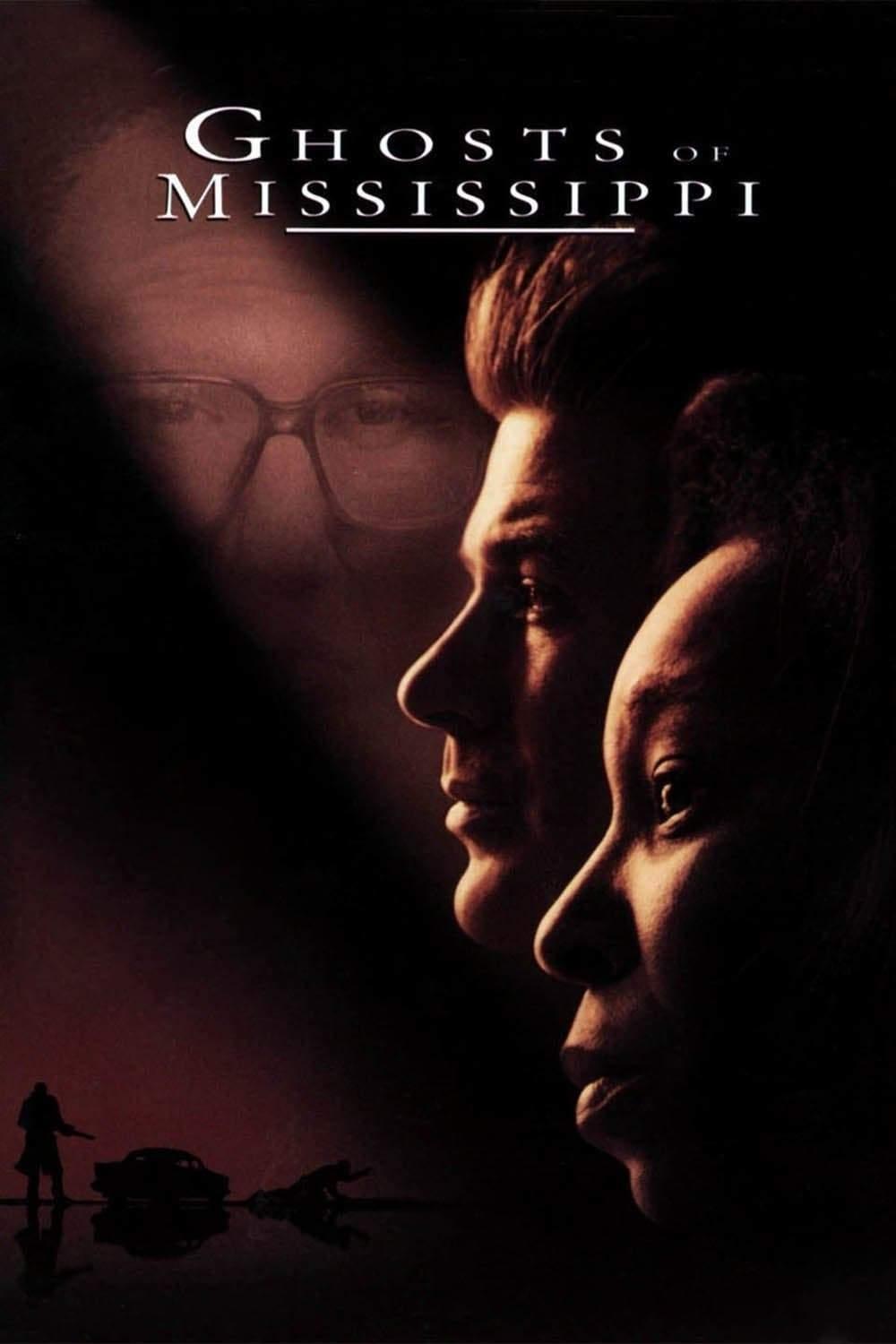
An assistant district attorney reopens the case of the murdered civil rights leader Medgar Evers. The film focuses heavily on the lawyer’s legal battle and the toll it takes on his family and career. The widow of Medgar Evers is present but the story prioritizes the perspective of the white prosecutor seeking justice. The historical weight of the assassination becomes a plot point for a courtroom drama centered on white allyship.
‘Glory’ (1989)
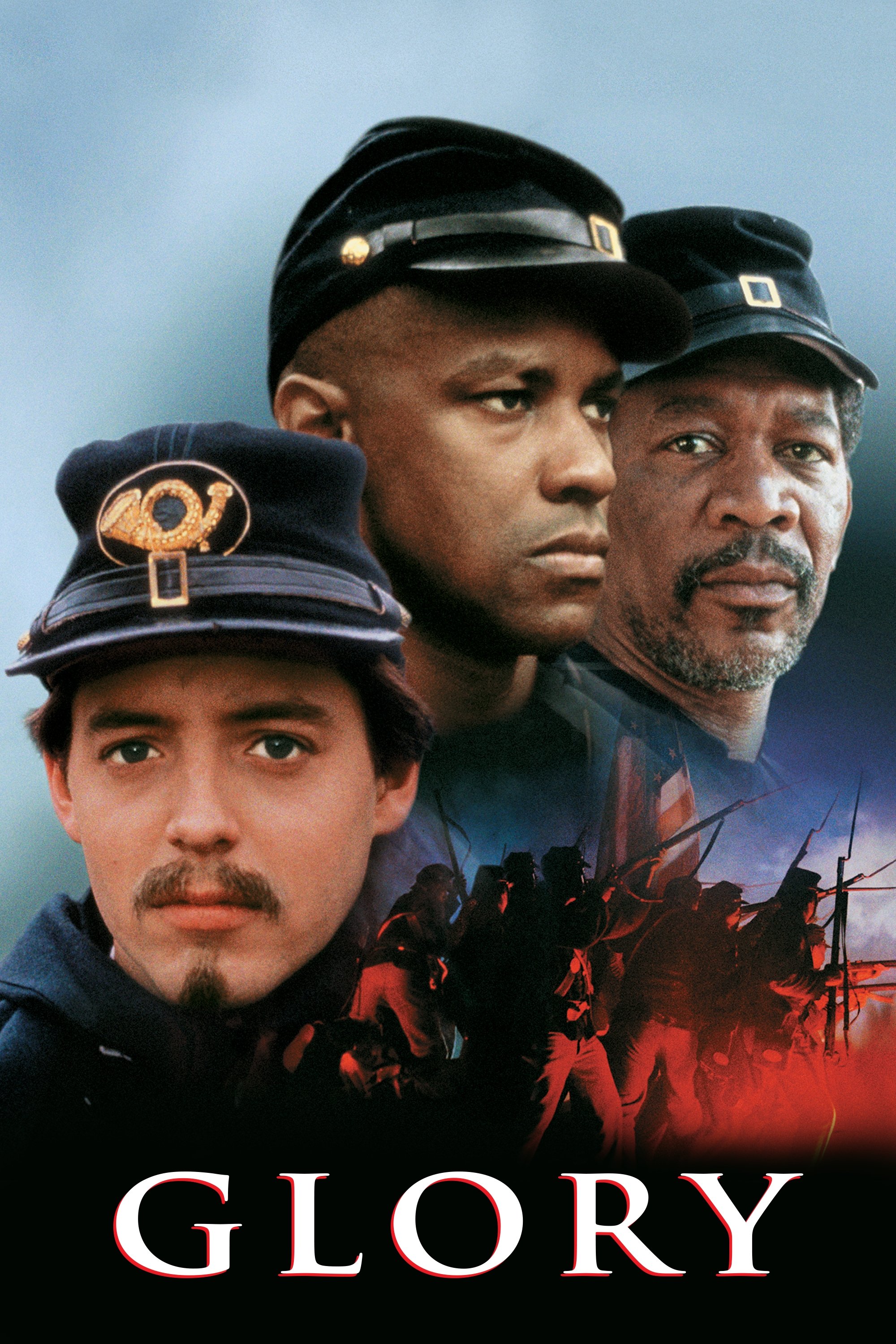
The film depicts the 54th Massachusetts Infantry Regiment which was one of the first African American units in the Civil War. The story is told primarily through the letters and perspective of their white commanding officer Robert Gould Shaw. While the Black soldiers demonstrate immense bravery, the audience views their sacrifice through the eyes of their white leader. His evolution from a privileged northerner to a dedicated commander anchors the emotional arc of the movie.
‘Amistad’ (1997)
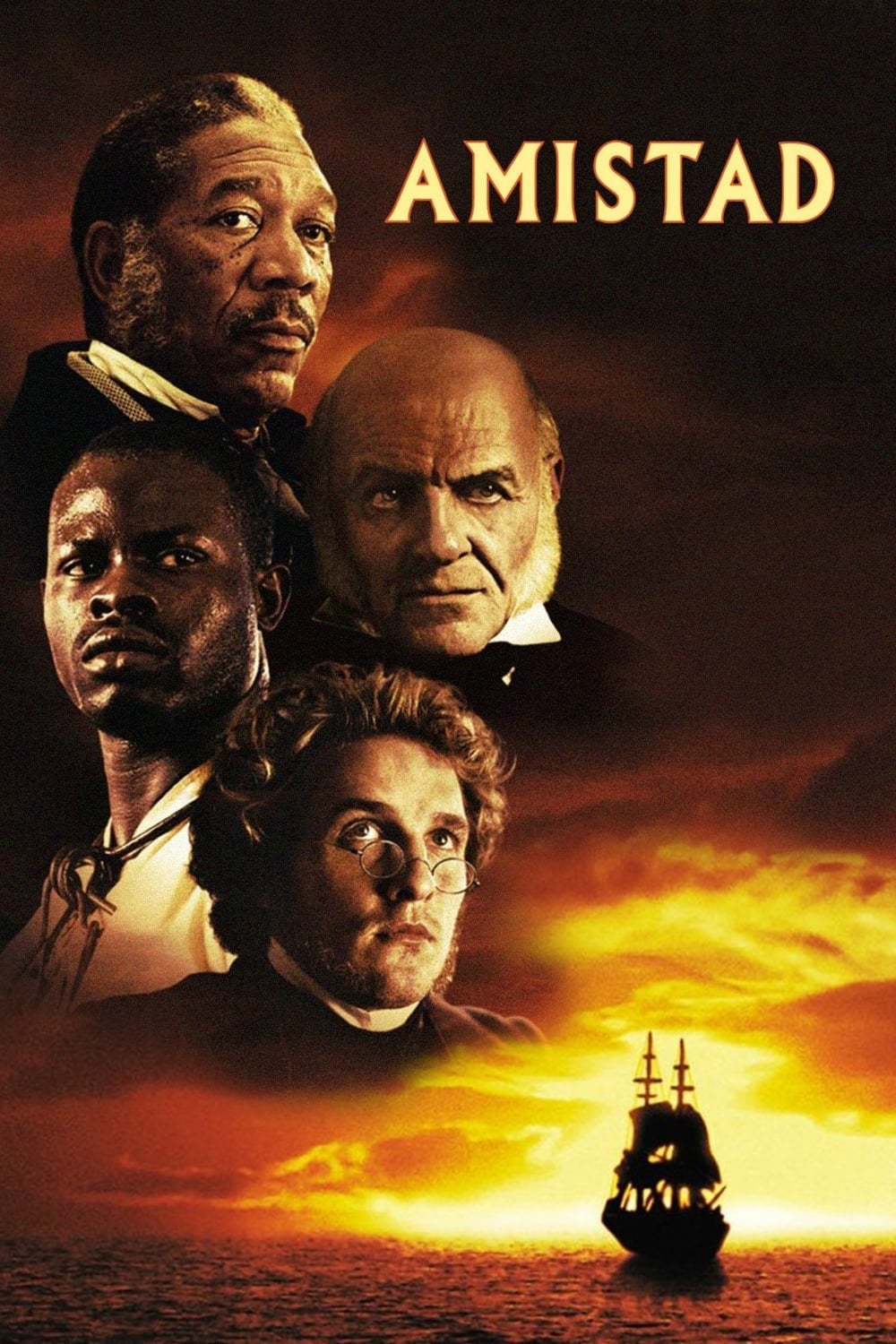
A group of Mende captives revolt against their captors and face a legal battle for their freedom in the United States. The second half of the film shifts focus to the white lawyers and John Quincy Adams who argue the case. The actual captives become observers in their own story as the white men debate the philosophy of freedom. The legal victory is framed as a triumph of the American judicial system and its white practitioners.
‘Cry Freedom’ (1987)
Journalist Donald Woods investigates the death of anti-apartheid activist Steve Biko in South Africa. The first half establishes Biko’s charisma but the film shifts entirely to Woods and his escape from the country after Biko dies. The suffering of the Black population under apartheid provides the stakes for the white family’s thrilling flight to safety. Biko’s legacy serves as the inciting incident for a story about white political awakening.
‘Blood Diamond’ (2006)
A white mercenary teams up with a Mende fisherman to recover a rare pink diamond during the Sierra Leone Civil War. The fisherman is motivated by the desire to save his family while the mercenary seeks personal profit and eventual redemption. The devastation of the war and the trauma of child soldiers serve as the backdrop for the white character’s change of heart. He ultimately sacrifices himself to ensure the Black character can escape and expose the trade.
‘The Soloist’ (2009)

A journalist discovers a homeless musical prodigy suffering from schizophrenia and decides to help him. The reporter writes about the musician’s struggles and attempts to improve his living situation. The narrative focuses on the journalist’s frustration and eventual understanding of mental illness. The musician’s severe mental health issues and homelessness become a project for the writer to find purpose in his own life.
‘Radio’ (2003)
A high school football coach takes a mentally disabled Black man under his wing in a small South Carolina town. The coach faces criticism from the community but stands by his decision to include the man in the team’s activities. The film portrays the titular character as an innocent figure who teaches the town about kindness and acceptance. His disability and social isolation are used to test the moral character of the coach and the community.
‘Hardball’ (2001)
A gambler is forced to coach a baseball team of Black children from the housing projects to pay off his debts. The tragic death of the youngest team member serves as the wake-up call for the coach to get his life together. He uses the grief of the children to find the motivation to quit gambling and become a better person. The reality of violence in the housing projects functions as a plot device for his maturity.
‘Same Kind of Different as Me’ (2017)

An international art dealer and his wife befriend a homeless man with a violent past to save their struggling marriage. The homeless man shares his traumatic history of sharecropping and prison which brings the white couple closer together. His life story offers the perspective and wisdom they need to heal their own relationship fractures. The film suggests that his suffering was part of a divine plan to help the wealthy couple reconcile.
‘The Best of Enemies’ (2019)

A civil rights activist and a Ku Klux Klan leader are forced to co-chair a community summit on school desegregation. The film devotes significant time to the Klan leader’s gradual realization that his views are wrong. The Black activist’s patience and the threats she faces serve to facilitate his transformation. The climax centers on his dramatic resignation from the Klan rather than the systemic victory for the Black community.
‘Monster’s Ball’ (2001)

A racist prison guard begins a relationship with the widow of a man he helped execute. The woman faces eviction and the loss of her son while the guard deals with his own family tragedy. Her immense loss and vulnerability provide the space for him to abandon his racist upbringing. The film uses her compounded trauma to humanize a character who previously embodied hate.
‘Remember the Titans’ (2000)

A newly integrated high school football team must learn to work together under a Black head coach and a white assistant coach. The white assistant coach initially resists the change but eventually comes to respect his colleague. The racial tension faced by the players facilitates the white coach’s journey toward acceptance and brotherhood. His ability to overcome his pride is framed as a major emotional victory alongside the team’s success.
‘Invictus’ (2009)

Nelson Mandela enlists the captain of the South African rugby team to win the World Cup and unite the nation. The film focuses heavily on the white captain’s realization of the importance of the moment. Mandela’s decades of imprisonment and suffering provide the moral authority that inspires the white players. The narrative centers on the rugby team’s journey to victory as the symbol of national healing.
‘Hidden Figures’ (2016)

Three Black female mathematicians play crucial roles at NASA during the Space Race while facing segregation. A fictional scene depicts the white boss knocking down a “Colored Ladies Room” sign to support his employee. This moment invents a white savior narrative that did not occur in real life. It shifts the credit for desegregating the workplace to a benevolent white authority figure rather than the women’s own persistence.
Tell us which films you think fit this description by leaving a comment.