


Woody Allen’s Best Roles

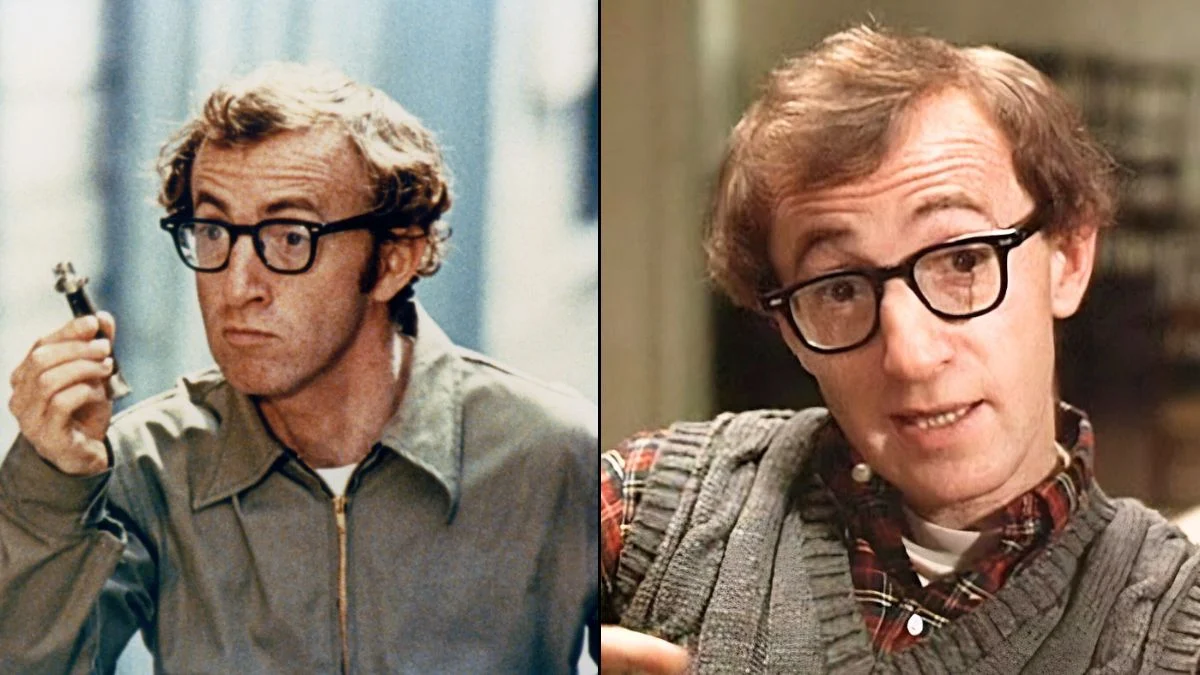


Woody Allen created one of the most distinct and enduring personas in the history of cinema. For decades his on-screen identity as a neurotic self-deprecating and intellectual New Yorker became a cultural touchstone. Starting his career as a stand-up comedian and writer he translated that nervous energy and wit into a film character that was both hilarious and deeply relatable to audiences.
His early roles were defined by broad slapstick and sharp one-liners a character often out of his depth in absurd situations. As his filmmaking evolved so did his acting becoming more nuanced and introspective. He began to explore complex themes of love death philosophy and morality all while maintaining the core of the anxious and witty character that audiences came to know so well.
‘Manhattan Murder Mystery’ (1993)
He plays Larry Lipton a book editor living in a New York City apartment building with his wife Carol. When their elderly neighbor suddenly dies Larry is content to accept the official explanation of a heart attack. His wife however suspects foul play and begins her own amateur investigation dragging a reluctant and anxious Larry along with her.
The character of Larry embodies the classic Allen persona of a man who prefers comfortable routines and intellectual discussions over real-world adventure and risk. He is constantly worried about the consequences of his wife’s sleuthing providing a comedic counterpoint to her growing obsession with the case. He would rather analyze the situation than actually get involved.
‘Take the Money and Run’ (1969)
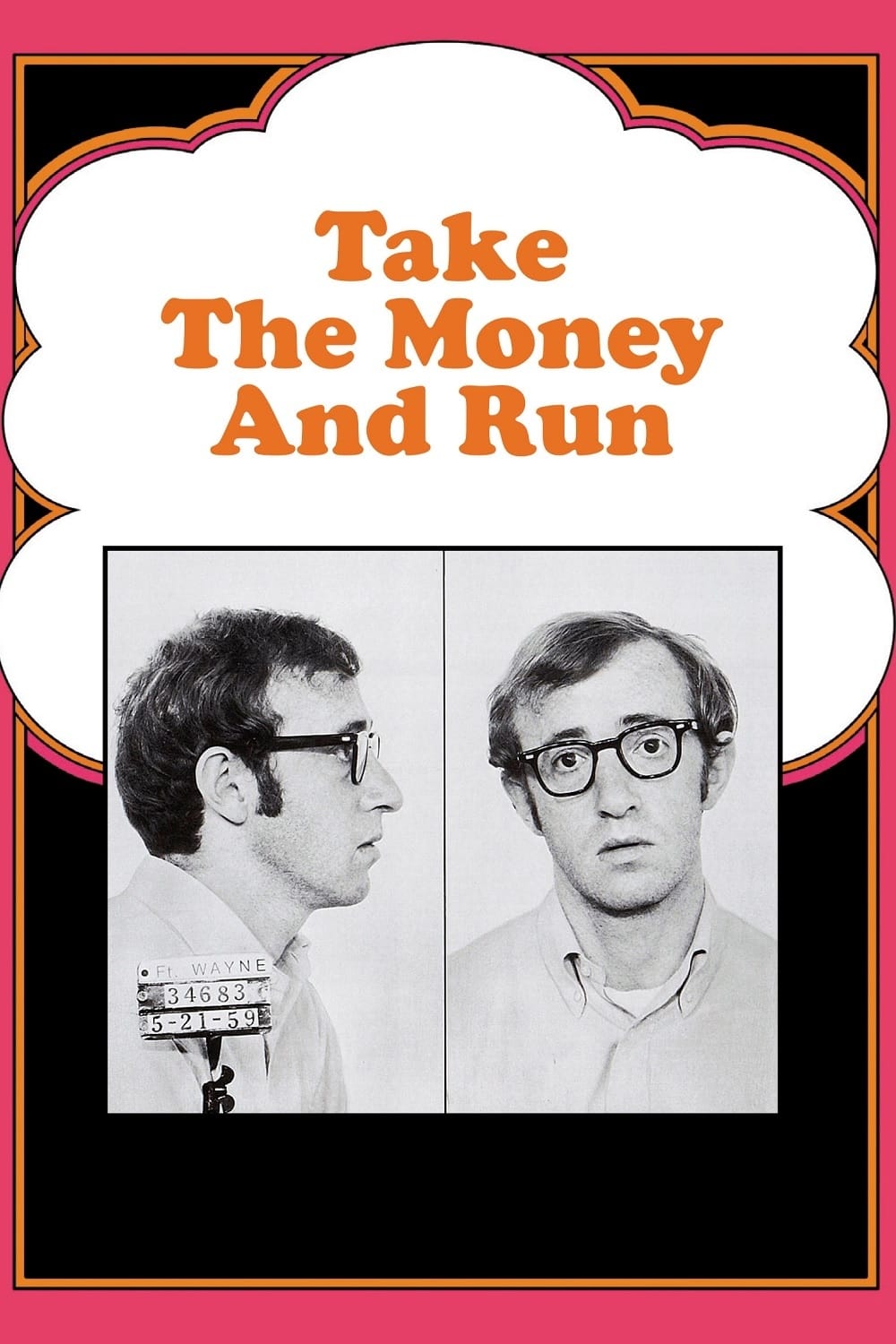
In this mockumentary-style film he stars as Virgil Starkwell an incredibly inept and clumsy career criminal. The story follows Virgil’s entire life from his humble beginnings through his numerous failed attempts at crime and his frequent stints in prison. The character is completely hopeless as a lawbreaker with every heist and escape plan going disastrously and comically wrong.
The role is a showcase for his physical comedy and deadpan delivery. Virgil Starkwell is portrayed as a man who is utterly convinced of his own criminal genius despite all evidence to the contrary. The film uses a documentary format with interviews and narration to chronicle the life of this bumbling and unsuccessful crook.
‘Stardust Memories’ (1980)

He portrays Sandy Bates a successful and acclaimed filmmaker who is attending a retrospective of his work at a seaside hotel. Throughout the weekend he is confronted by adoring fans studio executives and various figures from his personal life. The character is struggling with a creative and spiritual crisis feeling pressured to make more serious films while audiences just want his earlier comedies.
Sandy Bates is a character grappling with the nature of fame and artistic responsibility. He feels disconnected from his audience and is haunted by memories of a past relationship with a troubled woman named Dorrie. The film is shot in black and white and explores his internal conflicts through surreal dream sequences and flashbacks.
‘Deconstructing Harry’ (1997)
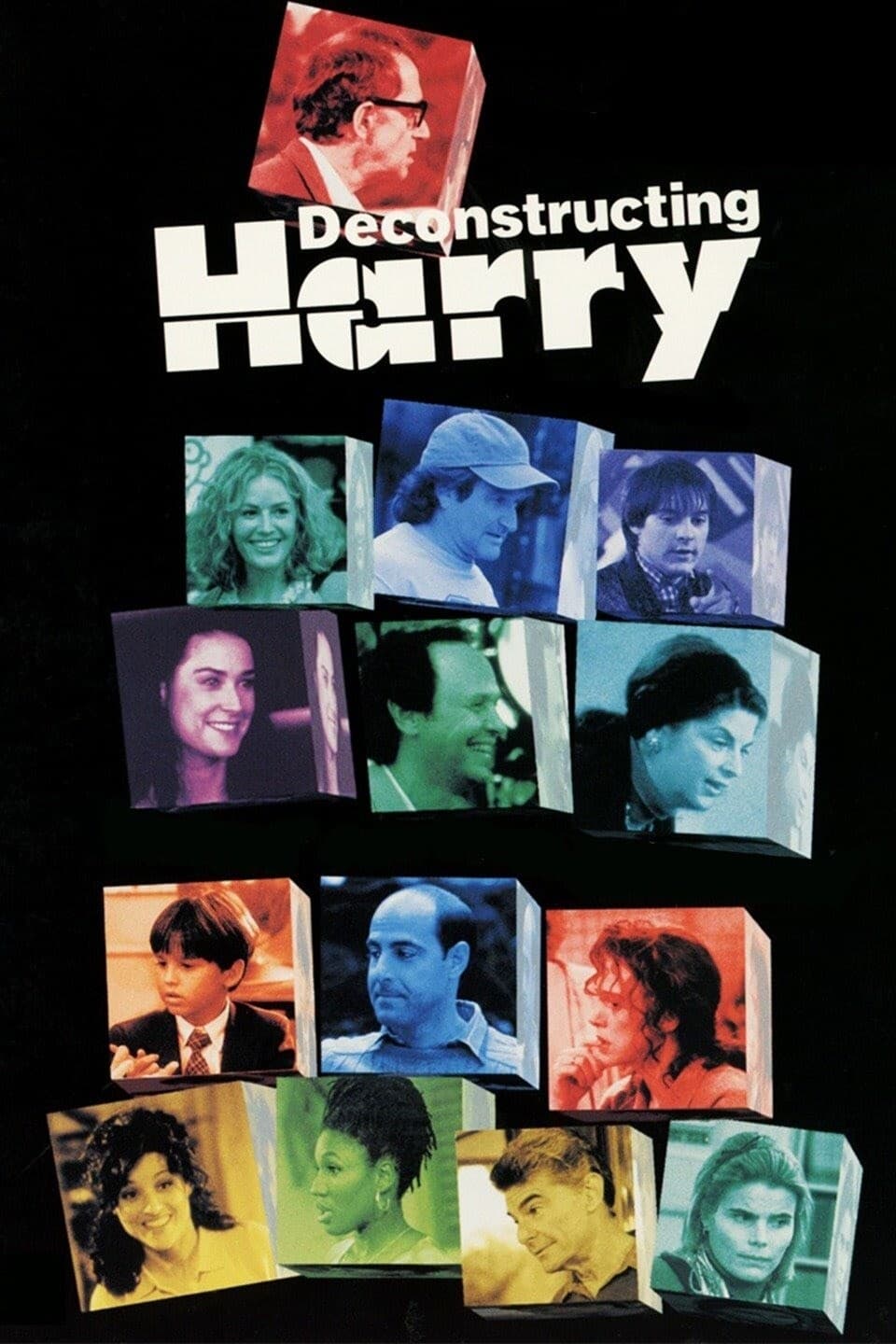
He plays Harry Block a successful novelist who has a habit of using the private details of his friends’ and family’s lives as material for his books. This has left him with a trail of angry ex-wives former girlfriends and alienated friends. The character is being honored by his old university and must find someone willing to accompany him on the trip.
As Harry Block embarks on his journey he is visited by the fictional characters from his own novels who offer him advice and criticism. The role is that of a brilliant but morally questionable artist who struggles to separate his life from his work. The film’s narrative is non-linear blending his real-life predicaments with scenes from his literary creations.
‘Husbands and Wives’ (1992)
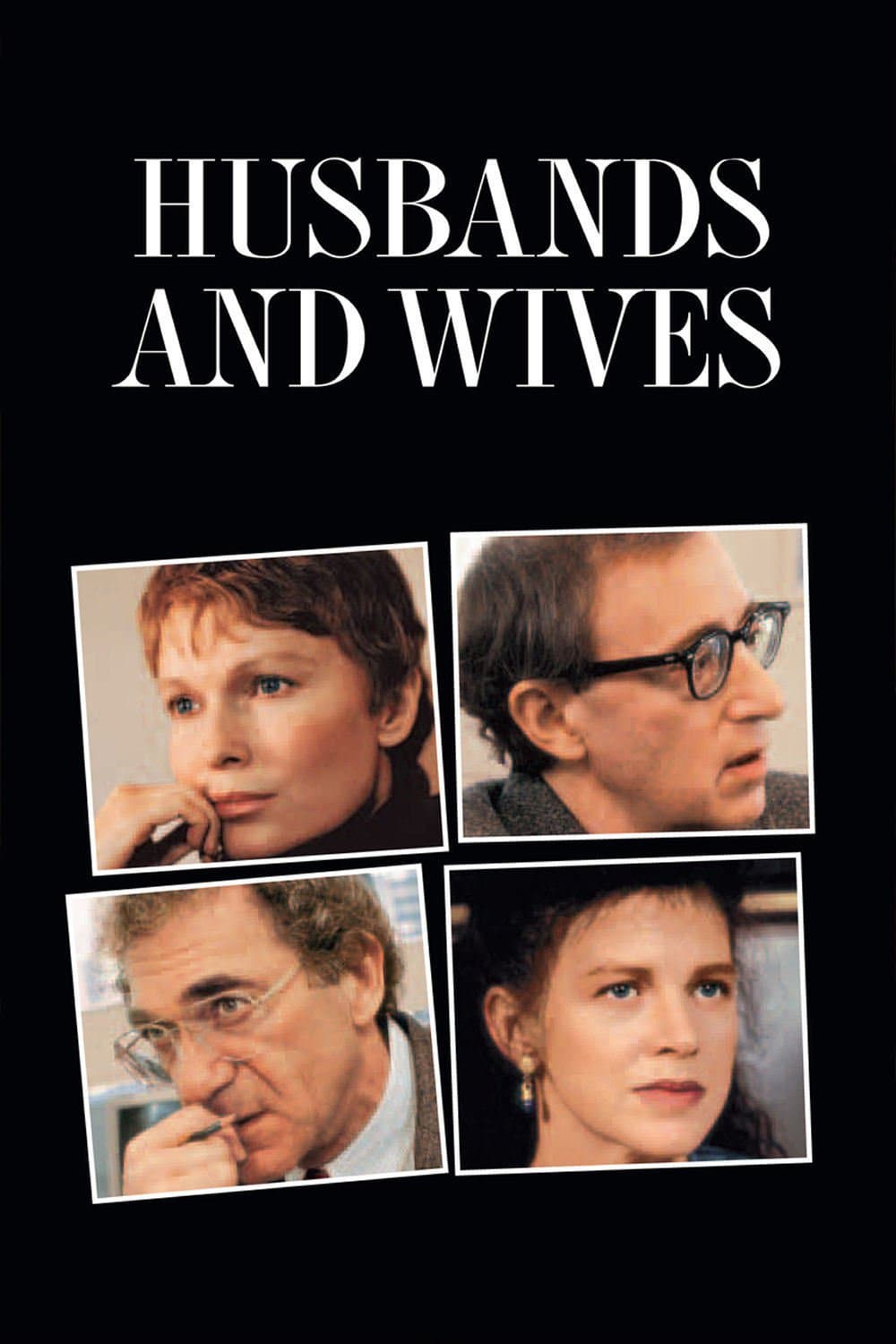
He stars as Gabe Roth a college professor and writer who along with his wife Judy is shocked to learn that their best friends are separating. The news forces Gabe and Judy to examine the cracks in their own long-term marriage. The character of Gabe finds himself drawn to a young and brilliant student in his writing class further complicating his emotional state.
The film is shot with a handheld documentary style giving it a raw and realistic feel. His character is an intellectual who is better at analyzing relationships in literature than navigating the complexities of his own. He and the other characters are frequently interviewed by an unseen documentary filmmaker discussing their feelings and actions directly to the camera.
‘Broadway Danny Rose’ (1984)
He plays the titular character Danny Rose a kind-hearted but completely unsuccessful theatrical manager. His clients are all novelty acts that no one else will represent including a one-legged tap dancer and a ventriloquist. His life gets complicated when he gets mixed up with the girlfriend of one of his clients a lounge singer who is also involved with the mob.
Danny Rose is one of his most endearing and optimistic characters. Despite his constant professional failures he remains dedicated to his clients and believes in their potential. The story is told in flashback by a group of comedians reminiscing about Danny’s legendary loyalty and the time he got into serious trouble with gangsters.
‘Radio Days’ (1987)
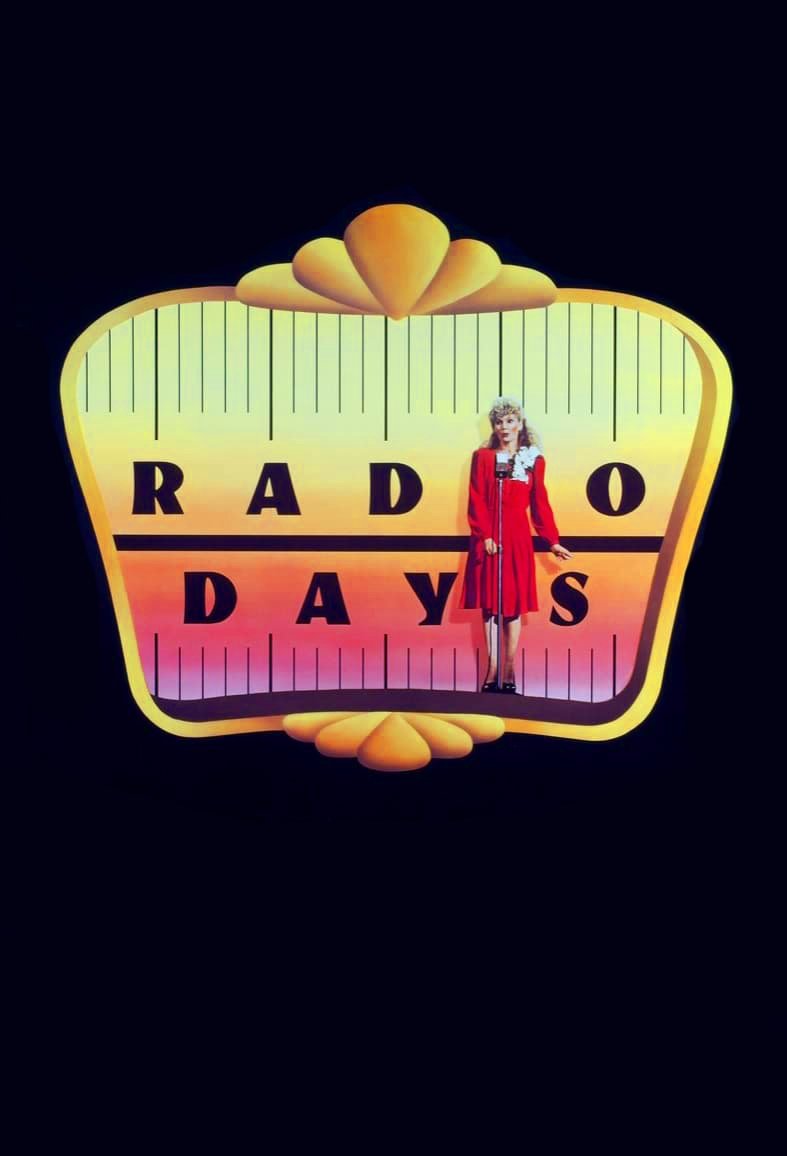
While he does not physically appear in the film he serves as the narrator telling stories from his childhood in a working-class Jewish family in Queens during the 1940s. His voice guides the audience through a series of nostalgic and comedic vignettes about his family life and the golden age of radio. The character is looking back fondly on a time when radio shows captured the imagination of the entire country.
His narration provides the film with its warmth and structure. He recounts tales of his relatives their neighborhood and the radio stars they idolized from the swashbuckling hero of ‘The Masked Avenger’ to the gossip columnist Sally White. The role is that of a storyteller weaving together personal memories and the shared cultural experiences of an era.
‘Play It Again, Sam’ (1972)
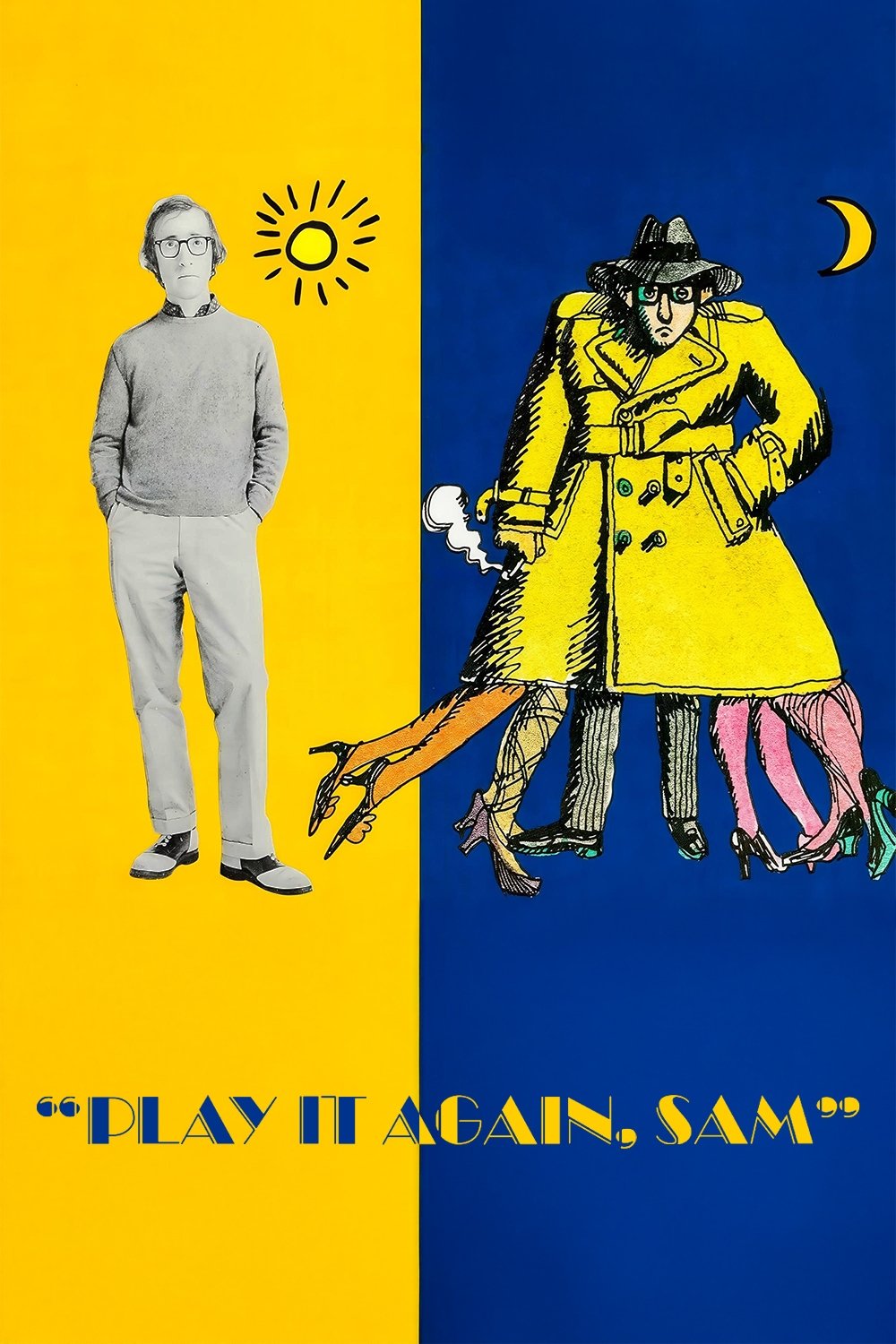
He portrays Allan Felix a recently divorced and neurotic film critic who is struggling to get back into the dating scene. To help him with his romantic life he frequently receives advice from an imaginary version of his hero the tough and charismatic Humphrey Bogart. The character tries to emulate Bogart’s cool persona but his own anxieties always get in the way.
The role is a classic example of his on-screen persona as a man overwhelmed by insecurity. Allan’s obsession with the film ‘Casablanca’ is central to the story as he tries to apply its romantic ideals to his own messy life. His humorous interactions with the phantom of Bogart highlight the gap between his cinematic fantasies and his real-world failures with women.
‘Zelig’ (1983)

In this mockumentary he plays Leonard Zelig a man who becomes a celebrity in the 1920s and 30s due to his mysterious ability to physically transform and take on the characteristics of whomever he is near. Known as the “human chameleon” his character’s unique condition is studied by a psychiatrist who tries to cure him while also falling in love with him.
The role is a technical and comedic marvel. His character seamlessly appears in historical newsreels and photographs standing alongside famous figures like Babe Ruth and Adolf Hitler. Zelig is presented as a man whose overwhelming desire to fit in is so strong that it manifests as a physical ailment making him a literal conformist.
‘Sleeper’ (1973)

He stars as Miles Monro a health food store owner from 1973 who is cryogenically frozen after a botched operation. He wakes up two hundred years in the future to find himself in a bizarre dystopian society ruled by a totalitarian leader. The character is recruited by an underground rebellion to help overthrow the oppressive government.
This film is a work of futuristic slapstick comedy and his role as the out-of-place Miles is central to the humor. He is a man from the past who is completely baffled by the strange customs and advanced yet absurd technology of the 22nd century. He finds himself in a series of comedic chases and situations while disguised as a robot butler.
‘Love and Death’ (1975)
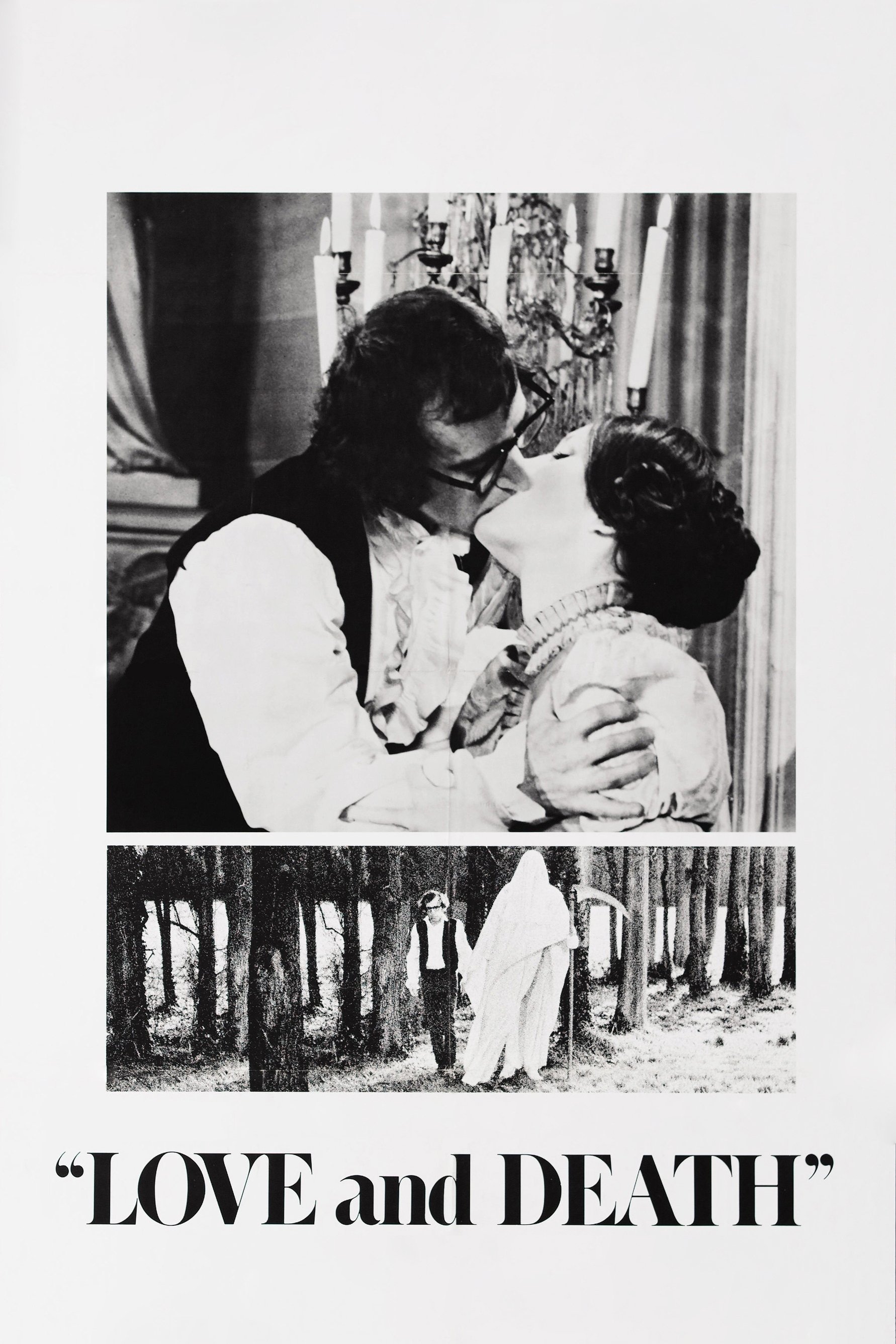
He plays Boris Grushenko a cowardly and clumsy Russian villager living during the Napoleonic era. He is desperately in love with his cousin Sonja who is in love with his brother. When Napoleon invades Austria the character is forced into the army and later becomes entangled in a plot to assassinate the French emperor.
The role is a parody of the brooding heroes found in Russian literature. Boris is a character who would rather spend his time in philosophical debates about the meaning of life than go to war. The film is filled with witty dialogue and visual gags as his character bumbles his way through major historical events.
‘Manhattan’ (1979)
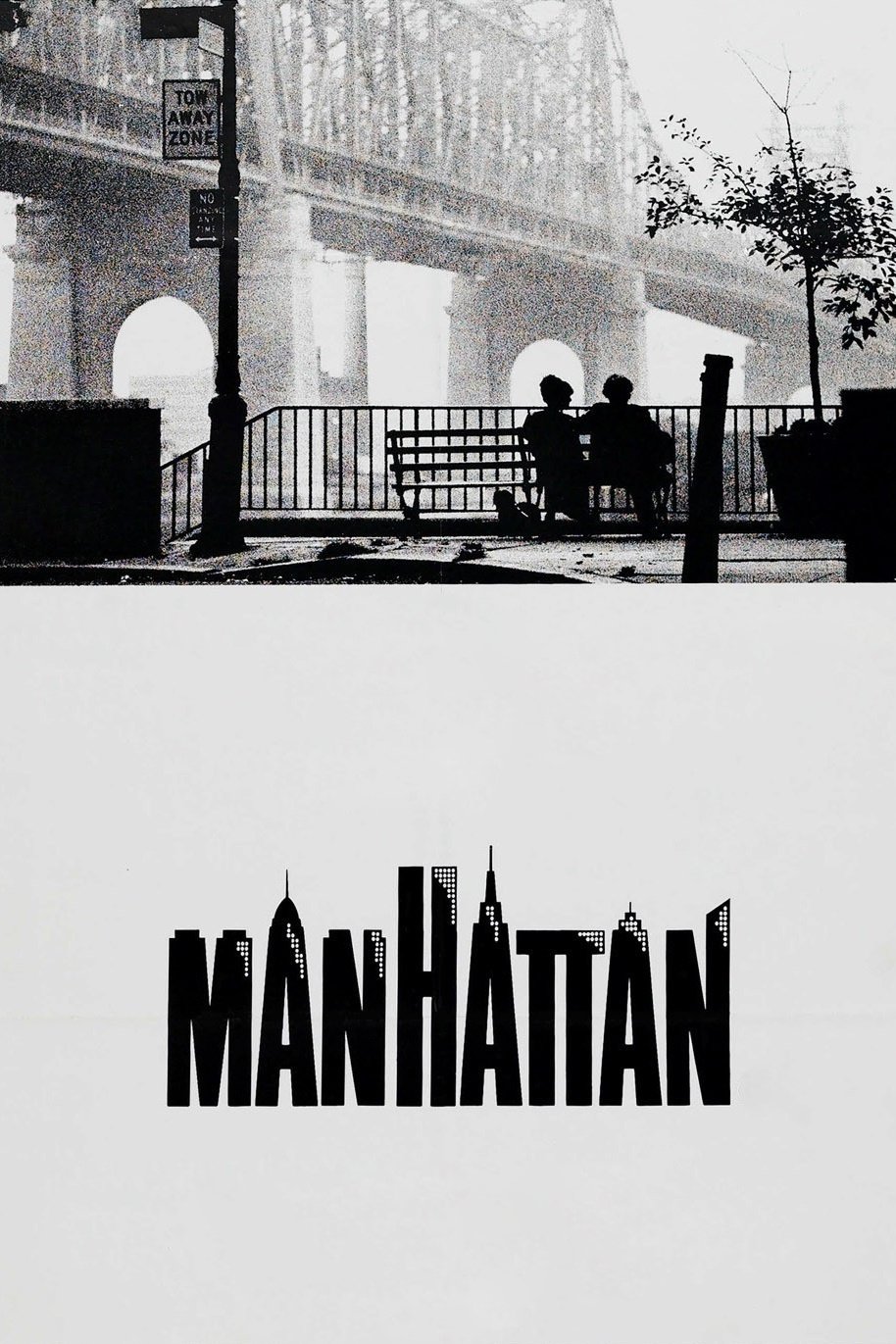
He portrays Isaac Davis a twice-divorced television writer who is unhappy with his job and is trying to write a serious novel. His character is navigating a complex set of relationships including a love affair with a seventeen-year-old girl and a growing attraction to his best friend’s intellectual mistress. The film is a beautifully photographed love letter to New York City.
The role of Isaac is one of his most iconic dramatic performances. The character is a quintessential New Yorker who loves his city but is deeply dissatisfied with his own romantic and professional life. He is constantly questioning his own moral choices and searching for a more authentic and meaningful existence.
‘Hannah and Her Sisters’ (1986)

He plays Mickey Sachs a successful television producer and a hypochondriac who was once married to one of the titular sisters Hannah. After a health scare sends him into an existential crisis Mickey spirals into a period of deep anxiety where he questions his career his relationships and the meaning of life itself.
His character’s journey is one of three interlocking stories involving the three sisters and the men in their lives. Mickey’s search for answers leads him to try converting to Catholicism and to contemplate his own mortality. His storyline provides a comedic yet profound exploration of one man’s search for faith and purpose in a seemingly chaotic world.
‘Crimes and Misdemeanors’ (1989)
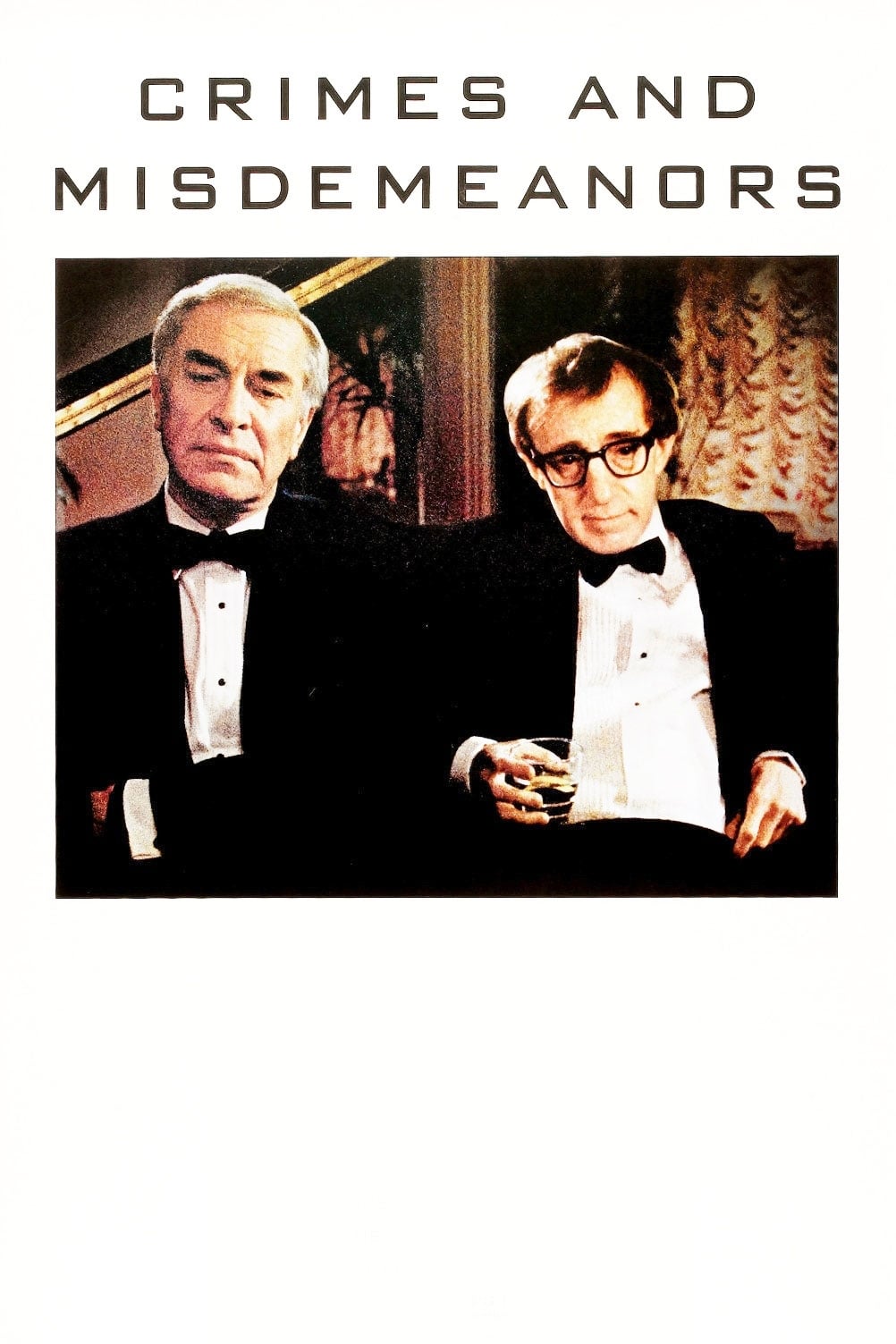
He stars as Cliff Stern a small-time documentary filmmaker who is deeply principled but commercially unsuccessful. He is hired to make a flattering film about his arrogant and shallow brother-in-law a famous television producer he despises. While working on the project he falls in love with a producer who is also involved with his brother-in-law.
Cliff’s story is one of two parallel narratives in the film that explore moral choices and their consequences. His character represents the struggle of an artist trying to maintain his integrity in a world that values success over substance. He is a man who believes that morality should be rewarded but is constantly confronted with evidence to the contrary.
‘Annie Hall’ (1977)
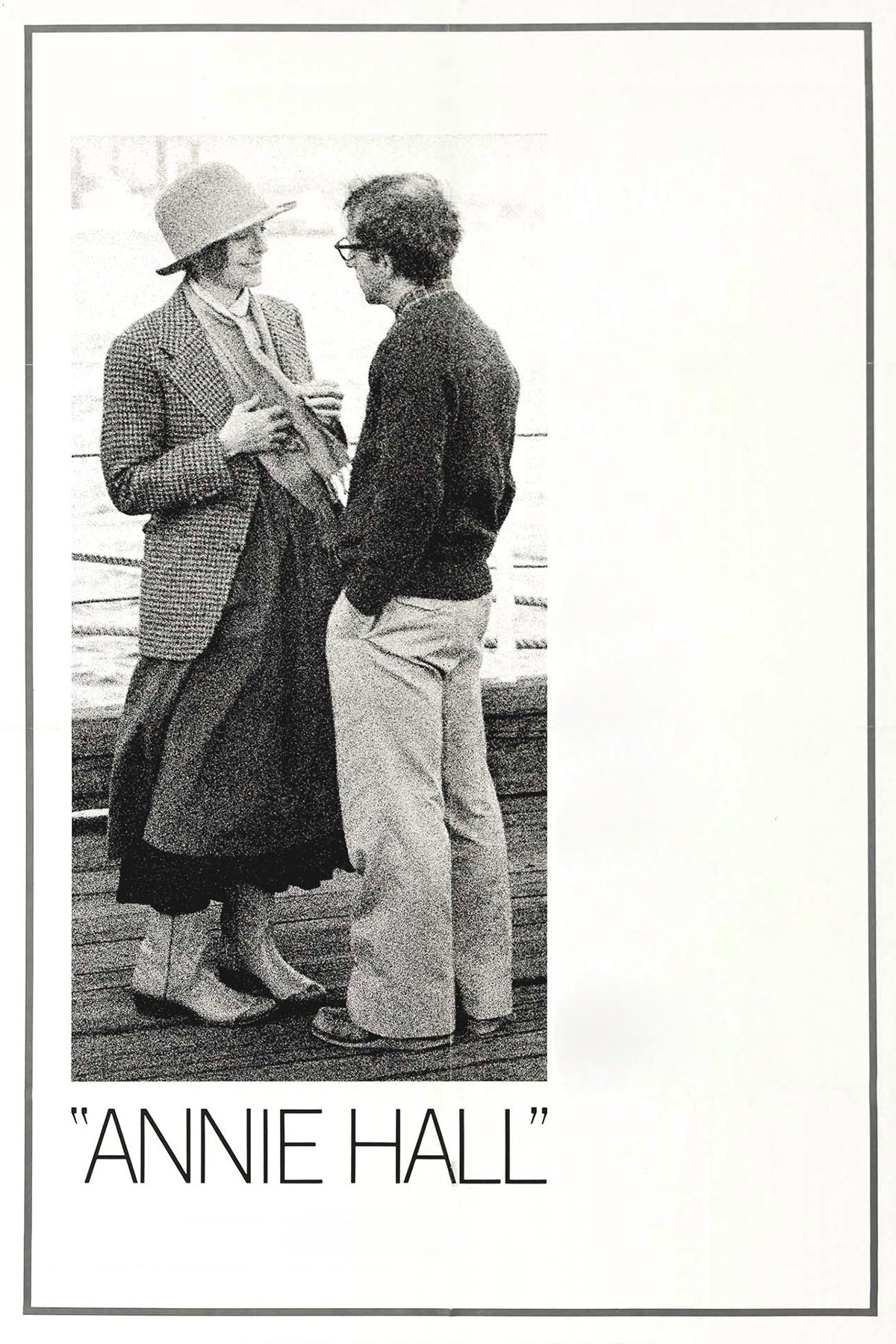
He plays Alvy Singer a neurotic and successful New York comedian who is trying to understand why his relationship with the free-spirited Annie Hall ended. The film non-chronologically recounts their time together exploring their first meeting their romantic highs and the gradual breakdown of their love affair.
The role of Alvy Singer is arguably his most famous and definitive performance. The character frequently breaks the fourth wall to speak directly to the audience sharing his anxieties about life love and death. He is an intellectual who overthinks every situation and this role perfectly blended comedy with genuine emotional depth winning the film numerous accolades.
What is your favorite performance from Woody Allen’s long acting career?