


Worst Actors of All Time

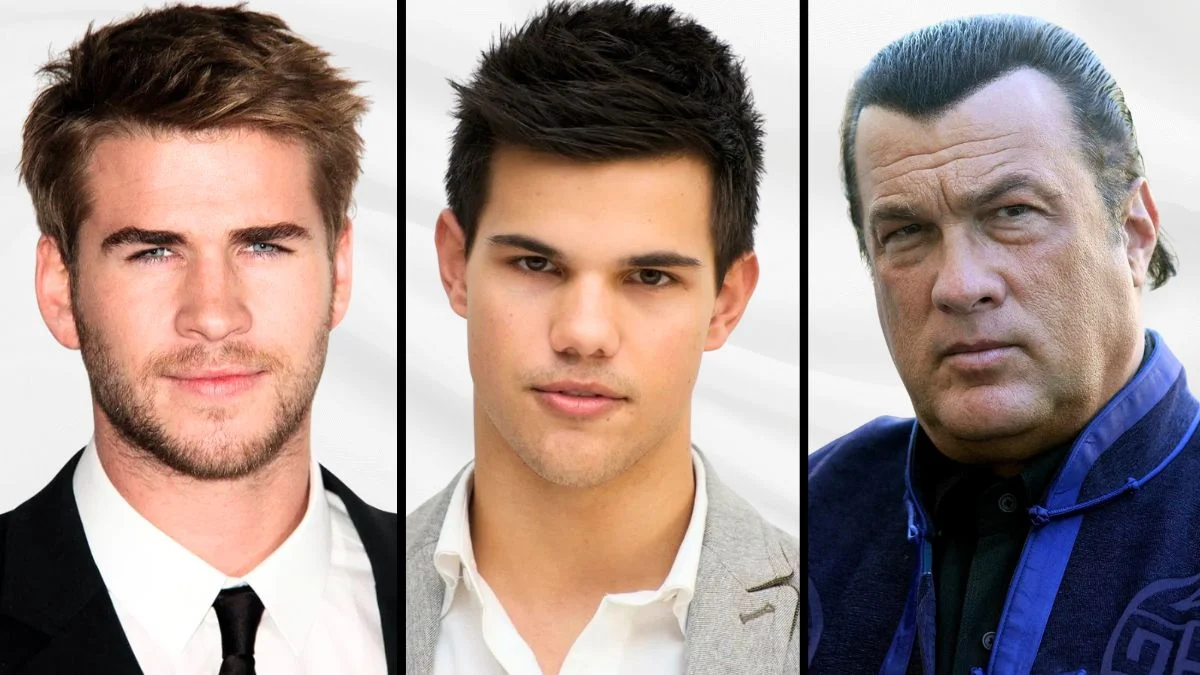


This list looks at male performers whose filmographies are packed with critical misfires, notorious projects, or performances that drew consistent negative attention over the years. To keep things concrete, each entry highlights roles they are most known for, critical reception patterns, awards like the Razzies, and industry outcomes such as box office flameouts or direct-to-video runs. It is a snapshot of careers that regularly struggled to connect with critics even when the movies found audiences. Titles are included to help you place the performances that shaped these reputations.
Tommy Wiseau
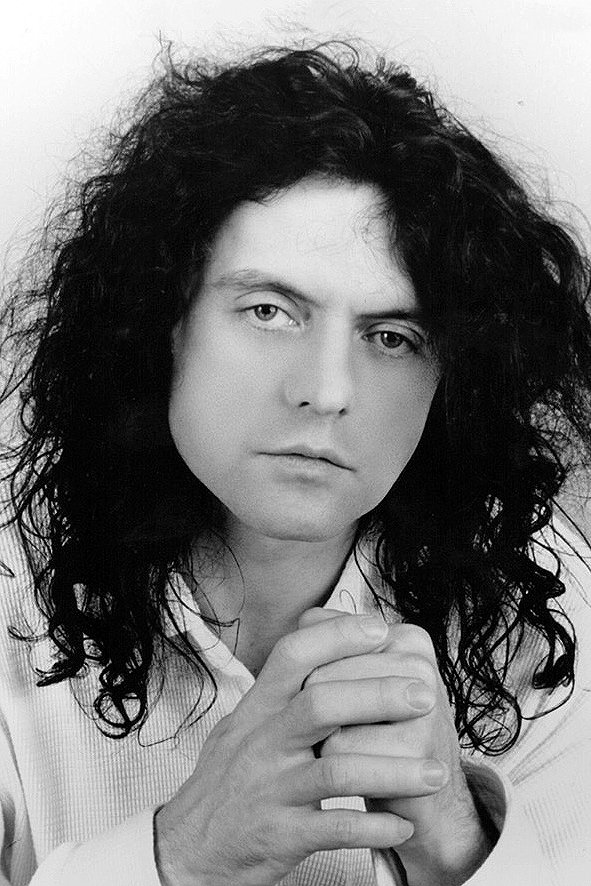
Tommy Wiseau became infamous for writing, directing, producing, and starring in ‘The Room’, a film widely screened at midnight showings for its unintentional humor. His line delivery and staging choices in that movie turned it into a cult phenomenon. He has continued to appear in small projects connected to that cult status. His public persona and mysterious background keep interest in his work alive despite limited mainstream roles.
Steven Seagal
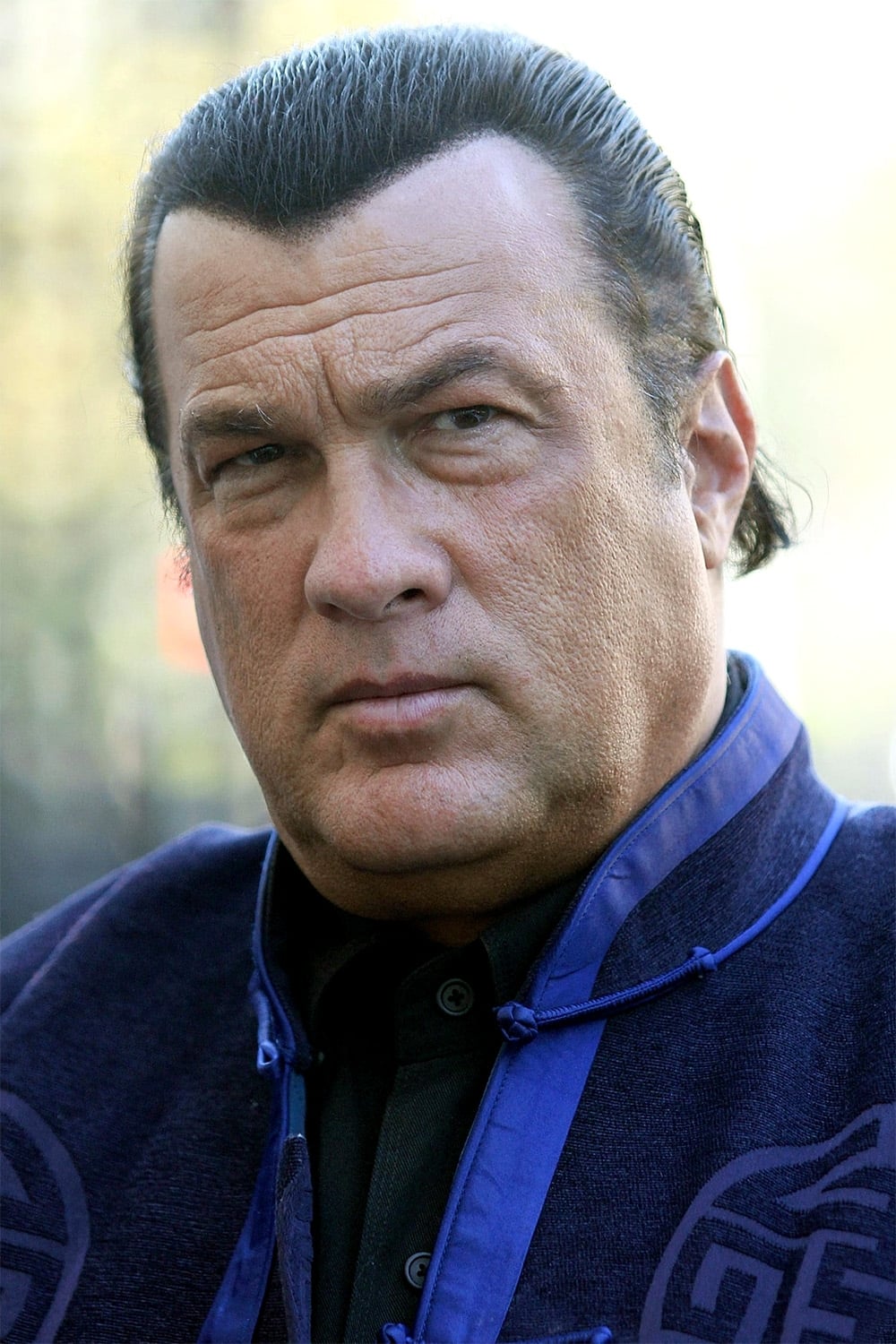
Steven Seagal broke out with action hits like ‘Above the Law’ and ‘Under Siege’ before most of his later output shifted to direct-to-video releases. Critics frequently flagged wooden line readings and doubled stunt work in later projects. He maintained a steady release schedule that emphasized quantity over theatrical presence. His films often relied on familiar plots and limited character range.
Rob Schneider
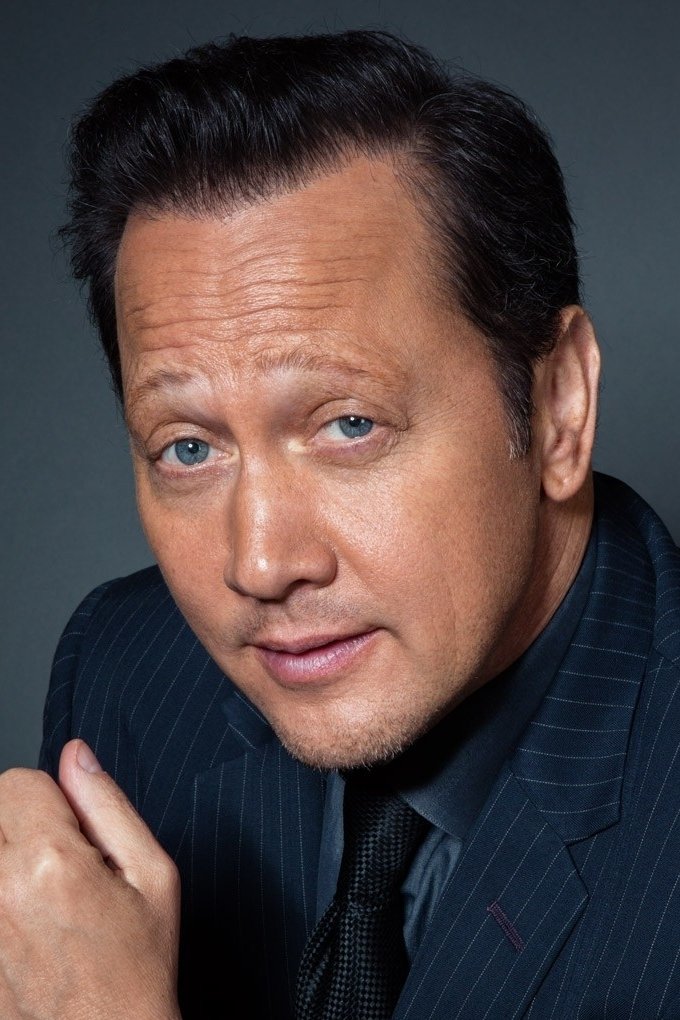
Rob Schneider headlined comedies such as ‘Deuce Bigalow: Male Gigolo’ and ‘The Hot Chick’ that were regularly panned by reviewers. He was a frequent target of the Golden Raspberry Awards with multiple nominations. Much of his career features collaborations with Adam Sandler in ensemble projects. Despite weak critical notices his films occasionally performed well commercially.
Hayden Christensen
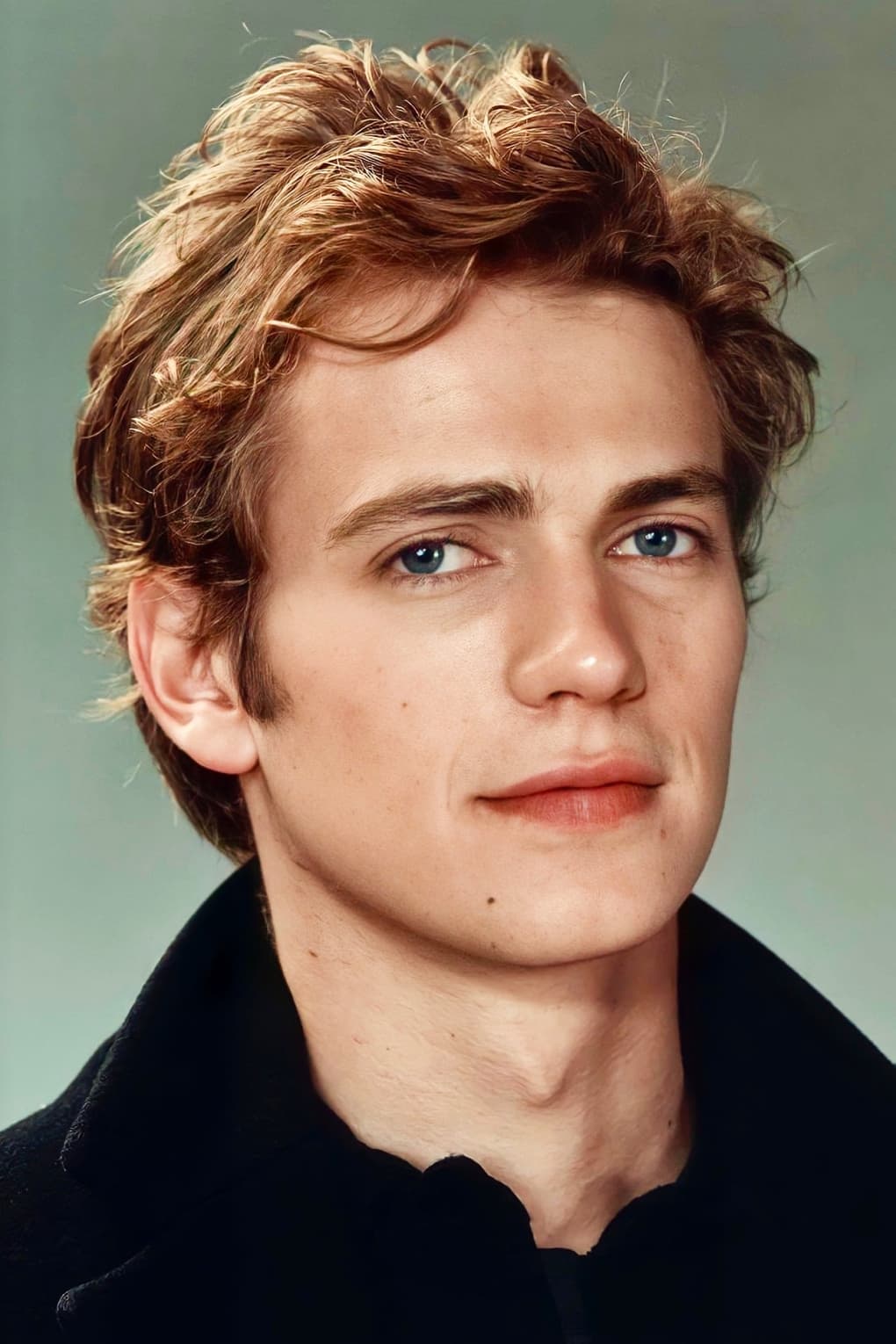
Hayden Christensen drew heavy scrutiny for performances as Anakin Skywalker in ‘Star Wars: Attack of the Clones’ and ‘Star Wars: Revenge of the Sith’. Dialogue delivery and on-screen chemistry were common points of criticism at the time of release. He later worked in titles like ‘Jumper’ and ‘Takers’ with mixed notices. His career includes long breaks from major studio leads before recent franchise returns.
Taylor Lautner
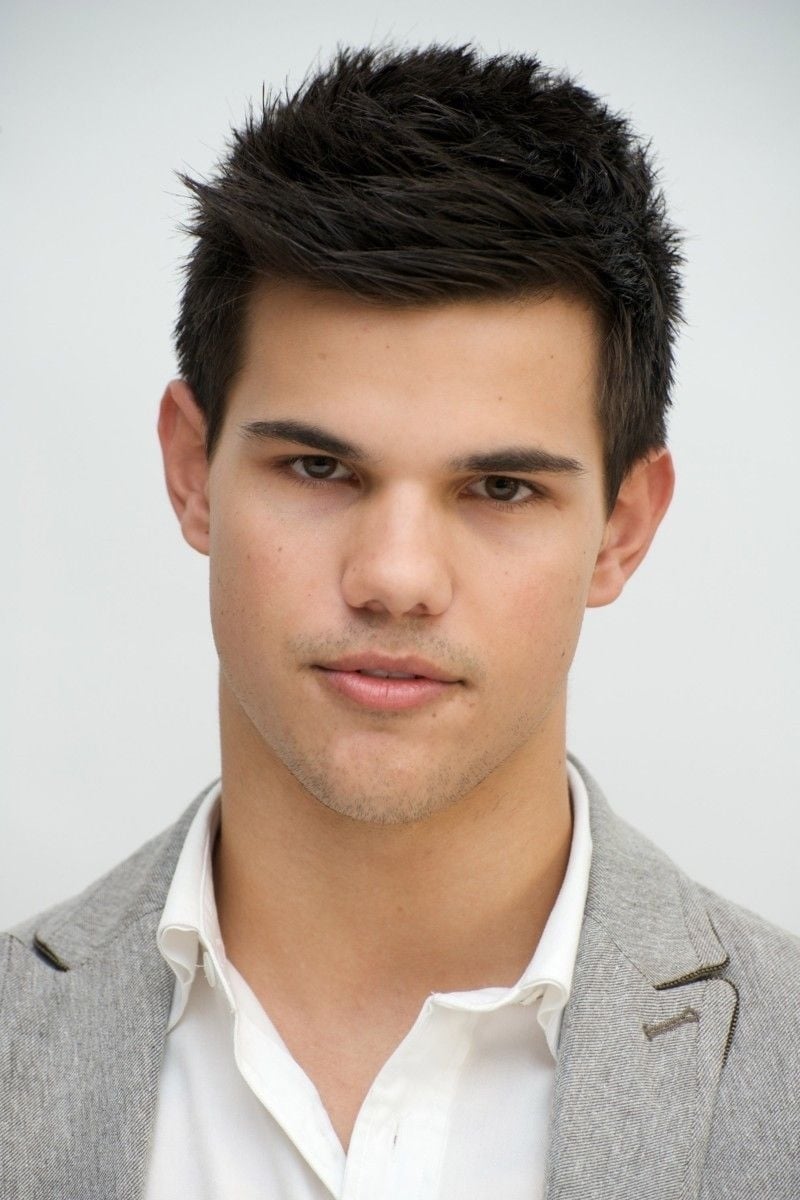
Taylor Lautner’s breakout came as Jacob Black in the ‘Twilight’ series where he was known more for physical transformation than acclaimed acting moments. Post-franchise efforts like ‘Abduction’ struggled with critics and at the box office. He moved into television and streaming projects with modest profiles. His filmography shows a sharp drop in leading roles after the initial franchise wave.
Jai Courtney
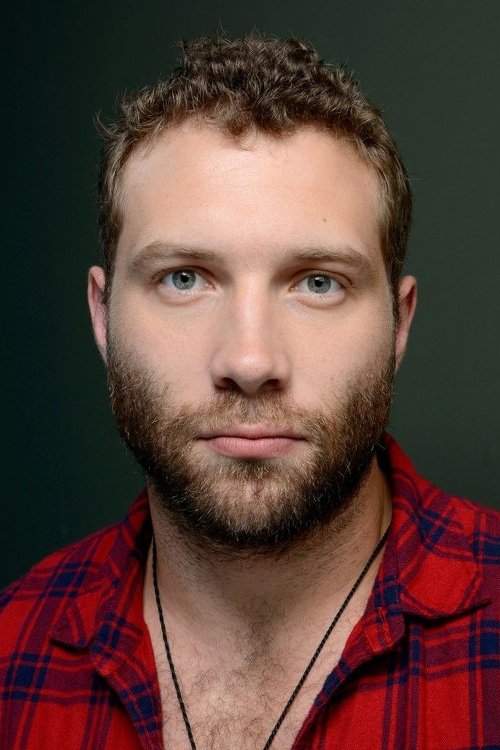
Jai Courtney landed high-profile parts in ‘A Good Day to Die Hard’, ‘Terminator Genisys’, and ‘Suicide Squad’. Reviews often cited stiff performances in major franchise installments. He continued to secure action roles that emphasized physique and intensity over character nuance. Supporting turns have generally fared better than his marquee leads.
Alex Pettyfer
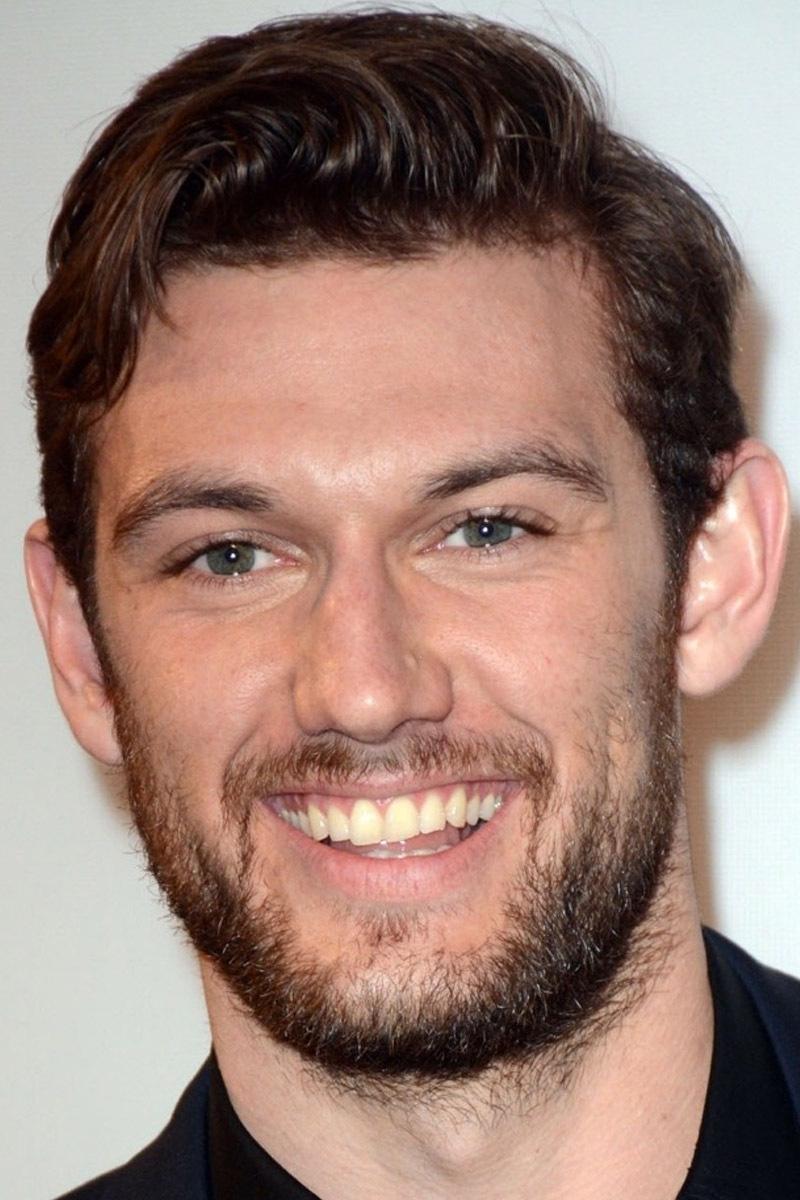
Alex Pettyfer starred in ‘I Am Number Four’ and ‘Beastly’, both of which received poor critical reception. Reports of on-set issues early in his career affected his momentum in studio projects. He shifted toward smaller films and streaming titles with occasional directing efforts. His early push as a teen leading man did not translate into sustained box office success.
Kellan Lutz
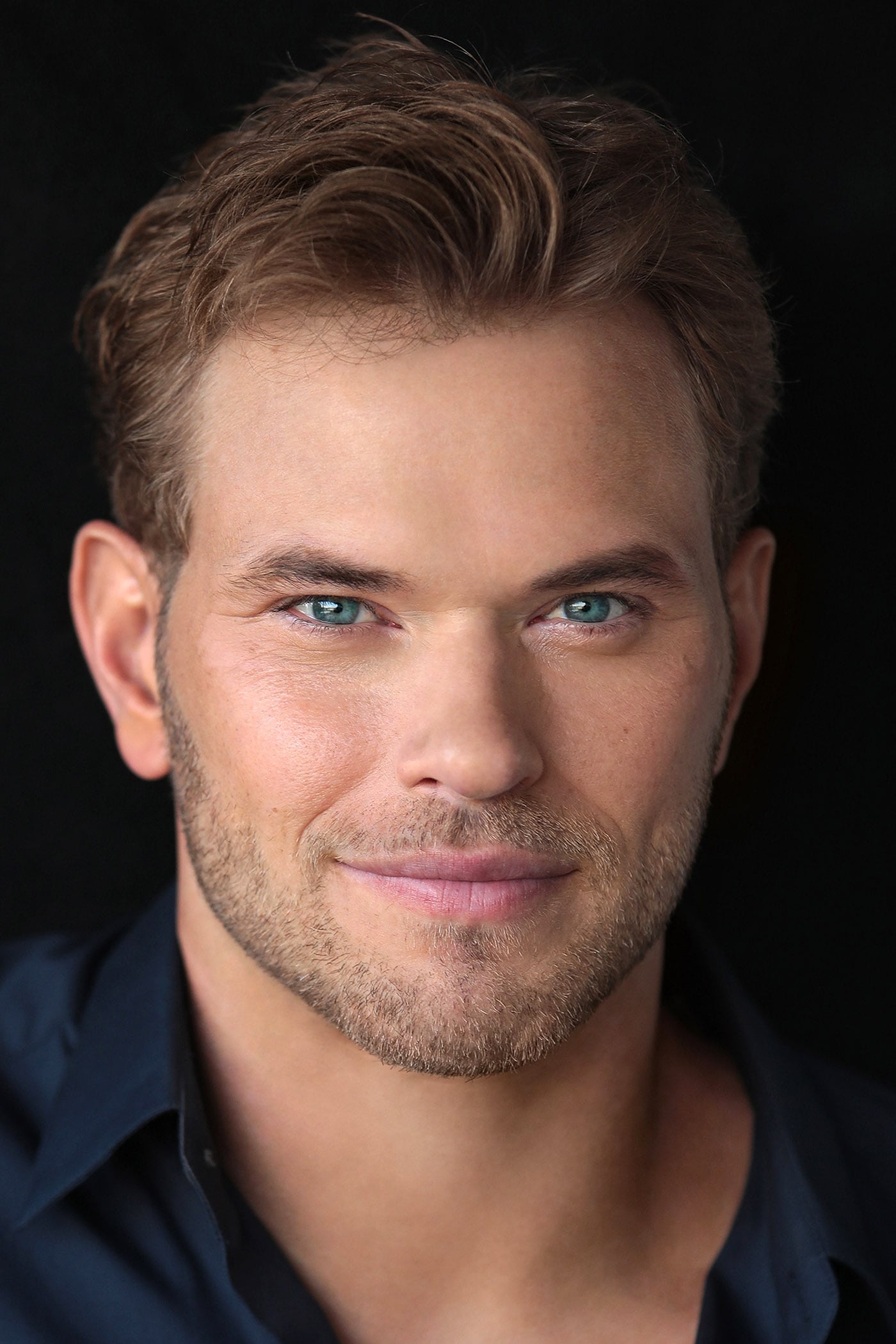
Kellan Lutz gained fame from the ‘Twilight’ franchise and later headlined ‘The Legend of Hercules’, which was widely criticized. Subsequent action roles often went direct to video. His filmography leans on ensemble appearances rather than strong solo vehicles. He remains active in genre projects with limited theatrical reach.
Kevin James
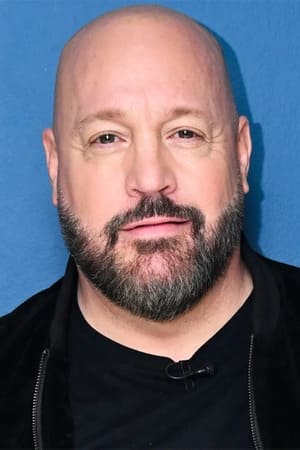
Kevin James fronted comedies like ‘Paul Blart: Mall Cop’, ‘Zookeeper’, and ‘Pixels’ that usually drew poor reviews. He built a reliable audience through family-friendly humor and television roots. His dramatic experiments received mixed outcomes. Many of his films rely on slapstick setups instead of character depth.
David Spade

David Spade’s movie work includes ‘Joe Dirt’ and ‘The Benchwarmers’, which critics often dismissed while audiences kept them alive on cable and streaming. He maintained a steady presence in ensemble comedies with frequent voice roles. Television projects generally outperformed his film outings with reviewers. His big-screen leads rarely earned strong critical momentum.
John Travolta
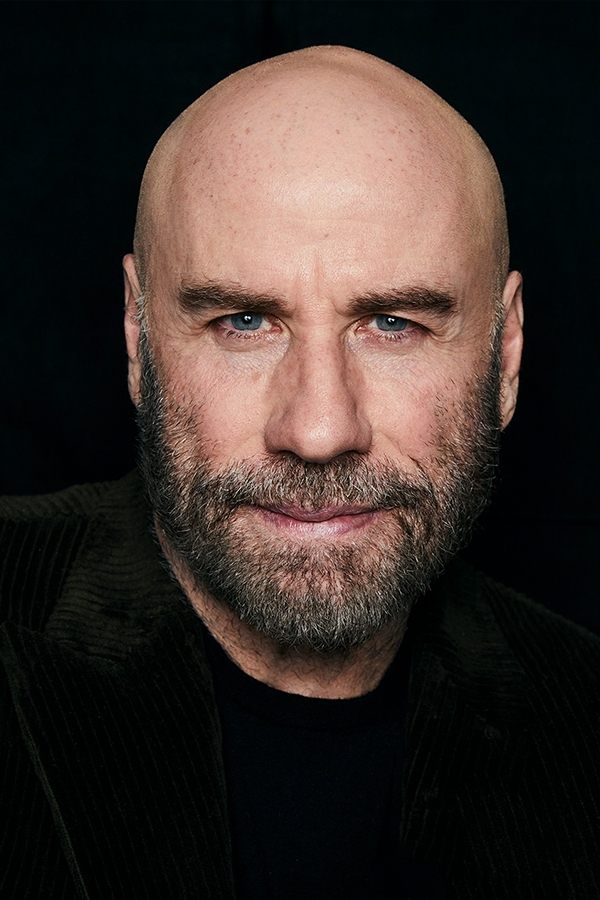
John Travolta’s career includes acclaimed peaks alongside notorious lows like ‘Battlefield Earth’ and ‘Gotti’. He accumulated several Razzie wins and nominations tied to these projects. In later years he appeared in many small releases that bypassed wide theatrical runs. His filmography shows extreme swings between prestige collaborations and heavily criticized choices.
Sylvester Stallone
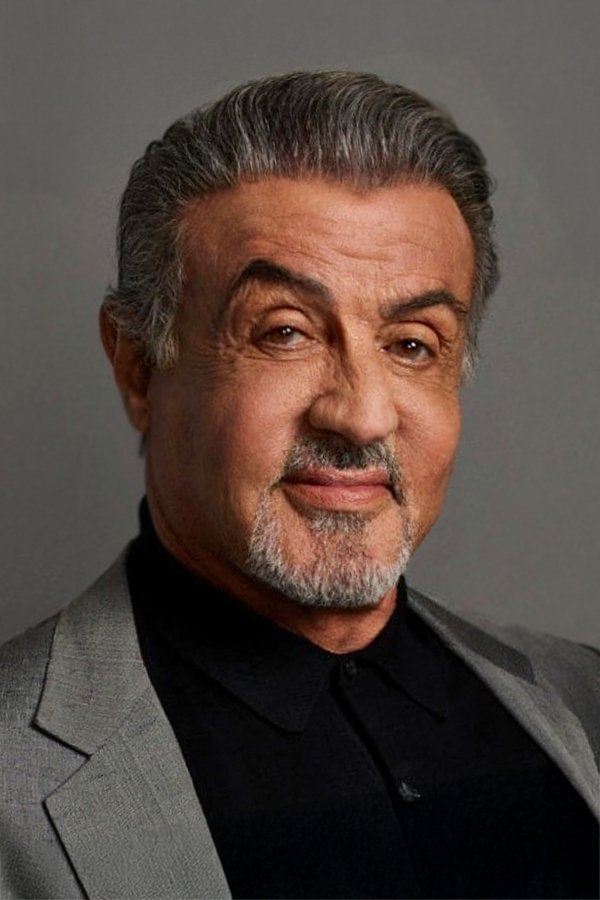
Sylvester Stallone is a box office icon whose acting has been criticized in entries like ‘Stop! Or My Mom Will Shoot’ and several franchise sequels. He is among the most recognized Razzie recipients with numerous nominations. Despite criticisms he remains a major name in action cinema and continues to lead franchises. His performances often prioritize physical presence over range.
Ashton Kutcher
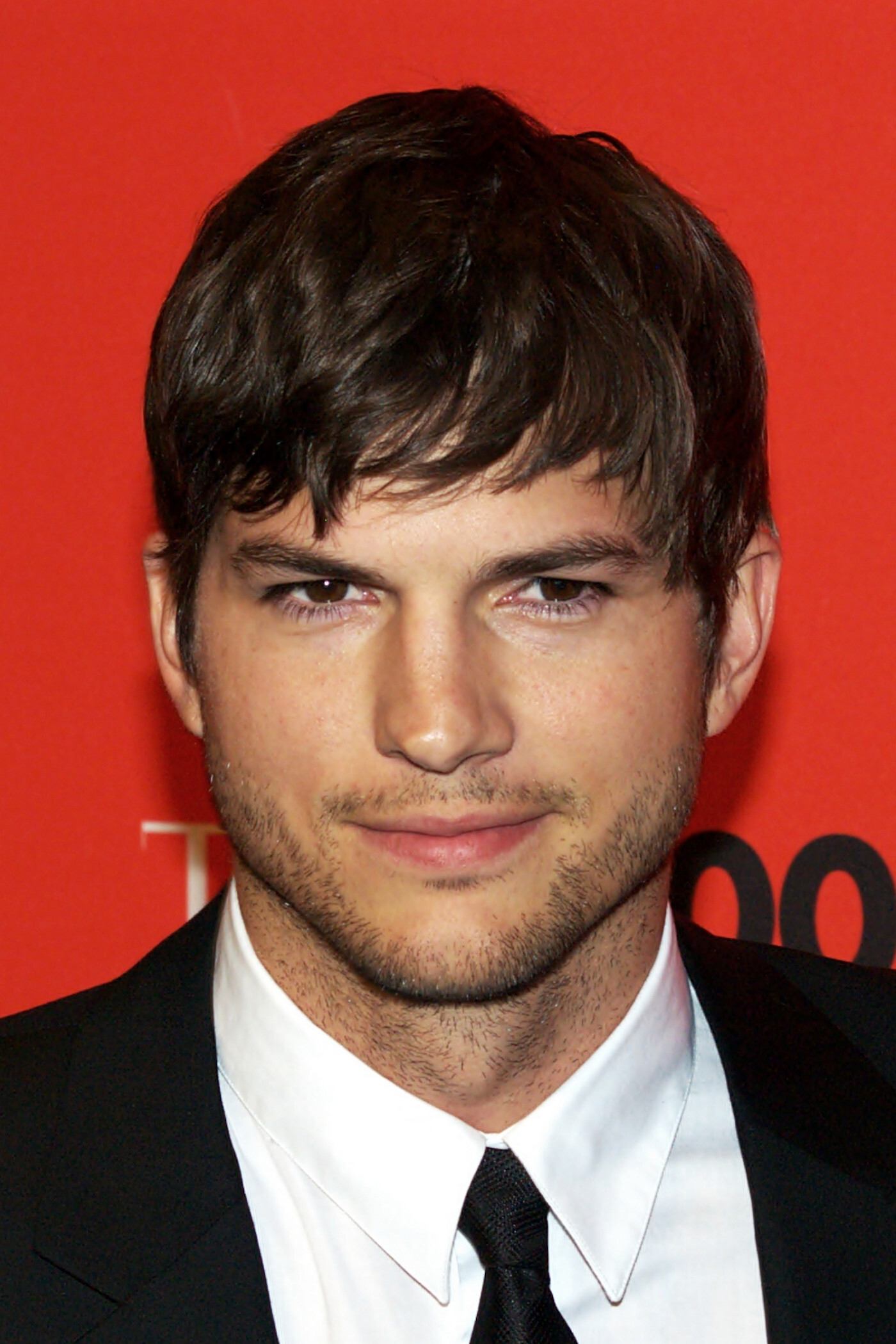
Ashton Kutcher led comedies such as ‘Dude, Where’s My Car?’ and ‘What Happens in Vegas’ that received weak critical marks. His dramatic turn in ‘Jobs’ drew mixed notices focused on mimicry over depth. He found steadier footing on television where comedic timing translated better. Film leads became less frequent as producing and tech ventures grew.
Vin Diesel
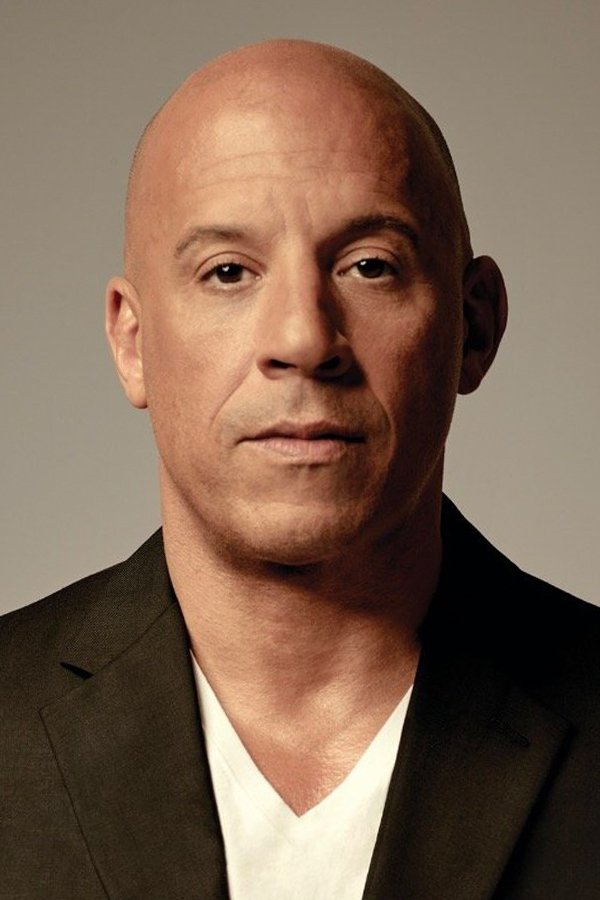
Vin Diesel is synonymous with the ‘Fast and Furious’ franchise while many non-franchise projects like ‘The Last Witch Hunter’ earned poor reviews. His performances center on gravel-voiced stoicism rather than versatility. Attempts to launch new series outside his signature brand rarely stuck. Voice work in ‘Guardians of the Galaxy’ remains a consistent bright spot.
Gerard Butler
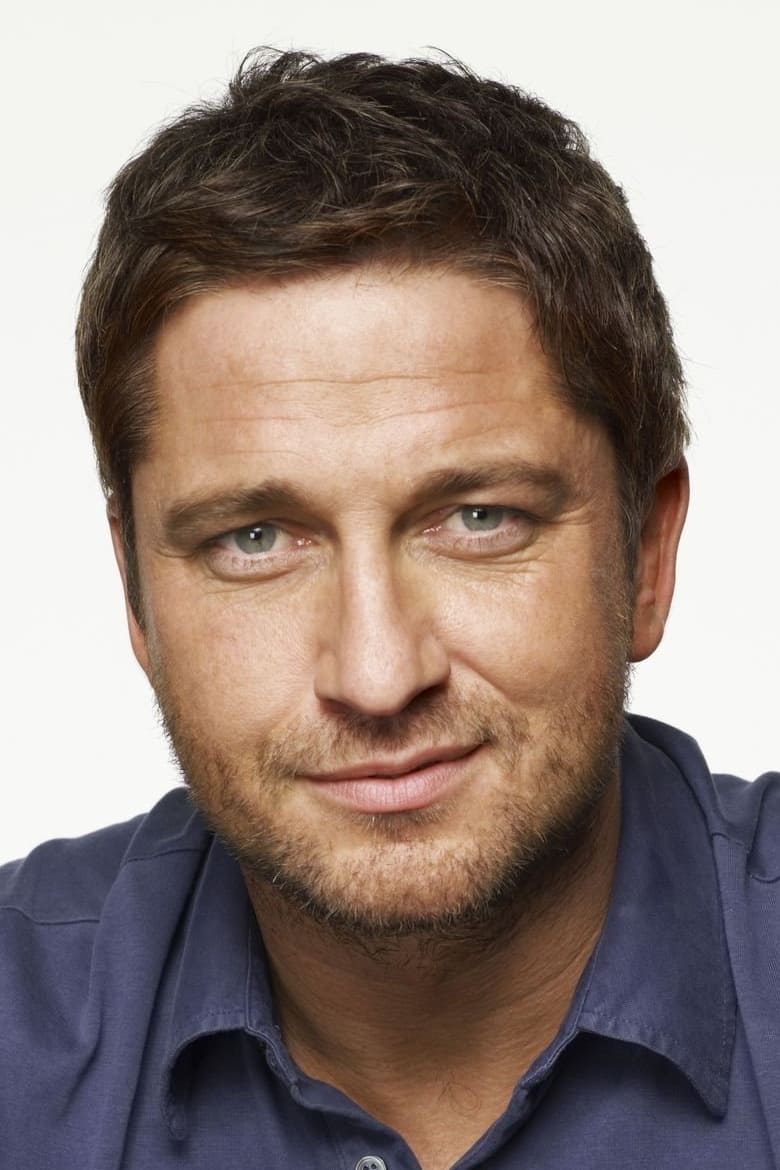
Gerard Butler alternates between action vehicles and romantic comedies with uneven reception. Films such as ‘Movie 43’ and several ‘Has Fallen’ sequels drew criticism even when they sold tickets. He works frequently in mid-budget action that targets international markets. Critical response seldom matches his steady commercial footprint.
Chuck Norris
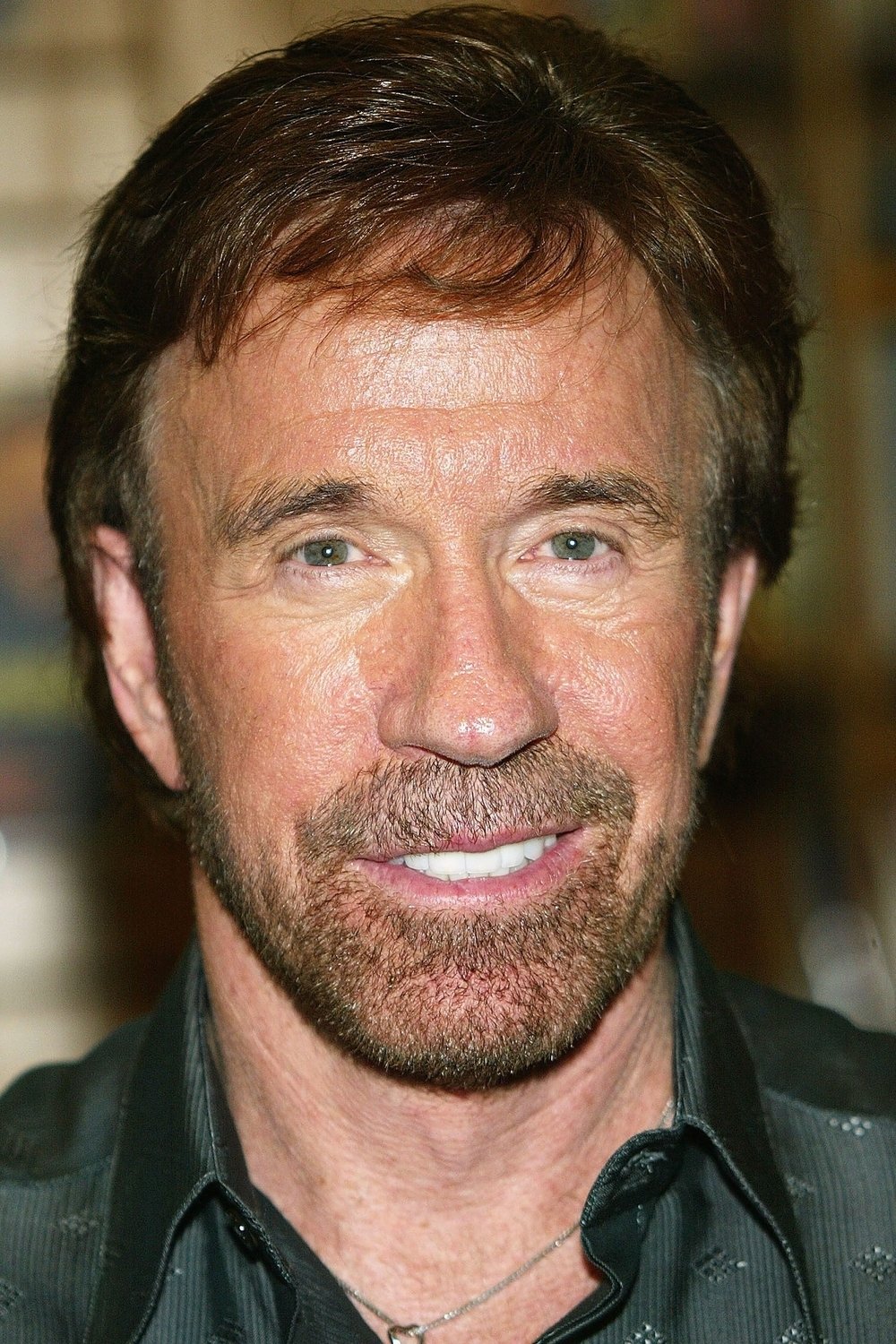
Chuck Norris built a screen persona through ‘Walker, Texas Ranger’ and films like ‘Missing in Action’ where stoic delivery defined the appeal. Critics often noted limited emotional range across roles. His movies emphasized martial arts sequences and straightforward heroism. Cultural memes later overshadowed his actual performances.
Shaquille O’Neal
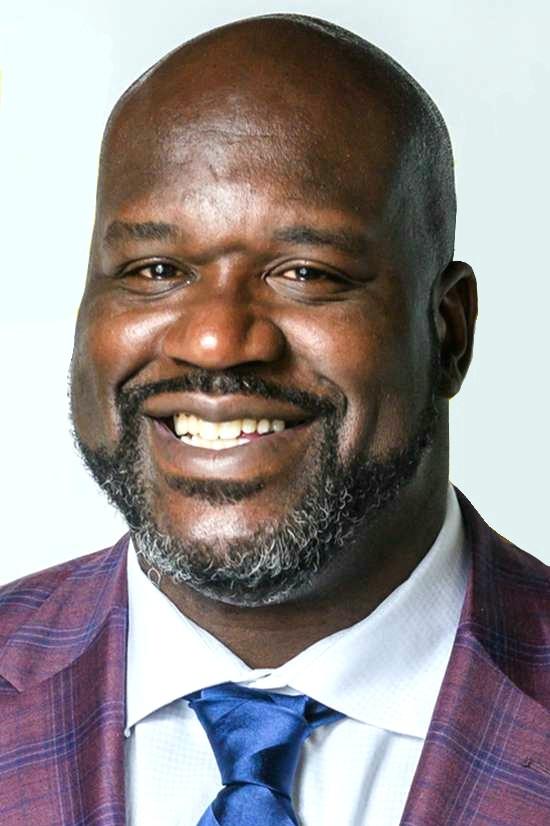
Shaquille O’Neal’s acting career is best known for ‘Kazaam’ and ‘Steel’, both of which were critical failures. His screen work focused on novelty casting and cross-promotion rather than craft. He remained a charismatic media figure with successful broadcasting and business ventures. Acting projects became rare after early box office disappointments.
Machine Gun Kelly
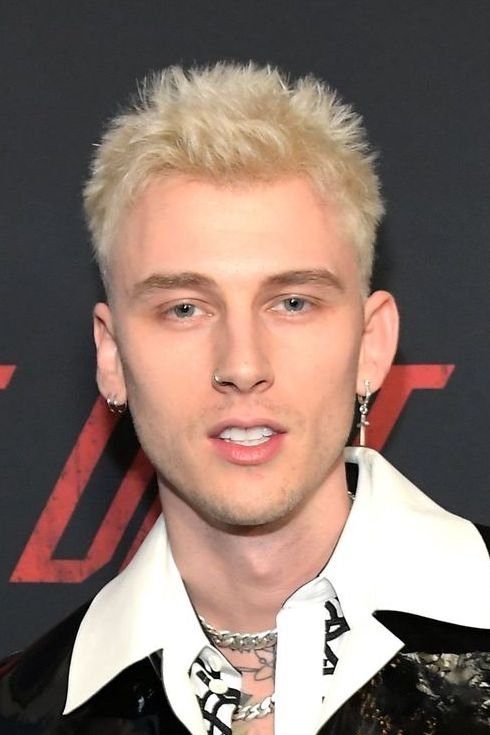
Machine Gun Kelly, credited as Colson Baker, appeared in films like ‘The Dirt’, ‘Good Mourning’, and ‘Midnight in the Switchgrass’. Reviews often called out flat line readings and limited range. His projects frequently tie into his music career and public persona. He continues to take on roles in indie and mid-budget productions.
Vanilla Ice
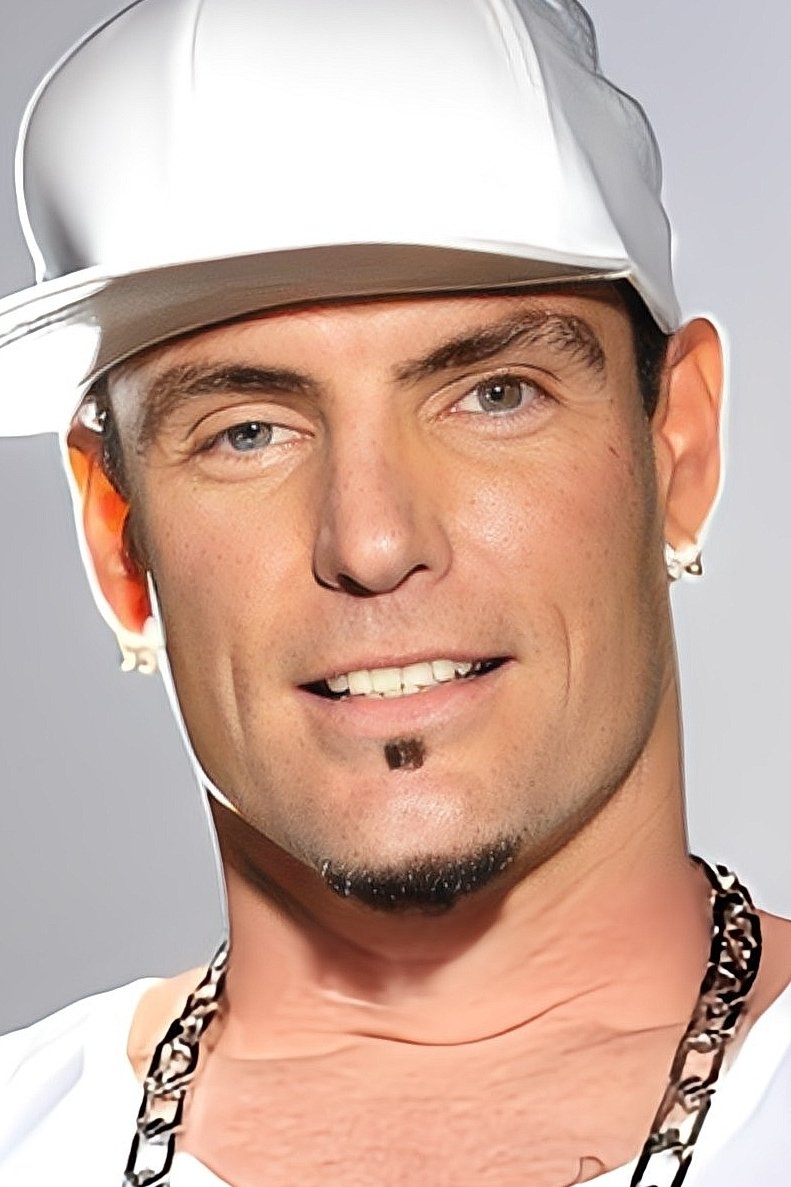
Vanilla Ice, or Robert Van Winkle, headlined ‘Cool as Ice’, a film that failed to impress critics or audiences on release. Later work leaned on cameos and nostalgic appearances. His reality television and renovation shows eclipsed his acting output. The early film flop became the defining note of his screen career.
Adam Sandler
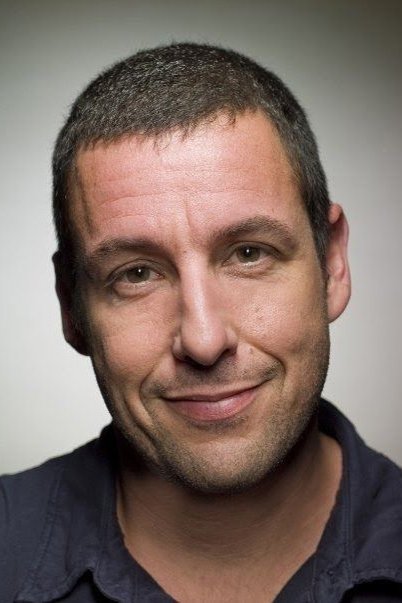
Adam Sandler has a long run of box office hits alongside heavily criticized comedies like ‘Jack and Jill’ and ‘Grown Ups 2’. He holds multiple Razzie wins and nominations tied to broad humor vehicles. Streaming deals kept his projects highly visible regardless of reviews. Dramatic turns earned praise but most of his filmography sits in critically maligned territory.
Neil Breen
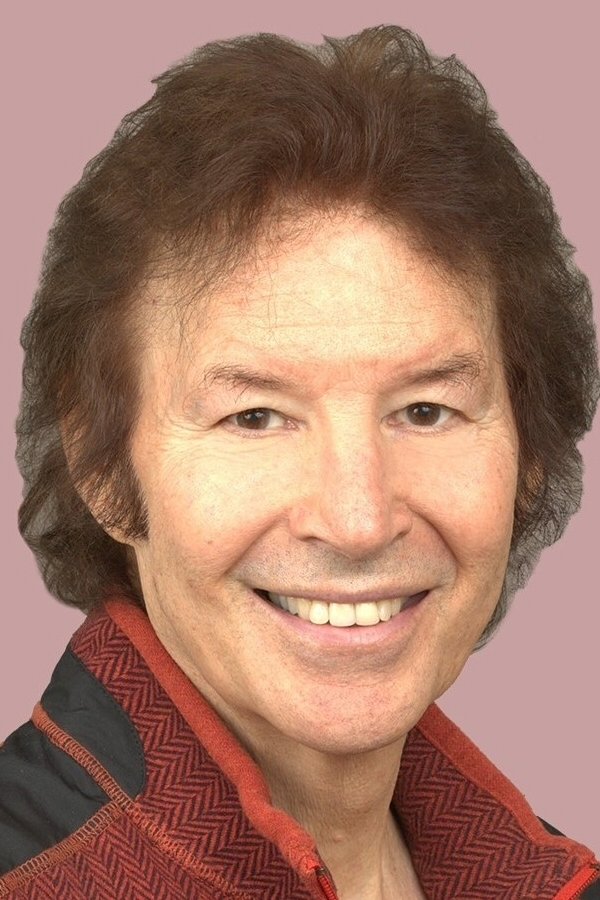
Neil Breen self-financed and starred in microbudget features like ‘Double Down’, ‘Fateful Findings’, and ‘Twisted Pair’. His films gained cult attention for unconventional scripts and technical flaws. Performances emphasize monologues and abrupt emotional shifts. Releases circulate mainly through limited screenings and direct sales to fans.
Pauly Shore
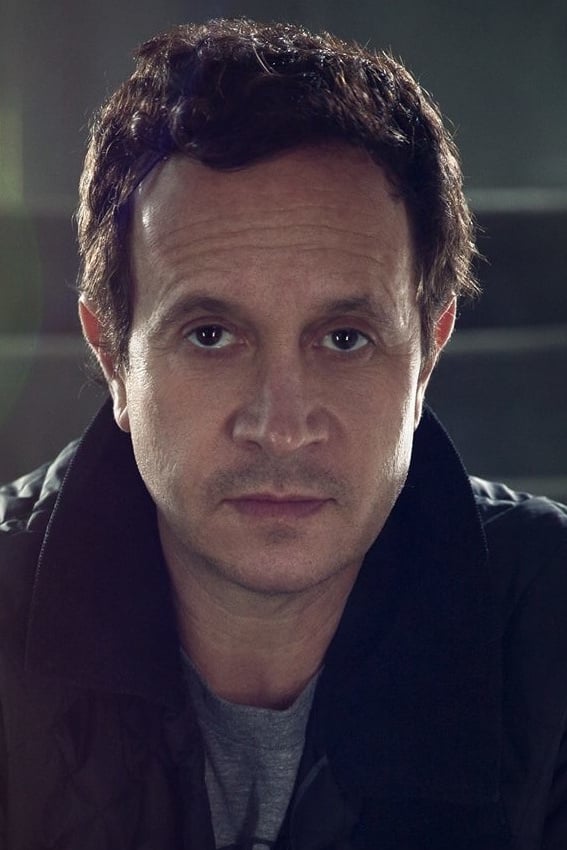
Pauly Shore headlined comedies such as ‘Encino Man’, ‘Son in Law’, and ‘Bio-Dome’ that were widely criticized by reviewers. He became a frequent Razzie nominee during his peak film years. Later appearances leaned on cameos and stand-up projects. His theatrical starring roles declined after a string of underperforming titles.
Stephen Baldwin

Stephen Baldwin’s filmography includes ‘Bio-Dome’, ‘The Usual Suspects’, and numerous direct-to-video features. Post-1990s work shifted toward lower-budget productions and reality television. Critical reception of his leads often cited limited range. He remains active in faith-based and independent projects.
Sam Worthington
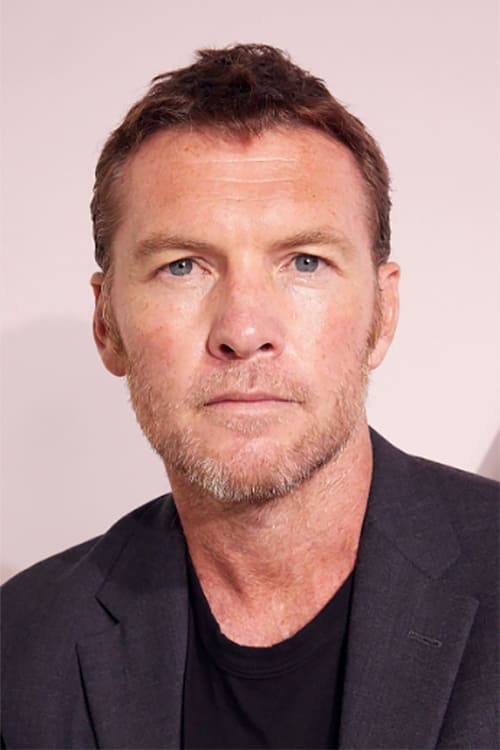
Sam Worthington broke through with ‘Terminator Salvation’ and ‘Avatar’, followed by ‘Clash of the Titans’ and ‘Wrath of the Titans’. Reviews frequently noted muted delivery across blockbuster roles. He continued with military and thriller leads that earned mixed notices. Later ensemble work balanced franchise commitments with streaming films.
Taylor Kitsch
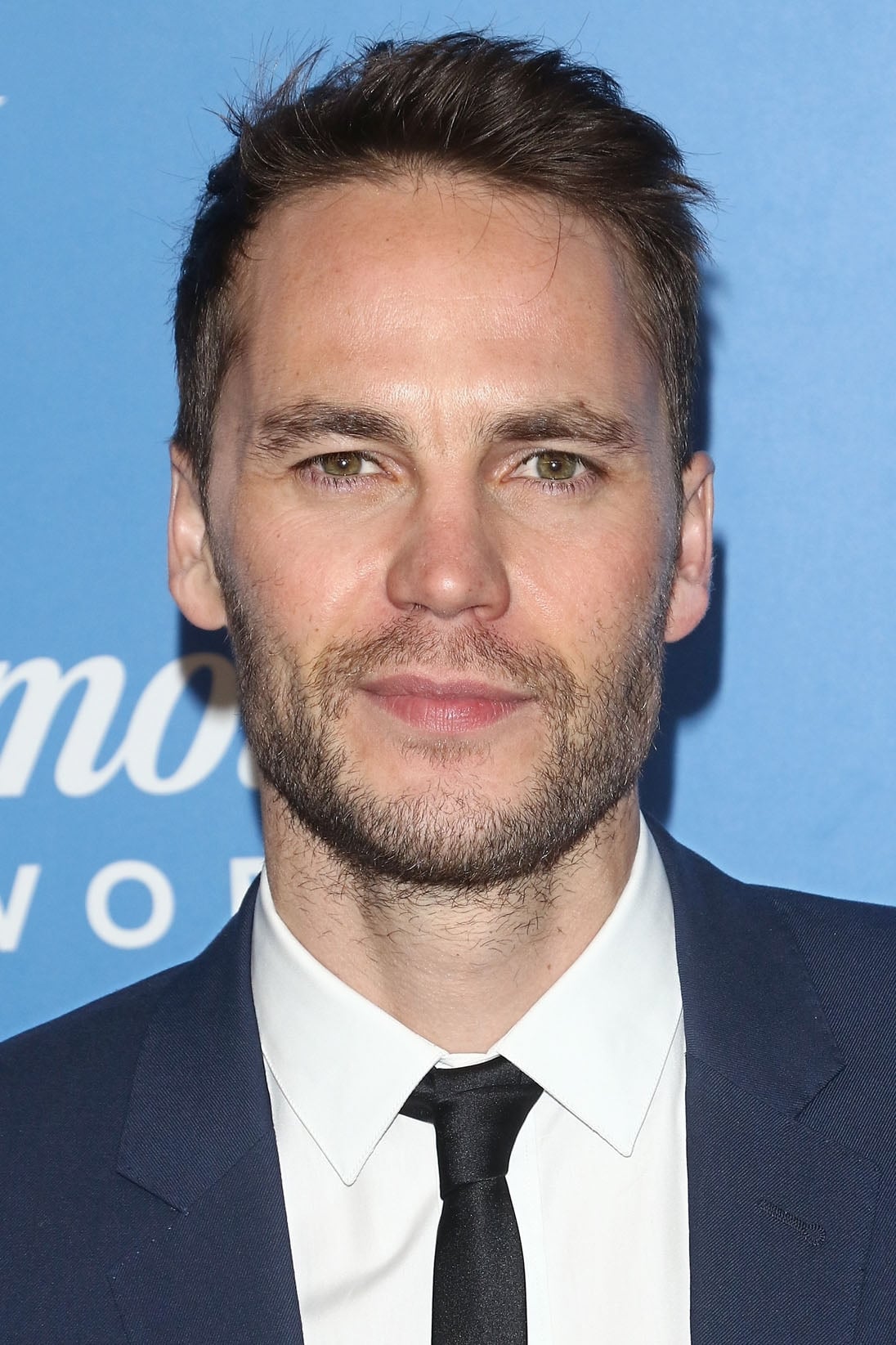
Taylor Kitsch moved from television success to big-budget leads in ‘John Carter’ and ‘Battleship’. Both films struggled at the box office in North America and drew mixed to negative critical reactions. Subsequent roles trended toward supporting parts and limited series. He diversified with true-crime and war dramas after the initial franchise push.
Liam Hemsworth
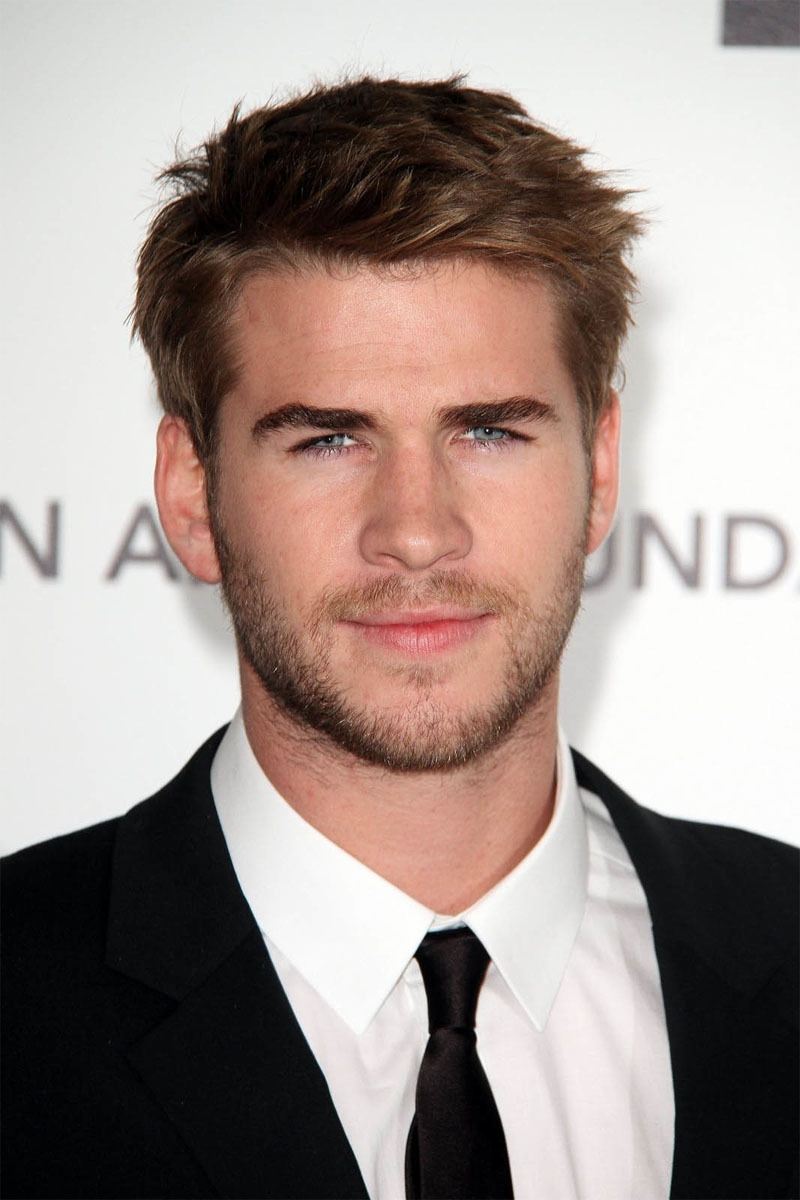
Liam Hemsworth gained visibility in ‘The Hunger Games’ series and later led ‘Independence Day: Resurgence’. Critics often described his performances as restrained with minimal character shading. His later projects include action thrillers and streaming originals. Leading roles continued but with modest critical traction.
Orlando Bloom
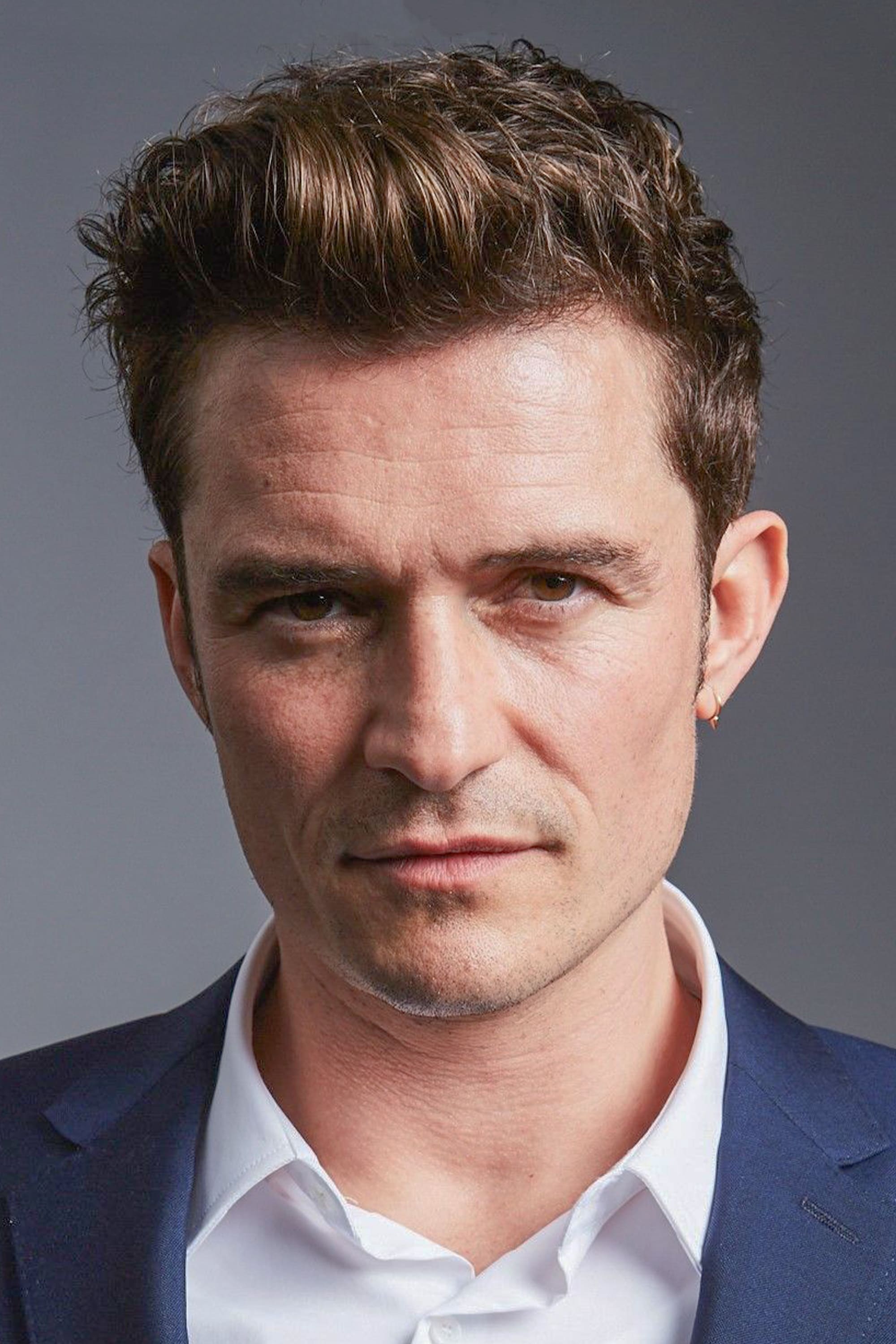
Orlando Bloom became widely known through ‘The Lord of the Rings’ and ‘Pirates of the Caribbean’. Early notices praised presence while later critiques pointed to flat dramatic range in non-franchise films. He shifted between ensemble epics and smaller thrillers. Stage and television roles supplemented intermittent film leads.
Jaden Smith

Jaden Smith’s on-screen work includes ‘The Pursuit of Happyness’, ‘The Karate Kid’, and ‘After Earth’. Reviews for later projects frequently cited awkward line delivery and limited emotional variety. He branched into music and fashion while appearing sporadically in films. Streaming and experimental releases became his primary outlets.
Nick Swardson
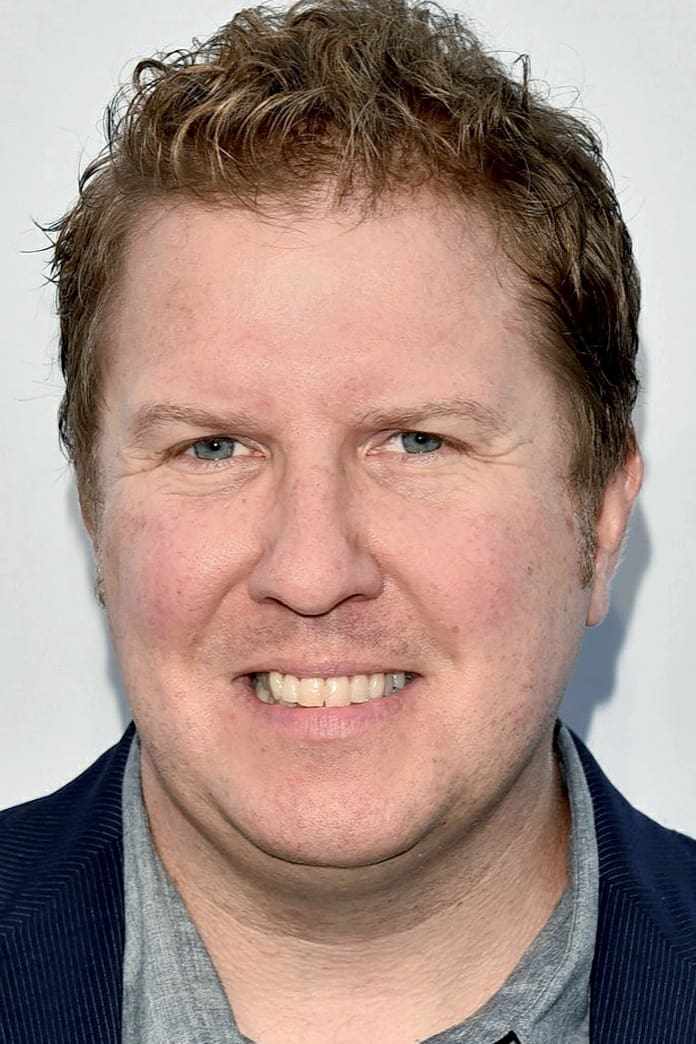
Nick Swardson appeared in ‘Grandma’s Boy’, ‘Bucky Larson: Born to Be a Star’, and multiple ensemble comedies. His starring vehicle drew particularly harsh reviews and box office weakness. He remained a regular collaborator in broad studio comedies. Stand-up specials and voice roles kept his profile steady.
David Hasselhoff
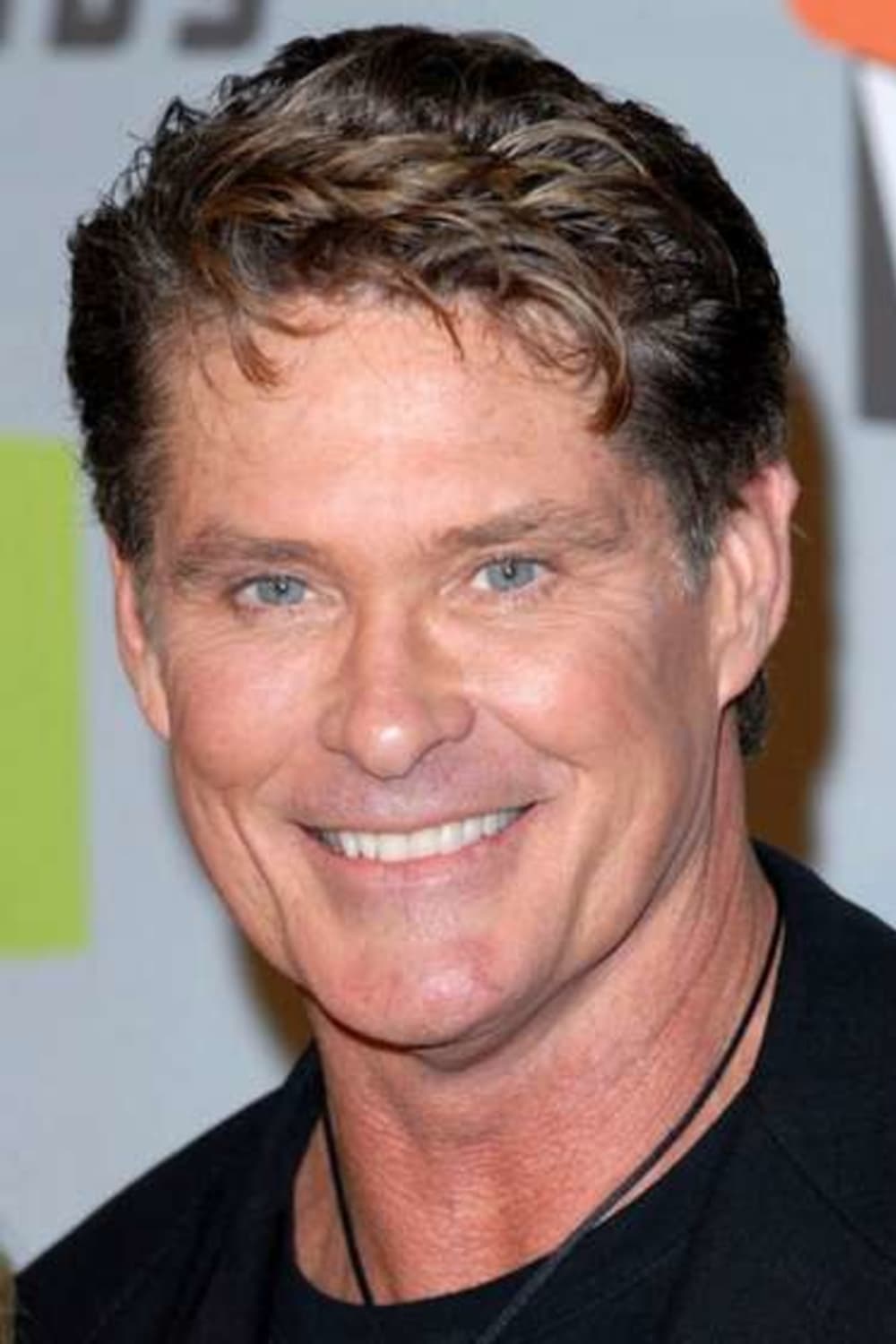
David Hasselhoff’s acting brand formed around ‘Knight Rider’ and ‘Baywatch’ before moving into cameos and self-referential roles. Film performances often leaned on nostalgia rather than character depth. He cultivated a global fan base through television and music. Feature leads were rare and generally panned.
Dolph Lundgren
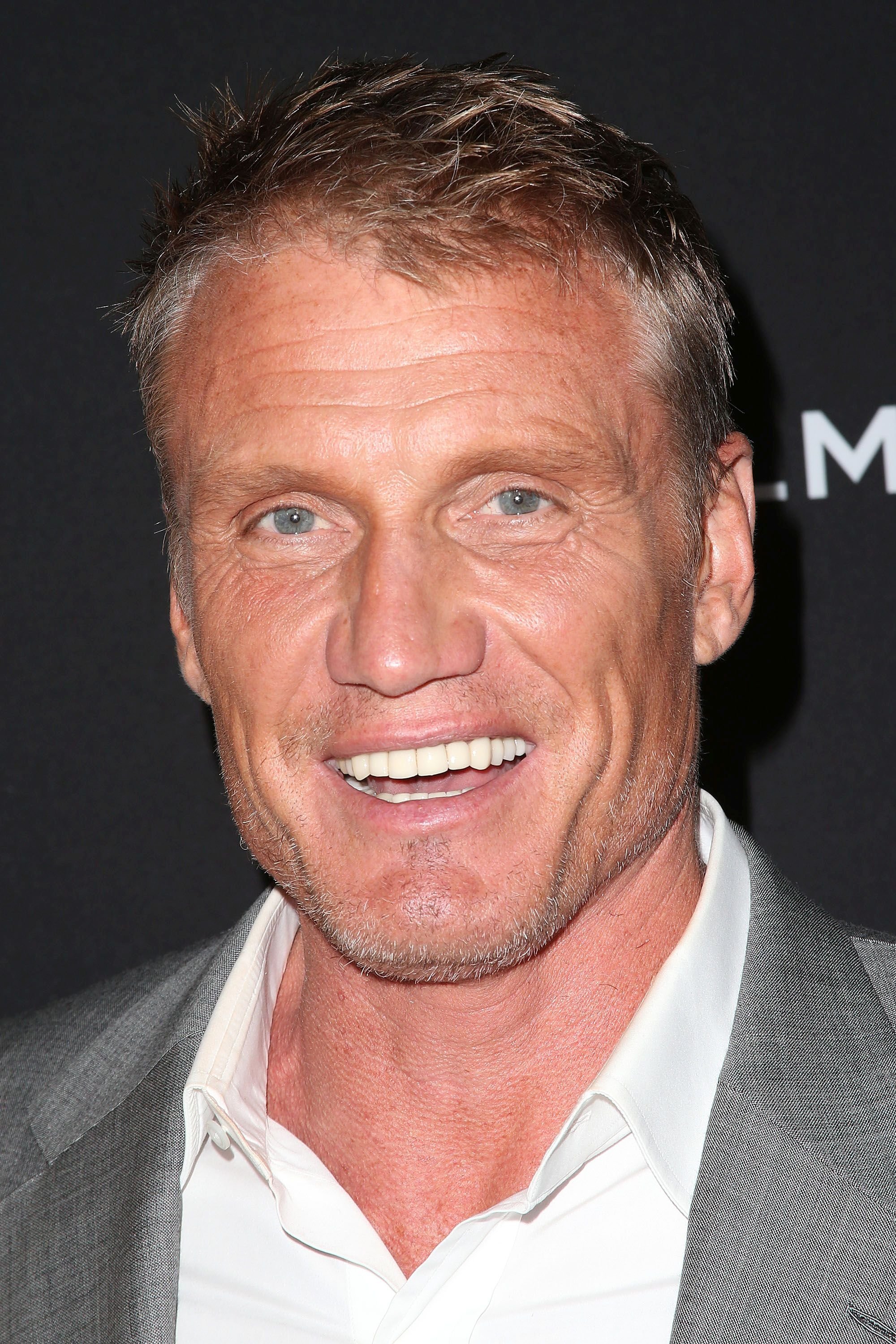
Dolph Lundgren’s career centers on action films like ‘Rocky IV’, ‘Universal Soldier’, and numerous direct-to-video titles. Performances typically emphasized stoic demeanor over dialogue-heavy scenes. He maintained a prolific output across international markets. Ensemble appearances in ‘The Expendables’ revived mainstream visibility.
Jean-Claude Van Damme
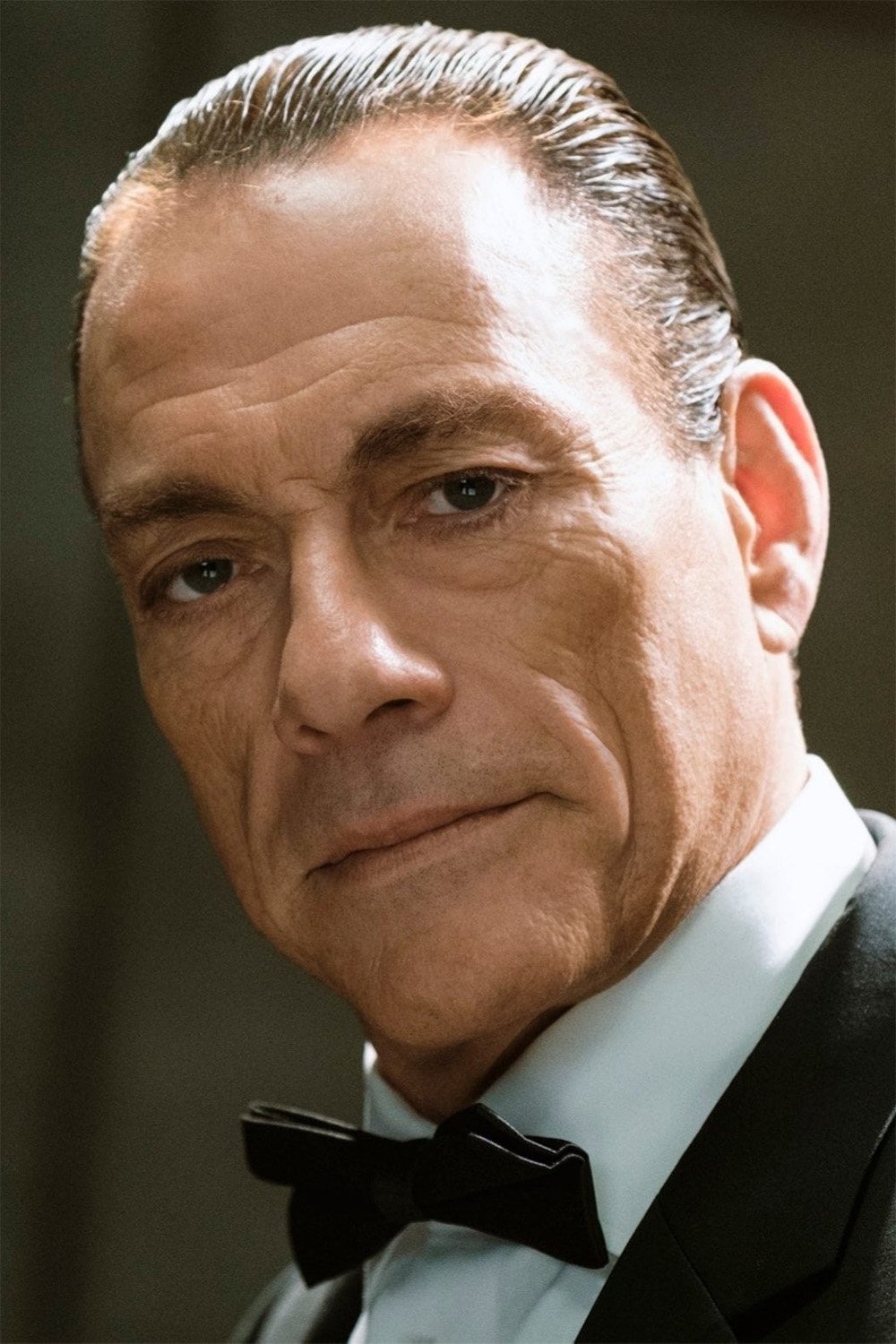
Jean-Claude Van Damme led martial arts hits such as ‘Bloodsport’, ‘Kickboxer’, and ‘Timecop’. Critics commonly noted limited acting range offset by athletic choreography. Many later releases went direct to video with niche audiences. Occasional self-aware roles provided brief critical upticks.
Arnold Schwarzenegger
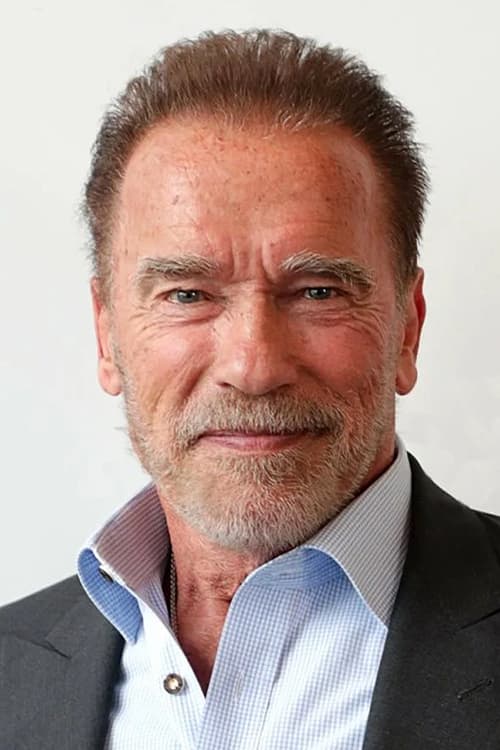
Arnold Schwarzenegger dominated action cinema with ‘The Terminator’, ‘Commando’, and ‘Predator’. Reviews across decades frequently highlighted charisma over versatility. Post-political comeback projects received mixed to negative notices outside established franchises. He continued to prioritize brand recognition in casting choices.
Scott Eastwood
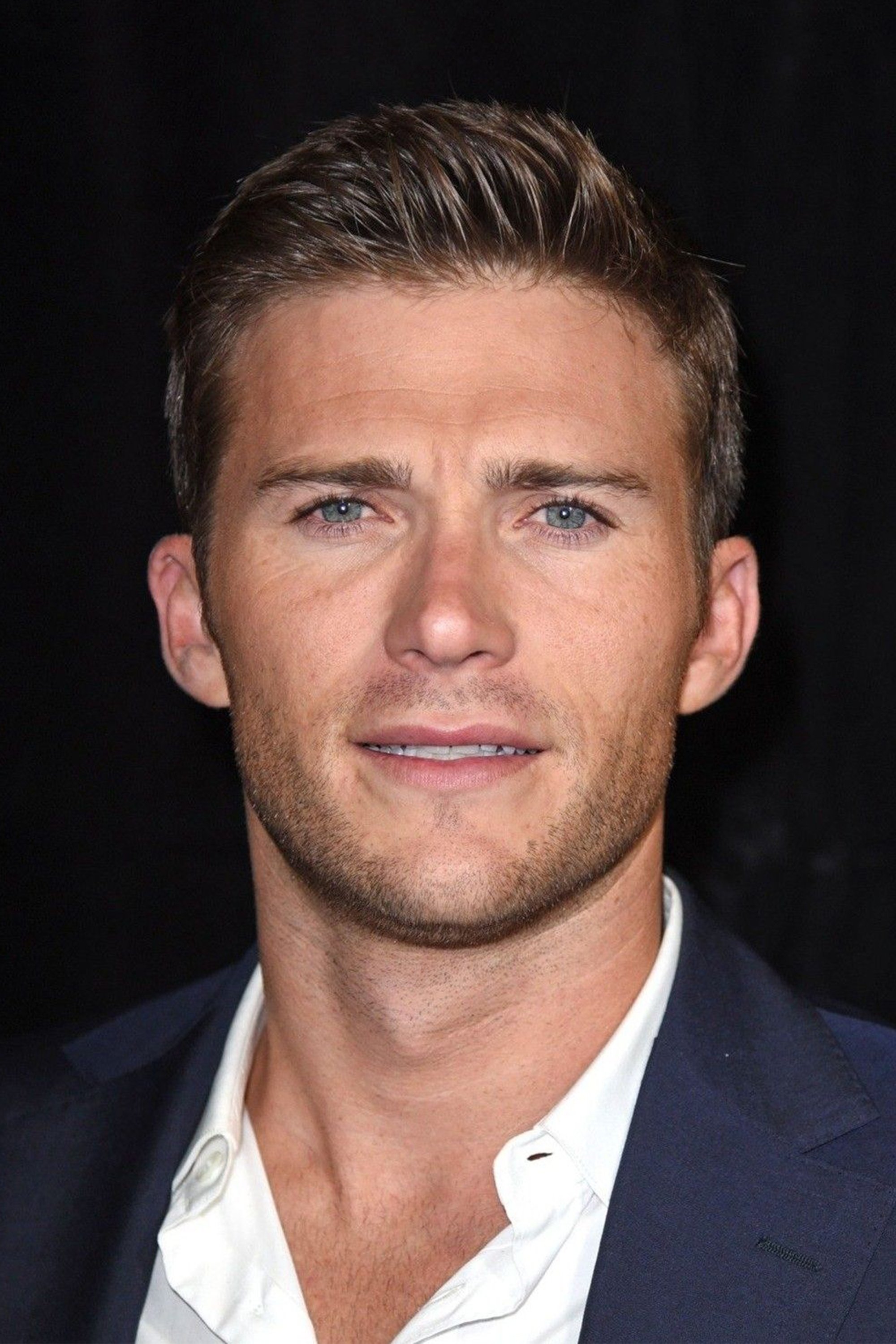
Scott Eastwood appeared in ‘The Longest Ride’, ‘Suicide Squad’, ‘The Fate of the Furious’, and ‘Pacific Rim: Uprising’. Critical notes often referenced rigid delivery and minimal character differentiation. He pursued steady roles in action and war films. Supporting parts in major franchises increased visibility without major acclaim.
LeBron James
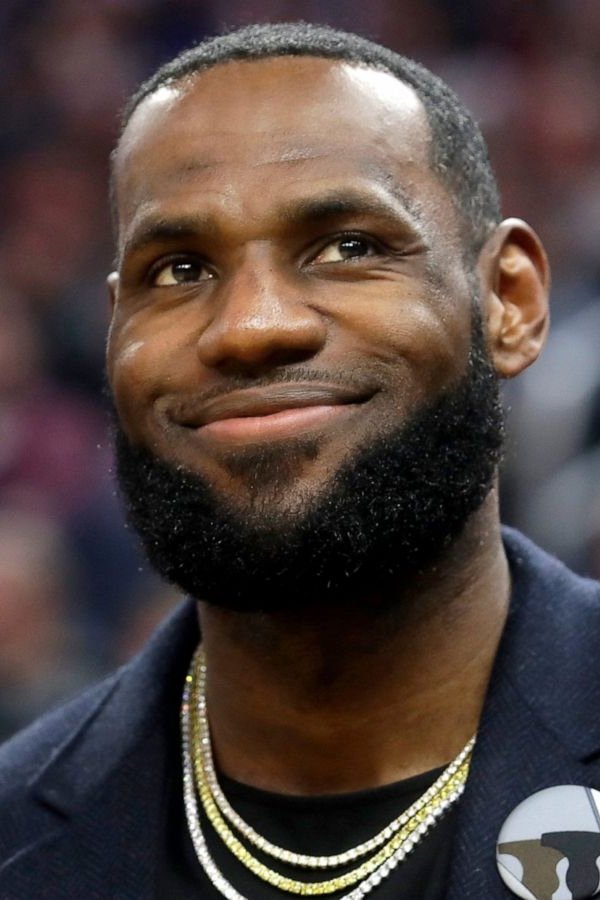
LeBron James transitioned from cameos to a lead in ‘Space Jam: A New Legacy’. Coverage of his performance focused on promotional appeal over acting craft. He continued producing and appearing in sports-adjacent media. His screen presence is primarily tied to brand partnerships and event releases.
Ja Rule
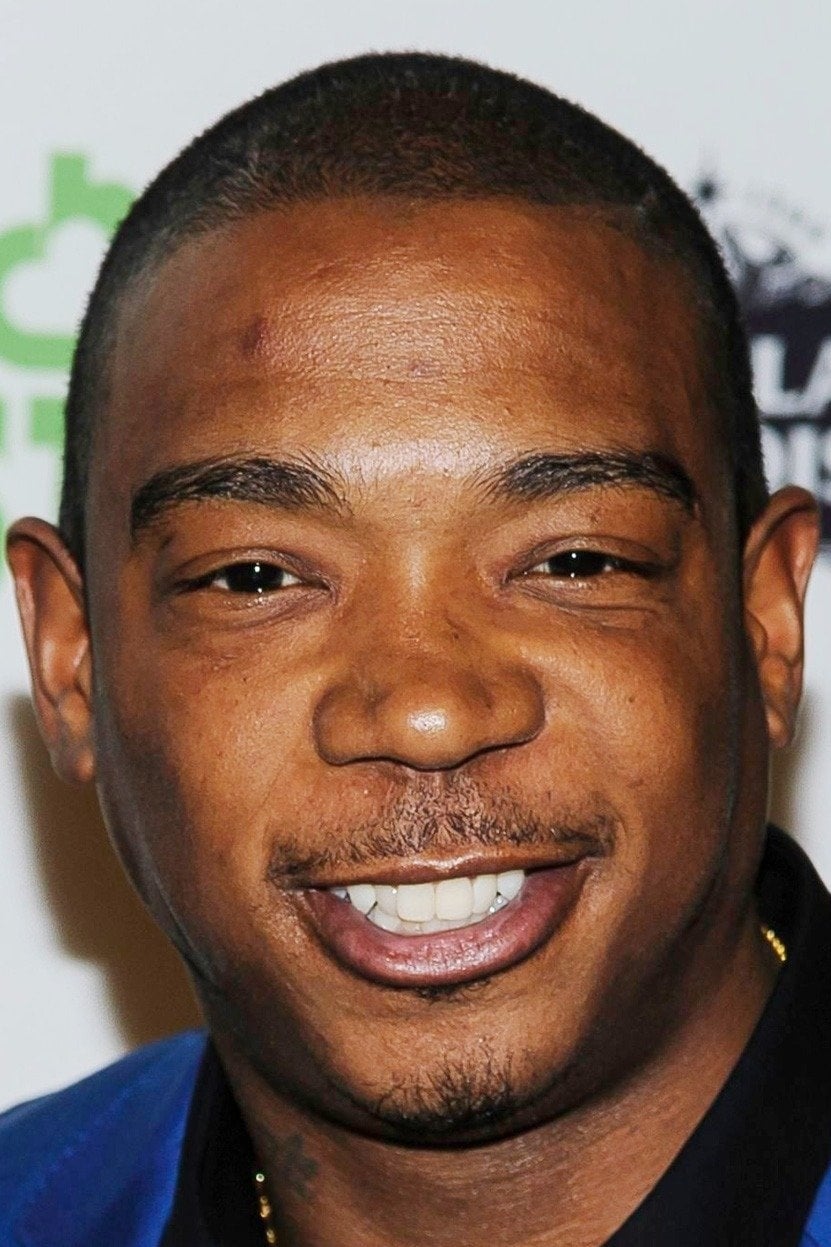
Ja Rule’s acting credits include ‘The Fast and the Furious’, ‘Half Past Dead’, and ‘I’m in Love with a Church Girl’. Performances drew modest to negative reviews while leveraging his music profile. Many roles were limited or ensemble-based. Releases frequently targeted niche home entertainment markets.
50 Cent
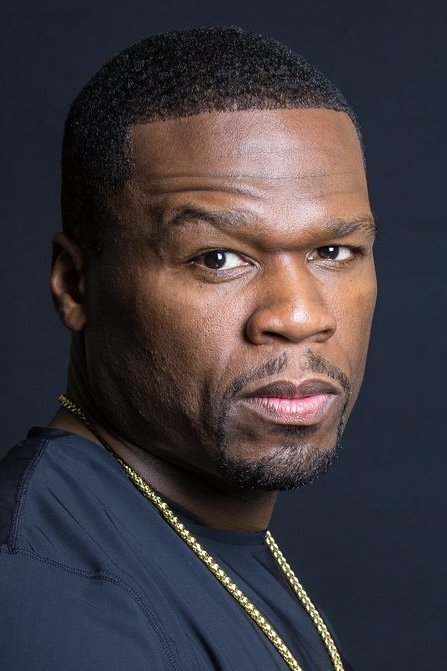
Curtis “50 Cent” Jackson led or co-starred in films like ‘Get Rich or Die Tryin’’, ‘Righteous Kill’, and numerous direct-to-video action titles. Reviews often cited monotone delivery and narrow character types. He built a stronger reputation as a television producer and executive. Acting roles continued alongside business ventures.
Dane Cook
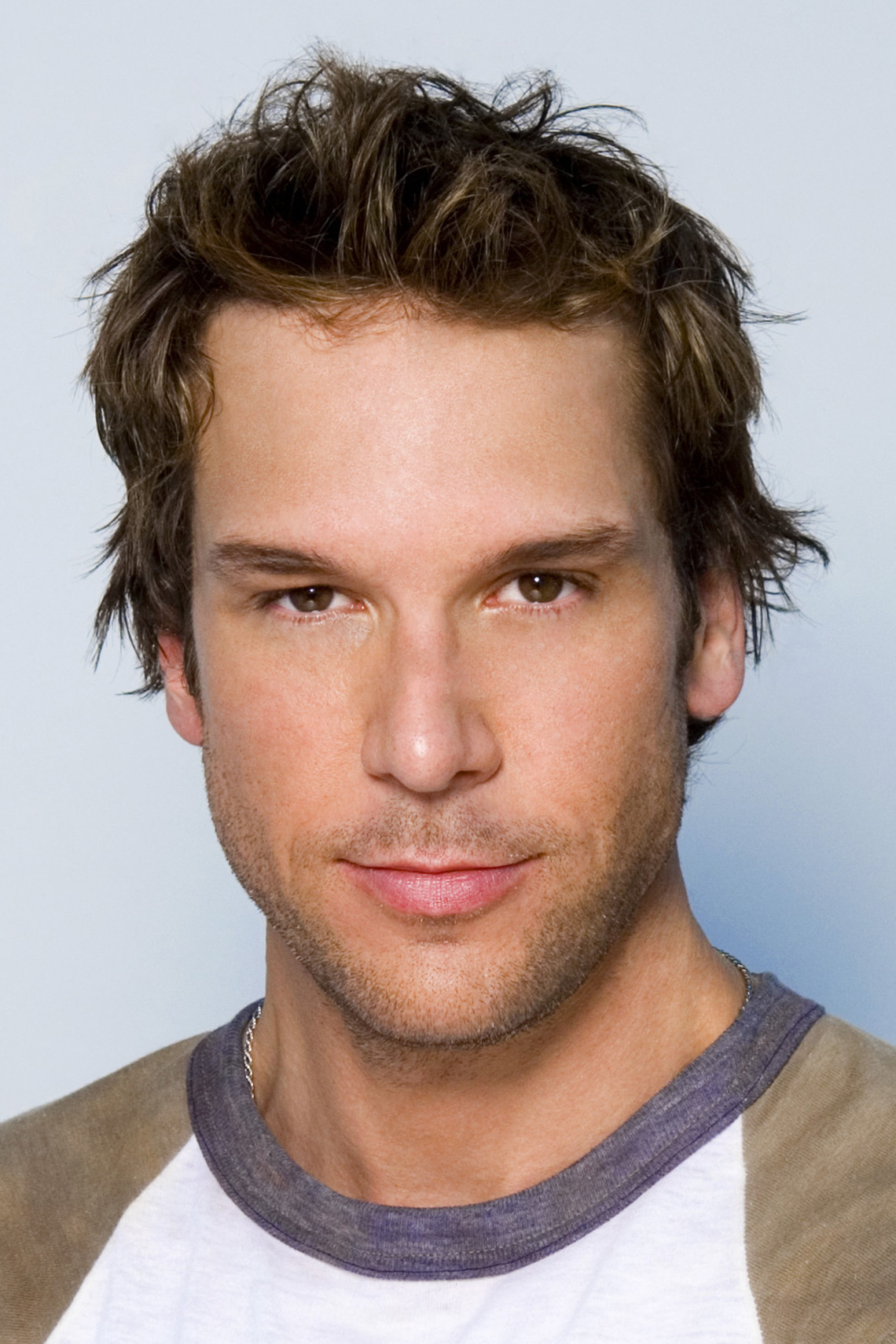
Dane Cook starred in ‘Employee of the Month’, ‘Good Luck Chuck’, and ‘My Best Friend’s Girl’. Critical response to his leads was largely unfavorable despite regular media attention. He maintained a robust stand-up career and voice roles in animation. Theatrical film starring opportunities decreased over time.
Brandon Routh
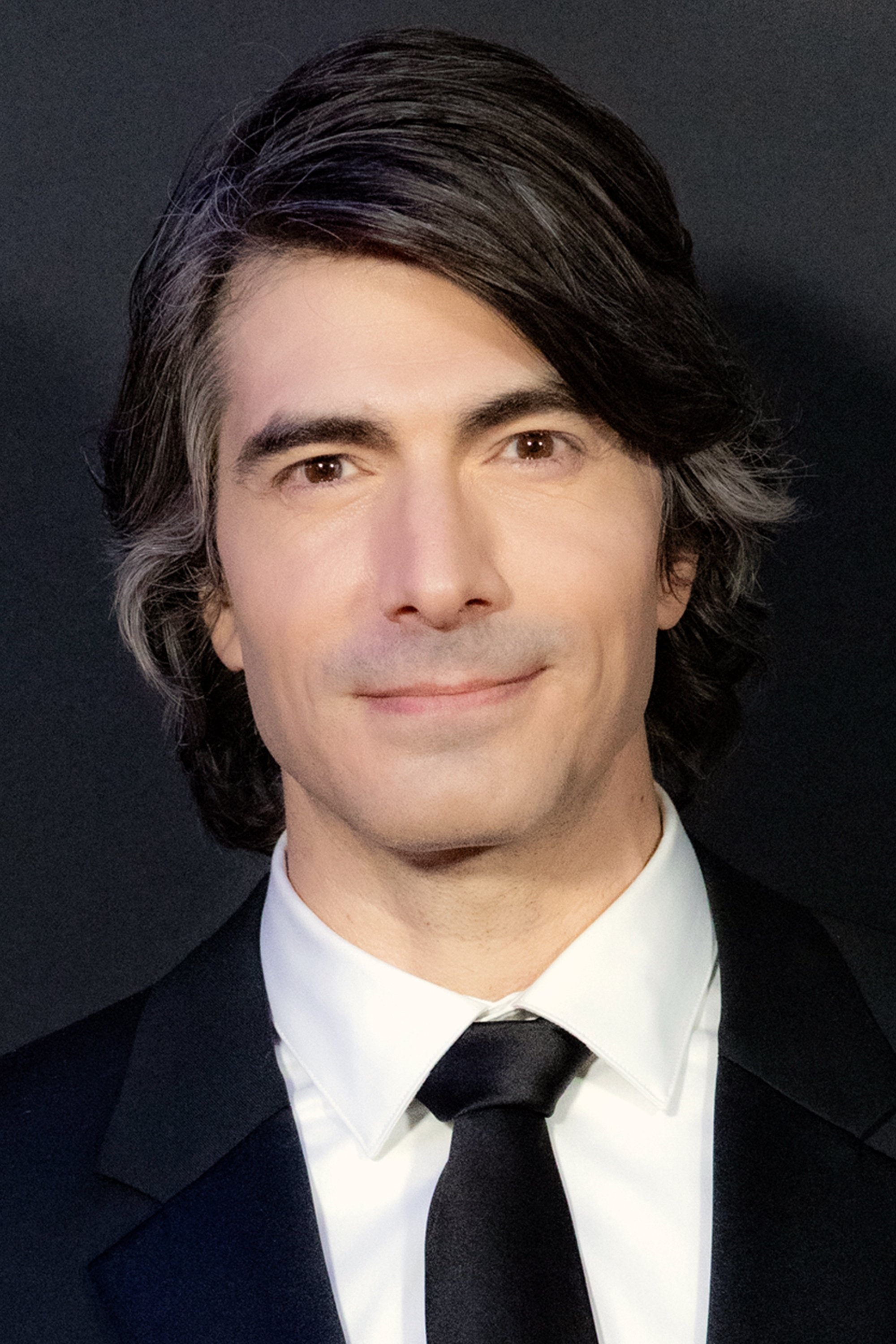
Brandon Routh’s breakout came with ‘Superman Returns’, followed by supporting roles in ‘Scott Pilgrim vs. the World’ and TV crossovers. Responses to his early lead highlighted stiffness and reliance on homage. He found steadier work in genre television ensembles. Subsequent film leads were infrequent.
John Cena
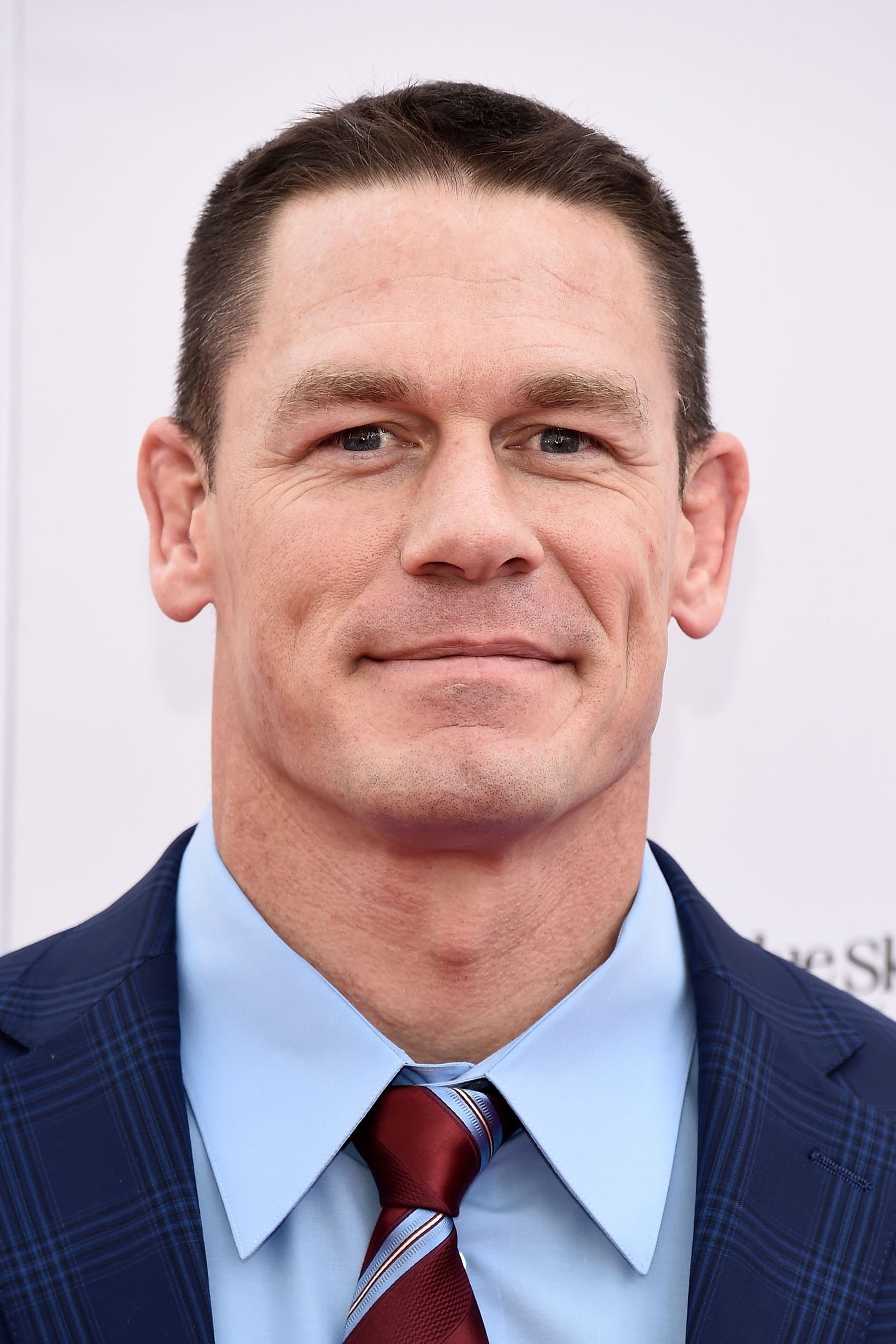
John Cena shifted from wrestling to films like ‘The Marine’, ’12 Rounds’, and later franchise entries. Early projects received mixed to negative reviews emphasizing limited dramatic nuance. He broadened into comedy and family titles with varied reception. Franchise and ensemble roles remain the core of his screen work.
Share your own picks and the roles that sealed them in the comments.