

15 Worst Anime Battles of All Time, Ranked

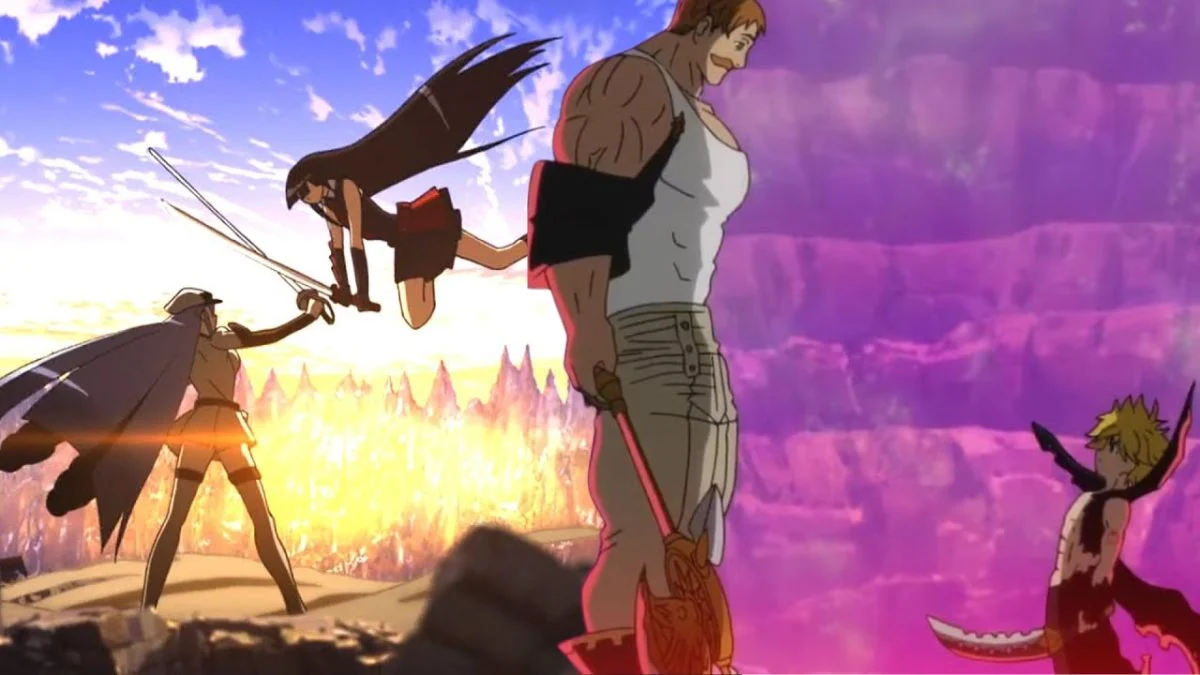


Some anime showdowns promise the moon and end up delivering something much smaller. You clear your schedule for the big clash, the characters finally collide, and then the moment turns into recap stretches, abrupt shortcuts, or choices that move important beats off the screen. When that happens, you are left remembering the buildup rather than the fight itself.
This countdown looks at well known battles that landed with less force than their setup suggested. For each entry, you will find what the story set up, what the camera actually showed, and the specific production choices that shaped the outcome. Studio details are included quietly so you can place each fight in its broader production context.
15. Goku vs Frieza, rematch — ‘Dragon Ball Super’
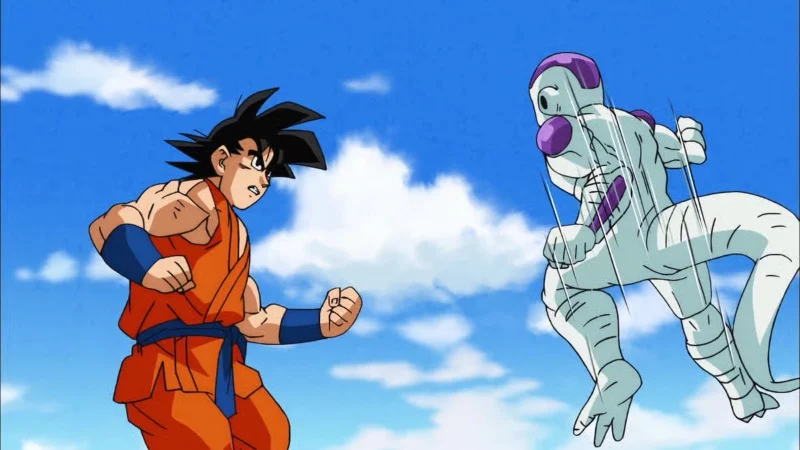
This rematch retells the ‘Resurrection ‘F’’ story in series form, so the setup follows the movie’s beats while expanding the lead-in across multiple episodes. The fight centers on the new blue transformation and Frieza’s golden form, with the pacing shaped by frequent cutaways to the supporting cast, a poison subplot, and the ticking clock on Goku’s stamina.
Because the arc adapts a feature film into weekly television, it repeats key story turns and stretches reaction shots between exchanges. The production comes from Toei Animation, which balanced this arc alongside other long-running commitments, and the result uses simple shot compositions more often than explosive new layouts.
14. Goku vs Beerus, retelling — ‘Dragon Ball Super’
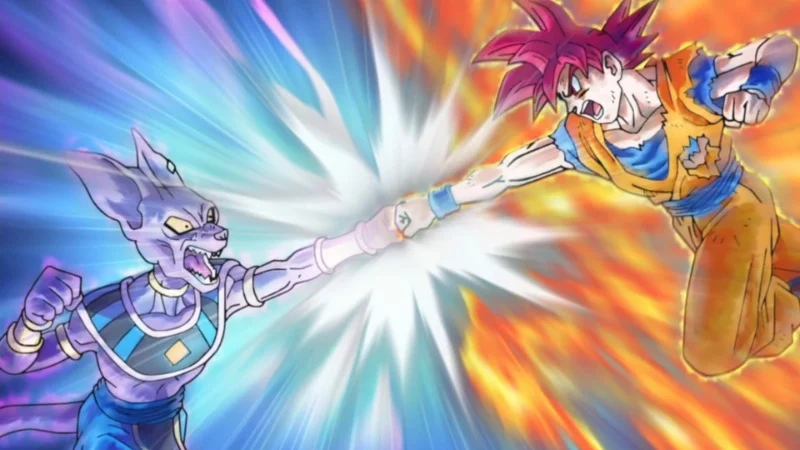
This storyline adapts the ‘Battle of Gods’ movie into weekly episodes, expanding the arrival of Beerus, the Super Saiyan God ritual, and the long aerial exchange into a multi-part arc. The structure adds extra side scenes around Bulma’s party and the Dragon Balls while revisiting the same high-altitude trading of blows across repeated angles and long reaction cuts.
Because the television version stretches a feature-length clash into serialized time, many cuts linger on dialogue and crowd inserts rather than new choreography. The production comes from Toei Animation, and the broadcast pacing emphasizes incremental power comments and reset beats between strikes, which leaves the central fight circling the same notes before the result is declared.
13. Meliodas vs Escanor (first meeting payoff) — ‘The Seven Deadly Sins’
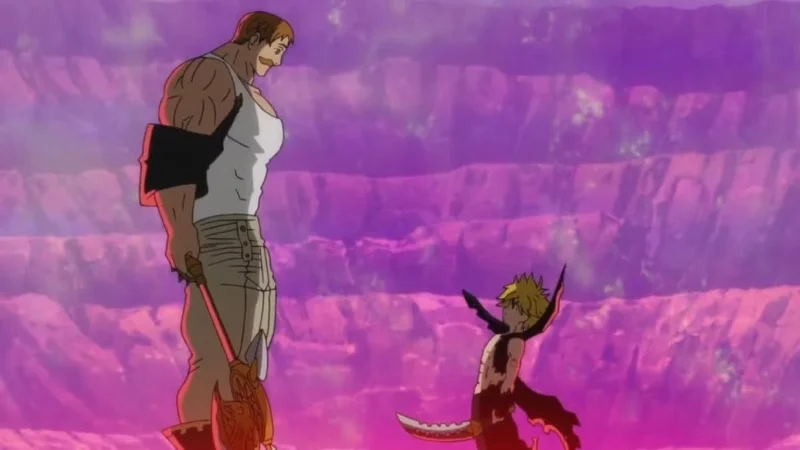
The characters’ power sets are introduced with careful rules, and their clash is staged as the moment when pride meets demon fury at high noon. The script points to noon as a built-in dramatic timer, which should lock the fight’s tempo to Escanor’s rising strength.
What made it to air often cuts around frames that would normally sell weight and motion, with simple smears covering transitions between poses. This season was handled by Studio Deen after earlier seasons were built at A-1 Pictures, and the changeover coincided with visible shortcuts during big sequences that should have carried the arc.
12. Guts vs assorted Apostles — ‘Berserk’ (2016)
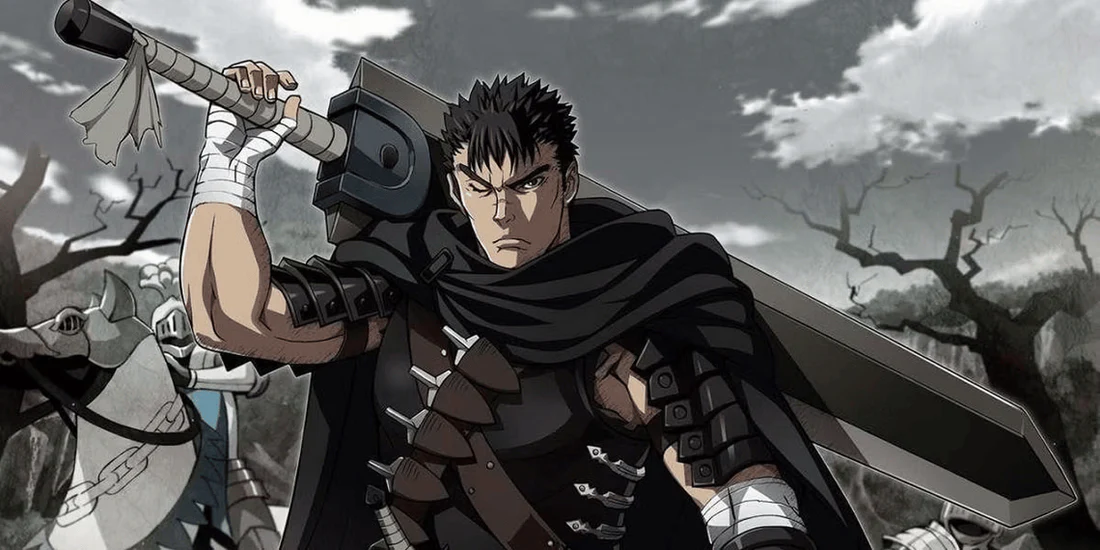
The adaptation sets up Guts as a lone force against monstrous Apostles, with nighttime hunts, cannon swings, and sword arcs meant to anchor a brutal rhythm. The Apostles arrive with body horror designs that call for heavy impact framing to land the intimidation and pay off the Black Swordsman mystique.
Much of the action relies on low-frame 3D models and frequent camera shakes that stand in for follow-through, which blunts the sense of contact. This version is produced by GEMBA and Millepensee, and the CG-first pipeline often places weightless movement where earlier hand-drawn material in the franchise emphasized heft.
11. Kirito vs PoH — ‘Sword Art Online: Alicization – War of Underworld’
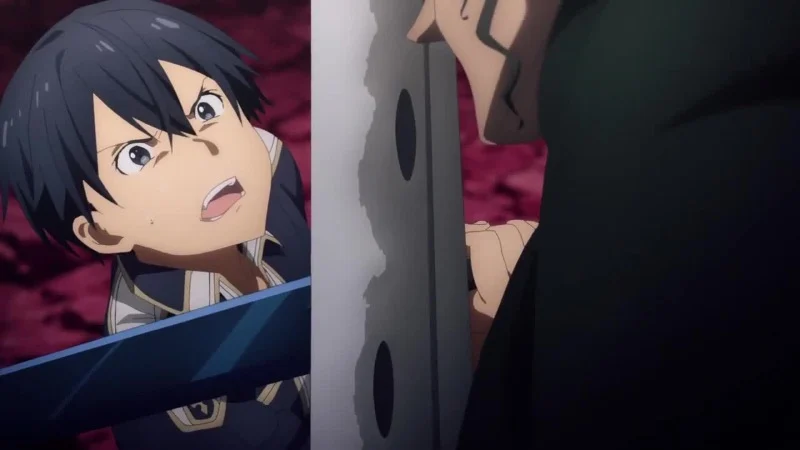
The story prepares this confrontation across a long recovery, tying Kirito’s return to accumulated trauma, bonds, and system logic. The battlefield is full of allied avatars and rival forces, so the duel is supposed to sit at the center of a much wider conflict as the fuse finally reaches the charge.
The episode spends significant time revisiting earlier moments before shifting into a short burst of decisive techniques that quickly settles the outcome. A-1 Pictures produced the arc, and the episode structure leans on flashback inserts and long pans over still compositions just when the duel is meant to expand.
10. Natsu vs Zeref, final round — ‘Fairy Tail’
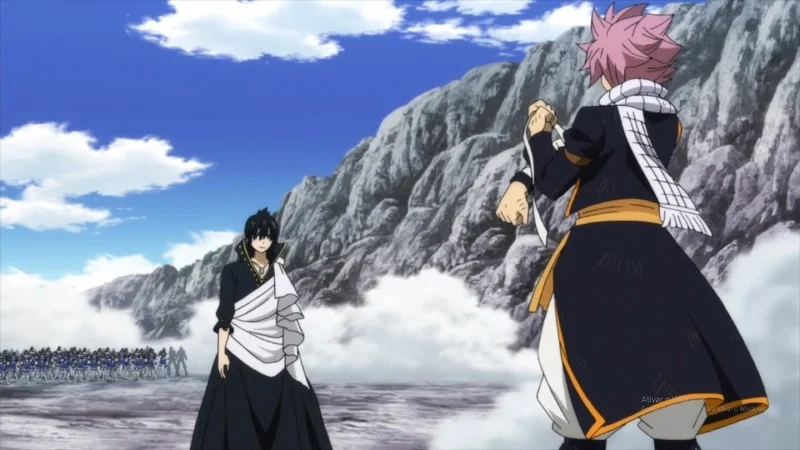
Generations of lore set up this meeting with the Fairy Heart plot device and time-bent history that ties guild legacy to the last enemy. The battlefield gathers multiple subplots into one arena, giving the impression that everything will be resolved through a layered, back-and-forth contest.
Instead, the exchange compresses key beats into quick reveals, with power-spike explanations arriving right as the finishing blow lands. The final season lists A-1 Pictures alongside CloverWorks and Bridge, and the production splits attention between many simultaneous showdowns, which leaves this marquee fight with less room to breathe.
9. Saitama vs Elder Centipede — ‘One-Punch Man’ Season 2
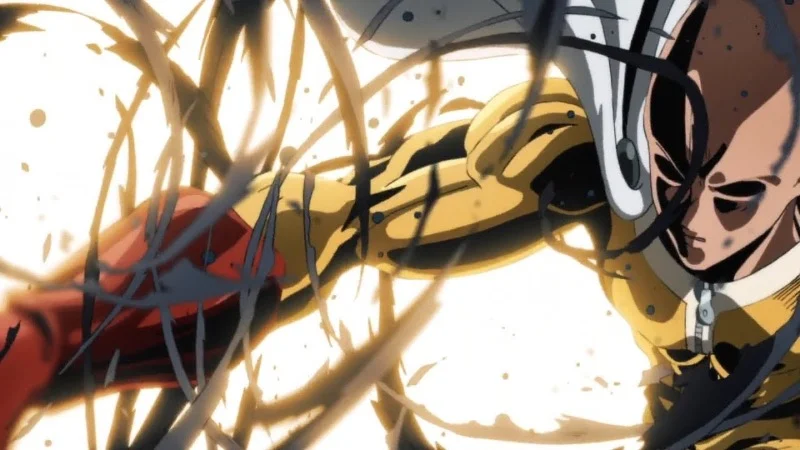
The setup stretches across several episodes of monster escalation, with the colossal centipede framed as a moving disaster that resists everyone else. Hero Association politics and tournament detours all slide toward the moment Saitama finally steps in to end the threat.
When he arrives, the finish happens in a blink, which fits the character’s gag but reduces the build that preceded it to a single cut. Season 2 is by J.C.STAFF rather than Madhouse, and the staging favors static angles with speedline transitions that keep the climax from feeling like the sprawling pay-off the earlier episodes outlined.
8. Emma’s group vs Peter Ratri’s control — ‘The Promised Neverland’ Season 2
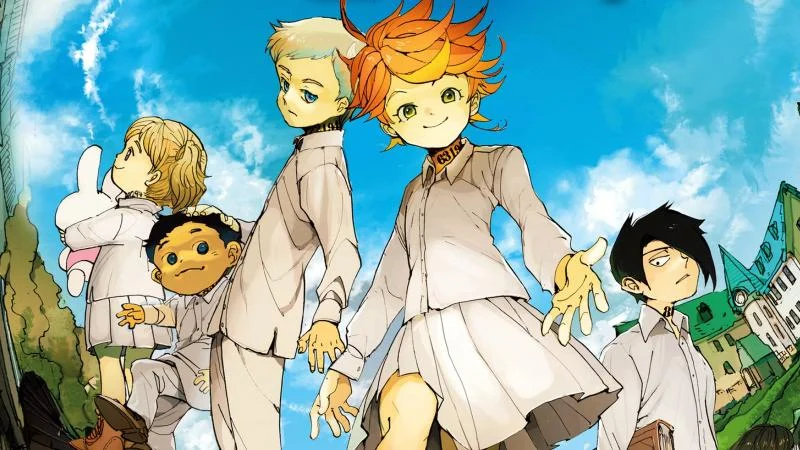
Across the story, the farm system and human collaborators are positioned as the strategic endgame, with infiltrations and alliances setting up a coordinated strike. The season signals a large series of operations, including rescues and sabotage, which would normally play out in detail.
Instead, much of the conflict is summarized through a rapid montage that skips individual set pieces and jumps straight to results. CloverWorks produced the season on a compressed route that bypassed entire arcs, and the choice to condense these confrontations into snapshots removes the on-screen battles the setup implies.
7. Naruto, Sasuke, and Sakura vs Kaguya — ‘Naruto Shippuden’
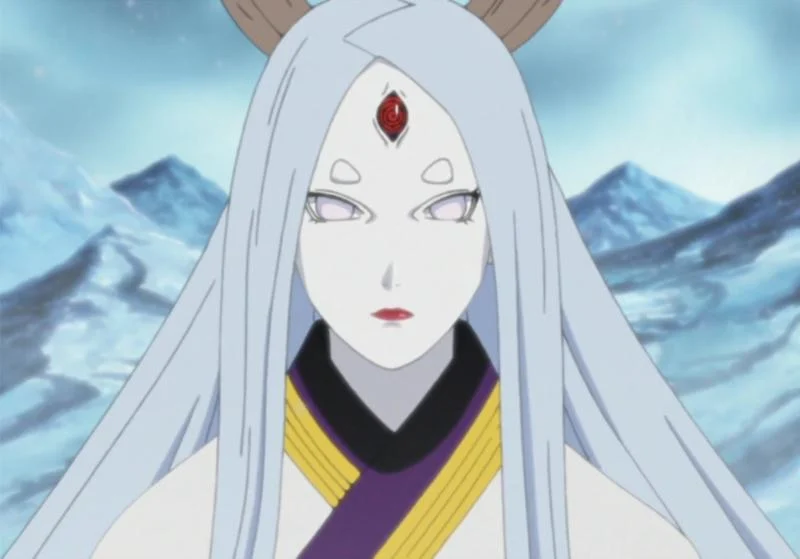
The long war arc funnels every faction toward this final opponent, with dimension hopping and chakra lore raising the ceiling for creativity. The battlefield changes locales midstream, which promises varied terrain advantages and a series of tactical adjustments.
What appears on screen alternates between inventive panels and stretches of repetitive exchanges that check boxes on the road to sealing. Studio Pierrot produced this stretch while also managing weekly output across hundreds of episodes, and the schedule shows in the uneven focus from cut to cut.
6. Ichigo vs Aizen, decisive clash — ‘Bleach’
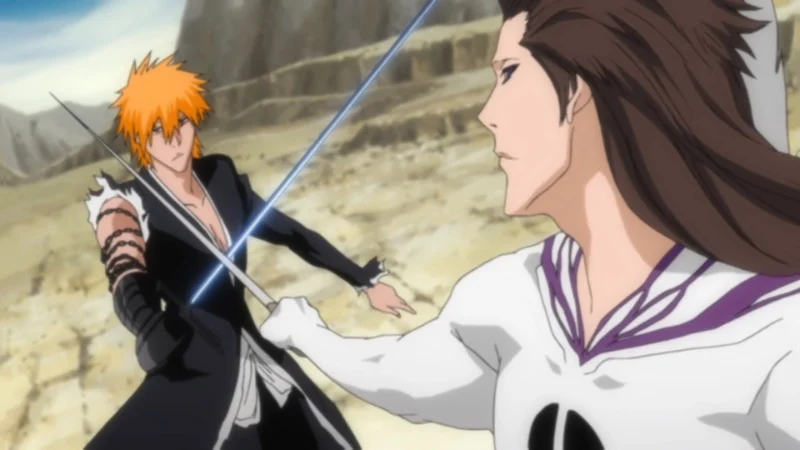
The setup highlights escalating transformations and the Hōgyoku’s will, with Ichigo choosing a one-time technique that trades future power for a single window of dominance. The script frames the duel as the end of a multi-year chase that finally corners an invincible foe.
The exchange resolves in a short burst after long pursuit, with the sealing plan doing most of the work once the technique lands. Studio Pierrot’s run spreads resources across many characters and arcs, and this capstone turns quickly from combat to aftermath once the plan triggers.
5. Inuyasha vs Naraku, final purification — ‘Inuyasha: The Final Act’
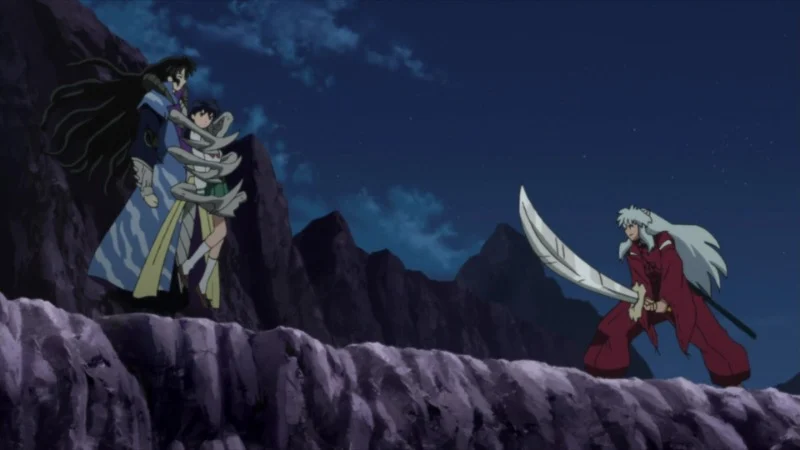
The story plants the last confrontation inside the Shikon Jewel’s will, blending physical combat with wish mechanics and spiritual resolve. Years of shard chasing and betrayals converge, which suggests a labyrinth of counters and traps before the jewel can be purified.
The resolution moves briskly through the steps and then switches to falling action, leaving less time than expected for a measured duel. Sunrise produced this concluding series with a tight 26-episode runway, and the adaptation compresses late-manga material so the ending arrives on schedule.
4. Maka vs Asura, anime-original finish — ‘Soul Eater’
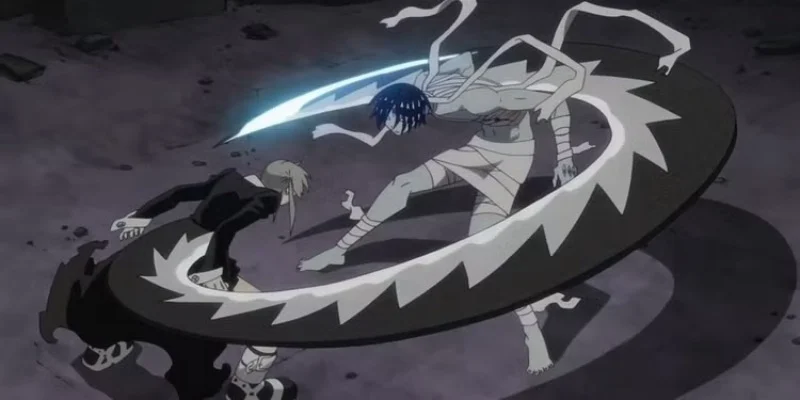
The path to the Kishin positions him as the source of madness across the world, with weapon-meister pairs trained for an all-out finale. The arc stages a climb that should culminate in coordinated techniques and a showcase of resonance scaling under pressure.
For the broadcast ending, the series pivots into an original conclusion that resolves the fight through a sudden shift rather than an extended exchange. Bones handled the adaptation and chose to depart from unfinished source material at the time, which replaced a drawn-out confrontation with a swift wrap-up.
3. Alucard vs Incognito — ‘Hellsing’ (2001 TV)
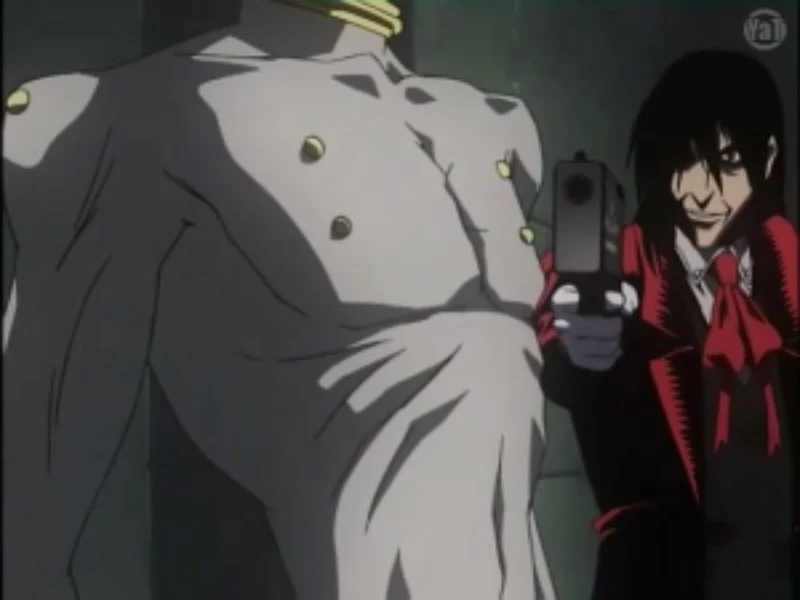
London falls into chaos as the organization faces a villain created for the television version, which sets up a final encounter unlike the manga’s later conflicts. The buildup promises a clash that would match the earlier monster hunts while paying off the Vatican tension and police involvement.
The series ends the fight quickly once the transformation lands, then moves into denouement instead of escalating through multiple phases. The 2001 run is by Gonzo, produced well before the later ‘Hellsing Ultimate’ remakes, and the original path chosen here trades scale for a fast conclusion.
2. Akame vs Esdeath — ‘Akame ga Kill!’
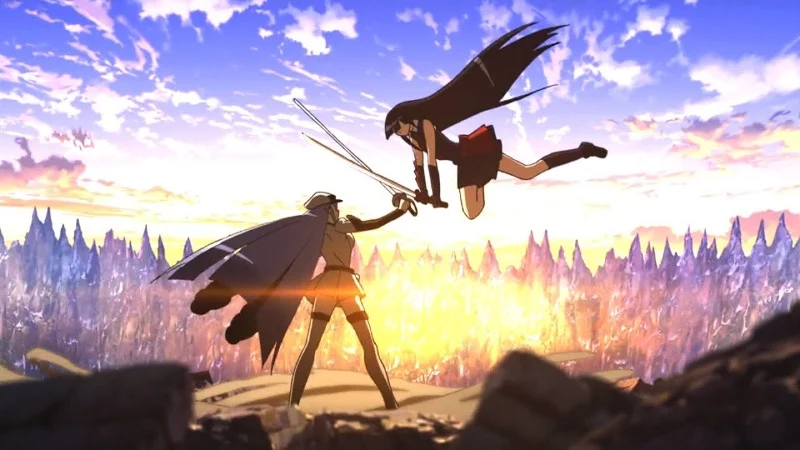
The capital’s collapse funnels the strongest fighters into a last duel where Imperial Arms and trump cards determine survival. The streets become the ring, civilian danger spikes, and the script frames the encounter as the point where ideology and technique collide.
The clash narrows to a handful of exchanges before a decisive technique ends it, and the final minutes pivot to aftermath rather than extended combat. White Fox produced the series and diverged from the manga late in the run, which led to a compressed final stretch that leaves little room for a drawn-out finale.
1. Instrumentality over combat, finale focus — ‘Neon Genesis Evangelion’ (TV)
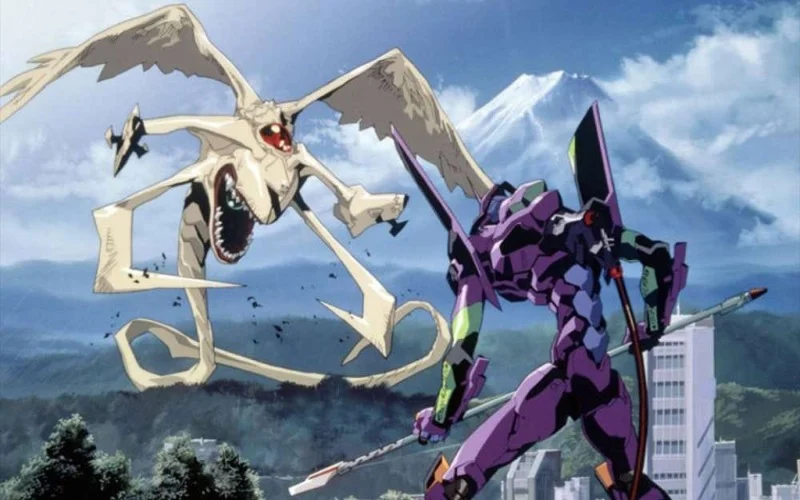
The series threads looming battles through its last act, but the final two episodes turn inward to examine identity and choice within Instrumentality. The broader war becomes background noise as the narrative focuses on voice-over, sketches, and stage-like spaces that depict the characters’ minds.
Those production choices replaced on-screen battle choreography with introspection and experimental boards. Gainax created the television ending under tight constraints and timelines, and the result closes the story through internal conflict rather than the external fight many expected to see.
Share the anime battle that let you down the most in the comments so everyone can compare notes.