

10 Worst Anime Power-Ups (Cool Look, Useless Payoff)




Some anime power-ups debut with flashy designs and dramatic reveals, only to fizzle when it comes to lasting impact or real utility. The following examples looked great on screen but brought heavy drawbacks, inconsistent results, or one-and-done appearances that limited their value. Each entry notes where it showed up and how it actually played out in the story. Studios are mentioned so you know who brought these moments to life and how briefly they lasted.
Adult Gon Transformation
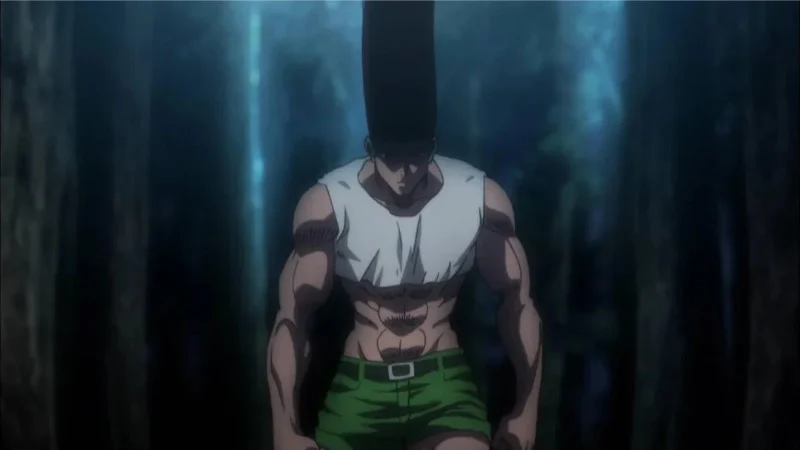
Gon trades his future potential to force a one time transformation that costs him his Nen and puts his life at risk in ‘Hunter x Hunter’. The form appears only to defeat a single opponent and disappears after medical intervention removes his ability to use Nen. The aftermath resets him to normal with no retained benefit or training insight. This arc was animated by Madhouse, which captured the striking look while the story locked it to a single use.
Ichigo’s Fullbring
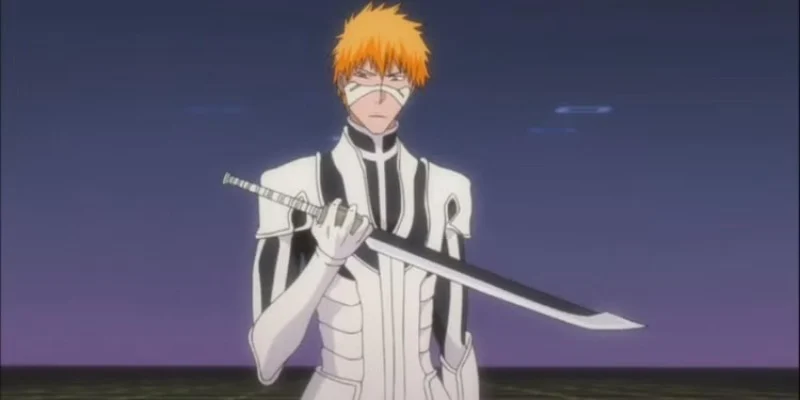
Ichigo gains Fullbring powers in ‘Bleach’ after losing his Shinigami abilities, but they are quickly overwritten when he regains his Soul Reaper powers. The skills tied to Fullbring do not carry forward in a meaningful way and the equipment disappears with the power set. The arc functions as a stopgap between sagas rather than a lasting upgrade. Studio Pierrot animated the brief phase before returning Ichigo to his earlier toolkit.
Renji’s First Bankai
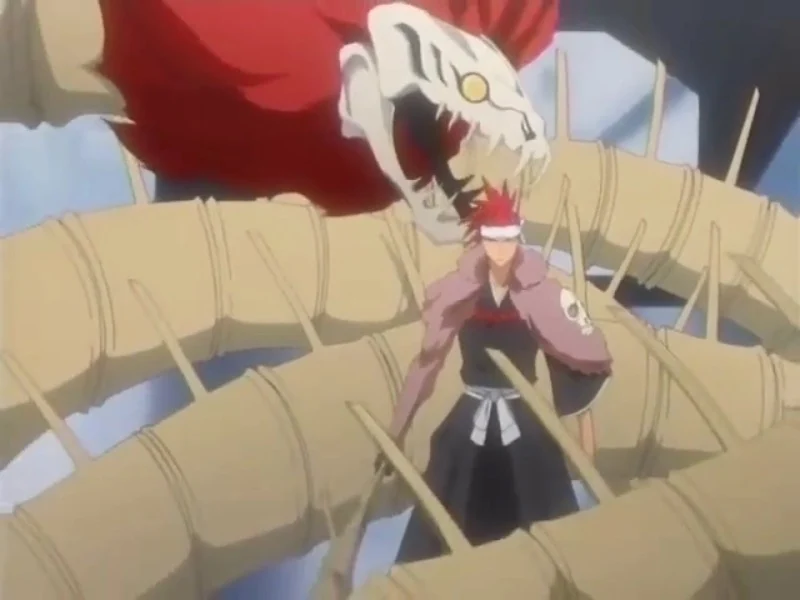
Renji’s initial Bankai in ‘Bleach’ looks imposing yet proves cumbersome and unreliable in drawn out fights. The weapon suffers damage easily and struggles with precision until a later reveal corrects it with a true form. Once the genuine Bankai arrives, the earlier version is essentially discarded. Studio Pierrot presents both iterations, which makes clear how little the first one offers.
Sanji’s Raid Suit
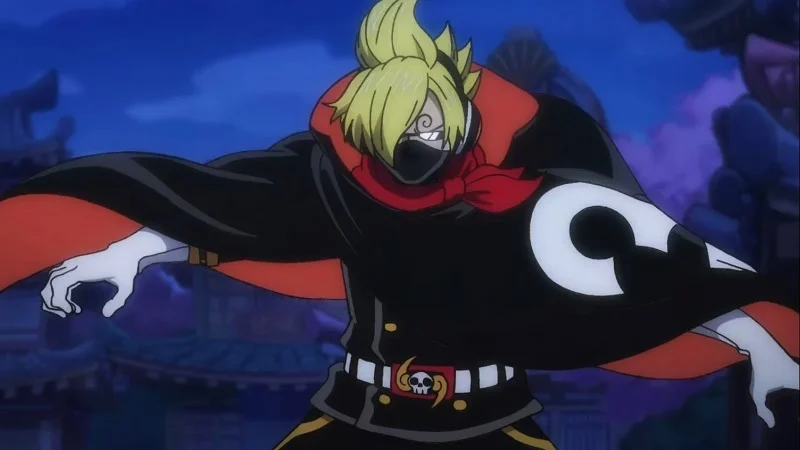
Sanji tests the Germa raid suit in ‘One Piece’ and gains invisibility and defensive boosts, but he later destroys the suit and abandons the upgrade entirely. The equipment adds a new fighting angle for a handful of clashes before Sanji rejects it for personal reasons tied to his family. With the suit gone, none of its benefits persist in his move set. Toei Animation depicts the temporary boost during the Wano period before it exits the story.
Boruto’s Jōgan
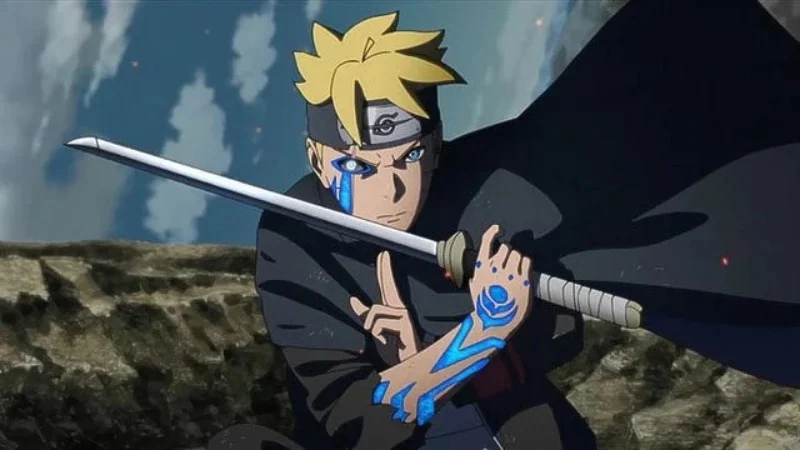
Boruto’s mysterious eye appears sporadically in ‘Boruto’, with unclear activation and limited control for long stretches. The ability surfaces in select moments without a stable training path or consistent combat application. Important details about its scope and growth remain unexplained across many episodes. Studio Pierrot animates the glimpses while the narrative keeps the power mostly dormant.
Karma’s Early Boosts
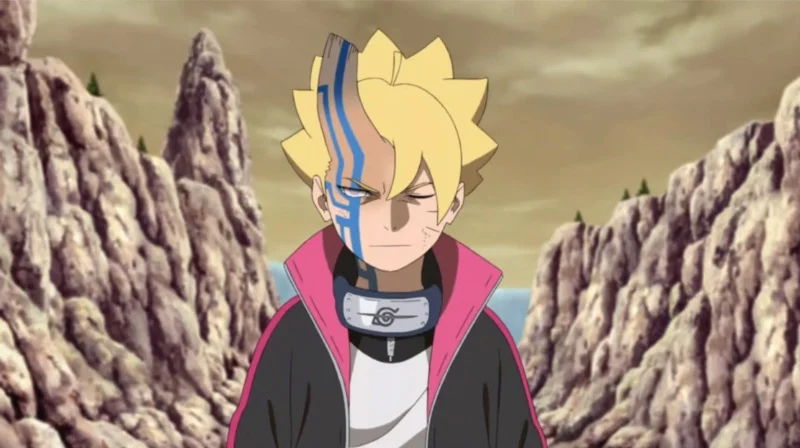
Karma grants Boruto bursts of speed and strength in ‘Boruto’, but the power brings severe risks of possession and loss of autonomy. The mark’s progress repeatedly creates setbacks as external control interrupts battles and decisions. Even after adjustments, early usage forces retreats or caution more often than decisive wins. Studio Pierrot shows the sharp visual upgrade while the story emphasizes its dangerous tradeoffs.
Eren’s Early Coordinate
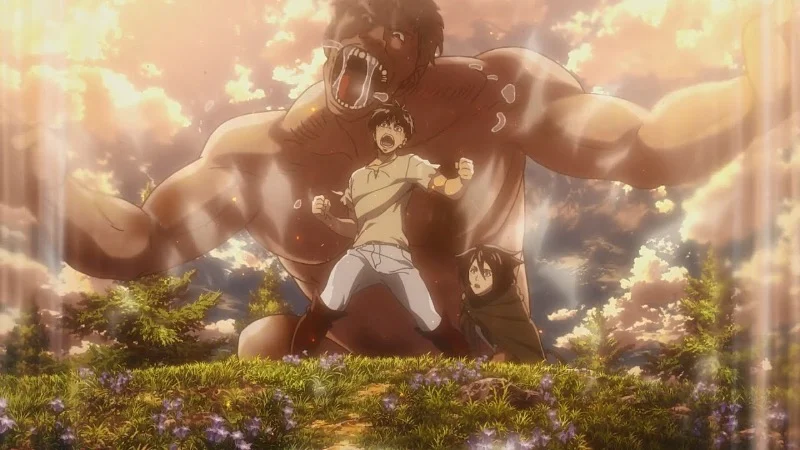
Eren’s Founding Titan coordinate in season one of ‘Attack on Titan’ triggers only under specific contact conditions and works unpredictably. The limitation prevents dependable use in most battles and tactics at that stage. Later revelations clarify the power, but the early period delivers few concrete advantages. Wit Studio animates those initial appearances before the ability becomes fully understood much later under MAPPA.
Lightning Fire Dragon Mode

Natsu temporarily combines lightning with fire in ‘Fairy Tail’ after consuming Laxus’ electricity, yet the hybrid mode fades once the stored energy is spent. The boost lacks a repeatable method outside rare circumstances and does not become part of his regular arsenal. Scenes that use it end without a pathway to consistent training or renewal. A-1 Pictures and Satelight first showcased the flashy mix, with Bridge continuing later arcs that kept it situational.
Kaneki’s Kakuja Rampage
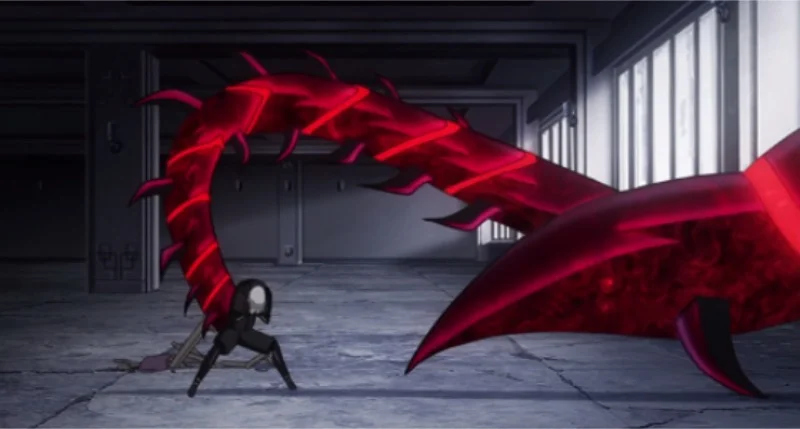
Kaneki’s early kakuja in ‘Tokyo Ghoul’ grants raw power but pushes him toward uncontrolled violence that jeopardizes allies and objectives. The instability forces him to suppress or avoid the form instead of refining it for steady combat use. Later strategies focus on control rather than leaning on the rampage itself. Studio Pierrot frames the monstrous look while the narrative limits practical deployment.
Incarnation Surges in the Underworld
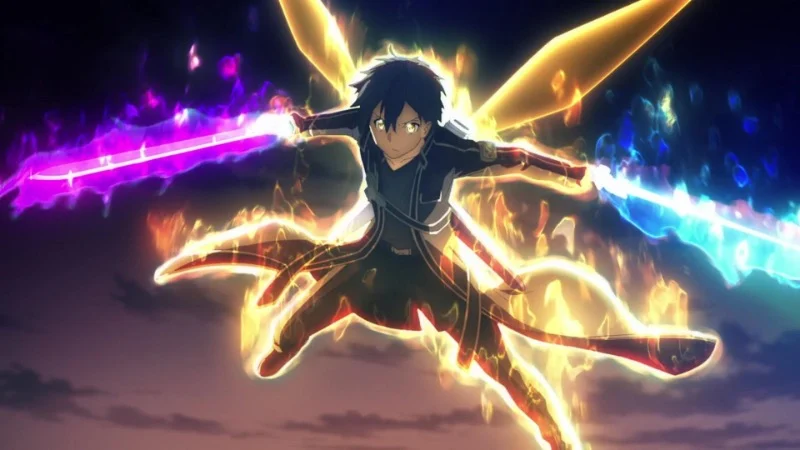
Kirito’s belief fueled surges in ‘Sword Art Online Alicization’ allow reality bending feats inside the Underworld, yet their reliability drops outside that system. The boosts depend on environment rules and mental conditions that are hard to reproduce elsewhere. As a result, the visual spikes seldom translate into a stable power set for future arcs. A-1 Pictures animates the standout moments while the series leaves them largely confined to one setting.
Share your picks for cool looking power-ups that went nowhere in the comments.