


45 Worst Cases of Hollywood Whitewashing




Hollywood has a long history of casting white performers to play characters who come from communities of color. Sometimes the scripts kept the original identity while changing the face on screen. Other times the source material or real people inspired a role that was then rewritten to fit an actor who looked nothing like the people being portrayed.
This list gathers prominent cases across decades to show how these choices happened and what the productions did on set and in publicity after the fact. You will see makeup and prosthetics, altered character backgrounds, and studio explanations that often focused on bankability or creative license rather than cultural accuracy.
Mickey Rooney in ‘Breakfast at Tiffany’s’ (1961)
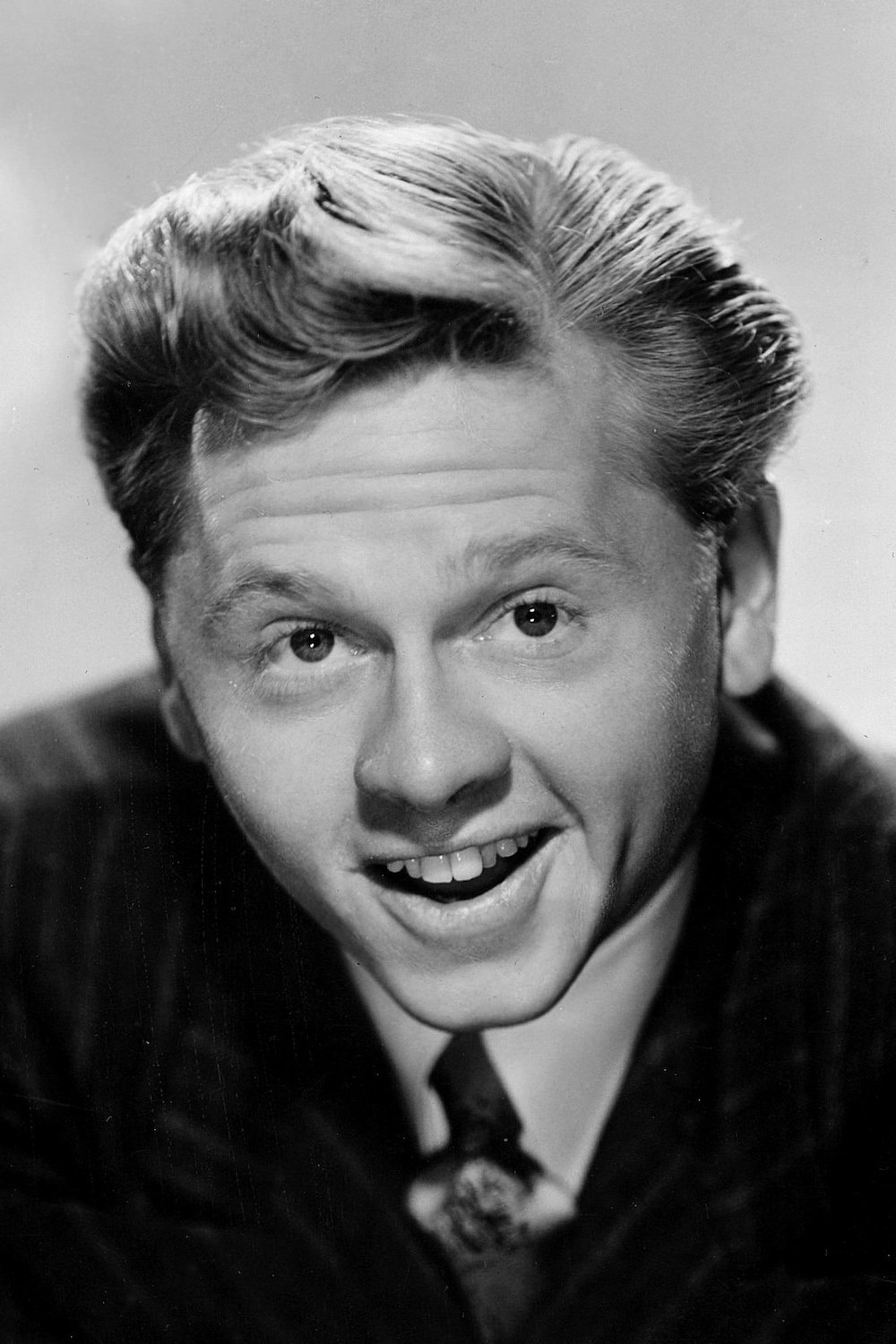
Rooney played Mr. Yunioshi, a Japanese landlord, using prosthetic eyelids, dental appliances, and exaggerated speech patterns. The role drew from mid century caricatures that had been common in stage revues and advertising. The production credited him among the supporting cast with no reference to the transformation work used to build the character.
In later years exhibitors added content notes when screening ‘Breakfast at Tiffany’s’. Discussions around the role have been used in film studies courses to illustrate how makeup and costuming can create racial caricature. The portrayal remains one of the most cited examples when people talk about yellowface in studio films.
Scarlett Johansson in ‘Ghost in the Shell’ (2017)

Johansson played a cybernetic agent whose original identity draws from the Japanese character Major Motoko Kusanagi. Marketing materials presented her with the character title Major while the film revealed a past linked to a Japanese name. Visual effects also tested digital options during early development that would have altered facial features before the studio abandoned that idea.
Advance protests started during production through petitions and open letters. The release sparked debate about adapting Japanese properties without casting actors of Japanese descent in lead roles. Box office performance fell short of expectations and became part of trade coverage that connected financial results to audience pushback.
Tilda Swinton in ‘Doctor Strange’ (2016)

Swinton portrayed the Ancient One, a mentor who in the comics has Tibetan origins. Marvel shifted the character to a Celtic background and relocated the story’s mystical base to avoid direct references to Tibet. The studio said the change aimed to move away from stereotypes and to navigate geopolitical sensitivities.
Correspondence later surfaced between Swinton and Asian American comedians and advocates discussing the choice. Marvel executives gave interviews explaining the creative rewrite while acknowledging the criticism. The role is now frequently used in conversations about rewriting ethnicity during comic book adaptations.
Jake Gyllenhaal in ‘Prince of Persia: The Sands of Time’ (2010)

Gyllenhaal starred as Dastan in a fantasy adventure set in a mythologized Persia. The production filmed in Morocco and the United Kingdom and cast several European and American leads for Persian characters. Marketing emphasized parkour inspired action and the video game brand while publicity questions centered on the decision to hire a white actor for the title role.
Trade coverage reported that the project sought a global tentpole with a recognizable star. The conversation around the release highlighted how stories rooted in Middle Eastern settings were often fronted by white leads. The film’s casting has remained a common example in whitewashing timelines.
Rooney Mara in ‘Pan’ (2015)
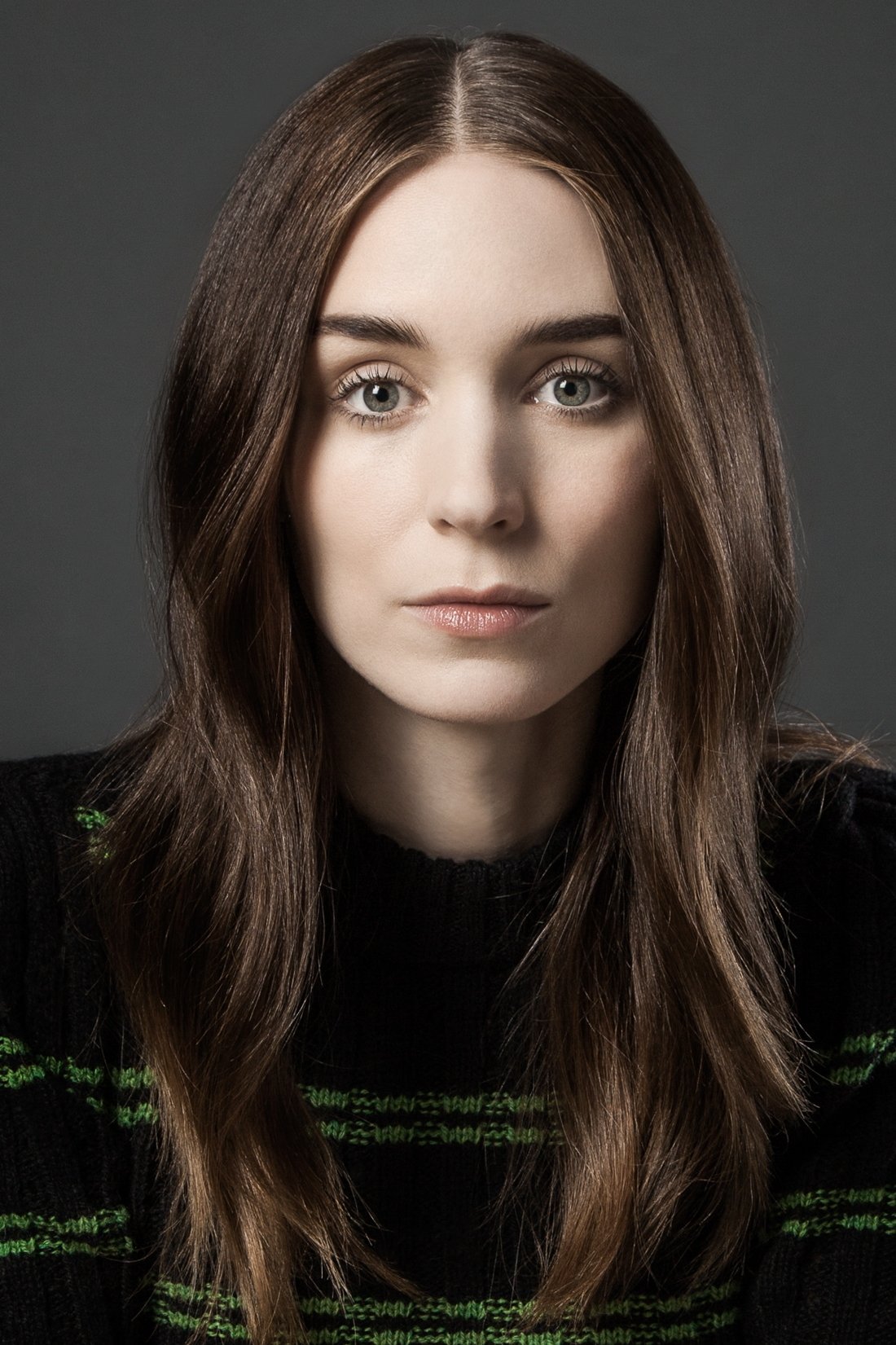
Mara played Tiger Lily, a character long described as Native in the Peter Pan mythos. The production reimagined the world of Neverland with multiple tribes and visual influences drawn from many cultures. Wardrobe and makeup built a stylized look rather than an identifiable Native nation.
Petitions called for casting a Native actress in the role and asked studios to consult with tribal communities. The distributor responded by noting the film’s fantasy setting while acknowledging the concerns. Casting for the character has since become a reference point in discussions about Indigenous representation for family films.
Johnny Depp in ‘The Lone Ranger’ (2013)
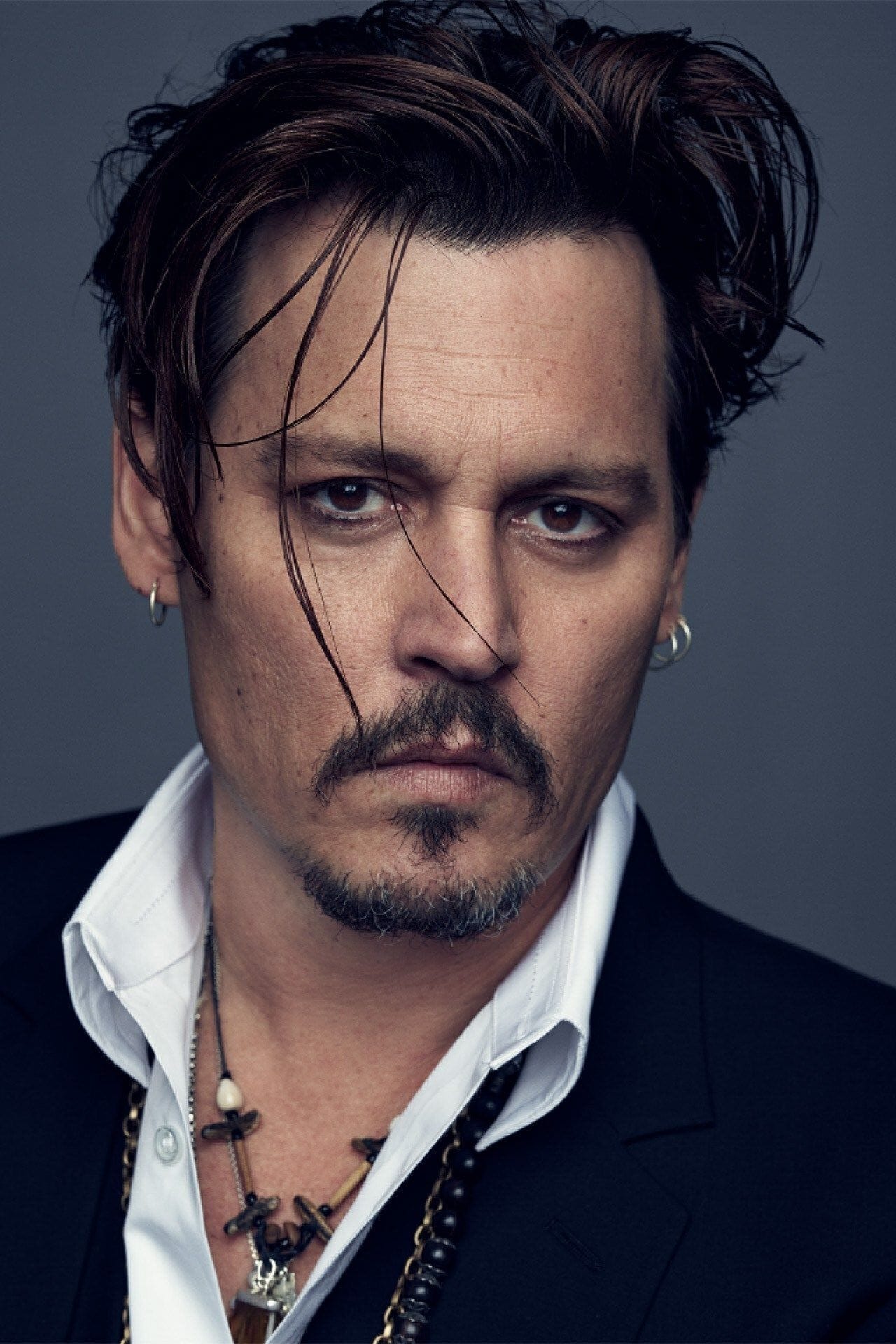
Depp played Tonto, the Comanche companion to the title character. He worked with a Comanche adviser and wore a look inspired by a painting from a Native artist. The production arranged a symbolic tribal adoption and promoted research trips and consultations during the press tour.
Native critics and scholars argued that ceremony and consultation did not change the central issue of a white star embodying a Native role. The release also brought renewed attention to earlier radio and television versions of Tonto and how those portrayals shaped public perceptions. The casting remains a frequent case study in entertainment journalism.
Christian Bale in ‘Exodus: Gods and Kings’ (2014)
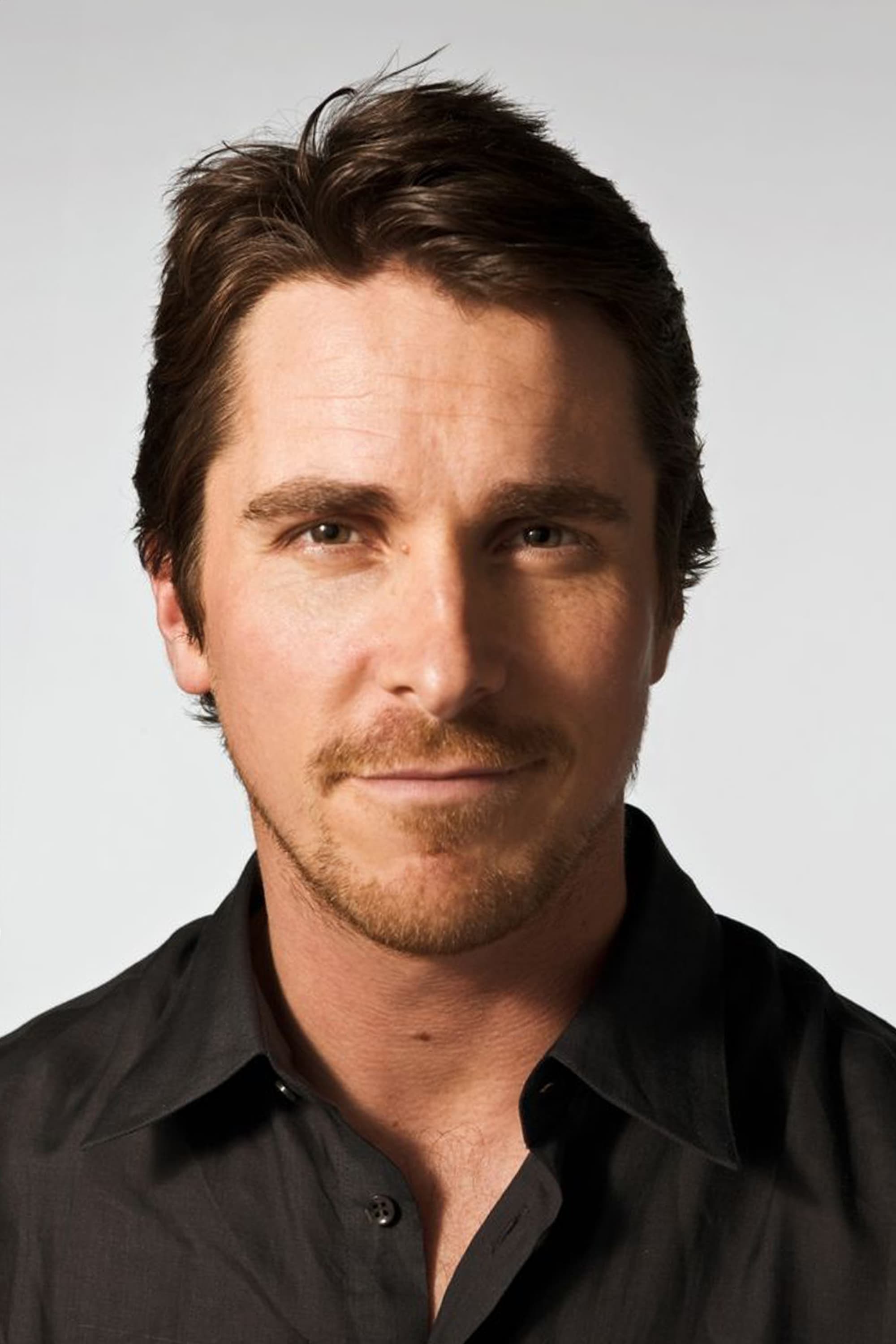
Bale played Moses in a large scale telling of the biblical story set in ancient Egypt. Other principal roles including Ramses went to white actors. The production relied on international locations and heavy visual effects to build its world while keeping the central cast list anchored by established European and American names.
The director said in interviews that financing required stars who could carry a global release. That explanation became part of a larger debate about access and opportunity for actors from North Africa and the Middle East. The film is regularly cited when people examine casting practices in historical epics.
Gerard Butler in ‘Gods of Egypt’ (2016)

Butler portrayed Set, while another major role of Horus went to a white European actor. The production presented a mythic version of Egypt with towering deities and computer generated environments. Promotional materials featured a predominantly white principal cast despite the story’s geography.
Before release the studio and director issued public apologies for the casting choices. Coverage of those statements linked the film to a pattern of stories about Egypt that marginalized African and Middle Eastern performers. The apologies are often referenced in later reporting about studio responses to representation criticism.
Benedict Cumberbatch in ‘Star Trek Into Darkness’ (2013)
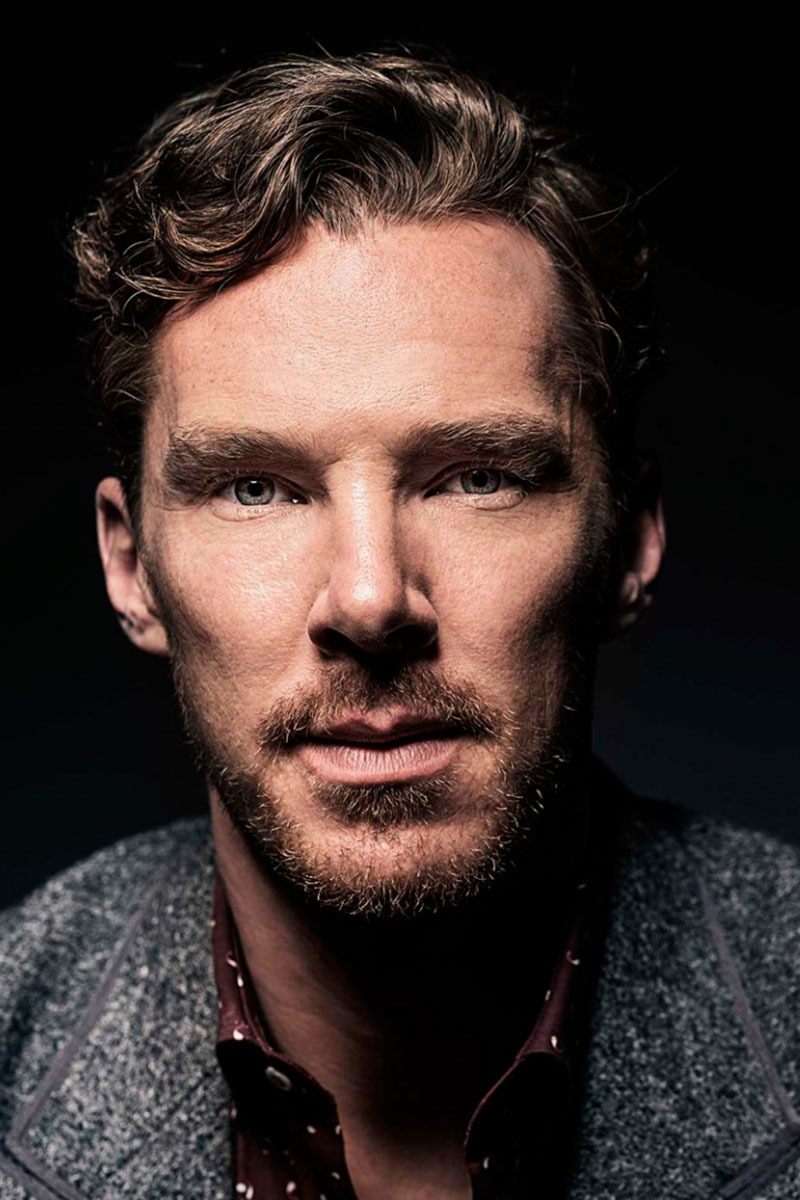
Cumberbatch played Khan Noonien Singh, a character known in franchise lore as a genetically engineered ruler from South Asia. The earlier film incarnation had been portrayed by a Latino actor while retaining the character’s South Asian identity. In the reboot the role’s origin was obscured and the character presented with an English name and backstory.
The creative team said secrecy around the villain informed the early marketing and that casting considered performance first. Fans and commentators pointed to decades of established canon for Khan’s identity. Later entries in the franchise restored South Asian casting for members of the same lineage.
Emma Stone in ‘Aloha’ (2015)

Stone played Allison Ng, an Air Force pilot written as a person of part Hawaiian and part Chinese ancestry. The story unfolded in Honolulu with scenes on and around military bases and island communities. The film acknowledged the character’s heritage within dialogue and plot beats while presenting a visibly white actress in the role.
The director apologized after release and said the creative intent was to depict a character who does not look like her background. Stone later addressed the controversy in interviews. Media coverage connected the case to a broader history of erasing Native Hawaiian and Asian identities in Hawaii based productions.
Fisher Stevens in ‘Short Circuit’ (1986)
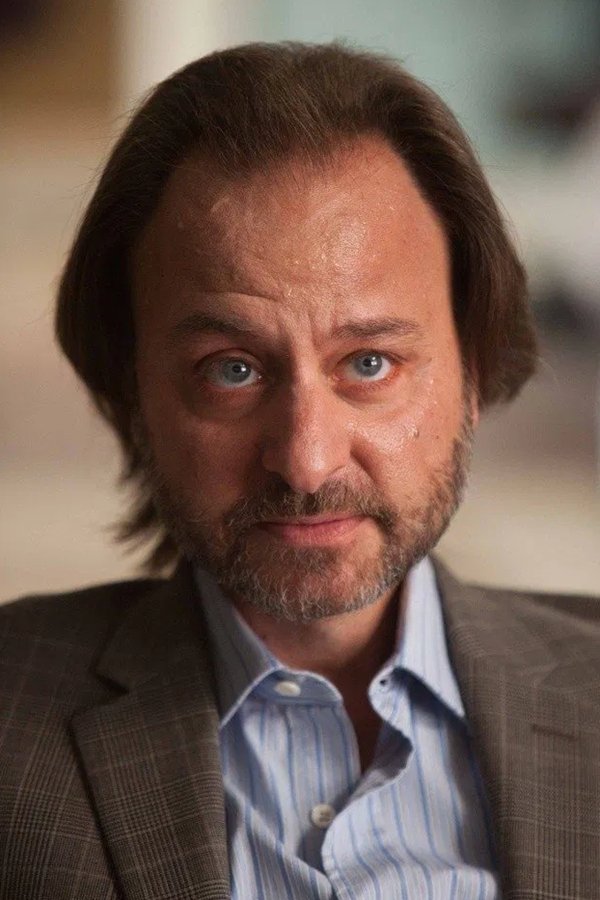
Stevens played Ben Jabituya, an Indian American engineer on a robotics team. Makeup artists applied darker skin tone and a wig, and the actor used an invented accent. The character name was later altered to Ben Jahveri in the sequel while the portrayal remained consistent.
Years later Stevens said he would not take the role again and described research trips he took at the time. The part appears frequently in compilations about brownface in eighties comedies. It also shows how recurring characters can entrench a stereotype across multiple releases.
Paul Muni in ‘The Good Earth’ (1937)
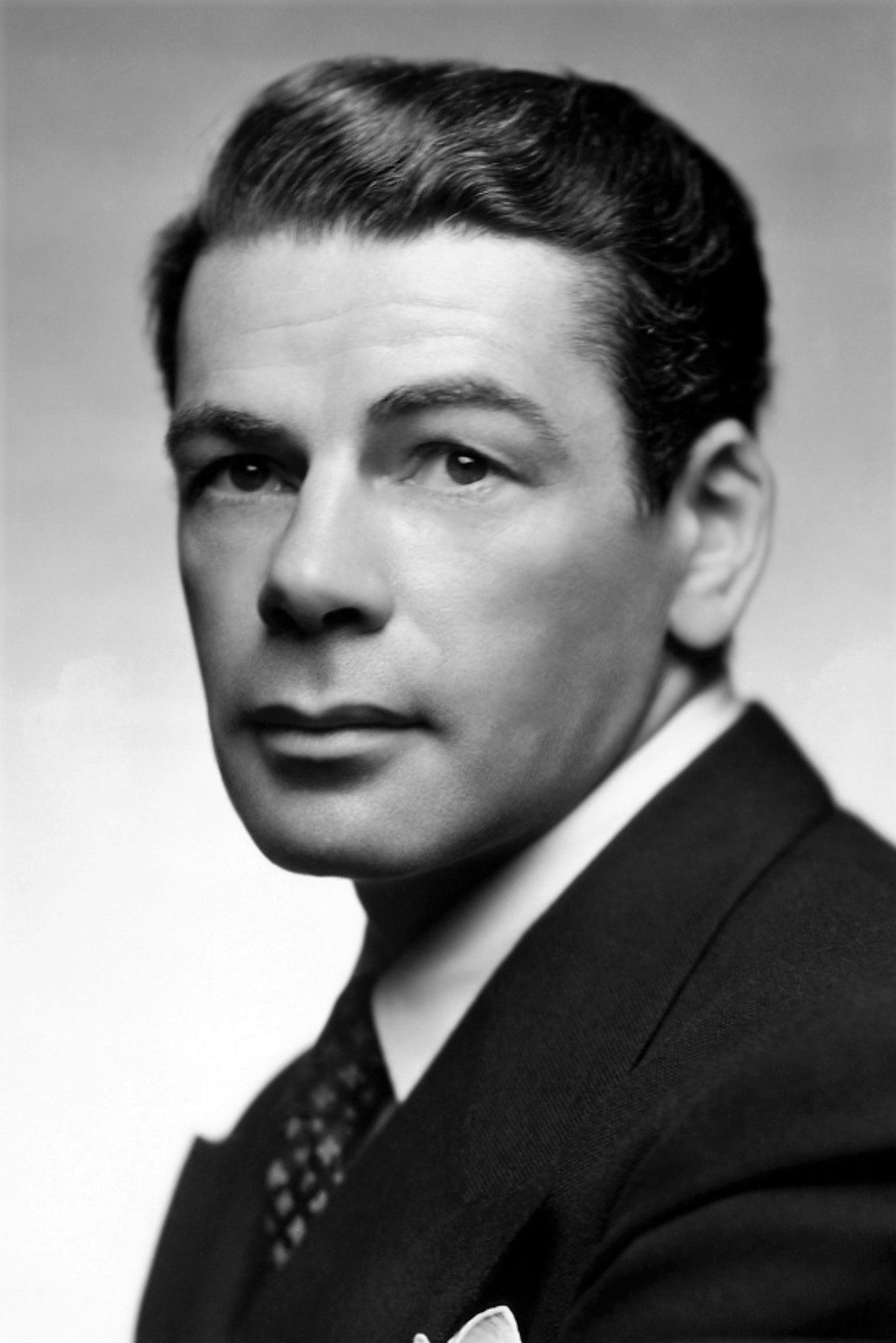
Muni played Wang Lung, a Chinese farmer, and Luise Rainer played his wife O Lan. The production used elaborate makeup and hairstyling to transform white actors into Chinese peasants. The studio had purchased rights to the novel and sought a prestige adaptation on a grand scale.
Anna May Wong was not cast as the female lead while conversations around the Hays Code and onscreen relationships shaped studio decisions. Rainer won an Academy Award for her performance and the film entered the canon of studio era classics. The casting choices remain central to how the adaptation is discussed today.
John Wayne in ‘The Conqueror’ (1956)
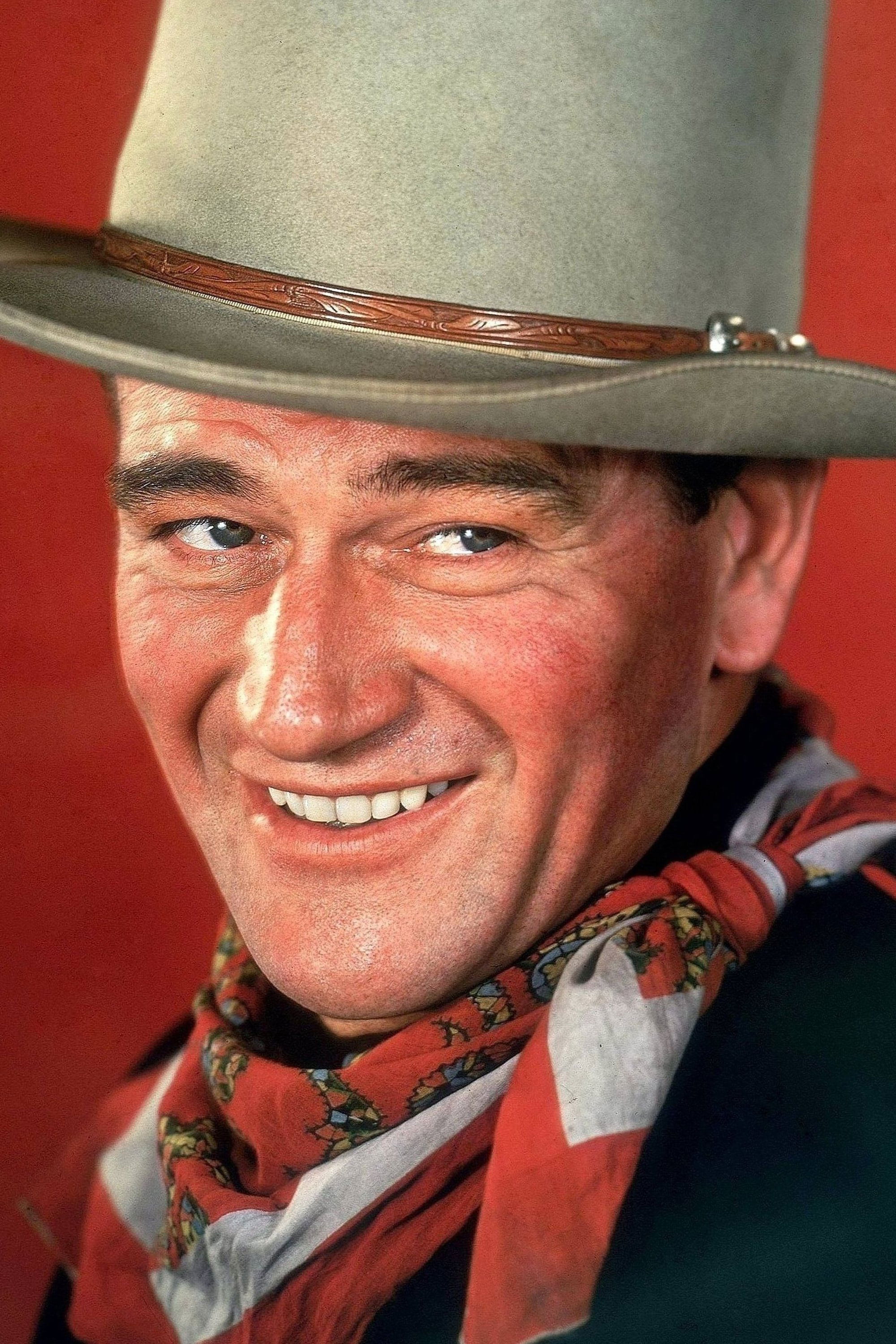
Wayne portrayed Genghis Khan with stylized speech and makeup to suggest a Central Asian ruler. The film shot on desert locations in the American West and framed the story as a romantic adventure. Production notes emphasized the star’s persona and physical presence in the role.
The release became a touchstone for articles that catalog unusual casting choices in historical epics. Archival pieces have detailed the costuming, set building, and makeup decisions that supported the transformation. The film is often mentioned when tracing the lineage of white actors cast as Asian leaders.
Marlon Brando in ‘The Teahouse of the August Moon’ (1956)
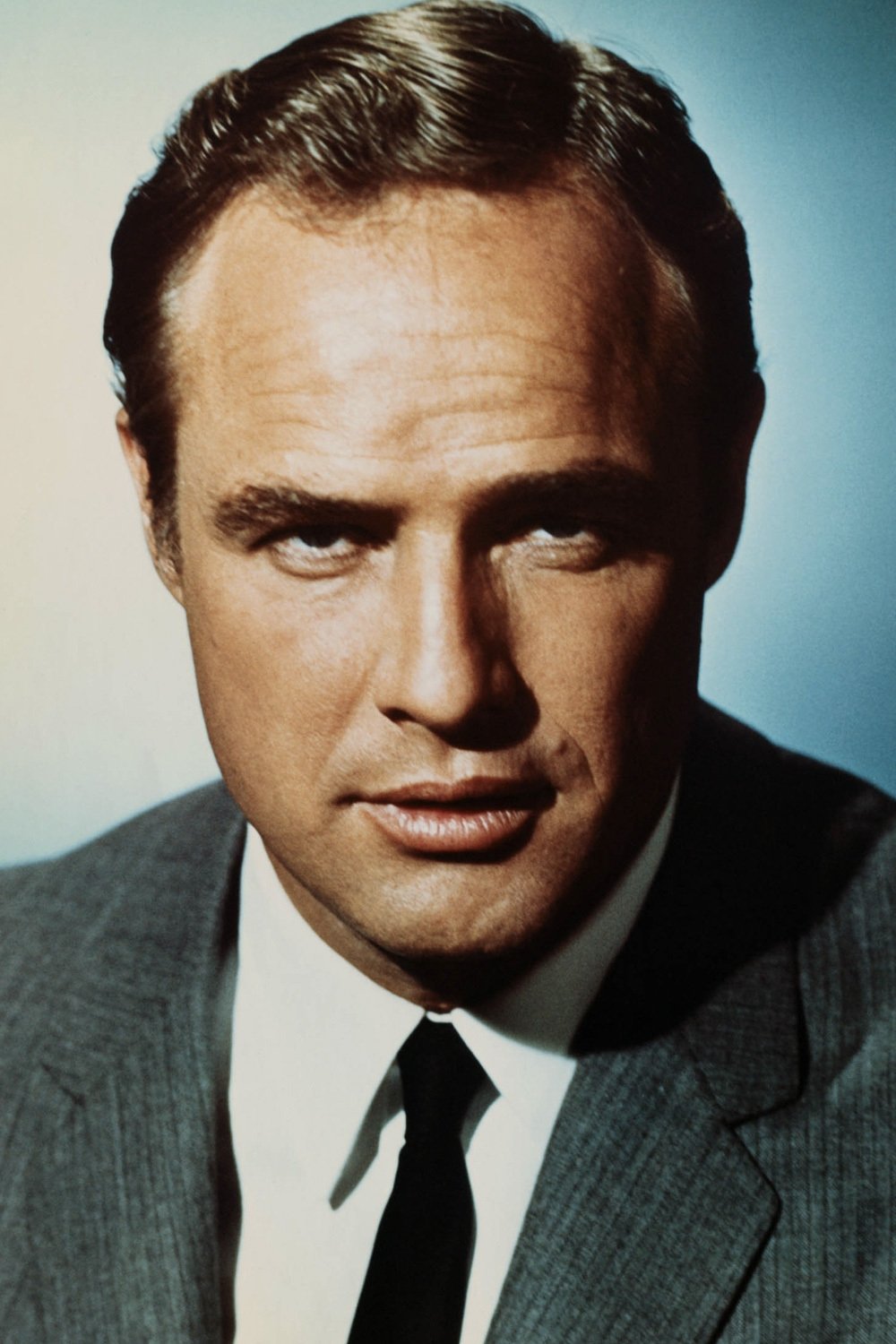
Brando played Sakini, an Okinawan interpreter, using prosthetics, makeup, and an accent. The screenplay adapted a Broadway hit that also featured a non Asian lead in the same role. Publicity showcased Brando’s versatility while highlighting the comic tone of the story.
Film historians now catalogue the project alongside other mid century features that used yellowface as a standard practice. Production materials document the techniques used by the makeup department and the preparation Brando undertook for the character. The role is frequently cited in retrospectives about representation on stage and screen.
Natalie Wood in ‘West Side Story’ (1961)
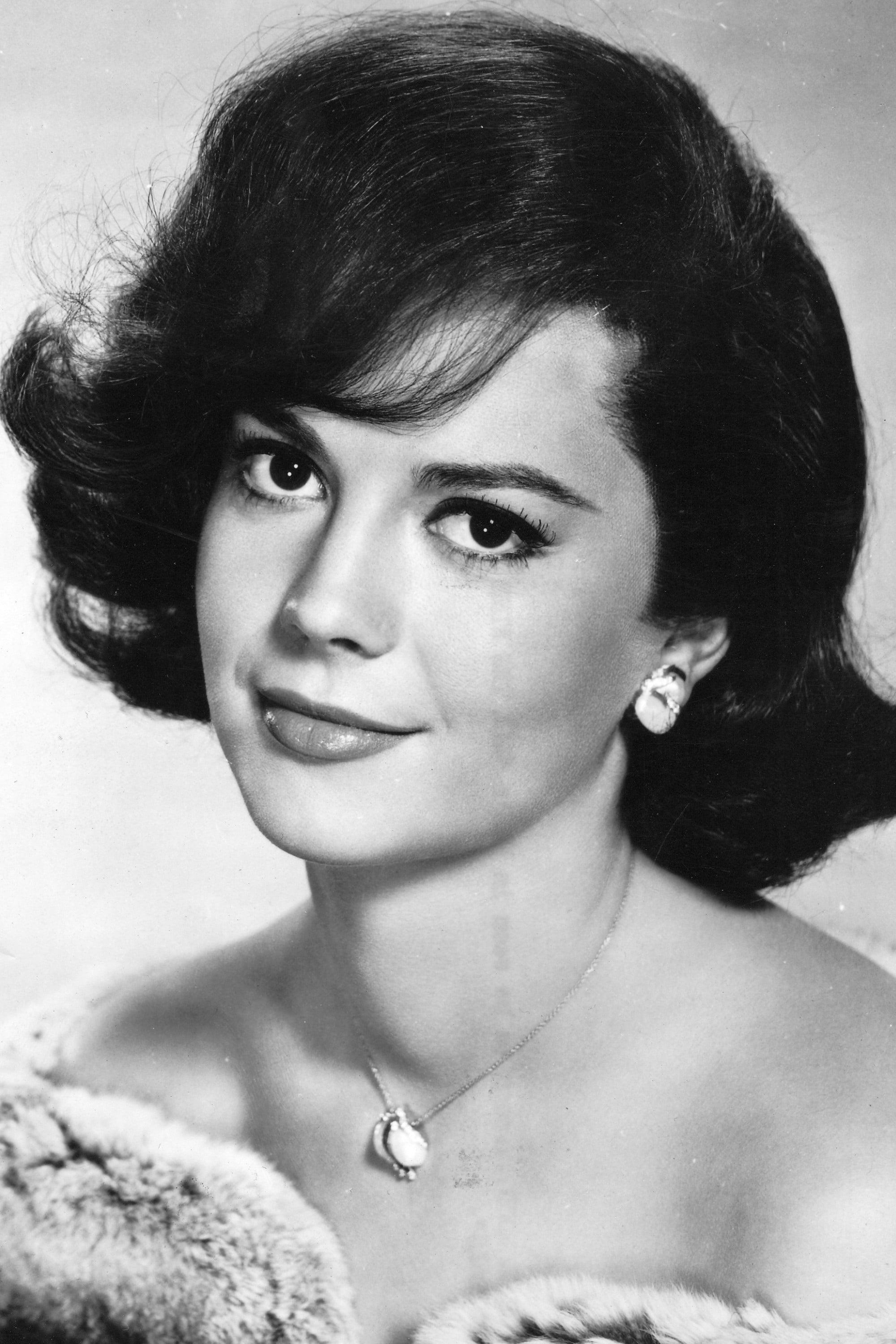
Wood portrayed Maria, a Puerto Rican teenager, and wore makeup designed to darken her complexion. Dialogue coaching focused on a stylized accent that was applied across many of the Sharks characters. Several other Puerto Rican roles were also played by non Latino performers.
The later remake cast actors with Puerto Rican heritage and integrated Spanish dialogue. Wood’s performance remains part of film school discussions about authenticity in casting musicals. Production notes and interviews from the period show how studios treated makeup and accent work as solutions instead of hiring choices.
Angelina Jolie in ‘A Mighty Heart’ (2007)

Jolie played Mariane Pearl, a journalist of Afro Chinese Cuban and Dutch descent. The makeup team adjusted her skin tone and hair to approximate photographs of Pearl. The film dramatized the kidnapping of Daniel Pearl and included scenes drawn from Mariane Pearl’s book.
Both the real life subject and the filmmakers publicly defended the casting choice at the time. Coverage nonetheless placed the film in a long timeline of roles where white or lighter skinned actors played people of darker or different heritage. The case is now used to discuss where biographical storytelling meets identity.
Ben Affleck in ‘Argo’ (2012)
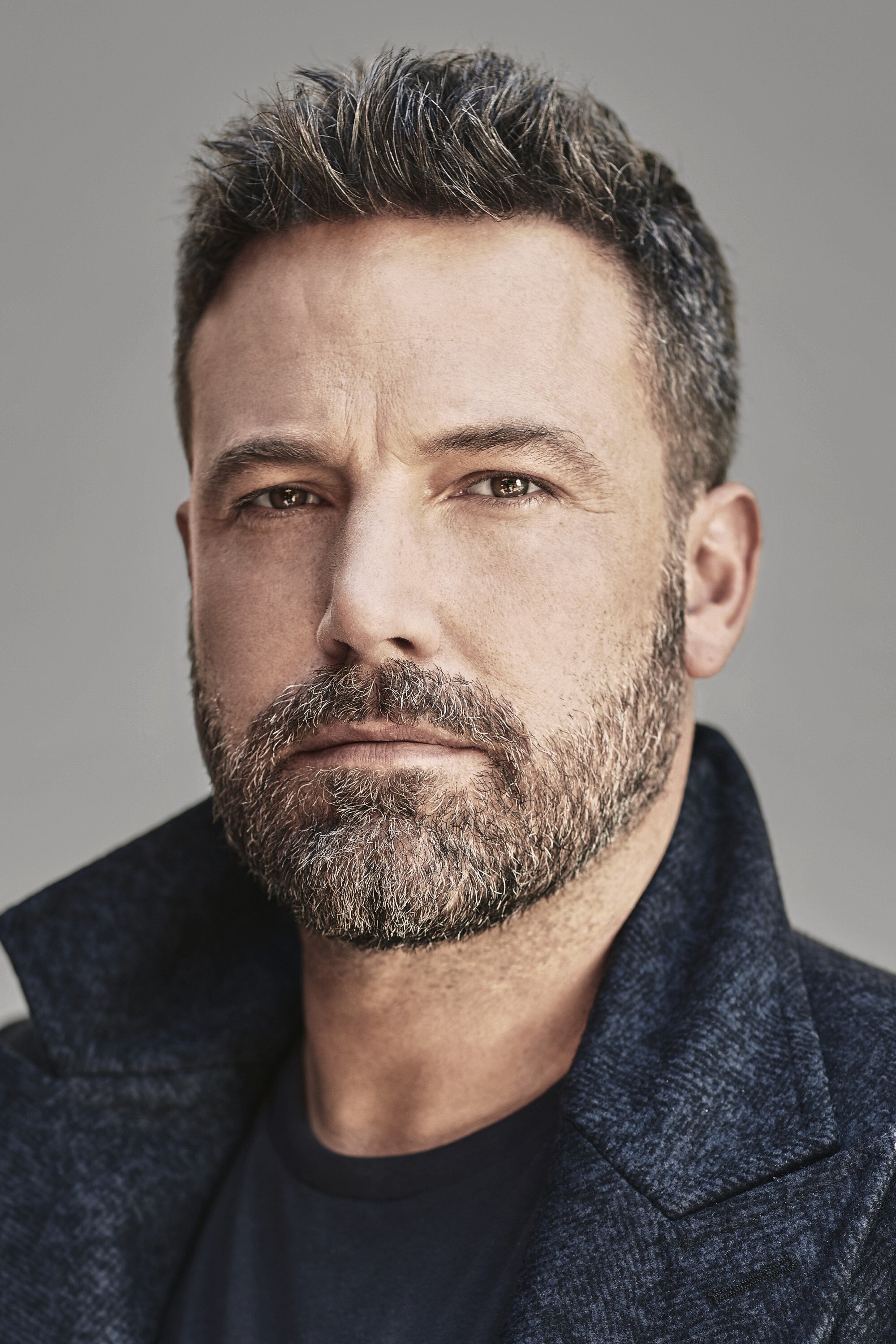
Affleck portrayed CIA officer Tony Mendez, who was Mexican American. The film centered on a covert rescue that involved the creation of a fake movie project. Casting placed Affleck in the lead while emphasizing the ensemble around him for the mission planning scenes.
The choice prompted commentary about Latin representation in true story films. Interviews with the director acknowledged the conversation while focusing on production logistics and creative decisions. The case appears often in lists that track white actors cast as Latino historical figures.
Jim Sturgess in ’21’ (2008)
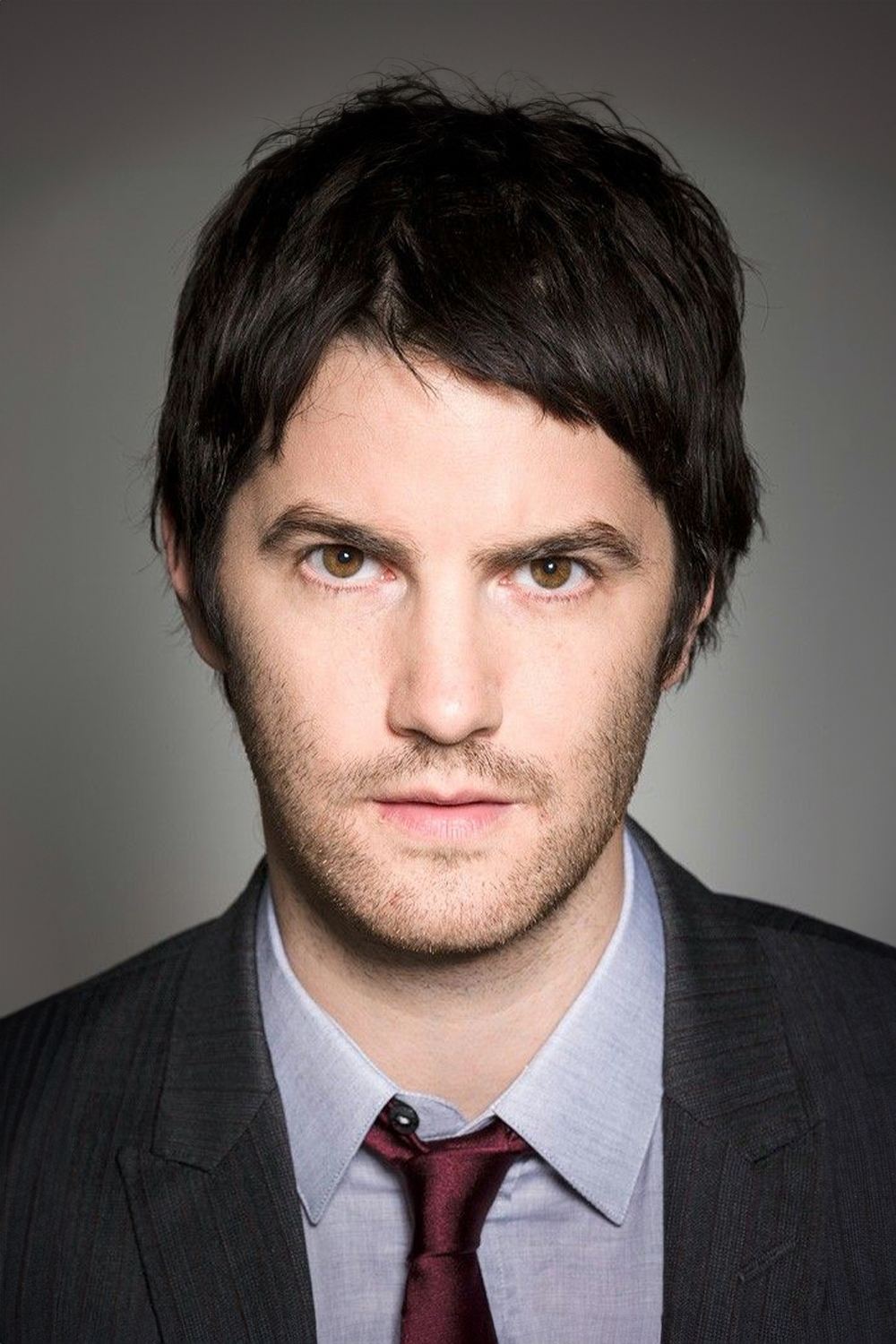
Sturgess played a version of Jeff Ma, whose real life blackjack team at MIT had many Asian American members. The screenplay changed names and combined traits from several people while centering white leads. Marketing presented a slick Vegas heist tone and leaned on recognizable stars in supporting roles.
Jeff Ma consulted on set but later wrote about the casting debate and how studios framed commercial concerns. The film is often discussed as an example of rewriting a diverse real world story into a more conventional ensemble. It continues to appear in classroom case studies on adaptation ethics.
Justin Chatwin in ‘Dragonball Evolution’ (2009)
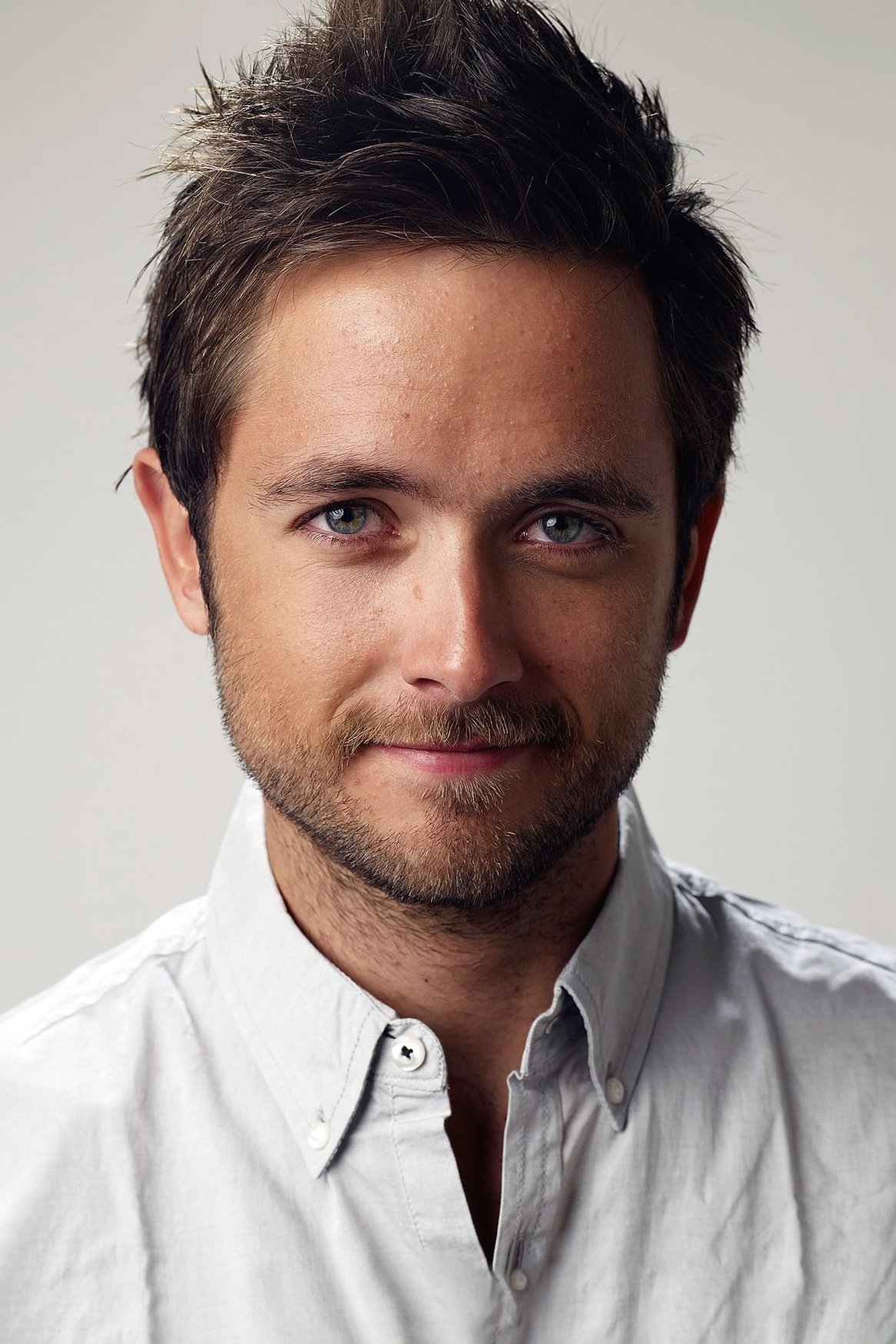
Chatwin played Goku in a live action take on the Japanese manga and anime. The production shifted the setting to American schools and neighborhoods and cast largely non Asian leads. Visual effects and stunt work aimed to translate signature moves while character backgrounds were altered.
Fans noted that the creative team kept the property’s names and iconography while removing Japanese identity from the central character. The release is now a standard entry in coverage of whitewashing in adaptations of Asian source material. It also shows how localization can become erasure when casting choices follow.
Katharine Hepburn in ‘Dragon Seed’ (1944)
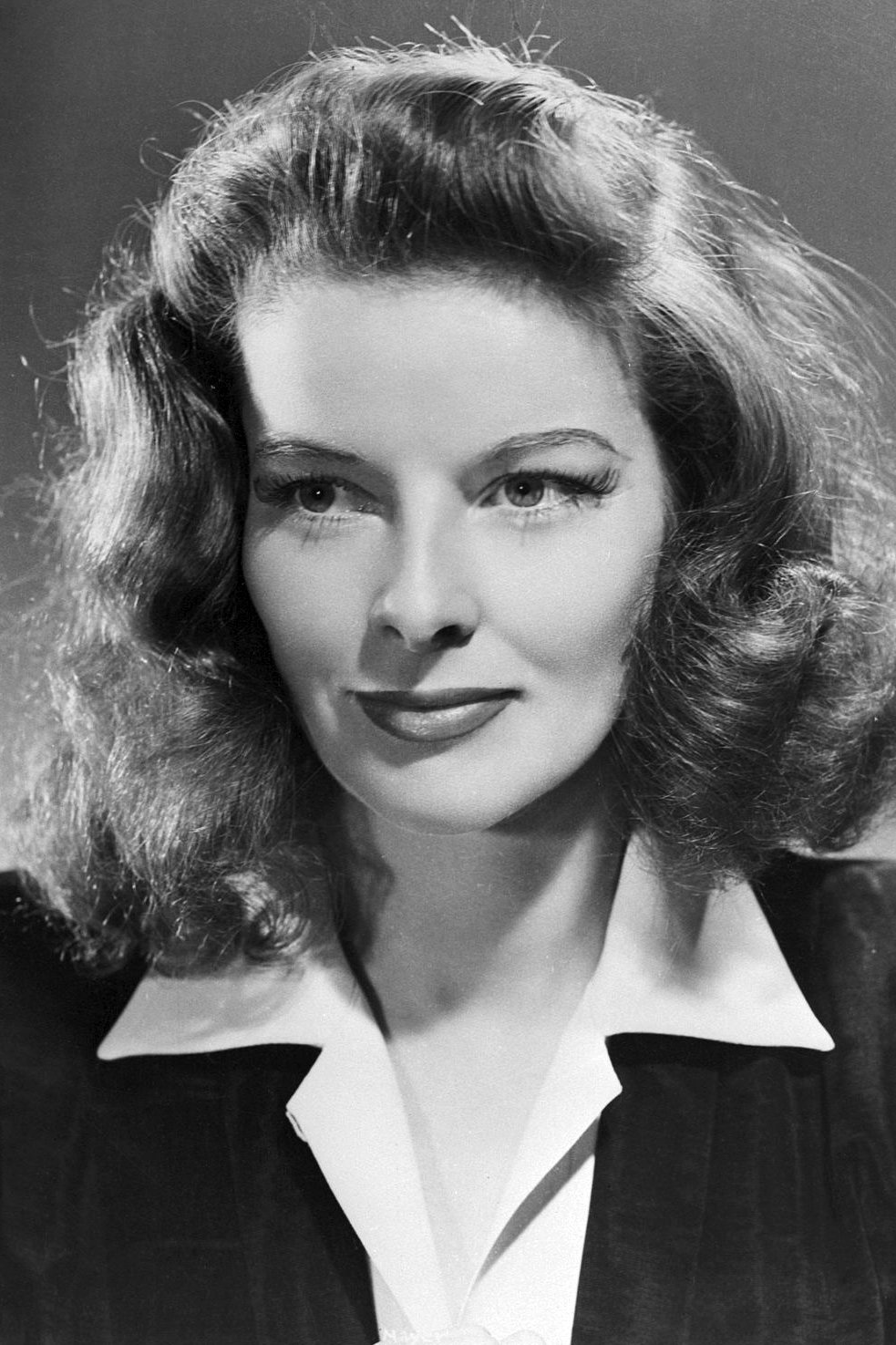
Hepburn portrayed Jade, a Chinese woman defending her village. The production used extensive makeup and wardrobe to transform multiple white stars into Chinese characters. Sets recreated rural landscapes with studio craftsmanship common to wartime dramas.
The film is used today to illustrate how prestige projects normalized yellowface among top billed performers. Archival photos reveal the detail applied to eyebrow, eye fold, and hairline alterations. The adaptation’s casting choices are now examined alongside the era’s geopolitical context and studio policies.
Peter Sellers in ‘The Party’ (1968)
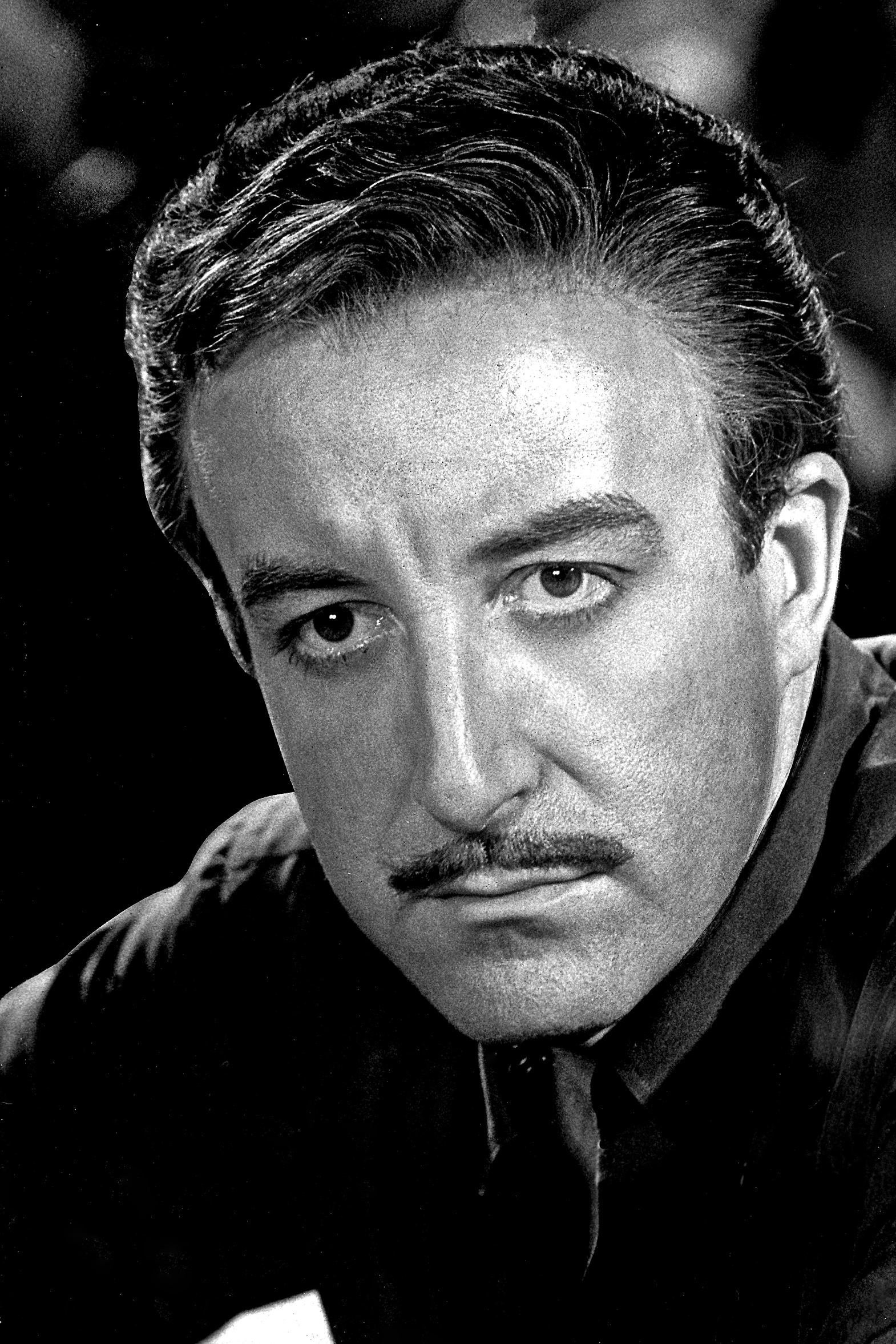
Sellers played Hrundi V Bakshi, an Indian actor mistakenly invited to a Hollywood party. He wore brownface makeup and affected a heavy accent designed for broad comedy. The script relied on fish out of water gags while centering sight gags and physical humor.
Modern write ups catalog the production design and improvisational approach while noting the reliance on stereotypes. Interviews with collaborators have described how the look for Bakshi evolved through makeup tests. The portrayal remains a frequent example when discussing the persistence of brownface into the late studio era.
Elizabeth Taylor in ‘Cleopatra’ (1963)

Taylor played the Egyptian queen in a production that became known for its massive sets and costumes. The film presented a court populated by largely white leads in roles tied to North African history. Casting decisions reflected star power priorities during the epic’s long and expensive shoot.
Scholars point out that Cleopatra belonged to the Ptolemaic dynasty with Macedonian Greek roots while ruling Egypt. The film’s choices nonetheless reinforced a pattern of depicting ancient Egyptians with white actors in most principal roles. The project continues to appear in debates about historical identity on screen.
Alec Guinness in ‘A Passage to India’ (1984)
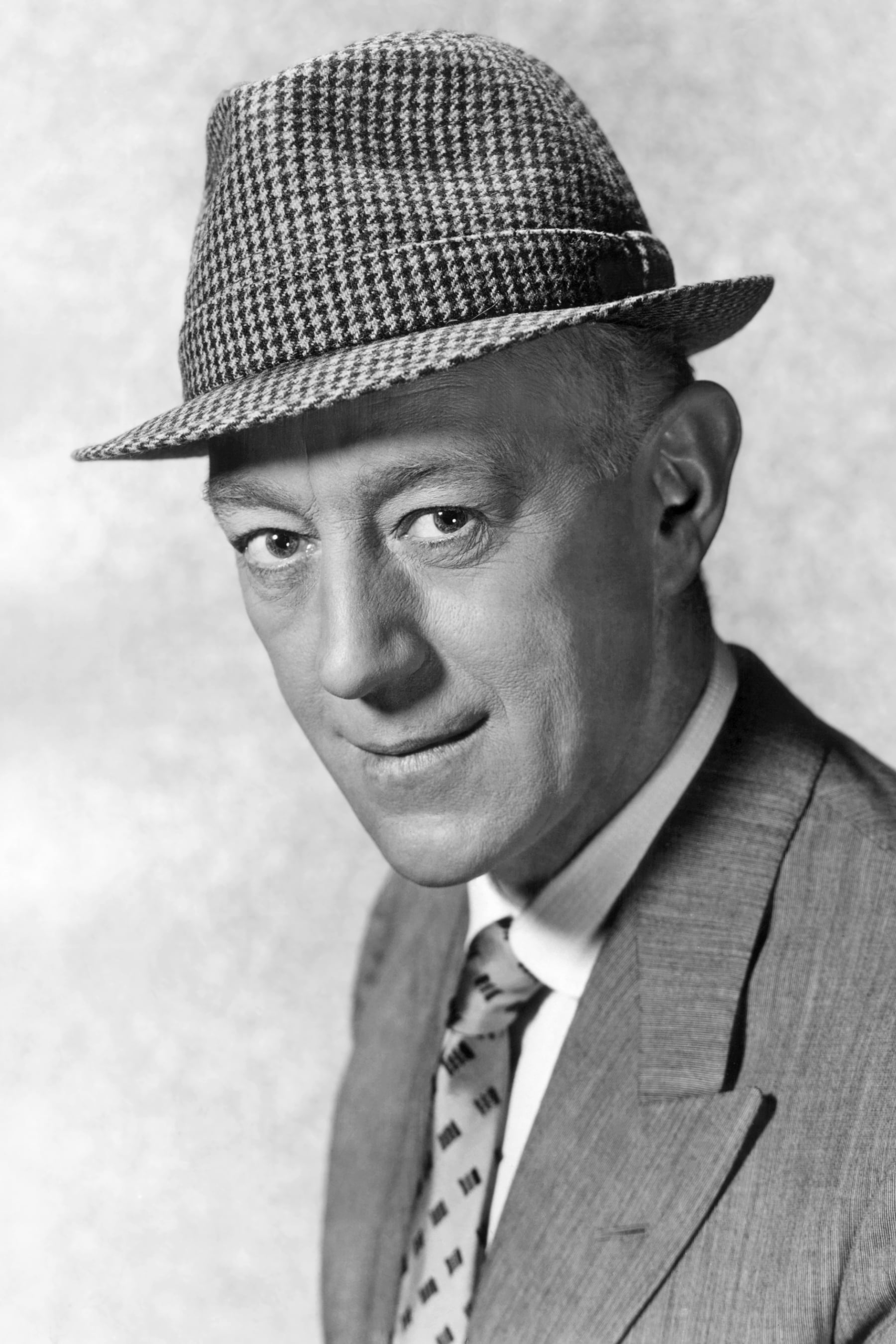
Guinness portrayed Professor Godbole, an Indian academic, using makeup and a crafted accent. The production adapted a British novel and filmed in Indian locations with a blend of local and British actors. The creative team brought back traditions from earlier decades where white stars played Asian roles.
The performance has become a late century example of brownface in prestige cinema. Commentators now discuss how awards attention can obscure representation problems when evaluating craft. Production histories detail the preparation Guinness undertook as part of the transformation.
Jackson Rathbone in ‘The Last Airbender’ (2010)
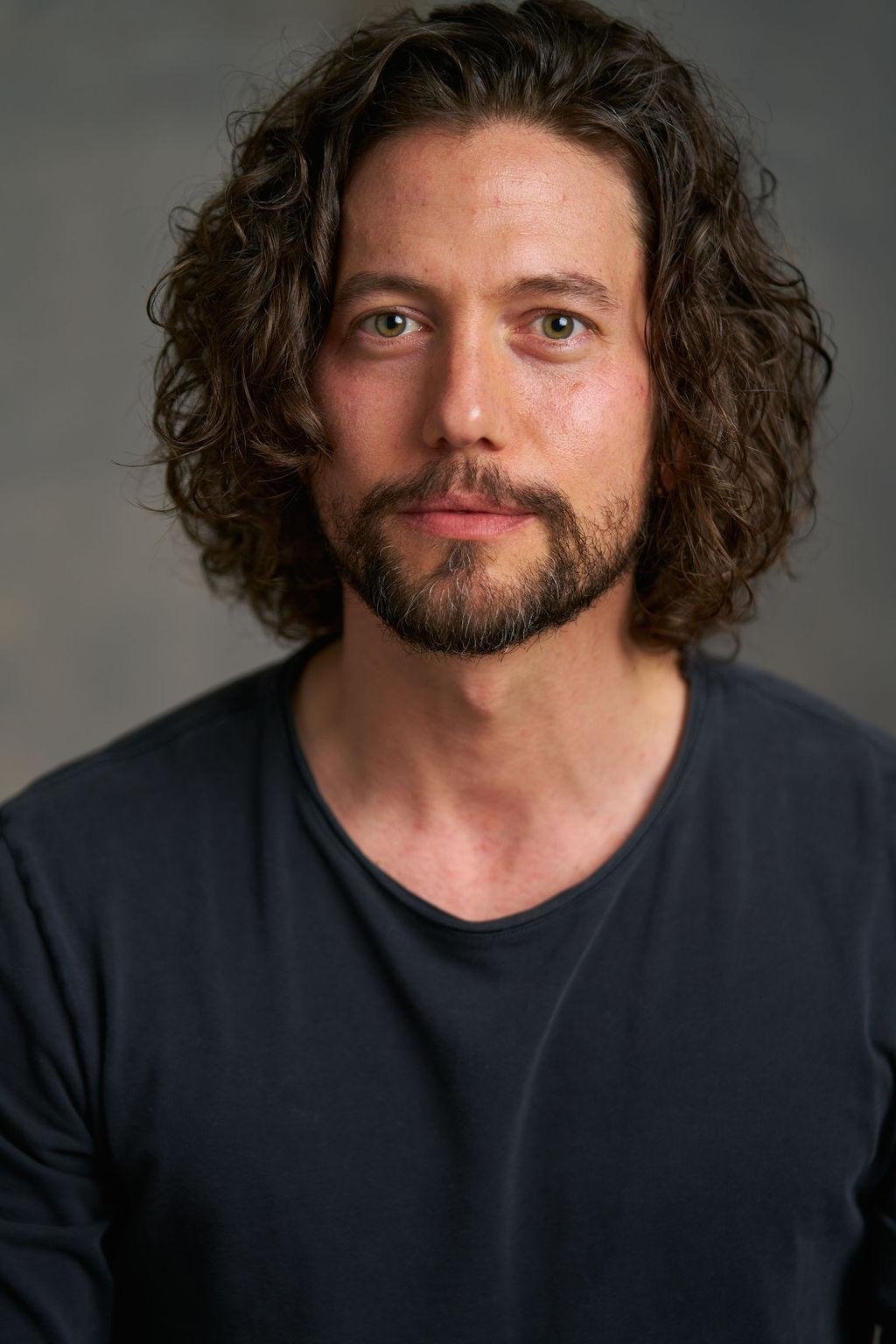
Rathbone played Sokka in a live action version of a series whose world drew from Inuit, East Asian, and South Asian cultures. The heroes of the Water Tribe were cast with white leads while several antagonists went to actors of color. Character names and settings kept the original world building while changing who embodied the central roles.
Fans and advocacy groups organized campaigns during casting and release. The controversy is frequently used to explain how adaptation choices can shift coded cultural identities into something unrecognizable. The project remains a reference point in conversations about equitable casting for fantasy worlds inspired by real cultures.
Mike Myers in ‘The Love Guru’ (2008)

Myers played a self help figure who adopts an Indian persona and spiritual vocabulary. Costuming and set pieces borrowed from Indian traditions while treating them as broad comic material. The character’s backstory positioned him as an American who grew up in an ashram.
Hindu organizations raised concerns during marketing and release, and some called for boycotts. The film is now cited when discussing how comedy can lean on reductive portrayals rather than hiring South Asian leads. It stands as a modern example of white performers adopting ethnic identities for laughs.
Laurence Olivier in ‘Othello’ (1965)
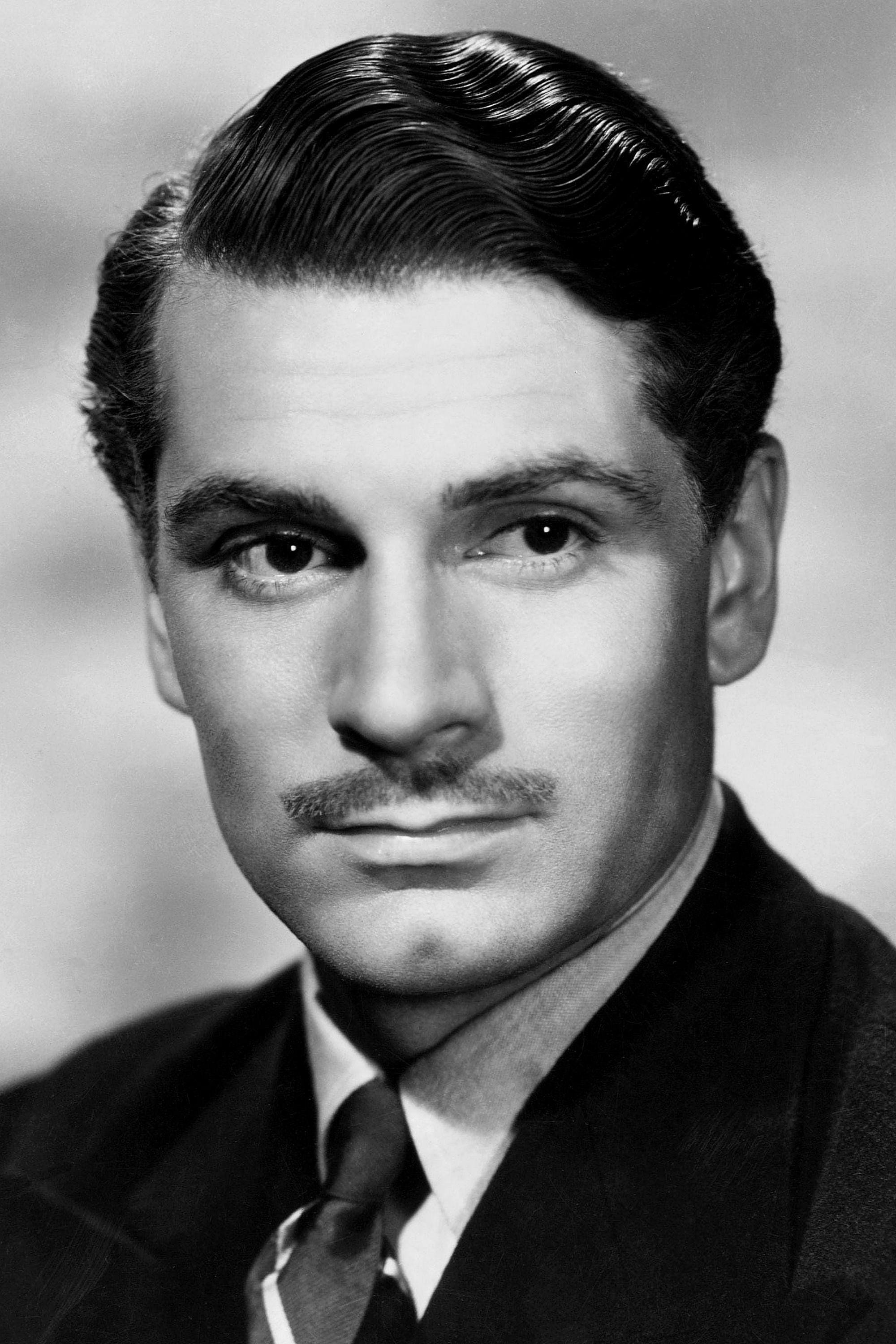
Olivier played the title role in full dark makeup with altered hair and beard styling. The production presented a filmed version of the stage approach and preserved the visual transformation that had been standard for the role in some theatrical traditions of the time.
Publicity materials focused on the prestige of the adaptation while contemporary coverage documented the techniques used to create the look. The film has since been used in surveys of screen history to show how blackface persisted into the second half of the century.
Orson Welles in ‘Othello’ (1951)
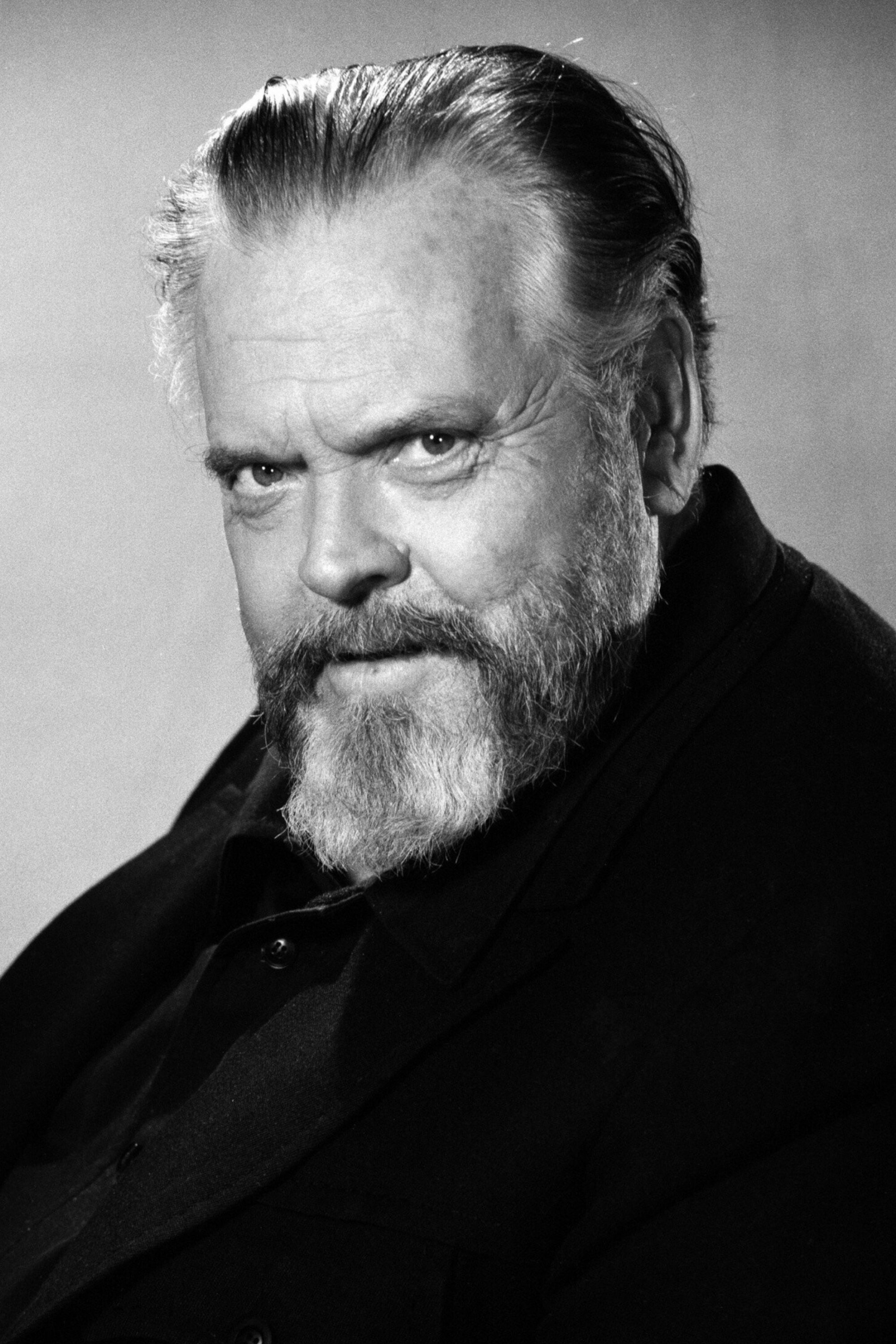
Welles directed and starred as Othello while wearing dark makeup throughout. The film was produced over several years with shooting interrupted and resumed across different countries, which kept the design consistent even as locations changed.
Restoration notes and festival programming guides describe the costuming and makeup choices as part of the production record. The release is often screened with contextual introductions that explain how the character was presented visually.
Linda Hunt in ‘The Year of Living Dangerously’ (1982)
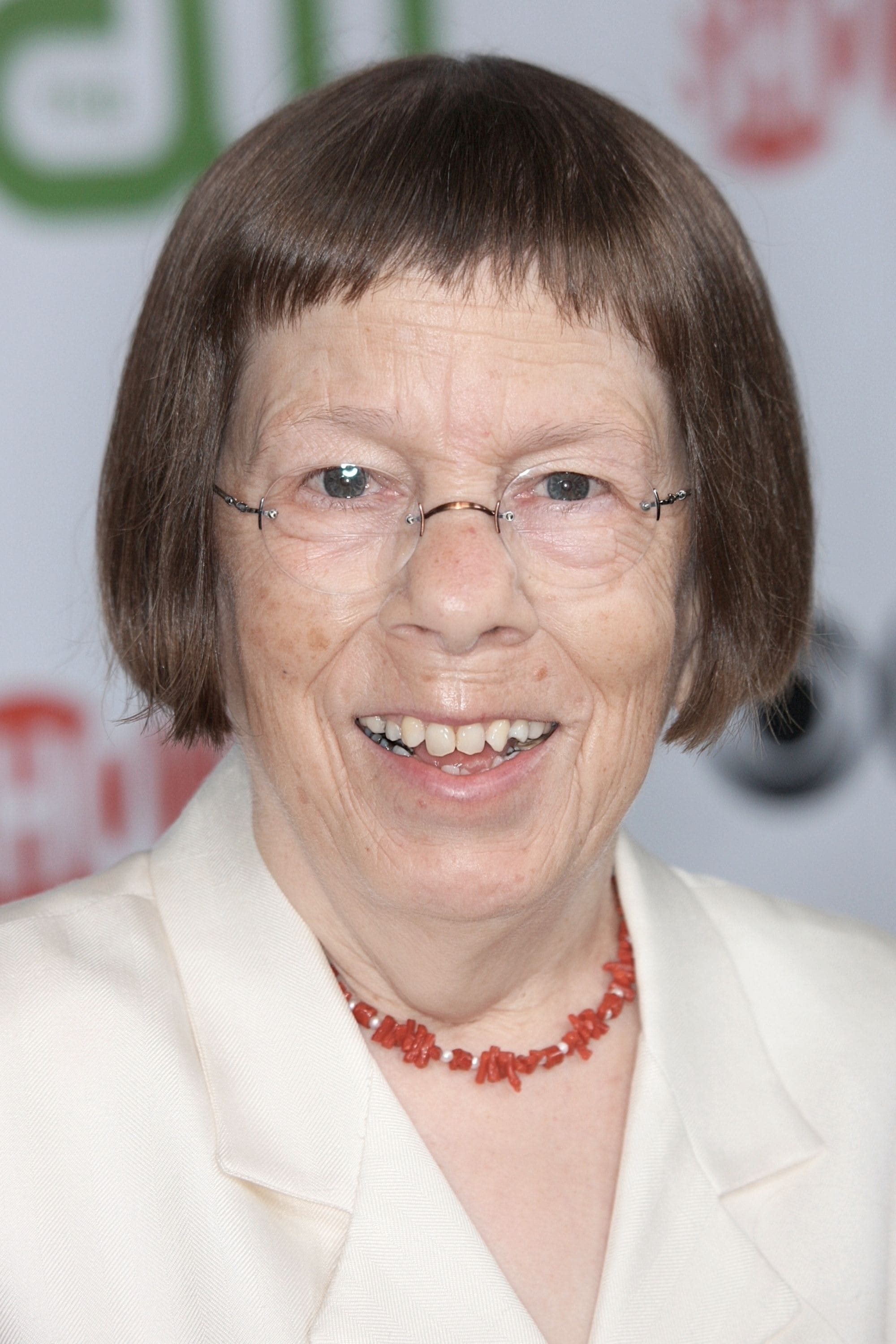
Hunt portrayed Billy Kwan, a Chinese Australian male photographer. The production used a wig, eye appliances, and contouring to change facial shape, and the performance created a specific vocal quality for the character.
The creative team described the preparation in interviews and behind the scenes features. The role is frequently cited in representation timelines to show how cross gender and cross racial casting were combined in one high profile supporting part.
David Carradine in ‘Kung Fu’ (1972–1975)
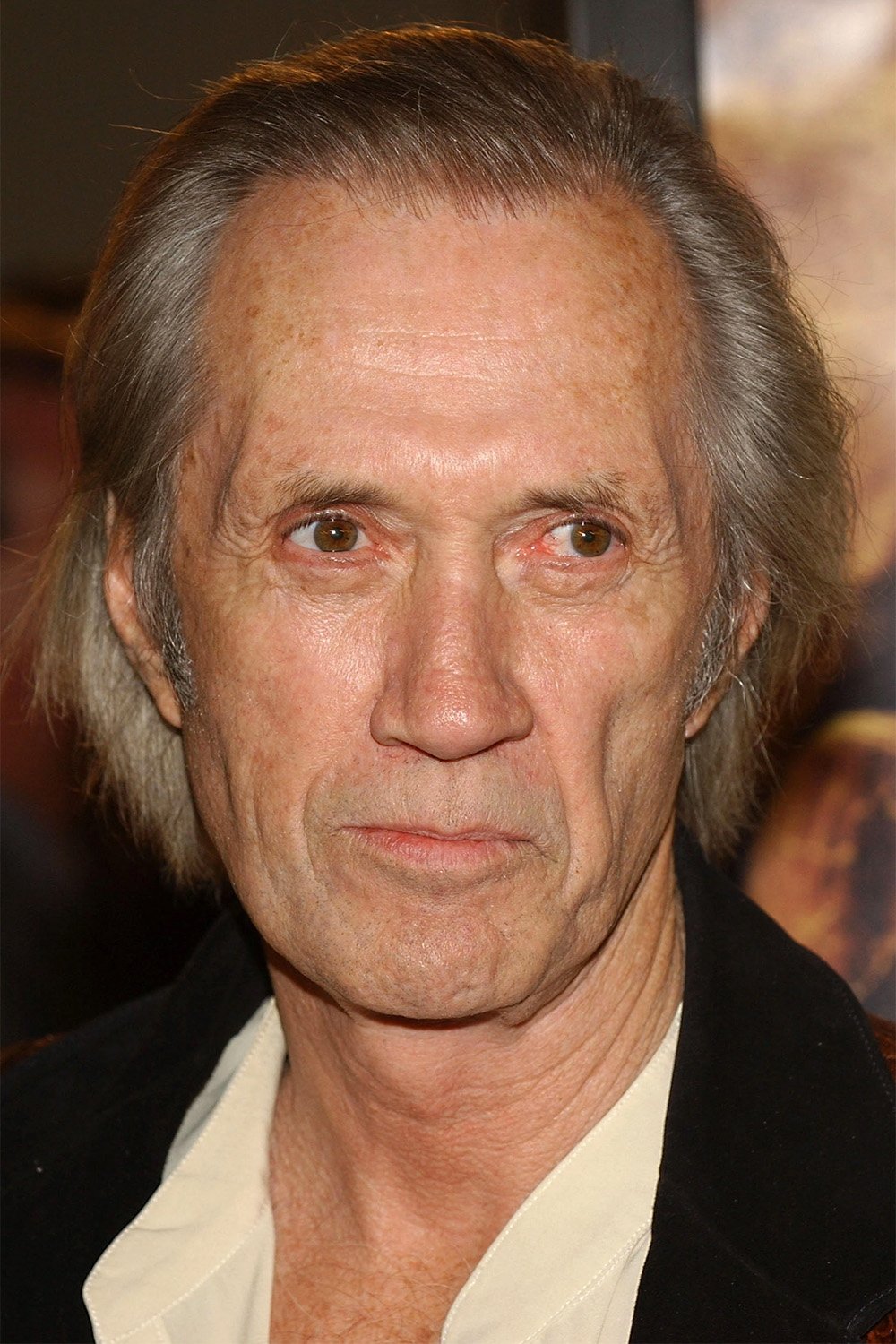
Carradine played Kwai Chang Caine, a Shaolin trained wanderer who is written as mixed heritage. The series presented the character with a white lead after early development considered a martial artist from Hong Kong.
Trade histories and cast interviews recount how the pitch evolved and how the network positioned the show. Later retrospectives connect the role to wider discussions about opportunities for Asian and Asian American leads on television.
Joseph Fiennes in ‘Urban Myths’ (2017)
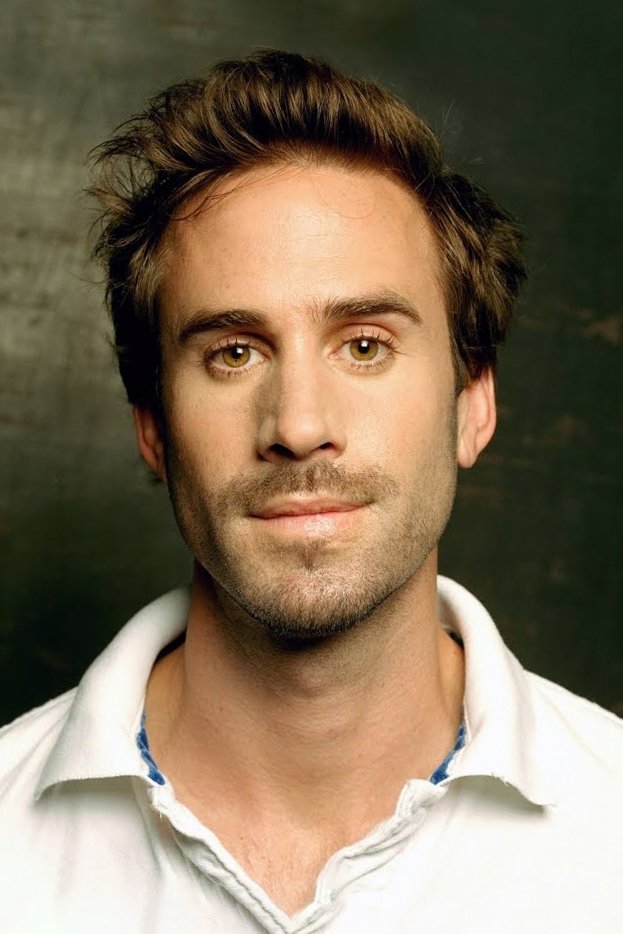
Fiennes was cast as Michael Jackson for an anthology episode. Promotional clips and stills showed him in light prosthetic makeup before the broadcaster decided not to air the installment after public criticism.
Industry coverage documented the timeline from casting announcement to the decision to pull the episode. The case is used to illustrate how a modern production can reverse course when a portrayal is out of step with audience expectations.
Shirley MacLaine in ‘My Geisha’ (1962)
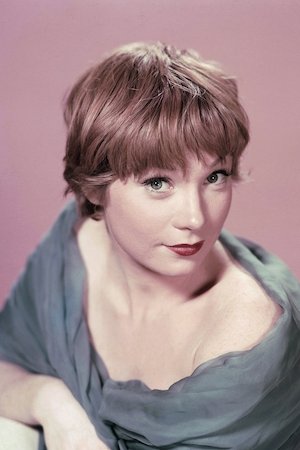
MacLaine played a white film star who disguises herself as a Japanese performer within the story. Makeup, wig work, and wardrobe created the on screen deception, and the plot treated the transformation as a comedic reveal.
Press materials highlighted the dual identity premise and the craft behind the look. The film now appears in studies of yellowface that track how productions folded the practice into the narrative itself.
Rex Harrison in ‘Anna and the King of Siam’ (1946)
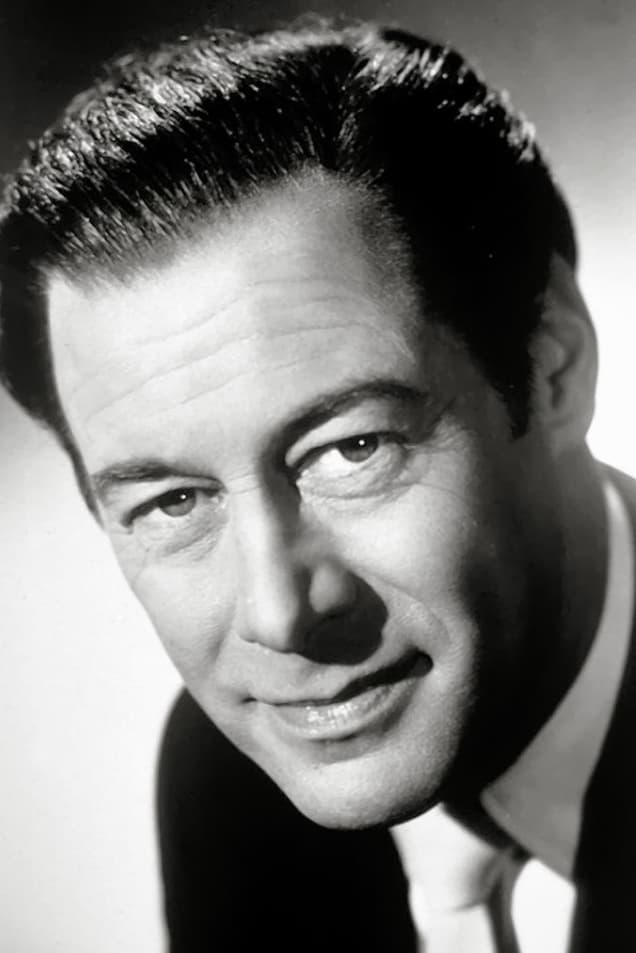
Harrison portrayed King Mongkut of Siam using makeup and a shaved head to construct the role. The film adapted a biographical account and set a template that later productions of the story would revisit.
Contemporary reviews and archival photos show the scale of the costume and set building around the performance. The casting appears in film histories that compare mid century portrayals of Southeast Asian royalty.
Warner Oland in ‘Charlie Chan’ films (1931–1937)
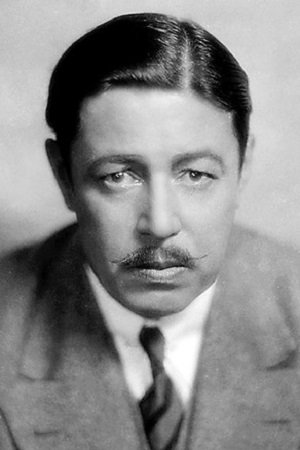
Oland, a Swedish actor, played the Chinese detective across a long running series. The productions used eye makeup, wigs, and specific costuming to create a consistent screen image that audiences would recognize from one entry to the next.
Studio records and poster art document how the character was branded for international release. The series remains a central example when examining how a white star sustained a yellowface portrayal over many films.
Peter Ustinov in ‘Charlie Chan and the Curse of the Dragon Queen’ (1981)
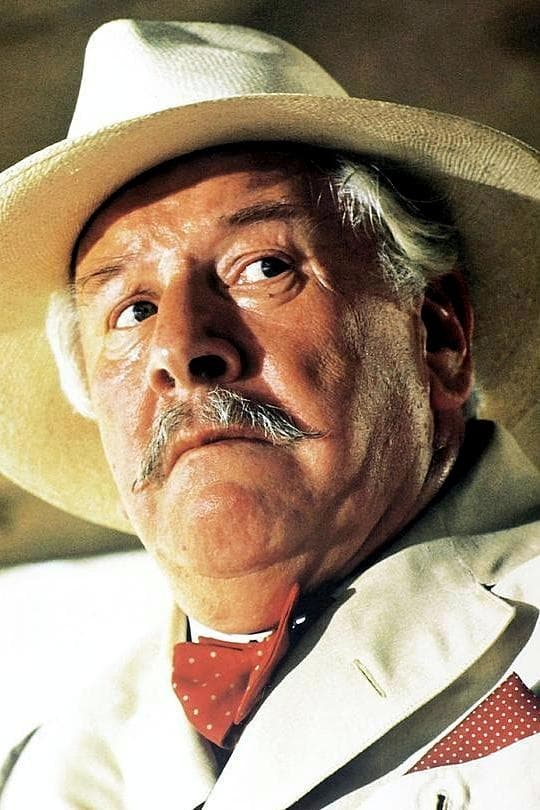
Ustinov revived the Chan character for a modern entry and appeared in makeup to play the detective. The film leaned on nostalgia for the earlier series while updating locations and supporting characters.
Coverage at the time noted that the production returned to a depiction rooted in older conventions. The casting is often referenced to show how legacy properties carried forward practices from a previous era.
Christopher Lee in ‘Fu Manchu’ films (1965–1969)
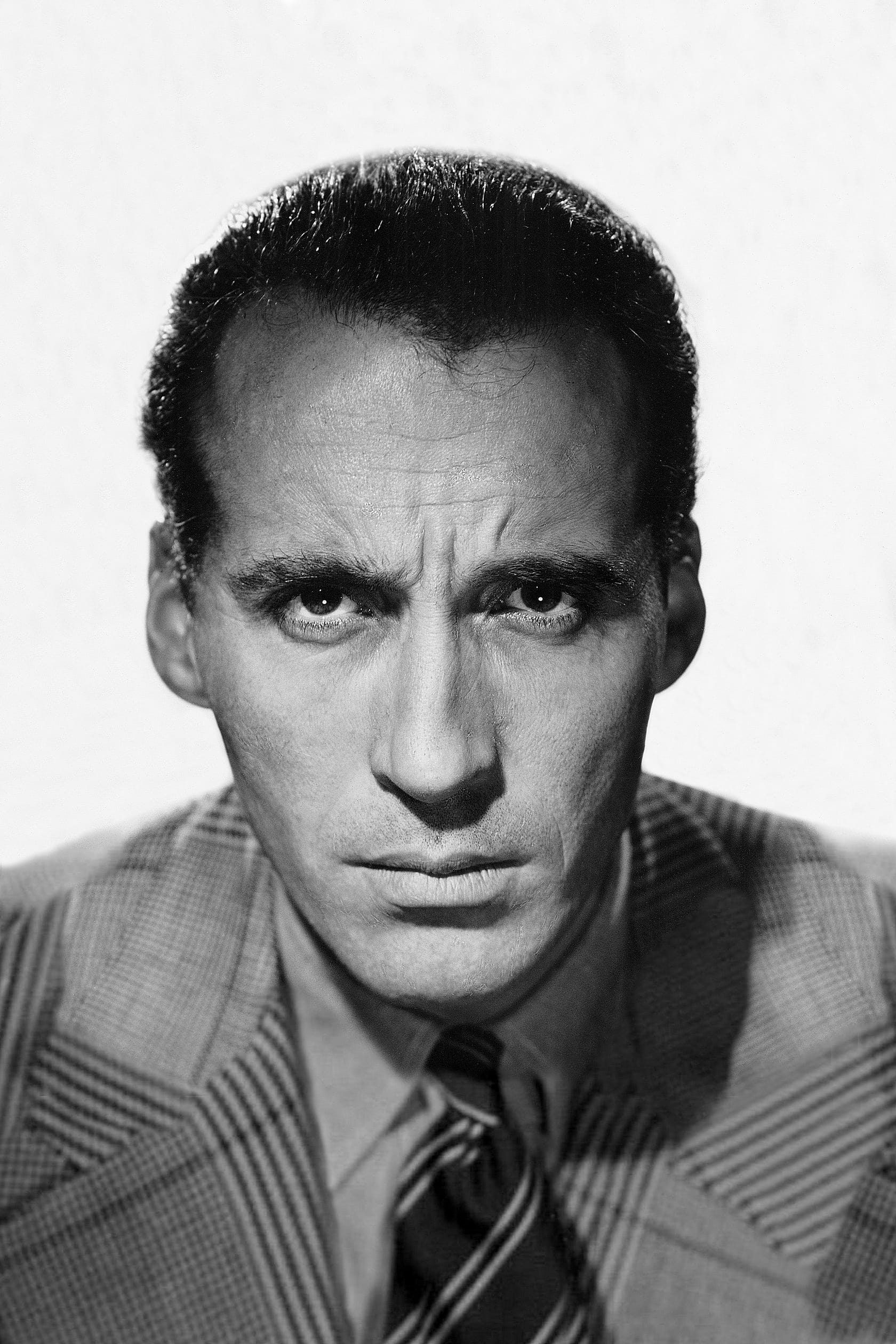
Lee starred as Fu Manchu in a cycle of adventure features. The makeup team created pointed moustaches, prosthetic pieces, and eyebrow shaping to match a specific villain image drawn from earlier pulp fiction and serials.
Publicity stills and lobby cards emphasized the visual trademarks of the character. The films are now studied alongside earlier portrayals to map how a single figure was used to define an entire type of screen villain.
Boris Karloff in ‘The Mask of Fu Manchu’ (1932)
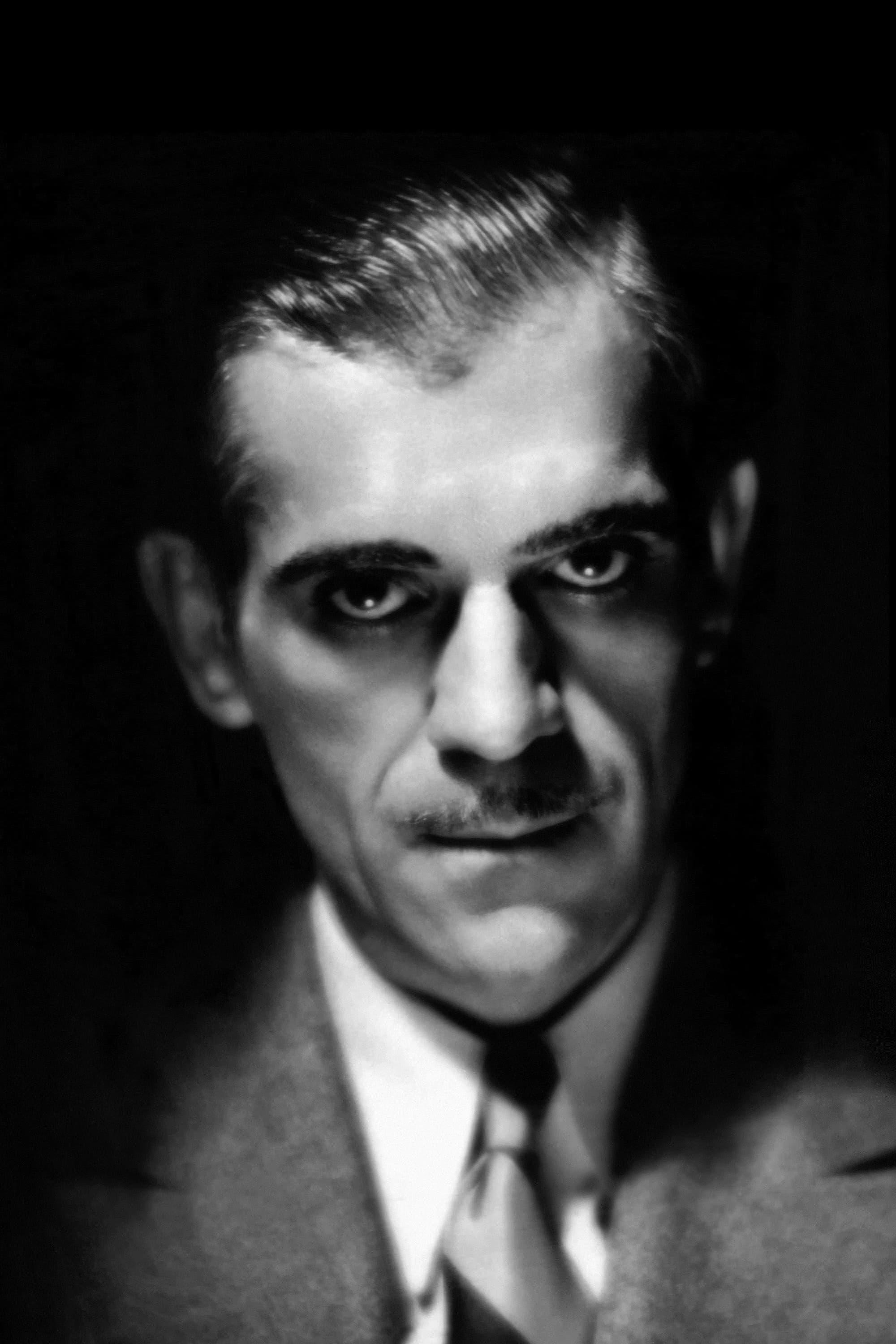
Karloff played Fu Manchu with heavy makeup and costuming in a studio era spectacle. The production built elaborate sets and props and paired the character with a roster of henchmen and exoticized rituals.
Archival materials from the studio detail the design process and the campaign used to sell the film. The portrayal appears frequently in scholarship on how pre Code productions handled racialized imagery.
Joel Grey in ‘Remo Williams: The Adventure Begins’ (1985)
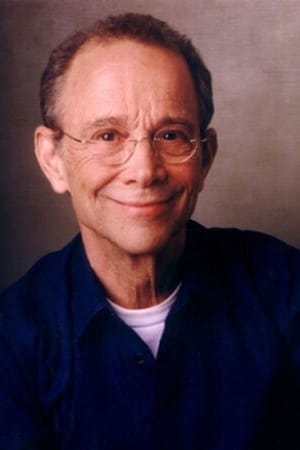
Grey played Chiun, a Korean martial arts master, under extensive prosthetics and a crafted accent. The character trained the American lead in a series opener that planned for sequels.
Makeup features and crew interviews describe the time required in the chair and the appliances used for the role. The film is often brought up in genre retrospectives when discussing eighties action titles that relied on race based disguises.
Richard Barthelmess in ‘Broken Blossoms’ (1919)
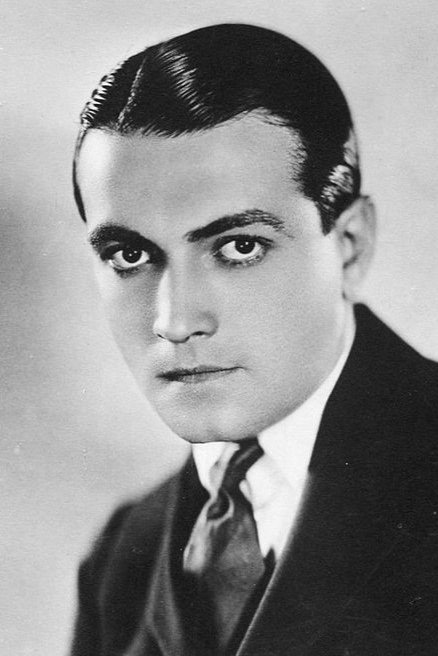
Barthelmess portrayed a Chinese immigrant in a silent drama set in London. The production applied makeup and costuming to create the character and used intertitles to present a stylized dialect.
Film archives preserve stills and production notes that show the approach to design for the part. The title is an early example of how white actors were positioned as Asian leads in silent cinema.
Nils Asther in ‘The Bitter Tea of General Yen’ (1933)
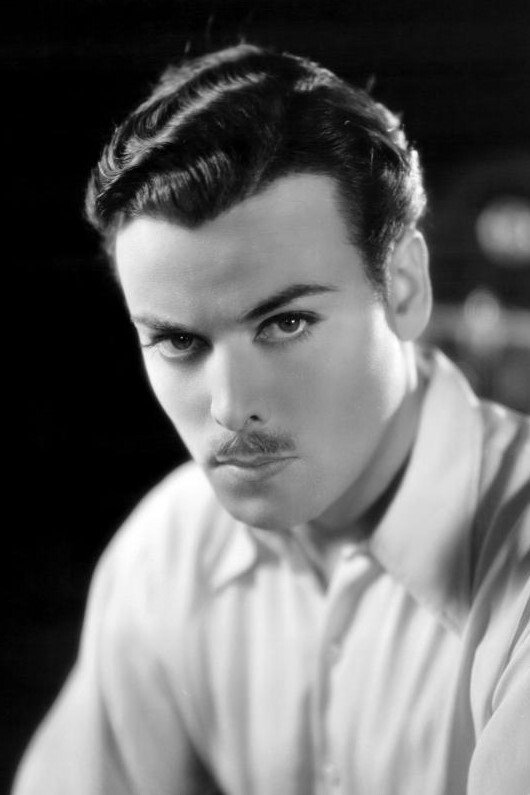
Asther, a Swedish actor, played a Chinese warlord opposite an American missionary. Makeup teams reshaped hairline and eyes and adjusted skin tone to build the screen image.
Frank Capra’s production files and vintage publicity describe the choices that supported the character. The film is regularly included in discussions of pre Code work that mixed romantic plots with stereotyped depictions.
Charlton Heston in ‘Touch of Evil’ (1958)
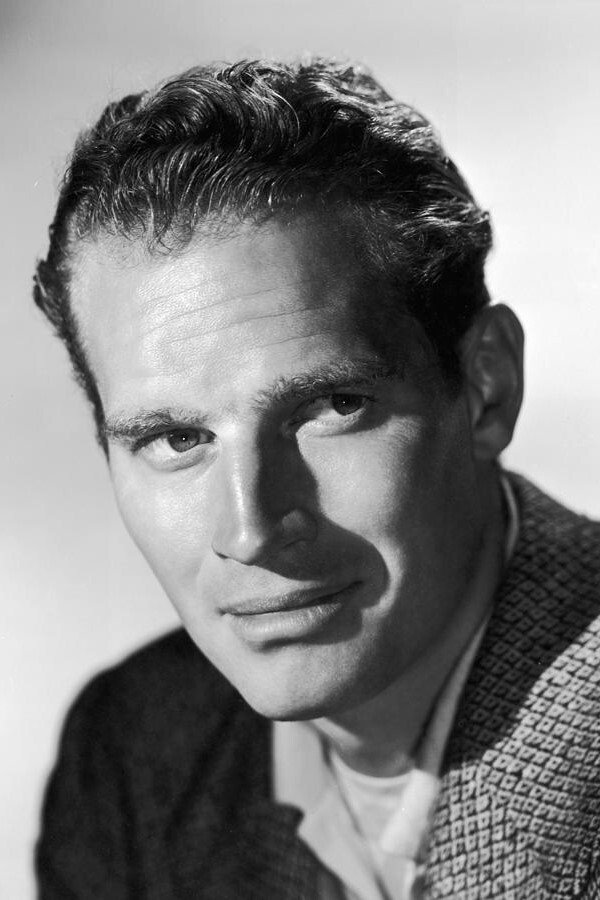
Heston played Mexican official Ramon Miguel Vargas and appeared with darkened complexion. The production shot on location at the border and used dramatic lighting that emphasized the makeup during closeups.
Crew accounts and later restorations outline the decisions behind casting and presentation. The role is a prominent studio era instance of a white star embodying a Latino character through cosmetics.
Marlon Brando in ‘Viva Zapata!’ (1952)
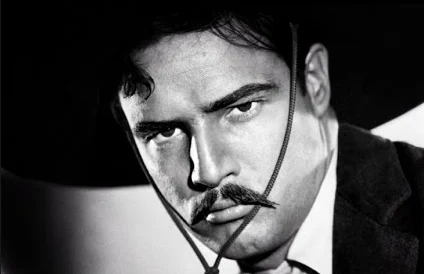
Brando portrayed Mexican revolutionary Emiliano Zapata in a black and white biographical drama. Makeup and hairstyle changes were part of the transformation and the production filmed across Southwest locations to stand in for Mexico.
Production histories note the involvement of high profile collaborators and the research process described during publicity. The casting is discussed today as a key example of a white lead playing a major figure from Mexican history.
Hugo Weaving in ‘Cloud Atlas’ (2012)
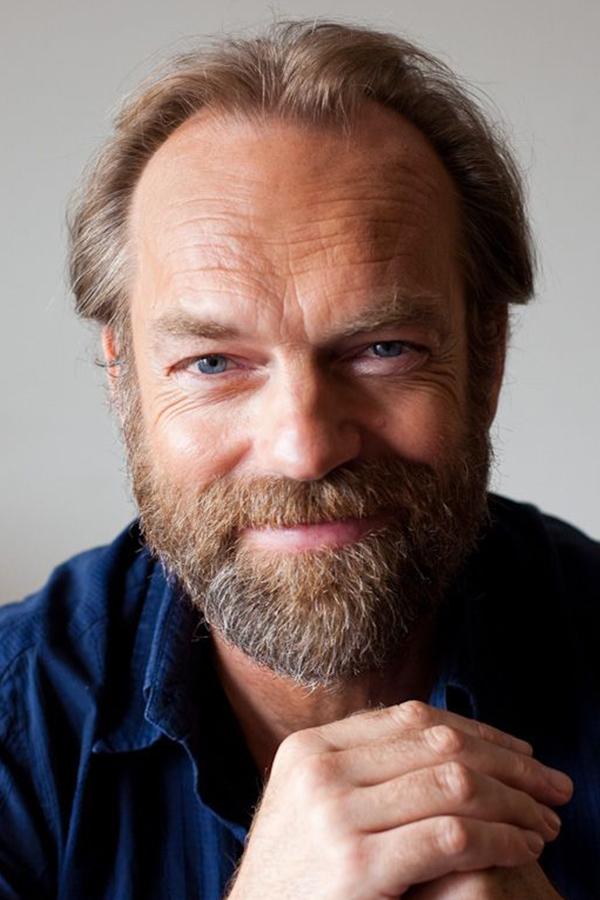
Weaving played multiple roles, including characters in the Neo Seoul storyline presented with prosthetics that suggested Korean features. The film used a repertory approach, assigning actors to several identities across different eras.
Press notes and behind the scenes reels explain how the makeup department managed the transformations for each timeline. The approach is frequently cited when analyzing how cross ethnic prosthetic work was used in a modern production.
Nat Wolff in ‘Death Note’ (2017)

Wolff starred in a live action adaptation that relocated the Japanese story to Seattle and renamed the lead as Light Turner. The production kept the supernatural premise and the rules of the notebook while changing the cultural setting.
Casting announcements and marketing framed the project as a western take on a known property. Reactions highlighted how the shift in location and identity altered the central character from the source material.
Hank Azaria in ‘The Simpsons’ (1989–2021)
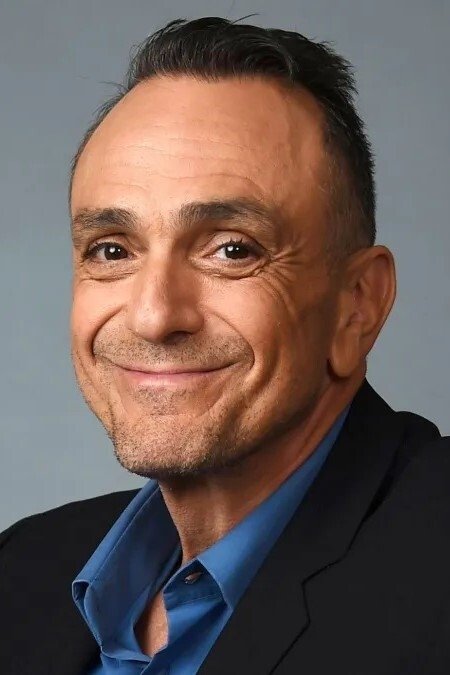
Azaria voiced Apu Nahasapeemapetilon for many seasons using a constructed accent. The character appeared as a long running fixture of the show’s ensemble with storylines built around his family and business.
In later years the actor confirmed that he would step back from the role after conversations about representation. The change has been included in overviews of how voice casting evolved for animated series.
Anthony Hopkins in ‘The Human Stain’ (2003)
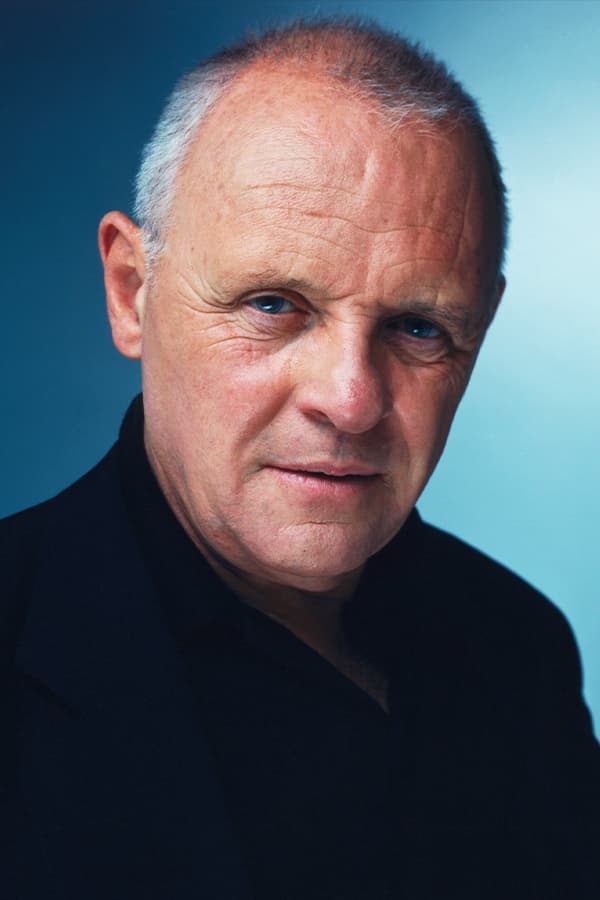
Hopkins played Coleman Silk, a character written as a black man who spent his adult life passing as white. The production cast Wentworth Miller as the younger version of Silk and presented the older professor with a white British star.
Articles and production notes record how the film handled the dual timeline and the casting choices for both periods of the character’s life. The role is often mentioned in discussions about adaptation choices when a character’s identity is central to the plot.
Share the examples you think belong on this list in the comments and tell us which ones you think Hollywood should study most closely.