15 Worst Director’s Cuts of All Time, Ranked



Director’s cuts often promise a deeper dive into a filmmaker’s vision, offering fans a chance to see a movie as it was originally intended. Sometimes, these versions elevate the original, adding depth or fixing flaws, but other times, they fall flat, leaving audiences wishing they’d stuck with the theatrical release.
I’ve compiled a list of the 15 worst director’s cuts that, instead of enhancing the experience, made things worse—whether by dragging the pace, adding unnecessary scenes, or stripping away what made the original special. Let’s dive into the ranking, starting from the least offensive to the most disappointing.
15. The Exorcist (1973)

William Friedkin’s horror masterpiece didn’t need much tweaking, but the director’s cut, marketed as ‘The Version You’ve Never Seen,’ added about 12 minutes of footage. Scenes like the spider-walk sequence and extra subliminal images were included to heighten the scare factor.
These additions felt more like gimmicks than improvements, cluttering the tight pacing of the original. The new ending also felt less satisfying, diluting the chilling impact that made the theatrical version a classic. Stick with the original for the full, unadulterated terror.
14. The Blues Brothers (1980)
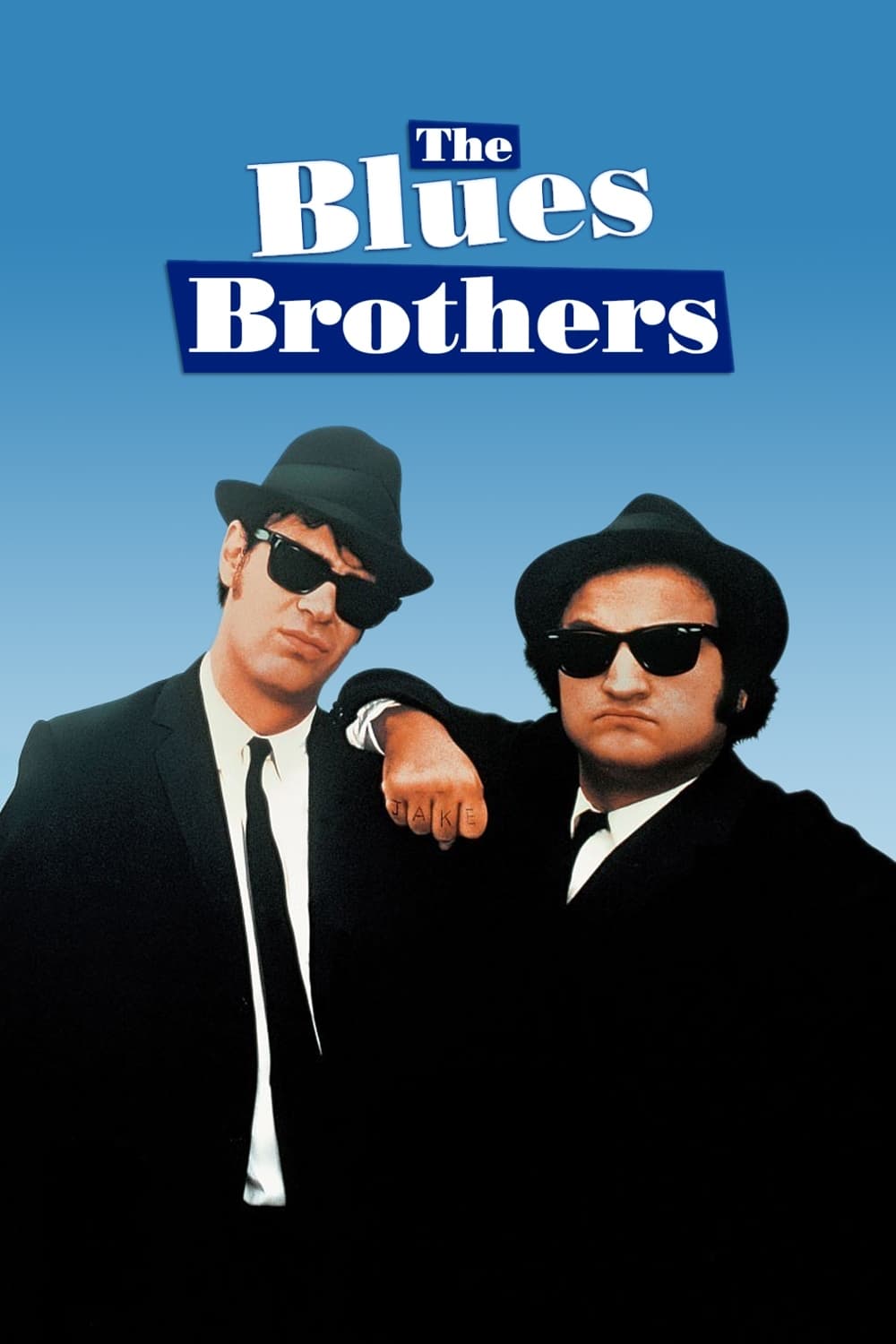
John Landis’s comedy classic follows Jake and Elwood on their mission from God, packed with music and chaos. The director’s cut adds roughly 15 minutes, including extended musical numbers and extra dialogue that flesh out side characters.
While the additions aren’t terrible, they slow down the film’s snappy rhythm. The extra scenes disrupt the comedic flow, making the movie feel bloated where the theatrical cut was perfectly balanced. The charm is still there, but it’s less sharp.
13. Rebel Moon – Part One: A Child of Fire (2023)

Zack Snyder’s space epic aimed for grandeur but stumbled in its theatrical release. The director’s cut, released later, extends the runtime significantly, adding more backstory and action to flesh out the universe.
Unfortunately, the extra footage doesn’t fix the core issues—flat characters and a predictable plot. Instead, it makes the film feel even more bloated, with drawn-out scenes that add little emotional weight. The theatrical version, while flawed, was at least more concise.
12. Rebel Moon – Part Two: The Scargiver (2024)
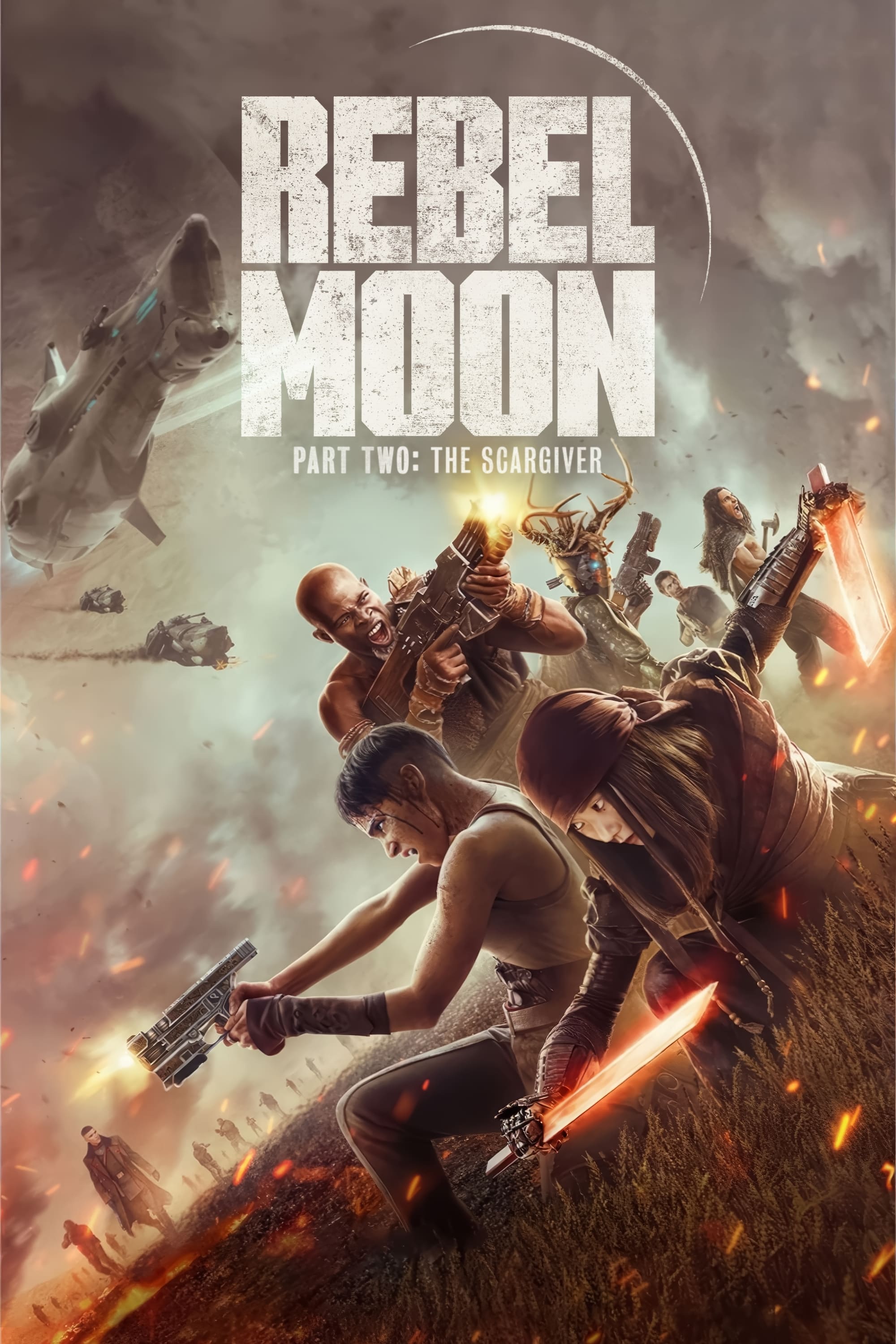
The second part of Snyder’s sci-fi saga follows a similar pattern. The director’s cut piles on more action and extended character moments, pushing the combined runtime of both parts to over four hours.
These additions amplify the same problems as the first film—too much focus on spectacle over substance. The longer cut feels indulgent, dragging out battles and backstories that don’t deepen the narrative. The theatrical version’s tighter pacing, though imperfect, is easier to sit through.
11. Léon: The Professional (1994)
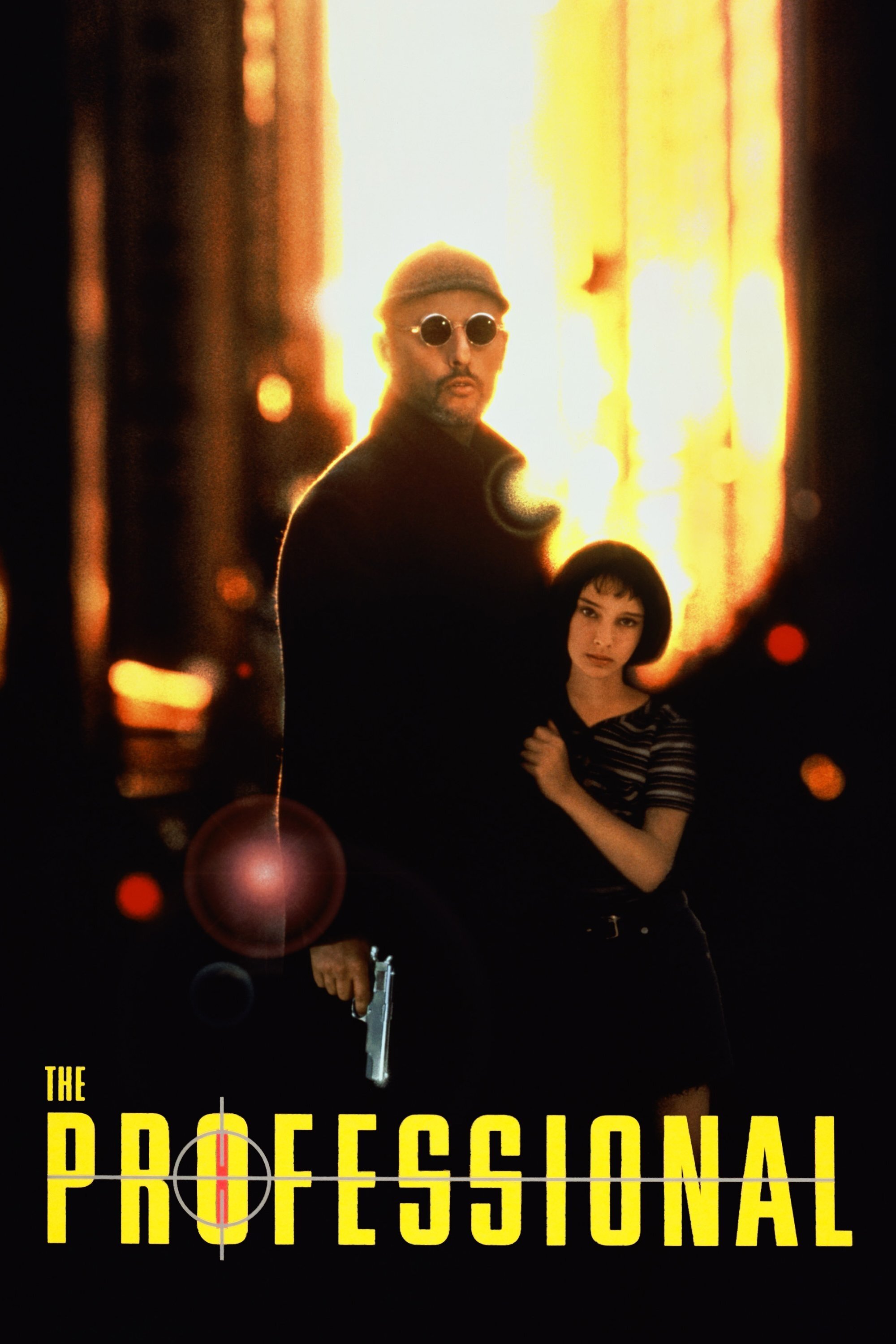
Luc Besson’s tale of a hitman and his young protégé is a tense, emotional ride in its original form. The director’s cut adds about 24 minutes, including more scenes of Léon and Mathilda’s relationship, which some find uncomfortable due to their age gap.
These extra moments disrupt the film’s careful balance, making the dynamic feel overly drawn out and, at times, awkward. The theatrical cut’s restraint keeps the story’s intensity and heart intact without lingering too long.
10. The Warriors (1979)
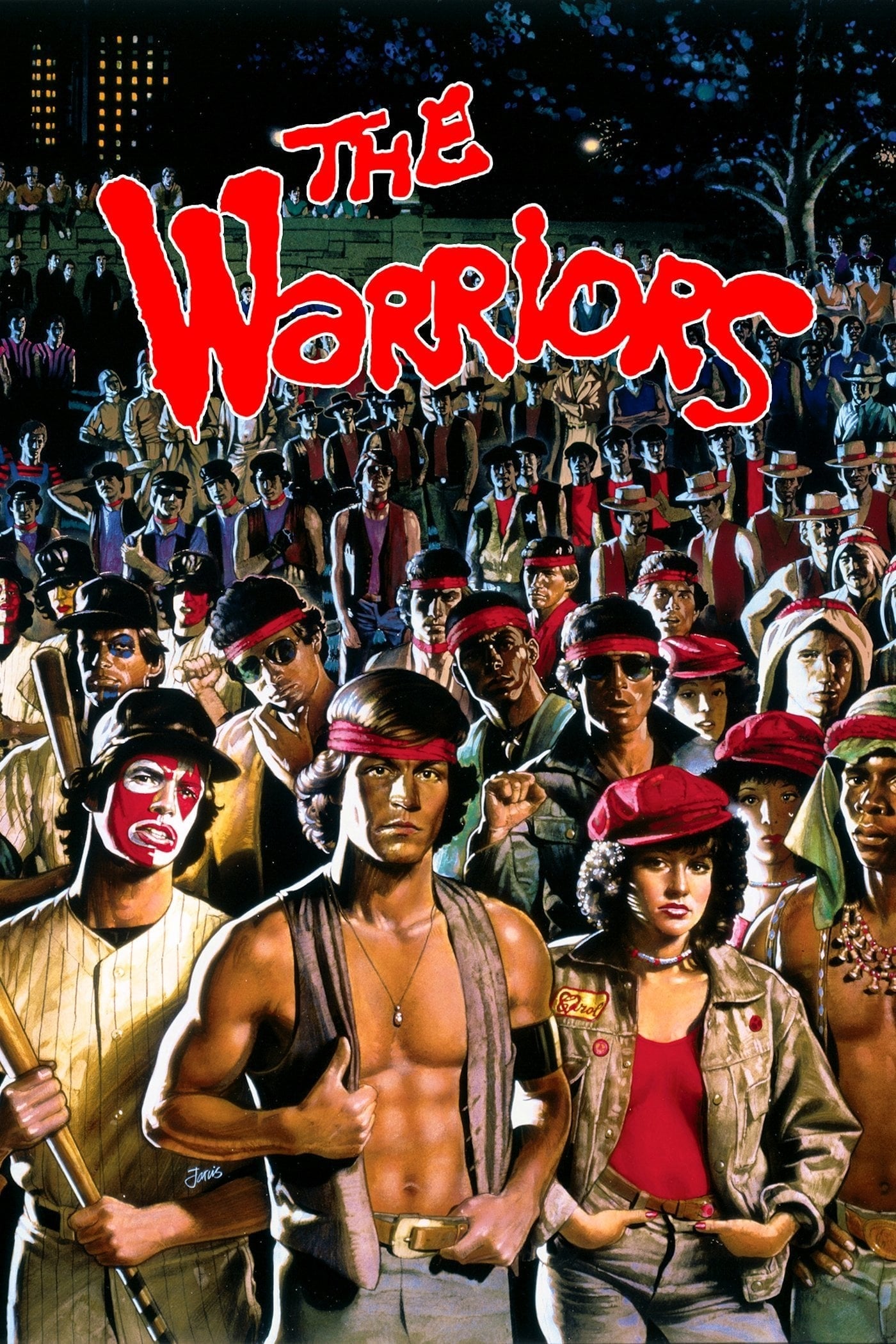
Walter Hill’s gritty gang film thrives on its lean, kinetic energy. The director’s cut introduces comic book-style transitions and effects to emphasize the story’s stylized roots, along with a few extended scenes.
These changes clash with the film’s raw vibe, feeling like flashy distractions that sap the momentum. The original’s straightforward grit makes it a cult classic; the director’s cut tries too hard to be something it’s not.
9. Alexander (2004)

Oliver Stone’s historical epic about Alexander the Great was a critical and commercial flop. The director’s cut, one of several re-edits, adds nearly an hour of footage, restructuring the narrative and expanding character arcs.
Despite the effort, the added scenes make the film feel more bloated and unfocused. The theatrical version’s flaws remain, and the extra runtime only highlights the uneven pacing and weak casting choices. It’s a noble attempt that falls short.
8. Dumb and Dumber (1994)
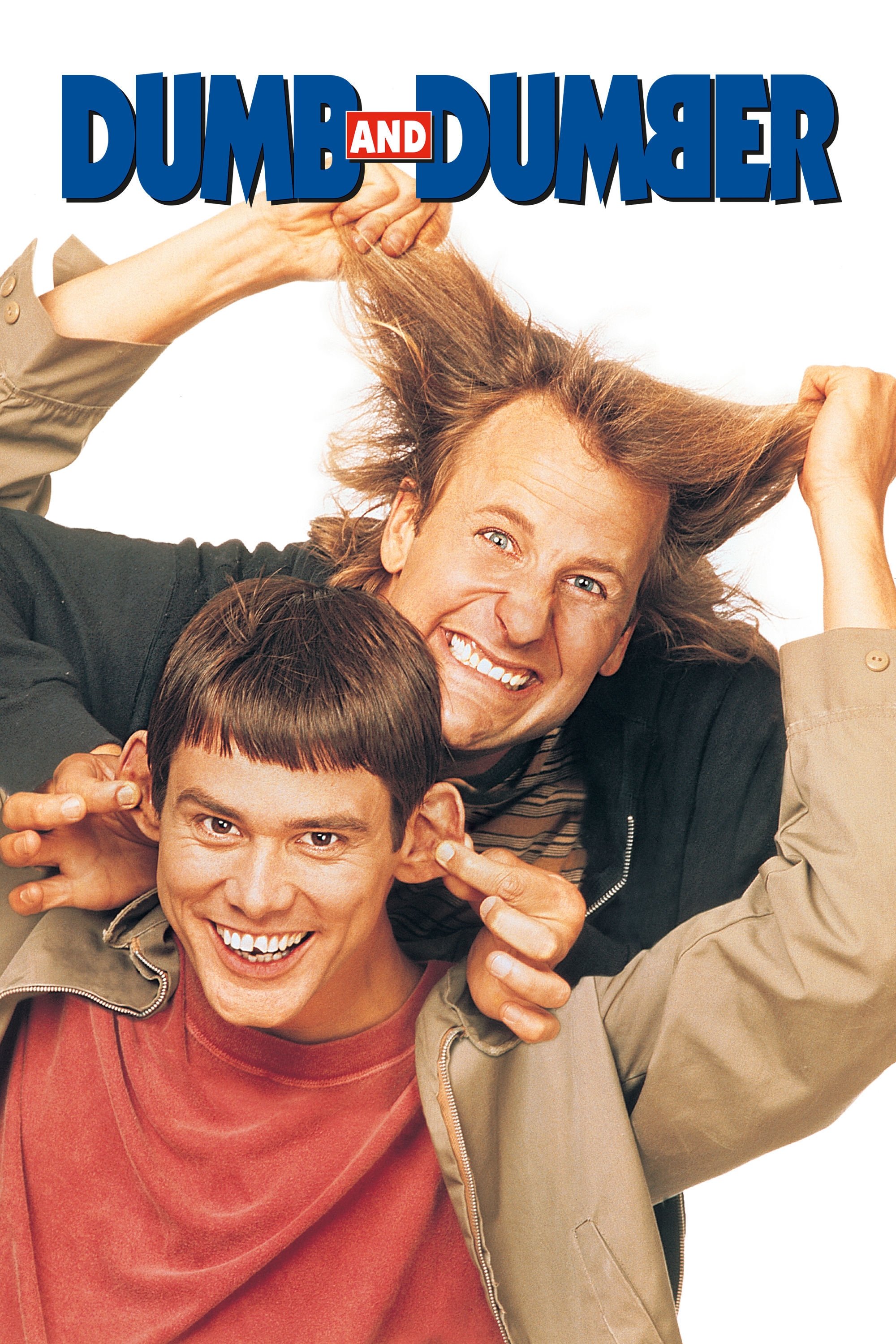
The Farrelly brothers’ comedy about two dim-witted pals is a laugh riot in its theatrical form. The unrated director’s cut tosses in extra scenes, mostly crude gags and extended dialogue, like a graphic conversation about past relationships.
These additions disrupt the film’s tight comedic timing, making Harry and Lloyd feel less endearing and more mean-spirited. The original’s relentless pace and charm are dulled by the unnecessary fluff.
7. Troy (2004)
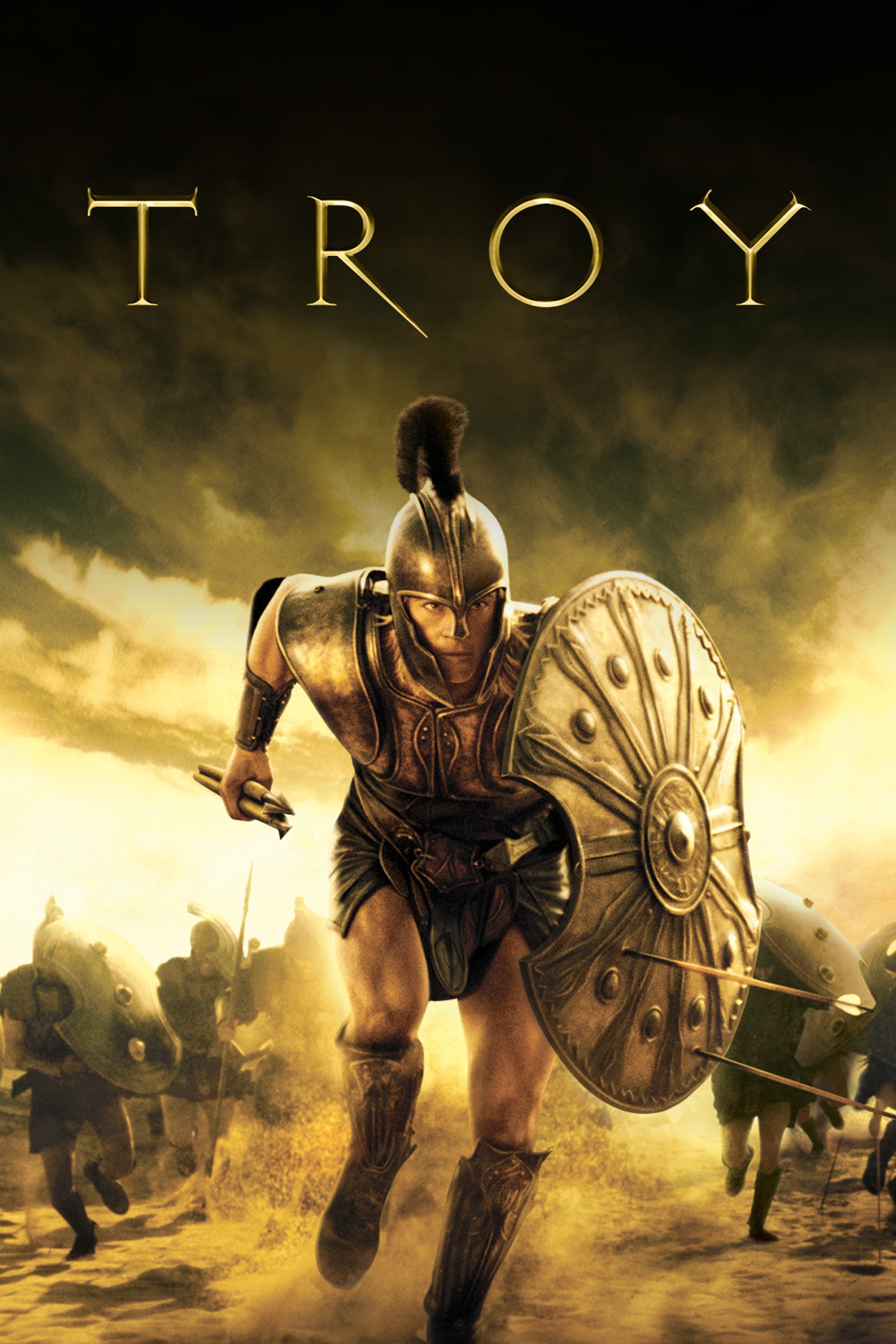
Wolfgang Petersen’s take on the Trojan War is a solid, if unspectacular, epic. The director’s cut adds 30 minutes, including gorier battle scenes and more character moments, aiming for a grander scope.
The extra footage doesn’t enhance the story—it just makes it longer. The theatrical cut, while not perfect, keeps the action moving and avoids overstaying its welcome. The added violence feels gratuitous, not essential.
6. Aliens (1986)
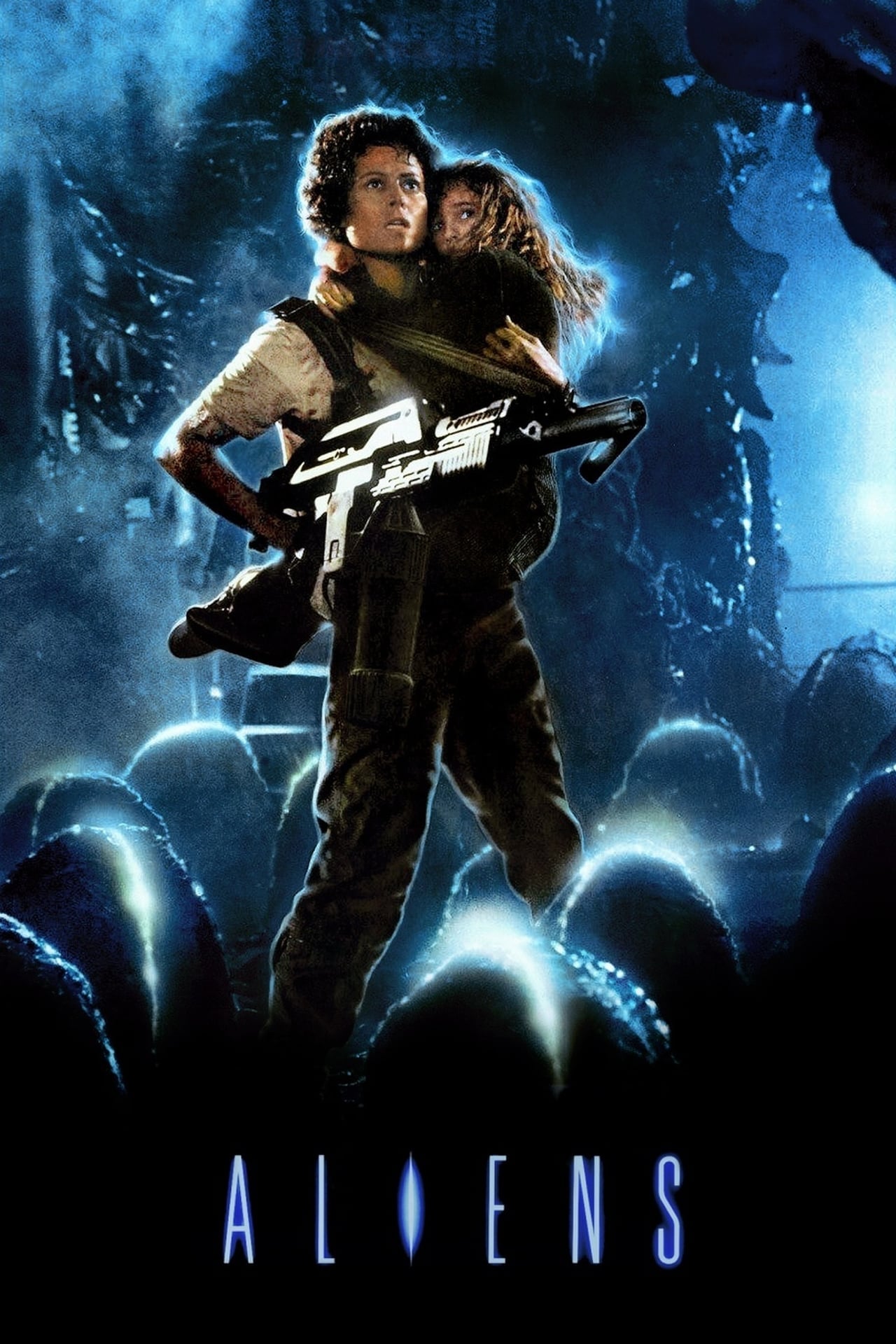
James Cameron’s sci-fi horror sequel is a masterclass in tension and action. The director’s cut adds 17 minutes, including scenes of Ripley learning about her daughter and early colony life, which aim to deepen her character.
These additions slow the film’s relentless pace, answering questions better left mysterious. The theatrical version’s tight focus on survival and terror makes it the stronger experience, keeping audiences on edge without extra baggage.
5. I Am Legend (2007)
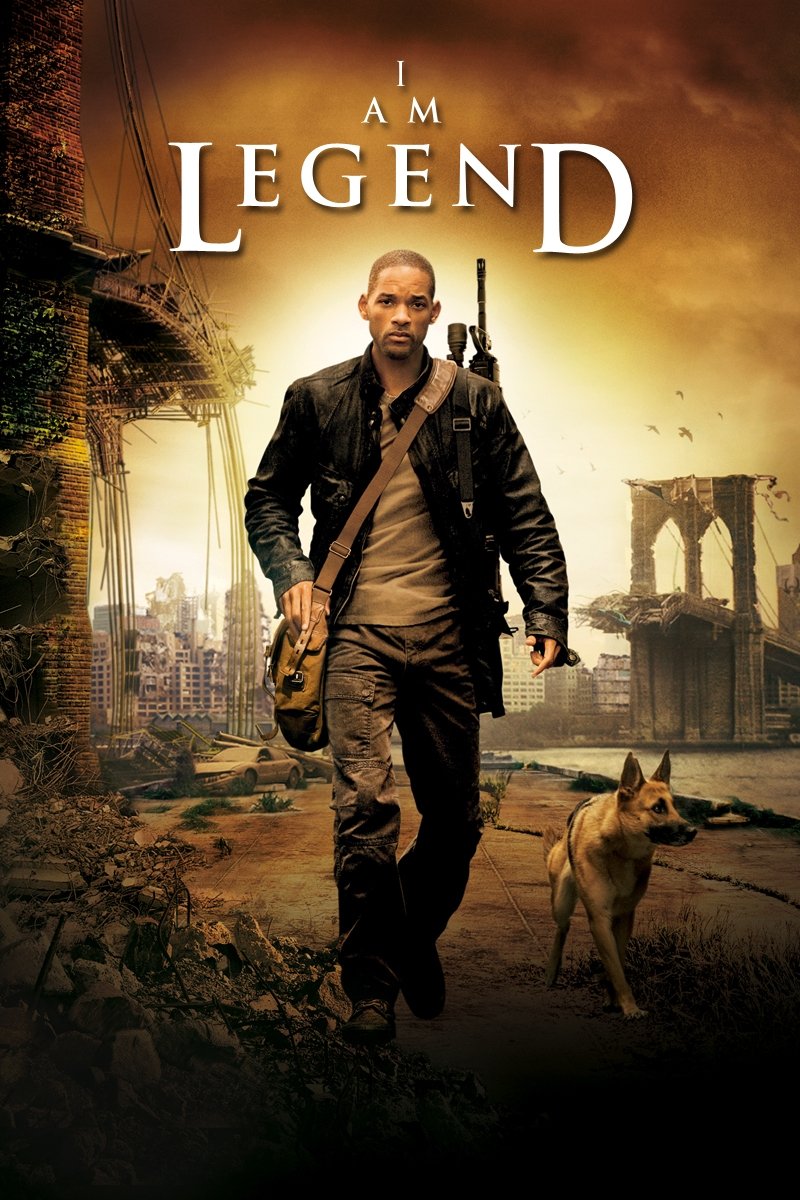
Francis Lawrence’s post-apocalyptic thriller stars Will Smith as a lone survivor. The director’s cut swaps the theatrical ending for an alternate one that aligns more with the book’s themes, plus a few extra scenes.
While the new ending adds some depth, it feels less emotionally resonant than the original’s sacrifice-driven conclusion. The added scenes also drag the pacing, making the theatrical cut’s leaner narrative more gripping.
4. Apocalypse Now Redux (2001)
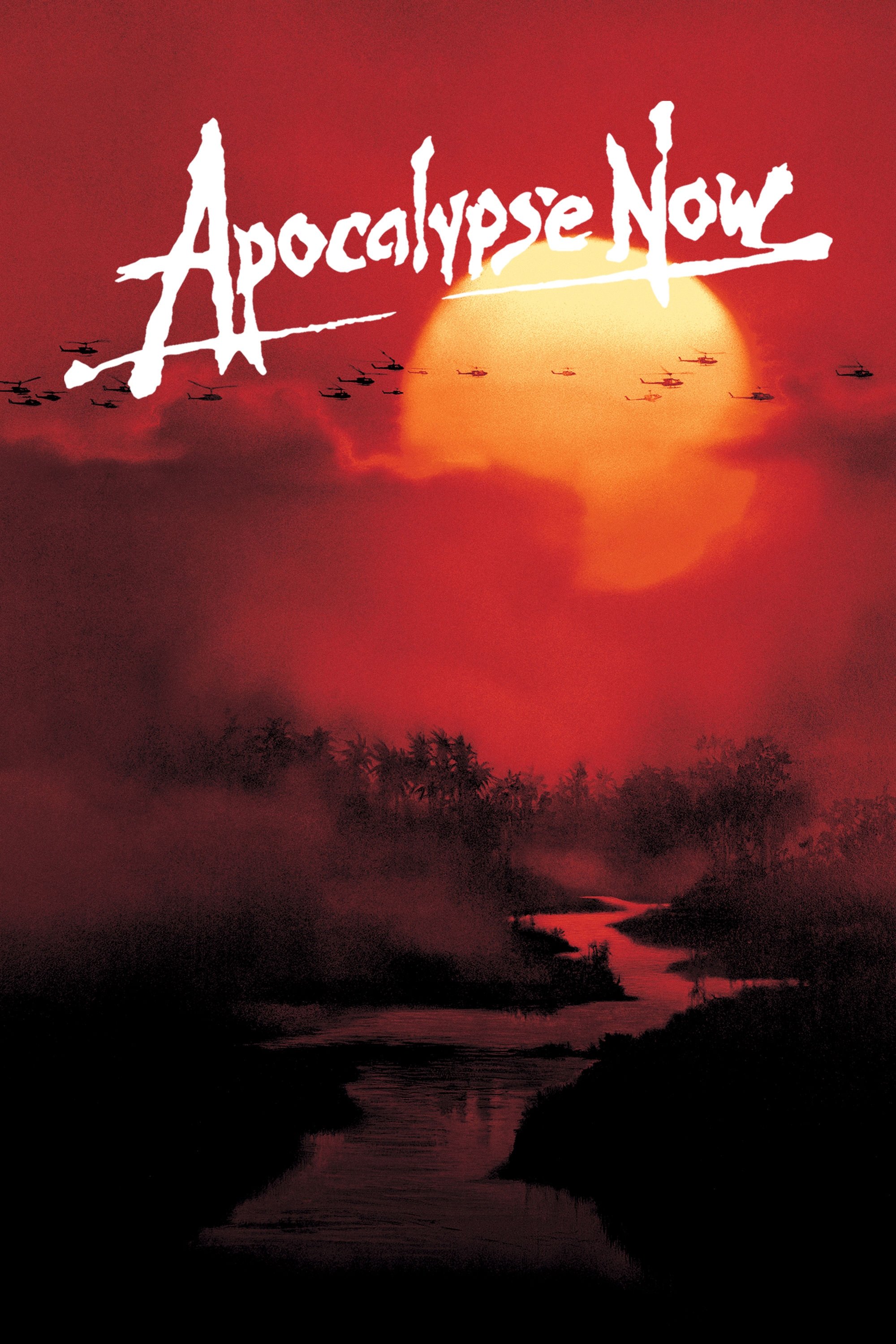
Francis Ford Coppola’s war epic is a haunting masterpiece in its theatrical form. The Redux version adds 49 minutes, including a lengthy French plantation sequence and extended character interactions.
These scenes disrupt the film’s hypnotic flow, slowing the descent into madness that defines the original. The theatrical cut’s tighter pacing captures the war’s chaos and surreal horror far more effectively.
3. Midsommar (2019)

Ari Aster’s folk horror film unsettles with its eerie daylight rituals. The director’s cut extends the runtime by nearly 30 minutes, adding more cult details and character arguments to flesh out the story.
The extra scenes over-explain the mystery, stripping away the ambiguity that made the theatrical version so haunting. The original’s leaner approach lets the horror linger without spelling everything out.
2. Donnie Darko (2001)
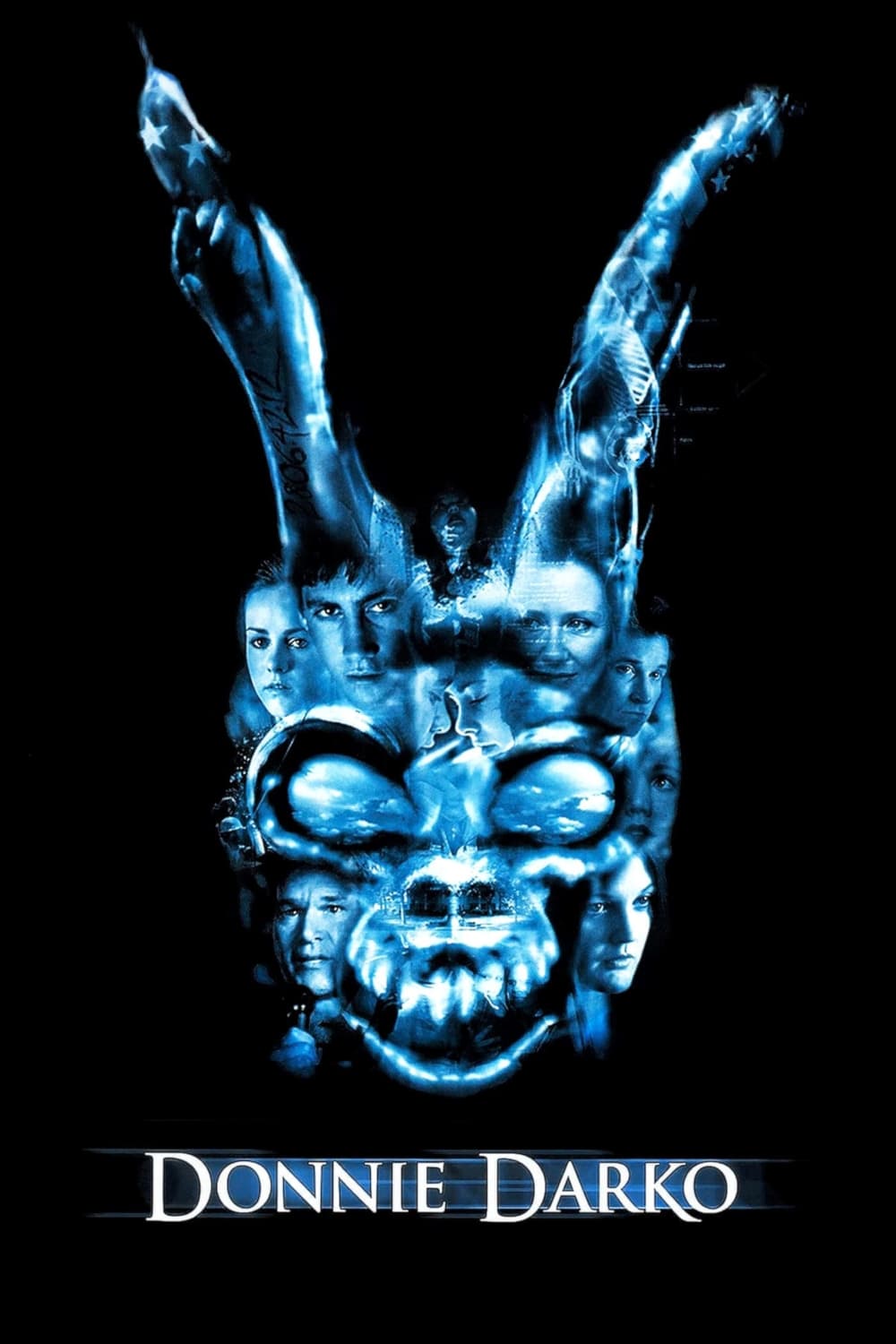
Richard Kelly’s cult classic thrives on its enigmatic storytelling and moody atmosphere. The director’s cut adds 20 minutes, including expository scenes and text from a fictional book to clarify the time-travel plot.
These additions rob the film of its puzzle-like allure, making the narrative too explicit. The theatrical version’s ambiguity invites endless rewatches, while the director’s cut feels like it’s solving the mystery for you.
1. The Gold Rush (1942)
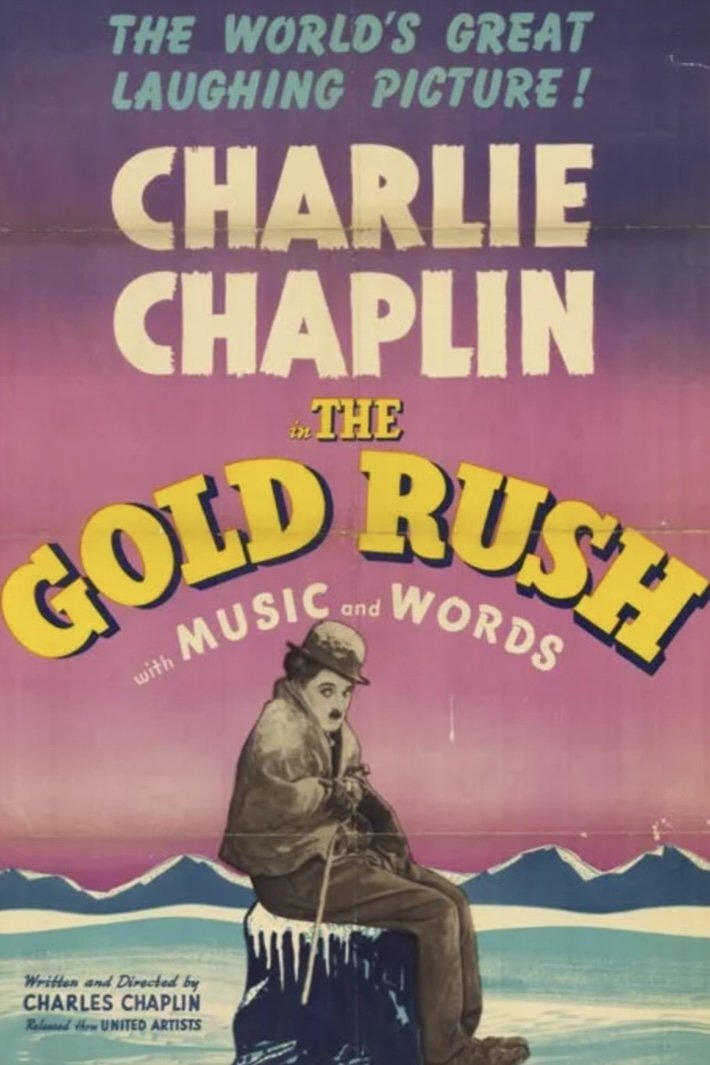
Charlie Chaplin’s silent comedy is a gem of physical humor and heart. For the director’s cut, Chaplin re-released it as a talkie, adding his own narration, a musical score, and trimming some scenes for a tighter edit.
The narration and sound effects clash with the silent era’s charm, breaking the rhythm of Chaplin’s visual comedy. The original’s simplicity and expressive silence make it far superior to this well-meaning but misguided reworking.
Which director’s cut disappointed you the most, or is there another version I overlooked? Drop your thoughts in the comments!