


Worst Horror Movies of All Time




Horror has plenty of masterpieces, but it also has a long trail of misfires that missed the scares, the story, or both. These movies show how tough it is to balance atmosphere, pacing, and practical or digital effects while meeting audience expectations. Some are infamous for awkward scripts, others for rushed production choices or confusing edits. Here are titles horror fans often bring up when talking about big swings that did not land.
‘Troll 2’ (1990)
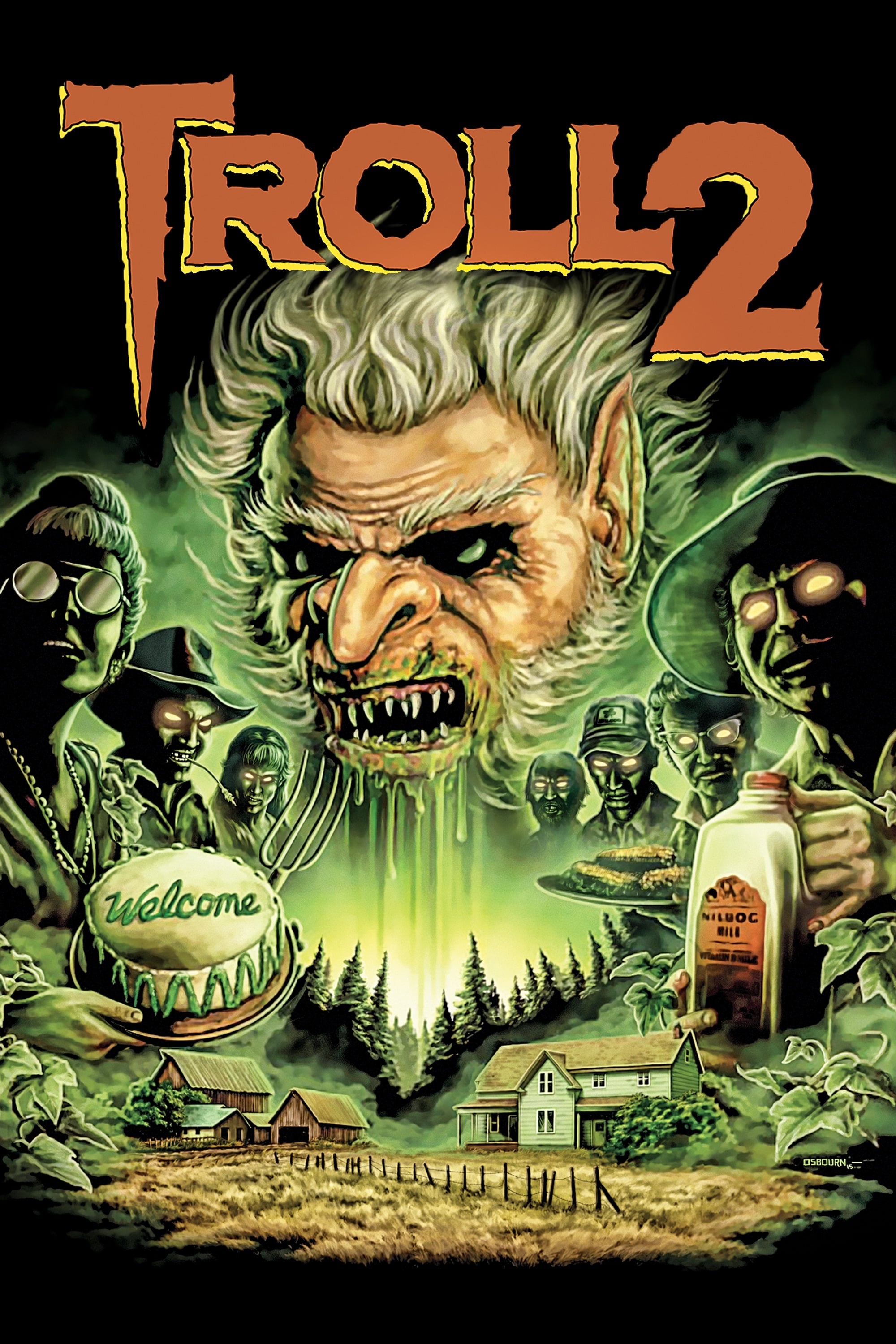
This unrelated follow up to ‘Troll’ features a family vacationing in a small town of vegetarian goblins that turn people into plants before eating them. It was filmed in Utah with non professional actors and an Italian crew working from an English script. The production used everyday locations and simple makeup effects to keep costs down. Over time it gained a cult following for its unintentional humor and widely quoted lines.
‘The Wicker Man’ (2006)
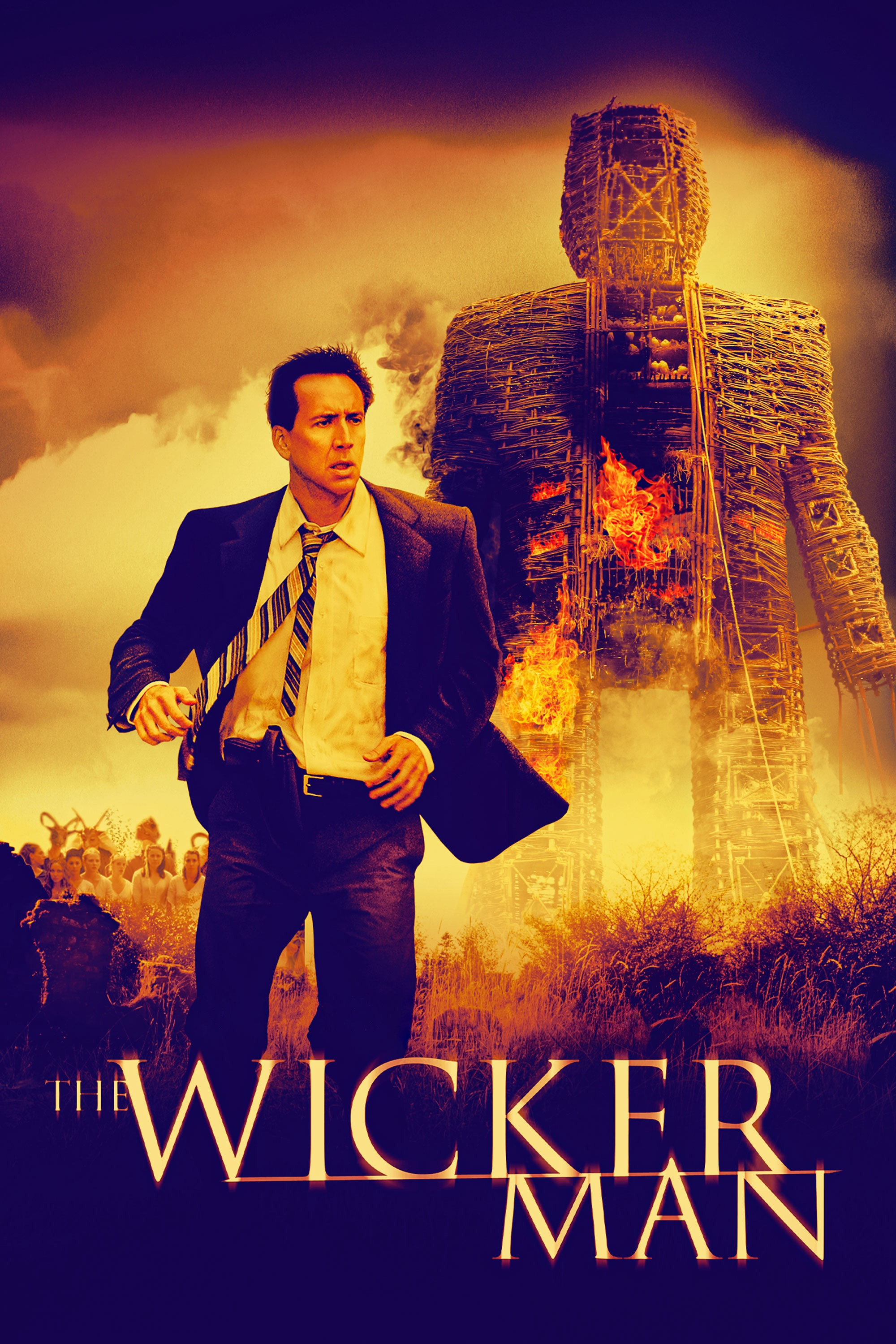
This remake of the 1973 folk horror classic relocates the story to a matriarchal island community in the Pacific Northwest. It stars Nicolas Cage as a police officer searching for a missing child while uncovering a ritualistic society. The production leaned on striking costume design and rural scenery but diverged notably from the original’s tone. Viewers often point to the new ending and altered character motivations as major shifts from the source.
‘The Bye Bye Man’ (2017)
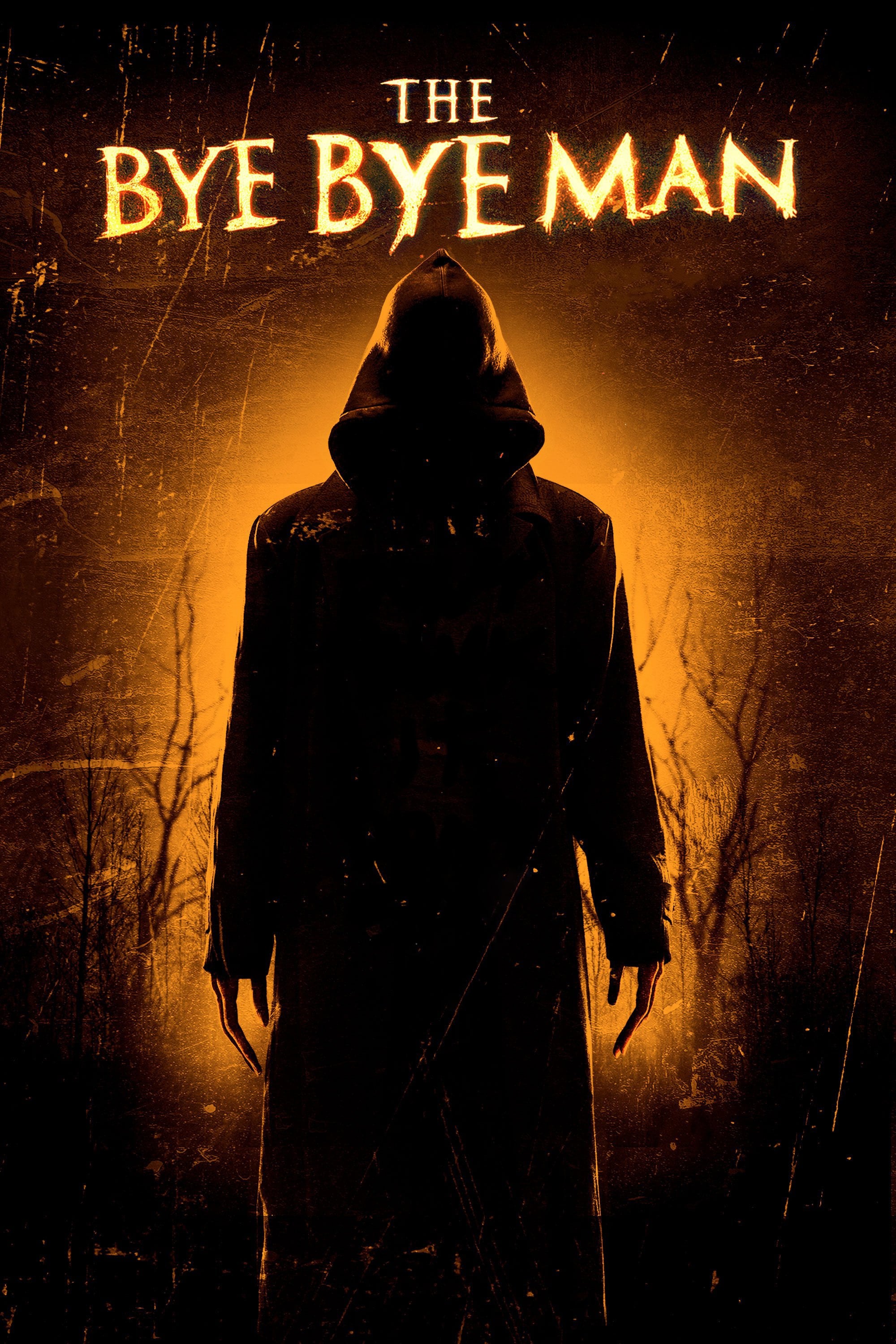
Set around a college house, this film builds its threat on the idea that speaking a name summons a deadly presence. It uses visions, a recurring train motif, and a coin clue to show the entity’s influence. The script draws on a short chapter from a non fiction book for its premise. An unrated cut exists with different edits from the theatrical release.
‘Slender Man’ (2018)
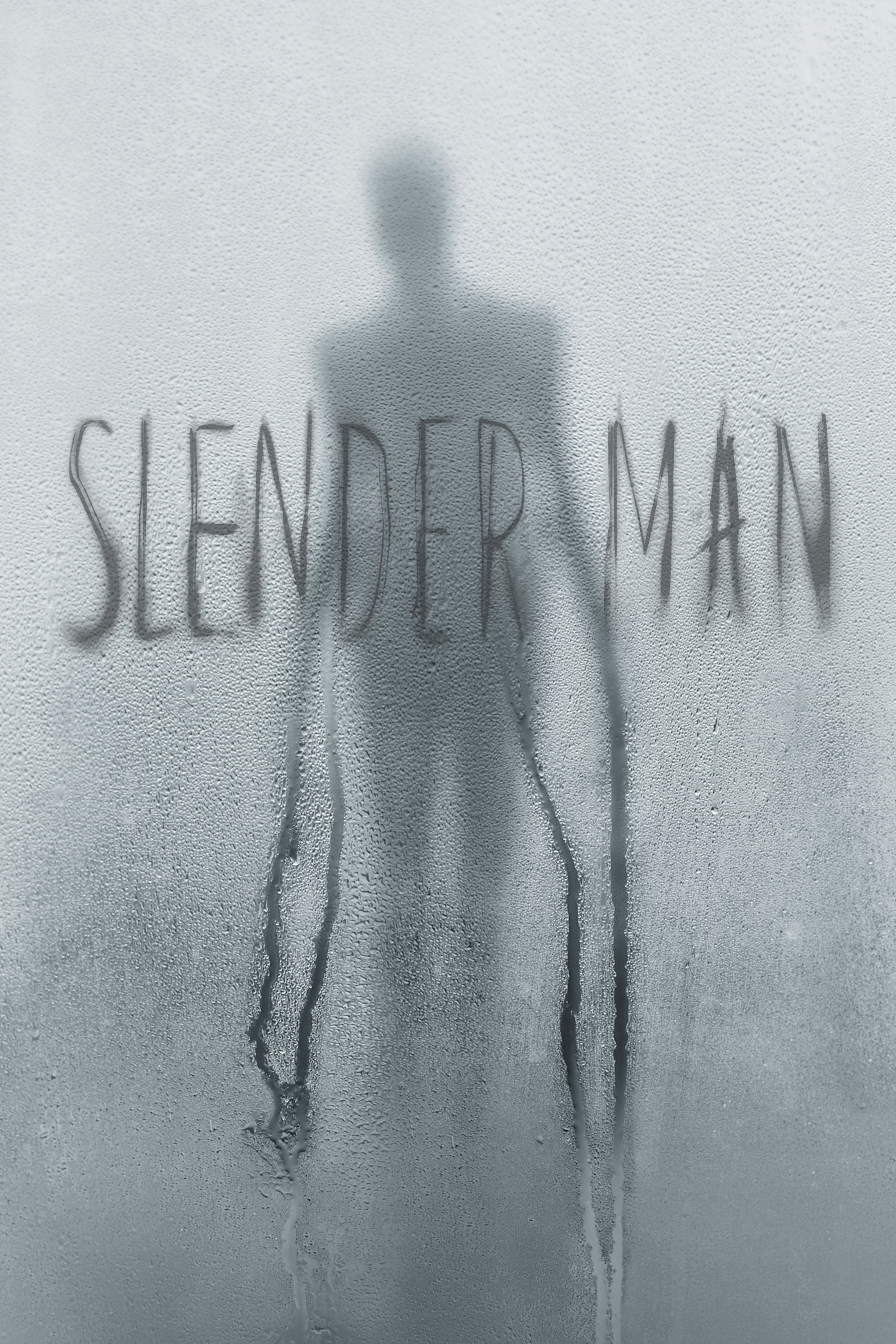
Inspired by the internet born figure, the movie follows four teens who perform a summoning ritual and face escalating hallucinations. The production moved through several edits after online controversy around the character’s real world associations. Much of the imagery relies on dreamlike forests and distorted faces. Marketing emphasized the viral roots while the final cut softened several elements.
‘One Missed Call’ (2008)
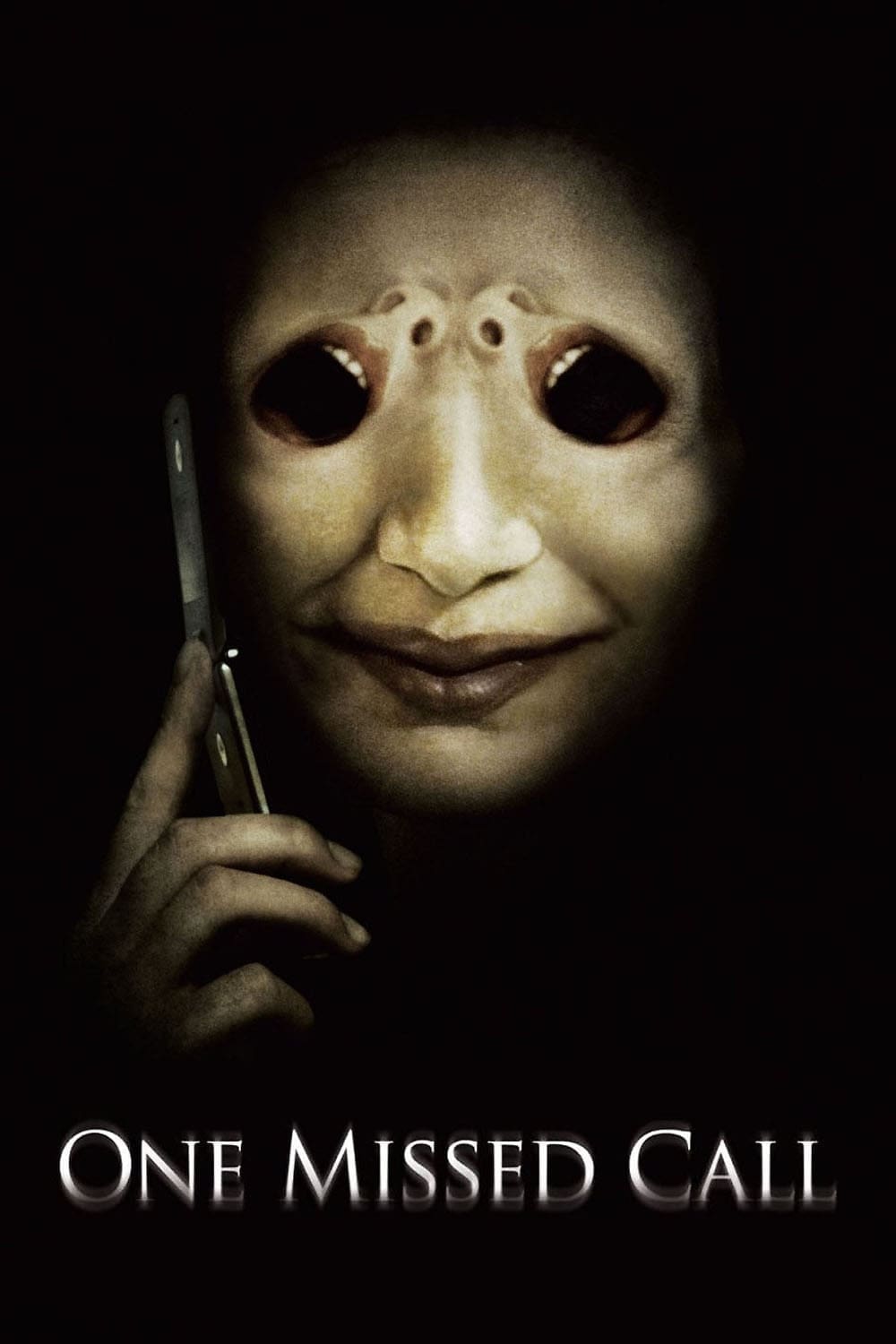
This American remake adapts the Japanese hit about phone calls that predict a person’s death. The plot threads involve a chain of missed calls, a hospital backstory, and red candy as a recurring prop. Filming made use of urban locations and a moody color palette to mimic J horror style. It arrived during a wave of remakes that included ‘The Grudge’ and ‘The Ring’ adaptations.
‘The Devil Inside’ (2012)
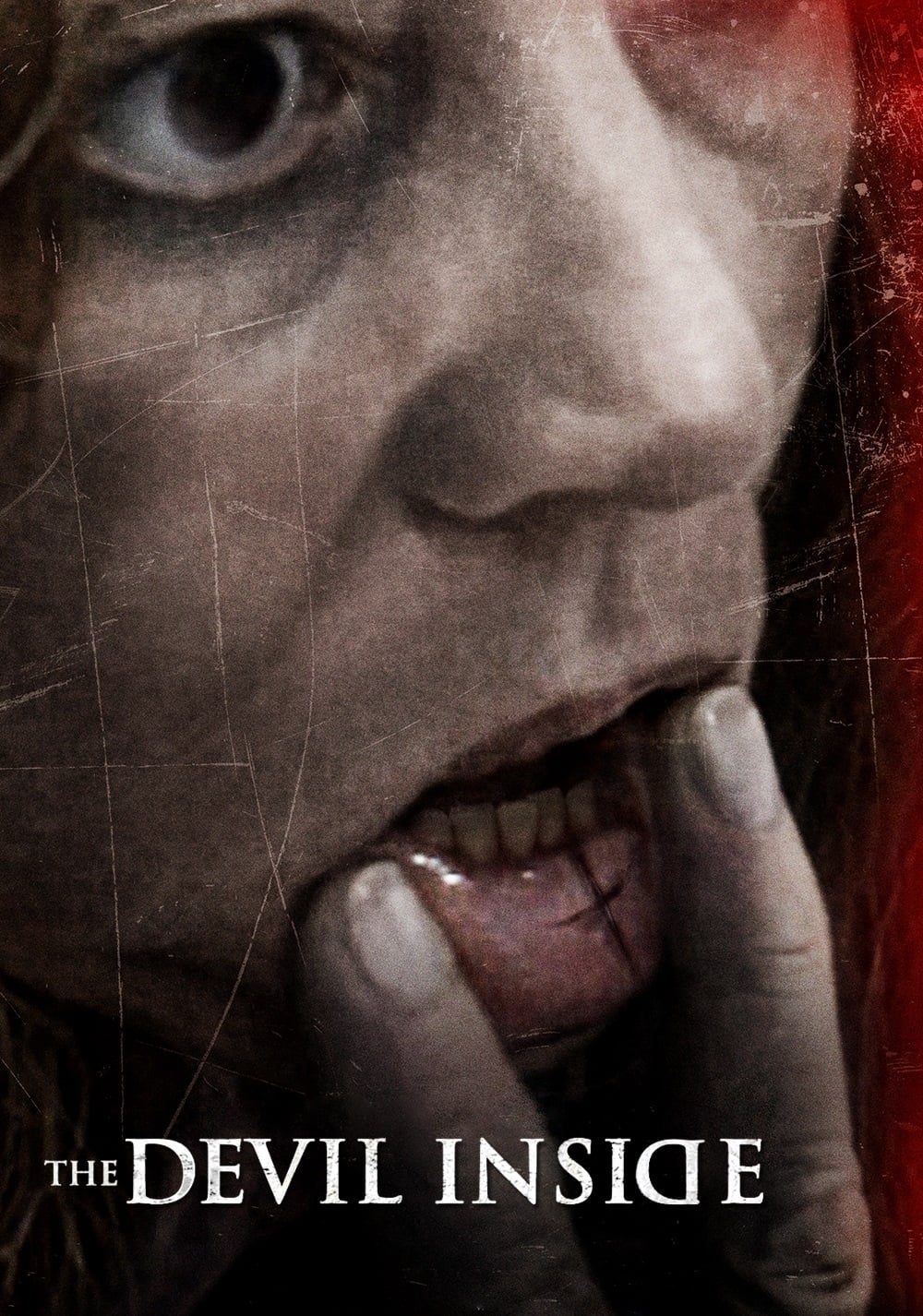
Structured as a faux documentary, this exorcism story follows a woman who travels to Rome to investigate her mother’s case. The film employs handheld camerawork, night vision shots, and interviews with priests to sell authenticity. A viral marketing campaign helped it open strongly. Its abrupt ending sends viewers to a website for more information, which became the movie’s most discussed creative choice.
‘Birdemic: Shock and Terror’ (2010)
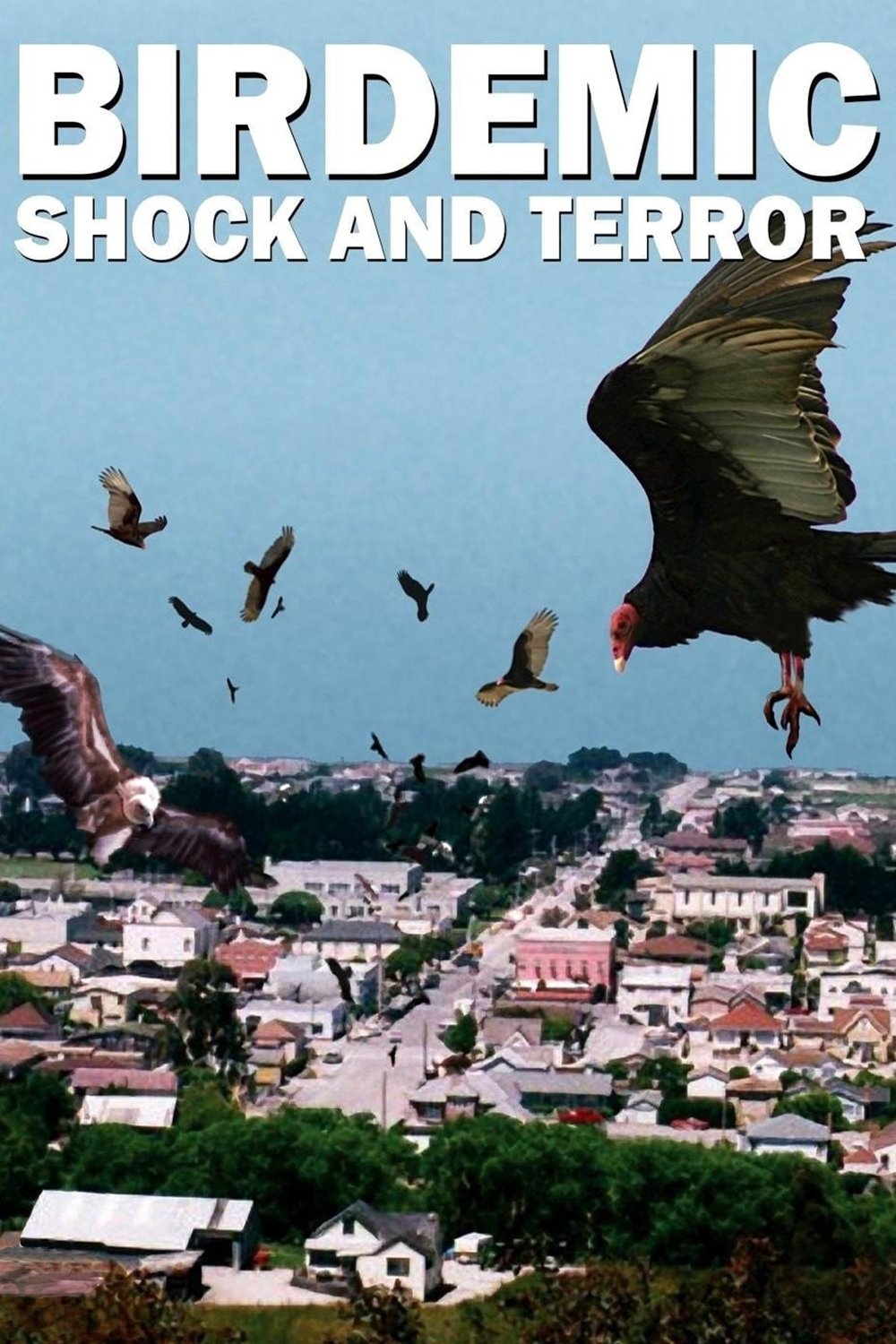
This microbudget eco horror romance shows a small town under attack by flocks of poorly rendered digital birds. Production took place around Half Moon Bay with local businesses and cars serving as key locations. The soundtrack and sound effects were added in post with limited resources. Screenings often became audience participation events due to the movie’s unique execution.
‘House of the Dead’ (2003)
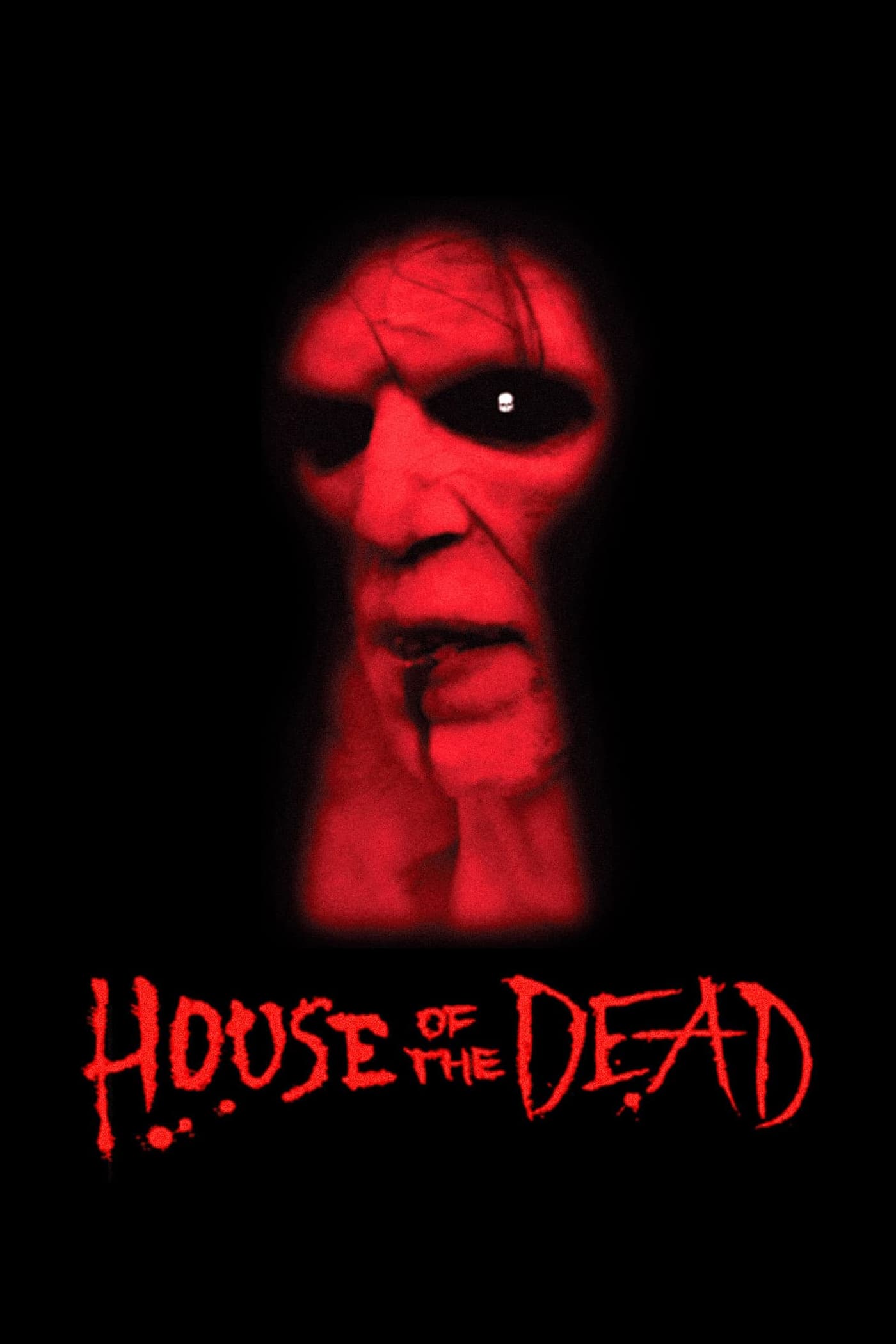
Based on the arcade shooter, this movie strands partiers on an island overrun by zombies tied to a centuries old experiment. It incorporates quick cut inserts of gameplay footage during action scenes. The shoot used Vancouver area sets and heavy practical gore alongside stylized camera moves. Its narrative departs substantially from the game’s simple on rails structure.
‘Alone in the Dark’ (2005)
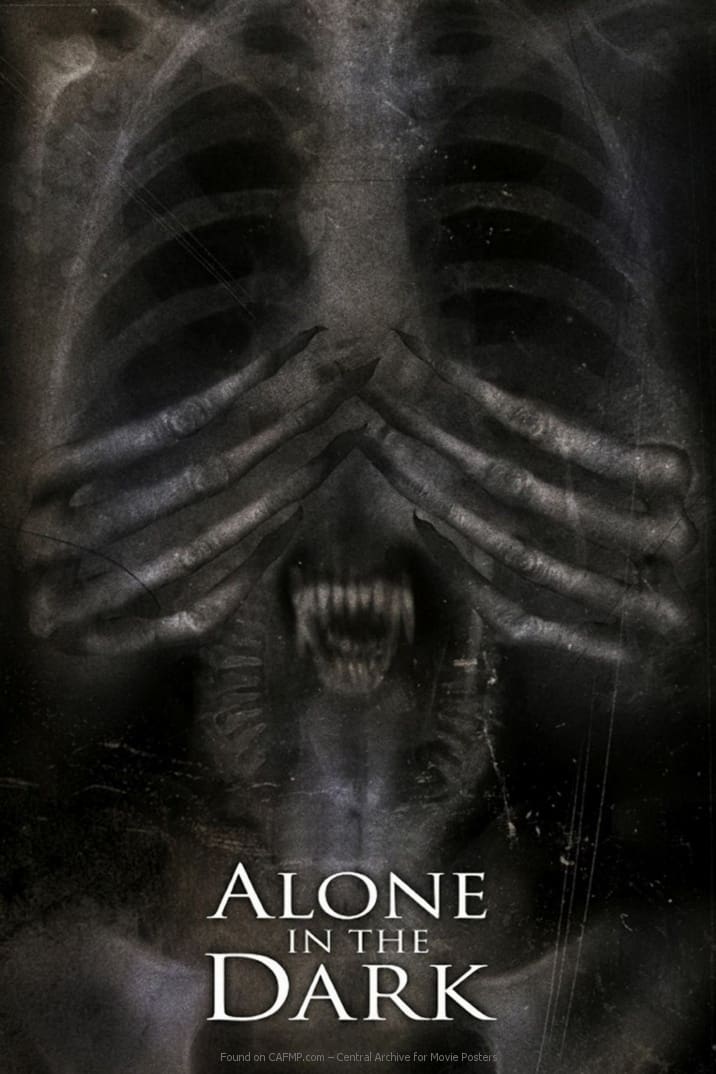
Drawn from the survival horror game series, the plot follows a paranormal investigator confronting creatures linked to ancient artifacts. The film combines gunplay, laboratory sequences, and flashbacks to government experiments. Casting pairs a brooding lead with a museum curator partner to create a mismatched duo. It arrived amid a wave of video game adaptations chasing crossover audiences.
‘Jaws: The Revenge’ (1987)
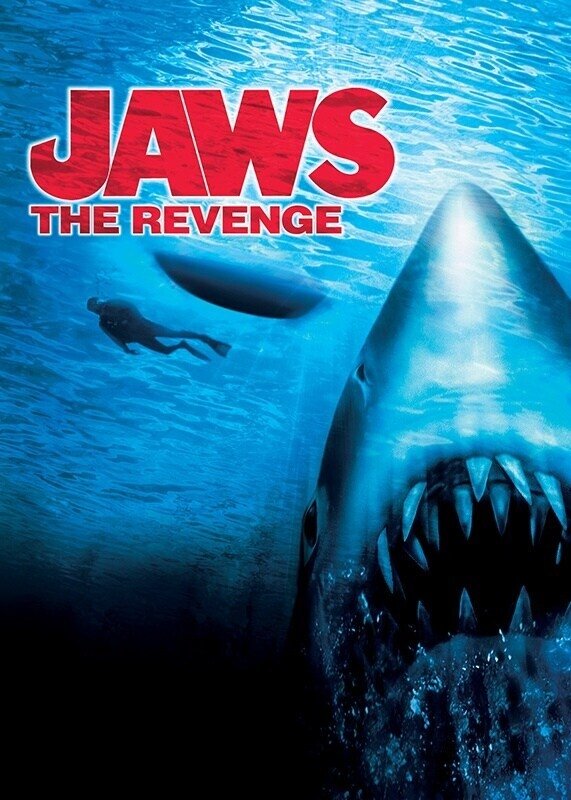
This fourth entry follows the Brody family to the Bahamas where the shark appears to pursue them. Filming used full size mechanical effects and tropical waters for a new setting. The production features multiple endings across different releases. A holiday season rollout and connections to the original brand aimed to reignite interest in the franchise.
‘Book of Shadows: Blair Witch 2’ (2000)
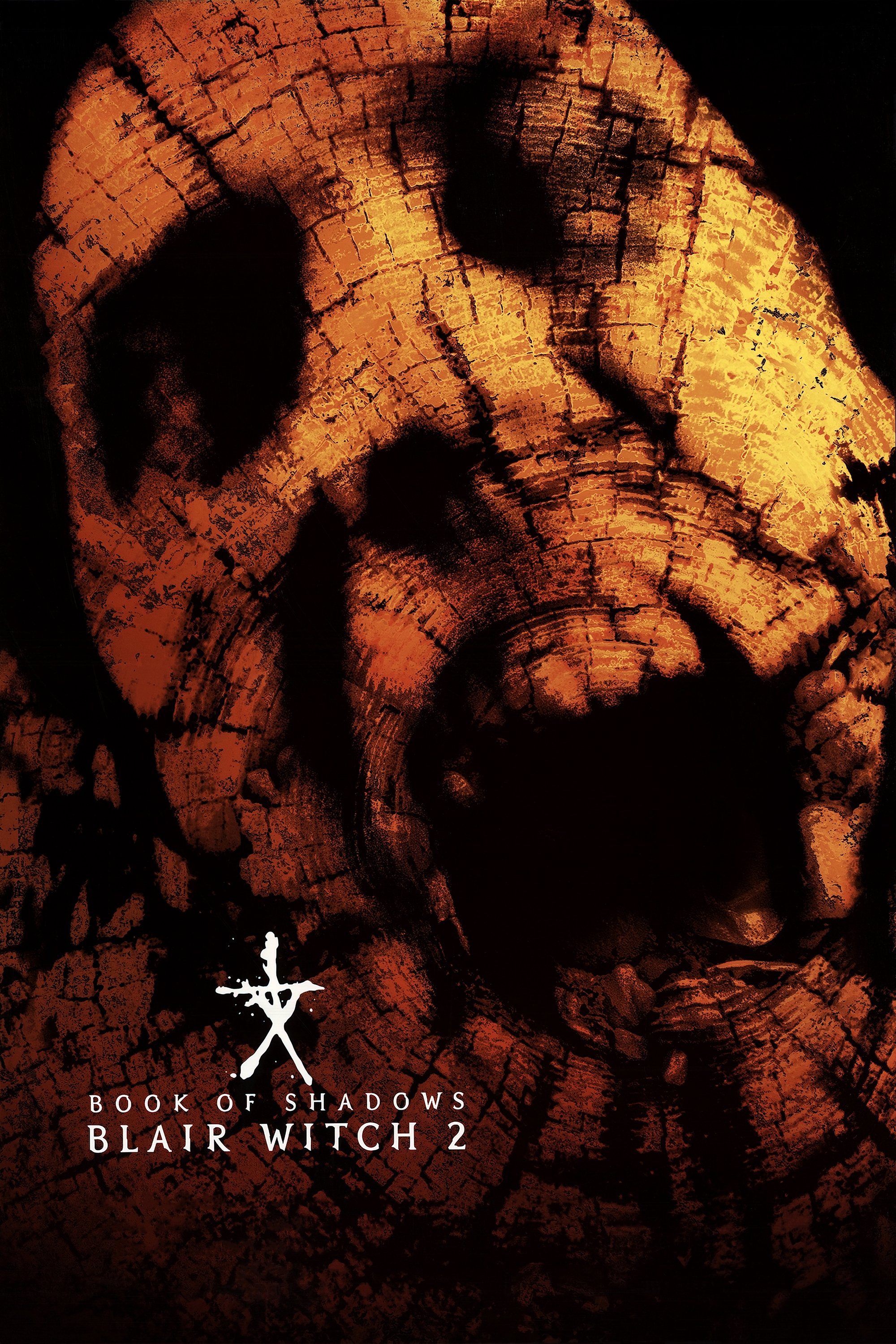
Rather than repeat found footage, this sequel mixes conventional cinematography with video inserts as it follows tourists on a themed tour. The story explores media obsession and unreliable memory after a night in the woods. Studio recuts altered the director’s original psychological approach. The soundtrack and late 1990s cultural references place it firmly in its release era.
‘The Fog’ (2005)
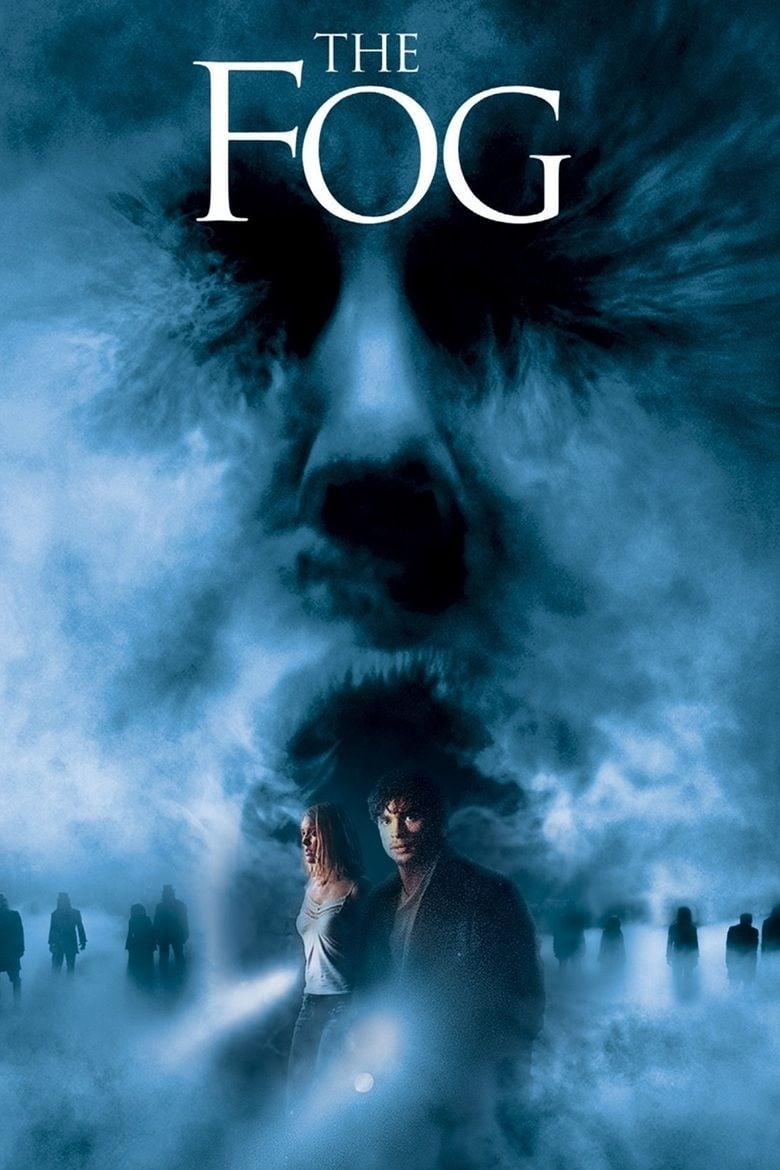
This remake updates the coastal ghost story with new characters and modern visual effects. It follows a seaside town confronting vengeful spirits tied to a shipwreck and a hidden past. The production filmed in Canada and leaned on digital mist and spectral imagery. It references the 1980 ‘The Fog’ while changing several character dynamics and plot reveals.
‘The Haunting’ (1999)
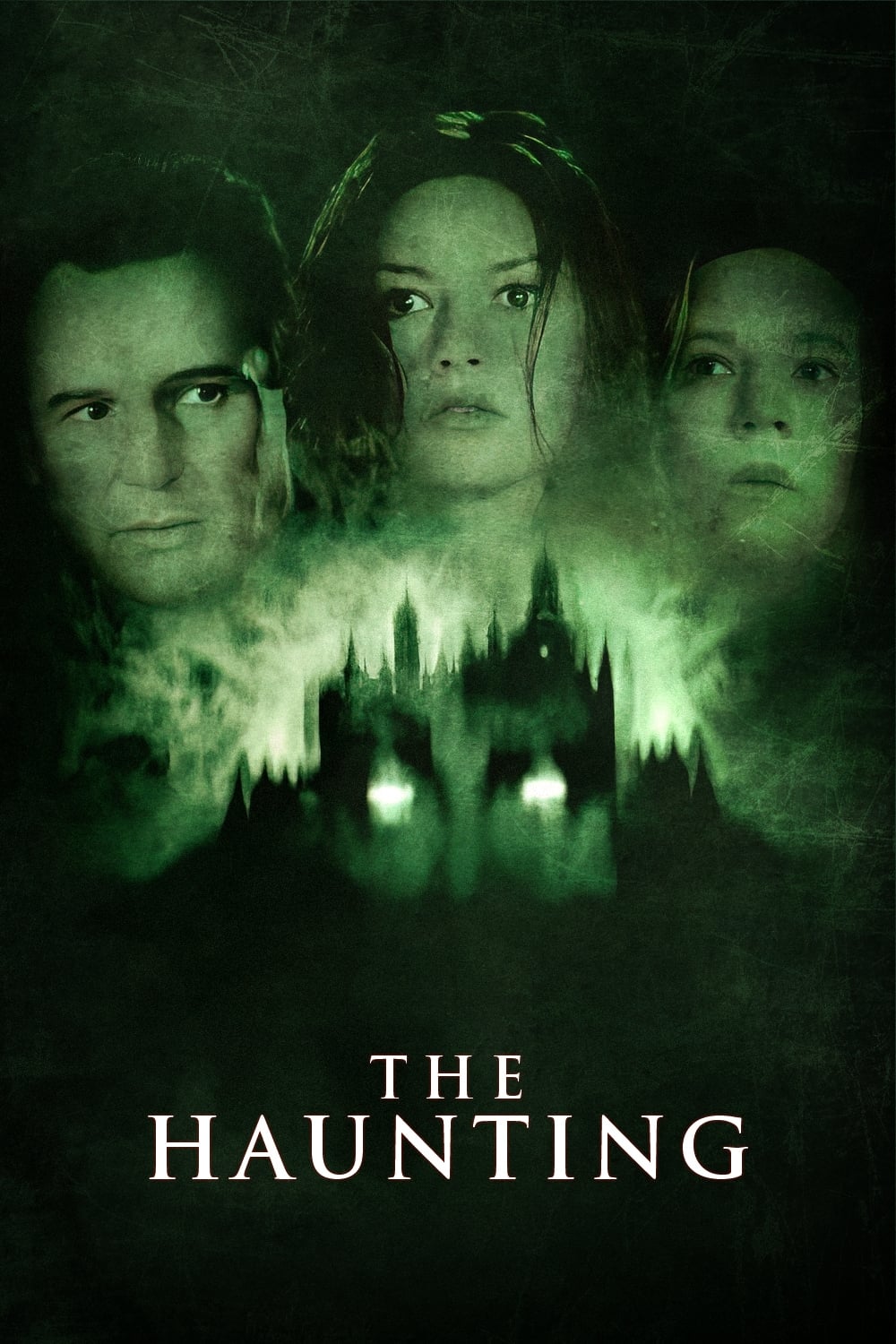
This adaptation of ‘The Haunting of Hill House’ brings a group of insomniacs to a sprawling mansion for a sleep study. The film is known for elaborate sets and extensive computer generated effects. It reimagines the house’s backstory with a focus on a cruel industrialist and lost children. The project shot at the Leavesden facilities with large scale interiors built for the production.
‘The Unborn’ (2009)
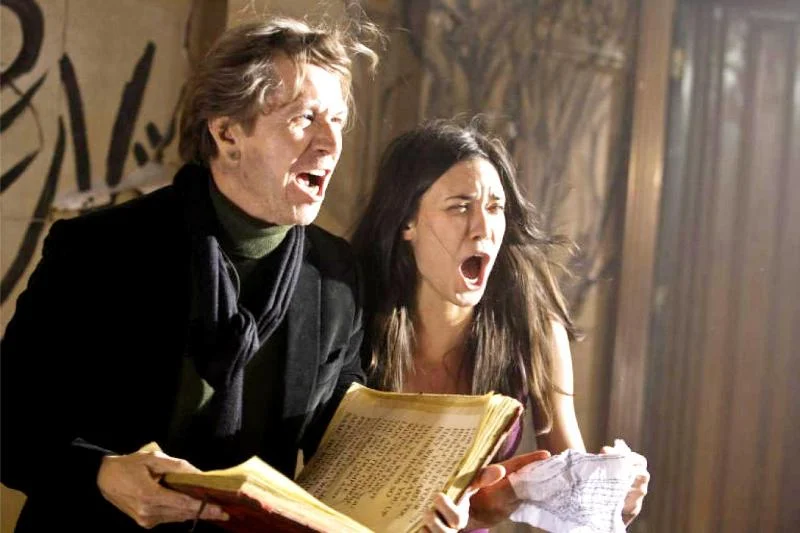
A college student experiences visions connected to a dybbuk rooted in World War II history. The story weaves Jewish folklore with exorcism procedures and family secrets. It features dream sequences, mirror imagery, and a recurring blue eyed child. The release landed in January with a PG 13 rating and a marketing push built around supernatural jump scares.
‘The Apparition’ (2012)
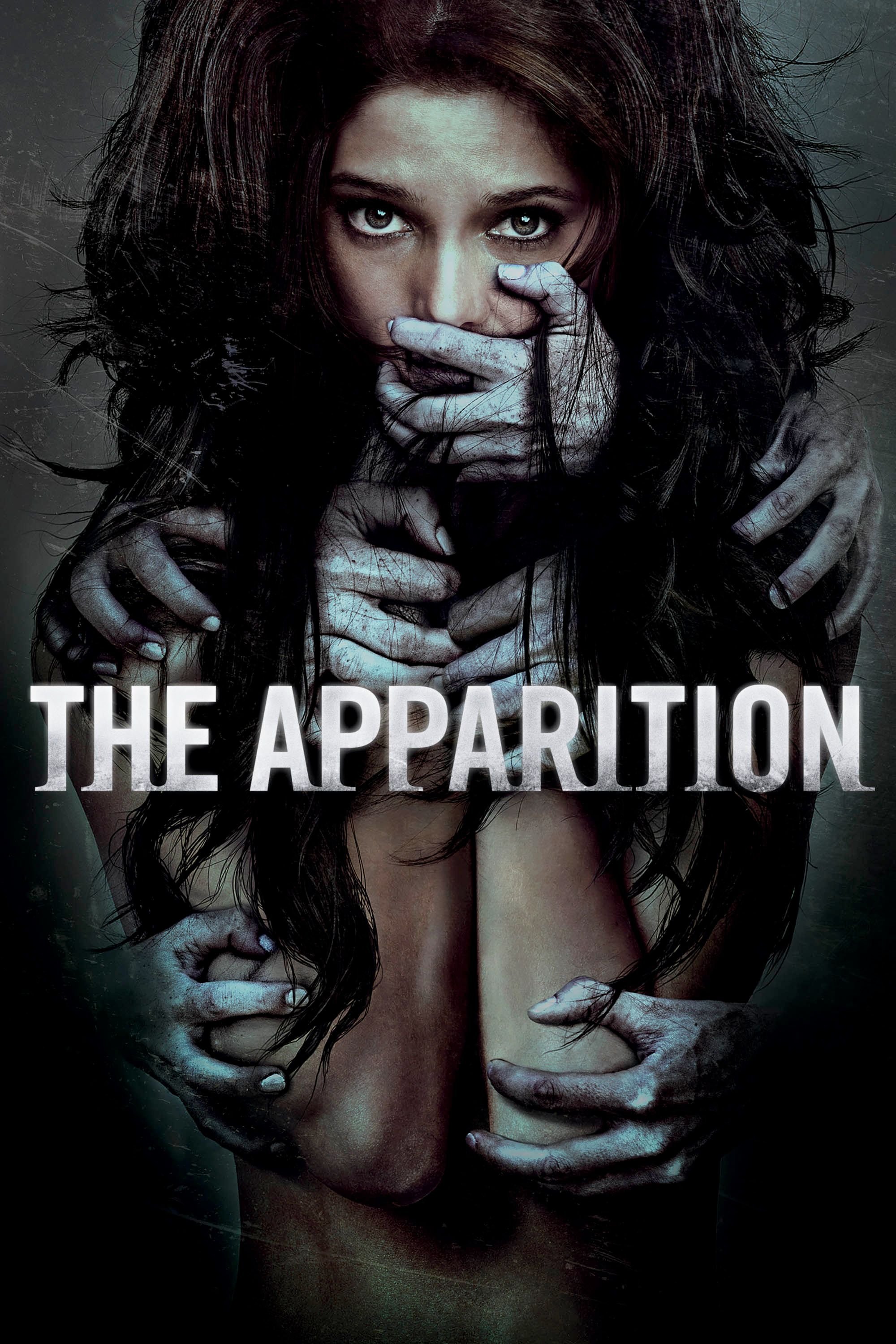
A parapsychology experiment unleashes an entity that feeds on fear and weakens electronic devices. The plot follows a couple in a suburban home as activity escalates through night footage and thermal scans. Production used soundstage work and practical disturbances like furniture movement and wall bulges. The premise references a fictional think tank and a botched college test captured on video.
‘The Darkness’ (2016)
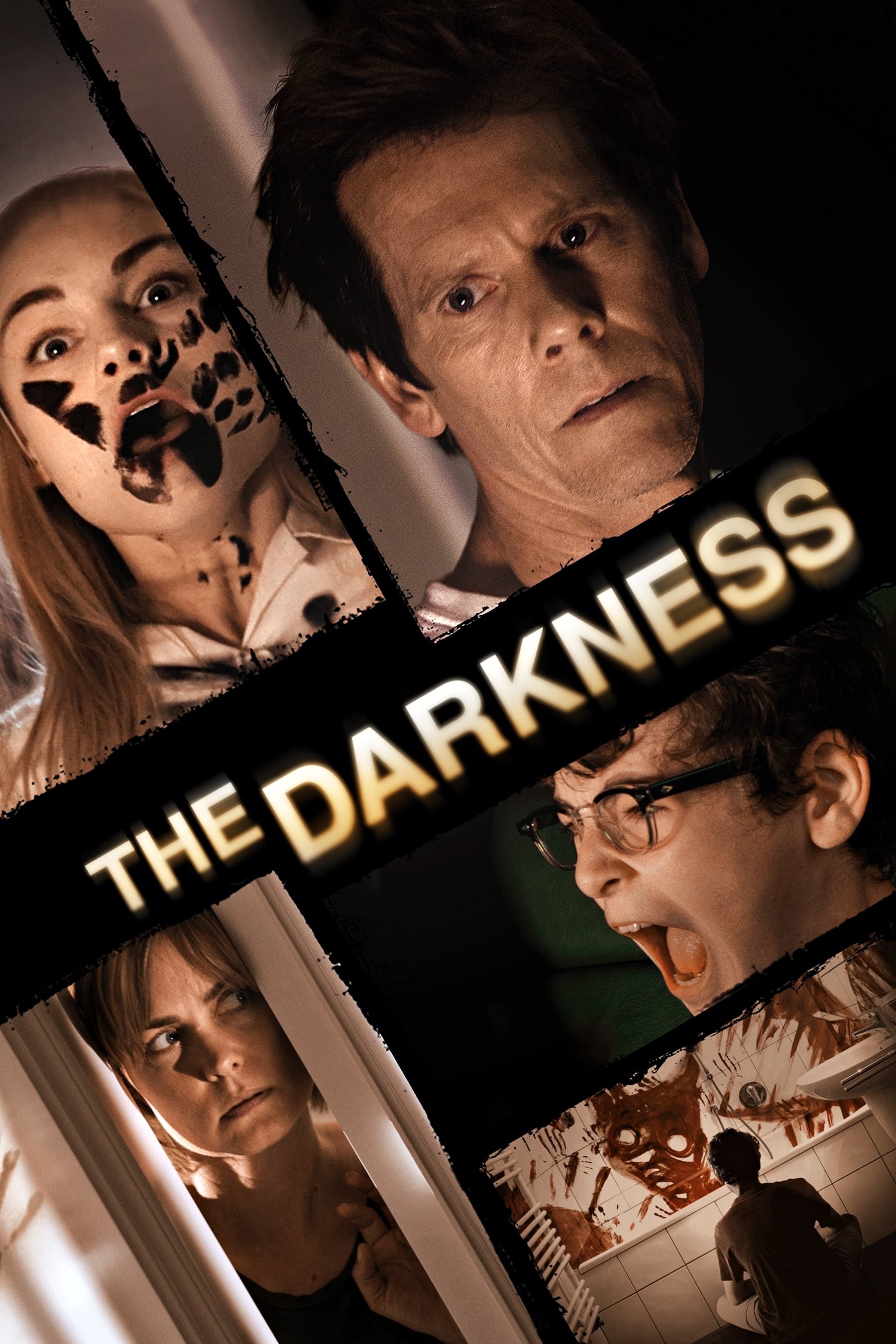
A family returns from a desert trip with stones tied to a Native American site and unknown guardians. The film uses everyday household settings to stage odd smells, animal behavior, and shadow figures. It layers in themes of secrecy and denial through the parents and siblings. The distribution positioned it as a May counterprogramming title with a wide theater rollout.
‘The Open House’ (2018)
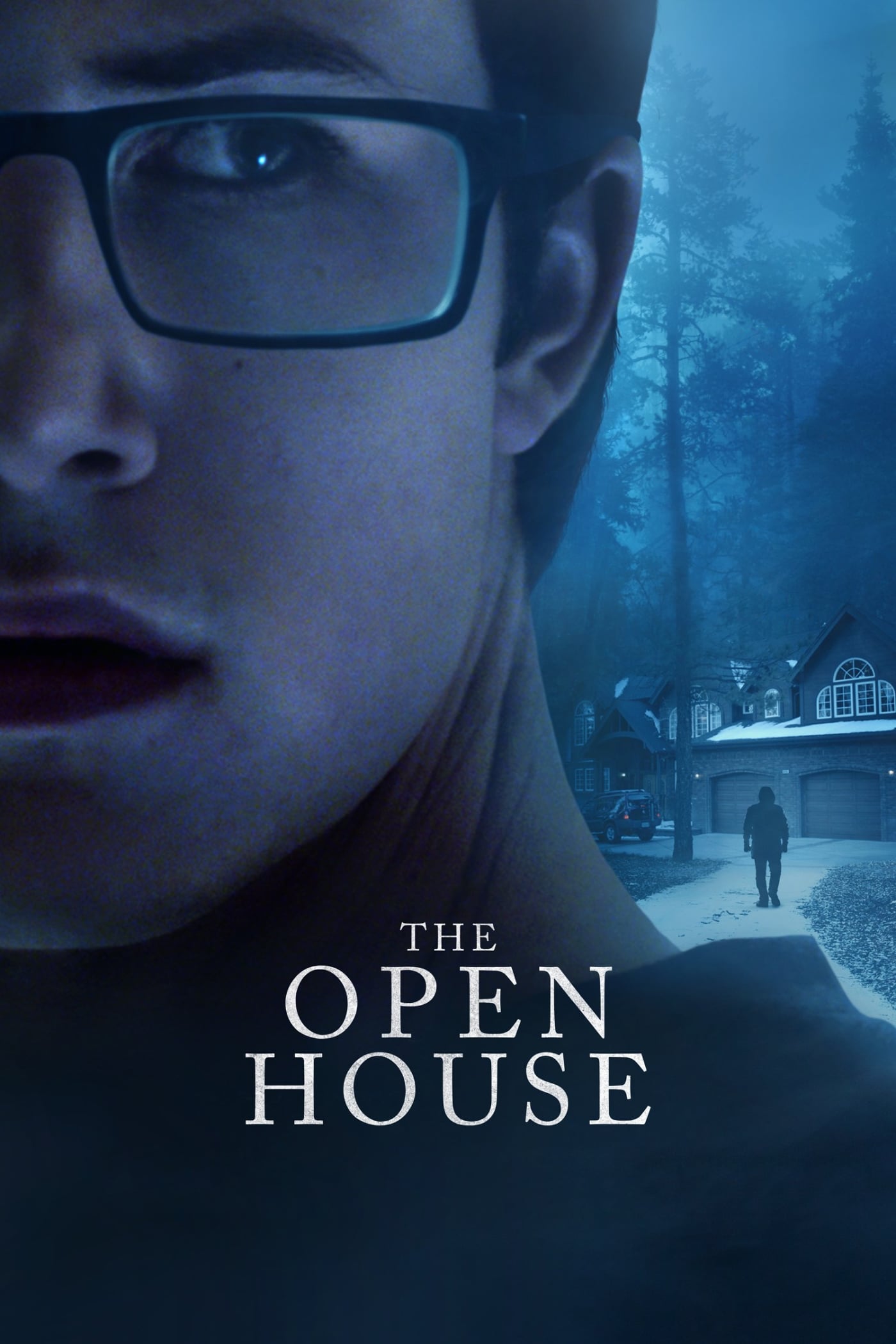
After a tragedy, a mother and son move into a relative’s mountain home that hosts weekend real estate showings. The plot centers on unexplained events tied to the constant access strangers have to the property. Filming used a single residence and sparse nearby town locations. The movie debuted on streaming with a winter release window.
‘Rings’ (2017)
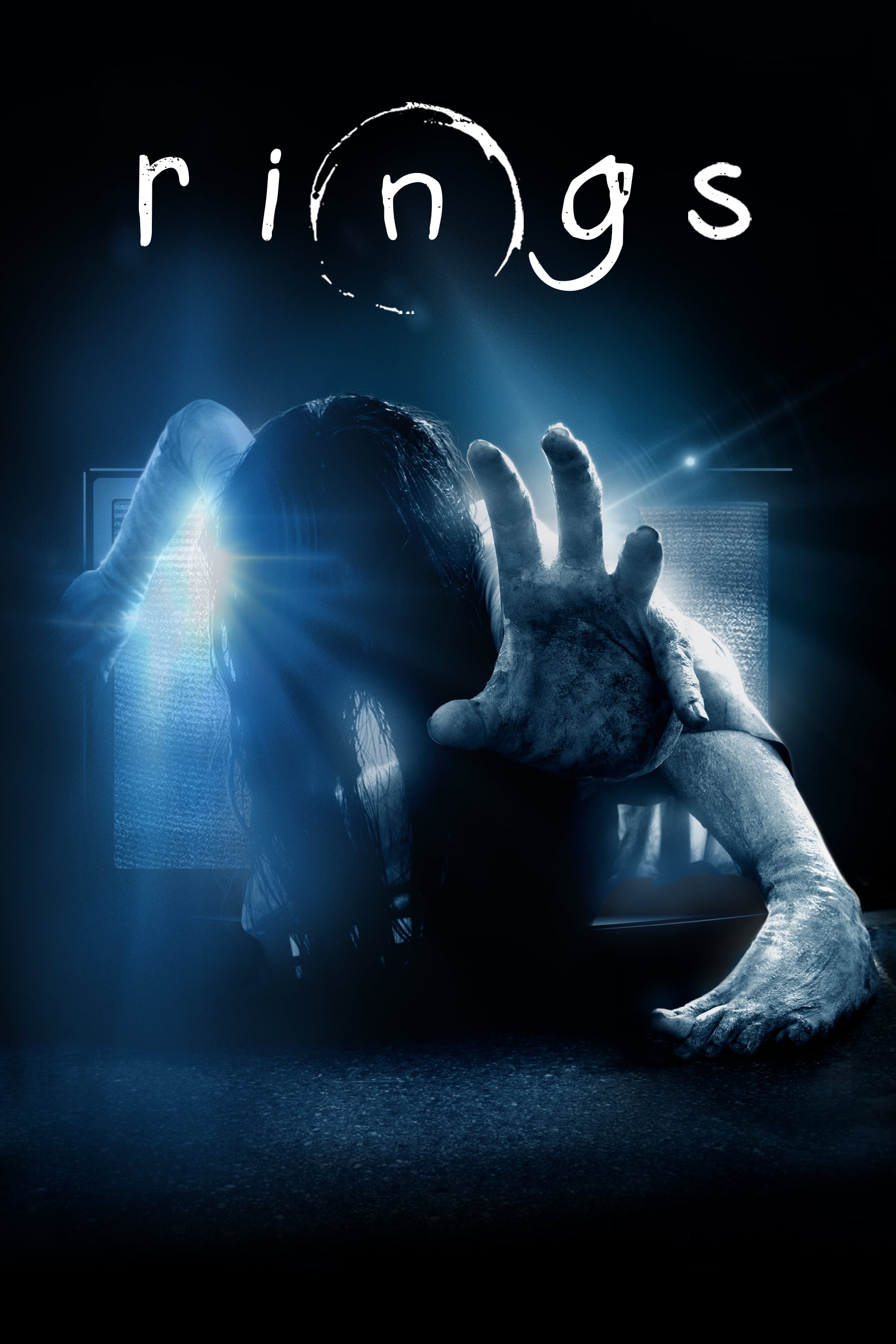
This sequel revisits the cursed video concept with a college setting and a new group studying the phenomenon. The story adds the idea of copying and passing along the curse through a chain of participants. It expands Samara’s origin with fresh locations and flashbacks. Marketing featured hidden frames in trailers and a social campaign that teased the familiar well imagery.
‘The Last Exorcism Part II’ (2013)
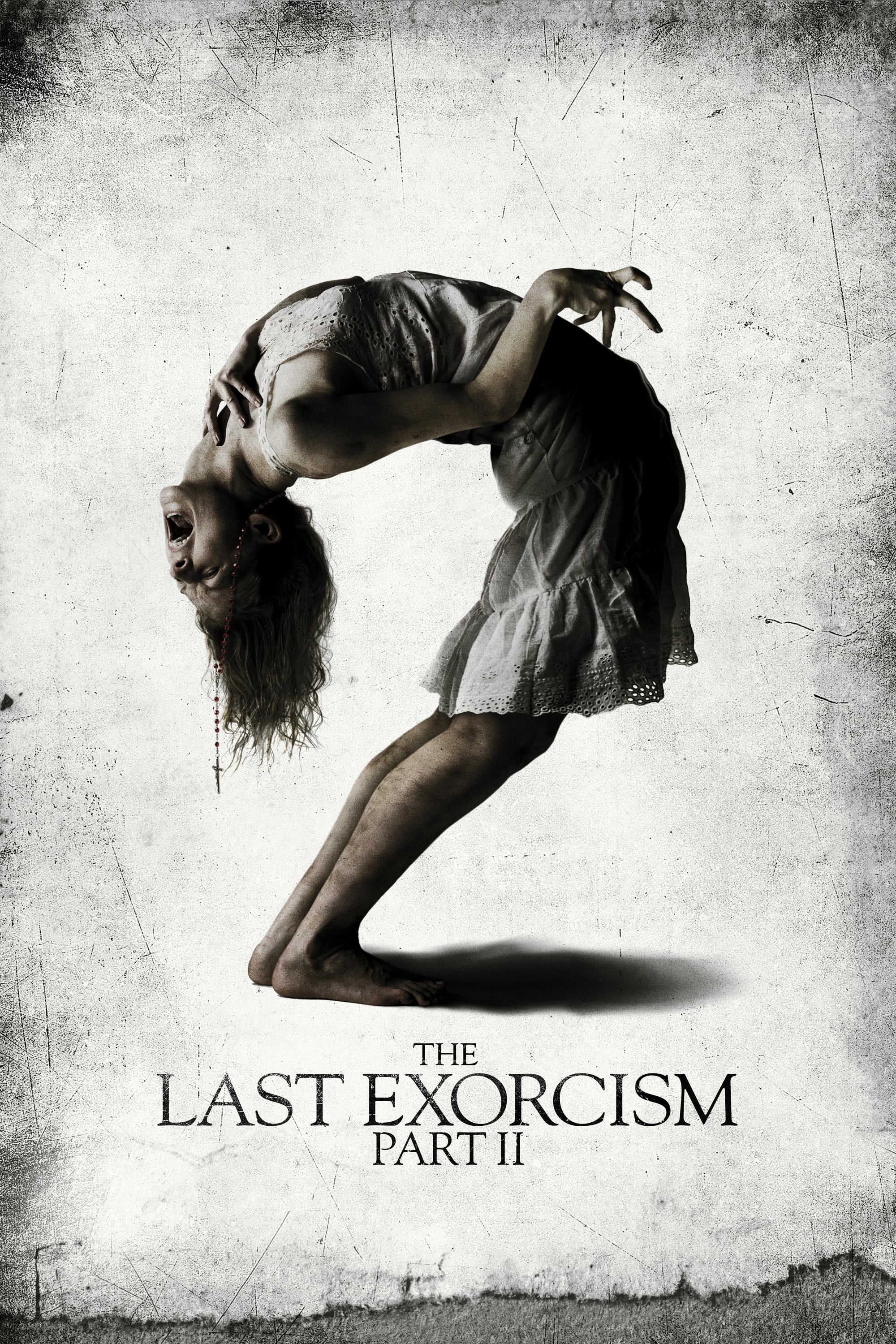
Continuing ‘The Last Exorcism’, this entry follows Nell as she attempts to rebuild her life in New Orleans. The narrative shifts away from found footage into traditional cinematography. It explores cult activity and recurring visions tied to the earlier possession. Street parades and historic districts provide a different backdrop for the manifestations.
‘Prom Night’ (2008)
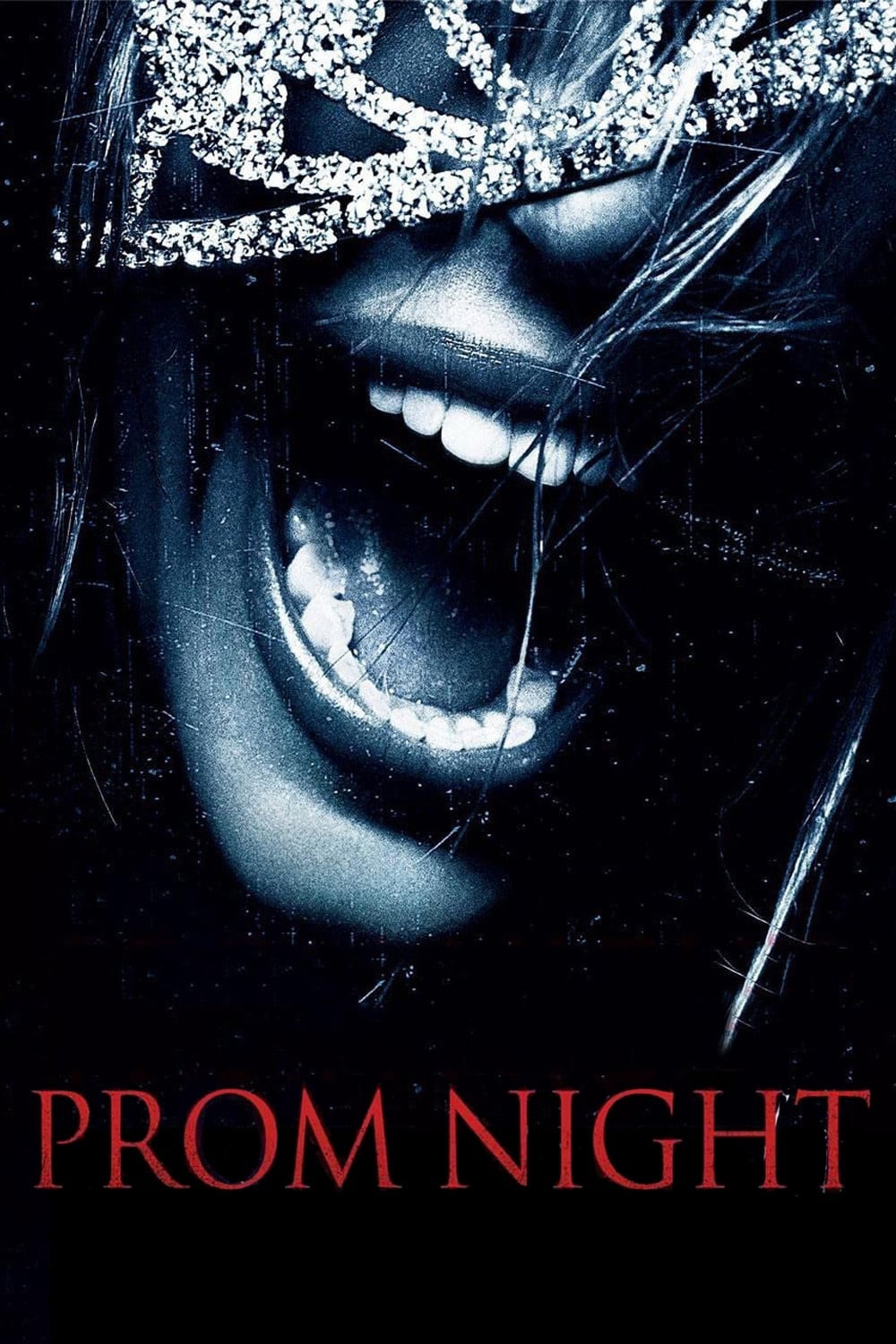
This reimagining of the 1980 slasher sets the action during a luxury hotel prom with a stalker targeting a survivor. The production focuses on elevators, hallways, and ballroom spaces to stage pursuits. It secured a PG 13 rating with bloodless framing and cutaway techniques. The cast features television regulars and young film leads of the period.
‘The Pyramid’ (2014)
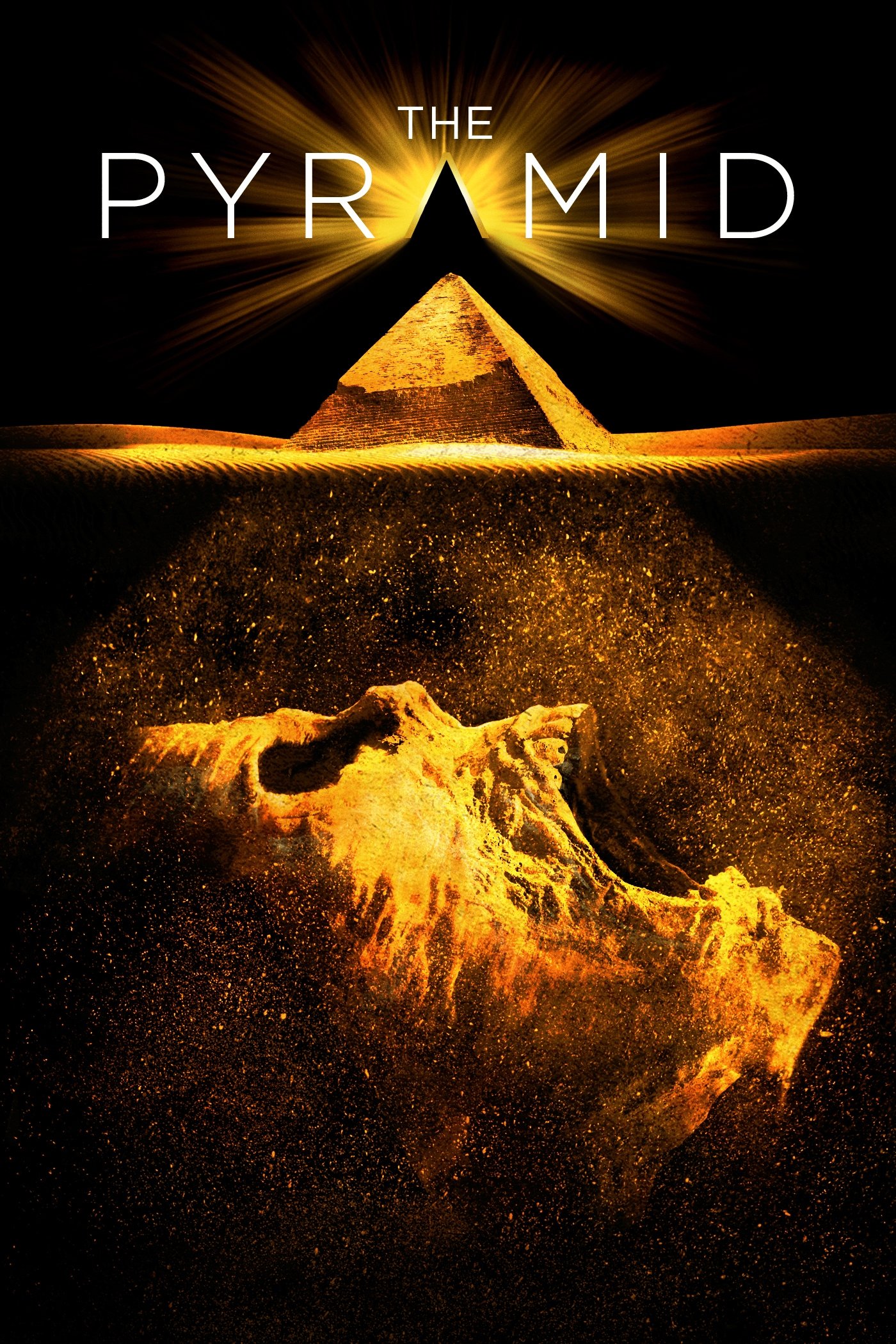
Archaeologists discover a hidden three sided tomb in the Egyptian desert and become trapped inside. The film blends documentary style entries with conventional scenes as the crew maps tunnels. Practical corridors and creature suits combine with digital enhancements for attacks. The release arrived during a winter season slot with a focus on claustrophobic set pieces.
‘Chernobyl Diaries’ (2012)
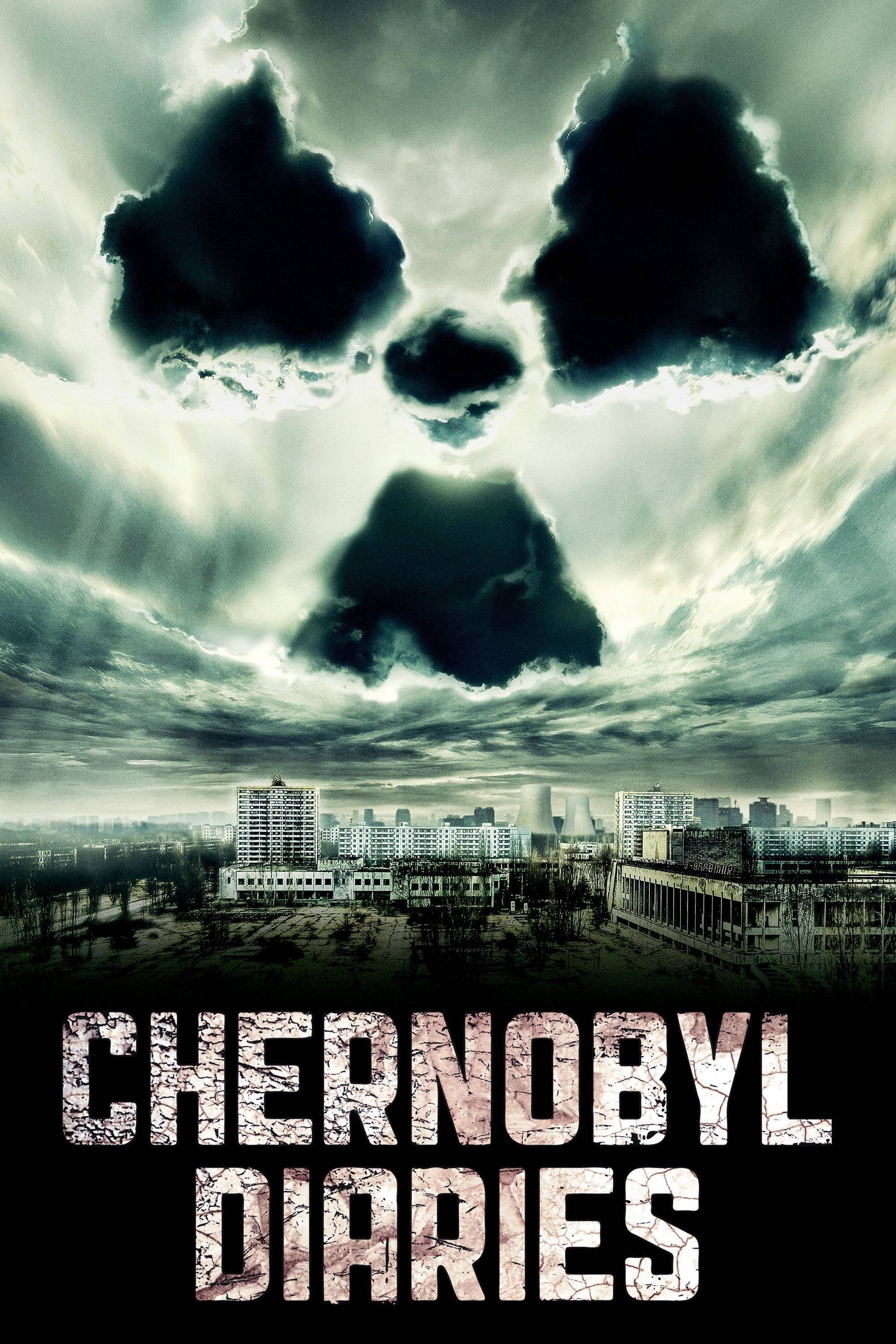
Tourists on an illegal excursion to Pripyat find they are not alone after nightfall. The story relies on abandoned apartment blocks, amusement rides, and industrial spaces for atmosphere. It uses handheld camerawork and broken radio chatter to build tension. The production shot in Eastern Europe with locations selected to mimic the exclusion zone.
‘FearDotCom’ (2002)
Investigators look into deaths linked to a mysterious website that shows disturbing live feeds. The movie mixes crime procedural beats with supernatural imagery and web culture of the early 2000s. Urban settings, water soaked basements, and flickering monitors define the look. The title reflects a dot com era fascination with dangerous online experiences.
‘Ghost Ship’ (2002)
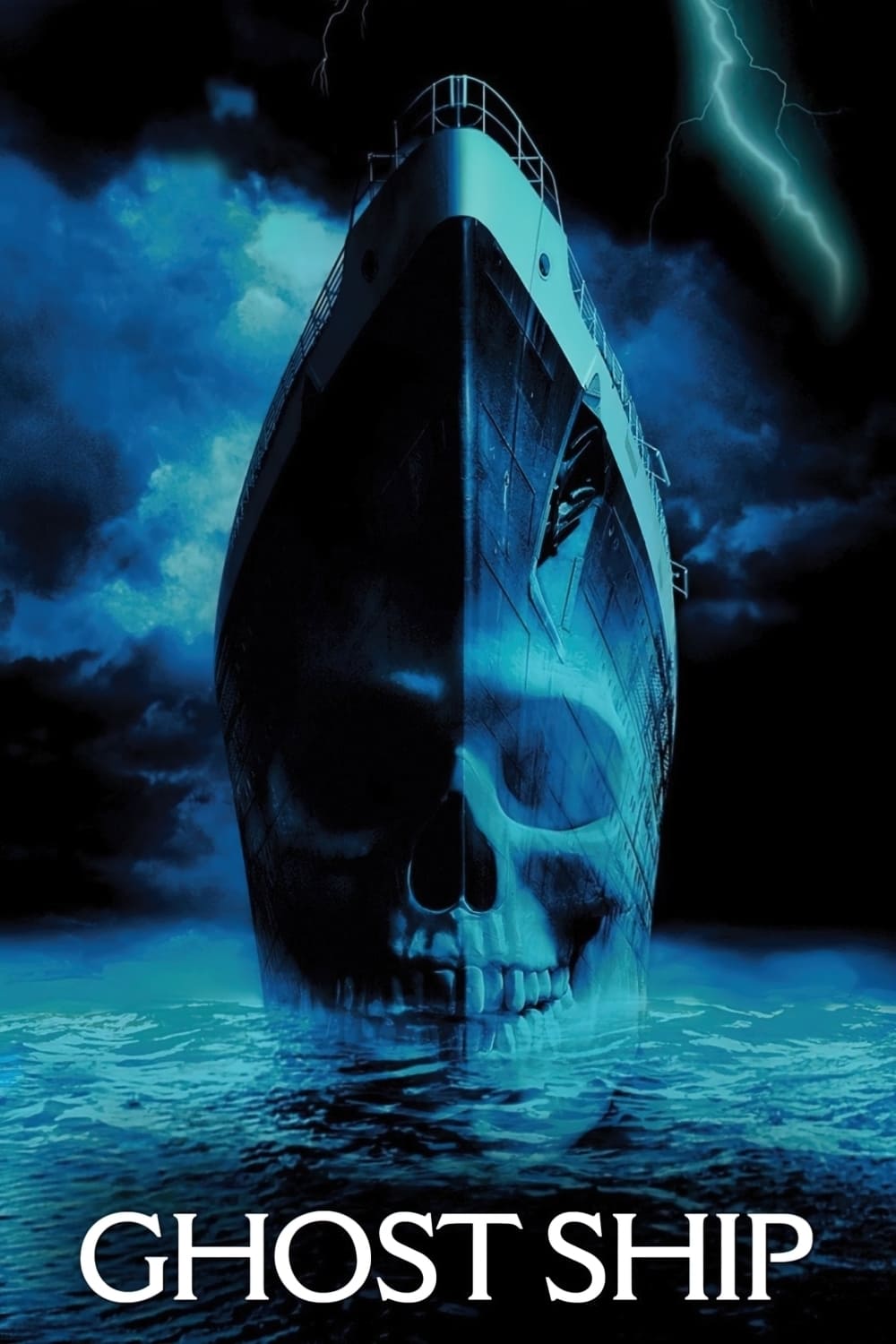
A salvage crew boards an ocean liner adrift in the Bering Sea and discovers a violent past. The opening sequence stages a ballroom disaster that sets up the ship’s curse. Sets include engine rooms, cargo holds, and lavish cabins aged by time. The narrative combines heist elements with a backstory that explains the vessel’s fate.
‘Boogeyman’ (2005)
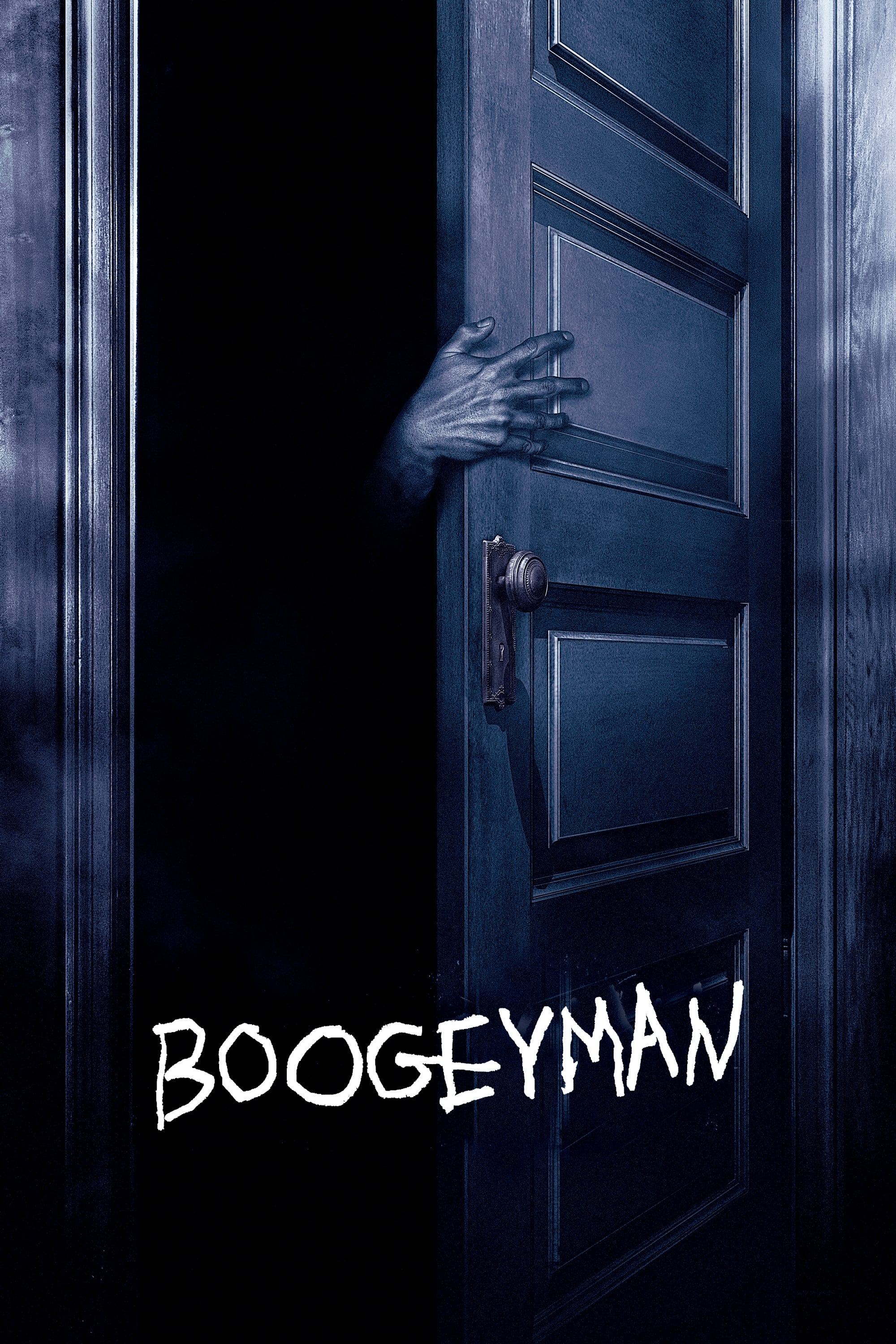
A young man returns to his childhood home to confront a fear that may be real. The production uses closets, attic spaces, and quick door reveals to frame appearances. It was produced with partners known for low budget genre hits of the era. The story plays with childhood trauma and recurring nightmares that spill into adulthood.
‘The Forest’ (2016)
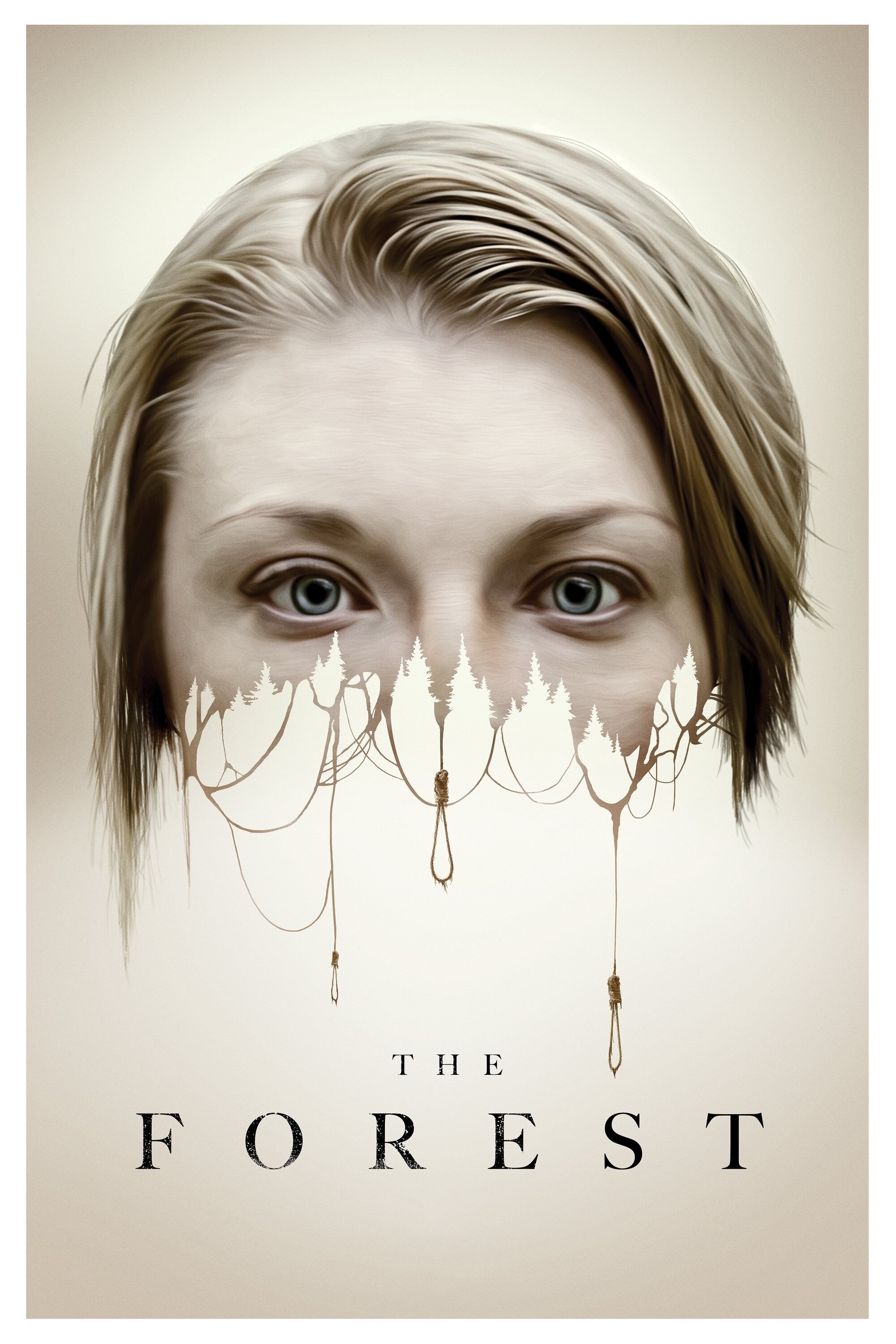
An American woman travels to Japan’s Aokigahara forest to find her missing twin. The film incorporates local guides, campsite searches, and a school connection from the past. It uses day to dusk transitions and trails marked by tape and string. Exterior footage includes real locations and stand ins that recreate the dense woodland.
‘Devil’s Due’ (2014)
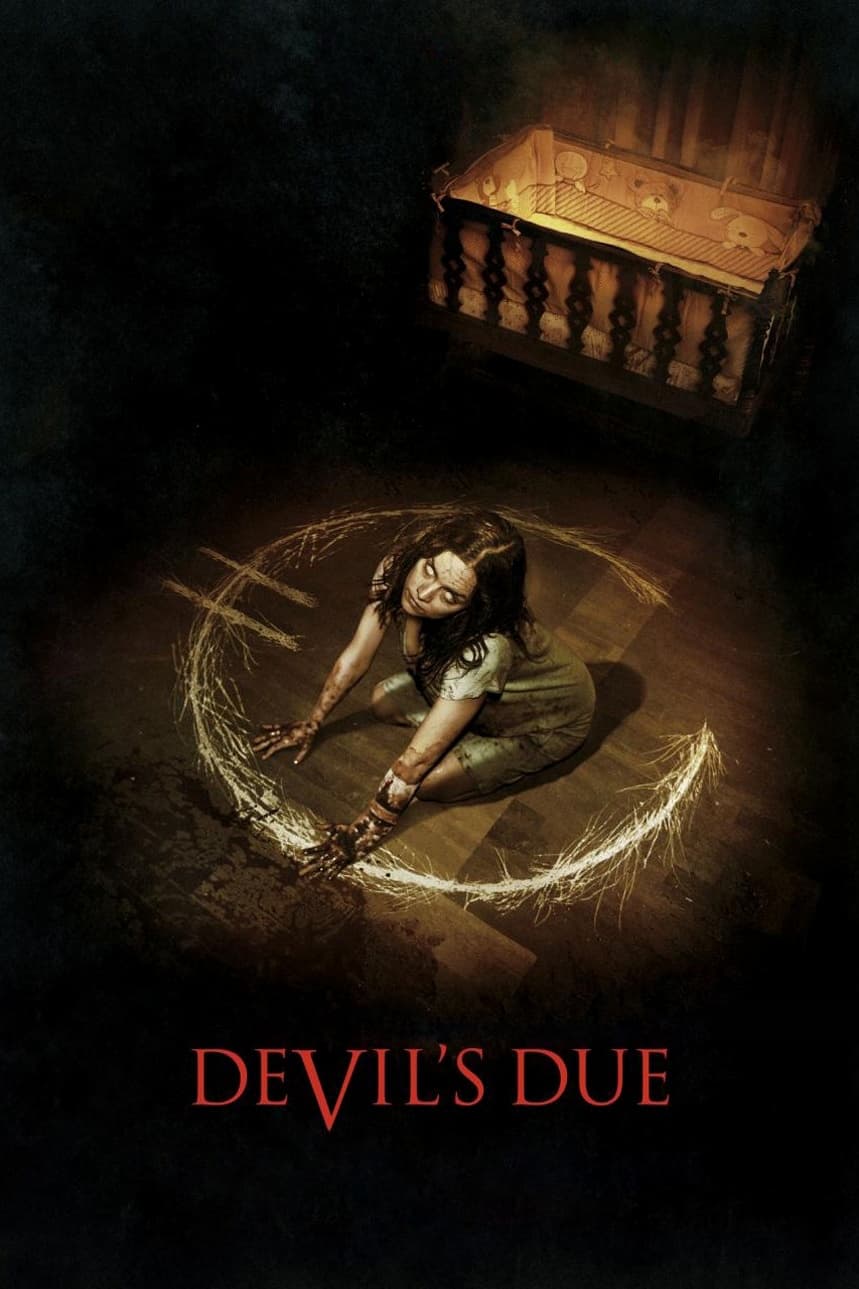
A newlywed couple documents their life after a strange encounter on their honeymoon leads to a pregnancy. The movie uses home video and surveillance angles to justify the camera presence. It works through medical appointments, missing time, and escalating neighborhood incidents. The campaign included hidden camera pranks featuring a mechanical stroller gag in city streets.
‘Silent Hill: Revelation 3D’ (2012)
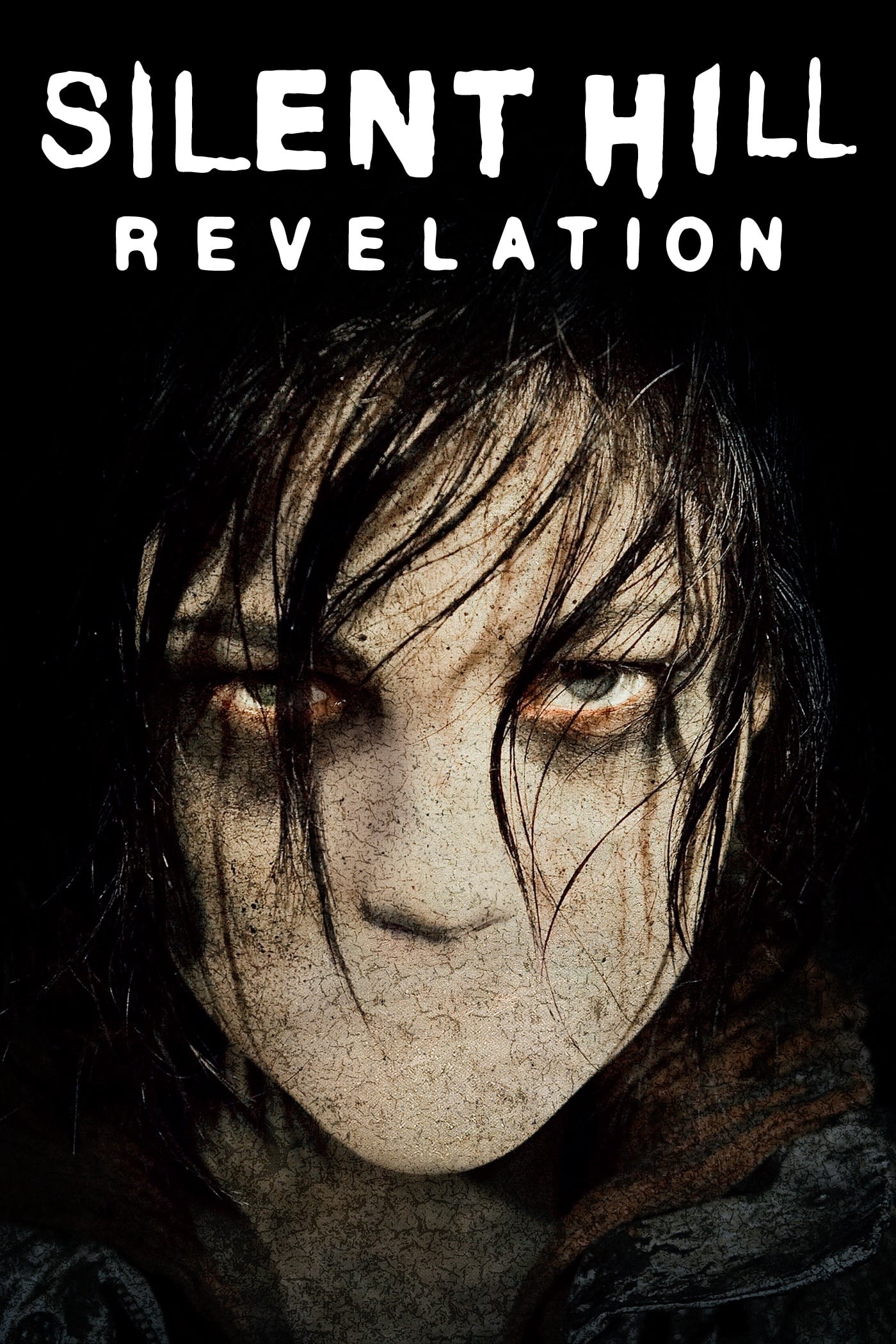
This sequel follows a teenager pulled back to the town after years on the run with her father. It adapts portions of the ‘Silent Hill 3’ game with characters like Heather and Pyramid Head. Practical creature effects return alongside stereoscopic 3D staging for falling ash and debris. The plot threads reunite survivors from the first film while opening a new cult chapter.
‘Hellraiser: Revelations’ (2011)
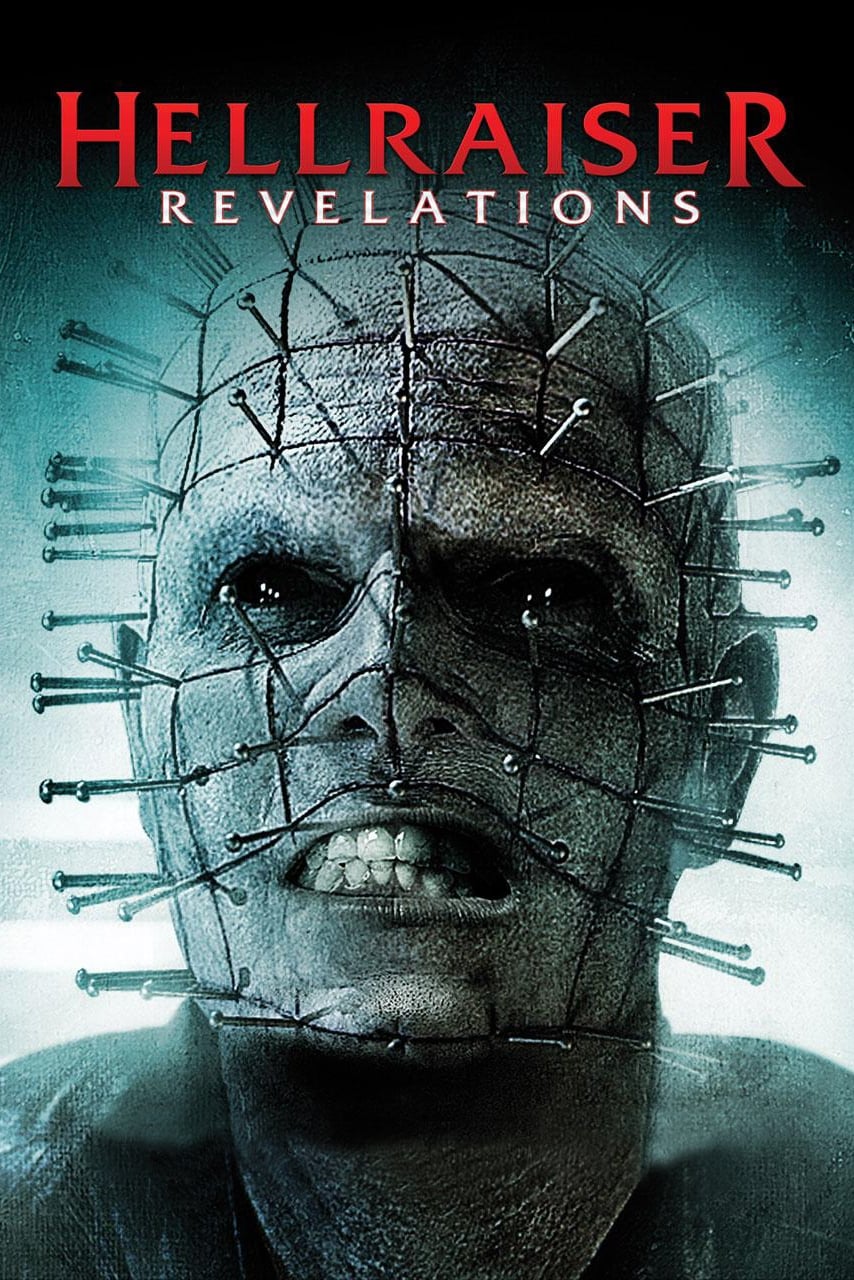
Two friends open the Lament Configuration and bring Cenobites into a Los Angeles family drama. The production was completed quickly to retain rights and features a new actor as Pinhead. It takes place largely inside a suburban home with flashbacks to Tijuana. Makeup appliances and minimal sets carry the franchise imagery on a compact budget.
‘Children of the Corn: Genesis’ (2011)
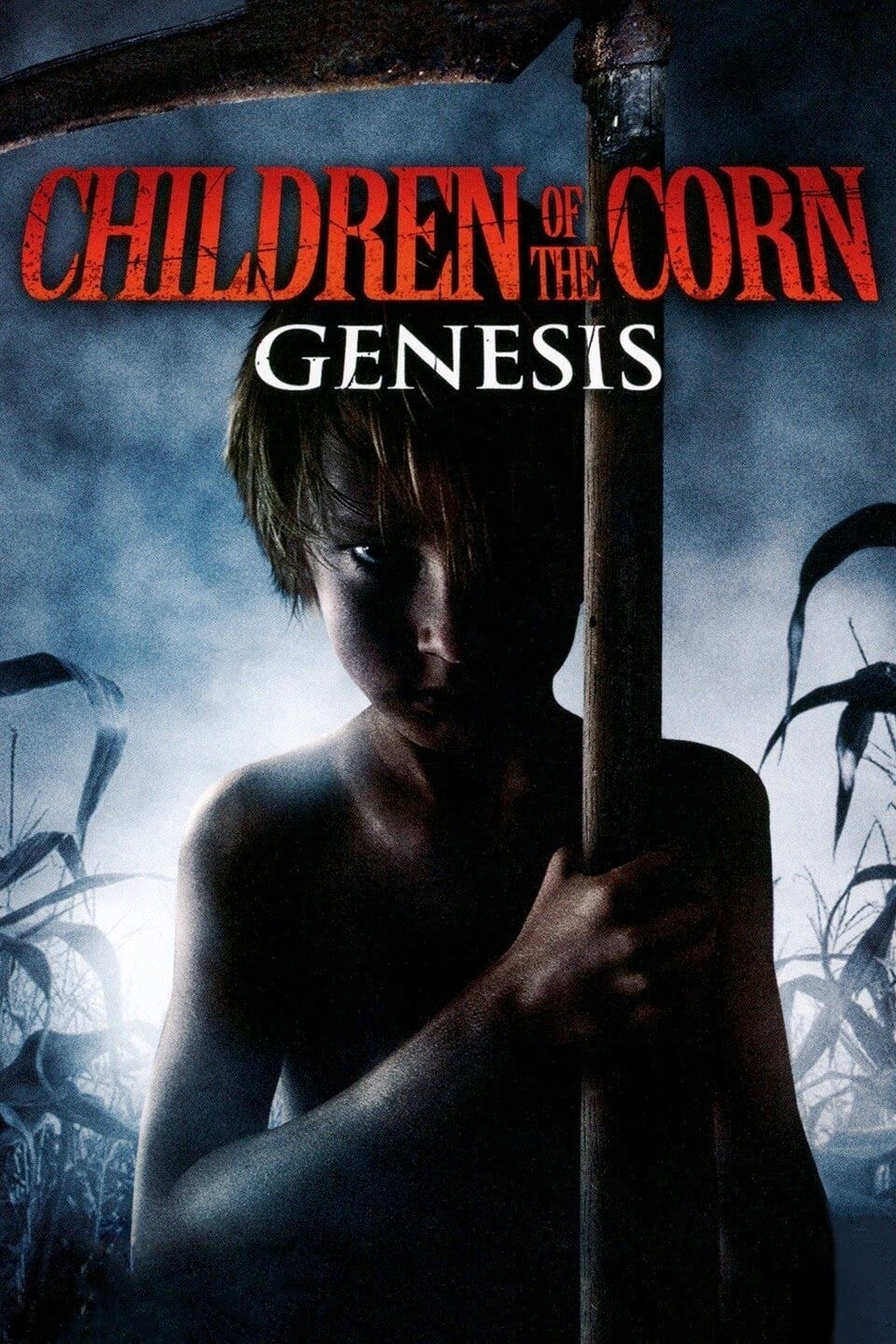
A stranded couple seeks help at a remote farmhouse and encounters a preacher with a secret. The storyline adds telekinetic events and hints of the cult beyond the cornfields. Most action unfolds in cramped interiors with short excursions to sheds and dirt roads. It continues the long running series with a self contained chapter and a small cast.
‘The Disappointments Room’ (2016)
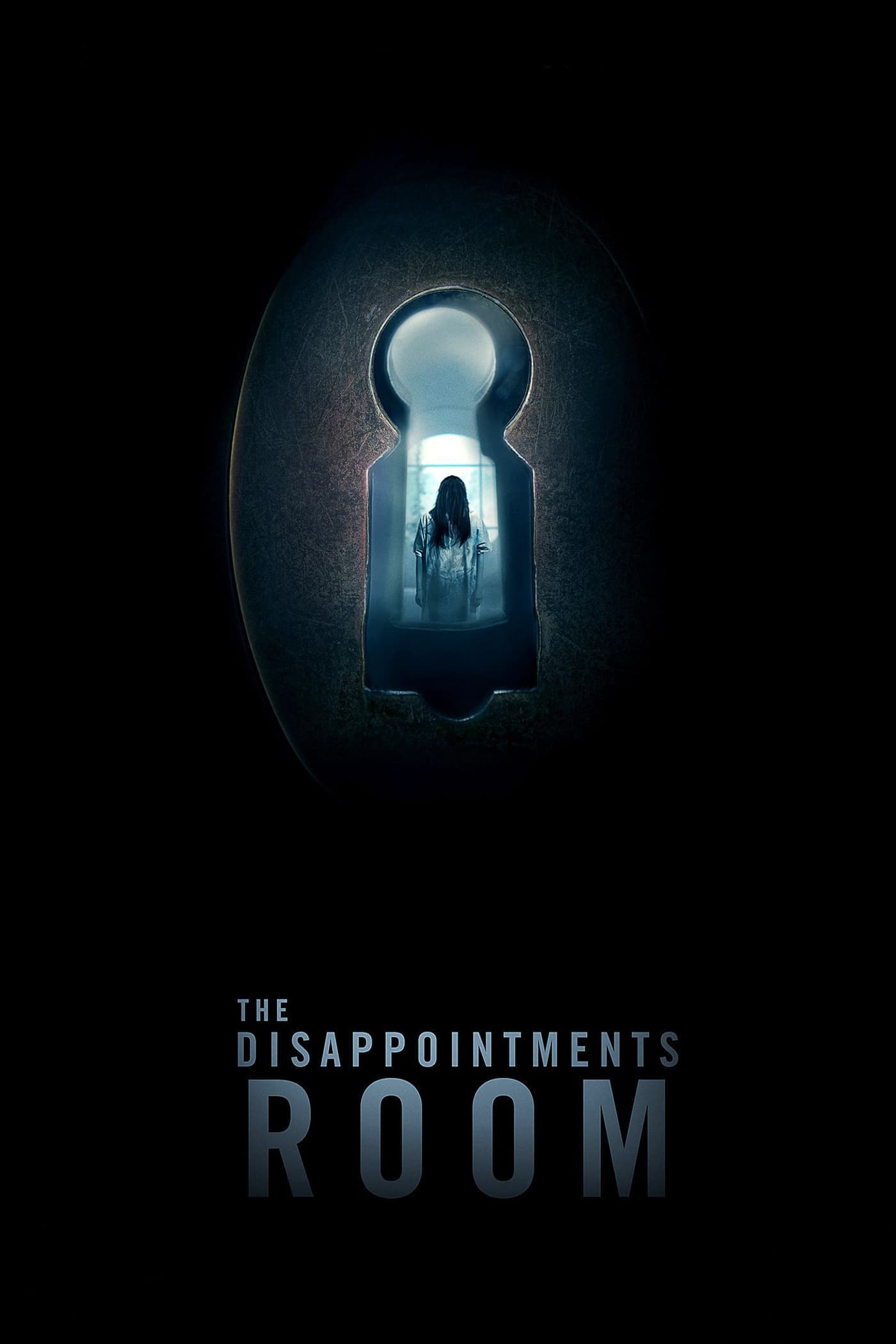
A family renovates a historic Southern home and discovers a hidden chamber with a dark history. The film draws on period flashbacks, architectural plans, and recurring animal sightings. Production faced scheduling shifts and a delayed release that moved it to a later season. The narrative ties the room to local records and personal grief that complicates the restoration.
‘The Gallows’ (2015)
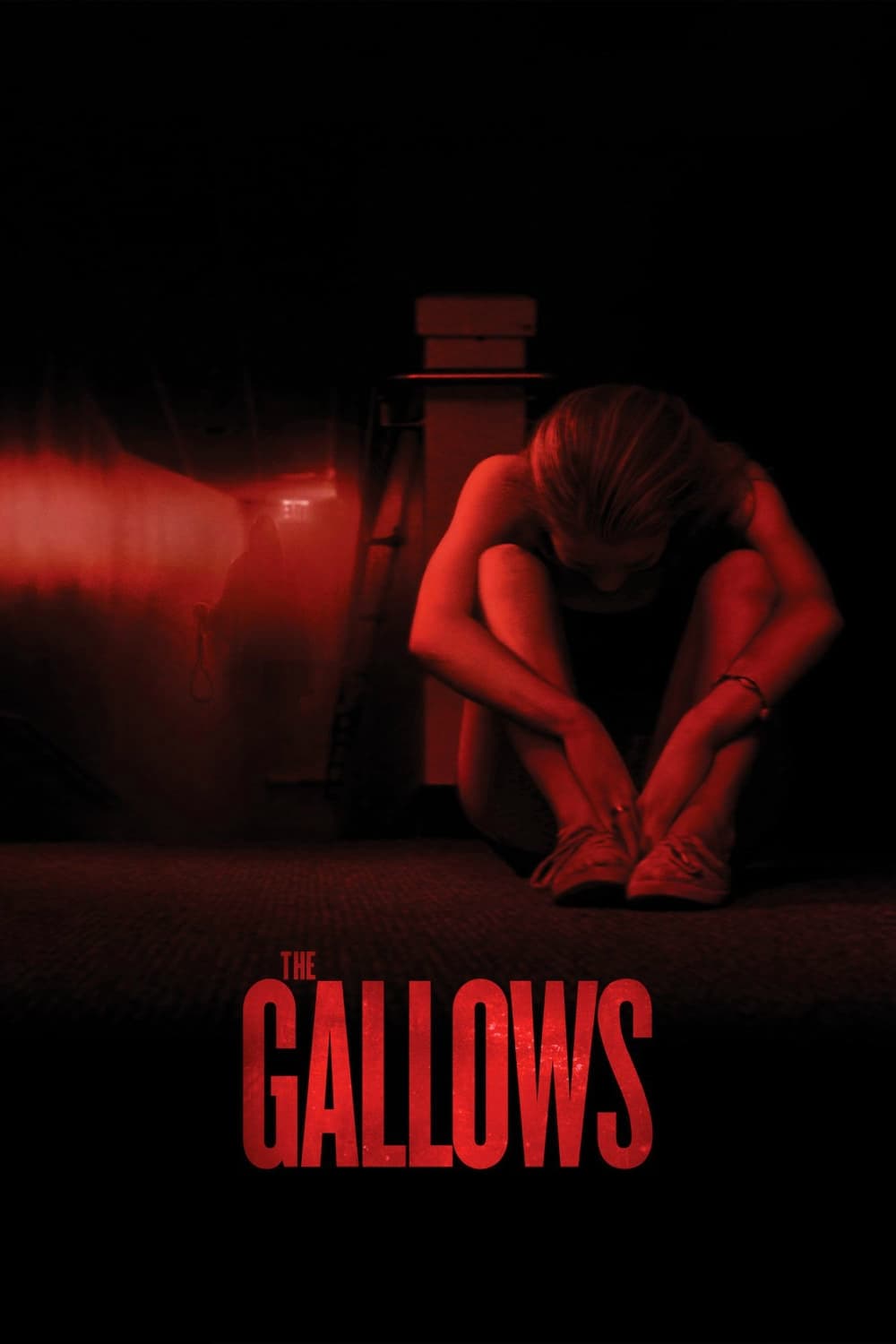
Presented as found footage, this film centers on a high school play marked by a decades old tragedy. It uses dark corridors, locker rooms, and prop storage areas to create a maze like setting. The antagonist’s noose prop becomes a defining image. Shot on a lean budget, it leveraged viral trailers and social media teases to build curiosity.
‘The Turning’ (2020)
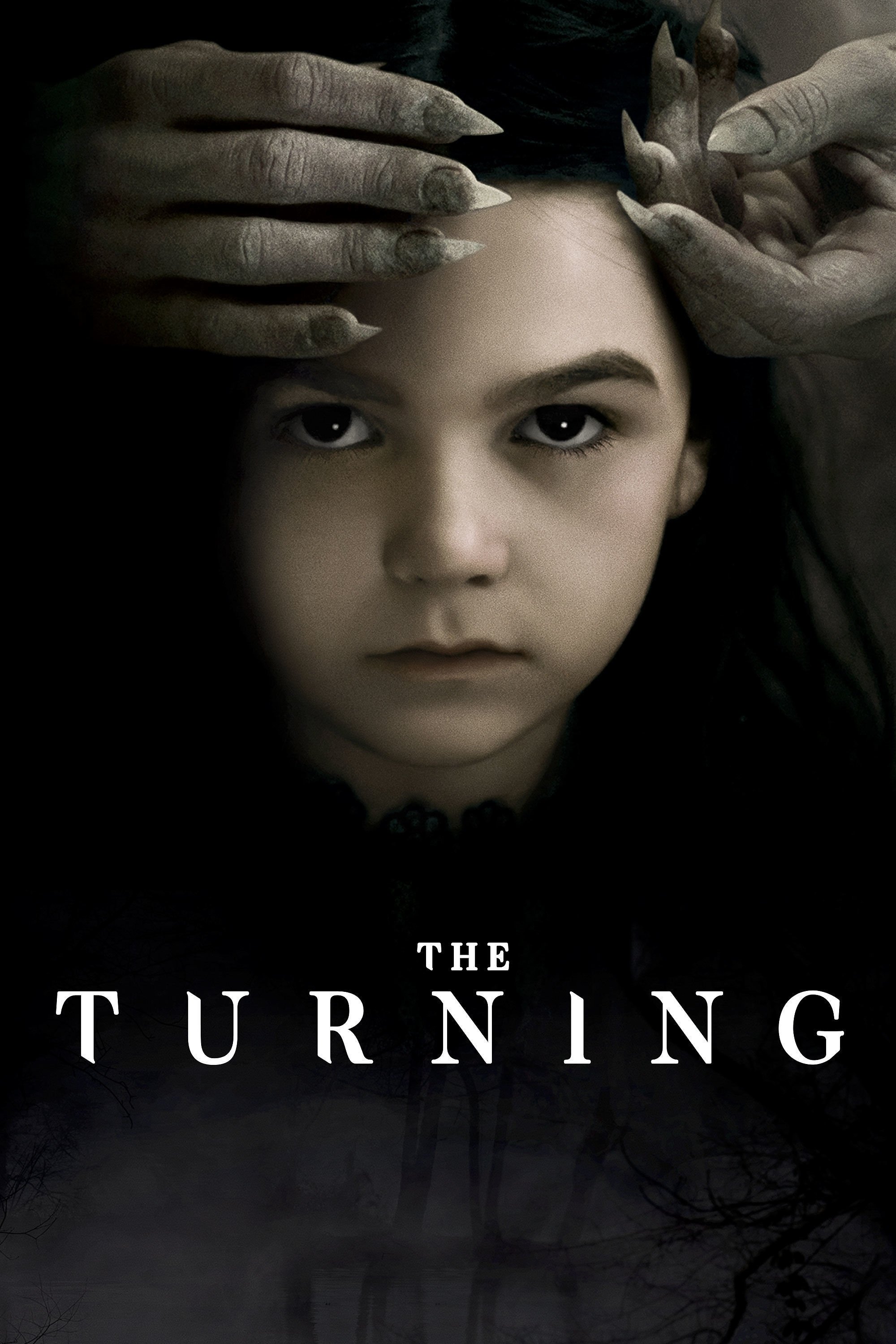
Loosely adapting ‘The Turn of the Screw’, this story brings a young nanny to a secluded mansion with two troubled children. The production emphasizes gothic interiors, mirrors, and dream sequences to blur reality. Costuming and set design highlight a 1990s time period. The film’s open ended finale sparked debate about what events were literal or imagined.
‘Wish Upon’ (2017)
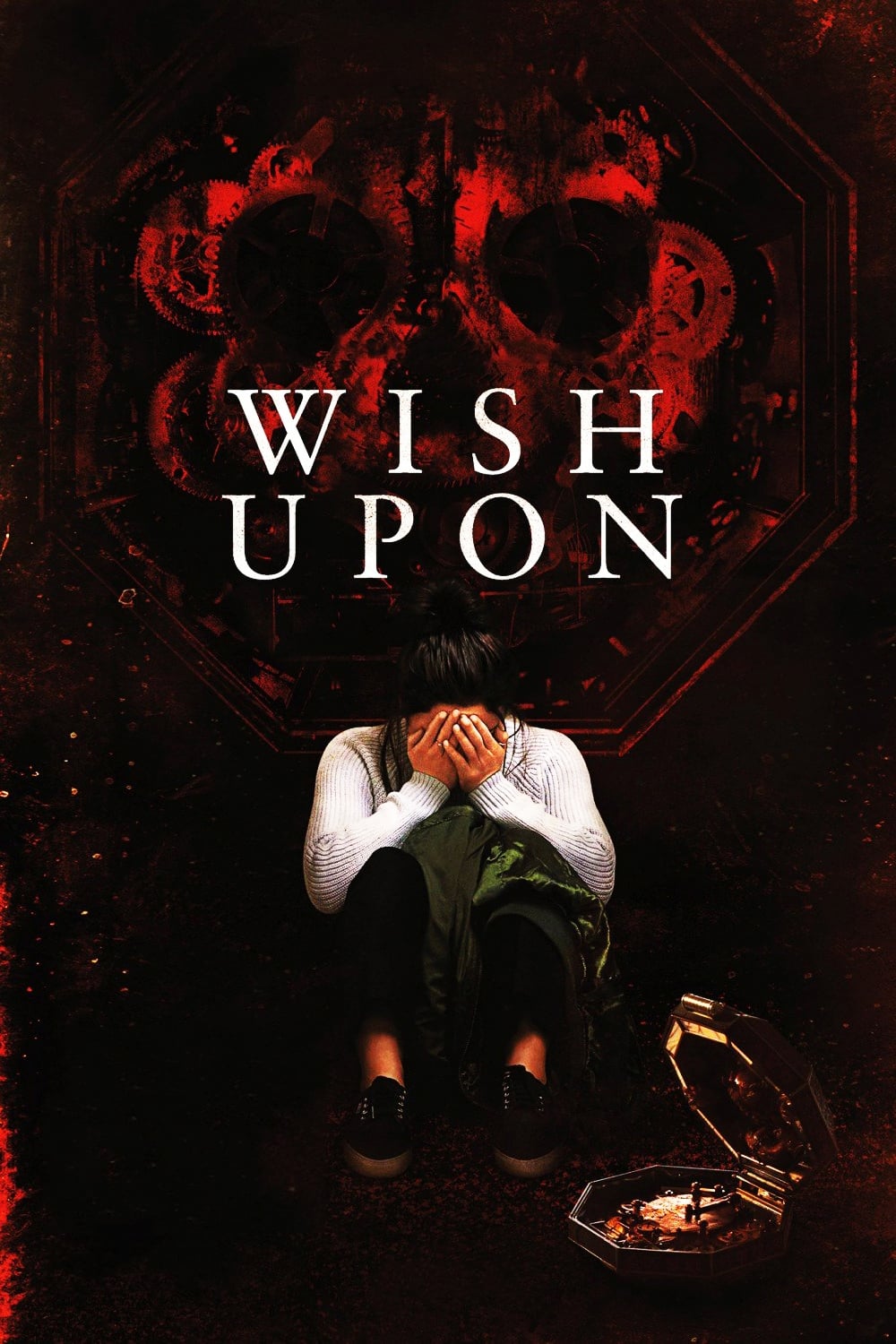
A teenage girl receives a cursed music box that grants wishes with a deadly cost. The narrative tracks each wish’s ripple effect through friends and family. Practical makeup and accident set pieces deliver the consequences. A cleaner PG 13 approach widened the audience while an unrated home release added more graphic beats.
‘Truth or Dare’ (2018)
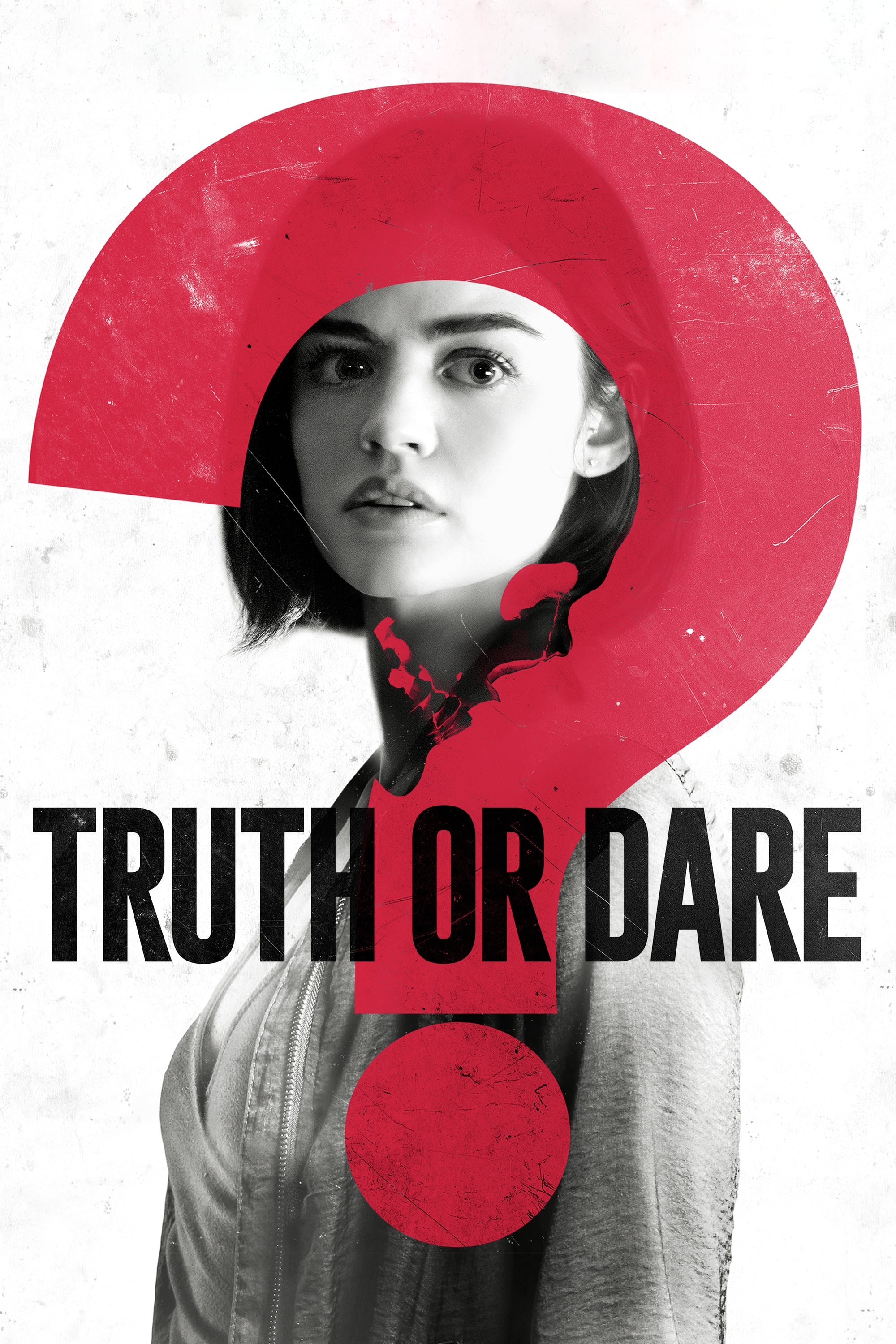
College friends bring a harmless game into a supernatural context after a trip to Mexico. The curse forces players to choose or suffer, marked by a signature grin effect on faces. The film uses a rotating roster of dares to escalate stakes within a tight ensemble. It was produced quickly using accessible locations and a focus on dialogue driven tension.
‘Leprechaun: Origins’ (2014)
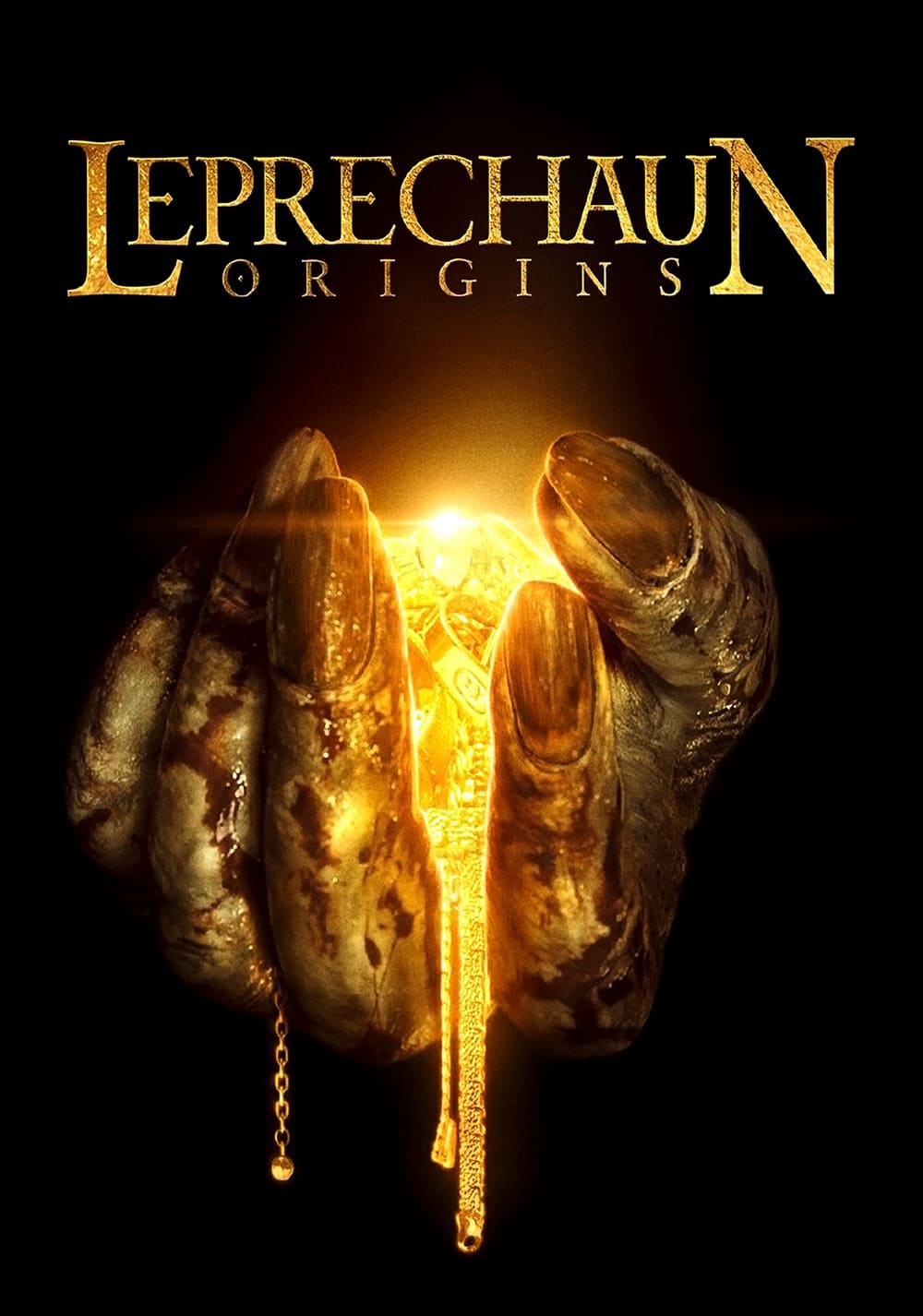
This reboot shifts the wisecracking creature into a more feral, nearly voiceless monster stalking travelers in rural Ireland. The production partnered with a wrestling brand for star promotion. Creature design relies on full body suits and close quarters attacks. It distances itself from the earlier series tone by minimizing humor and focusing on survival beats.
‘Texas Chainsaw 3D’ (2013)
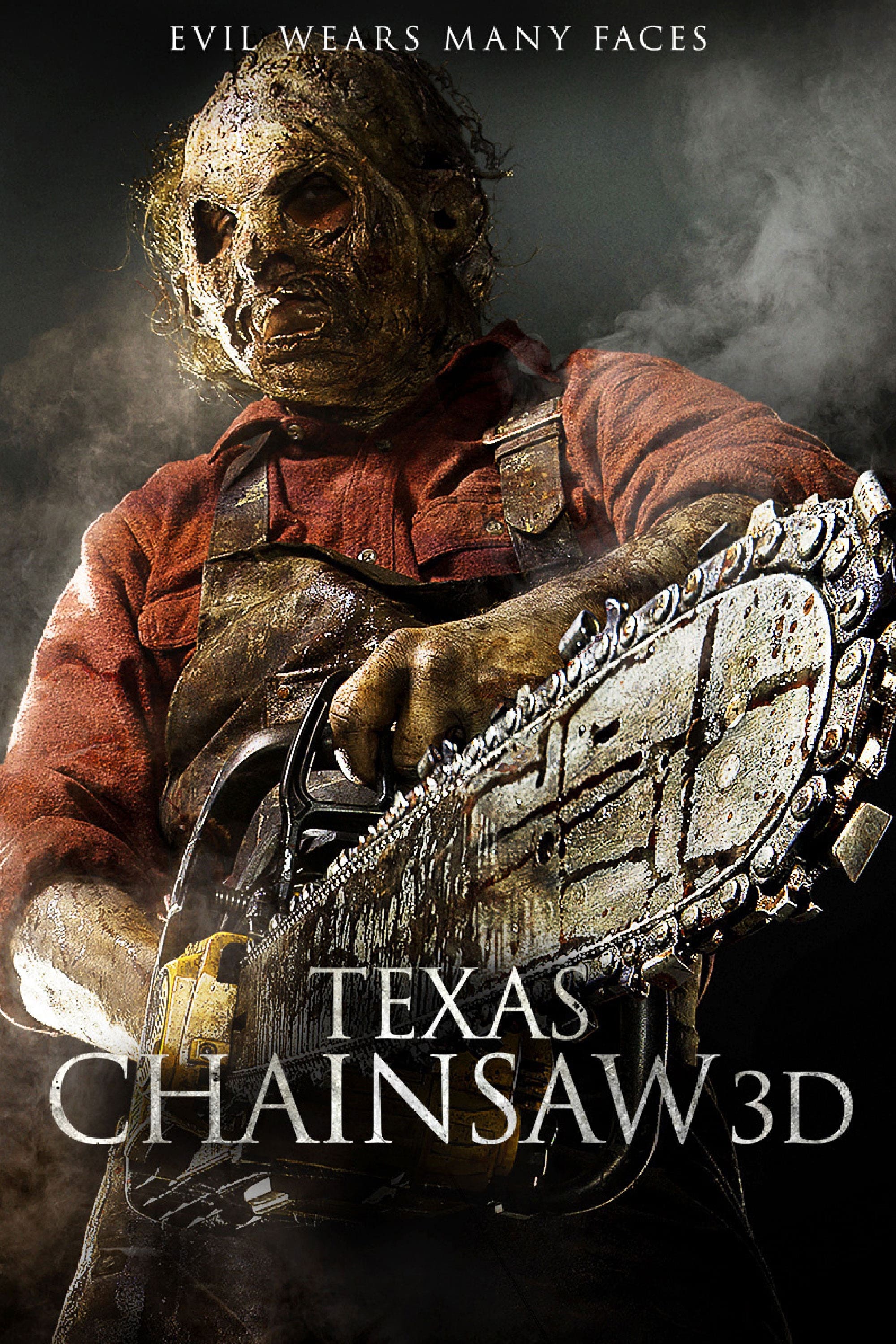
Positioned as a direct continuation of the 1974 classic, this entry follows a young woman who inherits a house with a deadly secret. The movie uses 3D camera rigs for chainsaw lunges and flying debris. It reworks the Sawyer family history and timeline to set up new loyalties. A mid credits scene hints at further confrontations inside the homestead.
‘Jason X’ (2001)

The franchise sends Jason Voorhees to a future spaceship after cryogenic storage on Earth. Practical makeup combines with early 2000s digital effects for zero gravity gags and futuristic weapons. A notable sequence involves liquid nitrogen in a laboratory. Shot in Canada, it was completed years before release and arrived as a novelty spin on the formula.
‘The Grudge’ (2020)
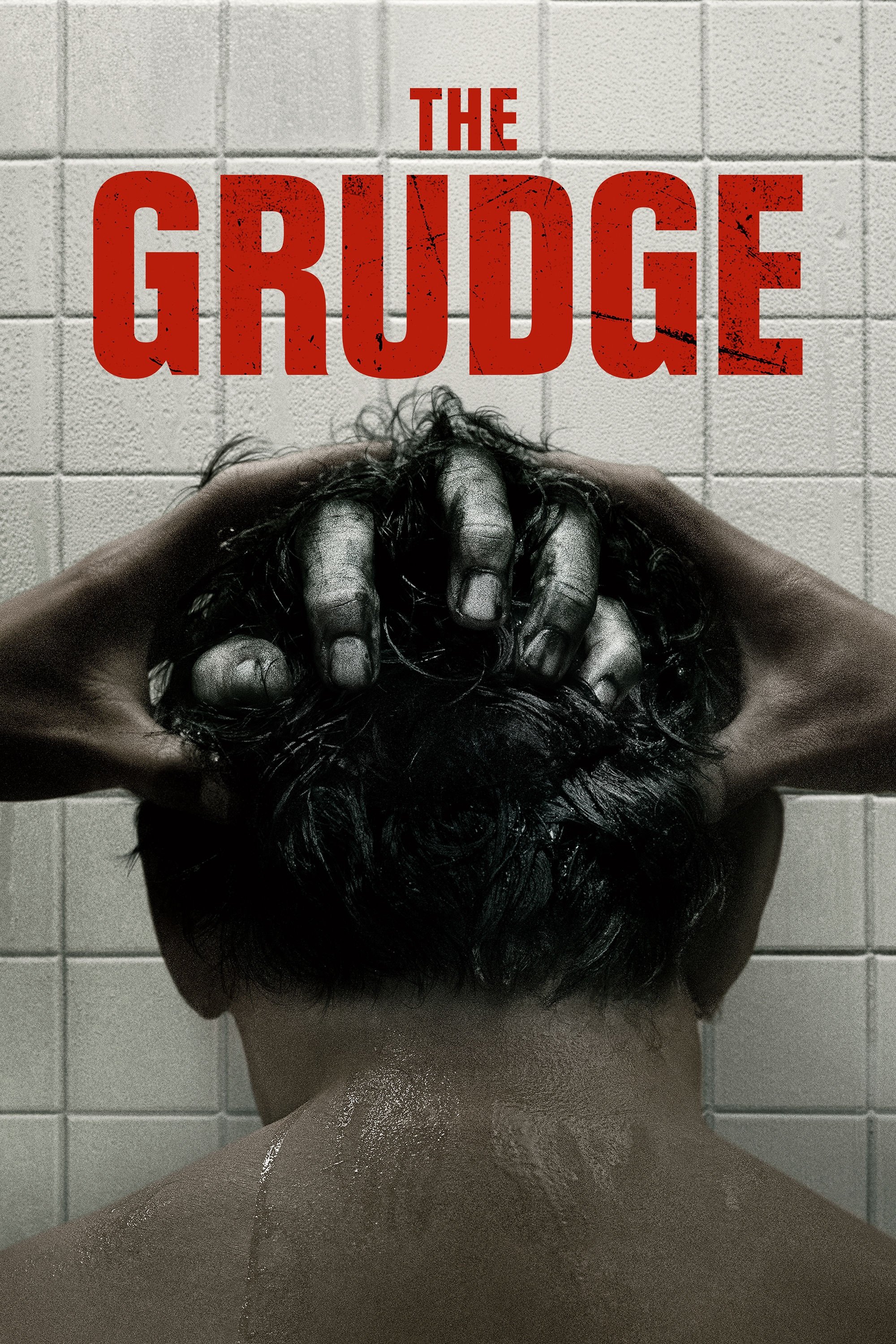
This reimagining runs parallel to the events of the early 2000s cycle while shifting focus to multiple investigators and homeowners. It uses a fractured timeline to connect separate hauntings to a single house. The production favors dim interiors, rain soaked exteriors, and slow burns over prolonged set pieces. It was positioned as a fresh start for the brand with familiar sound cues and motifs.
‘Plan 9 from Outer Space’ (1959)
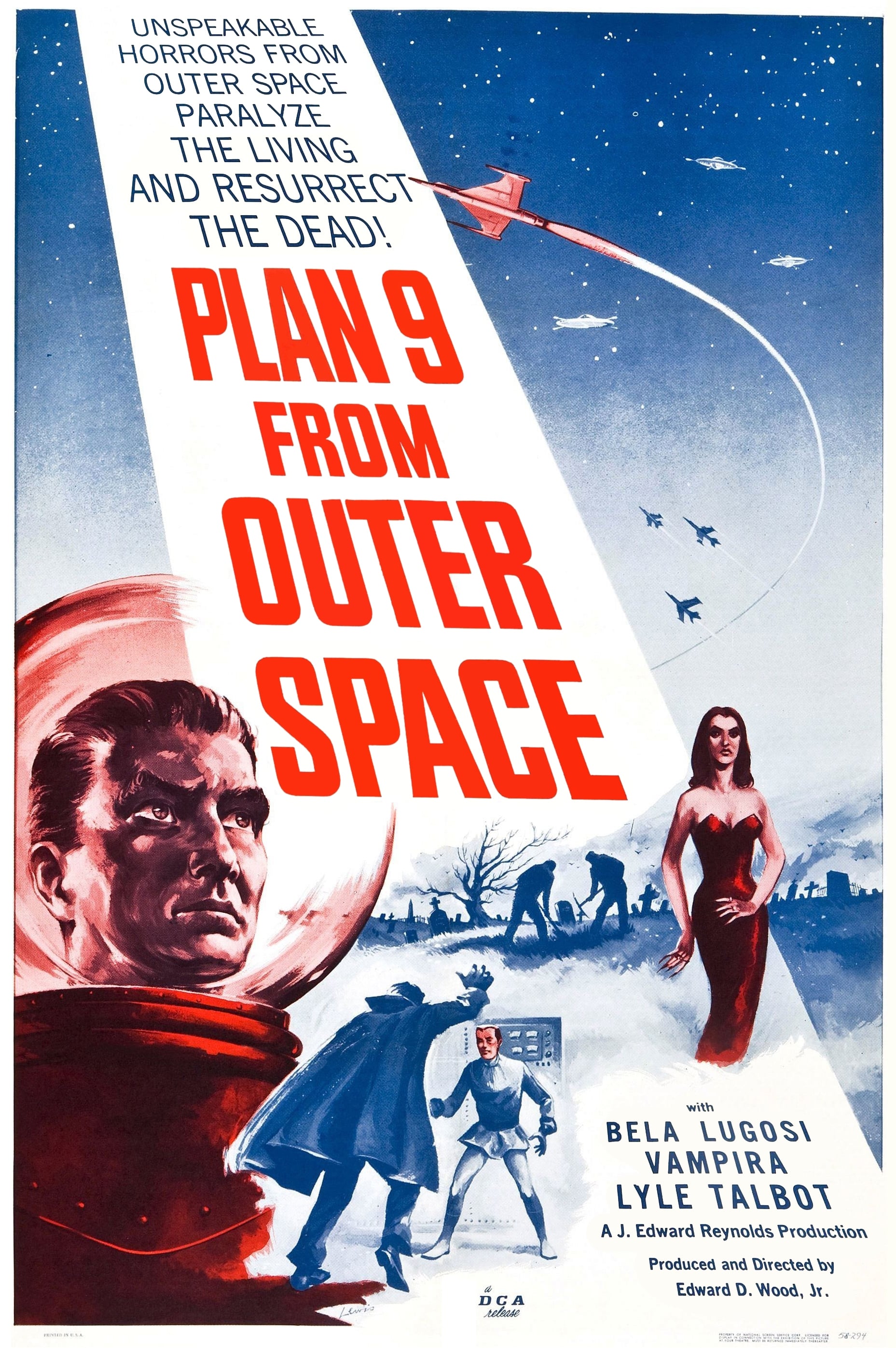
This independent feature blends aliens, graveyards, and reanimated corpses in a story about a plan to stop humanity’s weapons. Sets and costumes were assembled on minimal budgets with piecemeal resources. The film features stock footage and day for night shots that vary between scenes. It later became a reference point for low budget genre filmmaking and cult screenings.
Share the titles you would add to this hall of shame in the comments and tell us which ones you braved all the way to the end.