

15 Worst Things Done by Anime Heroes

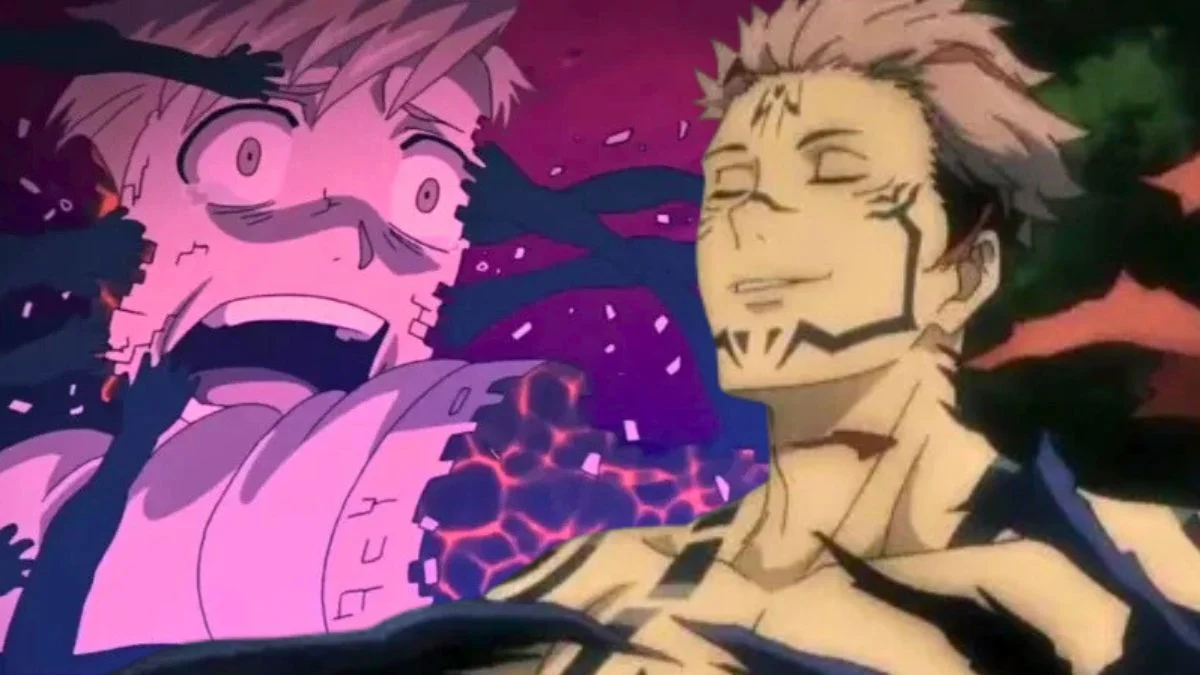


Even the most beloved protagonists can make choices that leave real damage behind. Sometimes it is a desperate move in a crisis. Sometimes it is the result of pride, rage, or fear. However it happens, these moments stick because they show that heroes are still capable of doing terrible things.
This list looks at the worst actions committed by central heroes across popular series. Each entry focuses on a specific deed and what it costs the people around them. Studio information is included when useful context, since the way these scenes land on screen often comes down to how they were brought to life.
Edward Elric’s human transmutation that cost Alphonse his body
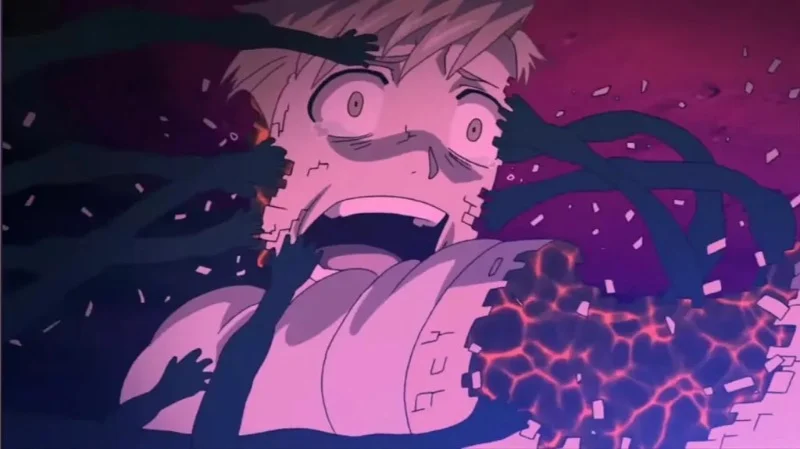
Before the story of ‘Fullmetal Alchemist: Brotherhood’ really begins, Edward attempts human transmutation to bring his mother back. The price is immediate and brutal as Alphonse loses his entire body and Edward sacrifices limbs to bind his brother’s soul to armor. The decision creates the central tragedy that drives their journey.
Bones presents the aftermath with meticulous detail from the unfinished ritual to the scarred automail fitting. The series returns to this choice again and again to show how the brothers live with consequences that touch every ally and enemy they meet.
Goku handing Cell a senzu bean before the fight with Gohan
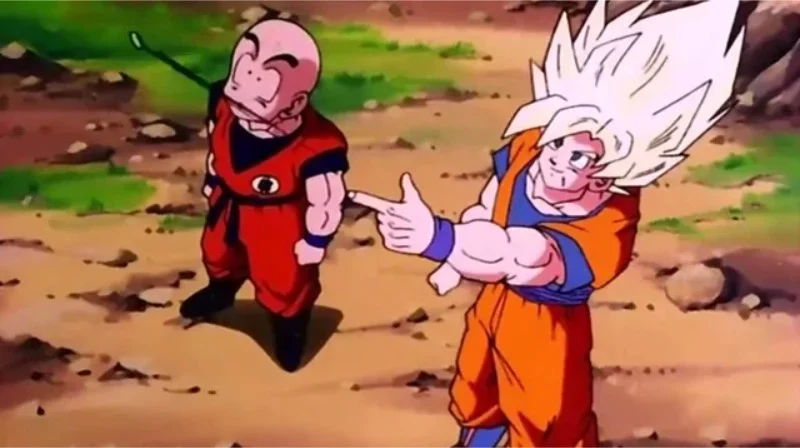
In ‘Dragon Ball Z’, Goku gives Cell a senzu bean moments before sending Gohan into the ring. The gesture restores the villain to full strength and extends a battle that endangers everyone at the arena. It is a tactical call that exposes Gohan to needless risk and gives Cell a chance to push the conflict further.
Toei Animation stages the sequence with quick cuts between shocked allies and a calm Goku. The presentation underlines how a single choice lengthens a crisis and sets up the chain of events that forces Gohan to unleash power he never wanted to use.
Eren Yeager setting the Rumbling in motion
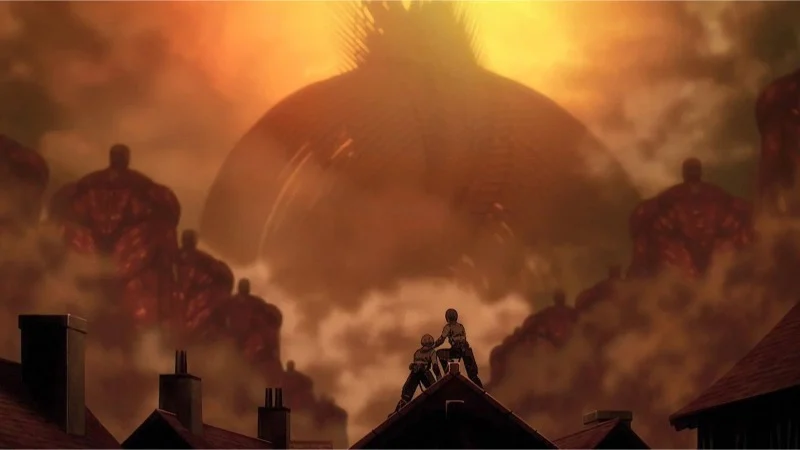
In ‘Attack on Titan’, Eren activates the Rumbling and frees countless Colossal Titans. The advance crushes cities and kills civilians across the globe. This is not a split second mistake but a deliberate plan that transforms a fight for survival into devastation on a historic scale.
MAPPA frames the march with ground level shots that linger on people who cannot escape. The adaptation keeps focus on the cost, showing how allies react to a decision that redraws the world at a terrible price.
Gon Freecss sacrificing everything to destroy Neferpitou
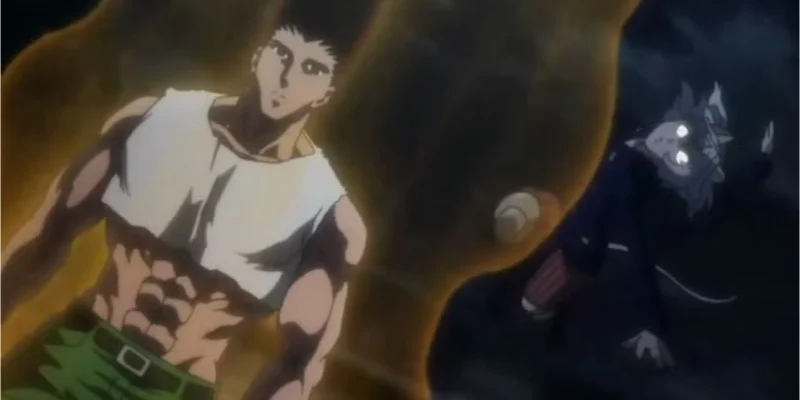
During the Chimera Ant arc of ‘Hunter x Hunter’, Gon offers up his future potential to gain the strength to kill Pitou. The contract leaves him near death and shocks his friends who have to deal with the fallout. This is vengeance that ignores what it does to the people who care about him.
Madhouse builds the escalation through quiet pauses and harsh close ups. The production choice makes the transformation feel like a point of no return that others must clean up after.
Shinji Ikari triggering an Impact through desperate choices
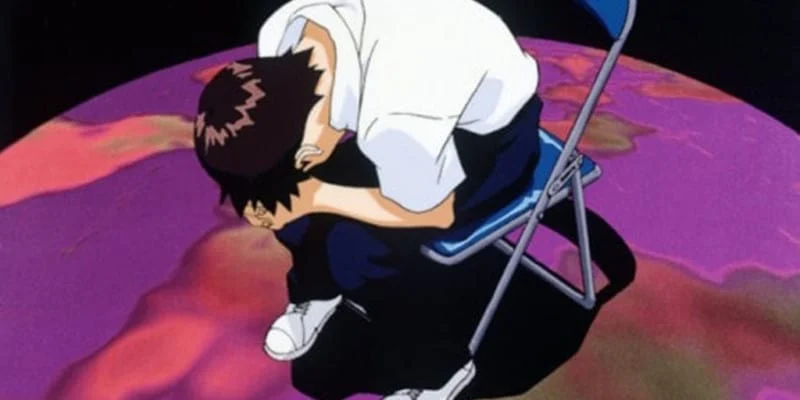
In the ‘Evangelion’ rebuild storyline, Shinji’s attempt to make things right pulls the world toward another Impact. His focus narrows to saving one person while the scale of the disaster grows beyond his control. The result is mass destruction and grief for survivors who never had a say.
Studio Khara presents the sequence with sweeping citywide shots cut against cockpit confusion. The contrast helps explain how a personal need spirals into a catastrophe that costs countless lives.
Lelouch vi Britannia unleashing a massacre after a command goes wrong
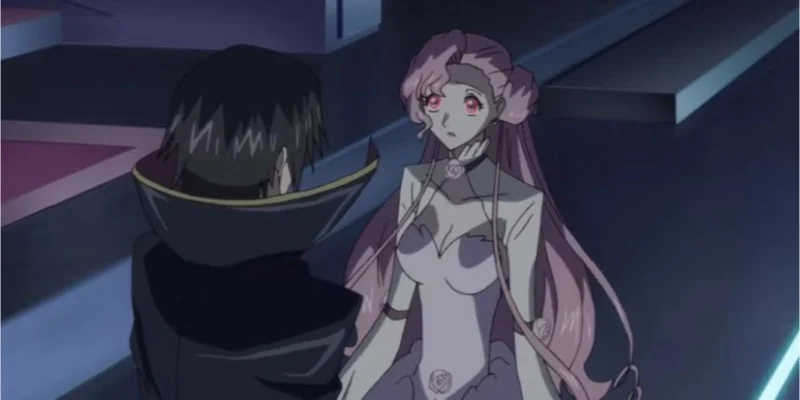
In ‘Code Geass’, a stray order given under the power of Geass causes Euphemia to initiate a massacre. Lelouch then rides the chaos to further his rebellion. The moment turns a political gambit into mass bloodshed and leaves a permanent scar on his closest relationships.
Sunrise uses crowded staging and rapid broadcasts to show how quickly control evaporates. The production makes it clear that a power used without care can set off violence that no one can fully contain.
Ichigo Kurosaki losing control and attacking an ally
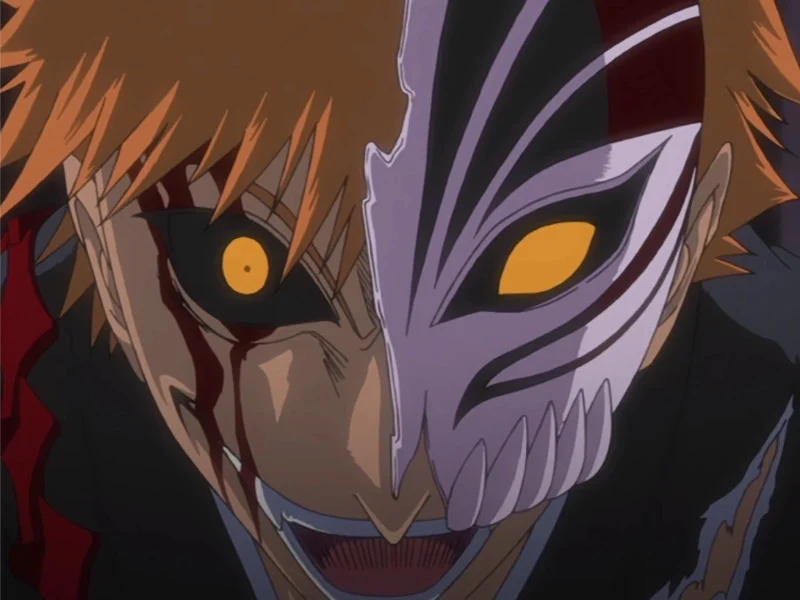
In ‘Bleach’, Ichigo’s hollow form takes over during the battle with Ulquiorra. The rampage injures Uryu and terrifies friends who are trying to pull him back. The outburst proves that unchecked power can harm the very people he wants to protect.
Studio Pierrot emphasizes the change with distorted framing and a frantic soundscape. The scene plays as a warning that growth without balance invites collateral damage within the team.
Yuji Itadori surrendering his body to Sukuna during Shibuya
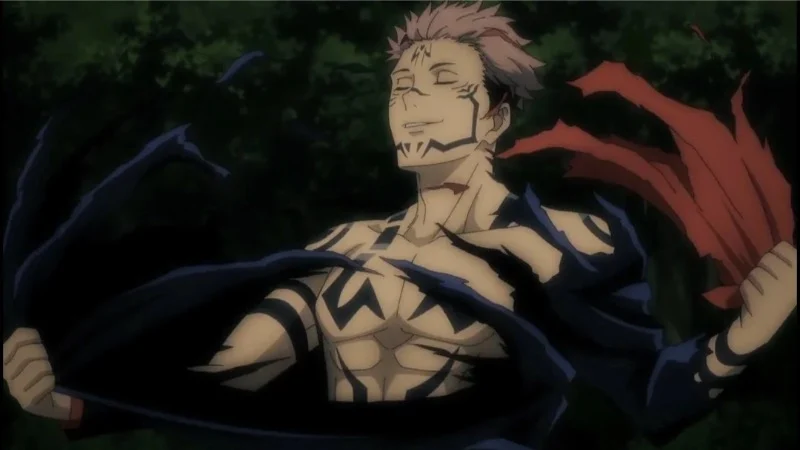
In ‘Jujutsu Kaisen’, Yuji loses control and Sukuna takes over amid the Shibuya chaos. The takeover leads to widespread casualties, including deaths that weigh heavily on Yuji afterward. Allowing that opening becomes one of the darkest points in the series.
MAPPA captures the shift with a cold quiet that follows sudden bursts of violence. The direction highlights how a moment of weakness can hand an enemy everything needed to tear a city apart.
Meliodas destroying a kingdom when his demon power erupts
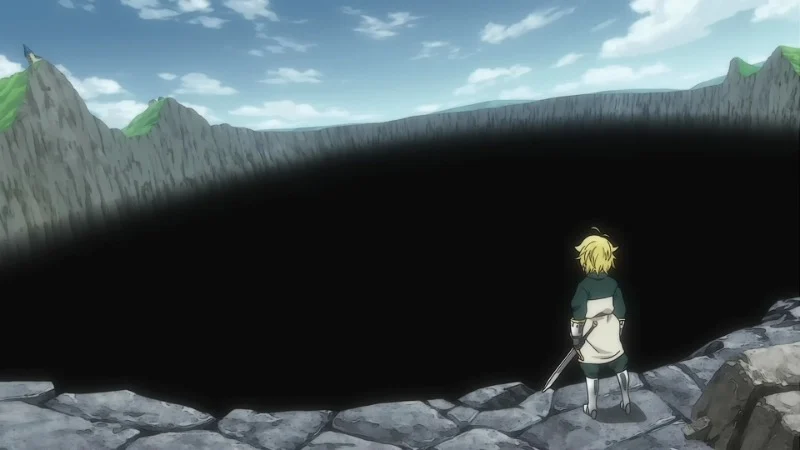
Backstory in ‘The Seven Deadly Sins’ reveals that Meliodas once lost control and leveled Danafor. The event wipes out a kingdom and shapes the distrust others carry into the present. It also explains why his allies fear what could happen if he snaps again.
A-1 Pictures uses stark flashbacks and scorched landscapes to place viewers in the aftermath. These visual cues keep the disaster present, reminding everyone that restraint is the only thing standing between peace and ruin.
Shigeo “Mob” Kageyama leveling city blocks during a ??? percent meltdown
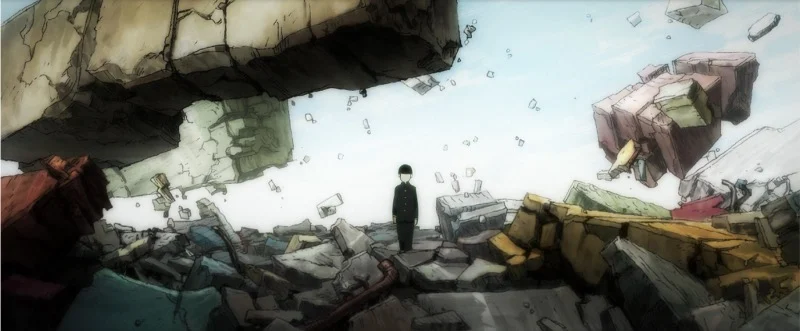
In ‘Mob Psycho 100’, Mob’s power spikes past his control when emotions overflow. The surges flatten buildings and send people scrambling for safety. The destruction forces mentors and friends to scramble to limit harm after the fact.
Bones turns the screen into a storm of lines and motion during these eruptions. The style choice makes the damage feel overwhelming while keeping attention on the civilians caught in the blast zone.
Thorfinn spending years as a hired killer
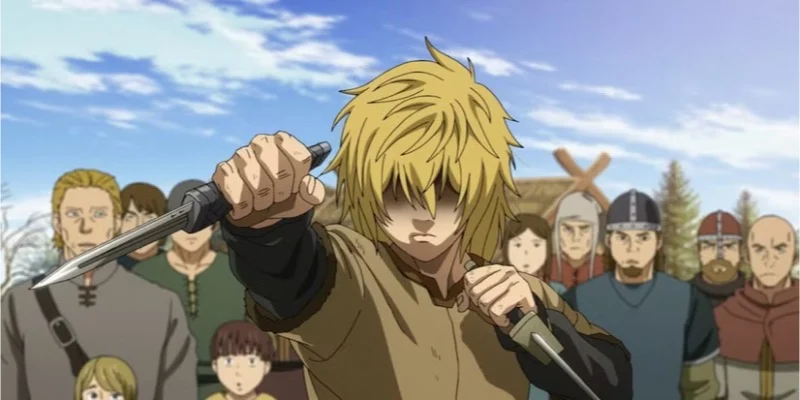
In ‘Vinland Saga’, Thorfinn’s life becomes a string of contract killings fueled by revenge. His actions do not advance any cause beyond his own anger, and they scar communities that never wronged him. The body count follows him long after he tries to change.
Wit Studio frames raids with quiet aftermath scenes that linger on survivors. The approach ensures that every fight leaves a trace, making it clear that his choices shape the suffering of strangers.
Denji letting himself be used in ways that put civilians at risk
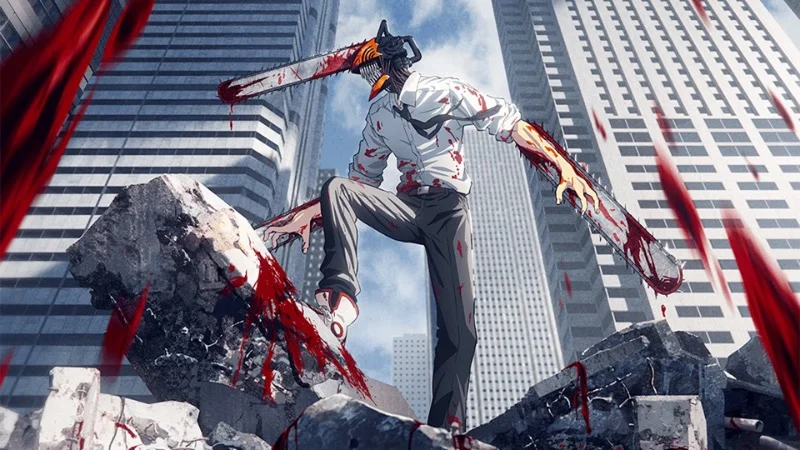
In ‘Chainsaw Man’, Denji follows orders and temptations without thinking through consequences. The pattern allows stronger forces to steer him into public fights that spill into crowded spaces. Casualties and trauma mount while he struggles to see the bigger picture.
MAPPA stages street battles with debris and panicked crowds moving through the frame. The presentation shows how negligence can be as dangerous as malice when powers collide in the open.
Emma taking every child on the escape no matter the cost
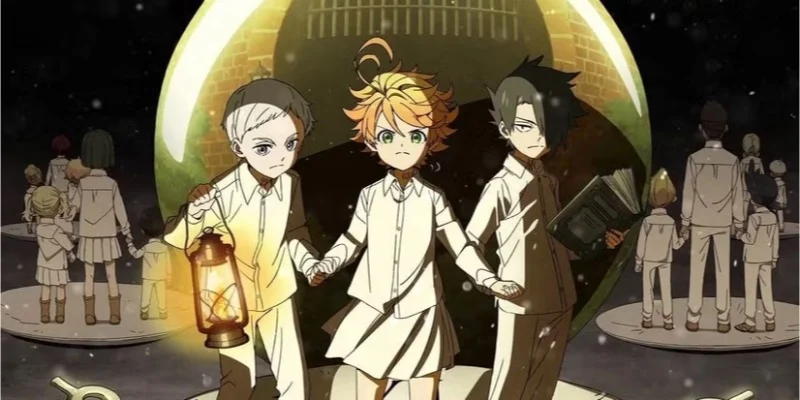
In ‘The Promised Neverland’, Emma insists on a plan that includes all the younger children. The goal is noble, but it multiplies risks and puts the group in far greater danger as they flee. The immediate threat grows because the plan stretches resources thin.
CloverWorks uses careful pacing to show supply strain, sleepless nights, and near misses. The adaptation makes the choice feel heavy by tracking how much harder every step becomes with a larger group.
Subaru Natsuki sabotaging Emilia with a public outburst
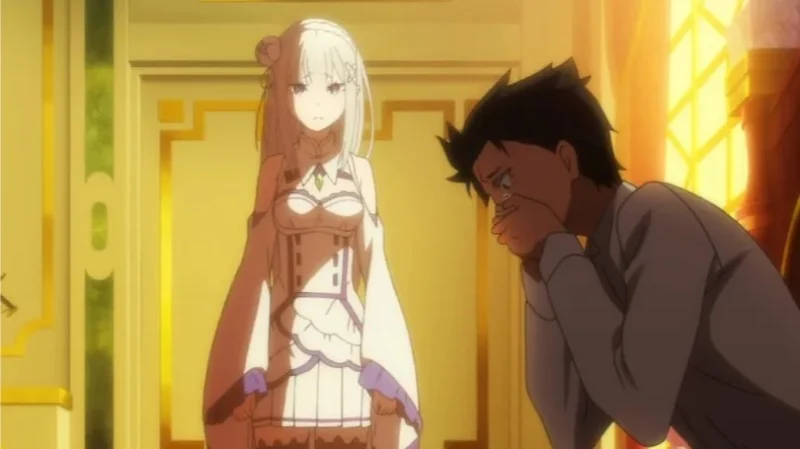
In ‘Re:Zero − Starting Life in Another World’, Subaru attempts to help Emilia and instead humiliates her during a royal selection event. The outburst damages her standing and sours alliances they need. The mistake also sets the stage for later violence that might have been avoided.
White Fox frames the scene with long pauses and crowd reactions that underline the breach of trust. The fallout spreads into later arcs where strained relationships complicate every attempt to rebuild.
Monkey D. Luffy declaring war and drawing a Buster Call
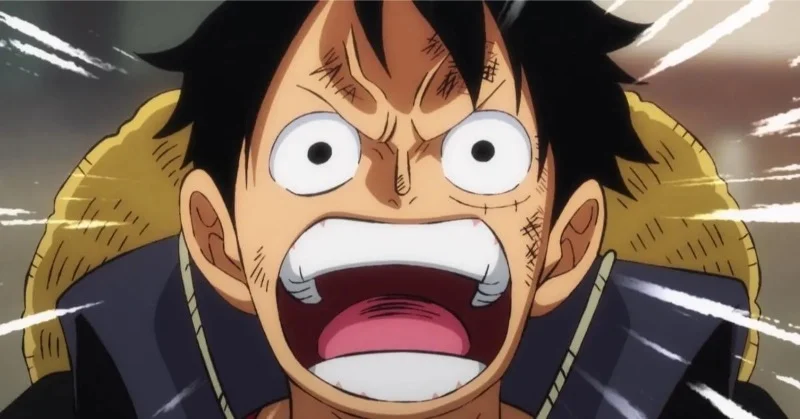
In ‘One Piece’, Luffy’s declaration at Enies Lobby challenges the World Government and prompts massive retaliation. The Buster Call brings battleships and bombardment down on allies who are struggling to escape. The move almost costs multiple crews their lives.
Toei Animation fills the screen with clustered ships and collapsing towers as the attack hits. The sequence shows how a bold stand can also place friends in the crossfire, creating a crisis they barely survive.
Share the moments you would add to this list in the comments and tell us which scene hit you the hardest.