


Top 20 Worst Third Movie Franchise Installments

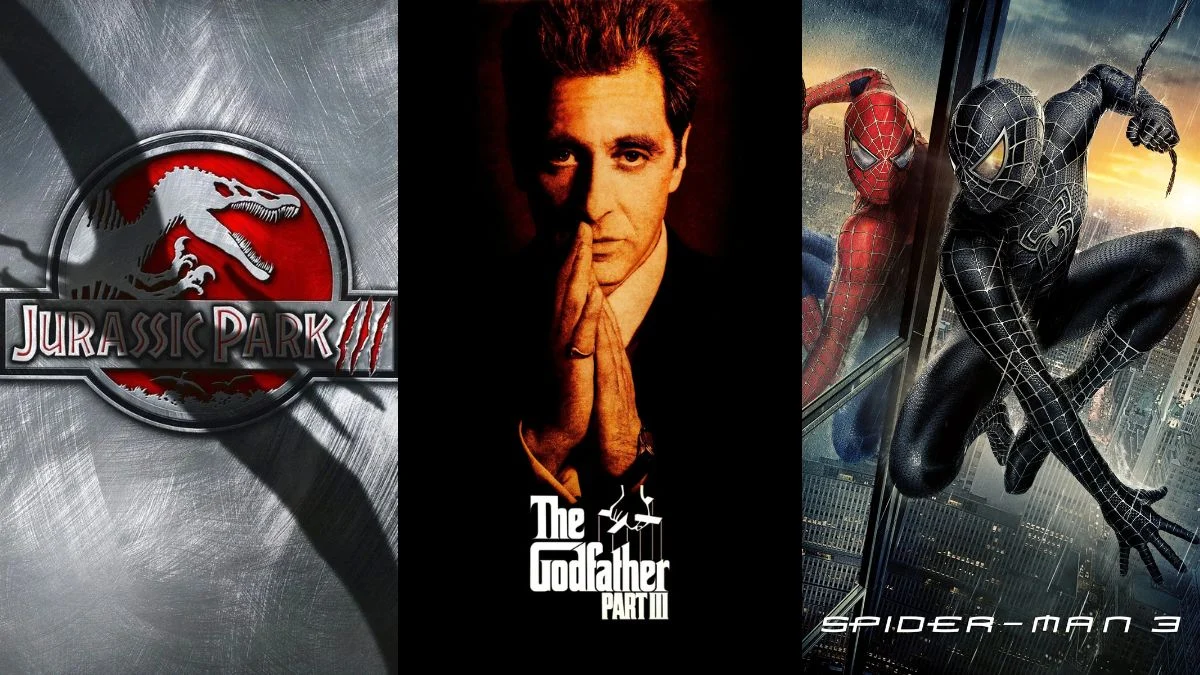


The third entry in a movie series often arrives with big expectations and a lot of moving parts. Scripts get rewritten to wrap up storylines, new characters show up to set up spinoffs, and schedules pull stars in different directions. The result can be a film that looks familiar yet feels out of step with what made the first two work for audiences in the first place.
Studios also lean hard on name recognition by shifting tone, swapping directors, or pushing toward broader appeal. That can mean different creative choices, different filming styles, and different emphasis on effects and spectacle. Below are third franchise installments that hit theaters with plenty of momentum yet ended up as cautionary tales about how tough it is to land part three.
‘The Godfather Part III’ (1990)
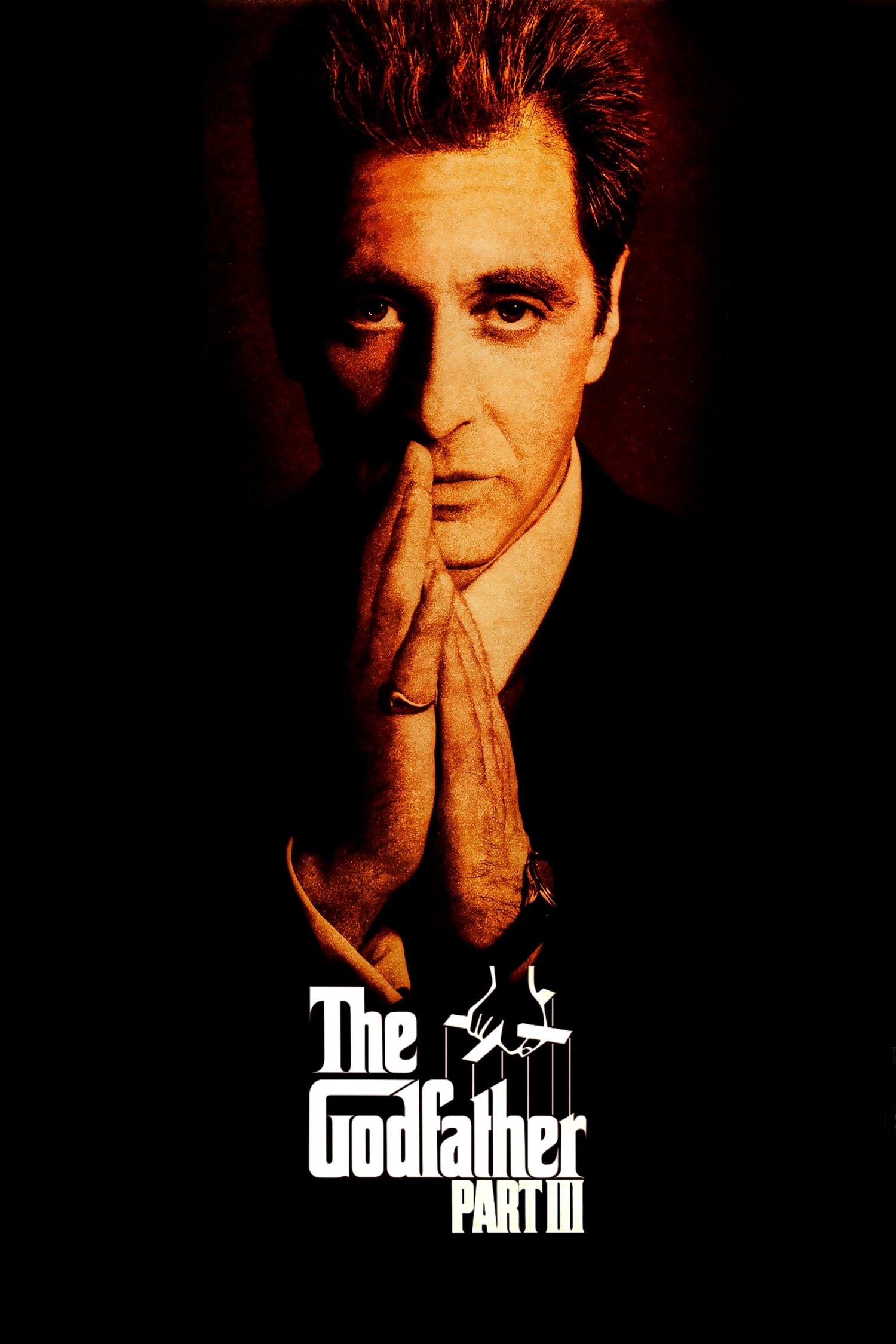
Director Francis Ford Coppola returned with Al Pacino continuing Michael Corleone’s arc as the story moved into corporate dealings and Vatican entanglements. The film brought back familiar faces and introduced new players around a plot involving a European real estate company and a high profile opera setting in Palermo.
Production pulled together legacy characters while working around casting changes and an updated time period. The project shifted locations across New York and Italy and used period detail to bridge the years since the second film. The release completed the original trilogy and later received a recut version that changed the opening and ending structure.
‘Spider-Man 3’ (2007)
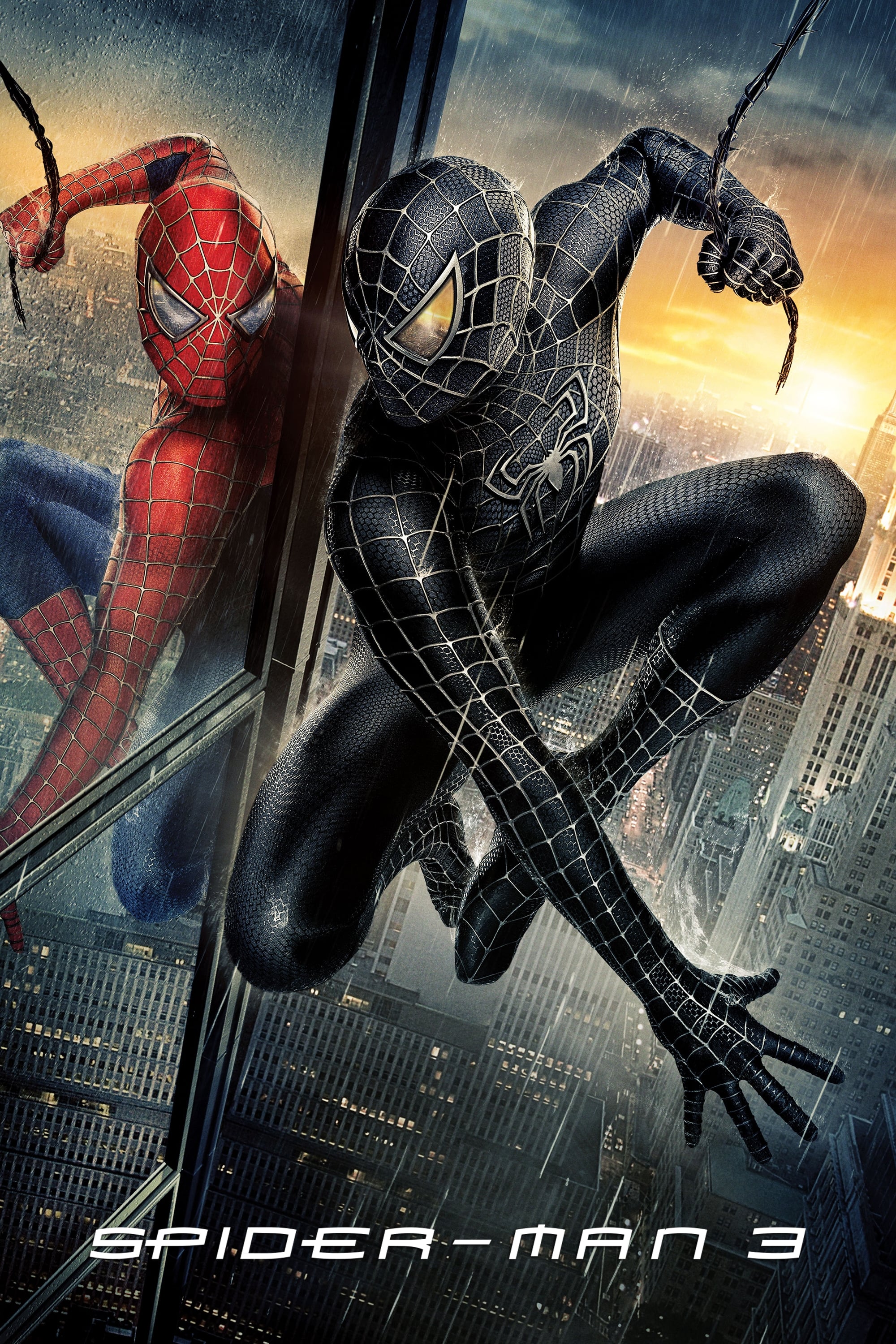
Sam Raimi’s third web slinger film packed in multiple antagonists as Peter Parker faced the symbiote suit, an amnesiac friend, and a new version of the man tied to Uncle Ben’s death. The story also introduced Gwen Stacy while MJ grappled with Broadway pressures and relationship fallout.
The production staged large scale set pieces across New York with a heavier mix of digital effects than the earlier chapters. Marketing centered on the black suit and new villains while a quick turnaround from the second film meant overlapping development work and accelerated effects pipelines.
‘X-Men: The Last Stand’ (2006)
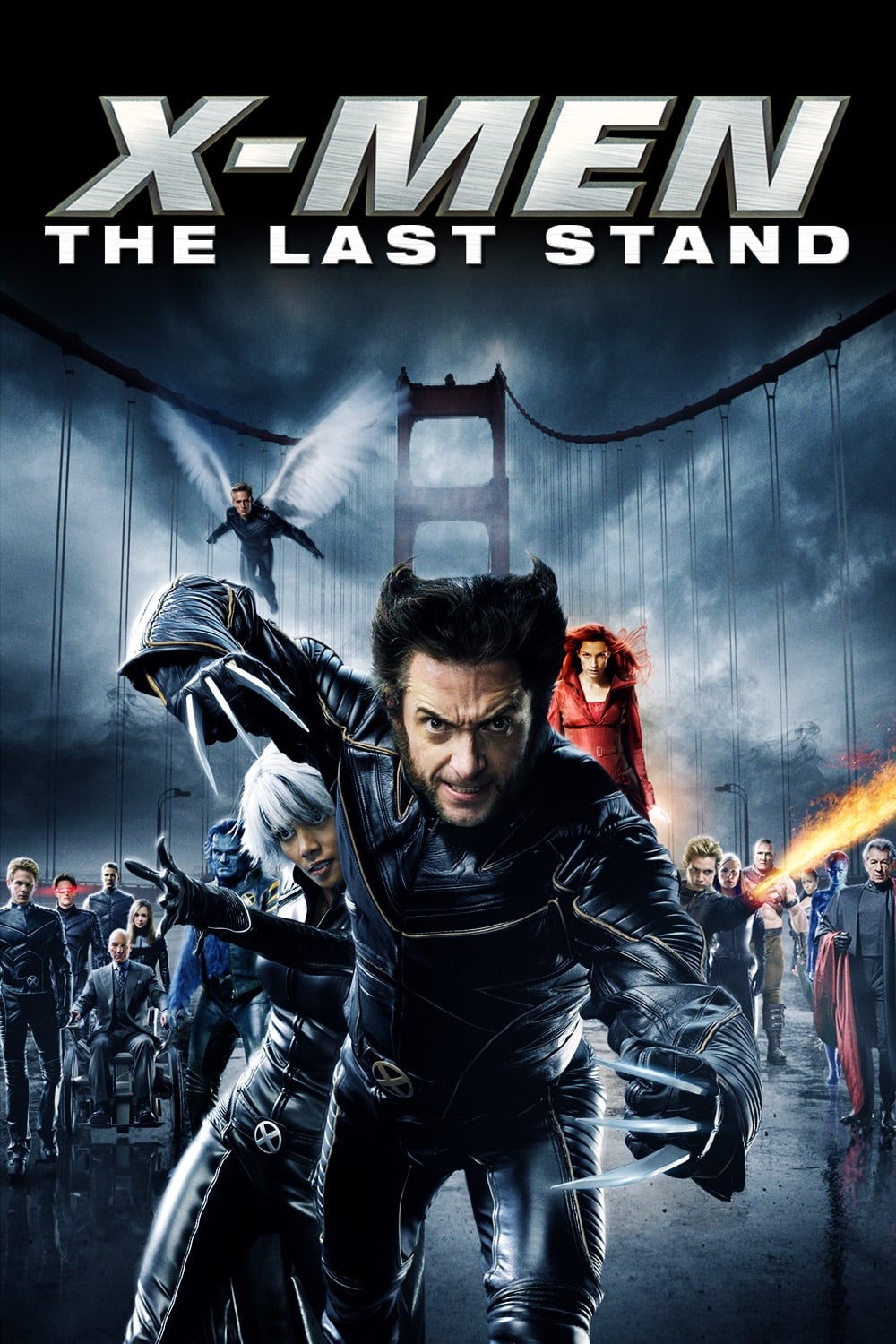
The third film in the mutant team series combined a plot about a lab created cure with a version of the Phoenix storyline for Jean Grey. The ensemble returned with new additions like Beast and Angel and the action moved from labs and suburban homes to a showdown near Alcatraz.
Behind the scenes the franchise changed directors and adjusted story plans after earlier creative departures. The film used extensive wire work, prosthetics, and large crowd scenes for the Golden Gate Bridge sequence and wrapped a first trilogy that later fed into prequels and soft reboots.
‘Jurassic Park III’ (2001)
The third trip to dinosaur territory brought back Sam Neill as Alan Grant and shifted the setting to Isla Sorna after a staged rescue mission goes wrong. The story introduced new species on screen and leaned on raptor intelligence as a recurring threat during treks through the jungle and an aviary.
Production returned to Hawaii and Southern California soundstages with a mix of animatronics and computer generated creatures. The project underwent script revisions during filming and focused on a tighter runtime with more creature encounters rather than park building scenes from earlier films.
‘The Matrix Revolutions’ (2003)
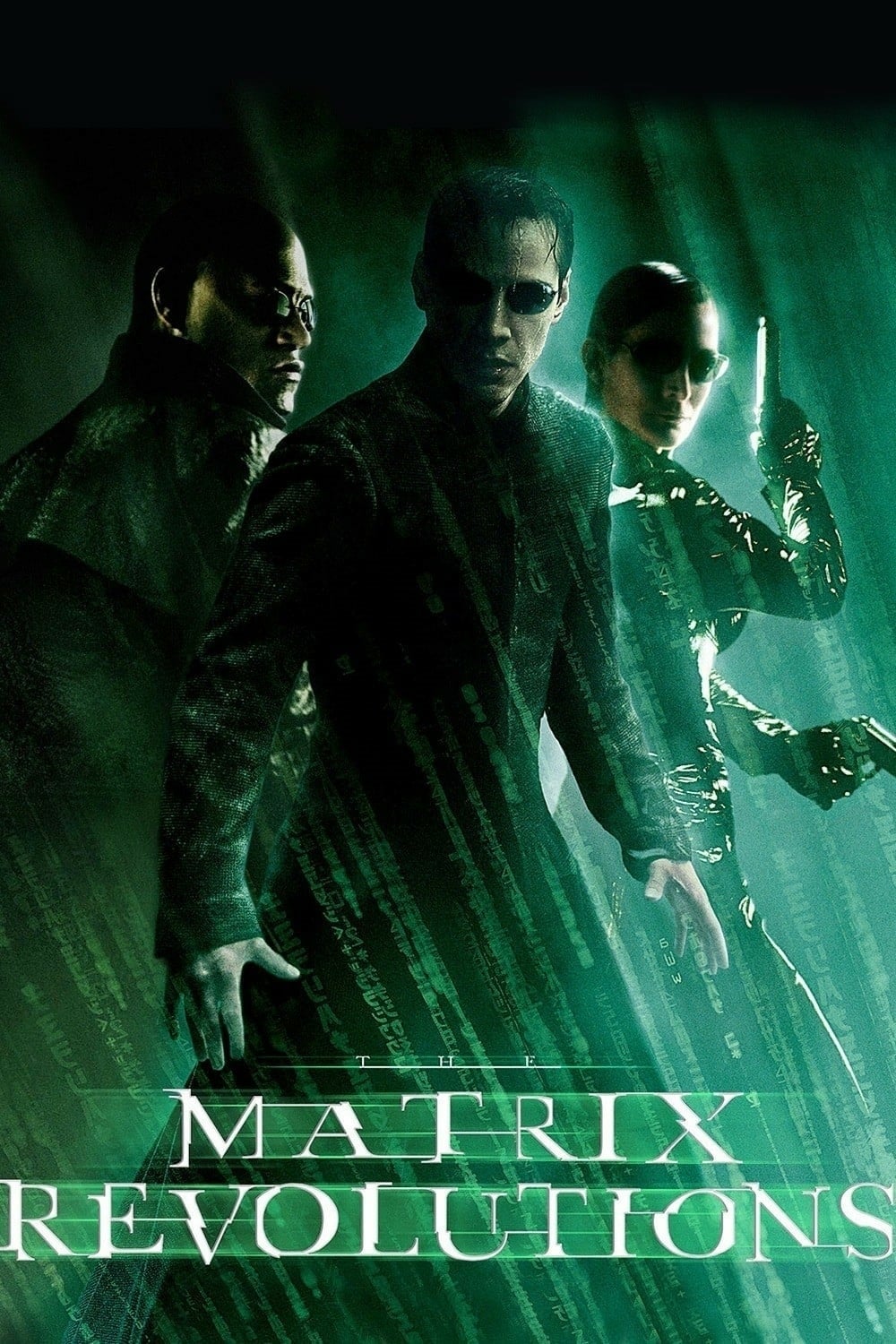
The trilogy closer followed Neo’s path beyond the digital world as Zion prepared for an all out defense against machine forces. Key sequences centered on mechs in the dock battle and a rain soaked final confrontation inside the simulated city.
The film shot back to back with the second entry and shared sets, costumes, and effects infrastructure. The release timed its rollout with a global date and tie ins that spanned games and short films which brought the wider universe to a pause point before later continuations arrived years after.
‘Shrek the Third’ (2007)
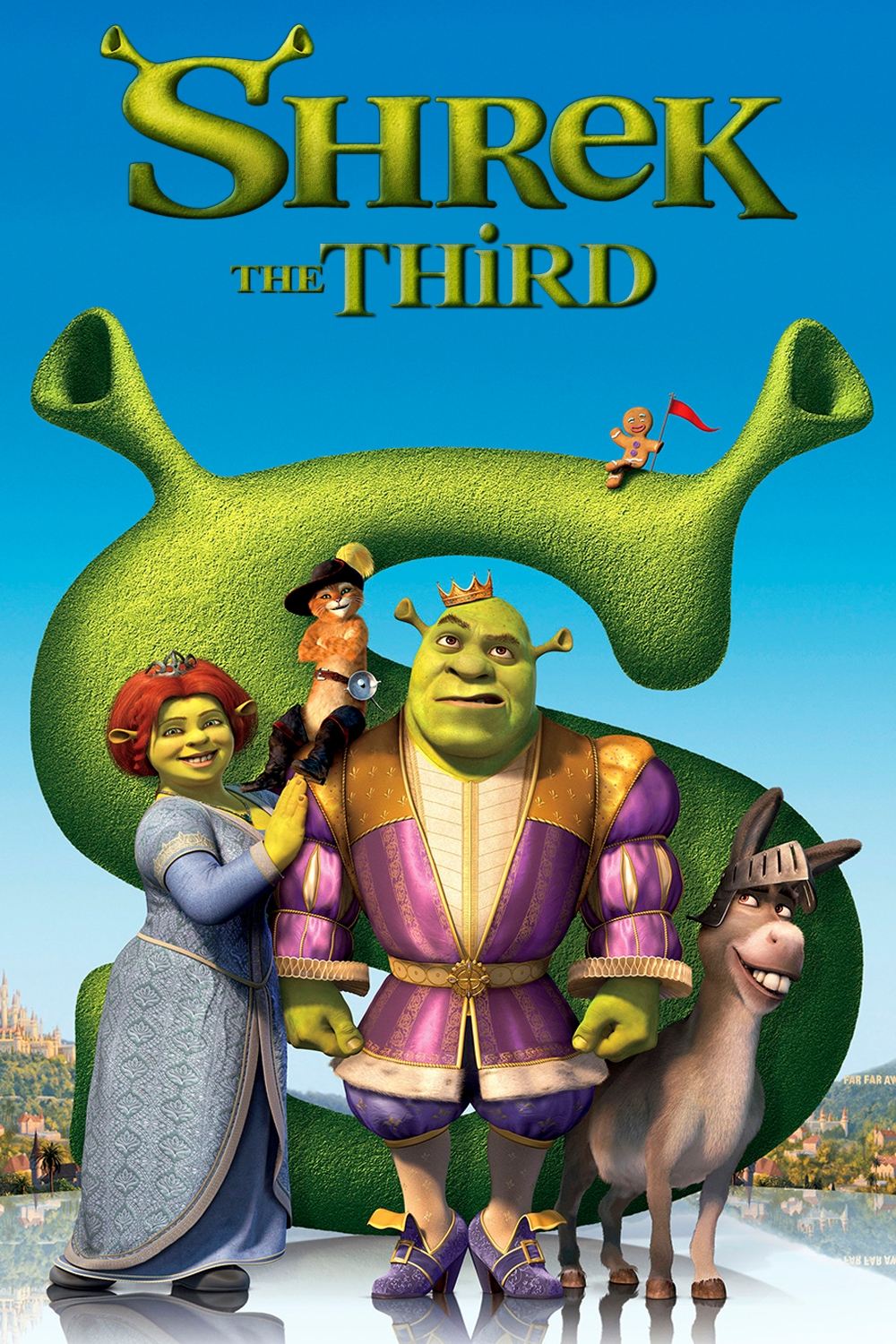
The third fairy tale chapter sent Shrek on a search for a new heir while Far Far Away faced a takeover plot. Familiar side characters returned and the story visited a medieval high school along with new royal settings.
Animation shifted to new environments with classroom scenes, ships, and castle grounds while the soundtrack continued a mix of pop covers and originals. The film extended the brand into more merchandise and cross promotion and set up threads that the fourth film later revisited with a course correction.
‘Blade: Trinity’ (2004)
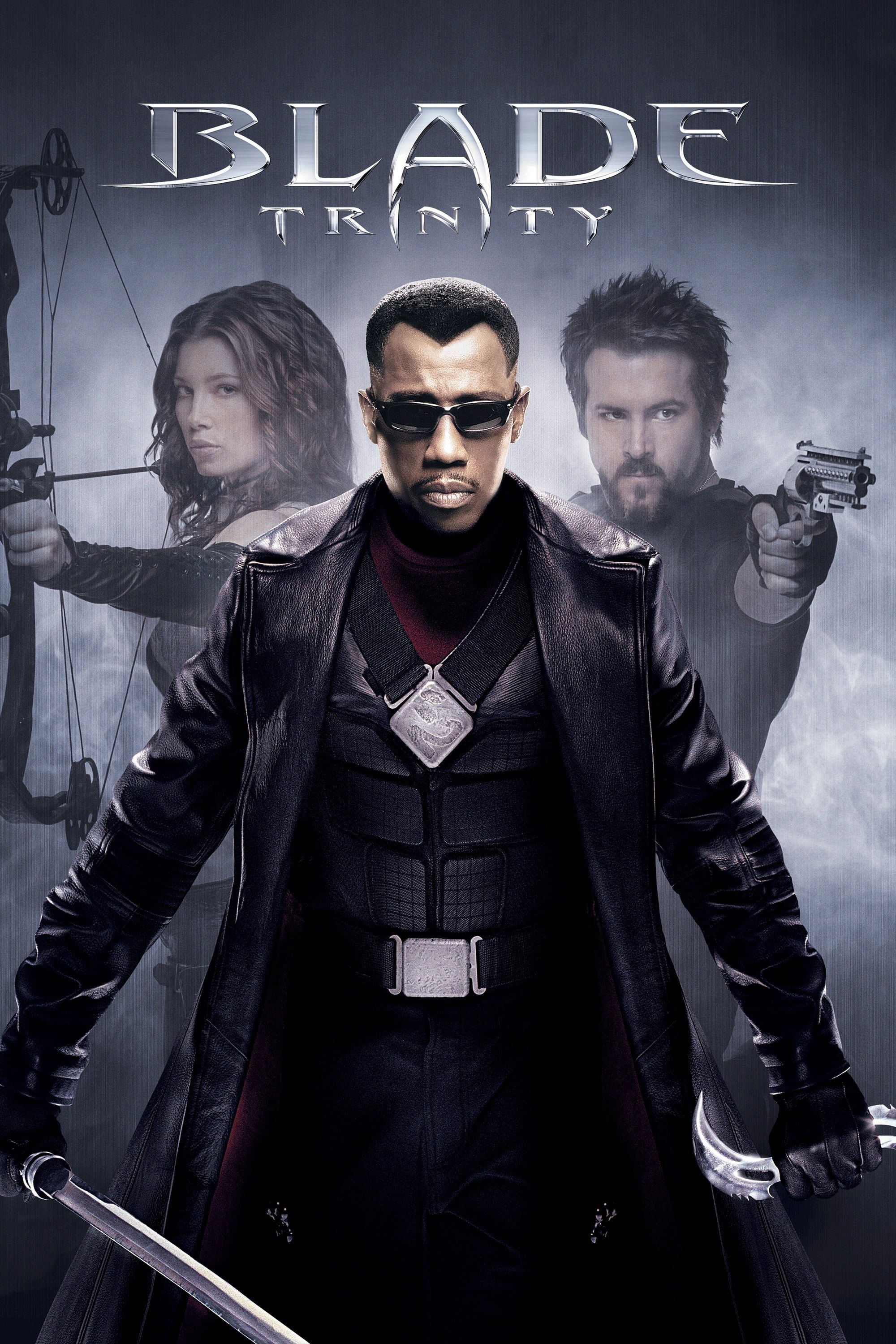
The third vampire hunter entry teamed Blade with a new group of allies after a setup that brought official scrutiny onto his activities. The plot introduced fresh tech for monster hunting and a revived ancient foe that pushed the conflict into modern city interiors and lab facilities.
Production expanded the arsenal and stunt design while adding comedy beats and a younger team dynamic. The film pivoted toward a potential spinoff approach and emphasized stylized action with heavy visual effects and night shoots across urban locations.
‘The Mummy: Tomb of the Dragon Emperor’ (2008)
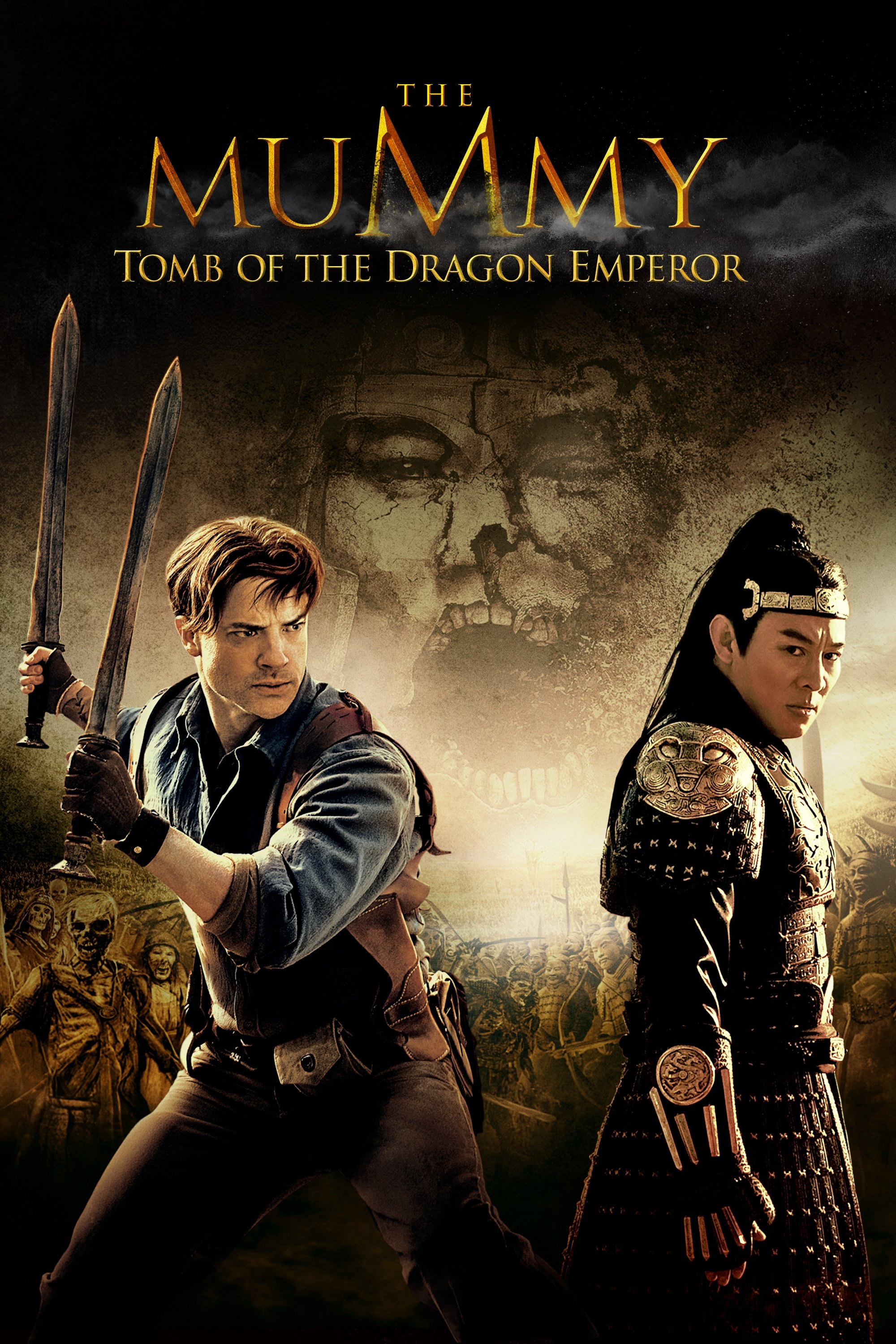
The third chapter moved the action from Egypt to China with a focus on a Qin era ruler awakened by a new curse. Brendan Fraser returned while the character of Rick’s son stepped into a larger role as the story traveled through Shanghai, desert routes, and Himalayan peaks.
The production swapped out key cast for the role of Evelyn and brought in new mythological elements like terracotta armies and shape shifting powers. Location work combined with soundstage builds for temples and mountain passes and the effects team delivered large scale battles with stone soldiers.
‘RoboCop 3’ (1993)
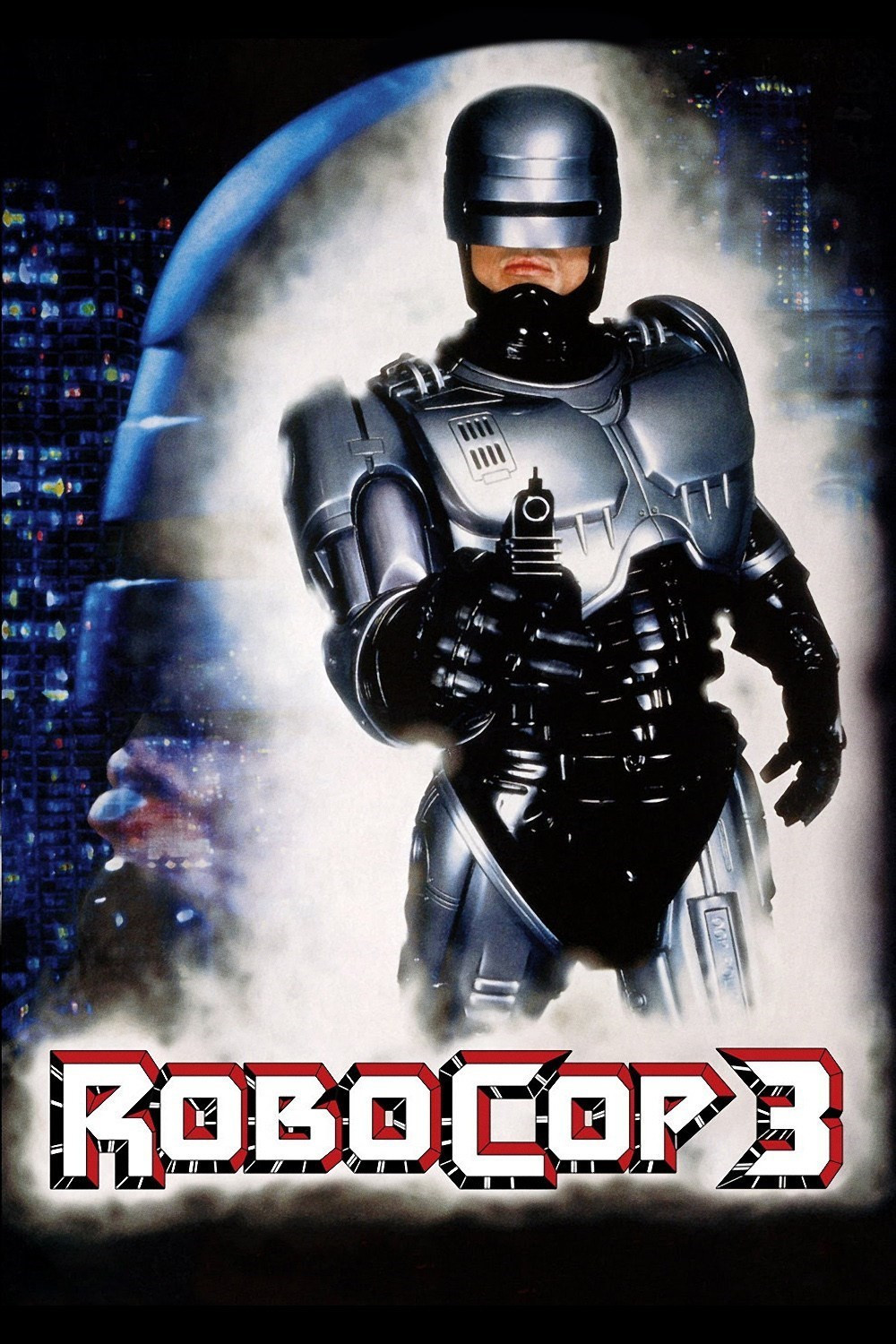
This installment continued corporate redevelopment plots in Detroit and sent RoboCop into conflict with a privatized police force and an urban displacement plan. The character’s prime directives and personal memories remained present as community resistance groups entered the story.
The film changed lead actors for the title role’s performer inside the suit and aimed for a broader rating which altered on screen intensity compared to the earlier entries. Miniatures, practical explosions, and early digital compositing handled vehicle action and flying sequences in cityscapes.
‘Teenage Mutant Ninja Turtles III’ (1993)
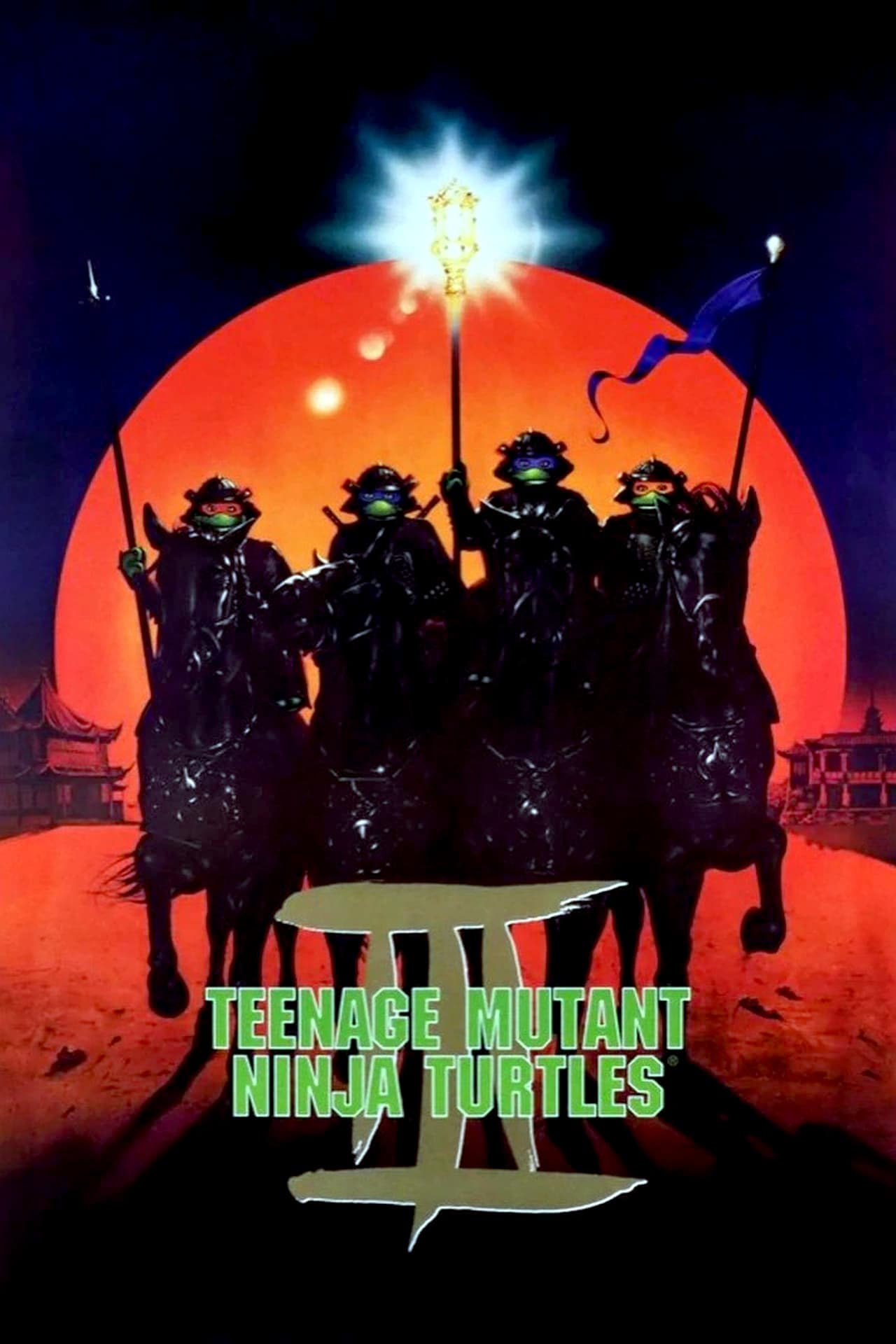
The third film sent the turtles through time to feudal Japan using a mystical scepter and a body switching device. The story paired the brothers with villagers caught between a local lord and European traders while April and Casey had split adventures across eras.
Costume and animatronic updates created new suits with different facial movement compared to the first two films. Sets blended period armor, wooden fortifications, and village life and the soundtrack leaned into percussion and traditional cues to mark the historical switch.
‘Superman III’ (1983)
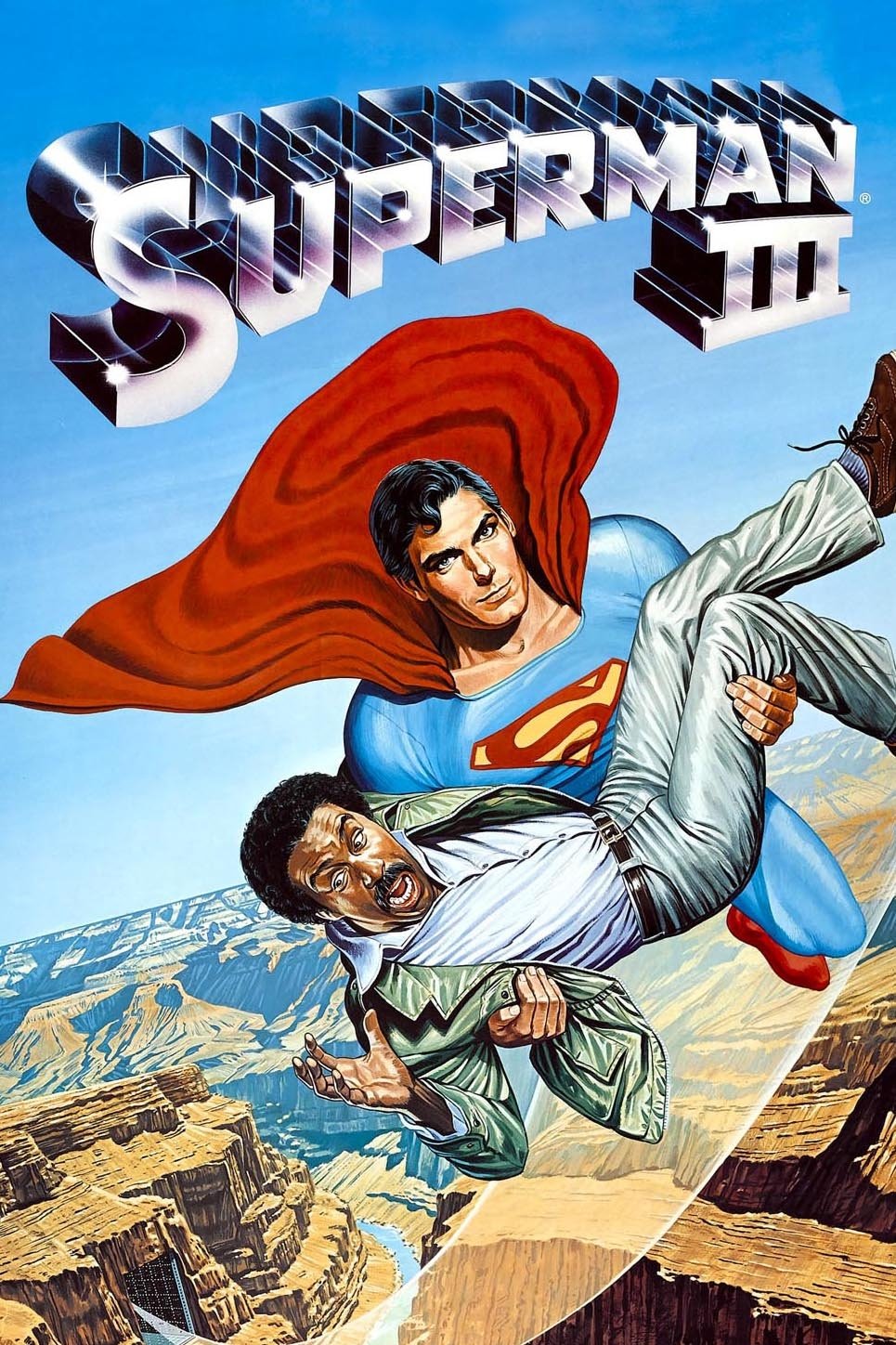
The third outing introduced a tech focused plot that involved synthetic kryptonite and a computer expert drawn into corporate schemes. Clark returned to Smallville for a reunion while a darker side of the hero surfaced after exposure to an altered mineral.
Production emphasized comedic elements with new characters while keeping signature flight and rescue sequences. Optical effects and wire rigs executed aerial shots and the story split time between Metropolis, Smallville, and industrial sites that housed the central computer.
‘The Hangover Part III’ (2013)
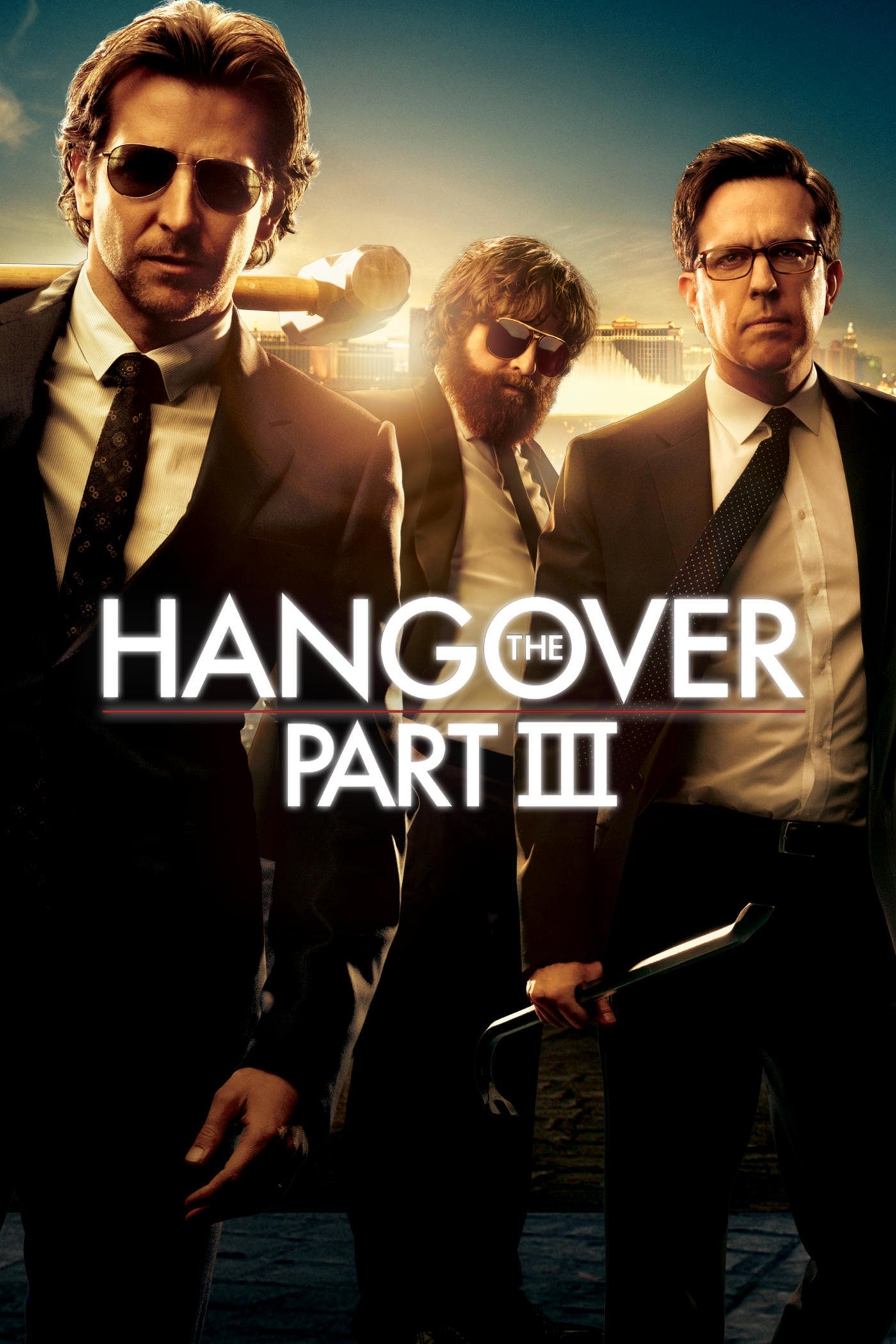
The third comedy entry shifted away from a missing person setup and followed the group on a trip that tied back to earlier misadventures. The plot revisited familiar faces and locations while focusing on a heist and a chase wrapped around debts and stolen goods.
Filming traversed California, Nevada, and international stops with set pieces in desert stretches and coastal towns. The movie closed the core storyline for the central quartet and used end credits callbacks to connect with the structure of the first film.
‘Pirates of the Caribbean: At World’s End’ (2007)
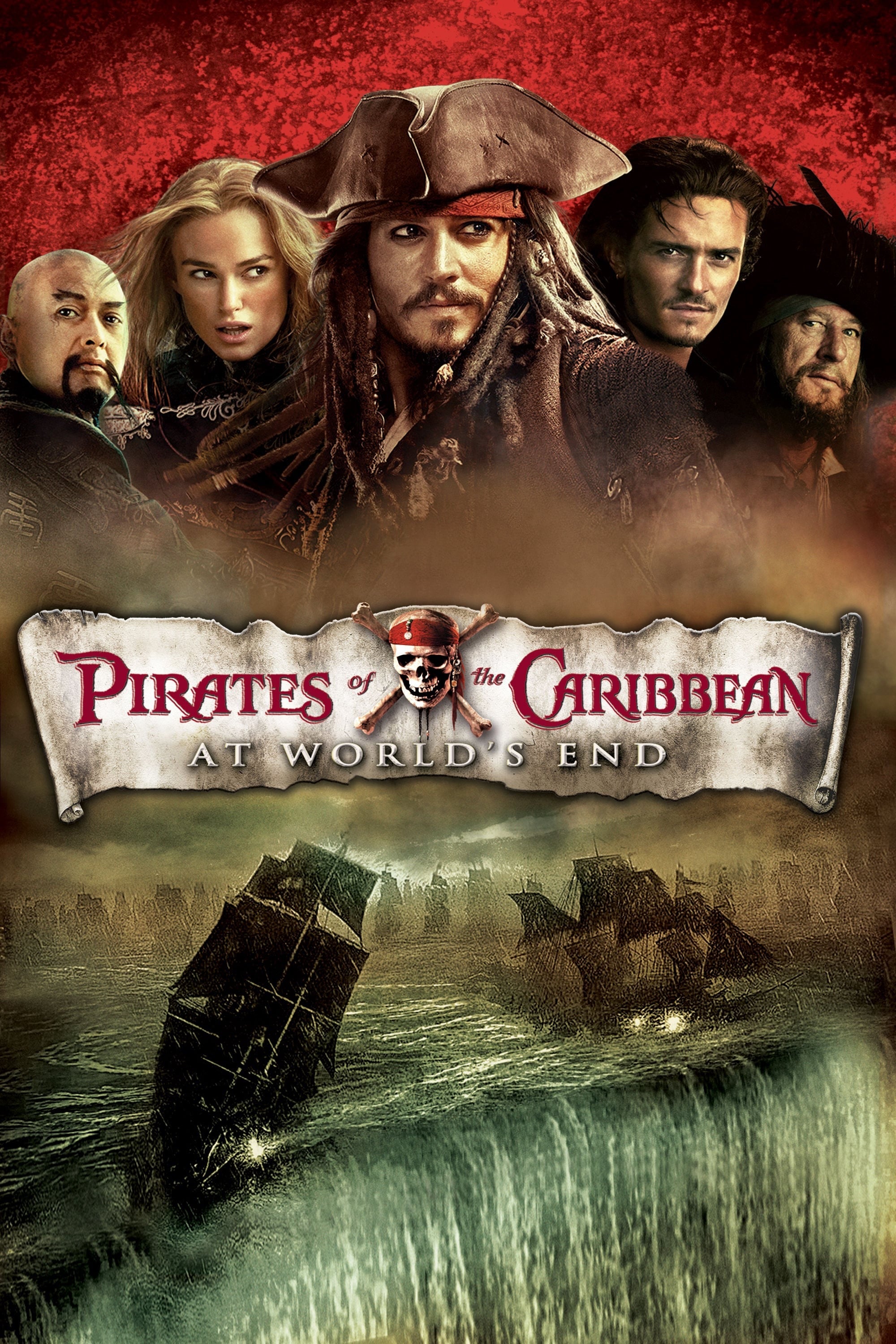
The third voyage brought together competing pirate crews and East India Company forces while a rescue mission targeted a captain lost in a surreal sea. The story threaded in pirate lore, a global map of trade routes, and the meeting of the Brethren Court.
Production shot consecutive chapters and returned to ships and water tanks along with location work in the Caribbean and on Pacific stages. The project relied on extensive motion capture and complex weather effects as fleets converged near a maelstrom for a climactic battle.
‘Terminator 3: Rise of the Machines’ (2003)
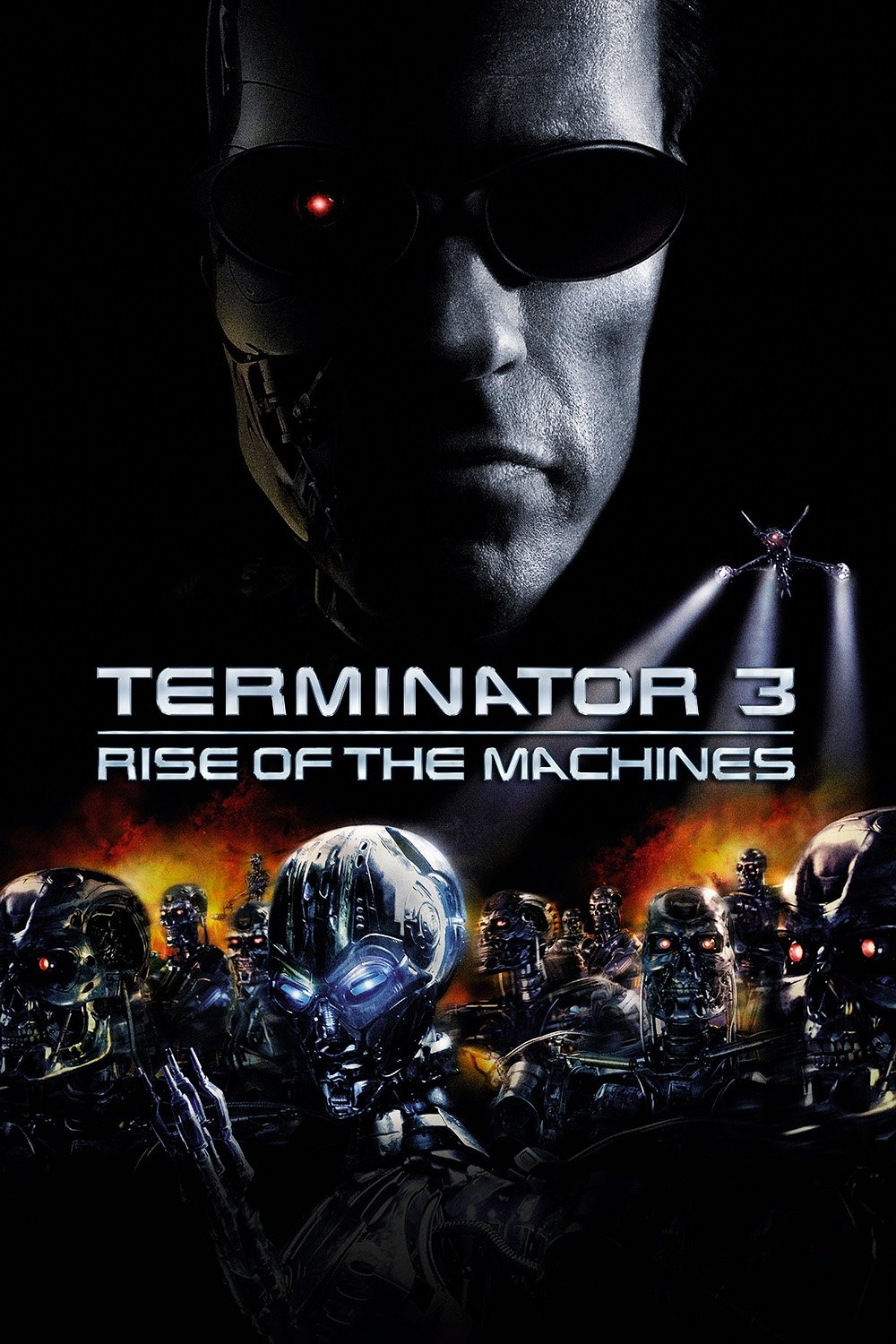
The third chapter followed an adult John Connor as a new model arrived with updated weaponry and disguise capabilities. The plot explored attempts to avert an automated defense launch while bringing back an older protector with mission directives tied to contingency plans.
Practical stunts and large scale vehicle wrecks complemented the digital work for robotic endoskeletons. The film introduced new timelines that later connected with additional sequels and kept the aesthetic of sun baked freeways and industrial facilities for key chases and showdowns.
‘The Karate Kid Part III’ (1989)
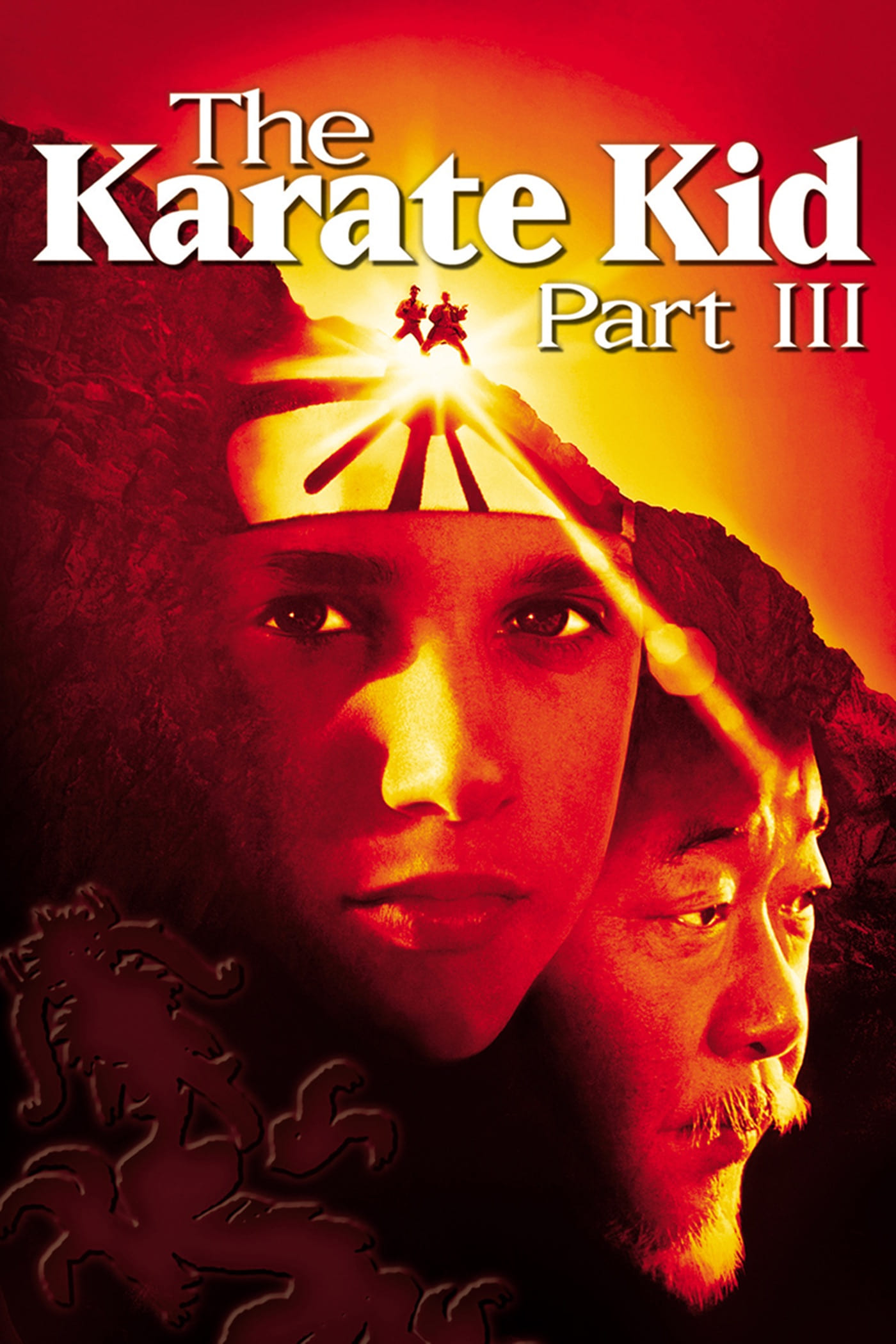
The story brought Daniel and Mr. Miyagi back to Los Angeles where a former foe’s mentor pressed for a tournament return. A new love interest and a small business subplot gave the characters separate paths that converged at a dojo dispute and a high pressure training regimen.
Filming returned to familiar neighborhoods and tournament arenas with choreographed fights that emphasized intimidation tactics over friendly sparring. The movie connected directly to the first film’s fallout and reintroduced characters whose business ties set the conflict in motion.
‘Jaws 3-D’ (1983)
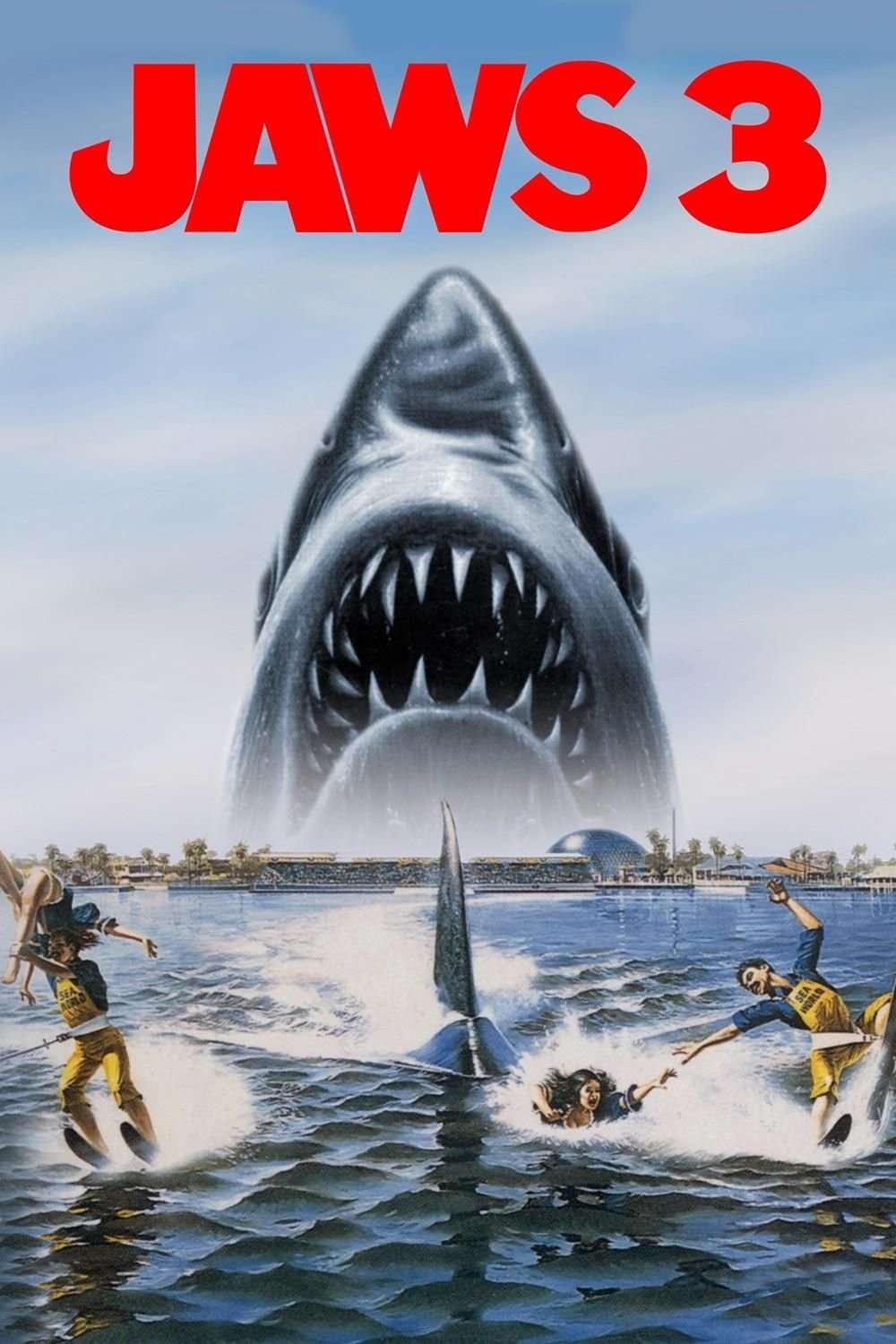
The third shark film moved to a marine park where a new great white slipped through underwater gates and roamed enclosed lagoons. The plot involved marine biology staff, park management, and water skiers as the setting shifted from small town shores to controlled exhibits.
The production used early stereoscopic photography for theatrical presentation along with large scale sets for underwater tunnels. Mechanical effects built oversized shark components for bites on glass and control rooms as the story unfolded during a grand opening weekend.
‘Scream 3’ (2000)
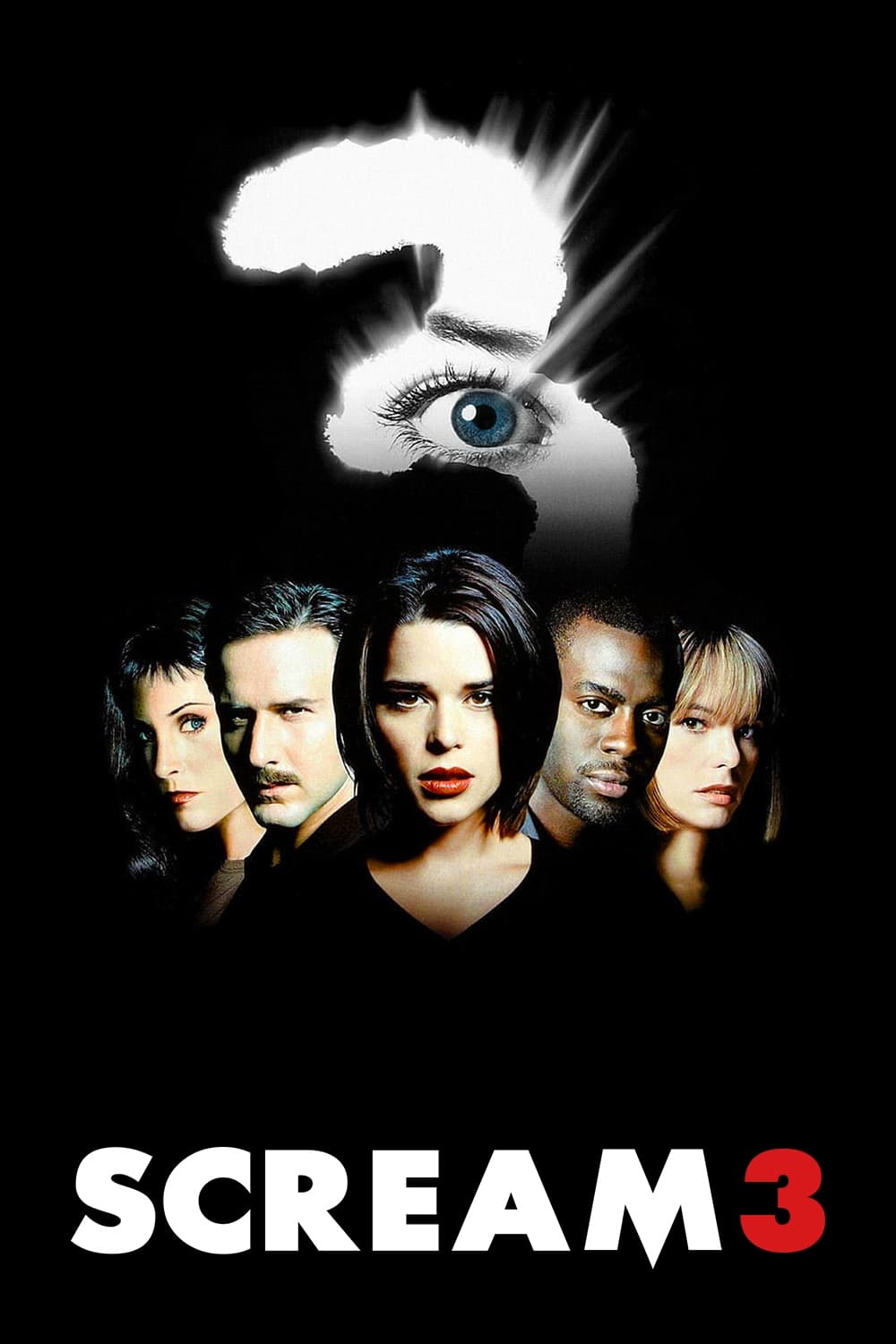
The third meta slasher entry set most of its action on a Hollywood studio lot during the production of a movie within the movie. Sidney Prescott reentered the narrative after new attacks linked to the fictional franchise that dramatized the earlier killings.
The film altered tone and content to work within ratings and timing sensitivities and highlighted sets that recreated suburban houses and small town landmarks. Voice technology and behind the scenes mechanics became plot devices as the rules of the series were discussed on and off the set.
‘Rambo III’ (1988)
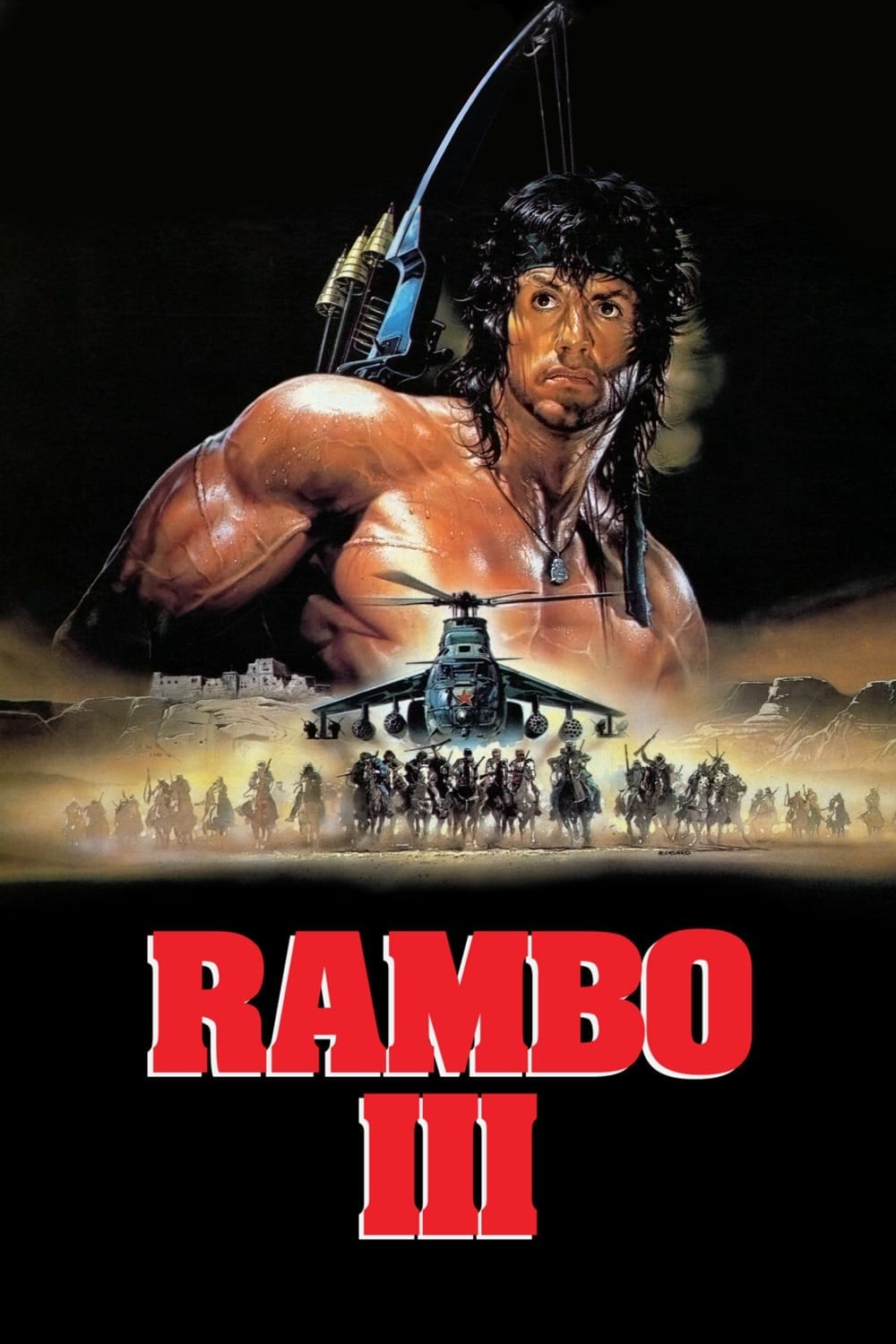
The third mission followed John Rambo from a monastery to a conflict zone after a former commander was captured during a covert operation. The story focused on a rescue that involved caves, fortresses, and rugged terrain with horseback pursuits and heavy weaponry.
The production shot across arid landscapes with large practical explosions and helicopter work that required coordination with military style equipment. The film emphasized survival gear and improvised tactics and continued the character’s arc from isolated veteran to lone operative.
‘Mad Max Beyond Thunderdome’ (1985)

The third wasteland trip found Max in a barter town where gladiatorial rules governed disputes before a journey beyond the settlement changed the scope. The narrative introduced a community of children whose myths and rituals framed a plan to reach a distant refuge.
Filming returned to Australian deserts with elaborate costuming for traders, guards, and entertainers. The soundtrack brought in a pop vocalist for the theme while the sets expanded the series look with vertical arenas, pig fueled power, and jury rigged transport vehicles.
‘Batman Forever’ (1995)
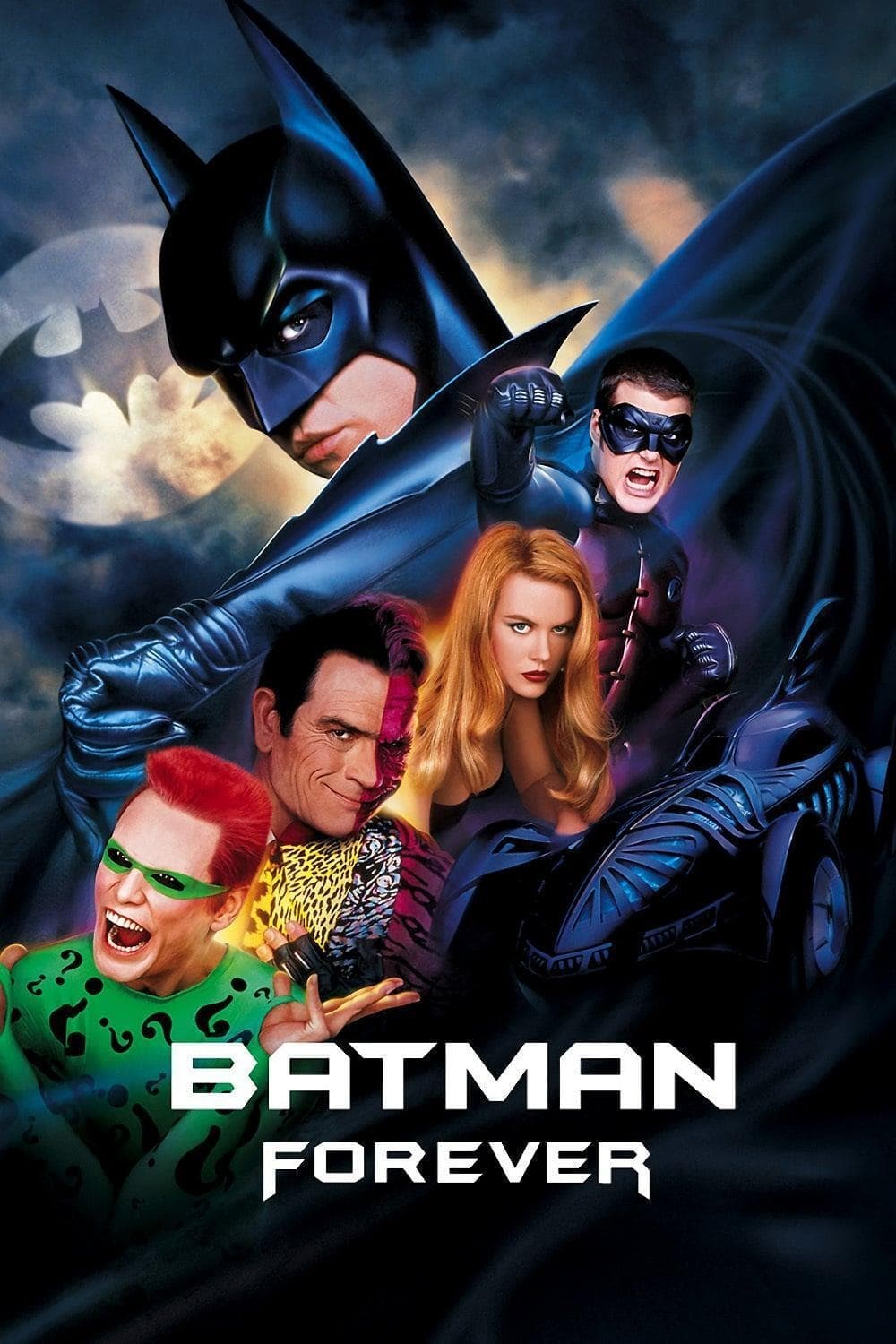
The third film in the original modern cycle recast Bruce Wayne and introduced a brighter palette for Gotham with new villains who targeted identity and memory. The story balanced a love interest for Bruce with the origin of a new partner who joined the fight after a circus tragedy.
Production redesigned suits, vehicles, and sets to create neon lit streets and towering statues. Practical stunts and miniatures worked alongside digital touches as the series changed direction under a new creative team and set up another entry with the same cast and tone.
Share your picks for third franchise films that missed the mark in the comments and tell us which ones you think still deserve a fresh look.