‘You Can See Everything’ Director Lance Oppenheim Faces Allegations Over His Early NYT Short Film

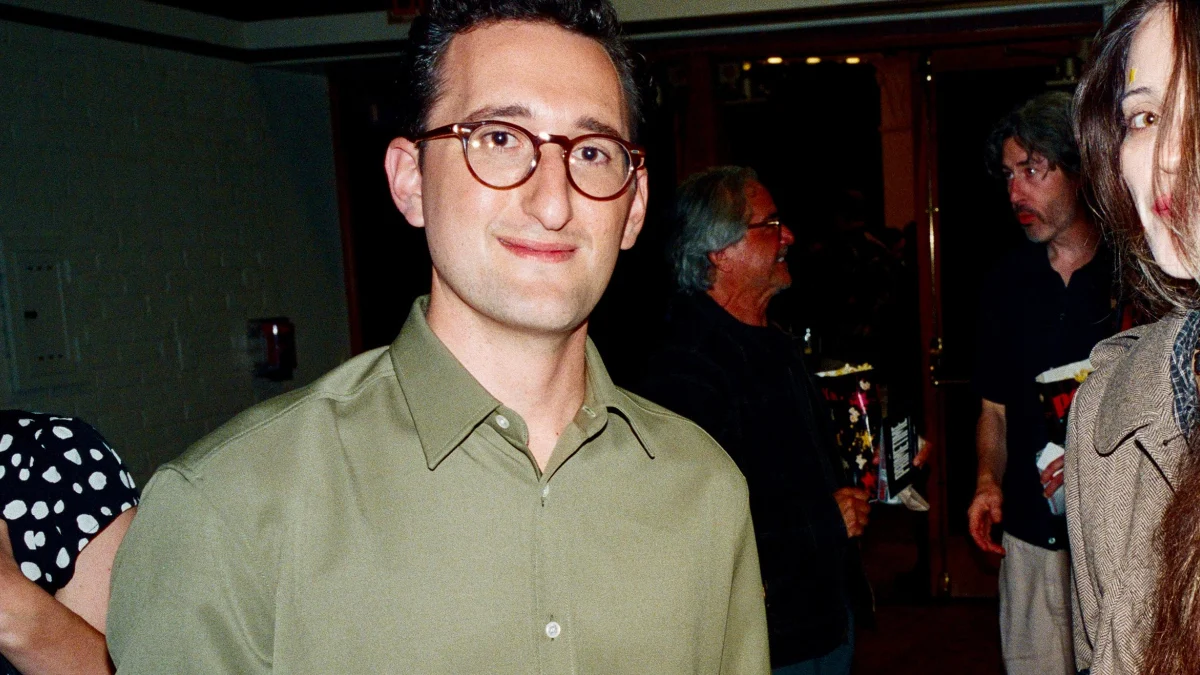

It has been a breakout season for Lance Oppenheim, the co-director of ‘You Can See Everything’, the Elizabeth Holmes documentary that has become one of the fall’s biggest box office surprises. Made with Nathan Fielder, the nearly three-hour film opened to $15 million from just 855 screens and later topped the Monday box office, beating ‘Street Fighter’.
Oppenheim has been on a remarkable run. Earlier this fall, he released ‘Primetime’, his narrative feature debut for A24, and ‘You Can See Everything’ is now nominated for Best Documentary Feature at the Critics’ Choice Documentary Awards, with Fielder and Oppenheim also up for Best Director.
Long before those projects, Oppenheim built his reputation through The New York Times. While in college, he directed 3 short documentaries acquired by the paper’s Op-Docs series, and his feature debut, ‘Some Kind of Heaven’, was produced by Darren Aronofsky and The New York Times as one of the paper’s first feature-length productions.
One of those early shorts was ‘No Jail Time: The Movie’, a roughly 9-minute Op-Doc about sentencing mitigation videos. These are emotionally driven films made by defense teams to persuade a judge to hand down a lighter sentence, and the short profiled attorney Doug Passon, who helps lawyers bring moving pictures into the litigation process.
Now, that short is at the center of serious allegations, as reported by Page Six. A public defender filmmaker named Katie Carter has accused Oppenheim of using footage from sentencing mitigation videos she made on behalf of a client without permission and selling it to the New York Times’ Op-Docs section.
According to her account, the footage came from videos made for clients represented by the Federal Public Defender facing federal criminal charges. Carter claimed she was shocked to arrive at her office on December 5, 2017, and see an Orleans Parish Juvenile Court judge she had filmed for her client featured in The New York Times.
Here is official trailer, You Can See Everything https://t.co/G6jqc7vGzQ
— nathan fielder (@nathanfielder) September 23, 2026
Carter also alleged that her mentor lost his job because of the fallout, and said her client remains in prison and has no idea who Oppenheim is. It’s important to stress that these are allegations, and they have not been proven.
It’s not yet clear whether Oppenheim or The New York Times has publicly responded to the claims. The subject matter itself has always been delicate. When the short was released, Directors Notes noted that many prosecutors take issue with sentencing videos, arguing it is nearly impossible to cross-examine the character witnesses featured in them.
These videos are made for an audience of one, the judge, and often feature defendants’ families and loved ones. That makes questions about consent and how the footage was obtained especially significant.
This isn’t the first time Oppenheim’s approach to his subjects has drawn debate. Some critics of ‘Spermworld’, his 2024 FX and Hulu documentary, argued he seemed more interested in his subjects’ oddity than in empathy, though others praised the film’s refusal to judge.
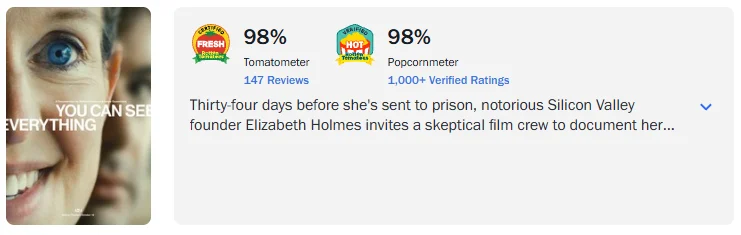
‘You Can See Everything’ has also prompted discussion about documentary ethics. The Washington Post published a roundtable in which reporters grappled with the truth after watching the film, which follows Holmes in the weeks before she began her 11-year federal prison sentence.
The timing is significant. ‘You Can See Everything’ is set to expand nationwide on October 23 as awards season heats up, putting Oppenheim’s work under a brighter spotlight than ever. For now, the claims remain one side of the story. How Oppenheim and The New York Times address them could shape how audiences view his rapid rise.
How important is consent when documentary filmmakers use sensitive footage involving people facing criminal charges?
Have something to add? Let us know in the comments!