

Yuri-on-Ice-Style Anime Series That Actually Delivered the Gay Wedding




Want that rare anime payoff where a same-sex couple doesn’t stop at rings or subtext, but actually seals it with vows, a ceremony, or an unmistakable epilogue? These series (and specials tied to them) go beyond teasing and give viewers on-screen weddings, binding rites treated as marriages, or clear endcards showing the couple as married—exactly the kind of closure fans hoped ‘Yuri!!! on Ice’ would one day deliver.
‘Cherry Magic! Thirty Years of Virginity Can Make You a Wizard?!’ (2024)
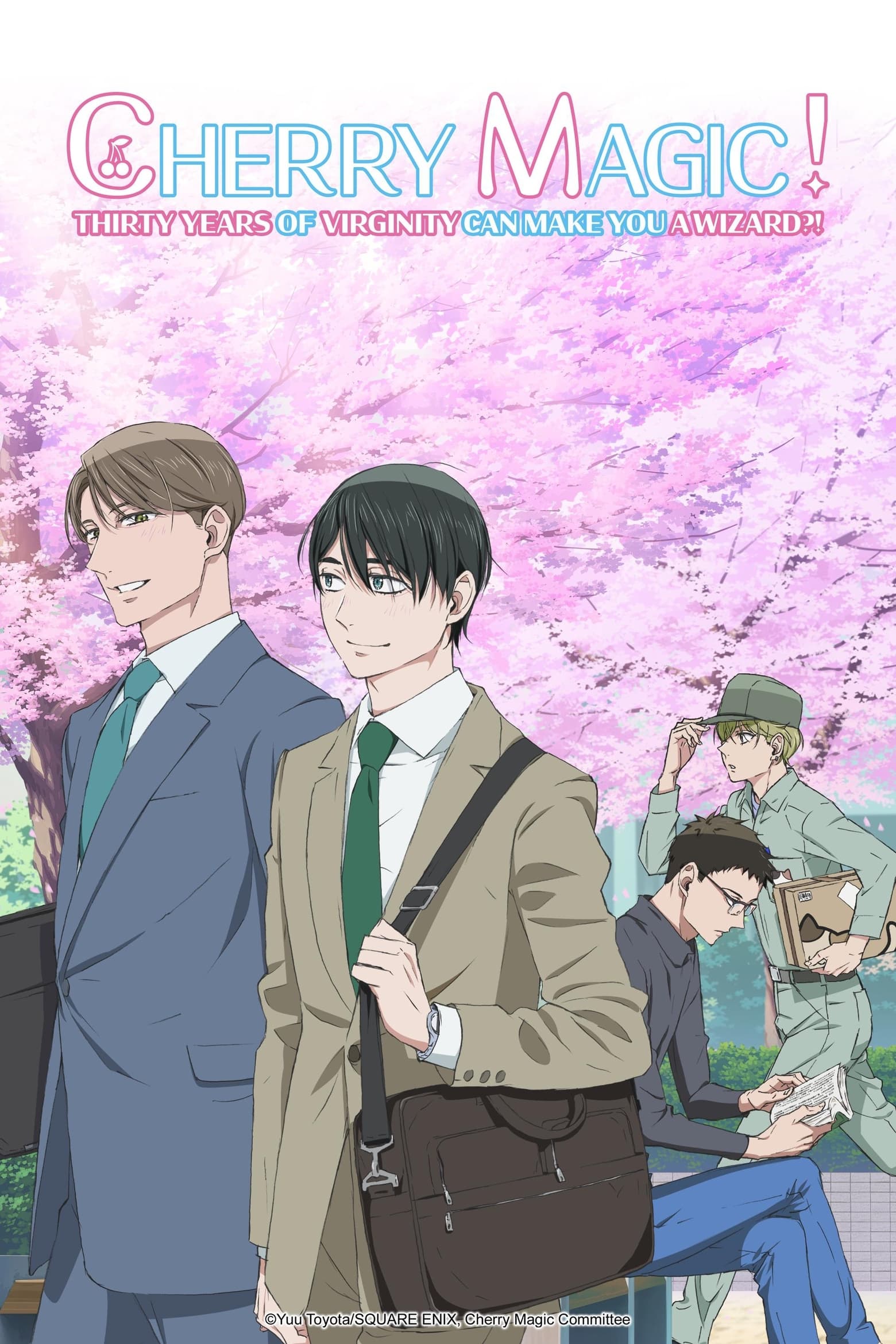
The TV anime’s finale commits to a full ceremony for Adachi and Kurosawa, showing the couple at the altar with colleagues and friends present. The episode frames this as an official marriage, complete with tuxedos, vows, and celebration. A closing image reinforces that they’ve begun married life together. The production treats the wedding as text, not subtext, giving Japan-set BL one of its clearest on-screen gay weddings.
‘Mobile Suit Gundam: The Witch from Mercury’ (2022–2023)

The epilogue depicts Suletta and Miorine wearing matching rings and living a settled domestic life, indicating they formalized their union after the events of the series. Dialogue and visuals present their partnership as a concluded, long-term marriage rather than an open question. The franchise’s official materials and post-air commentary supported interpretations that the pair are spouses. For a flagship mecha title, that’s a rare, explicit end state.
‘Kashimashi – Girl Meets Girl’ (2006)
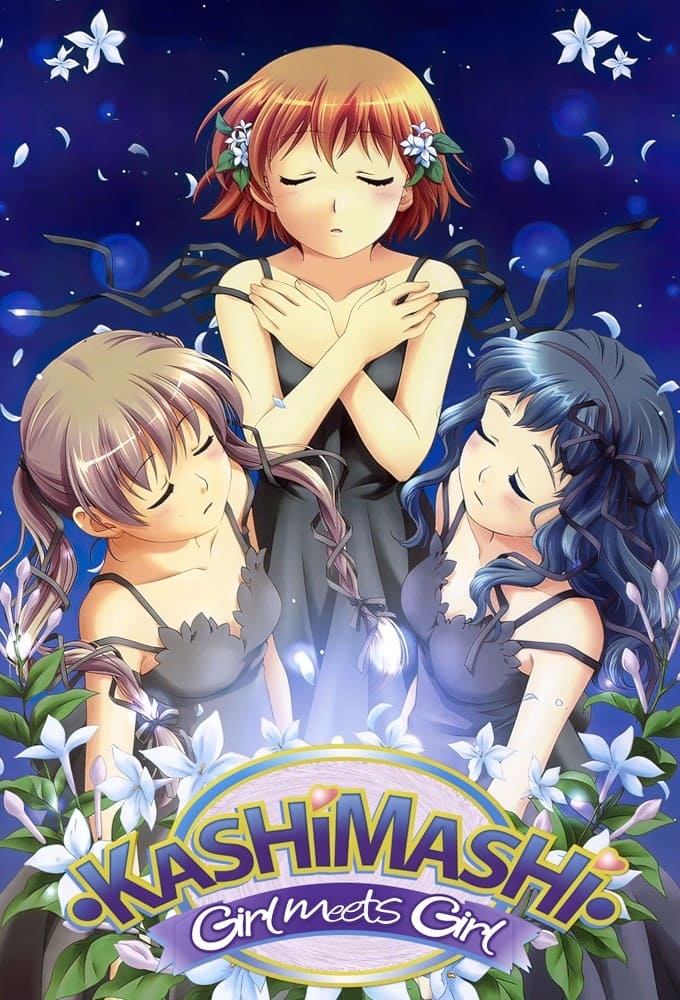
The post-series OVA stages a wedding ceremony for Hazumu and Tomari, complete with bridal gowns, an officiant, and vows. The scene is portrayed as a celebratory conclusion to their relationship arc and is presented as a proper marriage ritual. It functions as the canonical endpoint for the couple in animated form. The OVA positions the wedding as the story’s emotional capstone.
‘Spiritpact’ (2016)

Season 1 culminates in a formal binding rite between Tanmoku Ki and You Keika that is staged with vows, rings, and an officiant-style presence. The show explicitly frames this soul-bond ritual as marriage-equivalent within its supernatural rules. Characters refer to the pair as effectively married after the ceremony. The visuals echo traditional wedding language to erase ambiguity.
‘The Titan’s Bride’ (2020)
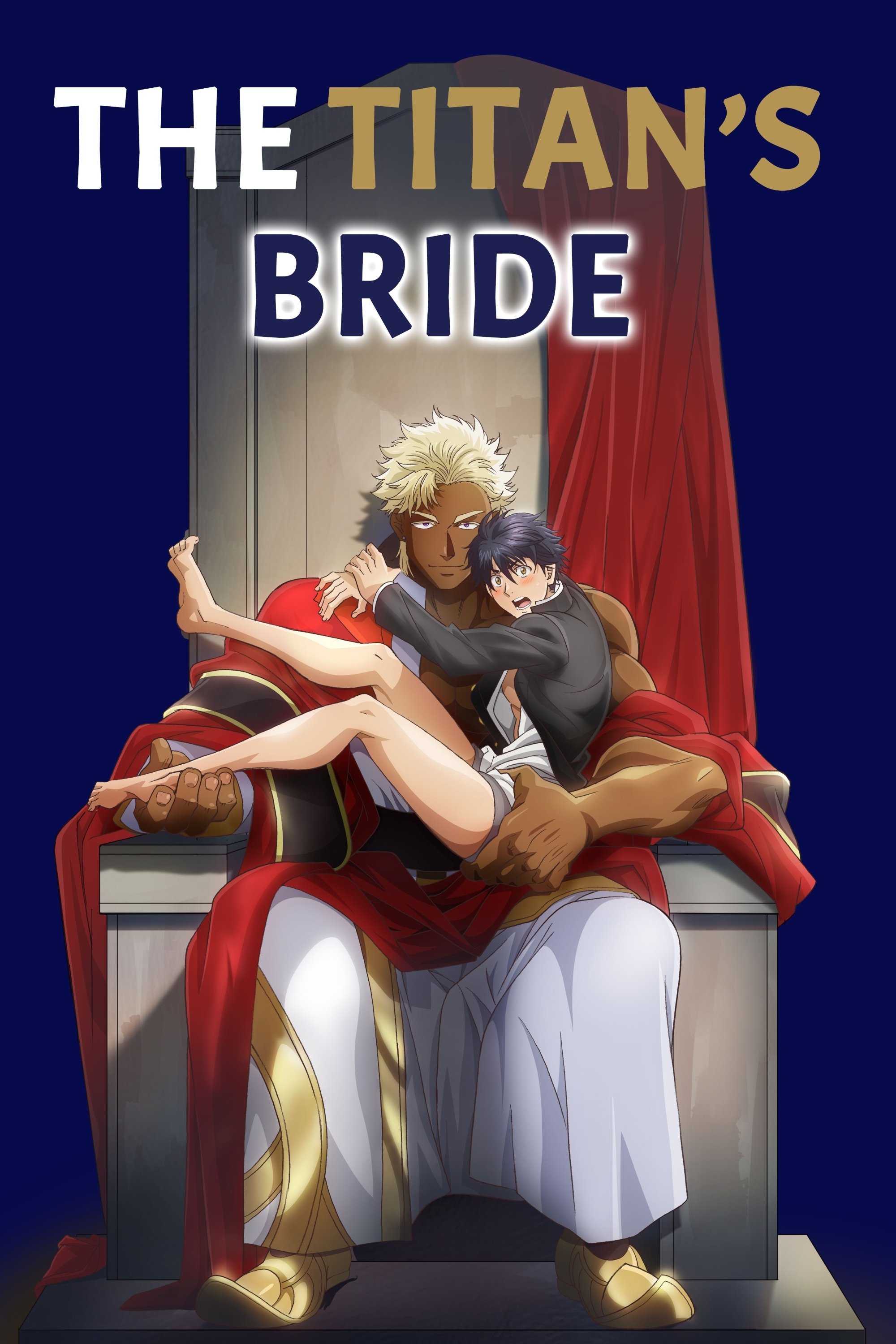
The story builds toward public vows where Koichi is introduced as the prince’s spouse-to-be and then participates in a central pledge scene. Episode titling and ceremony staging underline that this is a marriage commitment within the isekai kingdom’s customs. Court presentations identify Koichi in marital terms, signaling a recognized union. The adaptation makes the intention unmistakable on screen.
‘Sakura Trick’ (2014)
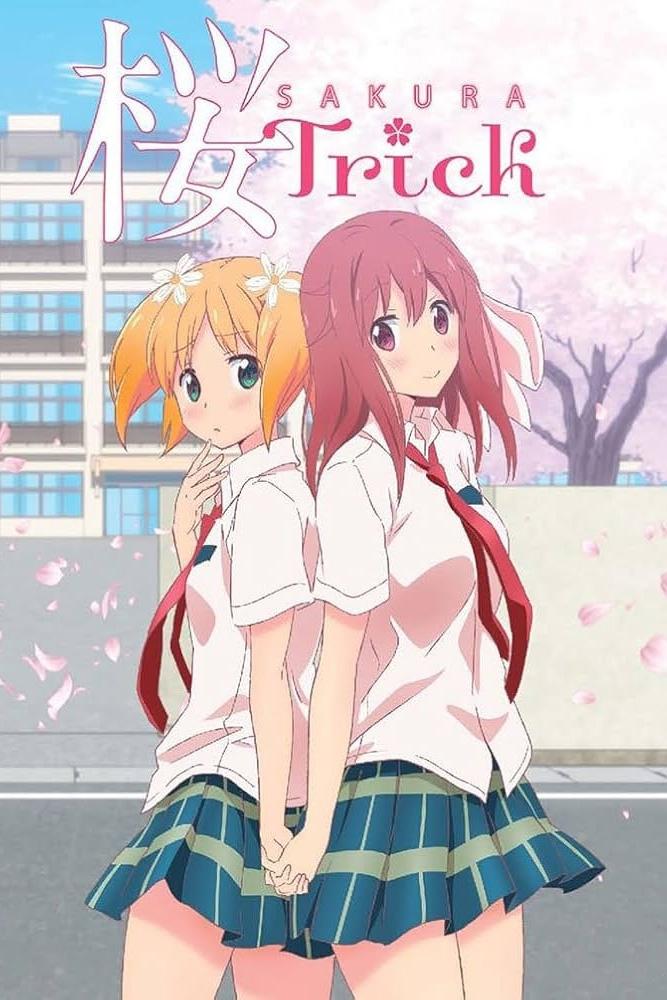
Late-series episodes feature the girls in bridal dress for a mock ceremony and then treat their kisses as “wedding kisses,” establishing the scene as a wedding stand-in. The narrative acknowledges their mutual agreement to marry someday and lets them act it out publicly. The show uses school-event framing to get a wedding onto the screen. It’s presented as a ceremony the characters take seriously, not a throwaway gag.
‘Hitorijime My Hero’ (2017)
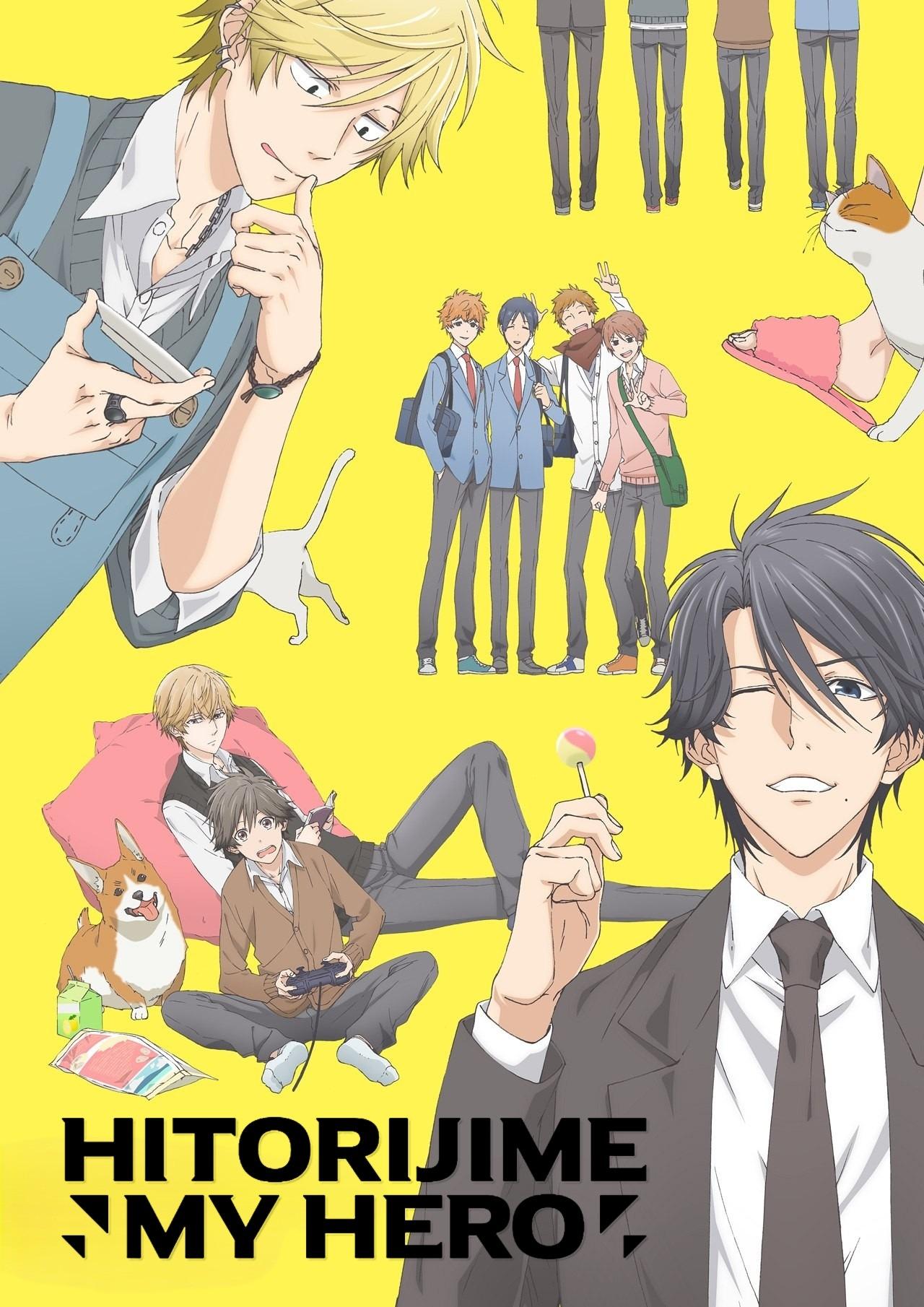
The finale resolves its central couple with exchanged rings and spoken promises that the episode treats as a private wedding. The characters define the moment as a lifelong commitment, and the direction frames it with closing-episode finality. For viewers, the ring exchange functions as the textual marriage scene. The adaptation avoids ambiguity by anchoring the promise visually.
‘Love Stage!!’ (2014)

The last episode circles back to the pair’s wedding-themed commercial work and uses the shoot as a meta device to stage bridal imagery for the now-official couple. The production deliberately blurs the line between performance and reality to deliver a wedding tableau. Series-ending composition frames the moment as the couple’s cinematic “marriage.” It’s the on-screen wedding the story can show inside its showbiz premise.
‘Monochrome Factor’ (2008)
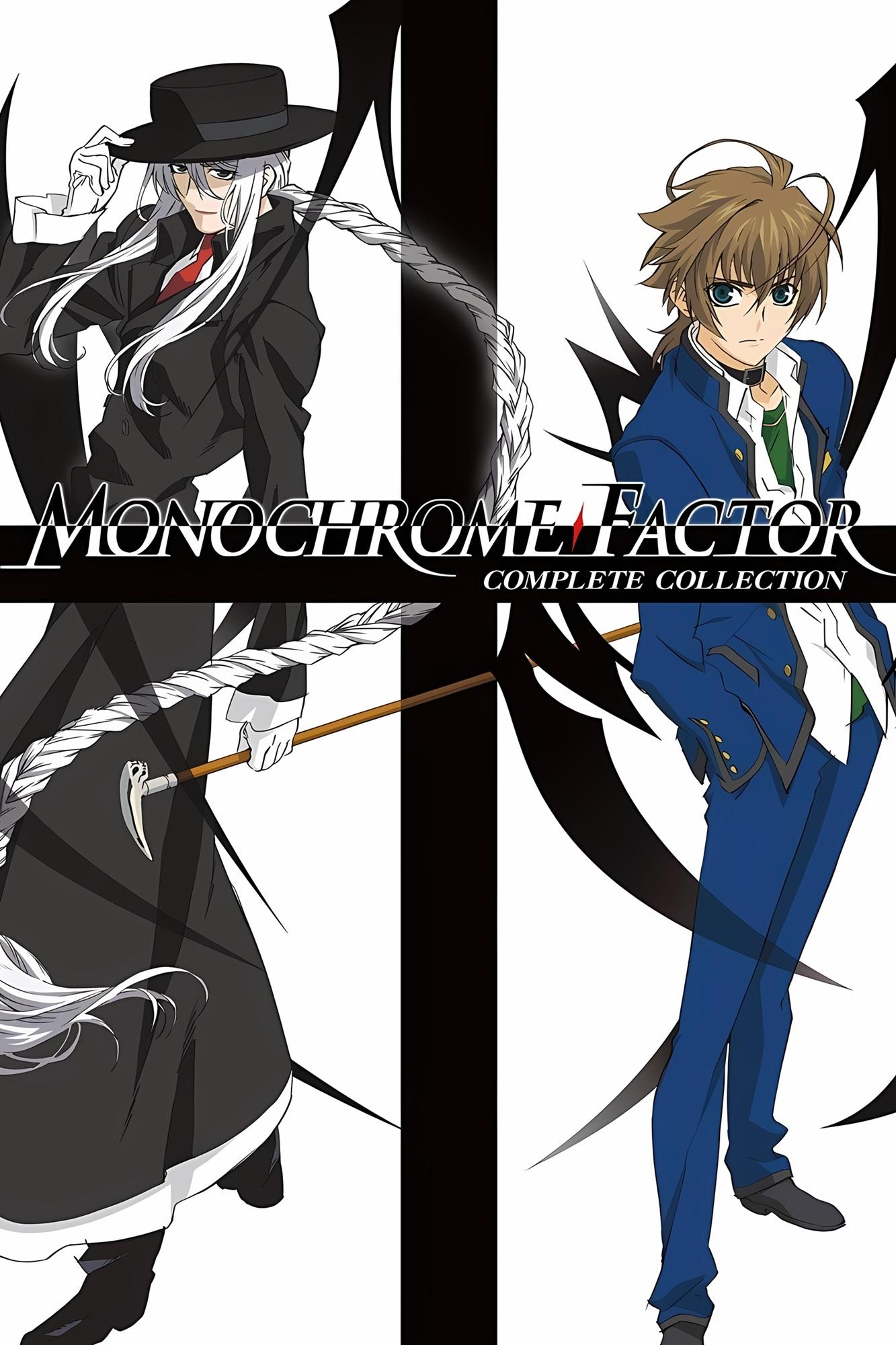
The anime-original ending pays off the central duo’s bond with a decisive romantic sealing that the production treats like a union. While not a legal ceremony, the finale’s structure uses farewell-and-departure language common to wedding closures. The adaptation diverges from the manga specifically to canonize the pairing in this form. The visuals and final cut position the moment as endgame commitment.
‘Gakuen Heaven’ (2006)

The closing episode stages a tower-top pledge scene that mirrors wedding staging—public declaration, symbolic setting, and a commitment as the end point. The creative choice is to frame the confession and future-together promise in explicitly ceremonial terms. As with many game adaptations, the anime condenses “route” endings into a single, wedding-coded capstone. The message is that the couple leaves as a unit.
‘Yurikuma Arashi’ (2015)

The finale completes Kureha and Ginko’s arc with a transgressive union that rejects societal bans and reads as a marriage vow within the show’s symbolism. The episode positions their choice as a covenant and the start of a shared life beyond the oppressive system. Visual language—processional movement, witnesses, and vow-like exchanges—does the wedding’s heavy lifting. The series ends having announced their union on its own terms.
‘No. 6’ (2011)
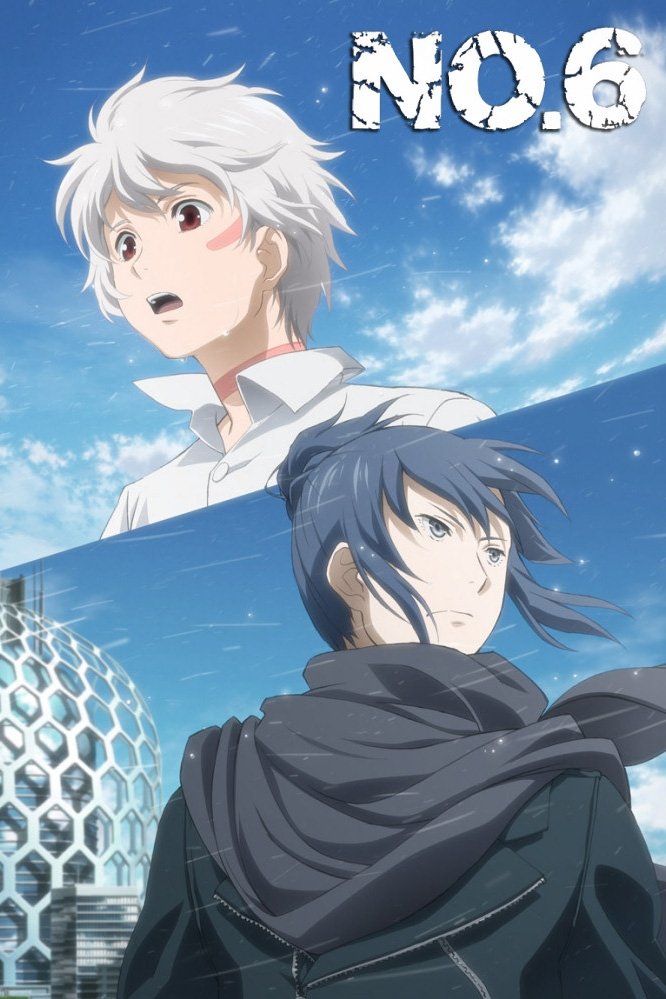
The final episode shows the leads sealing their commitment with an on-screen kiss as they promise a shared future after the regime’s fall. While not a formal ceremony, the narrative treats the farewell-promise as a binding vow between partners. The staging—public risk, vow, and seal—parallels wedding conventions. The ending explicitly affirms them as a couple moving forward together.
‘Kyo Kara Maoh!’ (2004–2009)

From the slap-proposal custom to formal recognition, the show’s culture treats Yuuri and Wolfram as engaged by law and title. Multiple court scenes reinforce that this betrothal carries marital weight in-world. The anime repeatedly references the status as a legal bond with social consequences. Within series canon, it functions as an acknowledged same-sex marriage framework.
‘DAKAICHI – I’m Being Harassed by the Sexiest Man of the Year – The Movie: Spain Arc’ (2021)
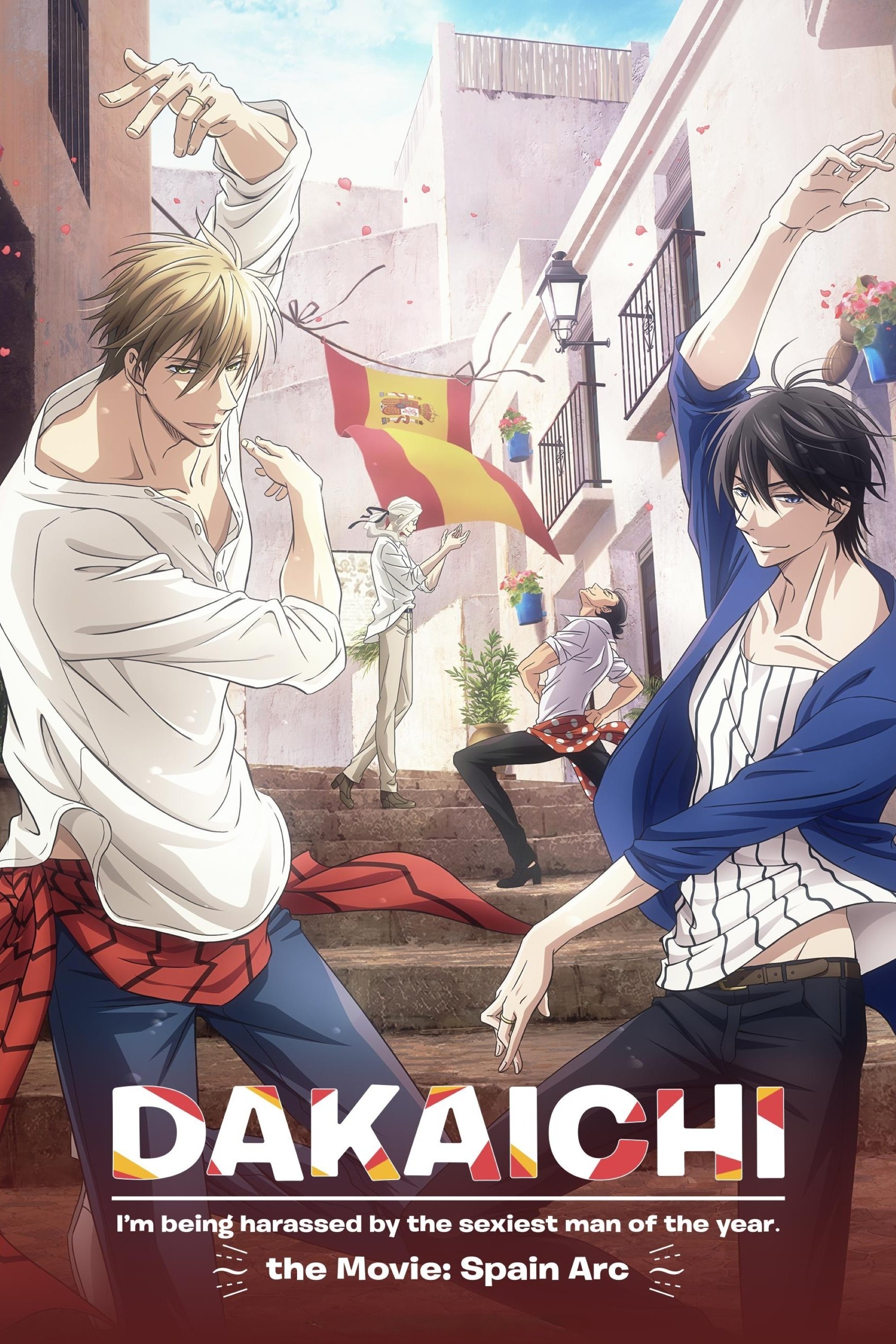
The feature centers the couple around ‘Blood Wedding’ and uses the production’s imagery to stage marriage symbolism around their relationship. The arc leverages rehearsal, costuming, and closing reconciliation to present wedding-coded closure. End credits material and epilogue beats frame the pair as endgame partners. The film’s design choices deliver the wedding visual grammar fans expect.
‘Yes, No, or Maybe?’ (2020)
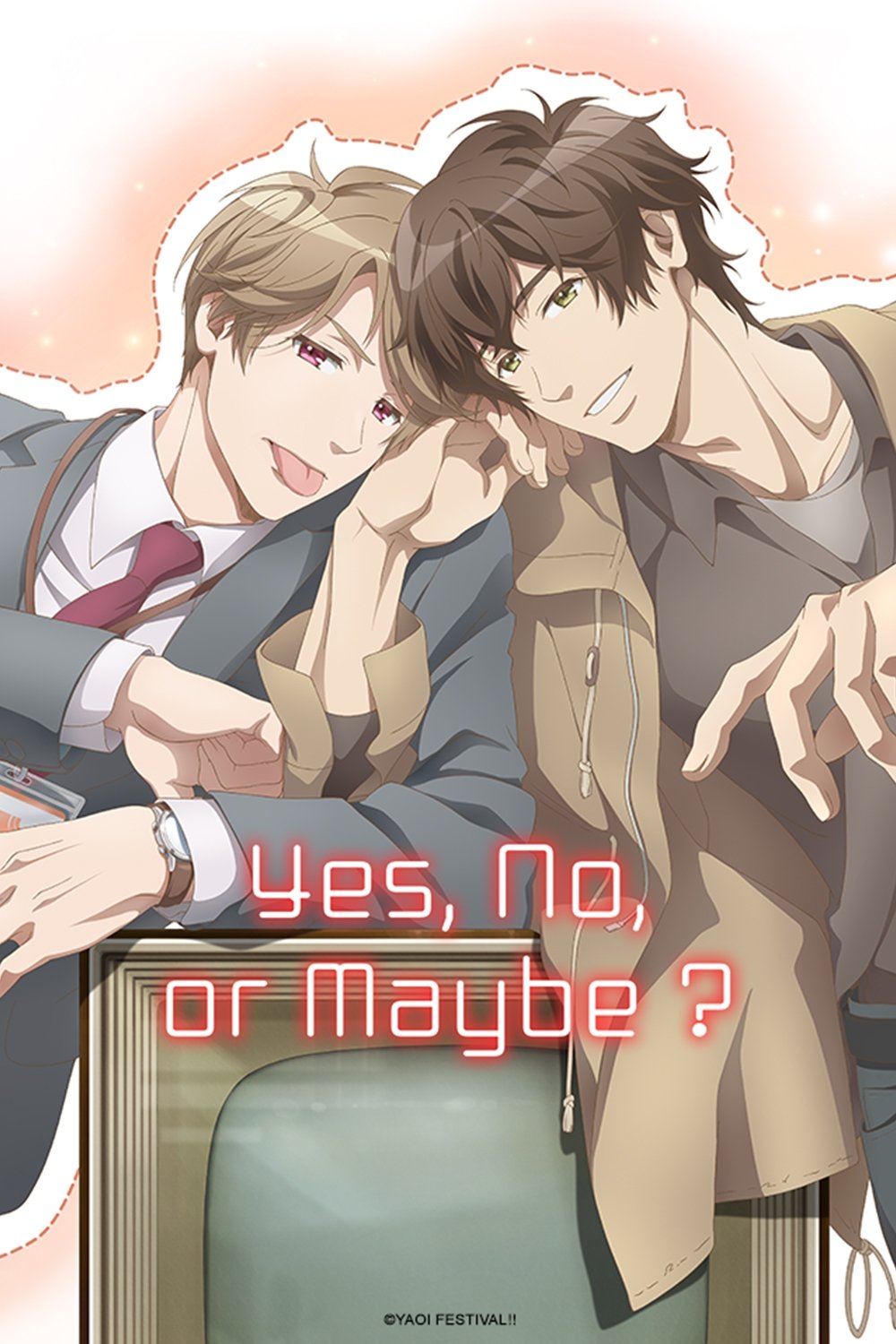
This one-shot anime wraps with ringed commitment and a stated intention to build a life together, presented with final-scene gravity. The wording and staging place the pledge in marriage-equivalent space for the characters. As a compact film, it uses clear visual markers—rings, reciprocal vows, and close framing—to signal the wedding outcome. It ends with no ambiguity about the couple’s status.
Share the ones we missed—and the scenes that made you cheer—in the comments!