Zack Snyder Explains Exactly Why He Refused To Make DC Movies Like Marvel

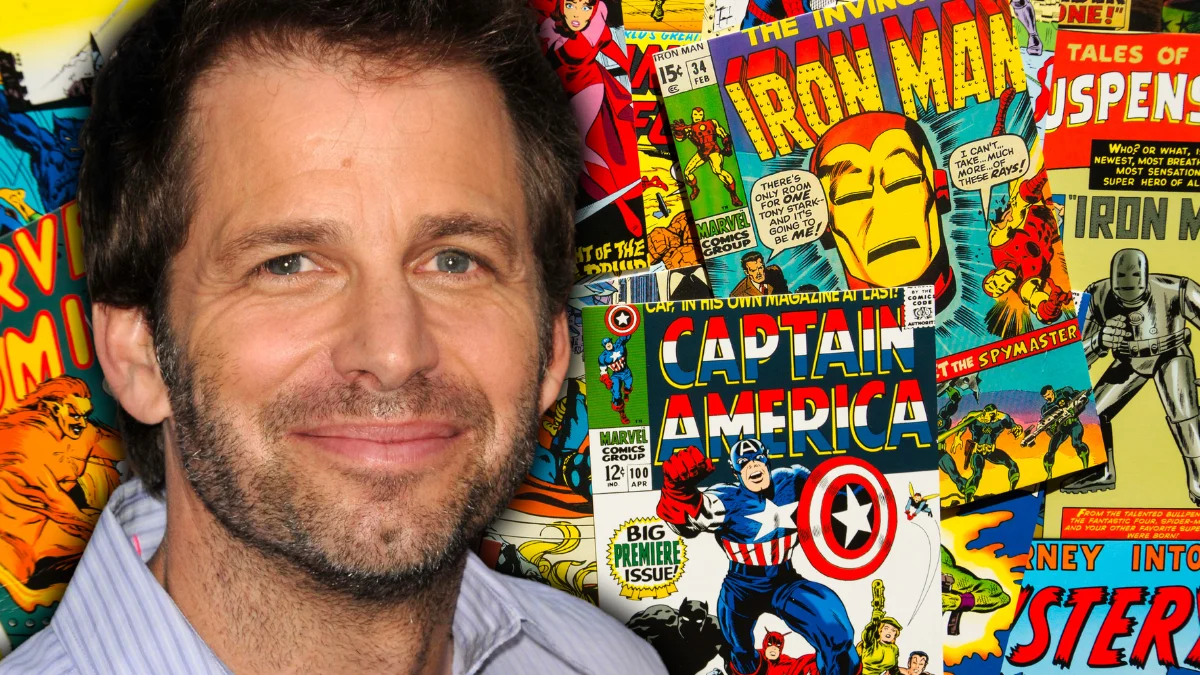

More than a decade after ‘Man of Steel‘ kicked off Zack Snyder’s take on the DC Extended Universe, comparisons between his approach and Marvel’s genre-defining formula still haven’t gone away. If anything, those comparisons have only intensified as James Gunn’s rebooted DC Universe finds its footing with a very different tone than Snyder’s original vision.
Snyder is currently promoting ‘The Last Photograph,’ his first fully independent feature, which just made its world premiere at the Toronto International Film Festival after more than a decade in development. The film marks a dramatic departure from his DC and Netflix blockbuster work, and in press tied to its debut, Snyder has been reflecting candidly on the choices that defined his time building out Superman and Batman’s cinematic world.
Chief among those reflections is a clear explanation for why he never tried to replicate Marvel’s crowd-pleasing playbook. Speaking about the two studios’ contrasting styles, Snyder made clear that mimicking Marvel’s structure was never something he wanted for his own comic book movies.
He described Marvel’s approach as functioning like an amusement park ride, told The Hollywood Reporter, breaking it down beat by beat: “The ups, the drops, the kind of cruising part, and then another drop.” According to Snyder, that formula is built to leave audiences walking out simply amazed by the spectacle, a goal he admitted held no real appeal for him as a filmmaker, since he was far more interested in exploring the underlying mythology of these characters, even if that meant sacrificing some of the crowd-pleasing fun Marvel had mastered.
That distinction lines up with how Snyder approached his own DC films. Rather than leaning into quippy team dynamics and rapid tonal shifts, ‘Man of Steel,’ ‘Batman v Superman,’ and ‘Justice League’ were built around operatic, mythic framing, treating Superman and Batman more like gods and legends than crowd-friendly action heroes trading one-liners.
That creative philosophy came with real commercial consequences. Marvel’s output consistently outgrossed DC’s during the same stretch, and Snyder has acknowledged that skipping the theme-park formula likely played a role in that gap, even while maintaining that chasing box office parity was never really how he approached the work in the first place.
Snyder’s reflections weren’t limited to Marvel’s business model, either. In the same conversation, he also addressed his complicated relationship with the current state of the DC Universe, revealing he still hasn’t gotten around to watching Gunn’s ‘Superman,’ while making clear he genuinely supports Gunn and hopes the new DC Studios era succeeds.
That mix of candor and goodwill captures where Snyder seems to be at this point in his career, someone willing to explain his creative choices honestly without framing them as a rivalry with what came after him. For a filmmaker whose DC tenure remains one of the more polarizing stretches in modern superhero cinema, hearing him articulate the actual philosophy behind those choices offers useful context for fans still debating his legacy.
Whether audiences ultimately preferred Marvel’s ride-like structure or Snyder’s mythological approach has fueled endless online debate for years, and this new interview isn’t likely to settle that argument anytime soon. If anything, Snyder’s comments make clear the divide was never accidental, but a deliberate artistic choice he stands behind even now, years removed from his time steering the DCEU.
Which approach to superhero movies do you prefer?
Have something to add? Let us know in the comments!